Edition 55 · 11/5/2026

Do you know how to care for your varicose veins?

Curated by Lucas Campos · Ayurvedese®

Share:
In this edition, we dive into topics that directly touch on health and well-being, aligning with the principles of Ayurveda. From understanding varicose veins and the importance of balancing Vata, to the potential benefits of plants like Hellenia speciosa and Nigella sativa for the liver and diabetes regulation. Practicing healthy habits and connecting with nature help us strengthen the body and mind, promoting what we call ojas — essential vitality. It’s an invitation to reflect on how small changes can significantly impact our health. Shall we embark on this journey of self-care and self-discovery together? — Lucas
Varicose Veins: Symptoms, Causes, and Ayurvedic Approach
rss:maharishi

Varicose Veins: Symptoms, Causes, and Ayurvedic Approach

Researchers have identified that varicose veins, characterized by dilated and twisted veins, are common in the legs and feet, presenting a bluish or purple coloration. Initial symptoms include bulging veins, pain, a feeling of heaviness, swelling, and itching, which tend to worsen after long periods of standing. The approach to management involves regular exercise, lifestyle changes, and Ayurvedic supportive measures. Ayurveda emphasizes the balance of Vata and the promotion of healthy circulation through practices such as walking, yoga, and leg elevation. When symptoms persist, it is crucial to seek professional evaluation to avoid complications associated with chronic venous insufficiency.
Read full →

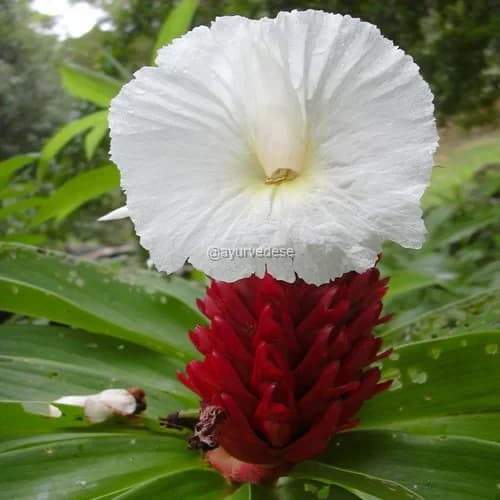
Costus / Gengibra-espiral / Kebuka
pubmed

Hellenia speciosa and liver protection in diabetics: what a study in rats reveals

Researchers demonstrated that the aqueous extract of the rhizome of Hellenia speciosa reduces hepatic lesions in diabetic rats induced by a high-fat diet and streptozotocin. The study, conducted by Filfilan and Elbeeh, observed that the administration of the extract led to a significant decrease in markers of liver damage, such as ALT and AST, which are enzymes indicative of liver injury. Additionally, an improvement in liver function and glycemic homeostasis was noted, suggesting that Hellenia speciosa may have a protective role against oxidative stress and hepatic inflammation. The authors highlight that, although the results are promising, the study was conducted in an animal model, which limits the generalization of the findings to humans. The relationship between the active principles of the plant and the mechanisms of hepatic protection still requires further investigation.

Read full →

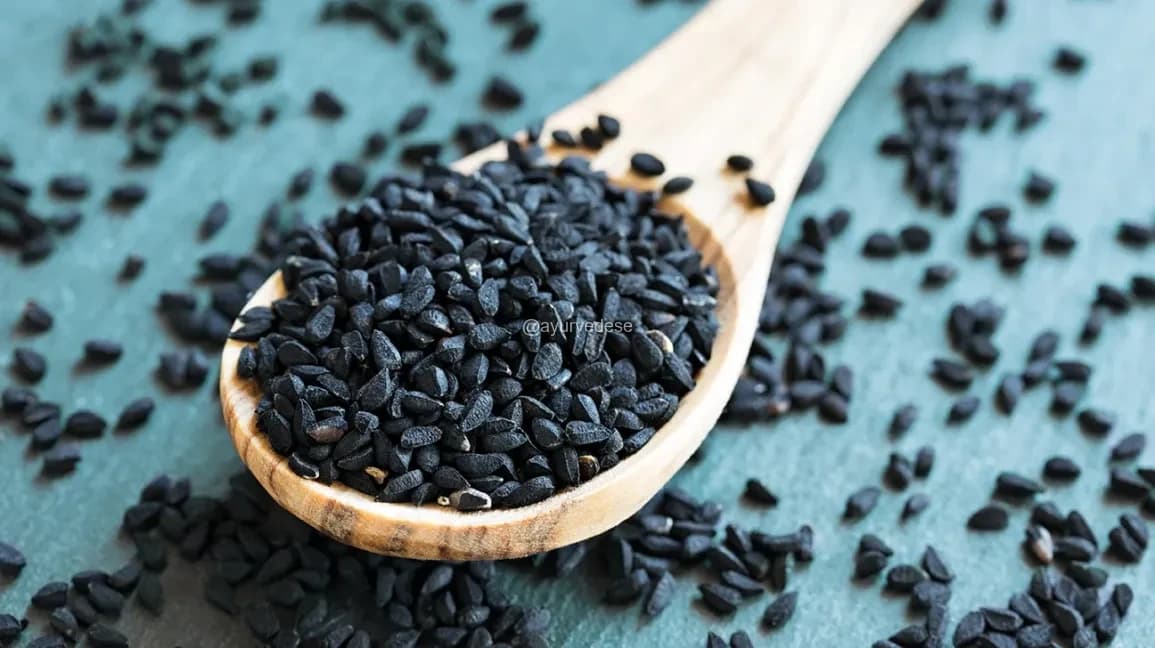
Cominho-preto / Kalonji
pubmed

Peptides from Nigella sativa seed cake: a dual potential for diabetes and hypertension control

Researchers identified a peptide with dual inhibitory activity on DPP-IV and ACE from the seed cake of Nigella sativa, known as black cumin. This peptide demonstrated a reduction in DPP-IV activity, an enzyme that inactivates hormones that help control blood sugar, and ACE, which is involved in regulating blood pressure. The study, conducted by Nuril Albi V and collaborators, reveals that the extraction and characterization of the peptide may offer new approaches for the treatment of type 2 diabetes and hypertension. Although the results are promising, it is important to note that the research was conducted under laboratory conditions, and more clinical studies are needed to validate these findings in humans.

Read full →

Cominho-preto / Kalonji

Herb of the day

Cominho-preto / Kalonji· Upakuñcikā

Nigella sativa

O cominho-preto (*Nigella sativa*) é uma planta da qual se usam as sementes. Em sânscrito, é chamado Upakuñcikā. No Bhāvaprakāśa Nighaṇṭu, texto clássico do Ayurveda, aparece como um dos três tipos de cominho. Também é conhecido como nigela e habbatus-sauda. Tem sabor picante (Kaṭu) e amargo (Ti…

View in catalog →

Sloka of the day

दीर्घमायुः स्मृतिं मेधामारोग्यं तरुणं वयः। प्रभावर्णस्वरौदार्यं देहेन्द्रियबलं परम्॥

[Rasāyana brings] prolonged longevity (dīrgham āyuḥ), memory (smṛti), intelligence (medhā), health (ārogya), youthfulness (taruṇa-vayaḥ), radiance (prabhā), good complexion, a noble voice, and supreme strength of body and of the sense organs.

cikitsasthana_1 1.7

Charaka enumerates the 9 fruits of rasāyana — not as a mystical promise, but as a verifiable set of markers: longevity, cognitive function, general health, a youthful phenotype (skin/hair/voice/posture), and sensory strength. Application: rasāyana is a long-term preventive and regenerative strategy, not a symptomatic treatment. It is attained through combinations (āchāra-rasāyana, dravya-rasāyana, etc.) and demands a prepared ground — a clean body (prior śodhana), a regular rhythm, a balanced mind.

To practice today

Reflita sobre seus hábitos diários: como você pode cultivar saúde e vitalidade em sua vida?

Podcast episode

#31 - Potência dos Alimentos

Quer saber mais? Acesse: https://lnk.bio/ayurvedese Baixe também o aplicativo de ayurveda em seu celular: Android: bit.ly/ayurapp1 Iphone: bit.ly/ayurapp2 Neste episódio vamos…

Listen on Spotify
Share: