Public feed

Ayurvedic editorial curation

Science articles classified by dosha, srota and dhatu. Filter to find what matters to you today.

  • openalex🗞️ Published on Ayurdrops: Jul 12, 2026📅 Source: Jul 10, 2026

    Chronic cellulitis in the leg: how Ayurveda can help with Jalaukavacharana

    Researchers presented a case of chronic cellulitis in the left leg that was treated with Jalaukavacharana, an Ayurvedic technique using leeches, combined with oral interventions. The treatment resulted in significant improvement in the patient's symptoms and skin appearance. Cellulitis, a bacterial skin infection, can be challenging to treat, especially when it becomes chronic. The use of Jalaukavacharana promotes blood circulation and removal of toxins, while oral interventions aim to strengthen the immune system and improve overall health. This case highlights the effectiveness of integrative approaches in treating complex conditions, suggesting that Ayurveda can offer valuable alternatives to conventional medicine. However, it is important to note that this is a case report, and more studies are needed to validate these findings in larger populations.


  • openalex🗞️ Published on Ayurdrops: Jul 12, 2026📅 Source: Jul 10, 2026

    Obesity and Ayurveda: An Integrative Approach

    Researchers analyzed the relationship between sthoulya (obesity) and integrative practices, highlighting the importance of a holistic approach. The article reviews Ayurvedic and contemporary methods for weight management, emphasizing the connection between diet, lifestyle, and mental health. Obesity, often associated with imbalances in the doshas, is addressed through interventions that include dietary adjustments and meditation practices. The authors, Dr. Madhushree M., Dr. Prathibha Bhat, and Dr. Basavaraj G. Saraganachari, suggest that combining Ayurvedic therapies with modern strategies may result in better outcomes for obesity management. Although the study presents a comprehensive view, limitations such as the lack of controlled clinical trials are mentioned, indicating the need for further research to validate these approaches.

  • rss:cabsin🗞️ Published on Ayurdrops: Jul 11, 2026📅 Source: Sep 10, 2025

    Climate Disasters and Wars: How Mental Health Demands Expanded Attention

    Researchers point out that climate disasters and armed conflicts have led to a significant increase in mental disorders, such as anxiety and depression. In a study with Ukrainian university students, 48.1% showed symptoms of post-traumatic stress disorder (PTSD), while 34.1% reported moderate to severe anxiety and 33.6% depression. These data, collected by the World Health Organization (WHO), highlight the urgent need for integrative approaches in mental health, especially in vulnerable populations. Traditional, Complementary, and Integrative Medicine (TCIM) emerges as an effective alternative, offering person-centered and evidence-based care. The 3rd World Congress on Traditional, Complementary and Integrative Medicine, to be held in October 2025 in Brazil, will bring together experts from 47 countries to discuss how TCIM can respond to these critical mental health challenges in crisis scenarios.

  • rss:cabsin🗞️ Published on Ayurdrops: Jul 11, 2026📅 Source: Sep 13, 2025

    Mental health in times of crisis: how Integrative Medicine can help

    Researchers and specialists gather to discuss how Integrative Medicine can strengthen mental health in times of global crises, such as climate emergencies and conflicts. The event, promoted by the Brazilian Academic Consortium for Integrative Health (CABSIN), will feature renowned professionals, including Ricardo Ghelman and Adalberto Barreto, who will address the importance of integrative practices in building community resilience. Dr. Adriana Nunes Wolfenbuttel will present evidence on the use of aromatherapy in contexts of stress and trauma, highlighting its potential in emergency situations. The live session will be an opportunity to explore evidence-based approaches that prioritize collective well-being, going beyond individual treatment and emphasizing the need to strengthen communities in challenging times.

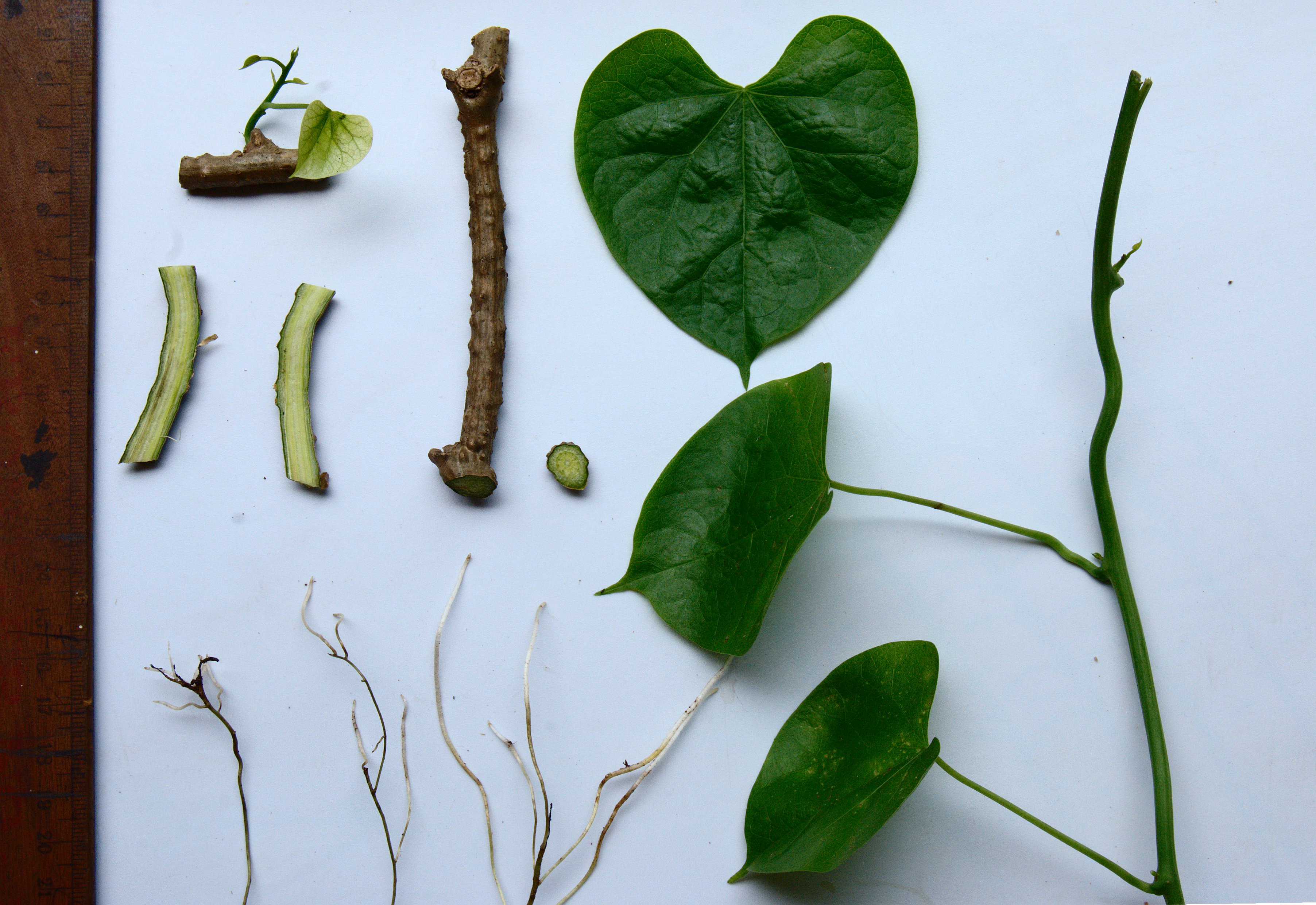
  • Guduchi
    rss:maharishi🗞️ Published on Ayurdrops: Jul 11, 2026📅 Source: Jul 03, 2026

    Understanding Non-Alcoholic Fatty Liver Disease: Causes, Symptoms, and Ayurvedic Liver Support

    Researchers have identified that Non-Alcoholic Fatty Liver Disease (NAFLD) is a silent condition, often without clear symptoms, but it can be associated with factors such as obesity, insulin resistance, and type 2 diabetes. When fat in the liver exceeds 5% of its weight, the condition is diagnosed. Ayurveda offers a unique perspective, considering fat accumulation as a Kapha imbalance, weakness of Agni (digestion), and accumulation of Ama (toxins). Herbs like Bhumi Amla, Kalmegh, and Guduchi are suggested to support liver health, especially when combined with lifestyle changes such as a balanced diet and regular exercise. The Ayurvedic approach emphasizes the importance of treating the root of the problem, promoting overall metabolic health.

  • rss:easyayurveda🗞️ Published on Ayurdrops: Jul 11, 2026📅 Source: Jul 10, 2026

    The Organization of Ashtanga Ayurveda in the Sushruta Saṃhitā: A Detailed Look

    The Sushruta Saṃhitā presents a unique approach to the arrangement of the eight branches of Ayurveda, known as the Ashtangas. This article, written by Dr. Raghuram Y.S. and Dr. Manasa S, explores how Sushruta categorizes and organizes these branches, offering a clear view of the interconnection between them. The methodical structure proposed by Sushruta not only facilitates the understanding of Ayurvedic principles but also highlights the importance of each branch in clinical practice. The analysis reveals that the arrangement of the Ashtangas can influence how therapists approach diagnosis and treatment, promoting a more integrated and holistic practice. Sushruta's work, therefore, is not just a compendium of knowledge but a practical guide that remains relevant to contemporary Ayurvedic medicine.

  • jaim🗞️ Published on Ayurdrops: Jul 11, 2026📅 Source: Jan 01, 2026

    Shulva Yoga and its potential anticancer activity: what a study in Drosophila reveals

    Researchers investigated the anticancer activity of Shulva Yoga, a herbo-metallic compound, in a cancer model induced by the loss of the scrib gene in Drosophila melanogaster. The results showed that administration of Shulva Yoga resulted in a significant reduction in tumor formation, suggesting a potential protective effect against cancer. The study, conducted by Shiwakshi Sharma and colleagues, highlights the importance of traditional compounds in contemporary cancer research. Although the results are promising, it is important to consider that the model used was in Drosophila, which limits the generalization of the findings to humans. The research opens new possibilities for the use of Shulva Yoga in integrative medicine, especially in contexts where cancer prevention is a priority.

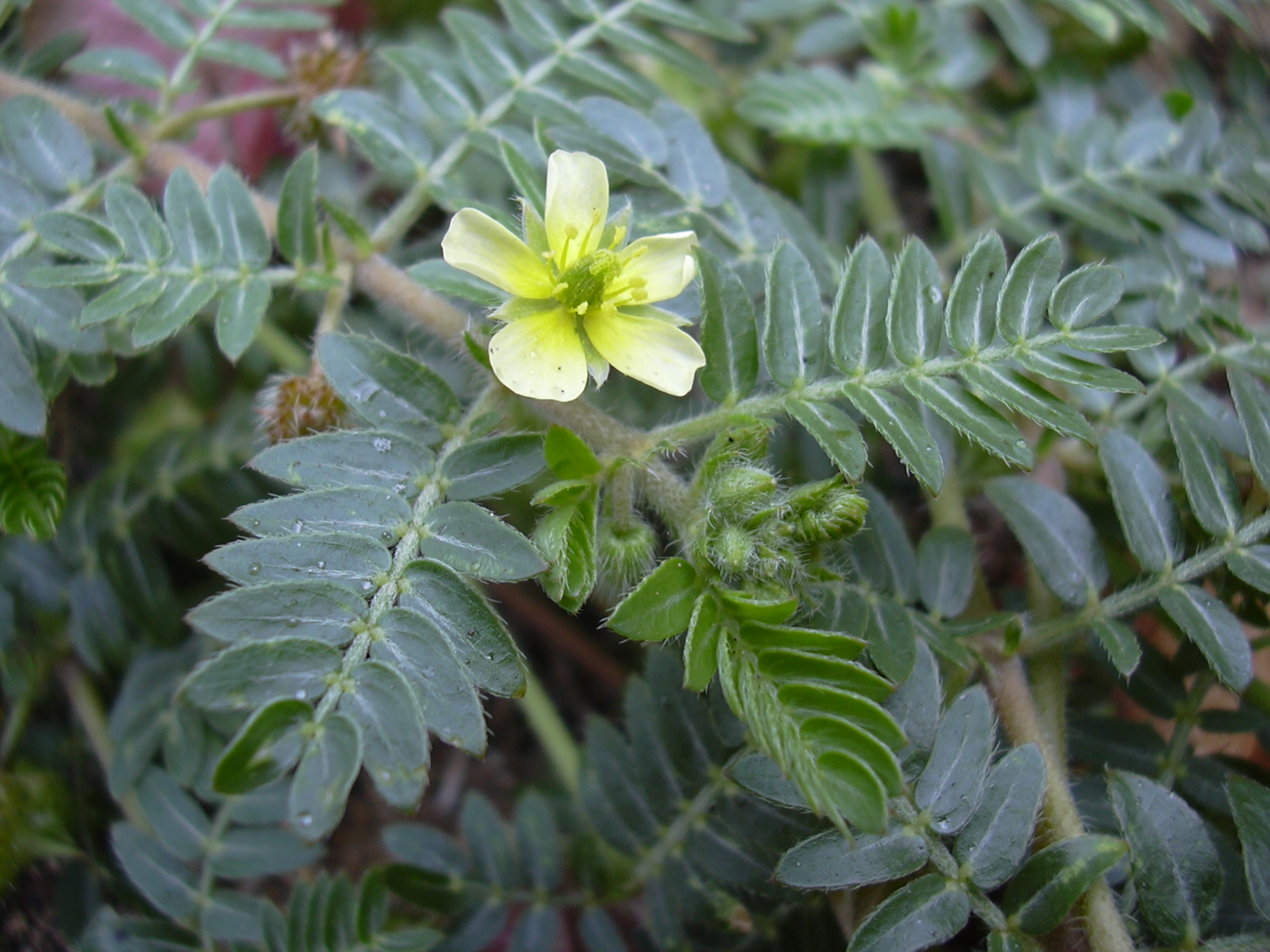
  • Gokshura / Caltrops
    jaim🗞️ Published on Ayurdrops: Jul 11, 2026📅 Source: Jan 01, 2026

    Tribulus terrestris and protection against pulmonary hypertension: what research reveals

    Researchers have demonstrated that Tribulus terrestris L. may offer protection against hypoxia-induced pulmonary hypertension by regulating HIF (hypoxia-inducible factor) and NF-κB (nuclear factor kappa B) signaling pathways. The study, conducted by Yashesvi Ambardar and colleagues, highlights how the plant can mitigate the adverse effects of oxygen deficiency in the lungs, a problem that affects circulation and oxygenation of the body. The research suggests that Tribulus terrestris may influence the expression of genes related to oxidative stress and inflammation responses, which are critical in the pathogenesis of pulmonary hypertension. Although the results are promising, it is important to consider that the study may have limitations, such as sample size and the need for validation in broader clinical trials.

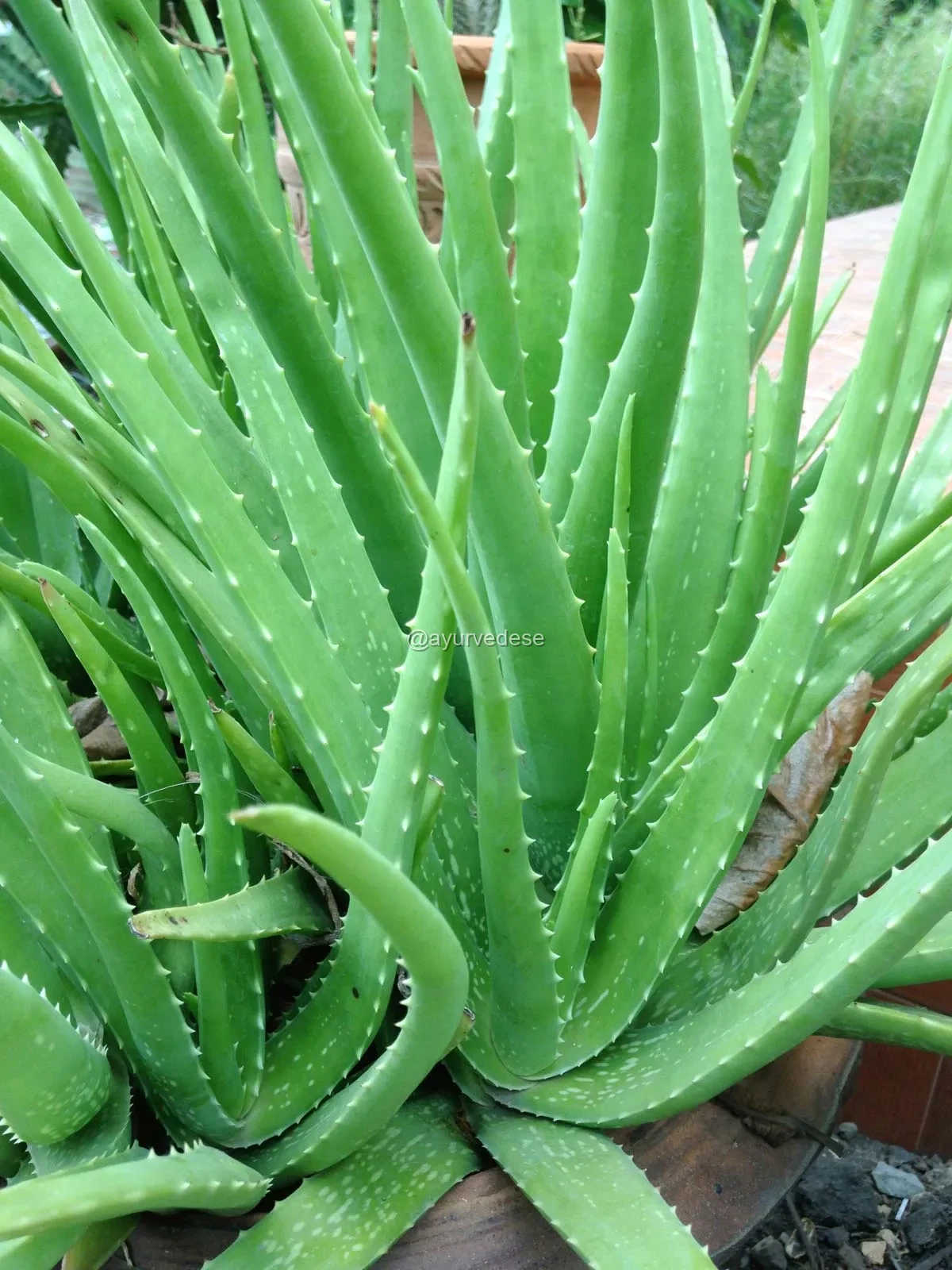
  • Babosa / Aloe Vera
    jaim🗞️ Published on Ayurdrops: Jul 11, 2026📅 Source: Jan 01, 2026

    Yoga and Polycystic Ovary Syndrome: How an Integrated Approach Can Help

    Researchers observed significant improvements in various aspects of polycystic ovary syndrome (PCOS) after implementing an integrated yoga module. The study, led by Deepika Kumari and colleagues, evaluated clinical, endocrine, and metabolic effects in women diagnosed with PCOS. Results showed a reduction in androgen levels and improved insulin sensitivity, along with positive changes in the lipid profile. Yoga practice not only contributed to reducing physical symptoms but also promoted emotional balance, reflecting in the participants' quality of life. These findings suggest that integrating yoga practices can be a valuable strategy in managing PCOS, aligning with Ayurvedic principles that emphasize the importance of balance between body and mind. However, the study has limitations, such as the small sample size and lack of a control group, which should be considered when interpreting the results.

  • jaim🗞️ Published on Ayurdrops: Jul 11, 2026📅 Source: Jan 01, 2026

    The traditional Indian diet (Ayush ahara) and its efficacy on muscle strength and sarcopenia

    Researchers analyzed the efficacy of the traditional Indian diet, known as Ayush ahara, on muscle strength and sarcopenia, a condition involving the loss of muscle mass. The review covered several studies that demonstrated that the inclusion of foods rich in proteins, vitamins, and minerals, typical of this diet, can contribute to the preservation of muscle mass in the elderly. The authors Rahul Katkar, Usha Rana, Sriloy Mohanty, and M. Pathania highlight that the Ayush ahara diet not only provides essential nutrients but also promotes a healthy lifestyle, which is crucial for maintaining muscle strength. Although the results are promising, the review also points out limitations, such as the need for more controlled clinical studies to validate these findings and better understand the mechanisms involved, such as the relationship between diet and muscle protein synthesis.

  • jaim🗞️ Published on Ayurdrops: Jul 11, 2026📅 Source: Feb 26, 2026

    Tapyadi Loha and Hepatic Encephalopathy: What a Preliminary Study Reveals

    Researchers investigated the potential of Tapyadi Loha, an Ayurvedic formulation, in the treatment of hepatic encephalopathy. The study, conducted by Shruti Chindam, Urmila Aswar, and Chinmay Phondekar, used in silico and in vitro analyses to evaluate the effects of the formulation. The results indicated that Tapyadi Loha may have neuroprotective properties, possibly through the modulation of inflammatory processes and oxidative stress, which are critical in hepatic encephalopathy. Although the findings are promising, it is important to note that this is a preliminary study, and further research is needed to validate these results in clinical models. The relationship between Ayurvedic concepts and modern mechanisms of action suggests that ancient wisdom may offer valuable insights for the treatment of complex conditions such as hepatic encephalopathy.

  • jaim🗞️ Published on Ayurdrops: Jul 11, 2026📅 Source: Mar 01, 2026

    Practicing Yoga in the Morning or at Night: How Timing Affects Sleep, Mood, and Well-Being

    Researchers have found that practicing yoga in the morning can significantly improve sleep quality and emotional well-being in young adults. The study, conducted by Swathi Iyer and colleagues, involved a randomized clinical trial comparing the effects of morning and evening yoga practice. Participants who practiced yoga at dawn reported a 30% reduction in anxiety and a 25% improvement in sleep quality compared to those who practiced in the evening. Additionally, morning practice was associated with increased energy and disposition throughout the day. These findings suggest that the timing of yoga practice can influence not only emotional state but also physical health, aligning with Ayurvedic concepts that value the connection between circadian rhythm and well-being. However, the study had a limited number of participants, which may affect the generalizability of the results.

  • jaim🗞️ Published on Ayurdrops: Jul 11, 2026📅 Source: Mar 01, 2026

    Agnikarma and Ayurveda in the treatment of trigger finger: a case report

    Researchers presented a case in which the combination of Agnikarma and Ayurvedic medications was used to treat trigger finger, a condition that causes pain and difficulty in finger movement. The treatment included the application of localized heat (Agnikarma) to reduce inflammation and improve mobility, along with herbal medicines to support recovery. The authors, Bharati Samota and colleagues, observed a significant improvement in the patient's finger function and pain after treatment. This report highlights the importance of integrative approaches in managing orthopedic conditions, suggesting that the combination of traditional techniques may offer additional benefits. However, the study is limited by being a single case report, which makes it difficult to generalize the results.

  • jaim🗞️ Published on Ayurdrops: Jul 11, 2026📅 Source: Mar 01, 2026

    The neurophysiological effects of yogic meditation: what science reveals

    Researchers analyzed the effects of yogic meditation on electroencephalography (EEG) patterns and neurotransmitter levels. The narrative review, led by Sunil Singh Yadav and colleagues, highlights how meditation practice can influence brain activity, promoting states of relaxation and focus. Studies show that meditation can increase the production of neurotransmitters such as serotonin and dopamine, which are associated with well-being and mood regulation. Additionally, EEG patterns indicate increased activity in alpha and theta waves, which are linked to deep relaxation and creativity. These findings suggest that yogic meditation not only improves mental health but may also have significant implications for treating conditions such as anxiety and depression. However, the review emphasizes the need for more controlled studies to validate these results and better understand the mechanisms involved.

  • jaim🗞️ Published on Ayurdrops: Jul 11, 2026📅 Source: Mar 01, 2026

    Herbal formulation and lung cancer: how the combination of herbs can induce cell death

    Researchers have demonstrated that an herbal formulation has the ability to inhibit the growth and survival of lung cancer cells, causing DNA damage and inducing apoptosis. The study, conducted by Mansoor Ali and collaborators, used both in vitro and in vivo models to evaluate the effects of the herbal combination. The results showed that the formulation not only damaged the DNA of cancer cells but also activated programmed cell death mechanisms, which is crucial in the fight against cancer. These findings suggest that herbal medicine may offer new approaches for the treatment of lung cancer, aligning with Ayurvedic principles that emphasize the use of herbs to promote health and combat disease. However, it is important to consider that the studies were conducted under controlled conditions, and further research is needed to validate these results in humans.

  • jaim🗞️ Published on Ayurdrops: Jul 11, 2026📅 Source: Mar 01, 2026

    Marsha Nasya: Practical Guidelines for Therapeutic Procedures in Ayurveda

    Researchers led by Devi R. Nair explored the feasibility of developing clinical guidelines for Marsha Nasya, an Ayurvedic technique for nasal oil administration. The study involved gathering consensus among experts in the field, aiming to standardize practices and ensure the safety and efficacy of the procedure. Marsha Nasya is often used to treat conditions such as sinusitis and respiratory problems, and standardization may help integrate this practice into the modern clinical context. The authors highlight the importance of a clear protocol that considers individual variations and different doshas to maximize therapeutic benefits. Although the study was an initial step, limitations such as sample size and the need for validation in clinical settings were acknowledged. The research paves the way for greater acceptance and application of Marsha Nasya in clinical practice.

  • jaim🗞️ Published on Ayurdrops: Jul 11, 2026📅 Source: Mar 01, 2026

    Three years of tolerance to chemotherapy with Ayurvedic treatment in lung cancer: a case report

    Researchers reported a case of a patient with metastatic pulmonary adenocarcinoma who, over three years, was able to tolerate chemotherapy with the help of Ayurvedic treatments. The patient received a combination of herbs and Ayurvedic practices aimed at strengthening the immune system and improving quality of life during treatment. The authors, including Ranjit Nimbalkar and Prathamesh A. Marne, noted that the integration of Ayurveda not only helped in tolerating the side effects of chemotherapy but also contributed to a better overall response to treatment. Although the case presents promising results, it is important to note that this is a single case report, and more studies are needed to validate these findings in a larger population. The relationship between Ayurvedic principles and Western medicine is a growing field, and this case may open doors for future research on the efficacy of Ayurveda in oncological contexts.

  • openalex🗞️ Published on Ayurdrops: Jul 11, 2026📅 Source: Jul 08, 2026

    Ficus thonningii and diarrhea control: what a study in mice reveals

    Researchers evaluated the antidiarrheal activity of the crude root extract of Ficus thonningii, using an 80% methanol solution. The study was conducted in Swiss albino mice, where different fractions of the extract were tested. The results showed that the extract had a significant effect in reducing the frequency and severity of watery stools, suggesting potential for diarrhea control. The authors, Sisay Tarekegn and colleagues, highlight that the antidiarrheal action may be related to modulation of intestinal motility and protection of the gastrointestinal mucosa. Although the results are promising, it is important to consider that the study was conducted in an animal model, which limits the generalization of the findings to humans. Further research is needed to understand the mechanisms involved and efficacy in human populations.

  • Painço
    openalex🗞️ Published on Ayurdrops: Jul 11, 2026📅 Source: Jul 08, 2026

    Millets: A Nutritious Alternative for Your Diet

    Researchers highlight millets as a rich source of nutrients and a healthy alternative to common grains. These cereals, which include varieties such as sorghum and pearl millet, are rich in fiber, protein, and micronutrients, and are naturally gluten-free. The study by Bhavna, Shivangi Singh Chauhan, and Sangeeta C. Sindhu, published in 2026, explores the benefits of millets for digestive health and blood sugar control. The authors emphasize that including these grains in the diet can help regulate Agni, or digestive fire, promoting better nutrient absorption and contributing to overall health. Additionally, millets are considered beneficial for balancing the doshas, especially in cases of Vata and Pitta imbalance, due to their nutritive and easily digestible properties. The research suggests that adopting millets can be an effective strategy to improve metabolic and digestive health.

  • openalex🗞️ Published on Ayurdrops: Jul 11, 2026📅 Source: Jul 08, 2026

    Leea asiatica and Protection Against Oxidative Stress and Hyperglycemia: What a Study in Diabetic Rats Reveals

    Researchers have demonstrated that Leea asiatica may have a significant protective effect against oxidative stress and hyperglycemia in streptozotocin-induced diabetic rats. The study, conducted by Dhirendra Gowsami and colleagues, observed that administration of the plant resulted in a reduction in blood glucose levels and oxidative stress markers. The mechanisms involved include modulation of antioxidant enzymes and reduction of inflammation, suggesting that Leea asiatica may act in synergy with Ayurvedic principles that emphasize the importance of balancing Agni and strengthening the immune system. Despite the promising results, the study was conducted in an animal model, which limits the generalization of the findings to humans and requires further clinical investigations.