Edition 41 · 10/3/2026

How a light fast can transform your health?

Curated by Lucas Campos · Ayurvedese®

Share:
In this edition, we explore how simple and mindful practices can impact our health and well-being. From the Navratri fast, which invites us to respect digestion with light meals, to the union of Yoga and Ayurveda in treating autoimmune diseases, each article highlights the importance of a balanced lifestyle. Additionally, we discover the effectiveness of Agnikarma, a therapy that uses heat to relieve muscle pain. These themes remind us that by respecting our Agni and seeking balance in our habits, we can cultivate a fuller state of health. How about reflecting on your routine and what it has to offer?
Ghee
rss:maharishi

Navratri Recipes According to Ayurveda: Light Meals for a Fast That Supports Digestion

During the Navratri fast, the intention is to eat more lightly and reset the dietary routine. However, fasting dishes often become heavy, full of fried foods and large portions. Ayurveda suggests that instead of focusing only on what is allowed, we should consider how foods are prepared and how we feel after the meal. The goal is to choose simple, fresh dishes that do not overwhelm digestion. Recipes like the Samak Pulao Bowl and Lauki chips are examples of how to transform traditional ingredients into complete, festive meals. Ayurveda emphasizes that digestion, or Agni, must be respected, and that light, well-prepared foods are essential for a healthy fast. A fasting meal should be fresh, warm, and moderately seasoned, avoiding fried foods and excessive portions. Cooking techniques like baking and light sautéing help keep dishes flavorful without making them heavy.
Read full →

Bala / Guanxuma
europepmc

Yoga and Ayurveda Together: A New Perspective on Multiple Sclerosis

Researchers are investigating the effects of an integrated Yoga and Ayurveda program on patients with multiple sclerosis (MS). MS is a neurodegenerative autoimmune disease that causes inflammation and nerve damage, and conventional treatments often have limited efficacy and significant side effects. The study, which will involve 60 patients, will evaluate the effectiveness of a three-month program combining Ayurvedic Rasayanas, such as Lashuna, Bala, and Shatavari, with yoga therapy. Primary outcomes include measures of clinical disability, functional capacity, quality of life, cognition, and psychological parameters. Additionally, immunological biomarkers and gut microbiome composition will be analyzed. It is expected that the group receiving the integrated treatment will show significant improvements compared to standard treatment, mediated by mechanisms of neuroinflammatory modulation and neural protection. The study is registered in the Clinical Trials Registry-India and will be conducted until 2027.

Read full →

Agnikarma with Gud Dagdha for Frozen Shoulder: A Case Study
openalex

Agnikarma with Gud Dagdha for Frozen Shoulder: A Case Study

Researchers demonstrated the efficacy of Agnikarma, an Ayurvedic therapy that uses heat, in a case of frozen shoulder. The treatment was performed with Gud Dagdha, a form of heated ghee, which promotes circulation and relieves pain. After the procedure, the patient showed a significant reduction in pain and an improvement in the range of motion of the affected shoulder. The study highlights the importance of Agnikarma in clinical practice for musculoskeletal conditions, especially when conventional methods fail. Although the study is a single case report, the results suggest that this approach may be a viable alternative for the treatment of frozen shoulder, which is often challenging to treat. Limitations include the lack of a control group and the need for further studies to validate these findings in a larger population.

Read full →

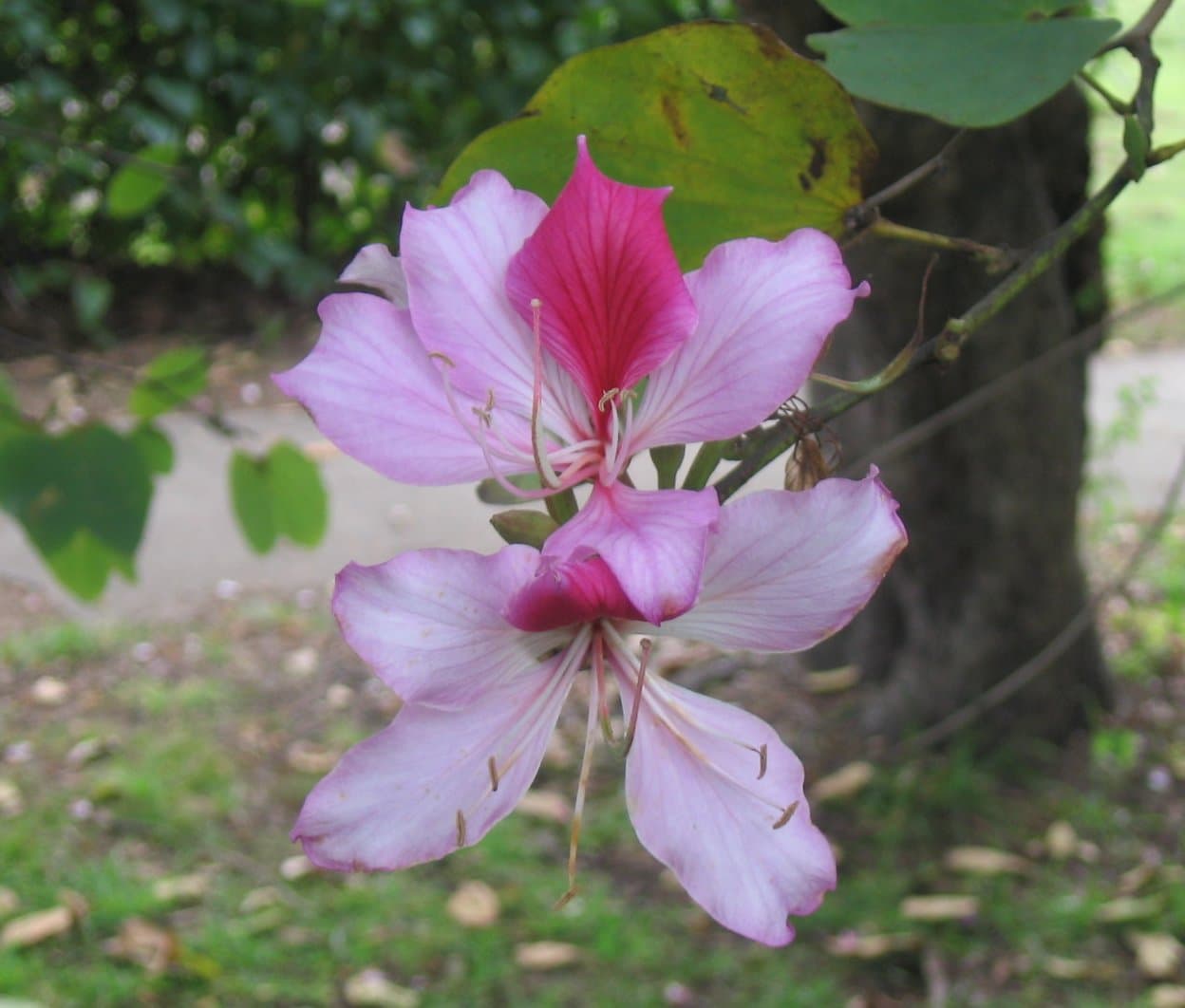
Pata-de-vaca-indiana (Kāñcanāra)

Herb of the day

Pata-de-vaca-indiana (Kāñcanāra)· Kanchanara

Bauhinia variegata

Pata-de-vaca-indiana é o nome em português da planta Bauhinia variegata, chamada em sânscrito de Kanchanara. Também é conhecida como mororó e unha-de-boi. Dela se usam a casca, as flores, as folhas e as sementes. A farmacopeia oficial da Índia descreve a casca do caule. No Ayurveda, tem sabor ad…

View in catalog →

Sloka of the day

कालो हि नाम भगवान्...

The kāla (time) is, without doubt, divine...

vimanasthana_5 7

Charaka opens the investigation of kāla by recognizing its centrality. Kāla appears in multiple clinical dimensions: ṛtu (season), vayas (age), vyādhy-avasthā (stage of the disease), bhukta-kāla (time since the meal), au-kāla (timing of treatment). Methodological principle: no diagnosis or prescription makes sense outside of kāla — the same dravya changes its effect according to the moment. Practical application: fundamental questions are never "what?" without "when?".

To practice today

Reflita sobre suas ações diárias: como o tempo influencia suas decisões e saúde?

Podcast episode

#104 - Inflamação Crônica e Ayurveda

“Como a Ayurveda entende a inflamação crônica? 🌿🔥 Descubra como os doshas, o agni e o acúmulo de ama influenciam esse processo — e aprenda práticas simples para recuperar o eq…

Listen on Spotify
Share: