Public feed

Ayurvedic editorial curation

Science articles classified by dosha, srota and dhatu. Filter to find what matters to you today.

  • Cravo-da-Índia
    openalex🗞️ Published on Ayurdrops: May 12, 2026📅 Source: May 08, 2026

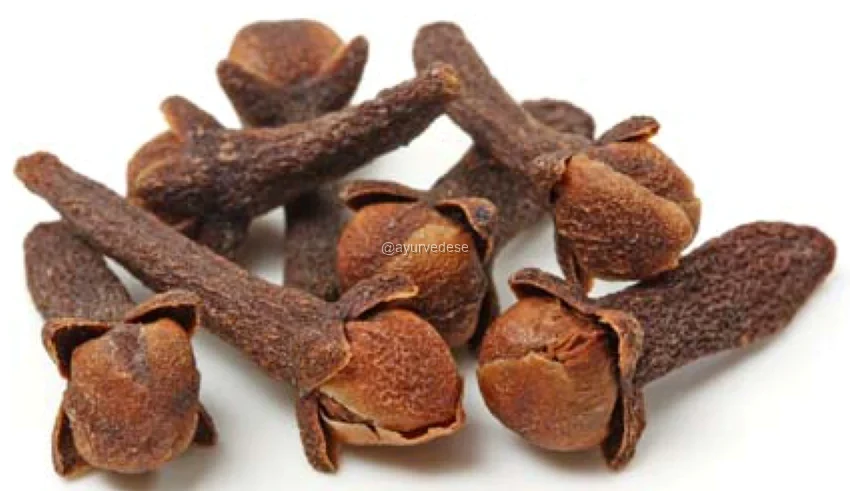
    Eugenol and the Therapeutic Potential of Clove: A Bridge Between Ayurveda and Modern Pharmacology

    Researchers highlight eugenol, an active compound in clove (Syzygium aromaticum), as a link between Ayurvedic tradition and contemporary pharmacology. Eugenol is known for its anti-inflammatory, analgesic, and antimicrobial properties, and is used in Ayurveda to treat various conditions, such as toothache and digestive problems. The study explores how these effects can be explained by modern biochemical mechanisms, such as the inhibition of inflammatory mediators. Additionally, clove is mentioned in classical Ayurvedic texts, where its qualities are valued. The research also points to the need for more clinical studies to validate these applications and better understand the dosage and safety of eugenol in therapeutic contexts.

  • openalex🗞️ Published on Ayurdrops: May 12, 2026📅 Source: May 09, 2026

    Holistic Ayurvedic Approach and Viddha Karma in Carpal Tunnel Syndrome: A Case Report

    Researchers presented a clinical case illustrating the efficacy of a holistic Ayurvedic approach, combined with Viddha Karma, in the treatment of carpal tunnel syndrome. The patient, who presented with pain and tingling in the hands, was treated with a combination of Ayurvedic therapies, including the use of herbs and detoxification techniques. Viddha Karma, a puncture therapy technique, was used to relieve compression of the median nerve. After treatment, a significant reduction in symptoms was observed, improving hand function and the patient's quality of life. This report highlights the importance of integrating traditional practices with modern approaches for managing conditions such as carpal tunnel syndrome, which affects the quality of life of many people.

  • openalex🗞️ Published on Ayurdrops: May 12, 2026📅 Source: May 10, 2026

    Atyayika Chikitsa in the Suśruta Saṃhitā: An Interpretation through Apavarga Tantrayukti

    Researchers explored Atyayika Chikitsa, a therapeutic approach described in the Suśruta Saṃhitā, revealing its relevance in contemporary medicine. Atyayika Chikitsa refers to interventions for acute and emergency conditions, and its interpretation through Apavarga Tantrayukti offers insights into how to apply these principles in current clinical practice. The authors, Shivaprakash Sunkad and Haroon Irshad, discuss the importance of understanding the mechanisms underlying these interventions, which may include the manipulation of doshas and dhatus to restore balance. The research highlights the need to integrate traditional knowledge with modern practices, emphasizing the effectiveness of holistic approaches in health. Although the study presents a rich analysis, limitations such as the lack of direct empirical data and the need for further investigation are acknowledged.

  • openalex🗞️ Published on Ayurdrops: May 12, 2026📅 Source: May 10, 2026

    Helicteres isora: meanings and activities in Ayurveda and modern pharmacology

    Researchers reviewed the ethnopharmacological properties and pharmacological activities of Helicteres isora, a plant with traditional use in various cultures. The review covered the analysis of phytochemical compounds present in the plant, which demonstrated potential in several therapeutic applications. Among the observed effects, anti-inflammatory, antioxidant, and antimicrobial properties stand out, which can be attributed to compounds such as flavonoids and alkaloids. Helicteres isora is mentioned in traditional medicine as a remedy for digestive and respiratory problems, reflecting the connection between Ayurvedic practices and modern scientific discoveries. However, the review also points out limitations, such as the need for more clinical studies to validate these effects and understand the mechanisms of action in humans.

  • Ashwagandha / Ginseng Indiano
    openalex🗞️ Published on Ayurdrops: May 12, 2026📅 Source: May 10, 2026

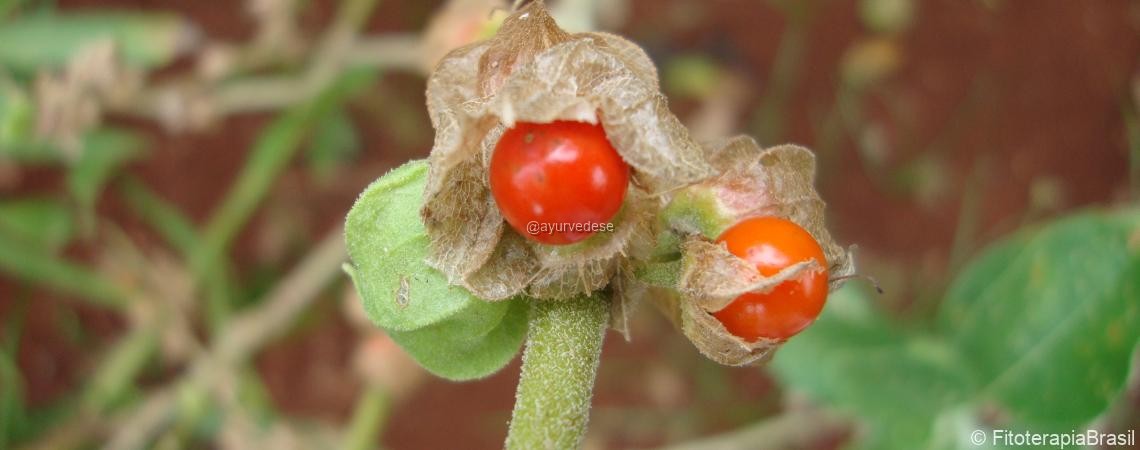
    The medicinal importance of ashwagandha in Ayurveda: a review

    Researchers highlight ashwagandha (Withania somnifera) as an herb with multiple health benefits, as evidenced in various Ayurvedic practices. This plant is traditionally used to strengthen the immune system, reduce stress, and improve cognitive function. The review analyzes the bioactive compounds present in ashwagandha, such as withanolides, which demonstrate anti-inflammatory and antioxidant properties. Additionally, the herb is recognized for its role in modulating the HPA axis—the communication between the brain and the glands that regulate the stress response. The authors also discuss the relevance of ashwagandha in promoting dosha balance, especially in cases of vata and pitta imbalance. Despite its many benefits, the review emphasizes the need for more clinical studies to confirm these effects and better understand the mechanisms involved.

  • europepmc🗞️ Published on Ayurdrops: May 12, 2026📅 Source: Apr 10, 2026

    Agnikarma and rectal prolapse: a successful case with minimally invasive thermal therapy

    Researchers reported a successful case in the treatment of a grade V rectal prolapse using the Agnikarma technique, which applies localized heat to promote healing and reduce the prolapse. Rectal prolapse, which occurs when the layers of the rectum protrude through the anus, has an annual rate of 2.5% per 100,000 individuals, being more common in people over 50 years due to muscle weakness. In this case, the patient's initial assessment indicated a grade five external prolapse. After the application of Agnikarma, there was a significant improvement, reducing the grade to three. The use of this minimally invasive technique may offer a viable alternative to conventional surgery, especially in advanced cases like this one, where surgical intervention is often necessary to repair the prolapse and manage incontinence.

  • europepmc🗞️ Published on Ayurdrops: May 12, 2026📅 Source: Apr 14, 2026

    Gut-Derived Immune Activation in Rheumatoid Arthritis: A Conceptual Parallel with Ama in Amavata

    Researchers have identified that rheumatoid arthritis (RA) is preceded by a prolonged preclinical phase characterized by immunological dysfunction and autoantibody formation. Growing evidence indicates that intestinal dysbiosis and compromised gut barrier integrity are contributing factors to RA pathogenesis, occurring years before visible joint inflammation. In parallel, Ayurveda describes Amavata as a chronic systemic disorder resulting from the formation of Ama, a pathogenic load generated by impaired digestive and metabolic function (Agni). This study reviews biomedical and Ayurvedic literature to explore functional correspondences between the concept of Ama in Amavata and contemporary models of gut-derived immune activation in RA. Both models situate disease initiation before evident inflammation and describe a prolonged preclinical phase characterized by systemic pathogenic processes. Ama is interpreted as a preclinical systemic pathogenic state, analogous to chronic intestinal dysbiosis and barrier dysfunction observed in RA. The proposed model emphasizes the importance of early preventive intervention targeting intestinal metabolic and immunological dysregulation before irreversible joint damage.

  • Ashwagandha / Ginseng Indiano
    europepmc🗞️ Published on Ayurdrops: May 12, 2026📅 Source: Apr 17, 2026

    Compounds from Withania somnifera root and improvement of hypothyroidism: what a rat study reveals

    Researchers demonstrated that the methanolic extract of Withania somnifera root (MEWS) can reverse the effects of propylthiouracil (PTU)-induced hypothyroidism in rats. In the study, 40 rats were divided into five groups, and those treated with MEWS showed a significant reduction in TSH levels (74.2%) and an increase in T3 and T4 hormones, which had been reduced by up to 82% and 75%, respectively. Histopathological analysis revealed improvement in thyroid follicular architecture and reduction of fibrosis. Furthermore, the expression of thyroperoxidase (TPO) and thyroglobulin (TG) genes was significantly reduced. The researchers also identified bioactive compounds with potential to act on thyroid hormone receptors, suggesting that Withania somnifera may be an alternative or complement to conventional hormone replacement therapies for hypothyroidism. This study opens new possibilities for the use of herbal medicines in hormonal regulation and thyroid health.

  • Bibhītaki / Baheda
    europepmc🗞️ Published on Ayurdrops: May 12, 2026📅 Source: Apr 28, 2026

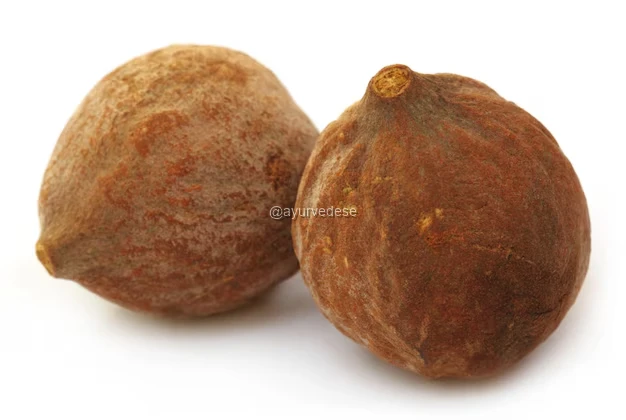
    Chebulagic Acid and Protection Against Oral Cancer: How It Acts on Inflammation

    Researchers have demonstrated that chebulagic acid, a compound found in the Indian plant Terminalia bellirica, can inhibit the activity of mTOR, a cellular pathway crucial for cell growth and survival. This study focused on its ability to mitigate the activation of the NLRP3 inflammasome, which is associated with arecoline-induced oral squamous cell carcinoma (OSCC), a compound present in the areca nut. By treating CAL33 cells with chebulagic acid, it was observed that it reduces the phosphorylation of mTOR and p-p70S6K, leading to the activation of BECN1-dependent autophagy and TFEB-mediated lysosomal biogenesis. Furthermore, chebulagic acid decreased the expression of NLRP3 and IL-18, suggesting a significant anti-inflammatory role. These findings highlight the potential of chebulagic acid as a therapeutic agent in combating OSCC by interfering with inflammatory pathways and promoting cellular health.

  • Valeriana
    europepmc🗞️ Published on Ayurdrops: May 12, 2026📅 Source: May 01, 2026

    Nutrition and restorative sleep: how diet can help

    Researchers highlight that sleep deprivation and related disorders are common in modern society, increasing the risk of various health conditions. Sleeping 7 to 9 hours per night is essential for biological and physiological functions, such as physical recovery and immune regulation. In addition to sleep hygiene practices, the review points out that certain foods and nutrients can act as aids to improve sleep quality. Nutrients such as melatonin, magnesium, omega-3 fatty acids, tart cherry juice, kiwi, apigenin, valerian root, L-theanine, glycine, ashwagandha, myo-inositol, Rhodiola rosea, and phosphatidylserine were identified as sleep promoters. The research suggests that incorporating these nutraceuticals into the diet can complement behavioral changes for more restorative sleep.

  • pubmed🗞️ Published on Ayurdrops: May 12, 2026📅 Source: Apr 01, 2026

    Complete tumor regression with exclusive Ayurvedic treatment in prostate adenocarcinoma: a case report

    Researchers reported a case of complete regression of prostate adenocarcinoma in a patient who received exclusive Ayurvedic treatment. The treatment included a combination of herbs, diet, and lifestyle practices, resulting in a significant reduction in tumor markers and improvement in the patient's quality of life. Clinical follow-up demonstrated that after 12 months of treatment, there was no evidence of cancer recurrence. This case highlights the importance of considering integrative approaches in cancer treatment, especially in contexts where conventional options may be limited. Although the results are promising, it is crucial to note that this is a case report, which limits the generalizability of the findings. Further studies are needed to understand the mechanisms involved and the efficacy of Ayurveda in oncology.

  • Vāsā / Malabar Nut
    pubmed🗞️ Published on Ayurdrops: May 12, 2026📅 Source: Apr 02, 2026

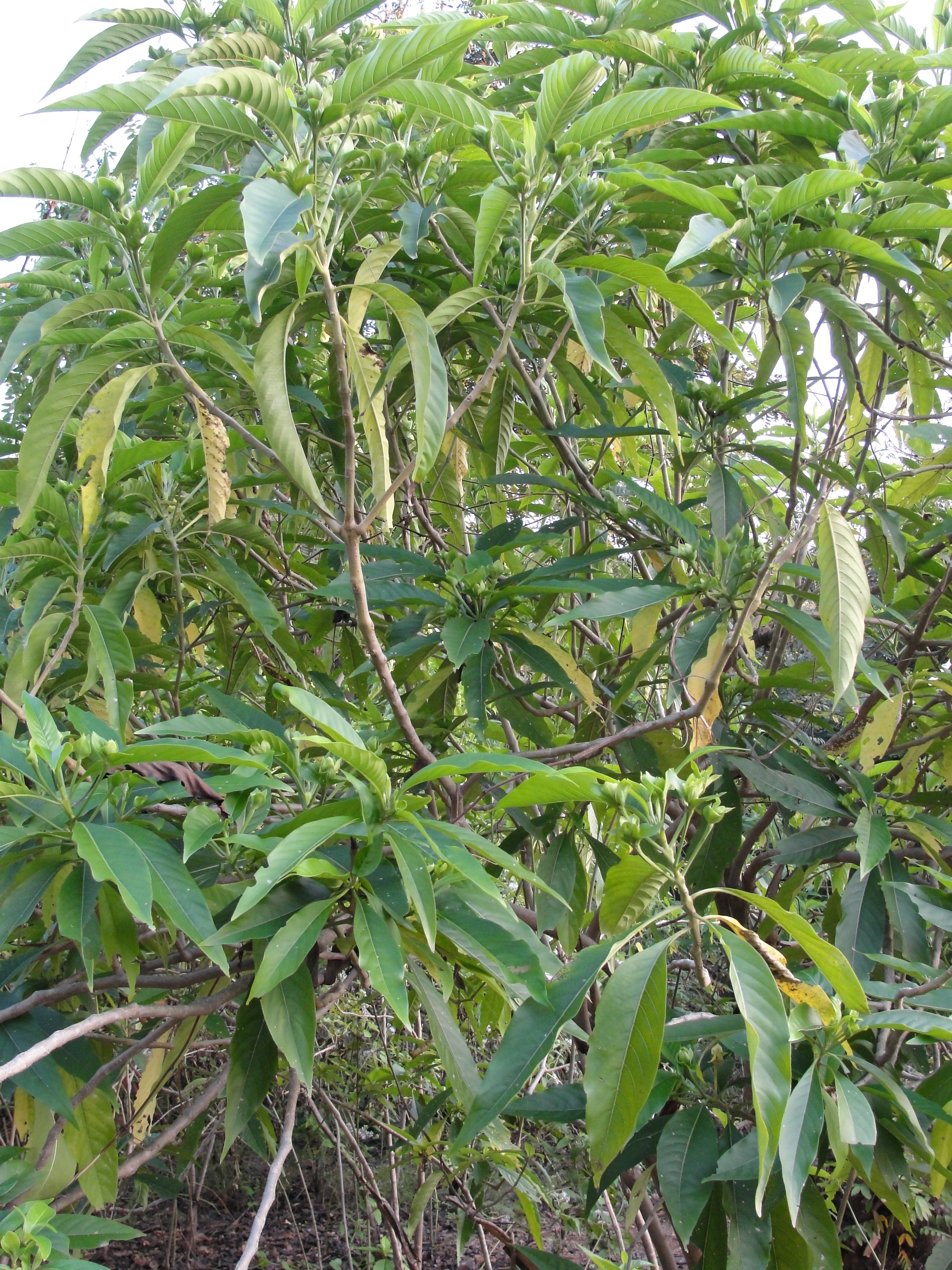
    Adhatoda: A Versatile Herb Between Tradition and Modern Science

    Researchers highlight Adhatoda vasica Nees as a plant with multifaceted potential, encompassing traditional uses and pharmacological activities. This herb is known in Ayurvedic medicine for its expectorant and anti-inflammatory properties, being used in the treatment of respiratory diseases. Recent studies demonstrate that bioactive compounds present in Adhatoda, such as vasicine, act on modulating the immune system and reducing inflammation, which may be beneficial in conditions like asthma and bronchitis. Furthermore, the plant presents promising biotechnological applications, including the development of new medicines. However, it is important to consider that most evidence is still preliminary and many studies are conducted in vitro or in animal models, which limits the generalization of results to humans.

  • Gengibre
    pubmed🗞️ Published on Ayurdrops: May 12, 2026📅 Source: Apr 10, 2026

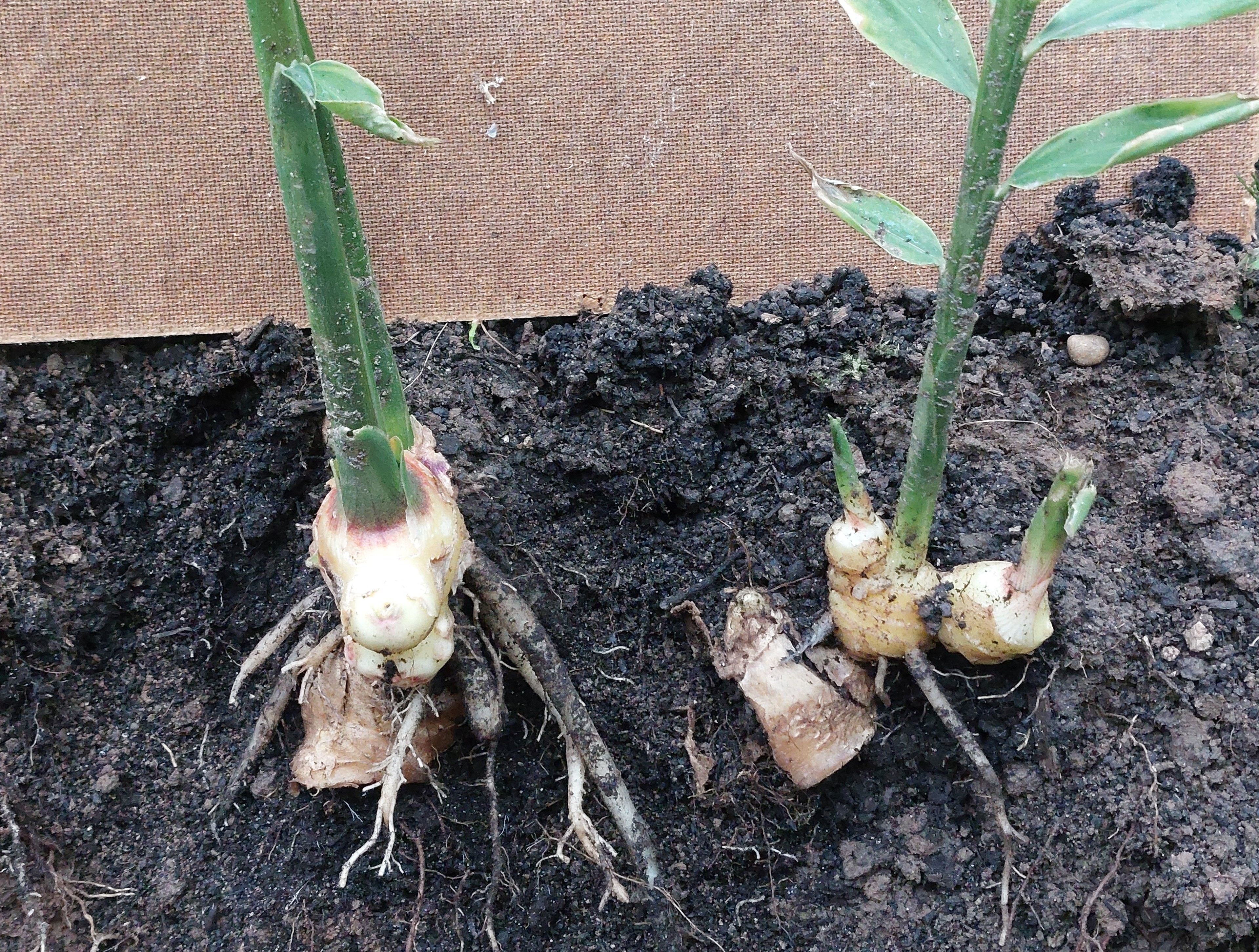
    Ginger and its properties: how it acts in rheumatoid arthritis

    Researchers have identified that the bioactive compounds of ginger, such as gingerol, have significant anti-inflammatory properties, acting on the modulation of inflammatory mediators. The study, led by Kamboj et al., highlights that ginger can reduce joint inflammation in rheumatoid arthritis models, possibly through the inhibition of inflammatory cytokines and the activation of signaling pathways that regulate the immune response. The authors also mention that, despite the promising results, most studies were conducted in animal models, which limits the generalization of the findings to humans. The connection between the principles of Ayurveda and the effects of ginger on rheumatoid arthritis is evident, since ginger is traditionally used to relieve pain and inflammation.

  • pubmed🗞️ Published on Ayurdrops: May 12, 2026📅 Source: Jan 01, 2026

    Insomnia in menopause: how cognitive-behavioral therapy and Ayurveda can help

    Researchers are investigating the efficacy of cognitive-behavioral therapy (CBT) combined with external Ayurvedic therapies, such as Siro-pichu and Padabhyanga, to treat insomnia in perimenopausal women. The study, which is a randomized clinical trial, aims to assess whether this integrated approach can improve sleep quality and overall well-being. Insomnia is a common problem in this phase of life, and the combination of CBT, which focuses on modifying thought and behavior patterns, with Ayurvedic techniques, which promote relaxation and balance, may offer a promising solution. The research is scheduled to be published in 2026 and may bring new perspectives on the treatment of insomnia, especially in a group that often faces unique sleep-related challenges.

  • Shatavari / Aspargo Indiano
    pubmed🗞️ Published on Ayurdrops: May 12, 2026📅 Source: Apr 01, 2026

    Asparagus and relief of menopause symptoms: what a study reveals

    Researchers demonstrated that the root extract of Asparagus racemosus (SheVari4®) can relieve menopause symptoms in healthy women at different stages — pre-, peri-, and post-menopause. The study, conducted by Swaroop A and colleagues, observed that administration of the extract resulted in a significant reduction in symptoms such as hot flashes and mood changes. The proposed mechanism involves hormonal modulation, which may be related to the Ayurvedic concept of balancing the doshas, especially Pitta, which is often associated with heat and irritability symptoms. Although the results are promising, it is important to note that the study was conducted with a limited number of participants, which may affect the generalizability of the findings. The research highlights the relevance of Asparagus racemosus, a plant traditionally used in Ayurveda, for supporting women's health during menopause.

  • Ashwagandha / Ginseng Indiano
    pubmed🗞️ Published on Ayurdrops: May 12, 2026📅 Source: Jan 01, 2026

    Comparison between allopathic and Ayurvedic treatments for depression: what a real study reveals to us

    Researchers conducted a naturalistic study to compare the effects of allopathic and Ayurvedic treatments in patients with major depressive disorder. The authors Baune et al. evaluated efficacy, side effects, and overall health of participants. Results showed that both treatments were effective, but with distinct side effect profiles. The Ayurvedic treatment, which may include herbs such as Ashwagandha (Withania somnifera), proved to be well tolerated, with fewer reports of adverse effects compared to allopathy. Additionally, the assessment of patients' overall health indicated significant improvements in both groups, suggesting that integrative approaches may be beneficial. However, the study has limitations, such as the lack of a rigorous control group and variability in the Ayurvedic practices used, which may influence the results.

  • pubmed🗞️ Published on Ayurdrops: May 12, 2026📅 Source: Apr 19, 2026

    Arsenic Toxicity and Dushi Visha: A Critical Review

    Researchers analyzed arsenic toxicity from the perspective of the Ayurvedic concept of Dushi Visha, which refers to toxins that accumulate in the body and cause chronic diseases. Jaiswal and Bhat discuss how arsenic exposure can lead to a range of health problems, including neurological and cardiovascular disorders. The study highlights that arsenic toxicity can be understood through mechanisms such as oxidative stress and inflammation, which correlate with Ayurvedic principles on toxin accumulation. Furthermore, the review points out that the Ayurvedic approach may offer valuable insights for the treatment and prevention of adverse effects from arsenic exposure, emphasizing the importance of detoxification and balancing the doshas. Study limitations include the need for more clinical research to validate the connections between arsenic toxicity and Ayurvedic concepts.

  • pubmed🗞️ Published on Ayurdrops: May 12, 2026📅 Source: Apr 24, 2026

    Tectona grandis and its potential against diabetes and lipid disorders: findings and mechanisms

    Researchers identified key compounds from Tectona grandis that may help control diabetes and regulate blood lipids. Through an integrated approach combining bioactive isolation, network pharmacology, and experimental validation, mechanisms that may explain these effects were revealed. The authors, led by Zhang K, highlight that Tectona grandis possesses properties that positively influence metabolism, possibly through modulation of metabolic pathways related to blood sugar and fat levels. Although the results are promising, it is important to consider that the study was conducted under controlled conditions, and further research is needed to confirm these findings in human populations. The relationship between the identified compounds and Ayurvedic principles, such as dosha balance and the importance of digestion, is also a point to be explored.

  • pubmed🗞️ Published on Ayurdrops: May 12, 2026📅 Source: Jan 01, 2026

    How Ayurveda Can Help with Diabetic Plantar Lesions: A Case Report

    Researchers reported a case of chronic plantar lesion in a diabetic patient, treated with an integrative Ayurveda approach. The treatment included topical therapies and herbal remedies, along with dietary and lifestyle adjustments. After 12 weeks, a significant reduction in the lesion was observed, with improved healing and quality of life for the patient. The authors, Gajarmal A, Yadav R, and Kadela P, highlight the importance of considering patient individuality and the interaction between Ayurvedic and conventional treatments. This study suggests that Ayurveda can offer valuable support in managing diabetic complications, aligning with the principles of personalization and holism of traditional medicine.

  • Cominho-preto / Krishna-jiraka
    pubmed🗞️ Published on Ayurdrops: May 12, 2026📅 Source: May 05, 2026

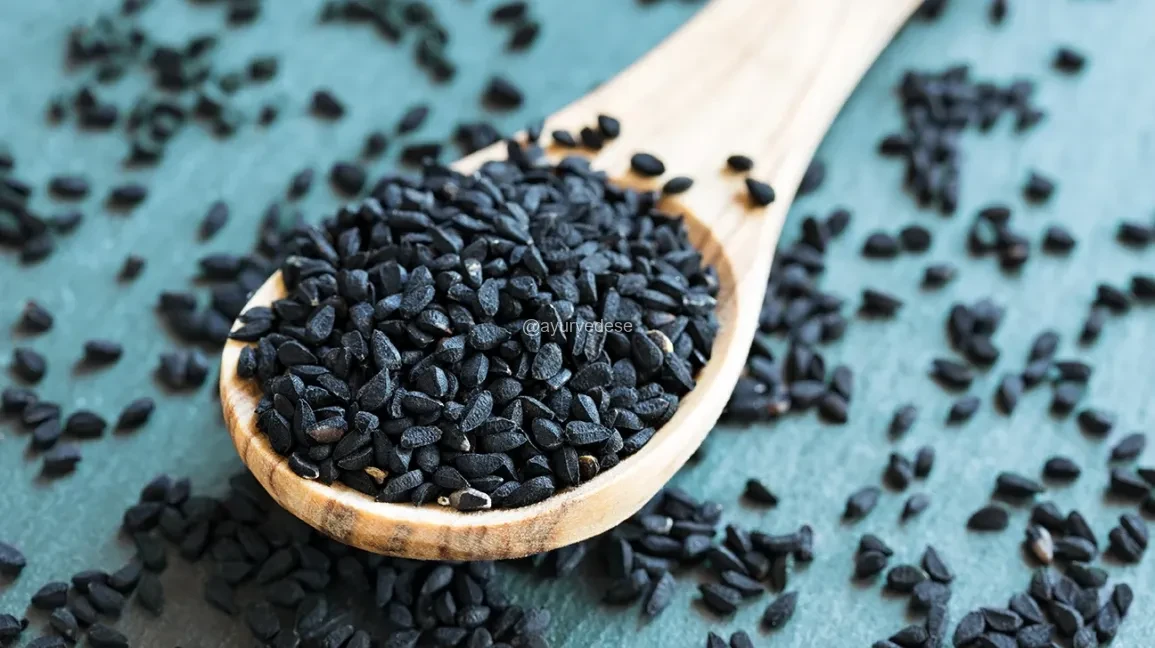
    Nigella sativa and the bioactive compound Thymoquinone in burn therapy: mechanisms, efficacy and safety

    Researchers analyzed the potential of Nigella sativa, known as black cumin, and its bioactive compound, thymoquinone, in the treatment of burns. The authors Karhana et al. highlight that thymoquinone has anti-inflammatory, antioxidant, and wound-healing properties, which can accelerate the recovery of damaged skin. In experimental models, the application of thymoquinone demonstrated reduced inflammation and promoted cellular regeneration, with significant efficacy observed compared to conventional treatments. Furthermore, the safety of using Nigella sativa was confirmed, with few reported side effects. These findings suggest that thymoquinone may be a promising alternative in burn therapy, aligning with Ayurvedic principles that value natural healing and the use of medicinal herbs.