Public feed

Ayurvedic editorial curation

Science articles classified by dosha, srota and dhatu. Filter to find what matters to you today.

  • Pimenta-do-Reino
    rss:youtube_ayurvedese_br🗞️ Published on Ayurdrops: Jul 10, 2026📅 Source: Oct 27, 2025

    Kapha Masala: A Thermogenic and Digestive Ally

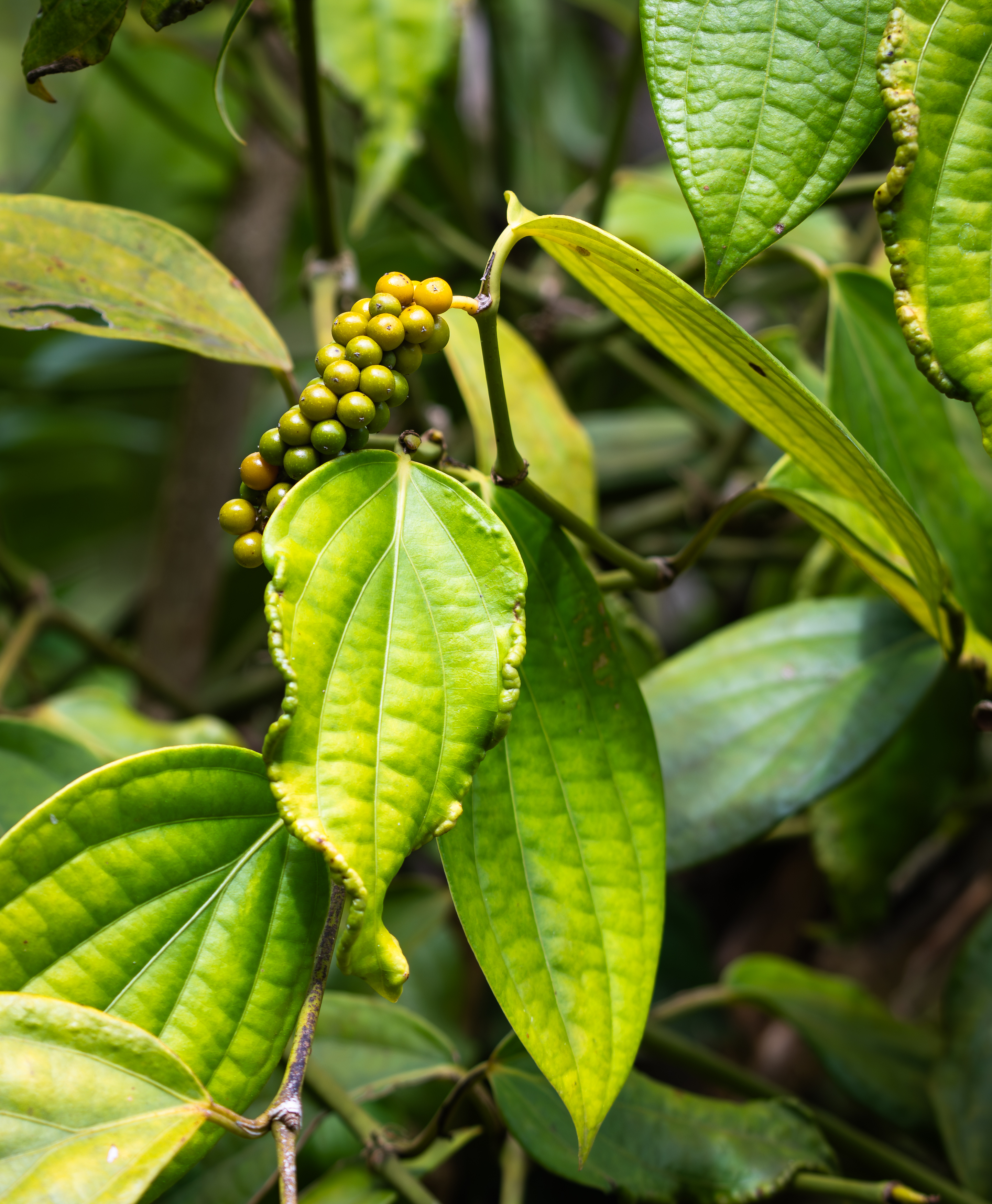
    Researchers highlight the importance of hot and spicy condiments to balance the Kapha dosha, especially in cold and humid climates. Kapha masala, composed of black pepper, cloves, ginger powder, mustard powder, and turmeric, activates Agni — the digestive fire — and helps reduce the feeling of heaviness and mucus in the body. These ingredients not only improve digestion but also promote lightness and well-being. The spice blend is ideal for people experiencing digestive sluggishness or lethargy, especially in spring. The masala can be used by sprinkling it over ready meals or sautéing it in ghee or coconut oil, which enhances its aromas and properties. It is important to adjust the amount according to each individual's constitution, respecting each person's Agni.


  • Gengibre
    rss:youtube_ayurvedese_br🗞️ Published on Ayurdrops: Jul 10, 2026📅 Source: Nov 23, 2025

    Speed Up Your Digestion: Ayurvedic Recipe to Prepare the Stomach Before Meals

    Researchers highlight that the combination of ginger and lemon can be effective in stimulating digestion. In Ayurveda, this mixture is known as Dipana, which ignites Agni, or the digestive fire. The classic recipe presented includes lemon juice, jaggery, ginger juice, and rock salt. Ginger and lemon possess light (Laghu) and penetrating (Tikshna) properties, which help cut through stagnation and sluggishness, being especially beneficial for pacifying Kapha. Rock salt, with its oily attribute (Snigdha), helps retain moisture and balance Vata, while jaggery brings an element of heaviness that calms Vata's instability and the excessive heat that ginger can cause in Pitta. This recipe is indicated for Vata and Kapha, but should be used with moderation by people with elevated Pitta, especially on hot days. The practice of consuming this mixture 15 minutes before meals can help optimize nutrient absorption and prevent the formation of toxins (Ama).

  • rss:maharishi🗞️ Published on Ayurdrops: Jul 10, 2026📅 Source: Apr 27, 2026

    Weight Loss in Diabetes, Thyroid, PCOS and PCOD: Understanding the Challenges

    Researchers have identified that weight loss can be especially challenging for people with diabetes, PCOS (polycystic ovary syndrome), and thyroid issues. These conditions are often associated with a slow metabolism, hormonal resistance, and excessive fat storage. In Ayurveda, weight loss should not be forced but rather addressed by correcting underlying causes, such as weak digestion (Agni) and the presence of toxins (Ama). Inadequate digestion leads to the accumulation of Ama, which is heavy and blocks the body's channels, making weight loss difficult even with a healthy diet. Furthermore, the relationship between Kapha (the heavy principle of the body) and hormonal health is crucial, as increased Kapha can worsen weight retention. The study suggests that the Ayurvedic approach should focus on improving Agni and eliminating Ama to facilitate sustainable weight loss.

  • rss:maharishi🗞️ Published on Ayurdrops: Jul 10, 2026📅 Source: May 01, 2026

    Caring for everyone, now it's her turn: mothers' health

    Research indicates that women need 20 to 30 minutes more sleep than men per night, due to hormonal fluctuations and the psychological burden of caring for the home and children. Often, they neglect their own needs, believing that taking care of themselves is selfish. Ayurveda recognizes the importance of women's health and recommends practices such as Rajaswala Paricharya, which suggests rest and light food during the menstrual cycle. However, many mothers are unable to follow these guidelines, continuing to perform their daily tasks. It is essential to listen to the body and recognize that the signs of menstrual pain are not just discomfort, but rather calls for help. This Mother's Day is an invitation to change this narrative and prioritize self-care.

  • Gengibre
    rss:maharishi🗞️ Published on Ayurdrops: Jul 10, 2026📅 Source: May 04, 2026

    Why Millennials Are Trading Coffee for Ayurvedic Infusions

    Researchers have noticed that many millennials are abandoning coffee in favor of Ayurvedic infusions. Although caffeine offers a quick energy boost, it can cause spikes and crashes that affect mood and productivity, especially in a scenario of remote work and elevated stress. Additionally, coffee can aggravate Pitta and Vata tendencies, leading to issues such as insomnia and indigestion. Ayurvedic infusions, such as tulsi and ginger, offer a more balanced alternative, promoting steady energy and well-being without coffee's side effects. These infusions are prepared with herbs that not only calm the nervous system but also address specific needs, such as digestion and relaxation. The search for sustainable daily rituals and a preference for practices that favor mental and physical health are leading millennials to reconsider their beverage choices.

  • Gengibre
    rss:maharishi🗞️ Published on Ayurdrops: Jul 10, 2026📅 Source: May 13, 2026

    Your Gut Is Your Second Brain: 7 Digestive Warning Signs

    Researchers highlight that the gut not only digests food but also influences mood, sleep, and energy, functioning as a 'second brain'. The connection between the gut and the brain occurs through the vagus nerve and the enteric nervous system, which communicates the state of digestion to the central nervous system. Warning signs such as persistent bloating, gas, constipation, diarrhea, reflux, and fatigue may indicate digestive issues. In Ayurveda, digestive health is linked to Agni, the digestive fire, which, when balanced, promotes proper digestion and mental well-being. Home remedies like ginger and Triphala can offer quick relief, while healthy habits such as regular meals and stress management are fundamental for gut health. It is important to seek medical help in cases of severe pain or persistent symptoms.

  • Gengibre
    rss:maharishi🗞️ Published on Ayurdrops: Jul 10, 2026📅 Source: May 15, 2026

    Signs Your Gut Isn't Doing Well: What You Might Be Ignoring

    Researchers point out that many symptoms such as bloating, heartburn, gas, and coated tongue are often considered normal, but they may indicate digestive problems. In Ayurveda, digestion is seen as the foundation of health, and a balanced Agni (digestive fire) is essential for well-being. When Agni is weak, digestion becomes inefficient, leading to the formation of Ama, a toxic substance resulting from poor digestion. This can impact not only digestion but also energy, mental clarity, and overall comfort. Classical Ayurvedic wisdom teaches that "सर्वे रोगा मन्देऽग्नौ," meaning many diseases begin when digestion becomes weak. Therefore, it is crucial to pay attention to these signs and consider adjustments in dietary routine and lifestyle to promote healthy digestion.

  • Sal Marinho / Samudra Lavaṇa
    rss:maharishi🗞️ Published on Ayurdrops: Jul 10, 2026📅 Source: May 18, 2026

    The Ayurvedic Plate: What a Truly Balanced Diet Looks Like Beyond Calories and Macronutrients

    Researchers highlight that modern nutrition, focused only on macronutrients, does not consider whether foods are truly digestible and absorbable. This can lead to a feeling of dissatisfaction after meals, even when calories and macronutrients are in order. Ayurveda proposes a more holistic approach, emphasizing the importance of a balanced plate that supports Agni, or digestive fire. A complete meal should include the six tastes: Madhura (sweet), Amla (sour), Lavana (salty), Katu (pungent), Tikta (bitter), and Kashaya (astringent), promoting satisfaction and balance. Furthermore, Ayurveda suggests that dietary needs should be personalized according to Prakriti (constitution), the state of the doshas, and the individual's digestive strength. Modern dietary culture, which often eliminates entire food groups, can disturb the balance of tastes and tissue nutrition, affecting Ojas, vitality. For healthy digestion, it is recommended to eat calmly, opt for fresh and seasonal foods, and use spices wisely.

  • Camomila
    rss:maharishi🗞️ Published on Ayurdrops: Jul 10, 2026📅 Source: May 20, 2026

    5 Refreshing Infusions to Replace Iced Coffee This Summer

    Researchers highlight that Ayurvedic infusions can be a healthy alternative to iced coffee, especially during the summer. Hibiscus and rose tea, for example, is a refreshing combination that helps balance pitta, the dosha associated with heat. With ingredients like fennel and chamomile, this infusion not only promotes digestion but also provides a calming effect. Other options include Pitta tea, which relieves irritation and discomfort, and Pure Cleanse tea, which supports detoxification. It is important to choose the infusion according to your specific needs and avoid excessive consumption in a single day. These practices align with Ayurvedic principles of adapting to the seasons and the body's needs.

  • Gengibre
    rss:maharishi🗞️ Published on Ayurdrops: Jul 10, 2026📅 Source: May 22, 2026

    Ayurvedic Recipes in 5 Minutes to Improve Digestion, Energy, and Metabolism

    Researchers highlight the importance of Agni, or digestive fire, in overall health. When Agni is weak, digestion becomes inefficient, leading to the accumulation of Ama, which are undigested toxic residues. A simple recipe, Shunthi Jeerak Mudga Yusha, combines dry ginger (Shunthi), cumin (Jeera), and moong dal (Mudga) to create a light soup that can help restore Agni and relieve symptoms like bloating and lack of appetite. This dish is especially indicated during recovery periods when digestion is compromised. Consuming warm and light foods is a central recommendation of Ayurveda, as it strengthens Agni and prevents the feeling of heaviness that cold and heavy foods can cause. The soup is easy to digest and provides gentle nutrition, ideal for those recovering from illnesses or facing digestive difficulties.

  • Arjuna
    rss:maharishi🗞️ Published on Ayurdrops: Jul 10, 2026📅 Source: May 25, 2026

    Daily habits that harm your heart and how to reverse them

    Researchers highlight that heart health is often neglected until alarming symptoms appear. Heart diseases, both in modern medicine and in Ayurveda, are seen as lifestyle disorders that develop slowly. Factors such as inadequate diet, a sedentary lifestyle, chronic stress, and disturbed sleep are the main contributors to increased cardiovascular risk. Ayurveda considers the heart (Hridaya) as a vital center of life and emotional balance. Daily habits, such as regular physical activity, a healthy diet, and stress management, are fundamental for heart health. Additionally, the presence of Ama — toxins resulting from weak Agni (digestion) — can obstruct the body's channels, impairing circulation and nourishment. The combination of healthy practices with the use of herbs can offer additional support, but should not be seen as an isolated solution.

  • Brahmi / Bacopa
    rss:maharishi🗞️ Published on Ayurdrops: Jul 10, 2026📅 Source: May 27, 2026

    Five Summer Herbs That Are Good for Your Body

    Researchers highlight the importance of cooling herbs during summer, when the Pitta dosha tends to rise. Among the recommended herbs are Brahmi, which aids concentration and calms the mind; Amla, rich in antioxidants and beneficial for digestion and skin; Gokshura, which supports fluid balance; Shatavari, which nourishes and hydrates tissues; and Rose, which provides quick relief from heat. These herbs should be used with caution, especially for those with chronic conditions or those taking medications. Combining herbs with fluids, such as coconut water and Amla preparations, is essential to maintain hydration and electrolyte balance during the hot months.

  • Ashwagandha / Ginseng Indiano
    rss:maharishi🗞️ Published on Ayurdrops: Jul 10, 2026📅 Source: May 28, 2026

    Bleeding Gums and Dental Sensitivity: What Ayurveda Reveals About Your Oral Health

    Signs such as bleeding gums, dental sensitivity, and bad breath may seem like minor issues, but they are important alerts from the body. Ayurveda considers oral health a reflection of internal balance and digestion. When digestion is compromised, the formation of Ama (toxins) can occur, which manifests in the mouth through plaque and inflammation. Researchers highlight that gum health can progress from mild irritation to infections and gum recession, while dental sensitivity can intensify with hot or cold foods. Oral health care should be a priority, as the mouth is an indicator of deeper imbalances in the body. The relationship between oral health and digestion is fundamental, and Ayurvedic practices can help restore this balance.

  • Brahmi / Bacopa
    rss:maharishi🗞️ Published on Ayurdrops: Jul 10, 2026📅 Source: May 29, 2026

    What Happens in Your Body Under Pressure: The Science of Stress

    Researchers highlight that chronic stress is not just a mental concern but directly affects digestion, immunity, sleep, and hormonal balance. When stress becomes constant, cortisol, the hormone released in response to stress, can dysregulate essential functions such as the production of estrogen and progesterone, contributing to hormonal disorders like PMOS (Polyendocrine Ovarian Metabolic Syndrome). Additionally, stress can worsen insulin resistance and lead to irregular menstrual cycles, weight gain, and fatigue. In Ayurveda, stress is associated with Agni, the digestive fire, which weakens under pressure, resulting in the formation of Ama (toxins) and imbalances in the doshas. To address this, daily practices such as regular eating, physical activity, and breathing techniques like Anulom-Vilom and Bhramari are recommended to restore internal balance. The use of herbs like Ashwagandha and Brahmi can be beneficial, but they should be integrated into a healthy lifestyle.

  • Funcho
    rss:maharishi🗞️ Published on Ayurdrops: Jul 10, 2026📅 Source: Jun 01, 2026

    Relief for Menstrual Cramps: Ayurvedic Remedies That Work

    Researchers have identified that menstrual cramps, known as dysmenorrhea, are linked to uterine contractions driven by substances called prostaglandins. In Ayurveda, these pains are associated with the aggravation of Apana Vata, which affects menstrual flow. To alleviate discomfort, the use of warm compresses, ginger and fennel teas, and massages with warm oils such as sesame oil are recommended. These practices help relax the abdominal region and reduce tension. Additionally, avoiding cold foods and stress can prevent the aggravation of Vata. It is important that intense or persistent pain be evaluated by a healthcare professional.

  • Frutas (ácidas)
    rss:maharishi🗞️ Published on Ayurdrops: Jul 10, 2026📅 Source: Jun 03, 2026

    Ayurvedic Fruits and Foods to Balance the Doshas and Boost Daily Energy

    Researchers highlight that energy is closely linked to balanced digestion. In Ayurveda, Agni, or digestive fire, is fundamental for transforming food into usable energy. Foods with sweet, pungent, and astringent tastes play different roles: sweet foods are nourishing, pungent foods stimulate digestion, and astringent foods help eliminate excess moisture. For each dosha, there are specific recommendations: Vata benefits from warm and moist foods, such as soups and ripe bananas; Pitta should opt for cooling foods, like pears and melons; while Kapha needs light and stimulating options, such as barley and sour apples. Additionally, the choice of fruits should be made with attention to the time of consumption, preferring one ripe fruit at a time, preferably in the morning. Practicing simple habits, such as regular warm meals and short walks after meals, can sustain energy throughout the day.

  • Melão-de-São-Caetano
    rss:maharishi🗞️ Published on Ayurdrops: Jul 10, 2026📅 Source: Jun 05, 2026

    Foods that Help with Prediabetes and Diabetes: Discover the Top 10

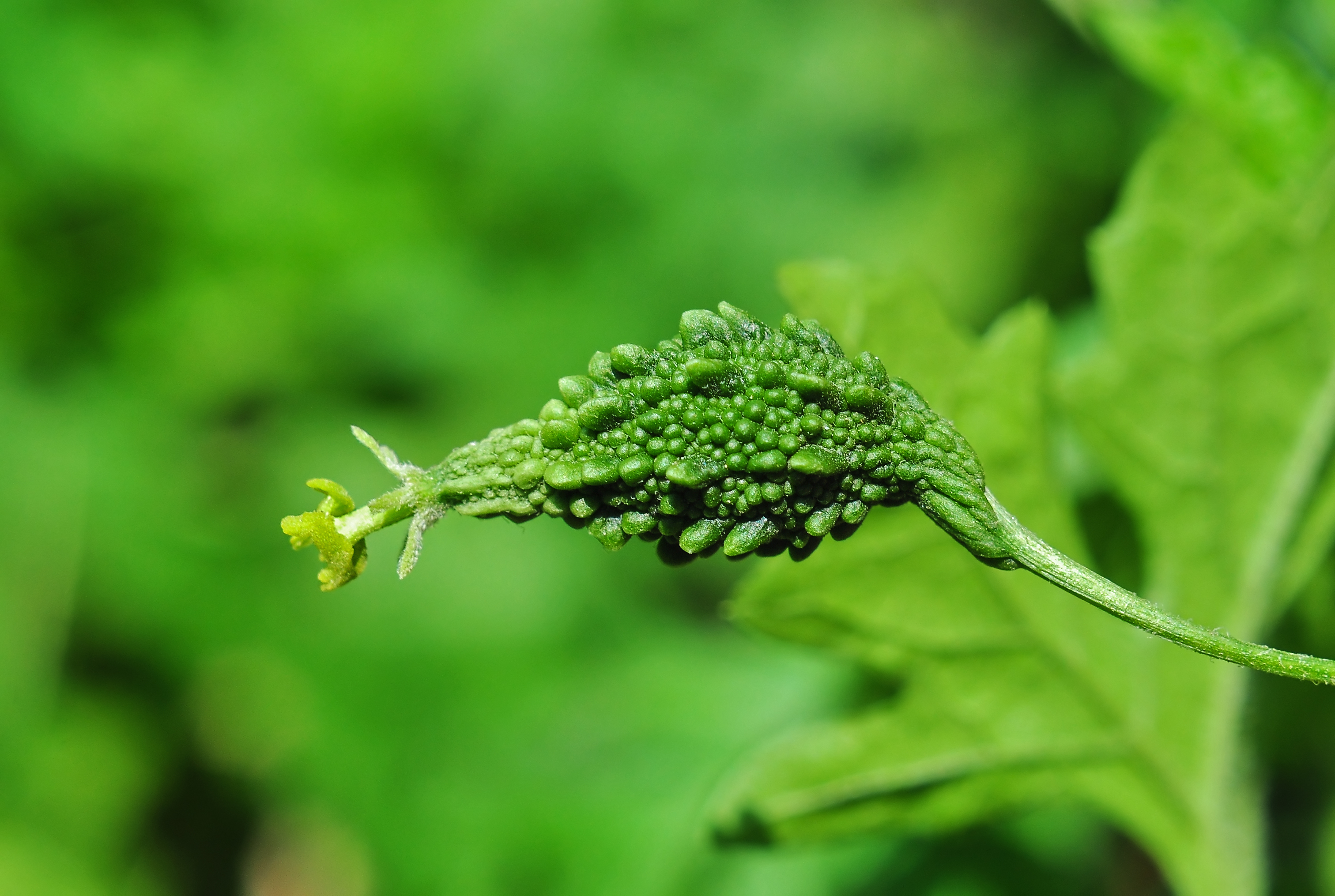
    Researchers highlight that daily food choices can significantly impact blood sugar control. Among the foods recommended in Ayurvedic practice are leafy greens, legumes, barley, millet, bitter melon (karela), fenugreek (methi), and amla. These foods not only help balance glucose but also promote healthy digestion, essential for Agni, or the digestive fire. The study suggests that including fiber, such as that found in non-starchy vegetables and whole grains, can slow glucose spikes. However, caution is advised with karela and methi, as they may potentiate the effect of diabetes medications. Portion control is fundamental, even for healthy grains. Although diet plays an important role, diabetes management also requires physical activity and constant monitoring.

  • rss:maharishi🗞️ Published on Ayurdrops: Jul 10, 2026📅 Source: Jun 09, 2026

    How Ayurveda Can Help with Frequent Urination?

    Researchers have identified that frequent urination can be caused by several factors, such as urinary infections, excessive caffeine consumption, blood sugar imbalances, and stress. In Ayurveda, this condition is explained by dysfunction of Apana Vata, which is the energy responsible for downward movement in the body. Additionally, Agni, which refers to digestion and metabolism, and the urinary channels, known as Mutra Vaha Srotas, also play important roles. The use of Ayurvedic remedies, such as Chandraprabha Vati, can be beneficial, especially when the underlying cause is identified. Symptoms such as pain, fever, or blood in the urine require immediate medical attention, as they may indicate more serious conditions.

  • Brahmi / Bacopa
    rss:maharishi🗞️ Published on Ayurdrops: Jul 10, 2026📅 Source: Jun 10, 2026

    Ayurvedic Herbs and Remedies for Stress and Anxiety: What You Need to Know

    Researchers point out that stress is an adaptive response to external pressures, while anxiety is characterized by persistent worries without a clear trigger. In Ayurveda, many anxiety patterns are associated with Vata imbalance, which affects the mano vaha srotas, the channel of the mind. Traditional herbs such as ashwagandha, brahmi, jatamansi, shankhpushpi, and tulsi are often used to promote mental calm. Additionally, daily practices like balanced diet, regular sleep, and meditation are fundamental to soothe the nervous system. The study highlights the importance of not self-medicating with potent herbs, as they may interact with prescribed medications. Seeking professional support is essential in cases of severe anxiety or panic attacks.

  • Triphalā / Três Frutos
    rss:maharishi🗞️ Published on Ayurdrops: Jul 10, 2026📅 Source: Jun 12, 2026

    Triphala and Hair Growth: How This Ancient Formula Can Help

    More than 50% of people over 25 face some type of hair loss. Although many know Triphala only as a digestive aid, this herbal combination has significant potential to promote hair health. Triphala, which is composed of three fruits — Amla (Emblica officinalis), Haritaki (Terminalia chebula), and Bibhitaki (Terminalia bellirica) — can act both internally, improving digestion and nutrient absorption, and externally, strengthening the hair strands. Studies suggest that its antioxidant and anti-inflammatory properties may help combat hair loss and stimulate growth. Additionally, the connection between stress, anxiety, and hair health is important, as stress can worsen hair loss. Therefore, integrating Triphala into your routine can be a valuable strategy for those seeking to improve hair health naturally.