Public feed

Ayurvedic editorial curation

Science articles classified by dosha, srota and dhatu. Filter to find what matters to you today.

  • openalex🗞️ Published on Ayurdrops: Jul 16, 2026📅 Source: Jul 16, 2026

    Understanding Skin Aging: An Integrated Perspective Between Ayurveda and Modern Biomedicine

    Researchers explored the applied anatomy of skin aging, bridging knowledge from Ayurveda and modern biomedicine. The study, conducted by Dr. Ranjeet Balasaheb Rupnar and Dr. Shraddha Dilip Hankare, highlights how factors such as collagen loss and decreased hydration contribute to age-related skin changes. Furthermore, the research suggests that Ayurvedic practices, such as the use of specific oils and herbs, may help mitigate these effects, promoting skin health. The integration of traditional and modern approaches offers a more comprehensive view for understanding and caring for aging skin, emphasizing the importance of holistic treatment that considers both physical and emotional aspects.
  • openalex🗞️ Published on Ayurdrops: Jul 16, 2026📅 Source: Jul 16, 2026

    Ayurvedic Neonatal Care (Kumārbhṛtya) and Immunity Strengthening in Newborns

    Researchers have demonstrated that Ayurvedic neonatal care practices, known as Kumārbhṛtya, can improve immunity in newborns. The study, led by Dr. Rushikesh Dhawale and colleagues, explores how specific interventions, such as the application of medicinal oils and proper nutrition, positively influence the immune system of infants. The authors highlight that the holistic approach of Ayurveda, which considers both the physical and emotional aspects, can be crucial for the healthy development of children. Furthermore, the study suggests that implementing these practices may reduce the incidence of common childhood illnesses, promoting more robust and healthy growth. Although the results are promising, it is important to consider that the study may have limitations, such as sample size and the need for further research to validate these findings in different contexts.

  • openalex🗞️ Published on Ayurdrops: Jul 16, 2026📅 Source: Jul 16, 2026

    Vata and Joint Pain: A Case Report

    Researchers presented a case report on Asthimajjagata Vata, a condition involving joint pain associated with Vata dosha imbalance. The study, conducted by Dr. Sampada Shantgonda Patil and colleagues, describes the experience of a patient who presented with symptoms such as intense pain and stiffness in the joints. Treatment included Ayurvedic interventions aimed at restoring Vata balance, using therapies such as oleation and heat. Results showed significant improvement in the patient's symptoms, highlighting the effectiveness of Ayurvedic approaches in managing Vata-related conditions. This report is relevant to clinical practice as it offers insights into how Ayurveda can be applied in cases of joint pain, a common complaint in the population.

  • openalex🗞️ Published on Ayurdrops: Jul 16, 2026📅 Source: Jul 16, 2026

    The Brain-Gut Connection in Ayurveda: Neuro-Metabolic Analysis of Agni-Duṣṭi Induced by Krodha

    Researchers analyzed the relationship between the brain and the gut in the context of Ayurveda, focusing on Agni-Duṣṭi, which is the deterioration of the digestive fire, induced by Krodha, or anger. The study, conducted by Dr. Babita Sharma and Dr. Shivam Hardaha, explores how emotional stress affects digestion and gut health, revealing that activation of the brain-gut axis can lead to metabolic imbalances. The authors discuss that anger can alter digestive function, resulting in Agni-Duṣṭi, which manifests as gastrointestinal disturbances. The research suggests that Ayurvedic interventions, such as emotional control practices and dietary adjustments, may be effective in restoring digestive health. Although the study offers valuable insights, it is important to note that it is based on a theoretical analysis and requires validation in broader clinical studies.

  • openalex🗞️ Published on Ayurdrops: Jul 16, 2026📅 Source: Jul 16, 2026

    The Brain-Gut Connection in Ayurveda: Neuro-Metabolic Analysis of Agni-Duṣṭi Induced by Krodha

    Researchers analyzed the relationship between emotional stress, specifically Krodha (anger), and digestive health, referred to as Agni-Duṣṭi in Ayurveda. The study suggests that activation of the brain-gut axis may be a central mechanism in the deterioration of digestion and overall health. The research, conducted by Dr. Babita Sharma and Dr. Shivam Hardaha, explores how anger affects digestive function and proposes that emotional imbalance can lead to metabolic disturbances. The authors highlight that Agni, or digestive fire, is crucial for health, and its disturbance can result in a series of health problems. The analysis includes data on how anger can influence the gut microbiota and nutrient absorption, suggesting that emotional control may be an important strategy for improving digestive health. Although the study provides valuable insights, limitations such as the need for more clinical research are acknowledged.

  • openalex🗞️ Published on Ayurdrops: Jul 16, 2026📅 Source: Jul 16, 2026

    Ayurvedic Neonatal Care: How to Strengthen Newborn Immunity

    Researchers have demonstrated that Ayurvedic neonatal care practices, known as Kaumarbhṛtya, can improve immunity in newborns. The study, conducted by Dr. Rushikesh Dhawale and colleagues, explores how specific interventions, such as the use of herbs and massage techniques, can strengthen the immune system of infants. The authors highlight the importance of a holistic approach that considers not only physical health but also the emotional and social well-being of the child. Although the results are promising, the study also points out limitations, such as the need for more research with larger samples and rigorous control of variables. The connection between Ayurvedic principles and neonatal health is reinforced, suggesting that traditional practices may offer significant benefits in newborn immunization.

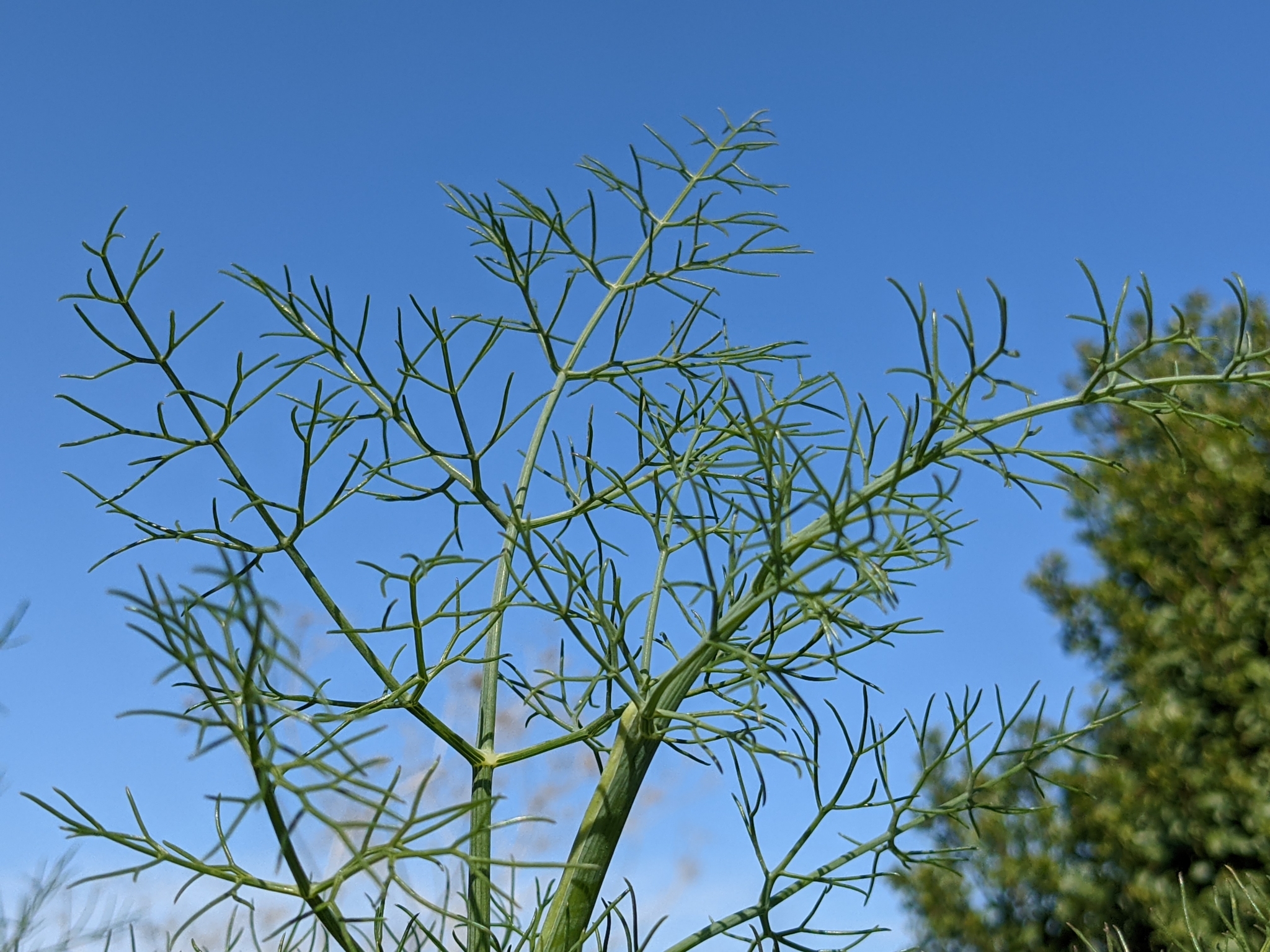
  • Funcho
    openalex🗞️ Published on Ayurdrops: Jul 16, 2026📅 Source: Jul 16, 2026

    Ayurveda and Polycystic Ovary Syndrome: What a Clinical Study Reveals

    Researchers conducted a randomized clinical trial to evaluate the efficacy of Stanyashodhka Gana Kwatha combined with Madhumehari Churna and Shatapushpa Kalpa in the treatment of Polycystic Ovary Syndrome (PCOS). The study included 60 women diagnosed with PCOS, divided into two groups: one received the Ayurvedic combination and the other a standard treatment. After 12 weeks, a significant reduction in androgen hormone levels and improvement in menstrual regularity were observed in the group receiving Ayurvedic therapy. The authors, Dr. Soumya Meshram and colleagues, highlight that the Ayurvedic approach may act on the modulation of Agni (digestion) and detoxification of the body, fundamental aspects for managing PCOS. Although the results are promising, the study has limitations, such as the small sample size and the need for further research to confirm long-term efficacy.

  • openalex🗞️ Published on Ayurdrops: Jul 16, 2026📅 Source: Jul 16, 2026

    Agni and Ama in the Origin of Mukhadushika: A Conceptual Review

    The relationship between Agni and Ama is fundamental to understanding the pathogenesis of Mukhadushika, a condition that affects the skin and is commonly known as acne. Researchers such as Vd. Kaveri Kiran Shinde and Vd. Aditi Bhaidas Somwanshi explore how digestion (Agni) and toxins (Ama) influence the development of this condition. Agni, which represents digestive and metabolic capacity, when imbalanced, can lead to the formation of Ama, resulting in inflammation and obstruction of the pores. The review suggests that the Ayurvedic approach, focusing on improving Agni and eliminating Ama, may be effective in treating Mukhadushika. Although the research brings valuable insights, it is important to note that this is a conceptual review, without direct clinical data or case studies to validate the presented hypotheses.

  • openalex🗞️ Published on Ayurdrops: Jul 16, 2026📅 Source: Jul 16, 2026

    Vata and Joint Pain: A Case Report

    Researchers presented a case report on Asthimajjagata Vata, a condition referring to joint pain associated with an imbalance of the Vata dosha. The study, conducted by Dr. Sampada Shantgonda Patil and colleagues, describes the experience of a patient who presented with symptoms such as intense pain and stiffness in the joints. The therapeutic approach included the use of medicated oils and Ayurvedic practices to restore Vata balance. The results showed significant improvement in the patient's symptoms after treatment, highlighting the effectiveness of Ayurvedic interventions. This case illustrates the importance of considering Ayurvedic principles in the evaluation and treatment of joint conditions, especially in relation to Vata, which is often associated with mobility issues and pain.

  • openalex🗞️ Published on Ayurdrops: Jul 16, 2026📅 Source: Jul 16, 2026

    The Importance of Agni in Elderly Health and Longevity: An Ayurvedic and Integrative Perspective

    Researchers highlight that Agni, or digestive fire, is fundamental for the health of the elderly and the promotion of longevity. Dr. Dinesh Kumar explores how maintaining a balanced Agni can prevent common diseases in old age, such as diabetes and cardiovascular diseases. The research suggests that efficient digestion not only improves nutrient absorption but also strengthens the immune system and overall vitality. The study integrates Ayurvedic concepts with modern practices, emphasizing the importance of an adequate diet and healthy habits. Furthermore, the research points out that attention to Agni can help mitigate the effects of aging, promoting a healthier and more active life. However, limitations such as the lack of broad clinical studies and the need for more empirical evidence are mentioned, indicating that further investigations are necessary to solidify these connections.

  • openalex🗞️ Published on Ayurdrops: Jul 16, 2026📅 Source: Jul 16, 2026

    The Importance of Agni in Elderly Health and Longevity: An Ayurvedic and Integrative Perspective

    Researchers highlight that Agni, or digestive fire, is fundamental for the health of the elderly and can directly influence longevity. Dr. Dinesh Kumar explores how maintaining a balanced Agni can prevent common diseases in old age, such as diabetes and cardiovascular diseases. The study suggests that Ayurvedic practices, such as proper diet and the use of specific herbs, can optimize digestion and nutrient absorption, promoting healthy aging. Furthermore, the research emphasizes the connection between Agni and mental health, pointing out that a strong Agni can contribute to mental clarity and emotional vitality. Although the study offers valuable insights, it is important to consider that the evidence is limited and more research is needed to validate these relationships in broader populations.

  • pubmed🗞️ Published on Ayurdrops: Jul 16, 2026📅 Source: Jan 01, 2026

    Clinical and radiological evidence of Ayurvedic treatment for inflammatory pleural effusion: a case report

    Researchers presented a successful case in the treatment of a presumed inflammatory pleural effusion with Ayurvedic approaches. The patient, who presented with persistent symptoms and an accumulation of pleural fluid, was treated with a combination of herbs and Ayurvedic therapies. After treatment, a significant reduction in the amount of pleural fluid was observed, as evidenced by imaging exams. The authors, Nakanekar and Pole, highlight the importance of considering Ayurvedic medicine as a viable option in cases of idiopathic pleural effusion, especially when conventional approaches fail. Although the study presents promising results, it is important to note that this is a case report, which limits the generalization of the findings. The research suggests that the integration of Ayurvedic practices may offer additional benefits in the management of inflammatory conditions.

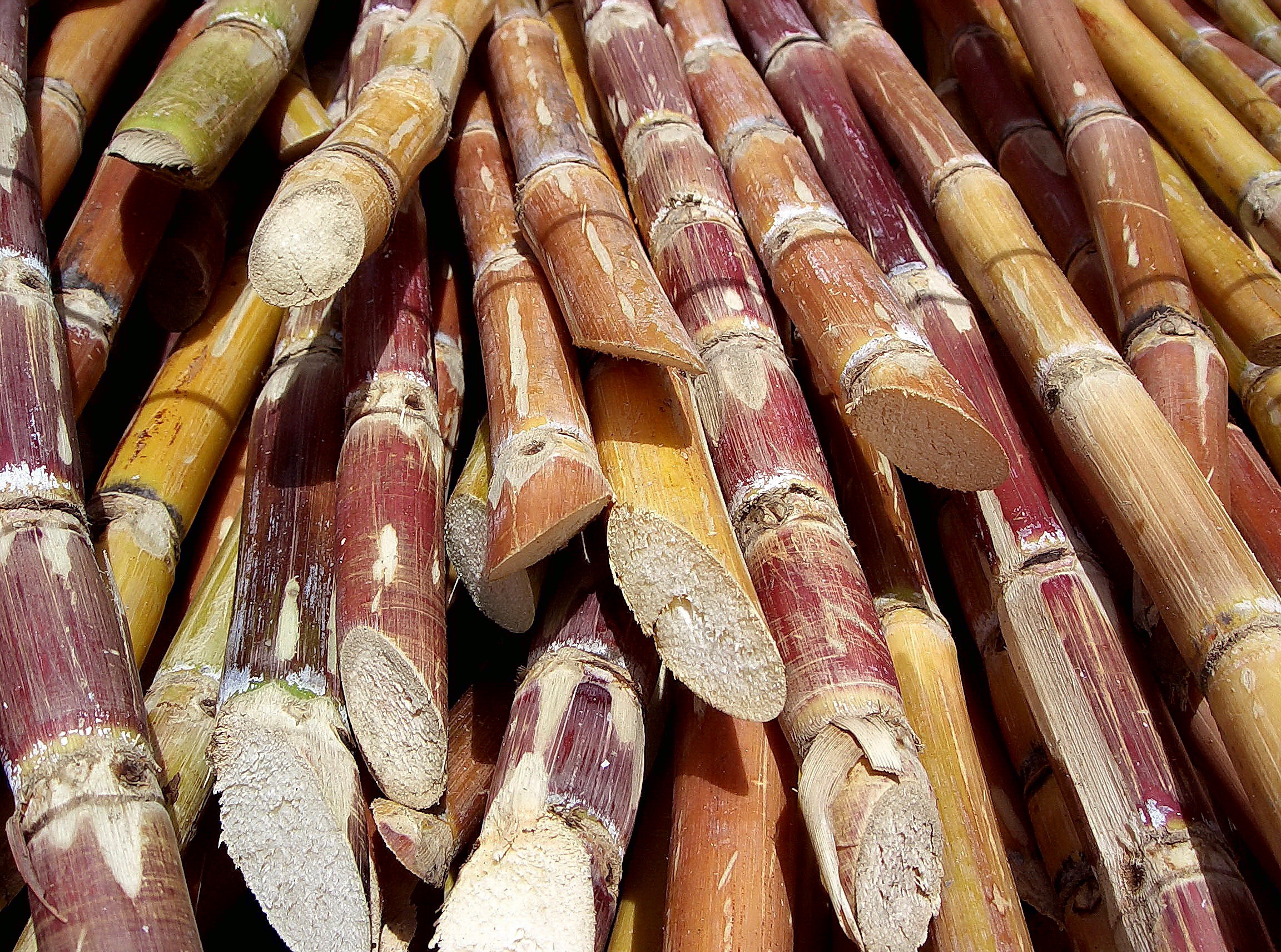
  • Açúcar / Śarkarā
    rss:maharishi🗞️ Published on Ayurdrops: Jul 15, 2026📅 Source: Jul 14, 2026

    Sitopaladi Churna: Respiratory Health, Immunity, and Digestion

    Researchers highlight that Sitopaladi Churna, a classical Ayurvedic formulation, is composed of five main ingredients: Mishri (Sitopala), Vanshlochan (Tugakshiri), Pippali, Elaichi, and Dalchini. This herbal powder is traditionally used to promote respiratory health, improve digestion, and increase vitality. Studies suggest that its properties may help balance the Kapha and Pitta doshas, contributing to overall body health. Additionally, the formulation is recognized for its ability to harmonize the body's energies, reflecting the wisdom of Ayurvedic texts. The quality of Sitopaladi Churna is ensured by rigorous purity and safety tests, ensuring that the ingredients are authentic and sustainable. Although modern research is still developing, the connection between Ayurvedic tradition and contemporary health is evident, offering a holistic approach to well-being.

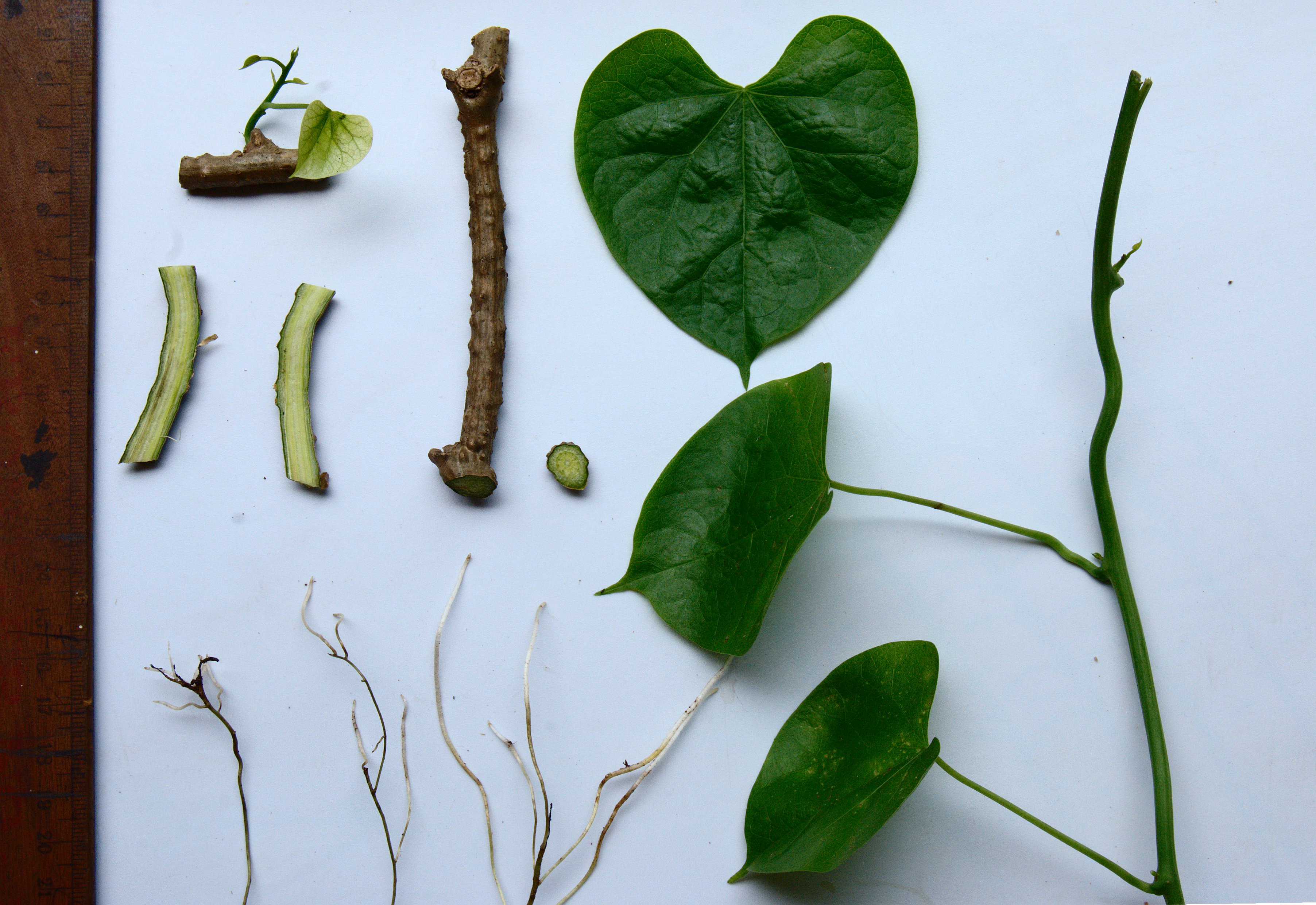
  • Guduchi
    rss:maharishi🗞️ Published on Ayurdrops: Jul 15, 2026📅 Source: Jul 14, 2026

    Giloy (Guduchi): Benefits and Uses in Ayurveda

    Researchers highlight that Giloy, known as Guduchi (Tinospora cordifolia), is a valuable herb in Ayurveda, widely recognized for its immunity-boosting properties and digestive support. Classified as a rasayana, or 'nectar of immortality,' this herb is traditionally used to balance the three doshas: Vata, Pitta, and Kapha. Modern studies corroborate its use in conditions such as chronic fevers and post-illness recovery, as well as its efficacy in improving digestion and regulating blood sugar levels. Giloy is considered safe and is available in various forms, such as juice, powder, and tablets. Despite its popularity, it is important to consider the dosage and method of use to maximize its benefits while avoiding potential side effects. The connection between Ayurvedic concepts and contemporary research reinforces the relevance of Giloy in promoting holistic health.

  • Neem / Nim Indiano
    rss:maharishi🗞️ Published on Ayurdrops: Jul 15, 2026📅 Source: Jul 14, 2026

    Pitta: Understand the Symptoms, Natural Remedies, and Ideal Diet

    Researchers highlight that the Pitta Dosha, composed of the elements fire and water, is fundamental for digestion, metabolism, and transformation in the body. When balanced, it promotes mental clarity, healthy digestion, and vitality. However, an imbalanced Pitta can result in symptoms such as excessive heat, acidity, irritability, and skin problems. To restore balance, a diet with cooling foods, such as fruits and vegetables, is recommended, along with calming herbs like Amla (Emblica officinalis) and Neem (Azadirachta indica). The practice of gentle yoga and creating calm environments are also essential. This guide offers a comprehensive overview of Pitta's characteristics, its functions, and traditional approaches to maintaining balance.

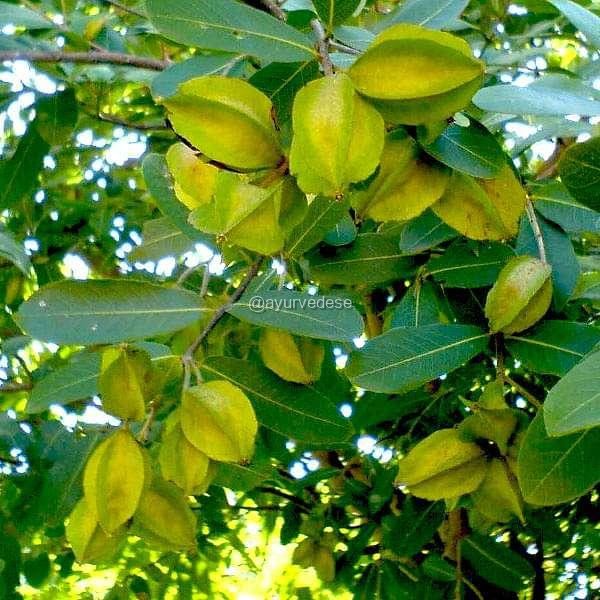
  • Arjuna
    rss:maharishi🗞️ Published on Ayurdrops: Jul 15, 2026📅 Source: Jul 14, 2026

    Arjunarishta: The Ayurvedic Tonic for Heart Health

    Researchers highlight that Arjunarishta, a classical Ayurvedic formulation based on the bark of Arjuna (Terminalia arjuna), is recognized as a Hṛdya Rasayana, that is, a rejuvenator for the heart. This fermented tonic is used to promote cardiovascular well-being, improve circulation, and increase vitality. The bioactive compounds released during fermentation are easily absorbed by the body, conferring cardioprotective properties to Arjunarishta. Studies indicate that it can strengthen the heart muscles, assist in regulating blood pressure, and help in lipid metabolism, contributing to blood purification. Additionally, it is traditionally used to relieve chest discomfort and support respiratory health. The recommended dosage is 15 to 20 ml twice a day, after meals, diluted in warm water, and it is important to consult a doctor if you are taking other medications. Despite its benefits, it is essential to consider that efficacy may vary according to each patient's individuality.

  • Ghee
    openalex🗞️ Published on Ayurdrops: Jul 15, 2026📅 Source: Jul 11, 2026

    Unraveling the Mechanism of Dadimadi Ghrita in Female Infertility

    Researchers have identified that Dadimadi Ghrita, an Ayurvedic formulation, may act on multiple molecular targets to aid in female infertility. The study, conducted by Prajakta Dhule and Rahul Kamat, used network pharmacology and molecular docking techniques to map interactions between the formulation's compounds and proteins relevant to reproductive health. The results suggest that Dadimadi Ghrita can modulate processes such as inflammation and oxidative stress, which are critical factors in infertility. Furthermore, ADME analysis (absorption, distribution, metabolism, and excretion) indicated that the formulation's components have good bioavailability, which may enhance their therapeutic effects. This study highlights the importance of integrative approaches that connect Ayurvedic wisdom with modern scientific methods, offering new perspectives for the treatment of female infertility.

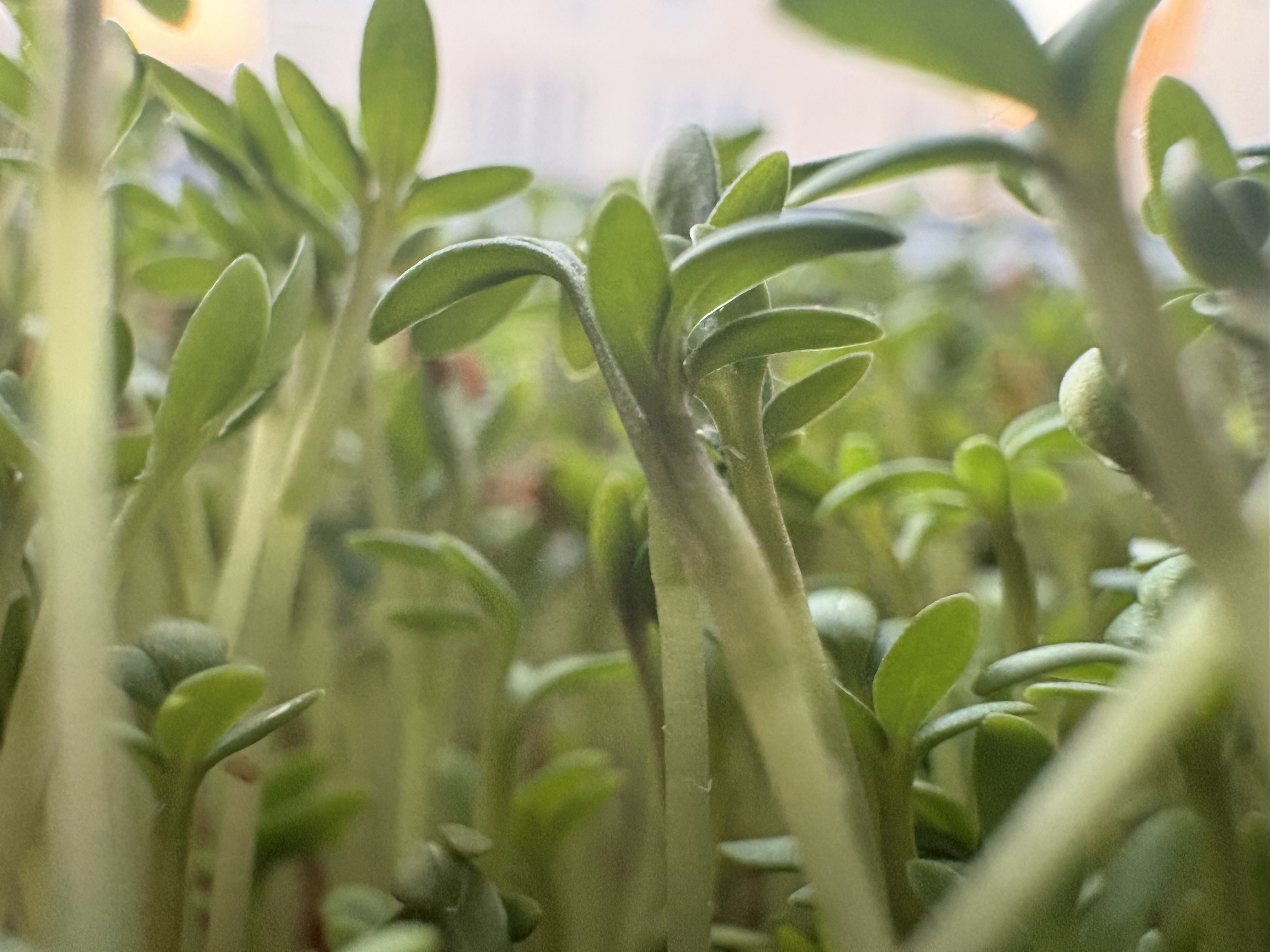
  • Candraśūra / Agrião-de-Jardim
    openalex🗞️ Published on Ayurdrops: Jul 15, 2026📅 Source: Jul 11, 2026

    Lepidium sativum and its efficacy in the treatment of osteoarthritis: a systematic study

    Researchers developed and evaluated a standardized avaleha of Lepidium sativum, known as garden cress, to treat osteoarthritis. The study, which involved rigorous formulation and testing, demonstrated that the avaleha exhibited significant anti-inflammatory and analgesic properties. The authors, Ishori Chhetry and colleagues, observed that administration of the product resulted in improved joint mobility and reduced pain in patients with osteoarthritis. The mechanisms involved include modulation of inflammatory mediators, which are crucial in the pathology of osteoarthritis. Although the results are promising, the study highlights the need for further investigations to confirm efficacy on a large scale and the safety of long-term use of Lepidium sativum avaleha.

  • Manjericão / Alfavaca (Tulasi)
    openalex🗞️ Published on Ayurdrops: Jul 15, 2026📅 Source: Jul 12, 2026

    Botanical Solutions for Gastrointestinal Disorders: An Ethnobotanical Perspective in Odisha, India

    Researchers have identified several medicinal plants used in the Balasore region of Odisha to treat gastrointestinal disorders. The study, conducted by Sanjay Kumar Behera and colleagues, highlights the importance of local ethnobotanical knowledge, revealing that 35 plant species are frequently employed to alleviate symptoms such as abdominal pain, diarrhea, and indigestion. Among the most cited plants are Aśvattha (Ficus religiosa) and Tulasi (Ocimum sanctum), which are valued for their anti-inflammatory and digestive properties. The authors emphasize the need for further research to validate these traditional practices and explore the underlying biochemical mechanisms. Although the study has a limited sample, the findings suggest that folk wisdom can be a valuable source for the development of new phytotherapeutic treatments.

  • openalex🗞️ Published on Ayurdrops: Jul 15, 2026📅 Source: Jul 13, 2026

    Integrative Management of Monochorionic Twins with Doppler Abnormalities: A Case Report with Ayurvedic Interventions

    Researchers reported a case of monochorionic diamniotic twins with abnormal Doppler findings, where Ayurvedic interventions were applied. The treatment included the use of herbs and Ayurvedic practices to improve maternal and fetal health. The integrative approach focused on modulating Agni (digestion) and reducing stress, factors that can impact gestational health. The authors, Rucha Ganu and Jayashree Patil, observed significant improvements in Doppler parameters after the intervention, suggesting that Ayurveda can offer valuable support in complex pregnancy cases. Although the study has limitations, such as the small sample size and the nature of the case report, the results indicate potential for integrative practices in obstetrics.