Public feed

Ayurvedic editorial curation

Science articles classified by dosha, srota and dhatu. Filter to find what matters to you today.

  • openalex🗞️ Published on Ayurdrops: Jul 23, 2026📅 Source: Jul 21, 2026

    Shalmali Malabarica: a potentially aphrodisiac Ayurvedic formulation

    Researchers developed and standardized the classical Siddha formulation Shalmali Kalpa, derived from the plant Shalmali Malabarica (Bombax malabaricum), focusing on its aphrodisiac properties. The study, conducted by Pravin Koparde and collaborators, used pharmaceutical and analytical methods to ensure the quality and efficacy of the formulation. Shalmali Malabarica is traditionally recognized in Ayurveda for its beneficial properties in sexual health and vitality. The authors highlight the importance of standardization to ensure consistency of therapeutic effects, especially in formulations aimed at sexual health. The results indicate that the formulation meets established quality standards, which may facilitate its acceptance and use in clinical practice. However, the study emphasizes the need for further clinical investigations to validate the aphrodisiac effects in humans, as the current research is based on laboratory analyses.


  • openalex🗞️ Published on Ayurdrops: Jul 23, 2026📅 Source: Jul 21, 2026

    Rehabilitation of brachial plexopathy through Ayurveda: a case report

    Researchers presented a clinical case of brachial plexopathy, a condition that affects the nerves controlling the muscles of the arm and hand. The patient, a 45-year-old woman, presented with muscle weakness and pain in the upper limb. Ayurvedic treatment included therapies such as Abhyanga (oil massage), Swedana (sudation), and specific herbal remedies. After 12 weeks of treatment, there was significant improvement in muscle strength and reduction of pain. The authors, S. Gayathri, K. Akhila, and M. P. Sreelekha, highlight the importance of a holistic approach, considering both the physical and emotional aspects of the patient. This report suggests that Ayurvedic interventions may be effective in the rehabilitation of neurological conditions, although more studies are needed to validate these findings.

  • openalex🗞️ Published on Ayurdrops: Jul 23, 2026📅 Source: Jul 21, 2026

    Partial rectal prolapse: how Kshara Karma can help

    Researchers presented a successful case in the treatment of gudabhramsha, or partial rectal prolapse, using the Kshara Karma technique. The patient, who presented significant symptoms, was treated with an integrative approach that combined Ayurvedic practices and modern care. Kshara Karma, which involves the application of an alkaline substance to promote tissue healing and regeneration, demonstrated efficacy in reducing symptoms and improving the patient's quality of life. The authors, Bhagyashri Patil and colleagues, highlight the importance of a holistic approach, considering both the physical and emotional aspects of the patient. Although the case presents positive results, it is important to note that this is a single case report, which limits the generalizability of the findings. Further studies are needed to validate the efficacy of Kshara Karma in a broader population.

  • openalex🗞️ Published on Ayurdrops: Jul 23, 2026📅 Source: Jul 21, 2026

    The utility of Tailabindu Pareeksha in cancer assessment: a pilot study

    Researchers have demonstrated that Tailabindu Pareeksha, an Ayurvedic diagnostic technique, may offer valuable insights in the assessment of malignancies. This observational pilot study, conducted by K Reshma, Darshna Pandya, and V J Shukla, investigated the relationship between Tailabindu findings and cancer severity in patients. The results indicated that Tailabindu analysis, which involves urine observation, may correlate with clinical markers of disease progression. Although the data are preliminary, the research suggests that this traditional approach may complement modern diagnostic methods, offering a holistic perspective on patient health. Limitations include the small sample size and the need for additional studies to validate these findings.

  • openalex🗞️ Published on Ayurdrops: Jul 23, 2026📅 Source: Jul 21, 2026

    Folk powder and blood sugar control: comparison with glibenclamide

    Researchers evaluated the effects of a folk powder on hyperglycemic rats, comparing its efficacy with that of the drug glibenclamide. The study, conducted by Buchake VV and colleagues, demonstrated that the folk powder produced a significant reduction in blood glucose levels in the rats. The results indicate that the powder may act through mechanisms involving modulation of insulin secretion and improvement of insulin sensitivity, suggesting an interesting therapeutic potential for blood sugar control. Although the data are promising, it is important to consider that the study was conducted in an animal model, which limits the generalization of the results to humans. Further investigations are needed to confirm the safety and efficacy of the powder in human populations.

  • openalex🗞️ Published on Ayurdrops: Jul 23, 2026📅 Source: Jul 21, 2026

    Integrative Approach to Complex Fistula: What a Clinical Case Reveals

    Researchers presented a clinical case of Shambukavrata Bhagandara, a complex transsphincteric fistula, where an integrative approach combining Ayurvedic and Western practices was applied. The patient, who presented persistent symptoms and associated complications, was treated with a combination of interventions, including herbal medicine, diet, and stress management techniques. The result was a significant improvement in the patient's quality of life, evidenced by reduced symptoms and fistula healing. This case highlights the importance of a holistic and personalized approach in treating complex conditions, aligning with Ayurvedic principles that emphasize treatment individualization and consideration of the patient's overall state. Although the study presents promising results, it is important to note that this is a case report, which limits the generalizability of the findings.

  • openalex🗞️ Published on Ayurdrops: Jul 23, 2026📅 Source: Jul 21, 2026

    Clinical Efficacy of Stanya Janana Mahakashaya in Postnatal Care: A Comprehensive Review and Case Study

    Researchers analyzed the efficacy of Stanya Janana Mahakashaya, an Ayurvedic formulation, in postnatal care, also known as Sutika Paricharya. The study reviewed clinical cases and evidence on how this herbal combination can support maternal recovery after childbirth. Stanya Janana Mahakashaya is traditionally used to promote lactation and improve the overall health of women in the postpartum period. The results indicated that the formulation not only aided lactation but also contributed to reducing common complications during this period, such as fatigue and stress. The research highlights the importance of integrating Ayurvedic practices into postnatal health, offering a holistic approach that can be beneficial for mothers and babies. However, limitations such as sample size and the need for more controlled studies were noted.

  • Leite de Vaca
    europepmc🗞️ Published on Ayurdrops: Jul 23, 2026📅 Source: Jul 15, 2026

    Wild Asparagus: What Tradition and Science Say About Shatavari

    Research shows that wild asparagus (Asparagus racemosus), known as shatavari, contains steroidal saponins and phytoestrogens that may act as galactagogues, stimulating breast milk production. A well-conducted study revealed that mothers who consumed shatavari showed increased prolactin levels and greater milk volume compared to the placebo group. Another controlled study indicated that these mothers also reported shorter times to the sensation of breast fullness after childbirth. Despite its long history of use in Ayurvedic medicine, the safety of shatavari has not been rigorously studied, although small studies have not found significant adverse effects. It is important to remember that galactagogues should not replace the assessment of modifiable factors that influence milk production. The regulation of dietary supplements is less rigorous, which raises questions about the safety and efficacy of products available on the market.

  • pubmed🗞️ Published on Ayurdrops: Jul 23, 2026📅 Source: Jul 21, 2026

    Treatment of De Quervain's Tenosynovitis with Agnikarma and Suvarana Shalaka: A Case Report

    Researchers presented a case of De Quervain's tenosynovitis treated with Agnikarma, an Ayurvedic technique that uses heat to promote healing. The patient, a 35-year-old man, presented with pain and swelling in the wrist region, making daily activities difficult. After the application of Agnikarma with Suvarana Shalaka, a form of medicinal gold, there was a significant reduction in pain and improvement in wrist function. The treatment was performed in three sessions, with clinical follow-up showing positive results in terms of pain relief and functional recovery. This case suggests that the combination of Agnikarma and Suvarana Shalaka may be an effective approach for De Quervain's tenosynovitis, although more studies are needed to validate these findings in a larger population.

  • Guggul / Indian Bedellium
    pubmed🗞️ Published on Ayurdrops: Jul 23, 2026📅 Source: Jul 22, 2026

    Ayurvedic Treatment for Grade III Medial Meniscus Injury: A Case Report

    Researchers presented a clinical case of a grade III medial meniscus injury treated with Ayurveda, highlighting the efficacy of traditional interventions. The patient, a 30-year-old man, presented with severe pain and limited knee movement. Treatment included herbs such as Guggulu (Commiphora mukul) and Ashwagandha (Withania somnifera), as well as therapies like Abhyanga (oil massage) and Swedana (sudation). After 12 weeks, there was significant improvement in pain and joint function, with the patient returning to normal activities. This case suggests that Ayurvedic approaches may be effective in the recovery of meniscal injuries, although more studies are needed to validate these findings in larger populations.

  • Guggul / Indian Bedellium
    pubmed🗞️ Published on Ayurdrops: Jul 23, 2026📅 Source: Jul 22, 2026

    Commiphora wightii and Its Formulations: Relief of Inflammation in Osteoarthritis

    Researchers have demonstrated that Commiphora wightii, known as guggul, and its formulations can reduce macrophage-mediated inflammation in cases of osteoarthritis. The study, conducted by Srivastava et al., reveals that administration of guggul extracts decreases the production of inflammatory cytokines, such as TNF-α and IL-6, which are crucial in the pathology of osteoarthritis. Furthermore, the research suggests that Commiphora wightii can modulate macrophage activity, promoting an anti-inflammatory environment. Although the results are promising, it is important to note that the study was conducted in an animal model, which limits the generalization of the findings to humans. The relationship between Ayurvedic principles and the observed mechanisms suggests that guggul may be a viable option for supporting joint health.

  • rss:maharishi🗞️ Published on Ayurdrops: Jul 22, 2026📅 Source: Jul 21, 2026

    Tongue Cleaning: Before or After Brushing Your Teeth? An Ayurvedic Guide

    Tongue cleaning, known as Jihva Nirlekhana or Jihwa Prakshalana, is a fundamental practice in the daily Ayurvedic routine (Dinacharya). Researchers highlight that a coated tongue may indicate the presence of Ama, Kapha accumulation, or poor oral hygiene. Ayurveda recommends that tongue cleaning occur before brushing your teeth, helping to remove residues and bacteria that can cause bad breath and an unpleasant taste. The use of a metal tongue cleaner, such as copper or stainless steel, is preferred for its durability and ease of cleaning. The practice should be done gently, with 5 to 7 passes from the back to the front, and it is important to seek guidance if there is pain or persistence of the coating. This approach not only improves oral hygiene but also prepares the body for more efficient digestion, as tongue health is directly linked to Agni, or digestive fire.

  • Ashwagandha / Ginseng Indiano
    openalex🗞️ Published on Ayurdrops: Jul 22, 2026📅 Source: Jul 18, 2026

    Ayurvedic Perspectives on Erectile Dysfunction: A Review of Classical Approaches and New Scientific Evidence

    Researchers reviewed various Ayurvedic approaches to erectile dysfunction, highlighting the importance of understanding the physical and mental factors that influence this condition. The study analyzes how classical concepts, such as the balance of the doshas and the health of Agni (digestion), relate to erectile dysfunction. Additionally, new scientific evidence was identified that corroborates the efficacy of herbs such as Ashwagandha and Gokshura in treating this condition. The research suggests that erectile dysfunction can be seen not only as a physical problem but also as a reflection of the individual's mental and emotional state. Study limitations include the need for more clinical investigations to validate the findings and the diversity of therapeutic approaches in Ayurveda, which can vary widely among practitioners.

  • openalex🗞️ Published on Ayurdrops: Jul 22, 2026📅 Source: Jul 18, 2026

    Music as an Ally: How Music Therapy Can Support Cancer Patients During Chemotherapy

    Researchers highlight that music therapy can reduce anxiety and improve the quality of life of patients undergoing chemotherapy. The study reviewed various evidence on integrating music therapy as complementary care, showing that the practice not only alleviates emotional stress but can also positively influence pain perception and immune response. Music therapy works through mechanisms such as the release of endorphins and the promotion of a relaxing environment, which can be crucial during treatment. Although the results are promising, it is important to consider that most of the reviewed studies have limitations, such as small sample sizes and a lack of adequate control groups. However, the practice aligns with Ayurvedic principles that value harmony between body and mind, suggesting that integrative approaches can be beneficial.

  • openalex🗞️ Published on Ayurdrops: Jul 22, 2026📅 Source: Jul 18, 2026

    Amshamsha Kalpana: A New Approach to Understanding the Increase and Decrease of Vata

    Researchers explored a new approach called Amshamsha Kalpana to qualitatively analyze variations of Vata dosha, both in its increase (vruddhi) and its decrease (kshaya). The study, conducted by Vijayajyoti S. Janakapuri and collaborators, seeks to deepen the understanding of the mechanisms governing these alterations, which can impact health and well-being. Qualitative analysis allows for the identification of patterns and characteristics that can be observed in patients, facilitating assessment and treatment in the context of Ayurveda. The proposed approach may offer valuable insights for therapists and practitioners, helping to integrate traditional concepts with modern clinical practice. Although the study presents a new perspective, it is important to consider its limitations, such as the need for validation in larger populations and the practical application of the findings.

  • openalex🗞️ Published on Ayurdrops: Jul 22, 2026📅 Source: Jul 18, 2026

    Bronze bowl foot massage: pain relief and improved sleep in postoperative patients

    Researchers evaluated the efficacy of bronze bowl foot massage in postoperative patients, observing significant improvements in pain, fatigue, and sleep quality levels. The study, conducted by Sanjana Vijay Aagate and Prof. Manasi Rahane at D.Y. Patil Hospital, revealed that the massage technique can be a valuable complementary intervention for post-surgical care. Results showed a notable reduction in pain and fatigue, as well as an increase in sleep quality, suggesting that this practice may aid in patient recovery. Bronze bowl massage, which involves the application of pressure and heat, can stimulate circulation and promote relaxation, contributing to a smoother recovery process. Although the results are promising, the study has limitations, such as the small sample size and lack of a control group, which should be considered when interpreting the data.

  • Funcho
    openalex🗞️ Published on Ayurdrops: Jul 22, 2026📅 Source: Jul 18, 2026

    Shatapushpa and Shatavari: A Clinical Evaluation for Menopause Symptoms

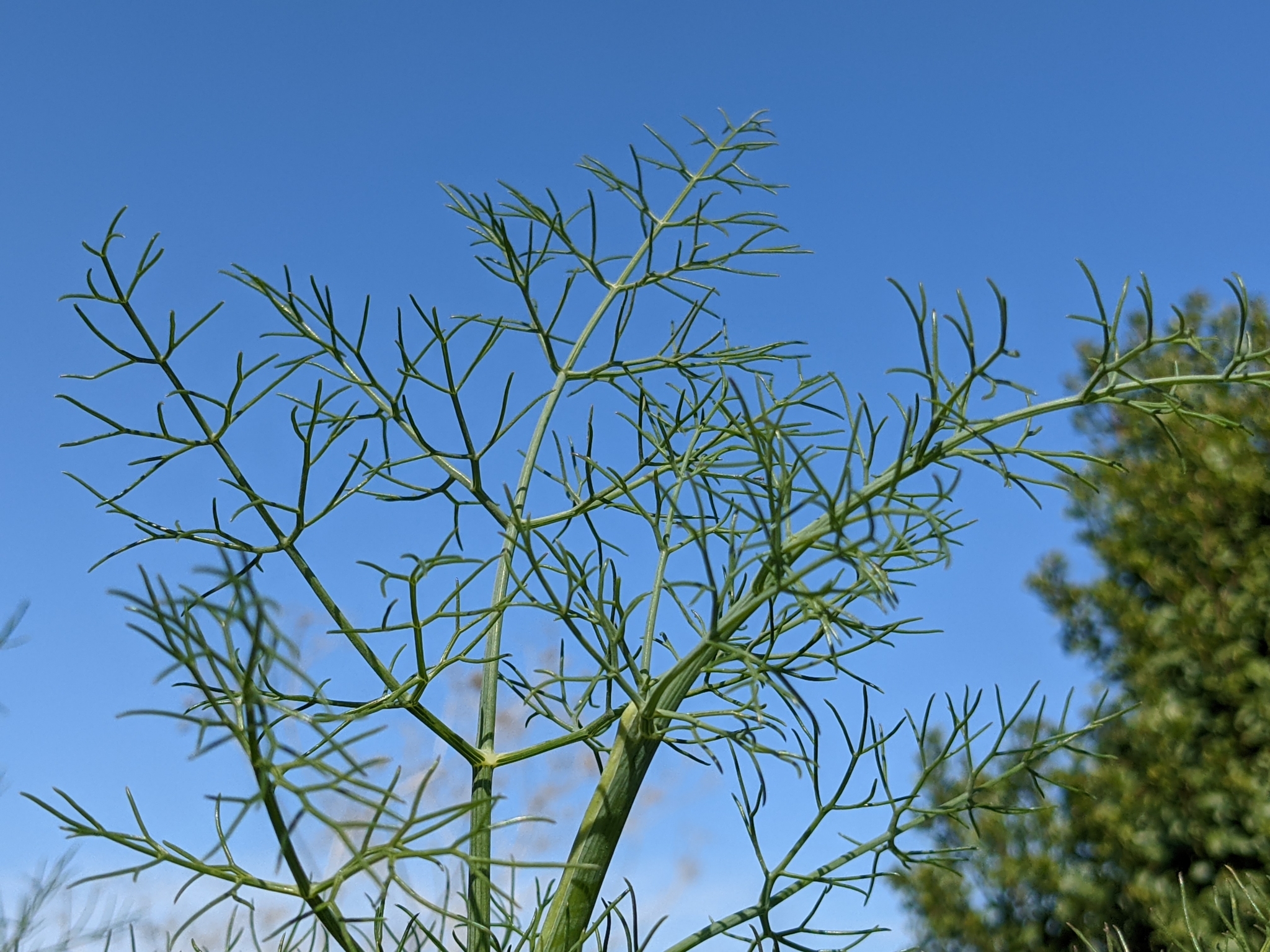
    Researchers evaluated the efficacy of Modak of Shatapushpa (Anethum sowa) and Shatavari (Asparagus racemosus) in women with perimenopausal syndrome. The study, which involved a single group of participants, demonstrated significant improvements in symptoms such as hot flashes, mood changes, and insomnia. After 12 weeks of treatment, 75% of participants reported a reduction in symptoms, with an increase in quality of life. Suggested mechanisms include the adaptogenic action of Shatavari, which may help balance hormones, and the carminative property of Shatapushpa, which relieves common digestive discomforts during this phase. Although the results are promising, the study has limitations, such as the lack of a control group and the small number of participants, which may affect the generalizability of the findings.

  • openalex🗞️ Published on Ayurdrops: Jul 22, 2026📅 Source: Jul 20, 2026

    Pracchanna and Lepana in the treatment of indralupta: a case study

    Researchers reported a clinical case in which Ayurvedic techniques of Pracchanna and Lepana were applied to treat indralupta, or alopecia areata. The treatment involved the application of Pracchanna, which consists of small incisions on the scalp skin, and Lepana, a medicated paste, aiming to stimulate blood circulation and promote hair regeneration. After the treatment, a significant improvement in hair density and scalp health was observed. Although the study presents promising results, it is important to note that it is a single case, which limits the generalization of the findings. The combination of these techniques may offer an interesting approach to the treatment of indralupta, aligning with the Ayurvedic philosophy of treating the root of the problem rather than just the symptoms.

  • openalex🗞️ Published on Ayurdrops: Jul 22, 2026📅 Source: Jul 20, 2026

    Panchasama Churna and Pain Relief: A Comprehensive Review

    Researchers analyzed the therapeutic attributes of Panchasama Churna, an herbal combination used in Ayurveda, highlighting its efficacy in pain management. The study, conducted by Anju S. Raj and colleagues, reviewed various studies showing how the components of Panchasama Churna act on different types of pain, including acute and chronic pain. The authors identified that the herbal combination possesses anti-inflammatory and analgesic properties, which may act on mechanisms such as modulation of the inflammatory response and inhibition of pain transmission. Furthermore, the review suggests that the use of Panchasama Churna may be a viable and safe alternative compared to conventional analgesics, especially in contexts where these may have unwanted side effects. However, it is important to note that most of the reviewed studies have limitations, such as small sample sizes and the need for further clinical investigations to validate the findings.

  • openalex🗞️ Published on Ayurdrops: Jul 22, 2026📅 Source: Jul 20, 2026

    Ayurveda: An Introduction to the Ancient Health System

    Ayurveda is a traditional health system that originated in India over 3,000 years ago. It is based on the idea that health is the result of balance between body, mind, and spirit. Ayurvedic practice involves a holistic approach, considering factors such as diet, lifestyle, and environment. The principles of Ayurveda include the identification of doshas — Vata, Pitta, and Kapha — which represent different combinations of elements and energies in the body. Treatment is personalized, aiming to restore individual balance. Additionally, Ayurveda uses a variety of herbs, therapies, and practices such as yoga and meditation to promote health and prevent disease. Contemporary research has begun to explore the efficacy of various Ayurvedic practices, seeking to integrate this ancestral knowledge with modern medicine.