Public feed

Ayurvedic editorial curation

Science articles classified by dosha, srota and dhatu. Filter to find what matters to you today.

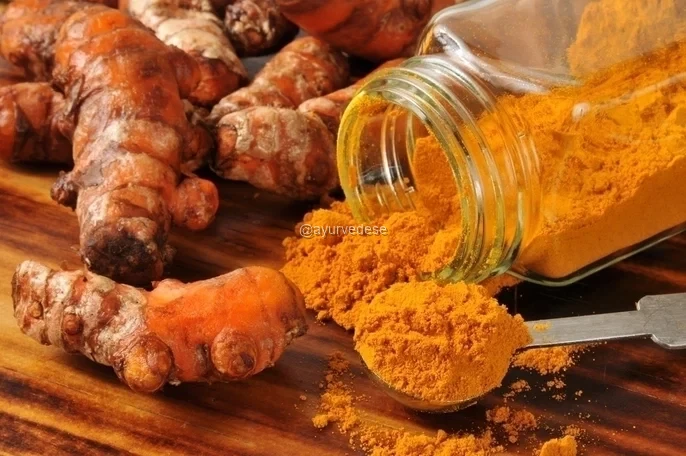
  • Cúrcuma
    openalex🗞️ Published on Ayurdrops: Jul 26, 2026📅 Source: Jul 22, 2026

    Turmeric and acne: how the alcoholic extract fights causative bacteria

    Researchers have demonstrated that the alcoholic extract of Curcuma longa (turmeric) has an inhibitory effect on bacteria associated with acne, such as Staphylococcus aureus, Propionibacterium acnes, and Staphylococcus epidermidis. The study, conducted by Saja Abbas Mazher, reveals that turmeric may be a promising alternative for controlling acne, a condition that affects skin health and the self-esteem of many people. The antimicrobial action of turmeric can be attributed to bioactive compounds present in its composition, which act to reduce the proliferation of these bacteria. Although the results are encouraging, it is important to consider that the study is still in its early stages and more research is needed to validate the efficacy and safety of using turmeric in the treatment of acne in humans.


  • openalex🗞️ Published on Ayurdrops: Jul 26, 2026📅 Source: Jul 23, 2026

    Prasarini and relief of sciatic pain: a clinical study on capsules and basti

    Researchers evaluated the efficacy of Prasarini capsules and basti (enema) with Prasarini oil in the treatment of Gridhrasi, known as sciatica. The clinical study, conducted with a single group, involved patients who reported sciatic pain. The results showed a significant reduction in pain intensity and functional disability after treatment. The use of basti, which is an Ayurvedic practice involving the introduction of oil into the rectum, may have contributed to the improvement by promoting lubrication and pain relief. Furthermore, the combination of capsules with basti appears to have synergistic potential, increasing the treatment's efficacy. However, the study has limitations, such as the lack of a control group and the small number of participants, which may affect the generalizability of the results.

  • openalex🗞️ Published on Ayurdrops: Jul 26, 2026📅 Source: Jul 23, 2026

    Patient Satisfaction with Traditional Healing Practices: A Review

    Researchers analyzed patient satisfaction with traditional healing practices, including Ayurveda, and found that 85% of participants reported positive experiences. The study, conducted by Dr. U. Bhojanna, Dr. G V M Sharma, and Dr. P. Archana, highlights that trust in traditional practices and the relationship with therapists are crucial factors for this satisfaction. Furthermore, the research suggests that Ayurveda's holistic approach, which considers body, mind, and spirit, contributes to patients' positive perception. Although the data are encouraging, the study also points out limitations, such as the lack of diversity in samples and the need for further investigations to better understand the effectiveness of traditional practices in different cultural contexts.

  • openalex🗞️ Published on Ayurdrops: Jul 26, 2026📅 Source: Jul 23, 2026

    Yoga and psychomotor coordination in students: what a review teaches us

    Researchers analyzed how yoga practices can influence psychomotor coordination in students. The narrative review, conducted by Suman Thapliyal and Nidheesh Yadav, highlights that regular yoga practice can improve reaction time and motor stability, essential aspects for academic and sports performance. The authors observe that integrating yoga postures and breathing techniques can help develop fine and gross motor skills, as well as promote a more focused mental state. Although the results are promising, the review also points to the need for more controlled studies to validate these findings and better understand the mechanisms involved, such as the relationship between yoga practice and stress reduction, which may impact psychomotor performance.

  • openalex🗞️ Published on Ayurdrops: Jul 26, 2026📅 Source: Jul 23, 2026

    Shirodhara and cognition: how this Ayurvedic practice can help with anxiety

    Researchers investigated the impact of Shirodhara, an Ayurvedic therapy that involves the application of warm oil to the forehead, on the cognition of individuals with anxiety. The study, conducted by Suman Patel and colleagues, focused on measuring cognitive response through the P300 evoked potential, an indicator of cognitive processing. The results showed that the practice of Shirodhara resulted in significant improvements in P300 responses, suggesting a positive effect on cognitive function. This finding is relevant because anxiety often impairs concentration and memory. The study highlights the importance of integrating traditional practices like Shirodhara into contemporary approaches for managing anxiety, although more research is needed to fully understand the underlying mechanisms.

  • openalex🗞️ Published on Ayurdrops: Jul 26, 2026📅 Source: Jul 23, 2026

    Ayurvedic Management of Kamla: A Case Report on Jaundice

    Researchers reported a clinical case of Kamla, a condition associated with jaundice, which was treated with Ayurvedic interventions. The patient, diagnosed with jaundice, presented symptoms such as yellowish discoloration of the skin and eyes, along with abdominal discomfort. The treatment included the use of specific herbs and dietary adjustments, aiming to balance Agni and detoxify the liver. After treatment, there was a significant improvement in symptoms, with a reduction in bilirubin levels. This case highlights the importance of Ayurveda in addressing hepatic conditions, offering a viable alternative to conventional methods. However, it is important to note that the study is based on a single case, which limits the generalizability of the results.

  • openalex🗞️ Published on Ayurdrops: Jul 26, 2026📅 Source: Jul 23, 2026

    Prasarini and relief of sciatic pain: what a clinical study reveals

    Researchers evaluated the efficacy of Prasarini capsules and matra basti (enema) with Prasarini oil in the treatment of Gridhrasi, known as sciatica. The clinical study, conducted by Shweta Sajjan and colleagues, involved a single group of patients, allowing observation of the effects of the interventions without direct comparisons. The results showed a significant reduction in pain and functional disability among participants after treatment. The use of Prasarini, an herb recognized for its anti-inflammatory and analgesic properties, suggests promising potential for managing sciatic pain. However, it is important to note that the study was single-arm, which limits the generalizability of the results. The combination of oral and topical interventions may offer an interesting pathway for treating this painful condition.

  • openalex🗞️ Published on Ayurdrops: Jul 26, 2026📅 Source: Jul 23, 2026

    Science of Yoga Implementation: An Integrated Approach to Health and Well-being

    Researchers explored how implementation science can integrate yoga practices into health and well-being strategies. The study, led by Vinod Srivastava and colleagues, highlights the importance of adapting yoga interventions to different contexts and populations. The research suggests that regular yoga practice can improve mental and physical health, promoting a healthier lifestyle. Additionally, implementation challenges were identified, such as the need for adequate instructor training and cultural resistance in some communities. The authors emphasize that integrating yoga into health systems can be an effective strategy to address public health issues, especially in times of increasing stress and anxiety.

  • openalex🗞️ Published on Ayurdrops: Jul 26, 2026📅 Source: Jul 24, 2026

    Platelet recovery in severe immune thrombocytopenia: a clinical case in Ayurveda

    Researchers reported a case of significant platelet recovery in a patient with severe immune thrombocytopenia after Ayurvedic treatment. The patient, who had an extremely low platelet count, underwent a protocol that included specific herbs and dietary adjustments. After treatment, the platelet count increased from 20,000 to 150,000/mm³ over a period of 8 weeks. The author, Vikram Chauhan, highlights the importance of Ayurveda's holistic approach, which considers not only symptoms but also the patient's overall state, including emotional and dietary factors. This case suggests that Ayurveda may offer a viable alternative for managing thrombocytopenia, especially in cases where conventional medicine is insufficient. However, limitations such as the small number of cases and the lack of a control group should be considered when interpreting the results.

  • openalex🗞️ Published on Ayurdrops: Jul 26, 2026📅 Source: Jul 24, 2026

    Treatment of Pilonidal Sinus (Shalyaja Nadi Vrana) with Nimbapatradi Varti: A Case Report

    Researchers presented a successful case in the treatment of pilonidal sinus, also known as Shalyaja Nadi Vrana, using Nimbapatradi Varti, an Ayurvedic formulation. The patient, a 25-year-old man, had a history of recurrence of the condition, which is characterized by the formation of a tunnel in the skin, often associated with infections. After the administration of Nimbapatradi Varti, a significant reduction in inflammation and healing of the lesion was observed over a period of 6 weeks. The authors, Dr. Ekurge Aishwarya Anandkumar and colleagues, highlight that the combination of anti-inflammatory and antimicrobial properties of the formulation contributed to the patient's recovery. Although the case report presents promising results, it is important to note that this is a single-patient study, which limits the generalizability of the findings. Further investigations are needed to validate the efficacy of Nimbapatradi Varti in a larger population.

  • openalex🗞️ Published on Ayurdrops: Jul 26, 2026📅 Source: Jul 24, 2026

    The Relationship Between Weight Loss and Irritable Bowel Syndrome: A Research Protocol

    Researchers are investigating the connection between individuals with karshya (weight loss) and grahani roga (irritable bowel syndrome, IBS). The cross-sectional study protocol proposed by Mahima Sahu and colleagues aims to understand how the condition of weight loss may influence IBS symptoms. IBS is a functional bowel disorder that affects quality of life and may be related to factors such as stress and diet. The study intends to assess the prevalence of karshya in patients diagnosed with IBS, as well as to explore the relationship between symptom severity and nutritional status. The research is relevant because it may offer insights into how weight loss can exacerbate or be exacerbated by IBS, contributing to more effective management of this condition. The Ayurvedic approach suggests that the balance between the doshas and the health of agni (digestion) are fundamental for intestinal health, which may be a starting point for the investigation.

  • openalex🗞️ Published on Ayurdrops: Jul 26, 2026📅 Source: Jul 24, 2026

    Bhasma in Ayurveda: A Review of Traditional Preparation and Modern Scientific Validation

    Bhasma, a form of mineral medicine in Ayurveda, has been the subject of growing interest in both traditional practice and scientific research. Researchers such as Shreya More, Sejal Rathod, and Shivani Wadichar have reviewed the preparation and scientific validation methods of bhasma, highlighting its importance in Ayurvedic medicine. Bhasma is produced through specific processes involving the calcination of minerals, resulting in a highly bioavailable form. Studies have shown that bhasma may have significant therapeutic properties, including anti-inflammatory and antioxidant effects. However, the review also points to the need for more rigorous research to validate these effects and understand the underlying mechanisms. Bhasma is often used in formulations to balance the doshas and promote overall health, but its safety and efficacy depend on the quality of preparation and the methods used. This work is an important step toward integrating traditional knowledge with modern scientific evidence.

  • Cássia / Purga-de-vagem / Araghvadha
    europepmc🗞️ Published on Ayurdrops: Jul 26, 2026📅 Source: Jul 24, 2026

    Antidiabetic Potential of a New Compound from Cassia fistula: Inhibiting α-Amylase

    Researchers identified a new compound, hydroxy-phenyl-bi-benzopyran-hexol, extracted from Cassia fistula, which showed promise as an inhibitor of α-amylase, a key enzyme in carbohydrate digestion. This study combined traditional knowledge from Siddha medicine with computational and experimental methods, analyzing 915 bioactive compounds. The lead compound demonstrated a stable interaction with α-amylase, showing a binding energy of -69.70 ± 3.93 kJ/mol. The crude extract of the stem bark of Cassia fistula showed 57% inhibition of α-amylase, with an IC50 value of 237.25 μg/ml, lower than the 264.59 μg/ml value of the standard inhibitor acarbose. Although the results are promising, additional validation in animal studies is needed before advancing to clinical research.

  • pubmed🗞️ Published on Ayurdrops: Jul 26, 2026📅 Source: Jul 25, 2026

    Harmonizing the Gut: The Role of Grahani Chikitsa in Managing Irritable Bowel Syndrome

    Researchers presented a clinical case illustrating the efficacy of Grahani Chikitsa, an Ayurvedic approach, in treating irritable bowel syndrome (IBS). The patient, who presented with symptoms such as abdominal pain and bloating, underwent a protocol that included dietary adjustments and the use of specific herbs. After 8 weeks, there was a significant reduction in symptoms, with improvement in the patient's quality of life. Grahani Chikitsa, which focuses on restoring Agni (digestive fire) and harmonizing the doshas, proved promising for managing IBS, suggesting a connection between traditional practices and modern evidence. This study highlights the importance of considering integrative approaches in the treatment of intestinal conditions.

  • pubmed🗞️ Published on Ayurdrops: Jul 25, 2026📅 Source: Jul 24, 2026

    Evaluation of systemic Ama and clinical disease activity in patients with Amavata (rheumatoid arthritis)

    Researchers evaluated the relationship between the presence of systemic Ama and clinical disease activity in patients with Amavata, known as rheumatoid arthritis. The study, conducted by Wagh, Joshi, and Raut, identified that the presence of Ama, a toxin resulting from improper digestion, is correlated with the severity of joint symptoms. The assessment included clinical and laboratory measures, revealing that elevated Ama levels are associated with greater disease activity, reflecting the importance of addressing digestion and toxin elimination in the treatment of rheumatoid arthritis. The authors suggest that interventions focused on reducing Ama may improve patients' quality of life. However, the study has limitations, such as the small sample size and the need for further research to validate these findings.

  • pubmed🗞️ Published on Ayurdrops: Jul 25, 2026📅 Source: Jul 24, 2026

    Interstitial Cystitis with Hunner's Ulcers: What a Clinical Case Reveals About the Use of Jatyadi Taila

    Researchers reported positive outcomes in treating interstitial cystitis with Hunner's ulcers using Jatyadi Taila in Uttarabasti, an Ayurvedic irrigation technique. In the presented case, three patients showed significant improvement in symptoms such as pain and urinary frequency after treatment. Jatyadi Taila, known for its anti-inflammatory and healing properties, acts on the bladder mucosa, promoting cellular regeneration. The authors, Patel K, Patel M, and Bhatt C, highlight that despite promising results, the study is limited by the small number of cases and the lack of a control group. This approach may offer a valuable alternative for patients who do not respond well to conventional treatments.

  • pubmed🗞️ Published on Ayurdrops: Jul 25, 2026📅 Source: Jul 24, 2026

    Ayurvedic Protocol in Prediabetes Management: Results of a Randomized Clinical Trial

    Researchers have shown that an Ayurvedic treatment protocol may be effective in managing prediabetes. The study, conducted by Khanal et al., involved a randomized clinical trial with participants diagnosed with prediabetes. The results showed a significant reduction in blood glucose levels and improvements in metabolic parameters after the Ayurvedic intervention. The protocol included dietary practices, herbal medicine, and lifestyle adjustments, aligning with Ayurvedic principles such as modulation of Agni (digestion) and promotion of dosha balance. Although the results are promising, the study had limitations, such as sample size and follow-up duration, which should be considered when interpreting the findings.

  • pubmed🗞️ Published on Ayurdrops: Jul 25, 2026📅 Source: Jul 24, 2026

    Urinary symptoms in the elderly: how Ayurveda can help

    Researchers reported significant improvements in urinary symptoms in elderly patients after Ayurvedic interventions. In a case series, patients with lower urinary tract symptoms (LUTS) were treated using approaches such as herbal medicine and dietary adjustments. The author, FP Joshi, highlighted that the combination of specific herbs and Ayurvedic practices can alleviate common discomforts such as urinary urgency and frequency. The results suggest that Ayurveda may offer a viable and natural alternative for managing these symptoms, which often affect the quality of life of the elderly. However, it is important to note that the study is based on case reports, which limits the generalizability of the findings and underscores the need for more controlled research to validate these results.

  • rss:easyayurveda🗞️ Published on Ayurdrops: Jul 25, 2026📅 Source: Jul 24, 2026

    Classification of Agni according to Acharya Charaka: understanding the types of digestive fire

    The classification of Agni, or digestive fire, is fundamental in the practice of Ayurveda, and Acharya Charaka describes four main types. Each of them plays a crucial role in digestion and overall health of the body. The types of Agni include Jatharagni (main digestive fire), Bhutagni (fire that transforms the elements), Dhatvagni (fire that acts on tissues), and Malagni (fire that processes waste). Understanding these types allows for a more personalized approach in treating digestive disorders and promoting well-being. The article highlights the importance of assessing Agni according to Bala Bheda, which refers to the individual's digestive strength and capacity, considering factors such as age, health, and constitution. This assessment is essential for choosing appropriate interventions and maintaining balance in the body.

  • Triphalā / Três Frutos
    pubmed🗞️ Published on Ayurdrops: Jul 24, 2026📅 Source: Jul 23, 2026

    Management of Irritable Bowel Syndrome (Grahani Roga) through Ayurveda: A Case Report

    Researchers reported a case of Irritable Bowel Syndrome (IBS) treated with Ayurveda, highlighting the efficacy of specific interventions. The patient presented with symptoms such as abdominal pain and bloating, which were addressed with a combination of herbs and dietary adjustments. The treatment included the use of herbs like Aśvagandhā (Withania somnifera) and Triphalā, which act on regulating Agni (digestion) and reducing stress, a factor often associated with IBS. After 8 weeks of treatment, there was significant improvement in symptoms, with the patient reporting relief from pain and regularization of bowel habits. This report suggests that Ayurvedic approaches may offer viable alternatives for managing IBS, although more studies are needed to validate these findings in larger populations.