Public feed

Ayurvedic editorial curation

Science articles classified by dosha, srota and dhatu. Filter to find what matters to you today.

  • openalex🗞️ Published on Ayurdrops: Aug 30, 2026📅 Source: Sep 01, 2026

    Severe Kandu: How Ayurvedic Interventions Can Help with Intense Itching

    Researchers presented a clinical case of treating severe kandu (pruritus) using Agada principles, specifically Dushi Viṣha and Gara Viṣha. The patient, who presented with intense itching all over the body, was treated with interventions aimed at detoxifying the organism and restoring balance. The approach included the use of Ayurvedic herbs and traditional methods, which proved effective in reducing symptoms. The treatment resulted in a significant improvement in the patient's quality of life, highlighting the relevance of Ayurvedic practices in managing dermatological conditions. This case underscores the importance of considering toxicity and detoxification in the approach to pruritus, aligning with classical Ayurvedic concepts about skin health and dosha balance.
  • openalex🗞️ Published on Ayurdrops: Aug 30, 2026📅 Source: Sep 01, 2026

    Kapha Control and Diabetes: A Case Study on Rutu Shodhana

    Researchers presented a clinical case exploring the use of Rutu Shodhana, an Ayurvedic seasonal purification technique, in the treatment of Kaphaja Prameha, which refers to a type of diabetes. The study, conducted by Amit Chavan and Vishnupriya Vinayak Bandwalkar, highlights how the Ayurvedic approach can be integrated into modern management of the condition. Through the application of Rutu Shodhana, a significant improvement in the patient's symptoms was observed, including weight reduction and control of blood glucose levels. The study suggests that seasonal purification may help balance the Kapha dosha, which is often associated with weight gain and insulin resistance. Although the results are promising, it is important to note that this is a case study, which limits the generalizability of the findings. Further investigations are needed to validate the efficacy of this approach in a larger population.

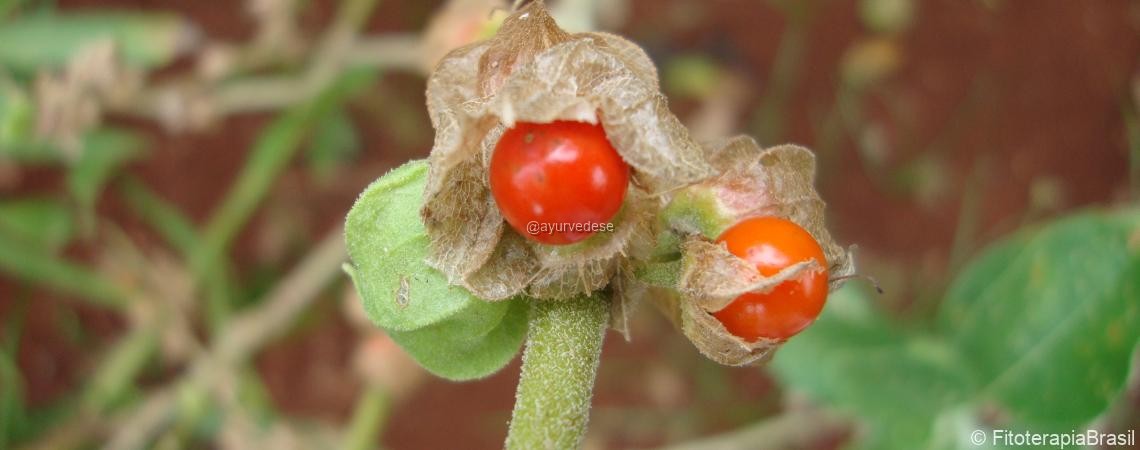
  • Ashwagandha / Ginseng Indiano
    openalex🗞️ Published on Ayurdrops: Aug 30, 2026📅 Source: Sep 01, 2026

    Herbs for Heart Protection: Current Evidence and Future Directions

    Researchers highlight the potential of medicinal herbs in cardiovascular protection, presenting evidence suggesting beneficial effects on various mechanisms involved in heart health. The study reviews current literature on herbs such as Aśvagandha (Withania somnifera), Ginkgo biloba, and others, which have demonstrated antioxidant, anti-inflammatory, and lipid-lowering properties. These herbs act by modulating oxidative stress and reducing inflammation, critical factors for cardiovascular health. Additionally, the research points to the need for more clinical studies to validate these findings and explore the efficacy of herbs in different populations. The review also discusses limitations of existing studies, such as dosage variability and lack of standardization in herbal preparations.

  • openalex🗞️ Published on Ayurdrops: Aug 30, 2026📅 Source: Sep 01, 2026

    Functional changes in the human brain in anxiety disorders: a review

    Researchers have identified significant functional changes in the brains of individuals with anxiety disorders. The review by Anuradha Gunvant Gawande highlights how specific brain regions, such as the amygdala and the prefrontal cortex, exhibit hyperactivity and hypoactivity, respectively. These changes are associated with symptoms such as excessive fear and difficulty regulating emotions. The review also suggests that dysregulation of the HPA axis—the communication between the brain and the glands that control stress—may be a central factor in anxiety disorders. Although the findings are promising, most reviewed studies use small samples, which limits the generalizability of the results. The connection between these modern findings and Ayurvedic concepts of emotional imbalance and agni (digestion) may offer new perspectives for the integrative treatment of these disorders.

  • Lodhra
    openalex🗞️ Published on Ayurdrops: Aug 30, 2026📅 Source: Sep 01, 2026

    Efficacy of Lodhradi Lepa in the Treatment of Tarunya Pitika: A Clinical Study

    Researchers evaluated the efficacy of Lodhradi Lepa, an Ayurvedic formulation, in patients with Tarunya Pitika, a condition characterized by skin eruptions. The study involved a group of patients who received the treatment and were monitored over time. The results showed significant improvement in skin lesions, with reduced inflammation and improved skin appearance. Lodhradi Lepa, which contains ingredients such as Lodhra (Symplocos racemosa), promotes healing and reduces inflammation, consistent with Ayurvedic principles of balancing the doshas. Although the results are promising, it is important to consider that the study had a limited number of participants, which may affect the generalizability of the findings.

  • openalex🗞️ Published on Ayurdrops: Aug 30, 2026📅 Source: Sep 01, 2026

    Bastyada Siddha Ksheera Basti and Male Fertility: A Case Study

    Researchers have demonstrated that the application of Bastyada Siddha Ksheera Basti can improve seminal parameters and sexual function in men with infertility. This case study, conducted by Dr. Siddalinga Swamy and colleagues, observed a patient who showed a significant increase in sperm count and motility after treatment. Bastyada Siddha Ksheera Basti, an Ayurvedic therapy involving the administration of a milk-based enema, is known for its nutritive properties and potential to strengthen the male reproductive system. The authors highlight that the combination of specific ingredients and the administration technique may play a crucial role in the treatment's efficacy. Although the results are promising, it is important to consider that the study is based on a single case, which limits the generalizability of the findings. Further investigations are needed to validate these results in a larger and more diverse population.

  • openalex🗞️ Published on Ayurdrops: Aug 30, 2026📅 Source: Sep 01, 2026

    Vata and Tissue Degeneration: A New Perspective on Arthritis

    Researchers analyzed the relationship between the Vata dosha and tissue degeneration (dhatu kshaya) in the pathogenesis of Janusandhigata Vata, a condition resembling arthritis. The study, conducted by Dr. Praveen Nandal and colleagues, highlights how increased Vata can lead to deterioration of the dhatus, resulting in pain and stiffness in the joints. The research suggests that Vata imbalance, associated with loss of dhatus, may be a critical factor in disease progression. The authors discuss the importance of considering these elements in the therapeutic approach, emphasizing the need for interventions that balance Vata and promote tissue health. Although the study presents relevant data, limitations such as the lack of a control group and the small sample size should be considered when interpreting the results.

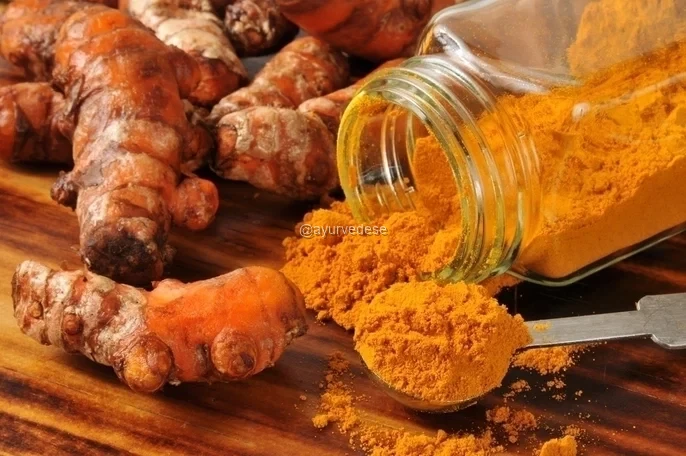
  • Cúrcuma
    openalex🗞️ Published on Ayurdrops: Aug 30, 2026📅 Source: Sep 01, 2026

    Lepa Kalpana: The Ayurvedic Tradition and Modern Herbal Powders

    Researchers reviewed the practice of Lepa Kalpana, an Ayurvedic technique involving the application of herbal pastes or powders to the skin. The study highlights the relevance of modern herbal powders, which are used to treat various dermatological conditions. The research analyzes the composition, efficacy, and benefits of the powders, emphasizing ingredients such as turmeric and neem, which possess anti-inflammatory and antimicrobial properties. Additionally, the review points out that topical application can improve the absorption of active principles, enhancing therapeutic effects. The authors, Dr. Kadambari Pradip Patil, Dr. Jyotsna M. Takalikar, and Dr. Mrunali A. Patil, also discuss the limitations of existing studies, such as the lack of robust clinical trials and the need for more research to validate traditional practices with scientific evidence.

  • openalex🗞️ Published on Ayurdrops: Aug 30, 2026📅 Source: Sep 01, 2026

    Agnikarma and Erand Pak in the treatment of knee pain: a case report

    Researchers have demonstrated that the combination of Agnikarma with Erand Pak can be effective in treating pain associated with Janu Sandhigata Vata, or knee osteoarthritis. In this case report, a patient with severe pain and limited movement received the treatment, resulting in significant pain reduction and improved knee functionality. Agnikarma, a technique involving the application of heat, acts directly on the affected area, while Erand Pak, a castor-based preparation, is known for its anti-inflammatory properties. The integrated approach between Ayurveda and modern clinical practices shows potential for offering relief in chronic conditions like osteoarthritis. However, it is important to note that this is a case study, which limits the generalizability of the results and suggests the need for further investigations with larger samples and rigorous control.

  • Triphalā / Três Frutos
    openalex🗞️ Published on Ayurdrops: Aug 30, 2026📅 Source: Sep 01, 2026

    Management of Excess Weight and Joint Pain: A Case Report

    Researchers presented a clinical case of managing sthoulya (excess weight) associated with janu sandhigata vata (joint pain). The intervention included a combination of Ayurvedic therapies, such as personalized diet, herbal medicine, and yoga practices. The authors, Ayesha Deeba and colleagues, observed significant improvements in mobility and reduction of joint pain after 12 weeks of treatment. The use of herbs like Guggulu (Commiphora mukul) and Triphala (Terminalia chebula, Terminalia bellirica, Emblica officinalis) was central to the approach, aiming at reducing excess kapha and promoting agni (digestion). This report highlights the importance of a holistic approach in treating conditions that affect quality of life.

  • openalex🗞️ Published on Ayurdrops: Aug 30, 2026📅 Source: Sep 01, 2026

    The Hidden Dangers of Excess Vitamins: How to Prevent Hypervitaminosis with Supplements and Rasayana Therapy

    Researchers highlight that hypervitaminosis, or excess vitamins, can lead to serious health problems, including toxicity and metabolic dysfunctions. The study reviews the adverse effects associated with excessive consumption of vitamins, especially fat-soluble ones, which accumulate in the body. The authors, Dr. Pankaj Mishra and colleagues, suggest that rasayana therapy, an Ayurvedic approach focused on rejuvenation and overall health, may be an effective strategy to prevent these unwanted effects. The research emphasizes the importance of a balanced diet and professional supervision when considering vitamin supplements. Although supplementation can be beneficial in some cases, indiscriminate use can result in hypervitaminosis, highlighting the need for a cautious and informed approach.

  • openalex🗞️ Published on Ayurdrops: Aug 30, 2026📅 Source: Sep 01, 2026

    Arkadi Gana and Its Antibacterial Action: A Study on Food Poisoning

    Researchers evaluated the antibacterial activity of Arkadi Gana, an herbal combination, against pathogenic bacteria associated with food poisoning. The study, conducted by Priya Thakur and colleagues, demonstrated that Arkadi Gana showed significant efficacy in vitro, inhibiting the growth of various bacterial strains. The results indicate that the herbal combination may act as a potential antimicrobial agent, offering a natural alternative in combating foodborne infections. Although the data are promising, it is important to consider that the tests were conducted in a controlled environment, and further research is needed to validate these findings in clinical studies. The relationship between Ayurvedic principles and the efficacy of Arkadi Gana suggests that traditional medicine can contribute to modern public health.

  • openalex🗞️ Published on Ayurdrops: Aug 30, 2026📅 Source: Sep 01, 2026

    Control of Prameha Kapha by Ayurveda: A Case Study on Rutu Shodhana

    Researchers presented a case study exploring the control of Prameha Kapha, a condition related to diabetes, using the Rutu Shodhana technique, which involves seasonal purification of the body. The case was conducted by Amit Chavan and Vishnupriya Vinayak Bandwalkar, and the results showed significant improvements in the patient's symptoms after the application of this Ayurvedic approach. Rutu Shodhana is a practice aimed at adjusting the body to seasonal changes, promoting the elimination of toxins and the balance of the doshas. This study highlights the importance of considering patient individuality and the relationship between natural cycles and health. Although the results are promising, it is important to note that this is a case study, which limits the generalization of the findings. Further investigations are necessary to validate these results in larger populations.

  • openalex🗞️ Published on Ayurdrops: Aug 30, 2026📅 Source: Sep 01, 2026

    Successful Conception in Endometriosis: What a Clinical Case Teaches Us About Ayurveda

    Researchers have shown that Ayurvedic interventions can assist in conception for women with endometriosis. A case study followed a patient diagnosed with endometriosis who faced difficulties conceiving. The approach included the use of herbs, diet, and lifestyle practices, aiming to balance the doshas and improve reproductive health. After the intervention, the patient successfully conceived, highlighting the importance of holistic treatment. The authors, Dr. Aarati Patil and colleagues, emphasize that endometriosis can be effectively addressed through Ayurveda, which considers not only physical symptoms but also the emotional and mental well-being of the patient. This study suggests that personalizing treatment, taking into account the individual characteristics of the woman, is fundamental for successful conception.

  • openalex🗞️ Published on Ayurdrops: Aug 30, 2026📅 Source: Sep 01, 2026

    The Hidden Dangers of Excess Vitamins: How to Prevent Hypervitaminosis with Supplements and Rasayana Therapy

    Researchers highlight that hypervitaminosis, or excess of vitamins, can lead to serious health problems, including toxicity and metabolic dysfunctions. The study reviews the adverse effects associated with excessive vitamin consumption, emphasizing the importance of a balanced approach to supplementation. Furthermore, the authors, Dr. Pankaj Mishra and colleagues, suggest that rasayana therapy — an Ayurvedic practice focused on rejuvenation and strengthening of the body — may be an effective strategy to prevent the harmful effects of hypervitaminosis. Rasayana therapy promotes overall health and may help restore balance in the body, especially in cases of vitamin toxicity. This study is relevant for health professionals and therapists seeking to integrate modern and traditional knowledge into clinical practice, offering a comprehensive view on the prevention of complications related to the inappropriate use of vitamin supplements.

  • openalex🗞️ Published on Ayurdrops: Aug 30, 2026📅 Source: Sep 01, 2026

    Polycystic Ovary Syndrome: A Critical Analysis with a Focus on Srotoduṣṭi

    Researchers reviewed Polycystic Ovary Syndrome (PCOS) with an emphasis on Srotoduṣṭi, which refers to disorders in the body's channels. PCOS is a complex condition affecting women's hormonal and metabolic health, often associated with menstrual irregularities, insulin resistance, and elevated androgens. The analysis suggests that Srotoduṣṭi may be an important underlying factor in PCOS, influencing ovarian function and overall health. The authors, Dr. Rachna Jaiswal and colleagues, highlight the need for an integrative approach that considers both Western aspects and Ayurvedic principles for managing PCOS. The review also points to the importance of interventions aimed at restoring proper flow in the body's srotas (channels), which may help alleviate symptoms and improve patients' quality of life.

  • openalex🗞️ Published on Ayurdrops: Aug 30, 2026📅 Source: Sep 01, 2026

    Vadamārga in Ayurveda: Concept, Relevance, and Applications

    Vadamārga, a fundamental concept in Ayurveda, refers to the pathway of circulation of Vāta, one of the three doshas. This study, conducted by Dr. Akanksha Alawa and colleagues, explores the importance of Vadamārga in health and disease, highlighting its clinical implications. The authors discuss how obstruction or dysregulation of Vadamārga can lead to a range of disorders, including respiratory and neurological issues. Additionally, practical applications for therapists are presented, such as the use of purification techniques and the selection of herbs that promote the fluidity of Vāta. The study emphasizes the need for a holistic approach, considering Vadamārga in diagnoses and treatments. Although the research provides valuable insights, it is important to note that most data are based on reviews rather than direct clinical trials, which limits the generalizability of the findings.

  • openalex🗞️ Published on Ayurdrops: Aug 30, 2026📅 Source: Sep 01, 2026

    Agni and Psoriasis: How Digestive Dysfunction Can Influence the Disease

    Researchers highlight the relationship between dysfunction of Agni, or 'digestive fire', and psoriasis, a chronic inflammatory skin condition. The integrative review explores how Agni disturbance may contribute to the etiopathogenesis of psoriasis, bridging Ayurvedic and modern perspectives. Agni dysfunction can lead to the accumulation of toxins (ama) in the body, which, according to Ayurveda, is a crucial factor in the development of autoimmune diseases. Furthermore, the review suggests that modulation of Agni may be a promising therapeutic strategy for managing psoriasis. The author, Rufshana Yasmin, emphasizes the importance of considering both physical and emotional aspects in the approach to psoriasis, reflecting Ayurveda's holistic view. Although the research offers valuable insights, it is important to note that most of the reviewed studies are observational in nature, which limits the generalizability of the findings.

  • openalex🗞️ Published on Ayurdrops: Aug 30, 2026📅 Source: Sep 01, 2026

    Yogāsanas and dosha predominance: an Ayurvedic perspective

    The practice of yogāsanas can be adjusted according to dosha predominance, offering specific benefits for each type of constitution. Researchers such as Dr. Ashwini Kisan Patil and Prof. Dr. A. A. Mane-Patil have explored how different yoga postures can be more effective for individuals with Vata, Pitta, or Kapha predominance. The study suggests that the choice of postures should consider the characteristics of each dosha, such as the lightness and agility of Vata, the intensity of Pitta, and the stability of Kapha. This personalized approach can enhance the therapeutic effects of yoga, promoting a more effective balance between body and mind. Furthermore, the research highlights the importance of integrating Ayurvedic wisdom into yoga practice, allowing therapists and practitioners to adapt their routines to meet individual needs.

  • openalex🗞️ Published on Ayurdrops: Aug 30, 2026📅 Source: Sep 01, 2026

    Understanding Hepatic Cirrhosis through Ayurveda: A Conceptual Review

    Hepatic cirrhosis is a complex condition that affects liver function and can lead to serious complications. This article reviews the Ayurvedic perspective on cirrhosis, highlighting the importance of Agni (digestion) and the doshas in its understanding. The authors, Dr. D. Shweta and colleagues, discuss how Agni dysregulation can contribute to the formation of toxins (ama) that affect the liver, leading to cirrhosis. Furthermore, they emphasize the need for accurate diagnosis and interventions that consider the balance of the doshas, especially Pitta, which is closely related to liver health. Although the article provides valuable insights, it is important to note that it is a conceptual review and not a clinical study with empirical data. The Ayurvedic approach may offer a complementary view to conventional treatment, but more research is needed to validate these connections.