Edition 59 · 11/14/2026

Do you know how your digestion affects your weight?

Curated by Lucas Campos · Ayurvedese®

Share:
In this edition, we will explore the interconnection between metabolic health, digestion, and well-being. The selected articles show us that our body's health goes far beyond the scale. The way Agni, or digestive fire, operates in our system can impact not only weight but also gut health and brain function. Understanding these connections can help us make more conscious choices and cultivate a deeper state of well-being. Let's reflect on how small changes in diet and daily habits can bring significant benefits. — Lucas
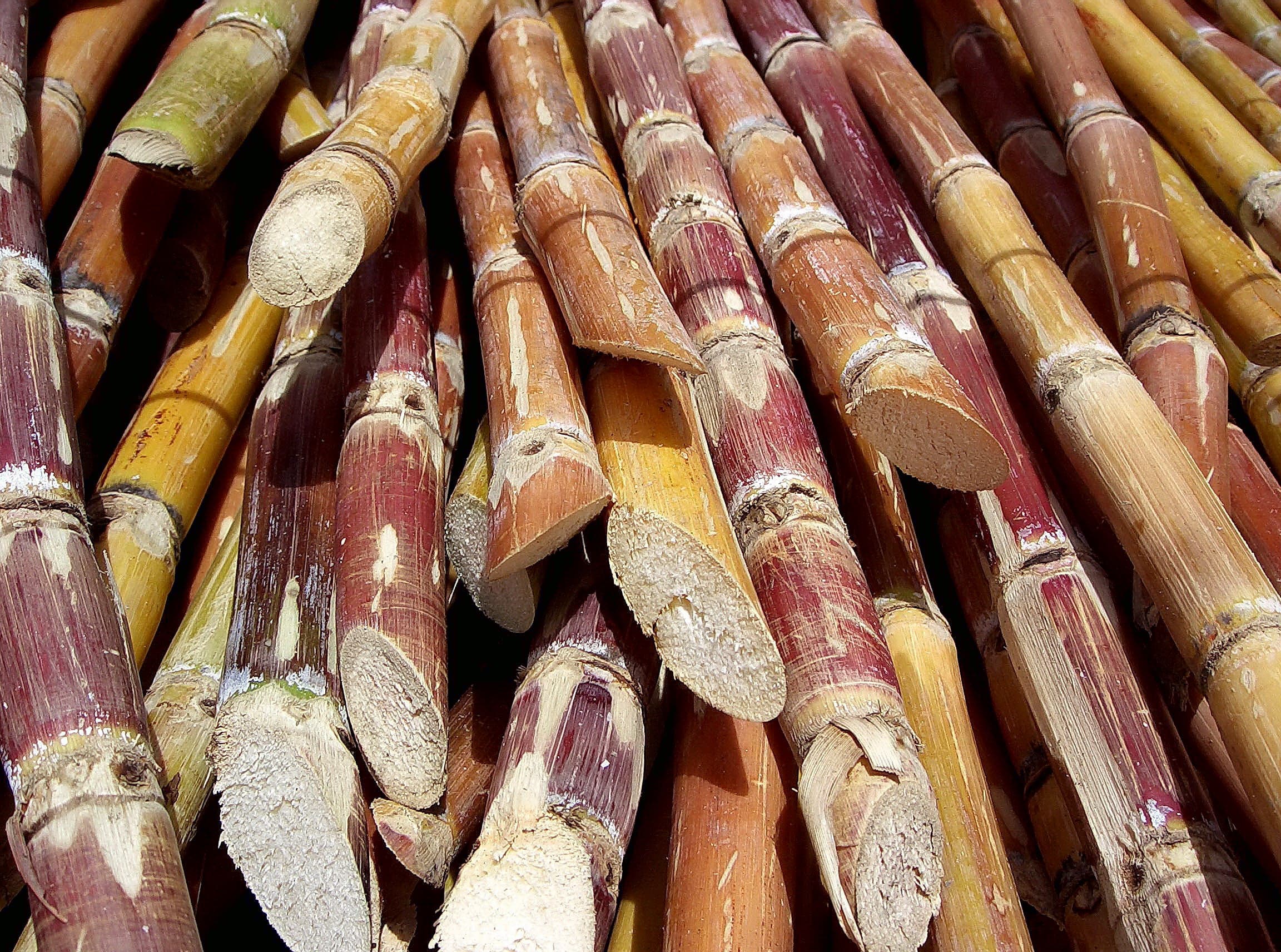
Açúcar / Śarkarā
rss:maharishi

Metabolic Health and Its Role in Weight Management: Understand the Connection

Researchers highlight that metabolic health goes beyond the simple concept of metabolism. It refers to the body's ability to manage blood sugar, blood pressure, fats, and energy use. A good metabolic state is crucial for maintaining a healthy weight and overall well-being. For example, insulin sensitivity, muscle mass, and factors like sleep and stress directly influence weight regulation. In Ayurveda, the emphasis is on digestive balance, or Agni, which is fundamental for metabolic health. Healthy habits, such as balanced nutrition and regular exercise, are essential to support this health. Measures like blood glucose, blood pressure, and waist circumference are important indicators of metabolic health and can help identify potential risks.


Read full →

Intervention in the intestinal microbiome and the gut-brain axis: implications for vascular dementia
pubmed

Intervention in the intestinal microbiome and the gut-brain axis: implications for vascular dementia

Researchers have identified that interventions in the intestinal microbiome can influence the gut-brain axis, with significant effects on vascular dementia. The study, led by Maurya Y and collaborators, explores how modulation of the microbiota can impact brain health, suggesting that non-pharmacological approaches, such as dietary changes and probiotics, may be effective. The authors discuss the relationship between the intestinal microbiota and brain inflammation, highlighting that dysbiosis — imbalance in the microbiota — may contribute to the progression of dementia. Although the results are promising, the study emphasizes the need for further research to fully understand these mechanisms and their clinical applications. The connection between Ayurveda and these modern findings can be seen in the emphasis of Ayurveda on nutrition and the balance of Agni (digestion), which are fundamental for mental and physical health.

Read full →

Short Bowel Syndrome from the Perspective of Grahāni Roga: An Integrative Review
openalex

Short Bowel Syndrome from the Perspective of Grahāni Roga: An Integrative Review

Researchers reviewed short bowel syndrome (SBS) from the perspective of Grahāni Roga, an Ayurvedic concept referring to inadequate digestion and absorption. SBS is characterized by the inability of the small intestine to absorb nutrients properly due to surgical resections or congenital conditions. The review highlights that the pathophysiology of SBS involves changes in intestinal motility and microbiota, which can be correlated with the concept of Agni (digestion) in Ayurveda. The research also suggests that integrative interventions, such as dietary adjustments and phytotherapy, may improve the quality of life for patients. The authors, led by Aneena Sabu, emphasize the importance of a holistic approach that considers both the physical and emotional aspects of the condition. Although the review provides valuable insights, limitations such as the scarcity of rigorous clinical studies and the need for more evidence on specific interventions are mentioned.

Read full →

Equinácea

Herb of the day

Equinácea

Echinacea angustifolia

A equinácea é a planta Echinacea angustifolia, da qual se usa a raiz. Ela vem da fitoterapia ocidental, e não da tradição clássica do Ayurveda. Costuma ser usada em pó, em extrato ou em infusão (chá em que a erva fica de molho na água), quente ou fria. Aparece em uma receita.

View in catalog →

Sloka of the day

अविद्या क्षेत्रमुत्तरेषां प्रसुप्ततनुविच्छिन्नोदाराणाम्॥

Avidyā is the field (kṣetra) [in which] the subsequent [4 kleśas] [germinate]. [Each may be in 4 states:] dormant (prasupta), attenuated (tanu), interrupted (vicchinna) or full (udāra).

2 4

Patañjali clarifies: the 5 kleśas have a hierarchy (avidyā at the base) and dynamic states. Prasupta (latent in one who has already mastered); tanu (weakened by practice); vicchinna (temporarily interrupted, can reactivate); udāra (active). Contemplative application: a kleśa that seems eliminated may be merely vicchinna — interrupted by a favorable situation, returning when the trigger returns. Practical principle: do not confuse "momentary absence" with "extinction". Continuous vigilance (svādhyāya) is necessary.

To practice today

Realize uma autoavaliação hoje e identifique emoções que podem estar latentes em sua vida.

Podcast episode

#90 - Como Você Adoece - Fase 04

Neste episódio trago para vocês a quarta fase do adoecimento, chamada de "sthansamshraya". Esta é uma fase prodrômica (fase que precede o aparecimento de sintomas de uma dada do…

Listen on Spotify
Share: