Edition 42 · 10/6/2026

Did you know that dark circles can indicate an imbalance?

Curated by Lucas Campos · Ayurvedese®

Share:
In this edition, we explore how Ayurveda can help us with common issues like dark circles, which often reveal internal imbalances, especially of the vāta dosha. We also discuss the anti-inflammatory potential of plants, such as the latex from the giant cotton tree, and the importance of herbs in liver protection, an essential aspect of overall health and body balance. Each article invites us to reflect on how nature can be an ally in caring for our health. Shall we discover these connections together? — Lucas
Olheiras: como reduzi-las naturalmente com Ayurveda
rss:maharishi

Olheiras: como reduzi-las naturalmente com Ayurveda

Pesquisadores destacam que as olheiras, marcadas por áreas escuras sob os olhos, podem ser influenciadas por fatores como genética, envelhecimento e estilo de vida. No Ayurveda, as olheiras (Krishnavartma) são vistas como sinais de desequilíbrio sistêmico, especialmente quando o dosha Vata está agravado, afetando a circulação e a saúde nervosa. A falta de sono e o estresse podem enfraquecer o Rasa dhatu, que nutre a pele, enquanto toxinas (ama) da digestão lenta contribuem para a aparência escurecida. Para abordar o problema, o Ayurveda sugere práticas como dormir adequadamente, cuidados suaves com a pele, proteção solar e uma nutrição equilibrada. Além disso, recomenda-se o uso de óleos tópicos e a adoção de rotinas diárias que harmonizem o corpo e a mente, promovendo a saúde ocular e a integridade da pele.
Read full →

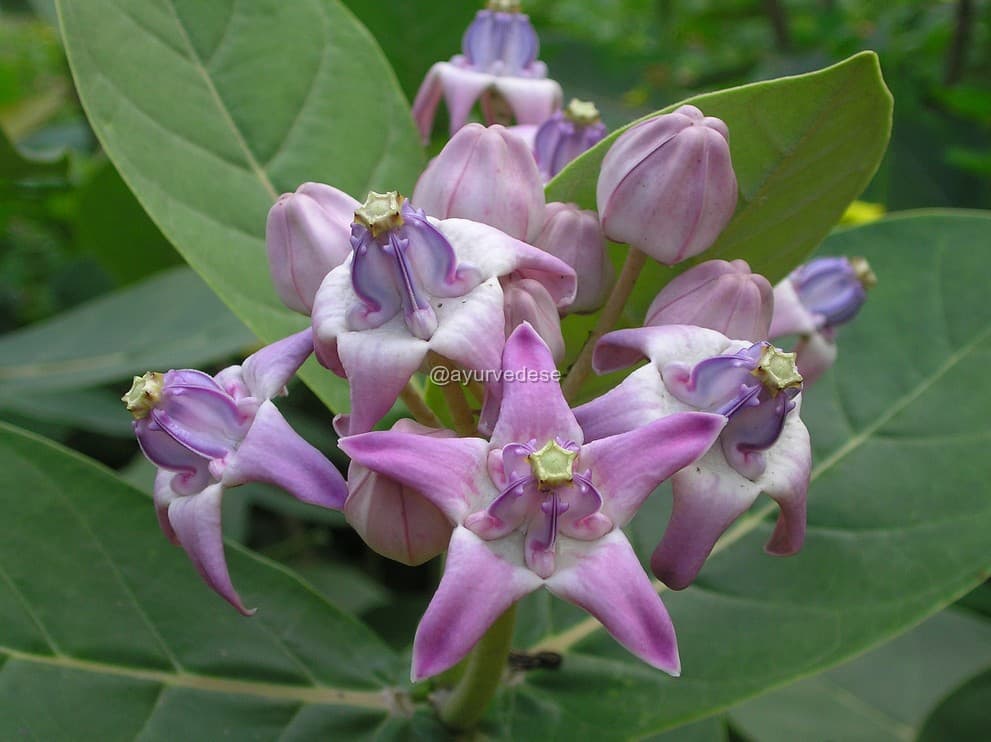
Calotropis / Madar / Arka
openalex

Analysis of compounds from the latex of the giant cotton plant: an approach to inhibit inflammatory proteins

Researchers analyzed phytochemical compounds extracted from the latex of Calotropis gigantea, a plant known for its medicinal properties. The study focused on the inhibition of two inflammatory proteins: inducible nitric oxide synthase (iNOS) and cyclooxygenase-2 (COX-2). The results indicated that certain compounds present in the latex may have anti-inflammatory potential, offering a new perspective for the use of Calotropis gigantea in integrative medicine. The in silico analysis suggests that these compounds may efficiently bind to target enzymes, which could be relevant for the development of new treatments. However, the study is preliminary and the findings need to be validated in clinical trials to confirm their efficacy and safety.

Read full →

Medicinal Plants and Liver Protection: Formulations and Evaluations
openalex

Medicinal Plants and Liver Protection: Formulations and Evaluations

Researchers evaluated the hepatoprotective activity of various medicinal plants, seeking alternatives for liver protection. The study, conducted by Kamlesh Patel and Pankaj Tiwari, formulated extracts of different herbs and tested their efficacy in experimental models. The results showed that some of these plants exhibited significant properties in protecting liver cells against damage induced by toxic substances. The research highlights the importance of using herbal medicines to support liver health, aligning with Ayurvedic principles that value liver health as fundamental for the body's balance. Although the results are promising, it is important to consider that the tests were performed in experimental models, which limits the generalization of the findings to clinical practice.

Read full →

Calotropis / Madar / Arka

Herb of the day

Calotropis / Madar / Arka· Arka

Calotropis gigantea

O arka (Calotropis gigantea), também chamado madar, alarka ou algodão-de-seda, é uma planta da tradição ayurvédica clássica. Usam-se a raiz, a casca, as folhas e as flores. O Bhāvaprakāśa Nighaṇṭu fala de dois tipos de arka, um de flor branca e outro de flor vermelha. Para o Bhāvaprakāśa Nighaṇṭ…

View in catalog →

Sloka of the day

समाधिसिद्धिरीश्वरप्रणिधानात्॥

Perfection in samādhi comes from surrender to the Lord (īśvara-praṇidhāna).

2 45

Patañjali concludes the list of niyamas with a specific promise: the last niyama (surrender) is what produces samādhi. Not tapas, not svādhyāya — surrender. The verse is theologically significant: Patañjali's Yoga, often presented as "pure effort", recognizes that the final stage transcends effort. Principle: at some point, practice ceases to be "me doing" and becomes "something happening through me". The īśvara-praṇidhāna is what opens that transition.

To practice today

Reflita sobre onde você pode se entregar mais e confiar no fluxo da vida.

Podcast episode

#18 - Palestra Ayurveda - Espaço Samadhi - Divinópolis - MG

Quer saber mais? Acesse: https://lnk.bio/ayurvedese Baixe também o aplicativo de ayurveda em seu celular: Android: bit.ly/ayurapp1 Iphone: bit.ly/ayurapp2 Como último episódio…

Listen on Spotify
Share: