Edition 39 · 9/29/2026

Exploring health and well-being with Ayurveda

Curated by Lucas Campos · Ayurvedese®

Share:
In this edition, we dive into topics that connect health, nutrition, and balance, which are fundamental pillars of Ayurveda. From the benefits of organic ghee, which promotes Ojas and healthy digestion, to interventions for kandu that highlight the importance of detoxification, each article offers a deep look at how Ayurvedic practices can transform our quality of life. Additionally, we explore herbs that protect the heart, emphasizing the relevance of ancestral traditions in a modern world. May we reflect on how to integrate these teachings into our daily lives and cultivate a healthier, more balanced life. — Lucas
Ghee
rss:maharishi

Organic cow ghee: benefits and uses in health

Researchers highlight that organic cow ghee, a type of clarified butter, is highly valued in Ayurveda for its nutritive and digestive properties. Produced from the milk of cows fed on pasture free from chemical products, ghee is considered sattvic, meaning it is pure and beneficial for health. It is associated with Ayurvedic concepts such as Agni (digestion), Ojas (vital energy), and Rasayana (rejuvenation). Besides being a common ingredient in cooking, ghee is used in traditional wellness practices and medicinal preparations. Studies indicate that its consumption can help build Ojas and improve immunity. However, it is important to remember that, being caloric, ghee should be consumed in moderation, taking into account each person's individual needs.

Read full →

Severe Kandu: How Ayurvedic Interventions Can Help with Intense Itching
openalex

Severe Kandu: How Ayurvedic Interventions Can Help with Intense Itching

Researchers presented a clinical case of treating severe kandu (pruritus) using Agada principles, specifically Dushi Viṣha and Gara Viṣha. The patient, who presented with intense itching all over the body, was treated with interventions aimed at detoxifying the organism and restoring balance. The approach included the use of Ayurvedic herbs and traditional methods, which proved effective in reducing symptoms. The treatment resulted in a significant improvement in the patient's quality of life, highlighting the relevance of Ayurvedic practices in managing dermatological conditions. This case underscores the importance of considering toxicity and detoxification in the approach to pruritus, aligning with classical Ayurvedic concepts about skin health and dosha balance.

Read full →

Ashwagandha / Ginseng Indiano
openalex

Herbs for Heart Protection: Current Evidence and Future Directions

Researchers highlight the potential of medicinal herbs in cardiovascular protection, presenting evidence suggesting beneficial effects on various mechanisms involved in heart health. The study reviews current literature on herbs such as Aśvagandha (Withania somnifera), Ginkgo biloba, and others, which have demonstrated antioxidant, anti-inflammatory, and lipid-lowering properties. These herbs act by modulating oxidative stress and reducing inflammation, critical factors for cardiovascular health. Additionally, the research points to the need for more clinical studies to validate these findings and explore the efficacy of herbs in different populations. The review also discusses limitations of existing studies, such as dosage variability and lack of standardization in herbal preparations.

Read full →

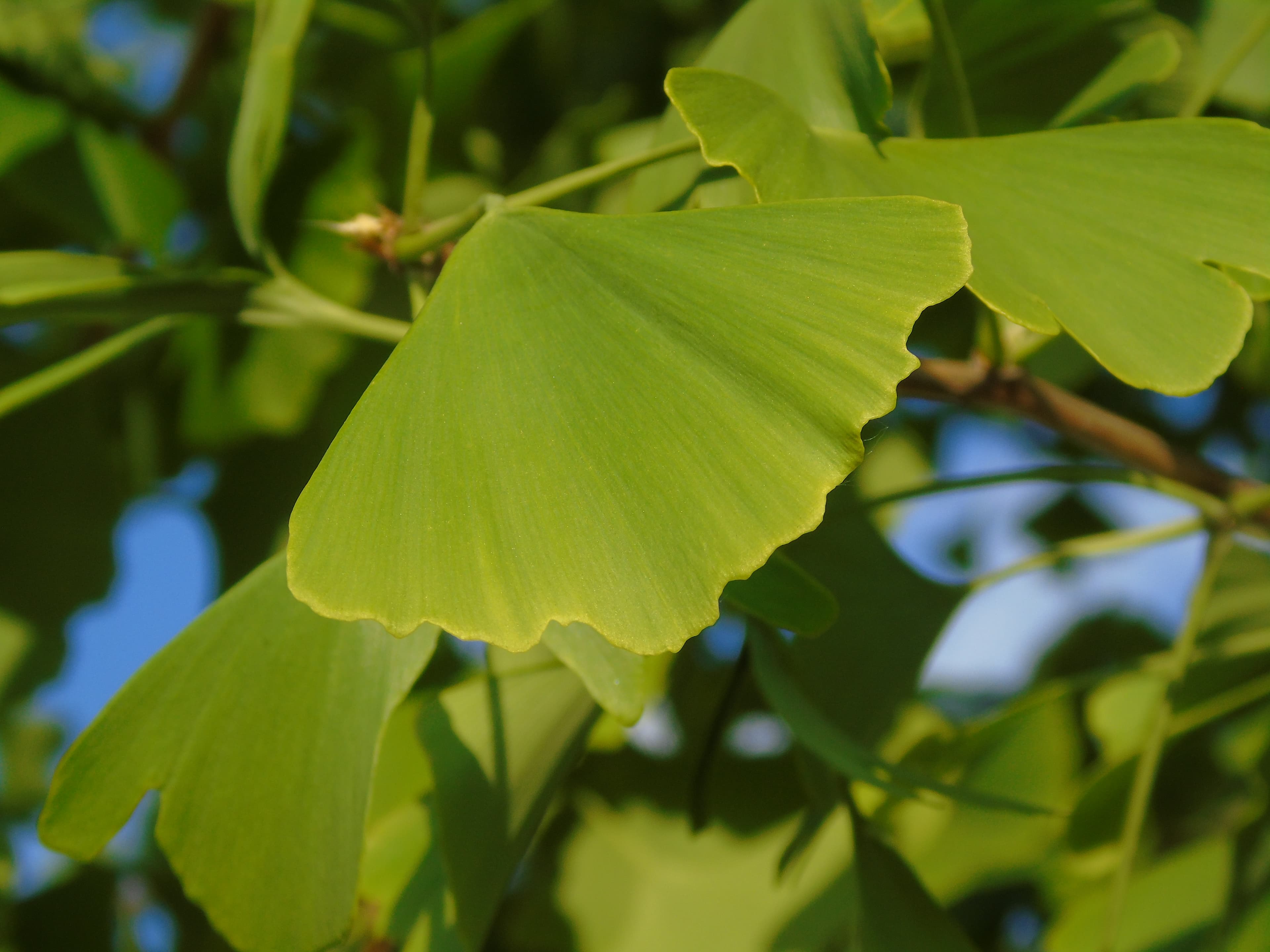
Ginkgo

Herb of the day

Ginkgo

Ginkgo biloba

O ginkgo (*Ginkgo biloba*), também chamado árvore-dos-mil-anos, é uma árvore da qual se usam as folhas e as sementes. Seu uso vem da fitoterapia ocidental, não dos textos clássicos do Ayurveda. Pela leitura ayurvédica, é tido como favorável ao intelecto (medhya) e à memória, rejuvenescedor (rasā…

View in catalog →

Sloka of the day

द्विविधमेव खलु भेषजं द्रव्यभूतमद्रव्यभूतं च।

The bheṣaja (medicine) is, in fact, of two types: dravya-bhūta (substantial) and adravya-bhūta (non-substantial).

vimanasthana_8 5

Charaka categorizes therapeutics into two major classes. Dravya-bhūta = any physical substance (herbs, foods, minerals, oils). Adravya-bhūta = non-substantial interventions (words, mantras, behavioral practices, environmental change, mental adjustment, rituals). Critical principle: Ayurveda recognizes that many cures come from "non-substance". Contemporary application: Western medicine is now "rediscovering" the efficacy of adravya-bhūta (cognitive therapy, mindfulness, habit change) — but Charaka already systematized it as a principal category millennia ago.

To practice today

Reflita sobre como práticas não-físicas podem impactar sua saúde e bem-estar.

Podcast episode

#32 - Efeito Pós-Digestivo das Substâncias - Vipak

Quer saber mais? Acesse: https://lnk.bio/ayurvedese Baixe também o aplicativo de ayurveda em seu celular: Android: bit.ly/ayurapp1 Iphone: bit.ly/ayurapp2 Neste último episódi…

Listen on Spotify
Share: