Edition 38 · 9/27/2026

Hair, energy, and health: Ayurveda in focus

Curated by Lucas Campos · Ayurvedese®

Share:
In this edition, we explore how Ayurveda can be a powerful ally in different aspects of our health, from hair care to boosting energy. Hair loss, often linked to an imbalance of the Pitta dosha and the health of Agni, reminds us of the importance of a healthy internal environment. Next, research on Terminalia chebula highlights how Ayurvedic wisdom aligns with modern science in the fight against gastric infections, reinforcing the connection between digestion and overall health. Finally, remedies like Shilajit and Ashwagandha invite us to reflect on the balance between rest and activity, essential for combating fatigue. May we integrate this knowledge into our lives. — Lucas
Hair Falling Out? Understand the Causes and How Ayurveda Can Help
rss:maharishi

Hair Falling Out? Understand the Causes and How Ayurveda Can Help

Researchers have identified that hair loss in women can be influenced by factors such as stress, hormonal changes, nutritional deficiencies, and inadequate hair care practices. Although there is no immediate solution for hair loss, recognizing the causes early can help reduce excessive shedding and protect existing strands. Ayurveda addresses hair health by considering nutrition, digestion, stress, and the balance of the doshas, emphasizing the importance of scalp care and overall health. The condition known as Khalitya in Ayurveda is related to the Pitta dosha and the health of Agni, reflecting the need for a healthy environment for hair growth. Additionally, identifying early signs, such as a widening part or decreased volume, is crucial for effective treatment. The study suggests that professional evaluation is essential in cases of persistent or patchy hair loss, as there may be underlying causes that require attention.

Read full →

Haritaki
pubmed

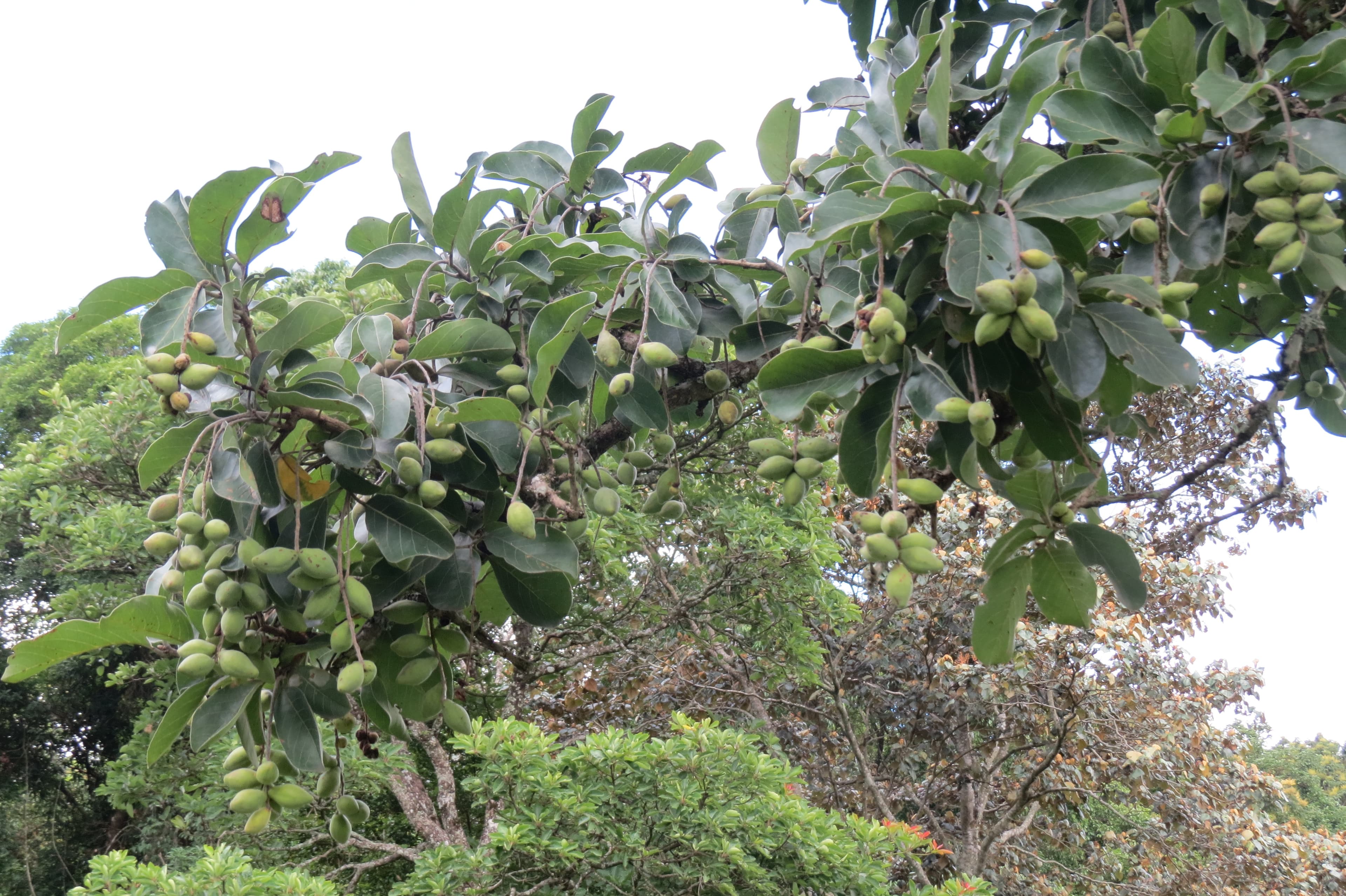
Terminalia chebula and protection against Helicobacter pylori: what research reveals

Researchers have demonstrated that the aqueous extract of Terminalia chebula has anti-adhesive and anti-inflammatory effects against the bacterium Helicobacter pylori. The study, published in the 'Journal of Ethnopharmacology', analyzed how lysine metabolism remodeling and fecal metabolomics are involved in this process. The authors, led by Ou et al., observed that the extract reduces the adhesion of the bacterium to gastric cells, which may be crucial for preventing infections and associated gastritis. Furthermore, the research suggests that the bioactive compounds present in Terminalia chebula may act by modulating the inflammatory response, offering a promising approach for managing gastric conditions. Although the results are encouraging, it is important to consider that the study was conducted in an experimental model, which limits the generalization of the findings to clinical practice.

Read full →

Shilajit
rss:maharishi

Five Ayurvedic Remedies to Boost Energy and Combat Fatigue

Researchers highlight the effectiveness of Ayurvedic remedies such as Shilajit and Ashwagandha in combating fatigue and increasing endurance. Shilajit, known as the 'Destroyer of Weakness', is valued for its revitalizing properties, helping to balance the Kapha dosha and promote physical strength. Ashwagandha, in turn, is recognized for its role in stress-related well-being and vitality. In addition to these herbs, lifestyle practices such as adequate rest and physical activity are essential for maintaining daily balance. Combining these approaches can offer significant support for those seeking to increase energy and endurance in their daily lives.

Read full →

Andrographis / Kalmegh

Herb of the day

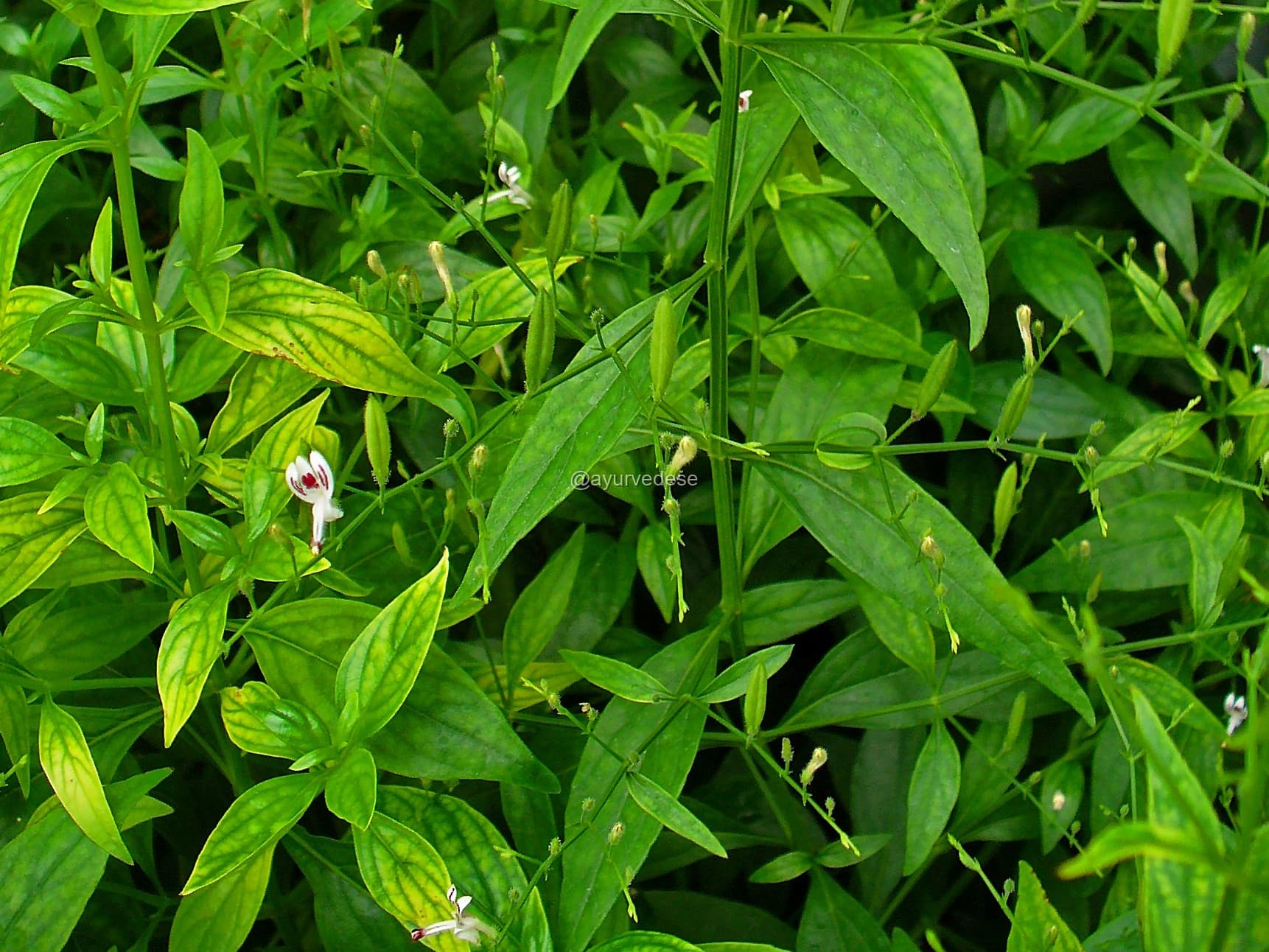
Andrographis / Kalmegh· Bhūnimba

Andrographis paniculata

O andrographis (*Andrographis paniculata*) é chamado em sânscrito de Bhūnimba. Também é conhecido como kalmegh e rei-dos-amargos. Seu sabor (rasa) é amargo, e suas qualidades (guṇa) são leve, seca e penetrante. Tem potência (vīrya) fria e, depois da digestão (vipāka), deixa um efeito picante. Ac…

View in catalog →

Sloka of the day

अतिसारः षोढा प्रोक्तः...

Atisāra (diarrhea) is declared to be of six types...

cikitsasthana_19 6

Charaka classifies atisāra into 6 types: vātaja, paittika, kaphaja, sānnipātika, śokaja (from grief/sorrow), āmaja (from āma). Notable: the 5th — śokaja — recognizes a direct psychosomatic origin. Intense grief can cause diarrhea just as much as the physical aggravation of a doṣa. Contemporary application: many functional gastrointestinal conditions (irritable bowel syndrome, etc.) reflect śokaja-atisāra or its modern variants. Treatment: neither a gastrointestinal drug alone nor psychotherapy alone — an integration of both fronts.

To practice today

Reflita sobre suas emoções e como elas podem estar afetando sua saúde. Busque um equilíbrio entre corpo e mente.

Podcast episode

#30 - Amar-ELO (Depressão - Visão Ayurvédica) - Parte 2

Neste episódio estamos abordando o fator elencado como número 01, na cartilha do Centro de Valorização da Vida (CVV - www.cvv.org.br), que lemos no episódio #29, anterior a este…

Listen on Spotify
Share: