Edition 23 · 8/20/2026

Exploring Digestive Fire and Holistic Health in Ayurveda

Curated by Lucas Campos · Ayurvedese®

Share:
In this edition, we dive into the essence of Agni, the digestive fire, which is key to health and balance in Ayurveda. From Acharya Charaka's classification of Agni to its application in protocols for pre-diabetes and innovative treatments like the use of Jatyadi Taila, each article invites us to reflect on digestion and the transformation of nutrients into vital energy. Understanding Agni, aligned with the concept of Bala Bheda, allows for personalized interventions and promotes well-being. I invite you to pause and consider how these principles can be applied in your life. — Lucas
Classification of Agni according to Acharya Charaka: understanding the types of digestive fire
rss:easyayurveda

Classification of Agni according to Acharya Charaka: understanding the types of digestive fire

The classification of Agni, or digestive fire, is fundamental in the practice of Ayurveda, and Acharya Charaka describes four main types. Each of them plays a crucial role in digestion and overall health of the body. The types of Agni include Jatharagni (main digestive fire), Bhutagni (fire that transforms the elements), Dhatvagni (fire that acts on tissues), and Malagni (fire that processes waste). Understanding these types allows for a more personalized approach in treating digestive disorders and promoting well-being. The article highlights the importance of assessing Agni according to Bala Bheda, which refers to the individual's digestive strength and capacity, considering factors such as age, health, and constitution. This assessment is essential for choosing appropriate interventions and maintaining balance in the body.
Read full →

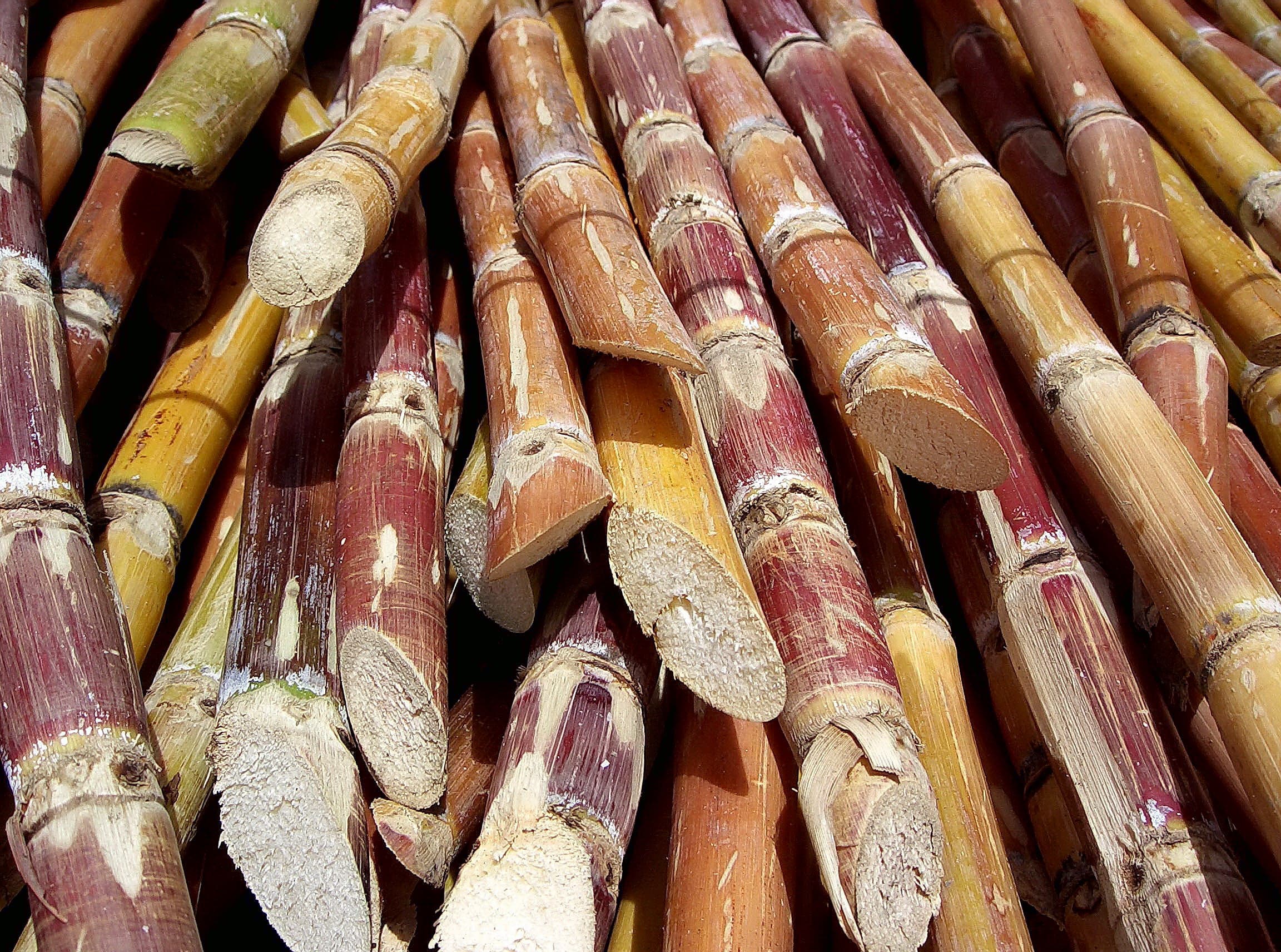
Açúcar / Śarkarā
pubmed

Ayurvedic Protocol in Prediabetes Management: Results of a Randomized Clinical Trial

Researchers have shown that an Ayurvedic treatment protocol may be effective in managing prediabetes. The study, conducted by Khanal et al., involved a randomized clinical trial with participants diagnosed with prediabetes. The results showed a significant reduction in blood glucose levels and improvements in metabolic parameters after the Ayurvedic intervention. The protocol included dietary practices, herbal medicine, and lifestyle adjustments, aligning with Ayurvedic principles such as modulation of Agni (digestion) and promotion of dosha balance. Although the results are promising, the study had limitations, such as sample size and follow-up duration, which should be considered when interpreting the findings.

Read full →

Jātyādi Taila
pubmed

Interstitial Cystitis with Hunner's Ulcers: What a Clinical Case Reveals About the Use of Jatyadi Taila

Researchers reported positive outcomes in treating interstitial cystitis with Hunner's ulcers using Jatyadi Taila in Uttarabasti, an Ayurvedic irrigation technique. In the presented case, three patients showed significant improvement in symptoms such as pain and urinary frequency after treatment. Jatyadi Taila, known for its anti-inflammatory and healing properties, acts on the bladder mucosa, promoting cellular regeneration. The authors, Patel K, Patel M, and Bhatt C, highlight that despite promising results, the study is limited by the small number of cases and the lack of a control group. This approach may offer a valuable alternative for patients who do not respond well to conventional treatments.

Read full →

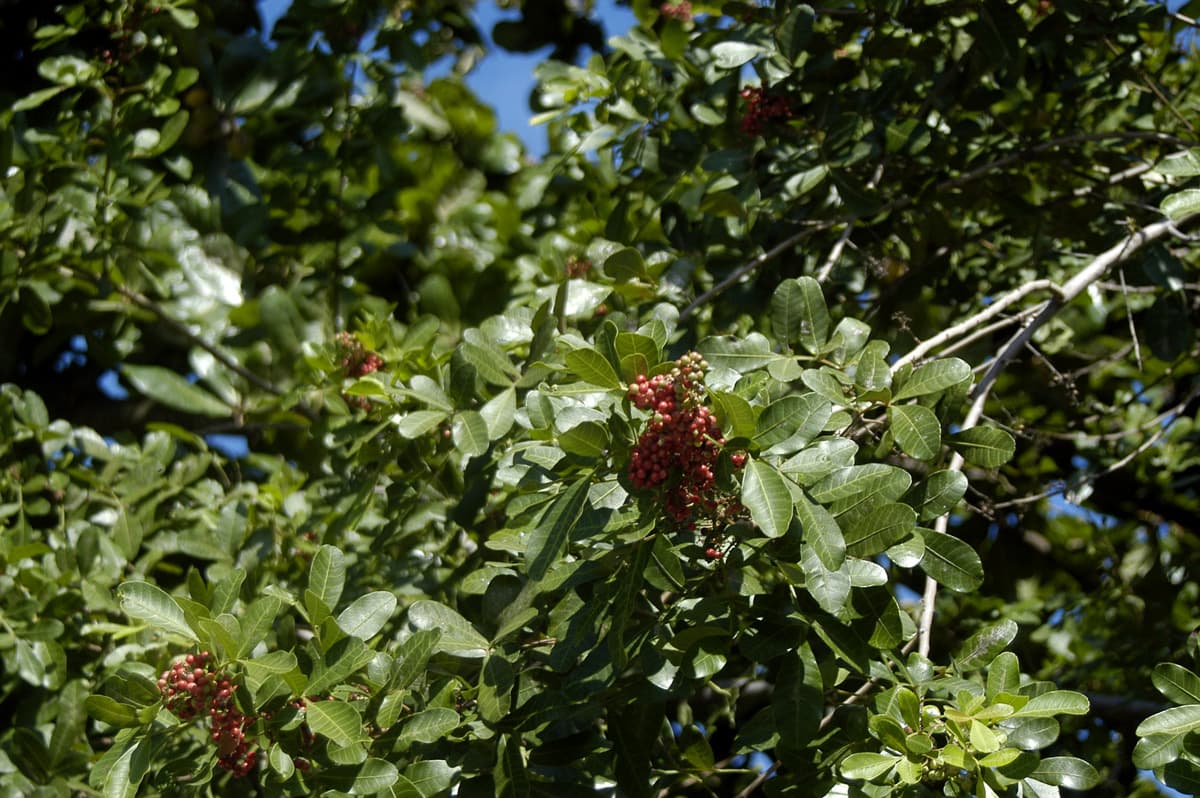
Aroeira

Herb of the day

Aroeira

Schinus terebinthifolia

A aroeira (*Schinus terebinthifolia*) é uma planta da tradição popular brasileira da qual se usa a casca. Em termos ayurvédicos, as ações atribuídas a ela são limpar e cicatrizar feridas e desinflamar. Também ajuda a reduzir kapha e a combater vermes. É lembrada em feridas, gengivite e vaginite.…

View in catalog →

Sloka of the day

आहारस्य गुणाः सर्वे प्रोक्तास्ते द्वादशाश्रयाः।

All the qualities of āhāra (food) are considered with reference to twelve groups.

sutrasthana_27 3

Charaka organizes systematic dietetics into 12 vargas (groups): śūka-dhānya (husked cereals, e.g., rice), śamī-dhānya (legumes), māṃsa (meats), śāka (vegetables), phala (fruits), haritā (fresh greens), madya (fermented beverages), jala (waters), gorasa (dairy), ikṣu (sugarcane and its derivatives), kṛtānna (preparations), āhārayogi (condiments). Methodological principle: Ayurvedic dietotherapy works with classes of foods, not with isolated individuals — each class has predominant doshic properties.

To practice today

Experimente incluir alimentos de diferentes grupos em suas refeições diárias!

Podcast episode

#33 - Os atributos dos Alimentos (Gunas)

Quer saber mais? Acesse: https://lnk.bio/ayurvedese Baixe também o aplicativo de ayurveda em seu celular: Android: bit.ly/ayurapp1 Iphone: bit.ly/ayurapp2 Neste episódio vamos…

Listen on Spotify
Share: