Edition 22 · 8/17/2026

Amla and Saraswatarishta: Ayurvedic Wisdom for Daily Life

Curated by Lucas Campos · Ayurvedese®

Share:
In this edition, we explore the richness of Ayurveda through five articles that invite us to reflect on holistic health. From Amla, a powerful ally for rejuvenation and balancing the doshas, to Saraswatarishta, which nourishes our mind and emotions, each text offers valuable tools for everyday life. We also present a case study illustrating the effectiveness of traditional practices in injury recovery, reaffirming Ayurveda's potential to promote well-being. Let’s rediscover the ancestral wisdom that helps us cultivate Sattva and strengthen Ojas in our lives. — Lucas
Amalaki / Amla
rss:maharishi

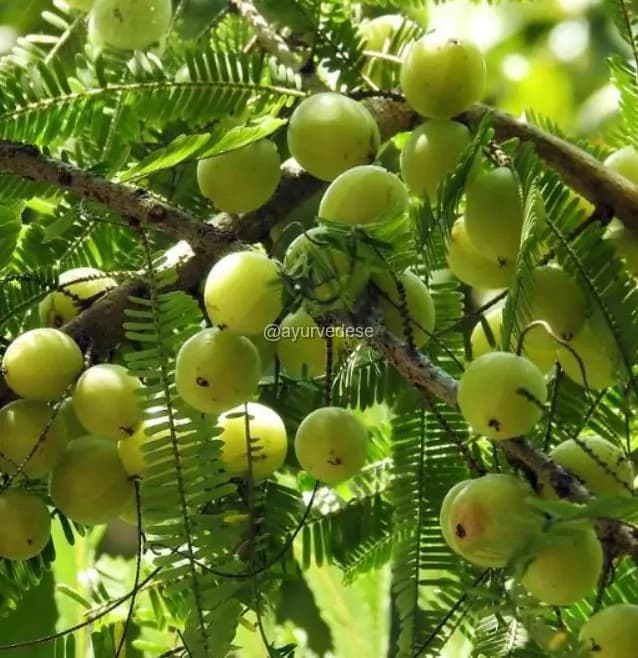
Amla: The Ayurvedic Superfruit for Everyday Health

Researchers highlight that Amla (Amalaki), known as Indian gooseberry, is one of the most valued herbs in Ayurveda, especially for its properties as a Rasayana, which promote rejuvenation and longevity. This fruit, rich in vitamin C (600-700 mg per 100 g, almost 20 times more than orange), polyphenols, and antioxidants, is traditionally used to support digestion, immunity, and overall vitality. Amla is considered a balancer of the three doshas — Vata, Pitta, and Kapha — due to its sour taste and drying properties. Moreover, it can be consumed in various forms, such as raw, powdered, or as juice, making it easy to include in daily routine. Current research reinforces the importance of Amla in health, aligning with traditional knowledge that recognizes it as an essential food for well-being.

Read full →

Brahmi / Bacopa
rss:maharishi

Saraswatarishta: A Guide to Benefits and Ingredients

Researchers highlight that Saraswatarishta, a classical fermented Ayurvedic formulation, is classified as Medhya Rasayana, aimed at brain and emotional health. Composed mainly of Brahmi (Bacopa monnieri), this arishta is traditionally used to improve memory, concentration, and emotional balance. Natural fermentation not only preserves the mixture but also enhances its properties. The use of Saraswatarishta is indicated for adults and should be administered after meals, balancing the Vata and Pitta doshas. Contemporary studies suggest that the combination of herbs may have positive effects on nervous system health, although more research is needed to validate these findings. It is important that children use the product under professional guidance, considering the complexity of child development and the individuality of treatments.

Read full →

Guggul
pubmed

Ayurvedic Treatment for Grade III Medial Meniscus Injury: A Case Report

Researchers presented a clinical case of a grade III medial meniscus injury treated with Ayurveda, highlighting the efficacy of traditional interventions. The patient, a 30-year-old man, presented with severe pain and limited knee movement. Treatment included herbs such as Guggulu (Commiphora mukul) and Ashwagandha (Withania somnifera), as well as therapies like Abhyanga (oil massage) and Swedana (sudation). After 12 weeks, there was significant improvement in pain and joint function, with the patient returning to normal activities. This case suggests that Ayurvedic approaches may be effective in the recovery of meniscal injuries, although more studies are needed to validate these findings in larger populations.

Read full →

Ashwagandha / Ginseng Indiano

Herb of the day

Ashwagandha / Ginseng Indiano· Aśvagandha

Withania somnifera

A ashwagandha (Withania somnifera), em sânscrito Aśvagandha, também é chamada de ginseng indiano e cereja-de-inverno. A parte usada é a raiz. O Bhāvaprakāśa Nighaṇṭu a descreve no Guḍūcyādi varga. Seu sabor (rasa) é amargo e adstringente (Tikta, Kaṣāya). É leve (Laghu) e untuosa, tem potência qu…

View in catalog →

Sloka of the day

दृष्टीप्रसन्नता बलाधिक्यं तेजोवाक्श्रवणसौरस्यम्।

Clear vision, elevated strength, radiance, voice and hearing in harmony.

sutrasthana_10 5

Sushruta lists signs of good health — not as the absence of disease, but as the presence of positive qualities. Clear vision, strength, radiance (tejas), harmonious voice and hearing. Principle: a positive definition of health is more useful than a negative one. Clinical application: evaluating the patient by the positive signs present (even if ill) and absent (even if asymptomatic) refines the diagnosis beyond "has or does not have disease."

To practice today

Identifique e nutra suas qualidades positivas de saúde hoje!

Podcast episode

#71 - Olhos Janela da Alma e da Saúde

Neste episódio vamos falar sobre como nossos olhos nos trazem informações preciosas de como está nossa saúde. Escute o episódio completo para saber os detalhes e as dicas que tr…

Listen on Spotify
Share: