Edition 21 · 8/15/2026

Discover the benefits of mustard oil and Raktapradara

Curated by Lucas Campos · Ayurvedese®

Share:
In this edition, we explore the power of Ayurveda in different aspects of health and well-being. Mustard oil, with its warming nature, is an ally not only for massages but also for hair care, providing nourishment and relief to the scalp. Meanwhile, the condition of Raktapradara, which involves abnormal uterine bleeding, reminds us of the importance of addressing women's health holistically. The connection between our bodies and minds is essential, and Ayurveda offers us valuable tools to restore balance. Let's reflect on how simple practices can positively impact our health and quality of life. — Lucas
Óleo de Mostarda
rss:maharishi

Mustard Oil: An Ally for Massage and Hair Care?

Researchers highlight that mustard oil, traditionally used in Ayurveda, may be beneficial for massages and hair care. Its warming nature can aid circulation, muscle relaxation, and scalp nourishment, as well as relieve dryness. However, people with sensitive skin or Pitta imbalance should be cautious, as the oil may aggravate irritations. Mustard oil is considered sharp and stimulating, being useful in cold climates and for Vata and Kapha concerns. To ensure safety, a patch test is recommended before use. The choice of oil should prioritize options like cold-pressed mustard oil, which preserves its natural properties.

Read full →

Raktapradara and Uterine Bleeding: A Comprehensive Review
openalex

Raktapradara and Uterine Bleeding: A Comprehensive Review

Researchers reviewed the condition known as Raktapradara, which refers to abnormal uterine bleeding, with a special focus on dysfunctional uterine bleeding (DUB). The study, conducted by Dr. Aakriti Thapliyal and Dr. Digamber P. Shevale, explores the causes, symptoms, and therapeutic approaches for this condition. DUB can be influenced by factors such as hormonal imbalances and stress, which affect the menstrual cycle and overall women's health. The review also discusses the importance of a holistic approach, integrating Ayurvedic and modern practices for symptom management. The authors highlight that Ayurveda offers several treatment options, including the use of specific herbs and dietary adjustments, which can help restore balance and health to the female reproductive system. This analysis is relevant for healthcare professionals seeking to better understand the interactions between traditional practices and contemporary scientific evidence.

Read full →

Ashwagandha / Ginseng Indiano
openalex

Natural Agents for the Thyroid in Hypothyroidism: What Ayurvedic and Traditional Plants Can Offer

Researchers reviewed the efficacy of medicinal plants, both from Ayurveda and traditional medicine systems, in treating hypothyroidism. The study highlights that several herbs, such as Aśvagandhā (Withania somnifera) and Guggul (Commiphora mukul), have shown potential to stimulate thyroid function. The research points out that Aśvagandhā, in particular, may act on the regulation of the HPA axis—the communication between the brain and endocrine glands—which is crucial for hormonal balance. Additionally, improvements were observed in T3 and T4 levels, hormones essential for metabolism. However, the study also emphasizes limitations, such as the lack of robust clinical trials and the need for further investigation to confirm these effects. The connection between Ayurvedic principles and modern findings suggests that the holistic approach of Ayurveda may complement conventional treatments for hypothyroidism.

Read full →

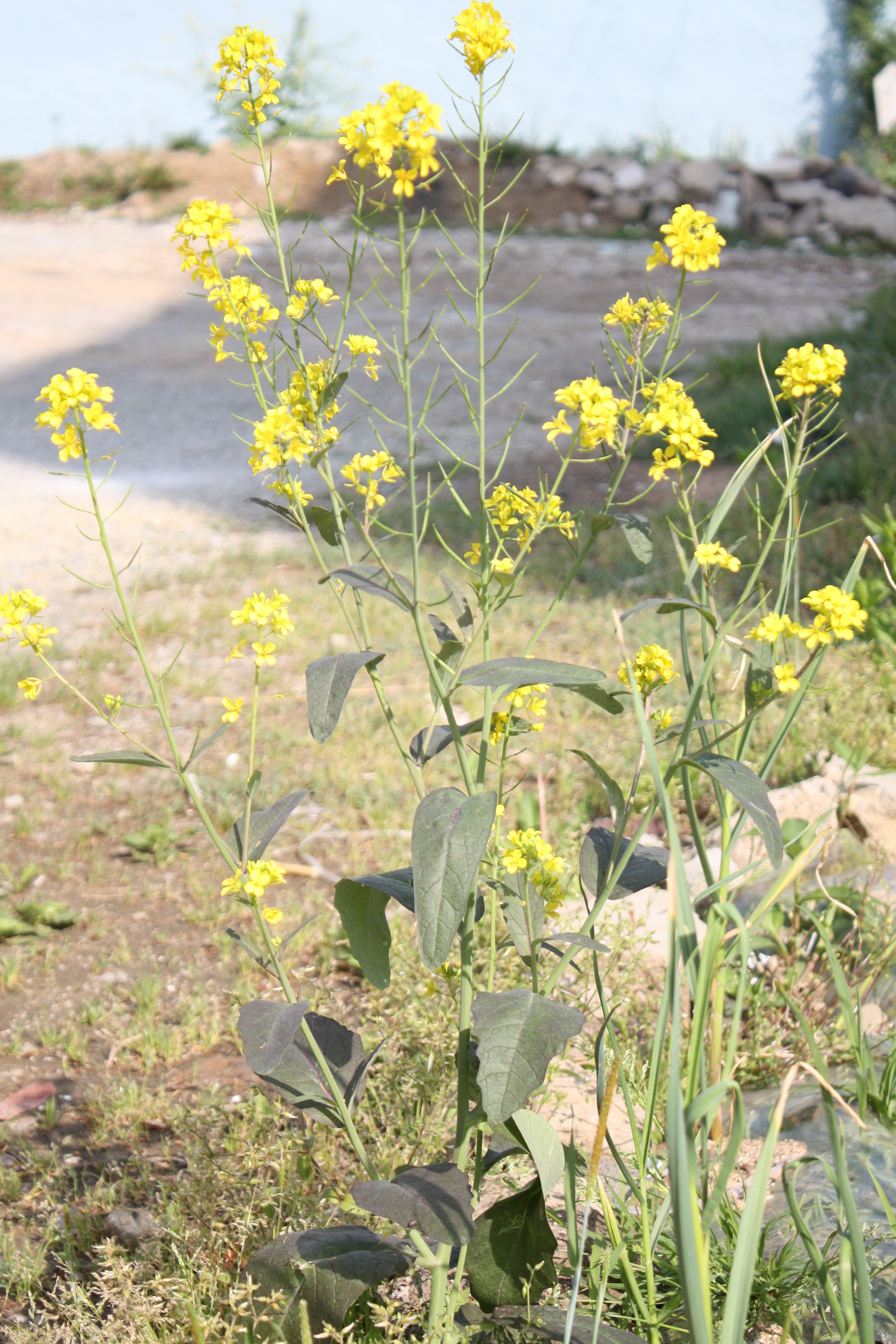
Mostarda

Herb of the day

Mostarda· Rājikā

Brassica juncea

A mostarda (*Brassica juncea*), em sânscrito Rājikā, é um tempero do qual se usam as sementes. No Ayurveda, seu sabor (rasa) é picante, a potência (vīrya) é quente e a pós-digestão (vipāka) é picante. Entre as qualidades (guṇa), é penetrante, leve e seca. Acalma kapha, vāta e pitta. As fontes di…

View in catalog →

Sloka of the day

या निशा सर्वभूतानां तस्यां जागर्ति संयमी। यस्यां जाग्रति भूतानि सा निशा पश्यतो मुनेः॥

What is night (niśā) for all beings is wakefulness (jāgarti) for the controlled one (saṃyamī). That in which beings are awake is night for the sage who sees (paśyato muneḥ).

2 69

Krishna offers a powerful image of the sage's inversion of priorities. What the world pursues (wealth, fame, sensory pleasure) — the sage "sleeps" to it (does not engage). What the world ignores (the ātman, silence, contemplation) — the sage is fully awake to. Principle: spiritual maturation is a progressive inversion of the world's attentional hierarchy. Application: to measure progress by the nature of what steals one's attention — if it is still predominantly what steals the world's attention, there is work to do.

To practice today

Reserve um tempo hoje para a introspecção e reflita sobre o que realmente capta sua atenção.

Podcast episode

#84 - Dormir Para Viver (feat. Mari UnmaniYoga)

Neste episódio gravado em meados de 2021, com a querida amiga Mari do UnmaniYoga, conversamos sobre a importância do sono de acordo com a ciência modernos e também sob a ótica d…

Listen on Spotify
Share: