Edition 20 · 8/13/2026

Connections for Health: From Therapy to Herbal Wisdom

Curated by Lucas Campos · Ayurvedese®

Share:
In this edition, we reflect on the interconnection between mental health and physical well-being, central themes in the selected articles. Integrative Community Therapy reminds us of the importance of human connection and active listening, essential for nurturing ojas and strengthening our emotional health. On the other hand, ashwagandha, a powerful herb in Ayurveda, stands out for its revitalizing properties, helping to balance the doshas and reduce stress. The study on Symphytum officinale reveals how nature can accelerate healing processes, while the sloka of the day invites us to consider practices that soothe Vāta-Pitta. Let’s explore these wisdoms and their applications in our lives together.
Integrative Community Therapy: A Look at Mental Health
rss:cabsin

Integrative Community Therapy: A Look at Mental Health

January is a month that highlights the importance of mental health, and Integrative Community Therapy (ICT) emerges as an innovative practice in this context. Created by psychiatrist Adalberto Barreto, ICT has proven effective in emotional strengthening and promoting solidarity networks, especially in vulnerable communities. The methodology was recognized in 2017 by the National Policy on Integrative and Complementary Practices in Health (PNPIC) and is available in the Unified Health System (SUS). Barreto emphasizes the importance of active listening and human connection to face emotional challenges, stating that often people need a space to be heard, more than medication. ICT has attracted the attention of international experts, as demonstrated by the visit of 42 researchers from Harvard University to the project in Fortaleza, highlighting its potential as an integrative approach to mental health.

Read full →

Ashwagandha / Ginseng Indiano
rss:maharishi

Ashwagandha Powder: Health Benefits and Ways to Use

Researchers highlight that ashwagandha (Withania somnifera) is one of the most valued herbs in Ayurveda, recognized for its properties as a Rasayana, which promote vitality and well-being. Modern studies suggest that ashwagandha may help reduce stress levels, improve sleep quality, and increase physical endurance. Additionally, the herb has been associated with the regulation of the HPA axis—the communication between the brain and the glands that control stress. The common dosage ranges from 300 to 600 mg per day, depending on the form of consumption, which may include powder, capsules, or tablets. It is important to consider that, although the benefits are promising, research is still developing and results may vary among individuals. The safety of long-term use and potential interactions with other medications should also be evaluated.

Read full →

Confrei
europepmc

Symphytum officinale and the acceleration of fracture healing: what a study in rats reveals

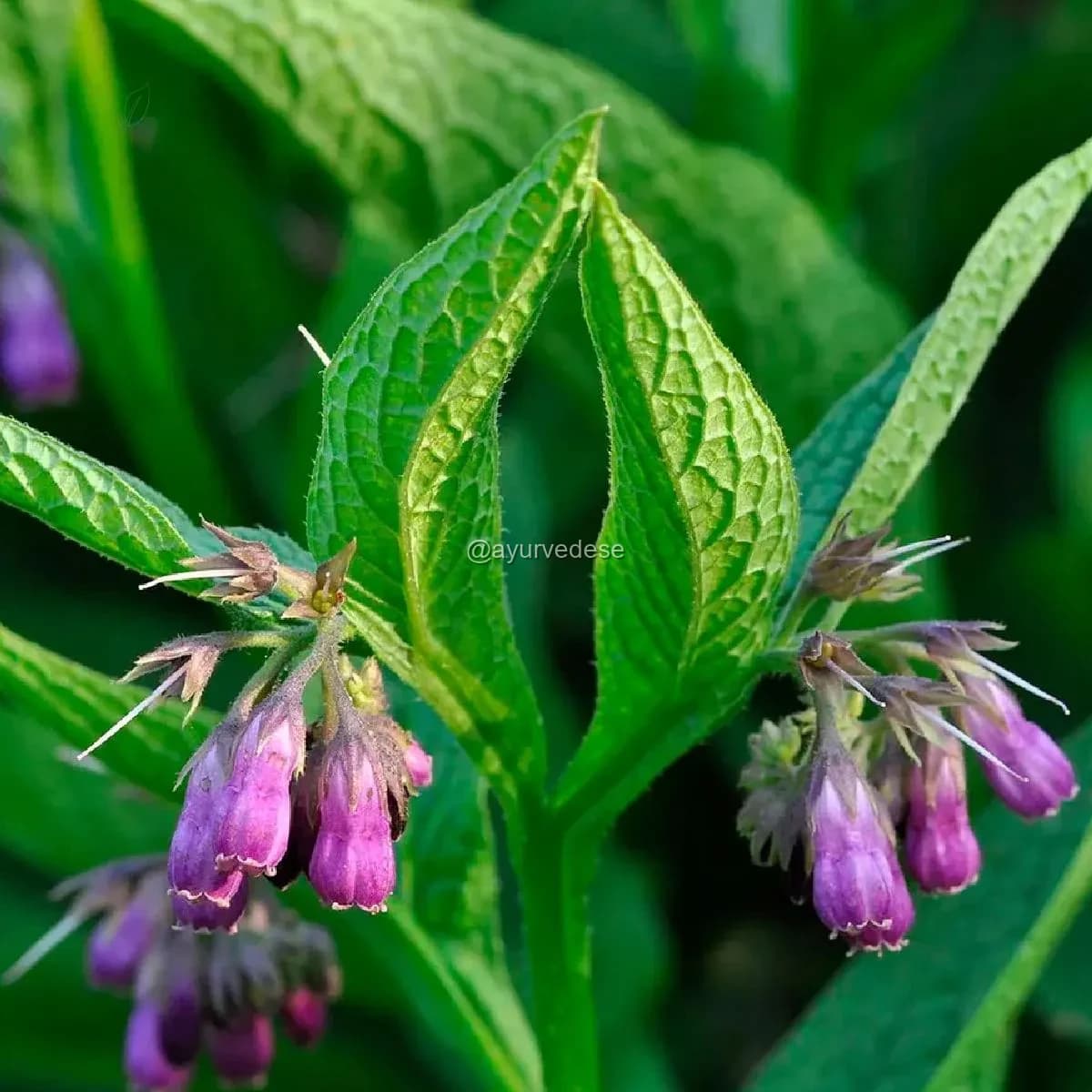
Researchers demonstrated that the administration of homeopathic doses of Symphytum officinale (SO) can accelerate fracture healing in Wistar rats. After inducing femur fractures, the rats were treated with different doses of SO, including the mother tincture (MT) and 6C. X-ray analyses showed faster bone callus formation, both in the early stage (soft callus) and the late stage (hard callus), in the groups treated with SO. Quantitative bone morphometry indicated an increase in osteogenesis, evidenced by markers such as Col1A1 and Osteocalcin, which were evaluated by immunohistochemistry. Furthermore, serum levels of bone-specific alkaline phosphatase (B-ALP) and the C-terminal telopeptide of type I collagen (CTX) showed significant osteoanabolic activity, especially in the group receiving the MT dose. These findings suggest that Symphytum officinale may play an important role in promoting bone healing, although the study was conducted in an animal model, which limits the generalization of the results to humans.

Read full →

Confrei

Herb of the day

Confrei

Symphytum officinale

O confrei é uma erva de nome científico Symphytum officinale. A parte usada é a raiz. Ele vem da fitoterapia ocidental, e não da farmacopeia ayurvédica clássica. No Brasil, o confrei consta em lista oficial apenas para uso tópico, isto é, aplicado sobre a pele. O uso interno, por via oral, é vet…

View in catalog →

Sloka of the day

धूपनं वातपित्तघ्नं स्थिरं केशायुषोर्हितम्।

Fumigation (dhūpana) calms Vāta-Pitta, is stabilizing, and benefits the hair and longevity.

cikitsasthana_8 27

Sushruta systematizes dhūpana — the therapeutic use of medicinal smoke of herbs (sandalwood, cardamom, certain resins). An ancient principle, recently "rediscovered" as aromatherapy. Qualitative difference: classical dhūpana is a clinical prescription, not an ambient preference. Contemporary application: the indiscriminate use of "incenses" ignores dóṣic discrimination; certain aromatic smokes have specific therapeutic effects when well employed, and can be irritating in opposite cases.

To practice today

Reflita sobre os aromas que você usa: eles estão ajudando ou prejudicando seu equilíbrio?

Podcast episode

#63 - Massagens No Ayurveda - Parte 07 - Shiropichu

Quer saber mais? Acesse: https://lnk.bio/ayurvedese Neste episódio vamos falar sobre shiro pichu, mais uma técnica de massagens do Ayurveda na região da cabeça. Vamos falar das…

Listen on Spotify
Share: