Public feed

Ayurvedic editorial curation

Science articles classified by dosha, srota and dhatu. Filter to find what matters to you today.

  • Trikaṭu / Três Picantes
    pubmed🗞️ Published on Ayurdrops: May 12, 2026📅 Source: Jan 01, 2026

    Trikatu and Heart Health: How an Ayurvedic Formula Can Help with Dyslipidemia

    Researchers are investigating the efficacy of the Ayurvedic formula Trikatu as a complement to standard treatment for dyslipidemia. The study, which will be conducted in a randomized, double-blind, placebo-controlled format, will evaluate lipid parameters and gut microbiota. Dyslipidemia, characterized by abnormal levels of lipids in the blood, can increase the risk of cardiovascular diseases. The Trikatu formula, composed of piperine, ginger, and long pepper, is known for its properties that may aid in digestion and lipid metabolism. The study protocol includes analyzing how Trikatu may influence the composition of gut microbiota, which plays a crucial role in metabolic health. Although results are not yet available, the research seeks to establish a connection between Ayurvedic tradition and modern medicine, offering an innovative perspective for managing dyslipidemia.

  • Śyonāka / Sona-pātha
    pubmed🗞️ Published on Ayurdrops: May 12, 2026📅 Source: May 26, 2026

    Oroxylum indicum and the Protection of the Liver and Kidneys: What a Study Reveals

    Researchers have demonstrated that the root bark extract of Oroxylum indicum reduces hepatorenal damage induced by acetaminophen and cisplatin. In the study conducted by Menon et al., significant protective effects of the extract were observed in experimental models, where the administration of acetaminophen and cisplatin caused oxidative stress and inflammation in the organs. The Oroxylum indicum extract acted by modulating biochemical markers, such as reducing the levels of alanine aminotransferase (ALT) and aspartate aminotransferase (AST), which are indicators of liver injury. Furthermore, the administration of the extract improved renal function, evidenced by decreased creatinine and urea levels. These findings suggest that the antioxidant and anti-inflammatory action of the extract may be a promising strategy to protect the liver and kidneys in situations of drug toxicity, aligning with Ayurvedic principles that value the protection of dhatus (tissues) and the maintenance of organ health.

  • Cravo-da-Índia
    pubmed🗞️ Published on Ayurdrops: May 12, 2026📅 Source: May 28, 2026

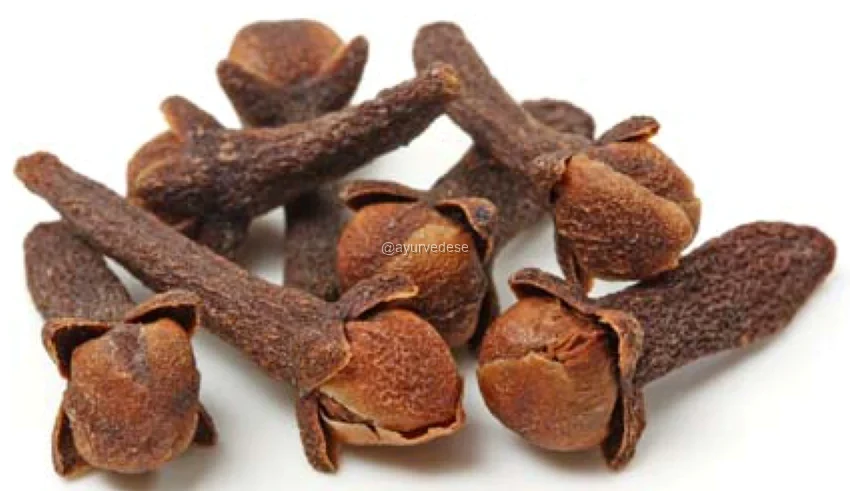
    Eugenol and the reduction of airway inflammation in asthma: what a study reveals

    Researchers have demonstrated that eugenol, a compound found in clove, can reduce ovalbumin-induced airway inflammation in experimental models of asthma. The study, conducted by Usmani et al., revealed that eugenol acts by inhibiting histone deacetylase (HDAC) and decreasing the activity of nuclear factor kappa B (NF-κB), both involved in the inflammatory response. In in vivo experiments, the administration of eugenol resulted in a significant decrease in inflammatory markers and bronchial hyperresponsiveness. These findings suggest that eugenol may have a promising therapeutic role in the management of allergic asthma, aligning with Ayurvedic concepts that recognize the importance of natural substances in modulating inflammation. However, the study has limitations, such as the need for validation in humans and the use of a specific animal model, which may not fully reflect the complexity of asthma in humans.

  • Brahmi / Bacopa
    pubmed🗞️ Published on Ayurdrops: May 12, 2026📅 Source: Jul 15, 2026

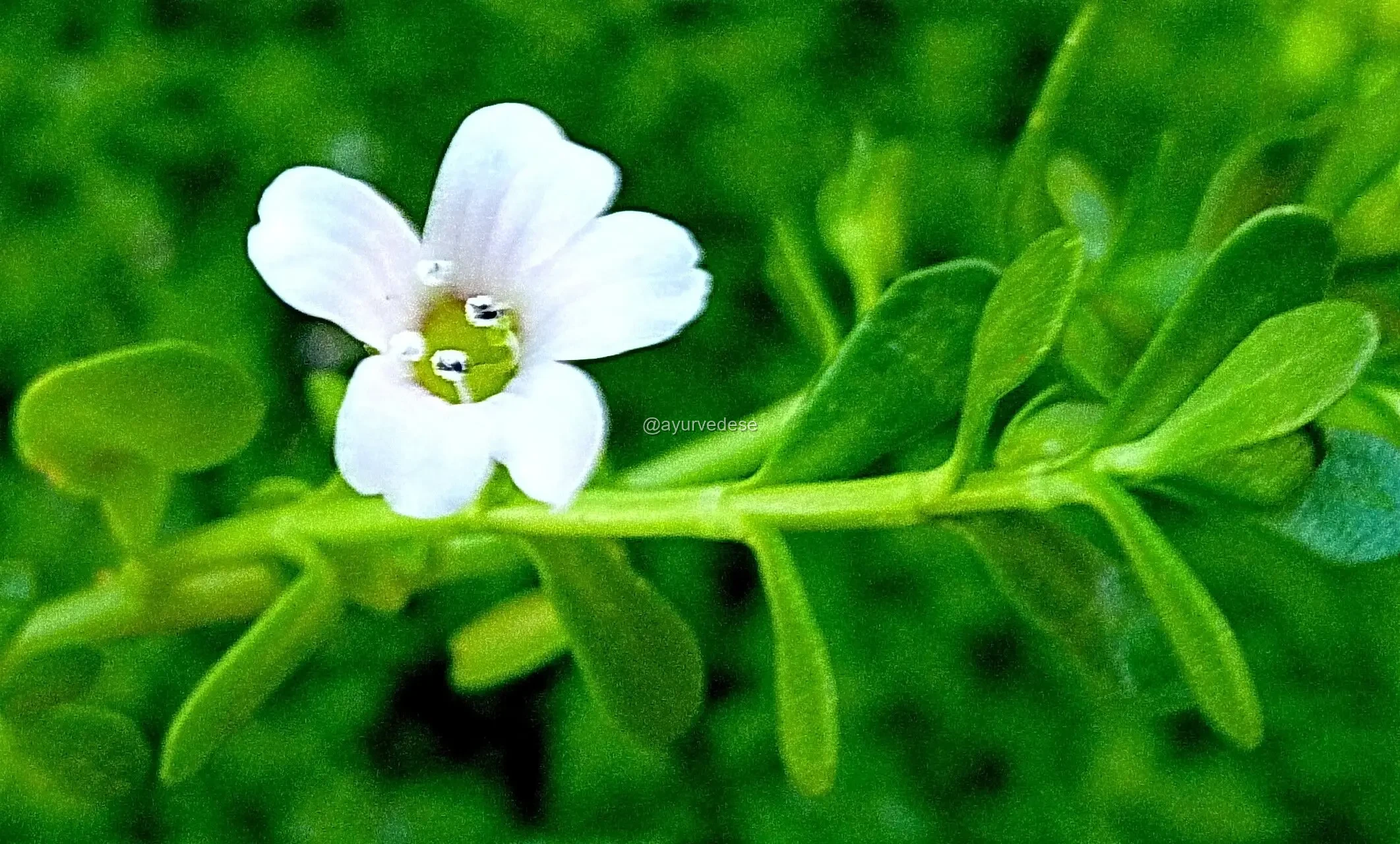
    Bacopa and Brain Protection After Stroke: What an Occlusion Model Shows

    Researchers have demonstrated that Bacopa monnieri can offer significant neurobiological protection in a model of middle cerebral artery occlusion (MCAO) in male Wistar rats. The study, conducted by Khuwaja et al., revealed that Bacopa administration resulted in improvements in neurobehavioral outcomes and biochemical regulation in the frontal cortex and hippocampus, areas critical for cognitive and emotional function. The results indicate that Bacopa may act by modulating inflammatory and oxidative processes, which are exacerbated after a stroke. Although the data are promising, it is important to note that the study was conducted in an animal model, which limits the generalization of the results to humans. The research highlights the relevance of Bacopa in the context of neuroprotection, aligning with Ayurvedic concepts that recognize its beneficial properties for the mind and nervous system.