
Public feed

Ayurvedic editorial curation

Science articles classified by dosha, srota and dhatu. Filter to find what matters to you today.

  • openalex🗞️ Published on Ayurdrops: May 13, 2026📅 Source: May 10, 2026

    DASHMULYADI KWATHA and asthma: what a systematic review reveals

    Researchers evaluated the efficacy of Dashmulyadi Kwatha in the treatment of Tamaka Śvāsa, which corresponds to bronchial asthma. The systematic review included several studies that analyzed the action of this Ayurvedic preparation, highlighting its ability to improve respiratory function and reduce asthmatic symptoms. The results indicated that the use of Dashmulyadi Kwatha may lead to a significant decrease in the frequency and intensity of asthmatic attacks, as well as improve patients' quality of life. The proposed mechanisms involve modulation of the inflammatory response and improvement of Prāṇa circulation, which aligns with Ayurvedic principles of dosha balance. However, the review also pointed out limitations, such as variability in dosages and the lack of randomized controlled studies, suggesting the need for further research to confirm these findings.
  • openalex🗞️ Published on Ayurdrops: May 13, 2026📅 Source: May 10, 2026

    DASHMULYADI KWATHA and asthma: what a systematic review reveals

    Researchers evaluated the efficacy of Dashmulyadi Kwatha in treating Tamaka Śvāsa, which corresponds to bronchial asthma. The systematic review included studies that analyzed the action of this Ayurvedic preparation, highlighting its ability to relieve respiratory symptoms. The results indicated that the use of Dashmulyadi Kwatha may improve lung function and reduce the frequency of asthma attacks. The combination of herbs in the formula acts on different aspects of respiratory physiology, promoting a bronchodilator and anti-inflammatory effect. However, the review also pointed out limitations in the studies, such as the lack of control groups and variability in the dosages used. These factors should be considered when interpreting the results and their clinical applicability.

  • openalex🗞️ Published on Ayurdrops: May 13, 2026📅 Source: May 10, 2026

    Connection between disorders of the digestive and excretory channels in Ayurveda and irritable bowel syndrome

    Researchers explored the relationship between Annavaha Srotodushti (disorder of the digestive channels) and Manovaha Srotodushti (disorder of the mental channels) in the context of Vātika Grahani, which is related to irritable bowel syndrome (IBS). The literature review suggests that digestive dysfunction may be closely linked to psychological factors, reflecting the Ayurvedic view that mental and physical health are interconnected. The study highlights that IBS, often associated with stress and anxiety, can be viewed through the lens of the doshas, especially Vāta, which is related to intestinal movements and functions. Analysis of classical Ayurvedic texts reveals that a holistic approach is fundamental to understanding and treating IBS, considering both physical and mental aspects. Although the review provides valuable insights, limitations such as the lack of direct clinical studies and the need for more empirical evidence are noted.

  • openalex🗞️ Published on Ayurdrops: May 13, 2026📅 Source: May 10, 2026

    Connection between disorders of the digestive and absorptive channels in Ayurveda and irritable bowel syndrome

    Researchers analyzed the relationship between Annavaha Srotodushti (disorders of the digestive channels) and Manovaha Srotodushti (disorders of the mental channels) in the context of Vātika Grahani, which refers to irritable bowel syndrome (IBS). The study reviewed existing literature and highlighted how dysfunction in digestion and absorption can impact mental health, reflecting the interconnection between body and mind in Ayurveda. IBS is often associated with emotional factors and stress, which can aggravate symptoms. The analysis suggests that the Ayurvedic approach, which considers both physical and mental aspects, may offer valuable insights for managing IBS. Although the review was comprehensive, limitations such as the lack of direct clinical studies and the need for more research to validate the associations were mentioned.

  • openalex🗞️ Published on Ayurdrops: May 13, 2026📅 Source: May 11, 2026

    Adequate and Inadequate Foods in Atisara: A Literary Review with Focus on Yogaratnakara

    Researchers reviewed the literature on Atisara, a condition of diarrhea, highlighting the importance of the concepts of pathya (adequate foods) and apathya (inadequate foods) as described in Yogaratnakara. The study, conducted by Dr. Dhaval Prajapati, Suman Singh, and Dr. Dharmendra Jani, emphasizes that dietary choice is crucial for recovery and maintenance of intestinal health. The authors discuss how diet can influence Agni (digestion) and consequently the balance of doshas. The review also points out that understanding appropriate foods can help prevent complications associated with Atisara. Although the study provides valuable insights, it is important to note that the analysis is literary and does not include direct clinical data, which limits the immediate practical application of the findings.

  • openalex🗞️ Published on Ayurdrops: May 13, 2026📅 Source: May 11, 2026

    Ashwagandha and Its Influences on Cognition and Physical Performance: A Comprehensive Review

    Researchers analyzed 12 studies on the effects of Ashwagandha (Withania somnifera) on cognitive and physical function in adults, revealing that the herb may improve memory and physical endurance. The data indicate that Ashwagandha supplementation is associated with a significant increase in attention capacity and muscle strength. The authors, Xiaoling Zhu and colleagues, highlight that Ashwagandha likely acts through modulation of the HPA axis—the brain-gland-stress communication—and reduction of cortisol, the stress-related hormone. Despite promising results, the review points out limitations, such as the heterogeneity of the studies and the need for further investigation to confirm these findings. The connection between Ashwagandha's benefits and Ayurvedic concepts of mental and physical balance is evident, suggesting that the herb may be a valuable ally in the pursuit of holistic health.

  • openalex🗞️ Published on Ayurdrops: May 13, 2026📅 Source: May 11, 2026

    Adequate and Inadequate Foods in Atisara: A Literary Review with Focus on Yogaratnakara

    Researchers reviewed the literature on Atisara, a condition referring to diarrhea, and highlighted the importance of the concepts of pathya (appropriate foods) and apathya (inappropriate foods) in its management. The study, conducted by Dr. Dhaval Prajapati, Suman Singh, and Dr. Dharmendra Jani, emphasizes how dietary choices can influence recovery and gut health. Within the context of Yogaratnakara, a classical Ayurvedic text, foods that may aggravate or alleviate the symptoms of Atisara were identified. The review suggests that understanding the principles of pathya and apathya is crucial for clinical practice, as appropriate nutrition can help restore the balance of Agni (digestive fire) and promote recovery. The authors also discuss the relevance of considering patient individuality in dietary choices, aligning with Ayurvedic principles of personalized treatment. Study limitations include the need for further clinical investigations to validate the proposed dietary recommendations.

  • openalex🗞️ Published on Ayurdrops: May 13, 2026📅 Source: May 11, 2026

    Adequate and Inadequate Foods in Atisara: A Literary Review with Focus on Yogaratnakara

    Researchers analyzed the guidelines for suitable (pathya) and unsuitable (apathya) foods in the context of Atisara, a condition referring to acute diarrhea. The study, led by Dr. Dhaval Prajapati and colleagues, highlights the importance of the classical text Yogaratnakara in understanding dietary practices that can influence digestive health. The literature review points out that food choices can directly impact the severity of Atisara symptoms, suggesting that an appropriate diet can aid recovery. The authors emphasize that a combination of light and easily digestible foods, such as rice and lentils, is recommended, while heavy and fatty foods should be avoided. This approach aligns with Ayurvedic principles of maintaining balanced Agni (digestive fire) to prevent and treat intestinal disorders. Study limitations include the lack of direct clinical data and the need for further research on the practical application of dietary recommendations.

  • Triphalā / Três Frutos
    openalex🗞️ Published on Ayurdrops: May 12, 2026📅 Source: May 07, 2026

    Herbal laxatives: a new approach to chronic constipation

    Researchers have developed a polyherbal laxative formulation to treat chronic constipation, combining several herbs with laxative properties. The efficacy evaluation was carried out in a study that demonstrated promising results in improving intestinal motility. Among the components, herbs such as Senna (Cassia angustifolia) and Triphala stand out, which are known for their constipation-relieving properties. The formulation was tested in a group of patients, showing a significant reduction in constipation symptoms compared to conventional treatments. However, the study has limitations, such as the small sample size and the need for further investigations to confirm long-term efficacy. These findings suggest that the combination of herbs may offer a viable alternative to synthetic laxatives, aligning with Ayurvedic principles that emphasize the use of natural remedies to promote digestive health.

  • Gengibre
    openalex🗞️ Published on Ayurdrops: May 12, 2026📅 Source: May 07, 2026

    Ginger and oral health: efficacy in periodontal treatment

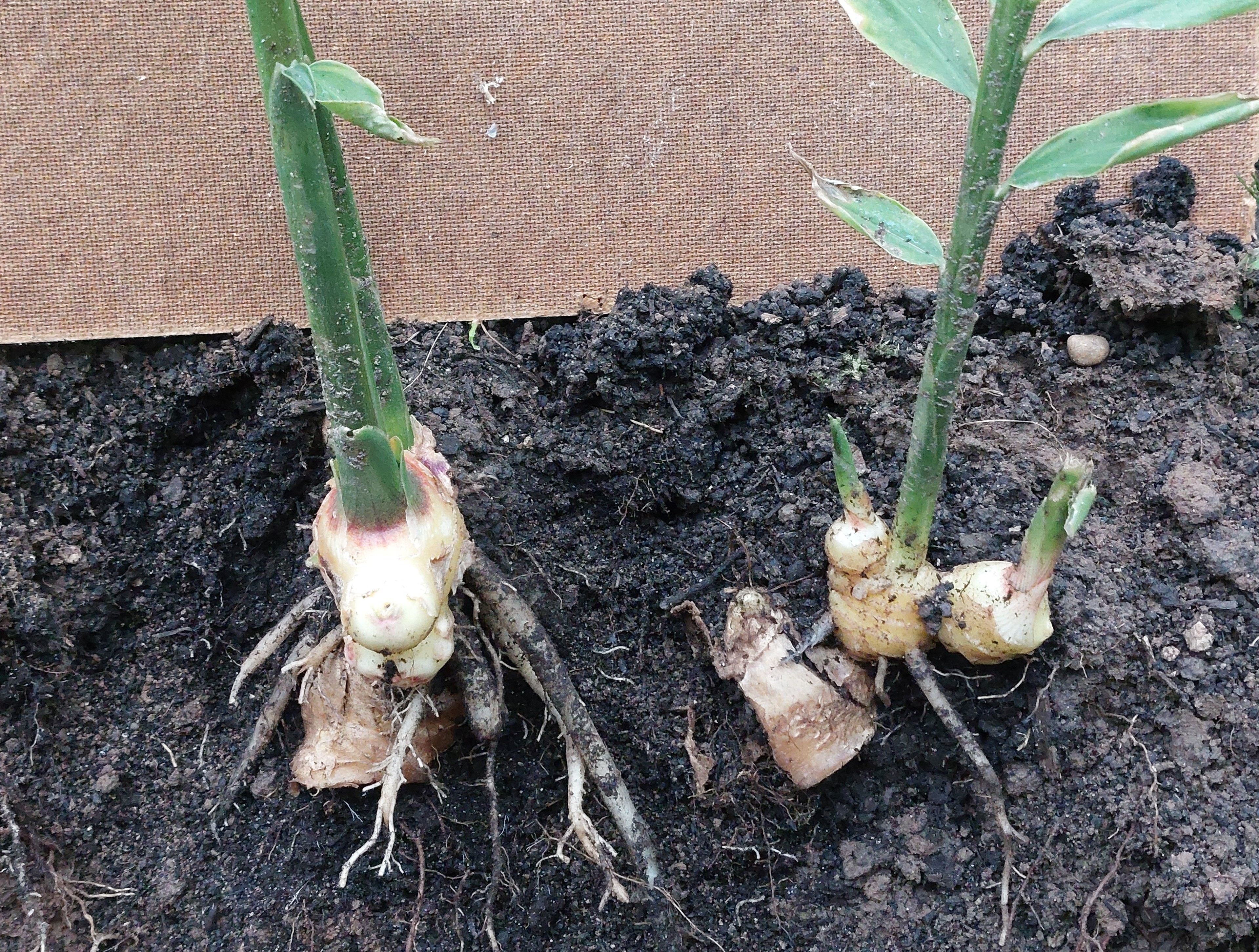
    Researchers evaluated the clinical efficacy of ginger (Zingiber officinale) as an adjunct to periodontal treatment. The study involved the analysis of patients undergoing periodontal procedures, where ginger was administered as an adjuvant. The results showed significant improvement in gingival health and reduction in periodontal pocket depth. Additionally, ginger demonstrated anti-inflammatory and antimicrobial properties, which may contribute to the effectiveness of periodontal treatment. The authors, Da Silva and colleagues, highlight the importance of integrating ginger into clinical practice, considering its beneficial properties. However, it is important to note that the study had a limited number of participants, which may influence the generalizability of the results.

  • openalex🗞️ Published on Ayurdrops: May 12, 2026📅 Source: May 07, 2026

    The Importance of Ayurveda in the Treatment of Azoospermia: A Case Report

    Researchers presented a clinical case of azoospermia, a condition characterized by the absence of sperm in the semen, which was treated with Ayurvedic interventions. The patient, seeking alternatives for fertility, underwent a combination of therapies, including herbal medicine and dietary adjustments. After 6 months of treatment, there was a significant improvement in sperm count, with laboratory results indicating the presence of viable sperm. The authors, Seema Kadam and colleagues, highlight the importance of considering the holistic approach of Ayurveda, which aims to balance the doshas and strengthen Agni (digestive fire), as part of the treatment for azoospermia. This report suggests that Ayurvedic practices may offer a viable alternative for couples facing fertility difficulties, although further studies are needed to validate these findings in larger populations.

  • openalex🗞️ Published on Ayurdrops: May 12, 2026📅 Source: May 07, 2026

    Herbal laxatives for chronic constipation: formulation and evaluation

    Researchers developed and evaluated a polyherbal laxative formulation to treat chronic constipation. The study, conducted by Arnab Chakraborty and colleagues, focused on herbal blends that promote intestinal motility and improve digestion. The evaluation included efficacy and safety tests, with results indicating that the combination of herbs used may be a viable alternative to conventional laxatives. The research highlights the importance of integrative approaches in treating constipation, aligning with Ayurvedic principles that emphasize digestive health as fundamental to overall well-being. Although the results are promising, the study has limitations, such as the small sample size and the need for further clinical investigations to confirm long-term efficacy.

  • openalex🗞️ Published on Ayurdrops: May 12, 2026📅 Source: May 07, 2026

    How to Include Millet Grains in the Seasons According to Ayurveda's Ritu Charya

    Researchers highlight the importance of adapting diet to the seasons, a fundamental principle of Ritu Charya in Ayurveda. The study, led by Virendra Kumar Chhandak and colleagues, explores how millet grains can be incorporated into the diet according to seasonal variations. Millets, known for their nutritive and digestive properties, are suggested as a healthy alternative for each season, helping to balance the doshas and strengthen Agni (digestive fire). The research emphasizes that food choices should be guided by the nature of the season, thereby promoting optimal health and disease prevention. The practice of Ritu Charya, which involves adapting diet and lifestyle to climatic changes, is reinforced as an effective strategy for maintaining well-being throughout the year. This study provides a basis for the practical application of Ayurveda in contemporary nutrition, highlighting the relevance of millets in the seasonal diet.

  • openalex🗞️ Published on Ayurdrops: May 12, 2026📅 Source: May 08, 2026

    Ethnobotanical Therapies for Gut Health: Perspectives from Ayurveda and Microbiome Modulation

    Researchers have identified various ethnobotanical therapies used by Indian tribes to promote gut health, highlighting microbiome modulation. The study, conducted by Manisha Jha, Mansi Jain, and Roshni Tandey, explores how traditional practices connect with modern microbiology concepts. Among the therapies analyzed are herbs and foods that positively influence the intestinal flora, reflecting Ayurvedic principles such as the importance of Agni (digestion) and maintaining dosha balance. The research suggests that the use of medicinal plants may be an effective approach for digestive issues, although most data is based on ethnographic reports and requires more robust scientific validation. Limitations include the lack of controlled clinical studies and variability in practices among different communities.

  • openalex🗞️ Published on Ayurdrops: May 12, 2026📅 Source: May 08, 2026

    Intrauterine Growth Restriction in Ayurveda: Classical Concepts and Contemporary Approaches

    Researchers reviewed classical Ayurvedic concepts on intrauterine growth restriction, bringing to light the relevance of these teachings to modern practice. The study, conducted by Vrushali Hake and Preetham Pai, highlights how understanding the doshas and dhatus can aid in the identification and treatment of conditions affecting fetal development. The analysis suggests that imbalances in the doshas, especially Vata and Pitta, may contribute to growth restrictions, reflecting the importance of accurate diagnosis and appropriate interventions. Furthermore, the research emphasizes the need to integrate Ayurvedic practices with contemporary approaches to optimize maternal-fetal health. Although the study offers valuable insights, limitations such as the lack of robust clinical data and the need for further investigation are mentioned.

  • openalex🗞️ Published on Ayurdrops: May 12, 2026📅 Source: May 08, 2026

    Ayurvedic Intervention in Irritable Bowel Syndrome: Efficacy of an Herbal Formulation in a Clinical Study

    Researchers conducted a clinical trial to evaluate the efficacy of an Ayurvedic herbal formulation in the treatment of Irritable Bowel Syndrome (IBS). The study involved administering the formulation to a group of patients diagnosed with IBS, observing significant improvements in symptoms such as abdominal pain and bloating. The authors, including Rohini Jat and Preeti Gavali, highlighted that the combination of herbs used in the formulation acts synergistically, promoting a positive effect on digestion and intestinal health. Although the results are promising, the study has limitations, such as the small sample size and the need for further investigations to confirm long-term efficacy. The relationship between Ayurvedic principles and modern findings suggests that the holistic approach of Ayurveda may offer viable alternatives for the management of IBS.

  • openalex🗞️ Published on Ayurdrops: May 12, 2026📅 Source: May 08, 2026

    Polyherbal Effervescent Granules for Treating Inflammatory Bowel Diseases: A New Formulation

    Researchers have developed polyherbal effervescent granules with potential for treating inflammatory bowel diseases (IBD). The formulation combines several herbs known in traditional medicine, aiming to improve treatment efficacy. Among the components, herbs that may help reduce inflammation and improve intestinal health stand out. The authors, Subodh Kumar, Hakim Singh Rajput, and Dr. Amresh Gupta, emphasize the importance of an integrative approach that unites traditional and modern knowledge. Although initial results are promising, the study is still in the development phase and requires further clinical trials to validate the efficacy and safety of the proposed formulation. The research highlights the relevance of Ayurveda in addressing complex conditions such as IBD, suggesting that the combination of herbs may offer additional benefits compared to conventional treatments.

  • Cravo-da-Índia
    openalex🗞️ Published on Ayurdrops: May 12, 2026📅 Source: May 08, 2026

    Eugenol and the Therapeutic Potential of Clove: A Bridge Between Ayurveda and Modern Pharmacology

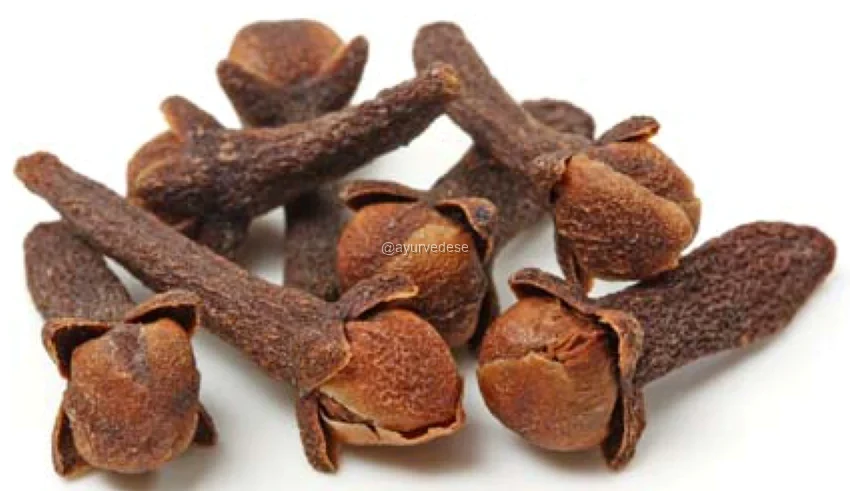
    Researchers highlight eugenol, an active compound in clove (Syzygium aromaticum), as a link between Ayurvedic tradition and contemporary pharmacology. Eugenol is known for its anti-inflammatory, analgesic, and antimicrobial properties, and is used in Ayurveda to treat various conditions, such as toothache and digestive issues. The study explores how these effects can be explained by modern biological mechanisms, such as the modulation of inflammatory mediators and interaction with pain receptors. Additionally, the research suggests that eugenol may act on the HPA axis, influencing stress response and mental health. Despite being promising, the authors emphasize the need for more clinical studies to validate these findings and better understand appropriate dosages and forms of use. The connection between traditional knowledge and contemporary scientific evidence may open new possibilities for the use of clove in clinical practice.

  • openalex🗞️ Published on Ayurdrops: May 12, 2026📅 Source: May 08, 2026

    Narasingha Churna and oligospermia: an integrative clinical study

    Researchers investigated the efficacy of Narasingha Churna in the treatment of Kshina Retasa, or oligospermia, in an integrative clinical study. The study, which involved the analysis of seminal parameters, revealed that the use of Narasingha Churna may improve sperm count and other seminal parameters. The authors, including Naresh Itani and Prof. (Dr.) B. K. Sevatkar, observed that the correlation between seminal parameters and Ayurvedic semeiology is significant, suggesting that the Ayurvedic approach may offer valuable insights for the treatment of oligospermia. Although the results are promising, it is important to consider the study's limitations, such as sample size and the need for further investigations to confirm these findings.

  • openalex🗞️ Published on Ayurdrops: May 12, 2026📅 Source: May 08, 2026

    Ethnobotanical Therapies for Gut Health: Microbiome Modulation and Ayurvedic Perspectives

    Researchers have identified several ethnobotanical therapies used by Indian tribes to promote gut health, highlighting microbiome modulation. The study, conducted by Manisha Jha, Mansi Jain, and Roshni Tandey, explores how traditional practices align with Ayurvedic concepts, such as the importance of Agni (digestion) and the health of the srotas (channels). The herbs and foods used by the tribes not only reflect a deep knowledge of the local flora but also demonstrate efficacy in balancing the gut microbiota, essential for overall health. The research suggests that combining traditional knowledge and modern science can offer new approaches for treating digestive disorders. However, limitations such as the lack of controlled clinical studies and the need for more robust scientific validation were observed.