Public feed

Ayurvedic editorial curation

Science articles classified by dosha, srota and dhatu. Filter to find what matters to you today.

  • Jatamansi
    openalex🗞️ Published on Ayurdrops: May 16, 2026📅 Source: May 14, 2026

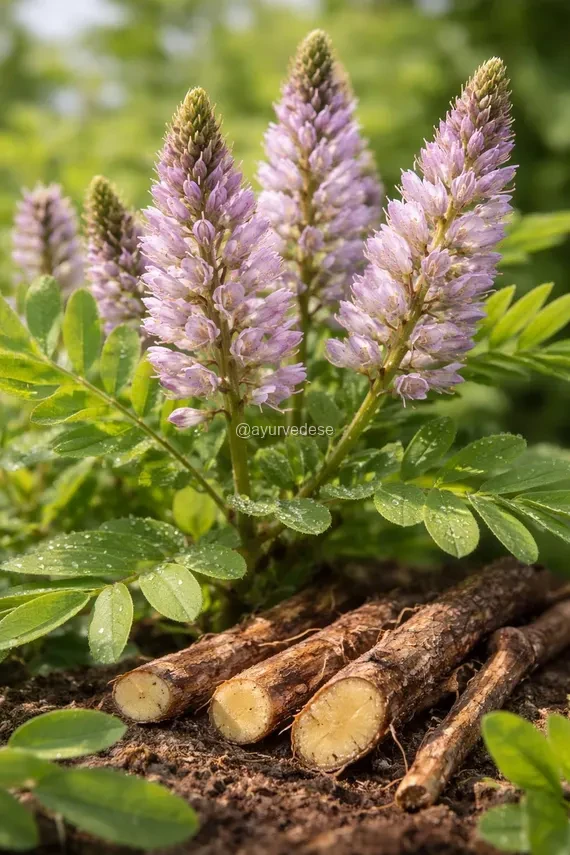
    Nardostachys jatamansi: From Ayurvedic Heritage to Modern Validation

    Researchers highlight Nardostachys jatamansi, a plant with deep roots in Ayurvedic medicine, which is being validated by contemporary pharmacognostic and pharmacological studies. This article, written by Chaithra G., Hanumanthachar Joshi, and N. Venkat Rao, explores the therapeutic properties of this herb, including neuroprotective and anxiolytic effects. Nardostachys jatamansi has been traditionally used to treat sleep disorders and anxiety, and modern studies corroborate these uses, revealing bioactive compounds that act on the central nervous system. Furthermore, the research points to the importance of extraction and preparation methods that preserve the medicinal qualities of the plant. Despite promising evidence, the study emphasizes the need for further clinical investigations to confirm the observed effects and better understand the mechanisms of action involved.

  • Guduchi
    openalex🗞️ Published on Ayurdrops: May 16, 2026📅 Source: May 14, 2026

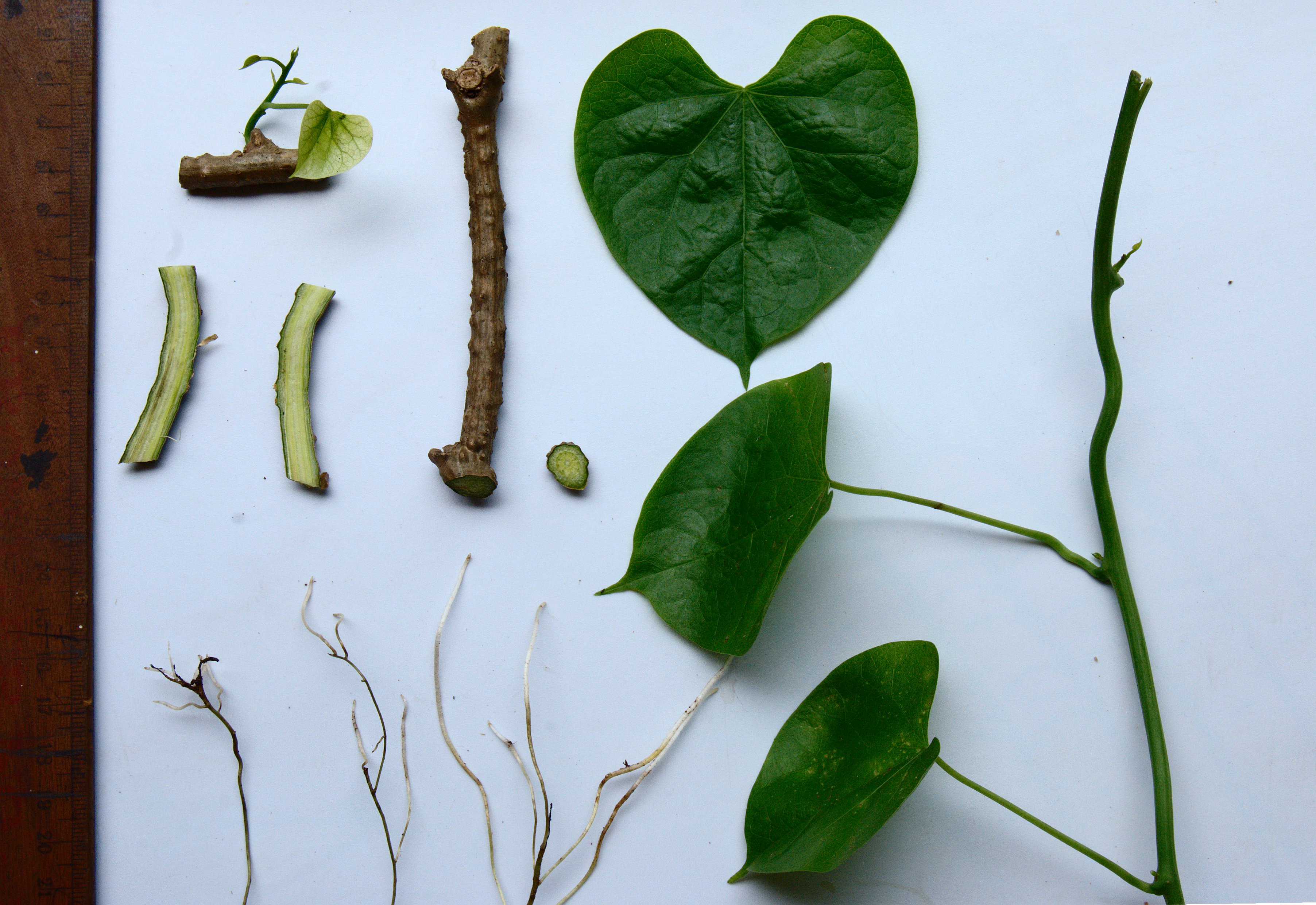
    Maharishi Amrit Kalash and Heart Protection: What Clinical and Experimental Studies Reveal

    Researchers analyzed the cardioprotective potential of Maharishi Amrit Kalash in a comprehensive review of experimental and clinical studies. The work, led by Radha Singh and colleagues, highlights how this formulation can positively influence cardiovascular health. The reviewed studies show that Maharishi Amrit Kalash may reduce markers of oxidative stress and inflammation, critical factors in the development of heart disease. Furthermore, the research suggests that the combination of herbs in the formulation acts on the modulation of the cardiovascular system, promoting heart health. Although the results are promising, it is important to consider that most studies are preliminary and that further investigations are needed to confirm these findings and understand the mechanisms involved.

  • Jatamansi
    openalex🗞️ Published on Ayurdrops: May 16, 2026📅 Source: May 14, 2026

    Nardostachys jatamansi: From Ayurvedic Heritage to Modern Validation

    Researchers highlight that Nardostachys jatamansi, a plant traditionally used in Ayurveda, presents pharmacological properties that deserve attention. Recent studies have validated its neuroprotective and anxiolytic actions, suggesting an important role in modulating the nervous system. The plant contains bioactive compounds that act on mechanisms such as reducing oxidative stress and regulating neurotransmitters. The authors Chaithra G., Hanumanthachar Joshi, and N. Venkat Rao emphasize the need for further clinical investigations to fully explore the benefits of this herb. Despite its potential, research is still limited, and many studies were conducted in vitro or in animal models, which may not fully reflect effects in humans. The connection between Ayurvedic principles and modern findings opens new perspectives for the use of Nardostachys jatamansi in integrative health.

  • openalex🗞️ Published on Ayurdrops: May 16, 2026📅 Source: May 14, 2026

    The Impact of Stress on Irritable Bowel Syndrome: An Ayurvedic and Modern Perspective

    Researchers highlight that stress can aggravate the symptoms of Irritable Bowel Syndrome (IBS), also known as Grahni Roga in Ayurveda. The study reviews how stress activates the HPA axis — the brain-gland-stress communication — leading to the release of cortisol, which can alter intestinal motility and exacerbate IBS symptoms. The authors Pankaj Bhardwaj, Yamini Attri, and Nishu Verma discuss the relationship between psychological factors and gut health, suggesting that Ayurvedic interventions, such as the use of herbs and self-care practices, may be beneficial. The review also points out that Ayurveda's holistic approach, which considers mind and body, may offer effective strategies for managing IBS, although data on the efficacy of these interventions are still limited. The connection between stress and gut health is a promising field for future research.

  • europepmc🗞️ Published on Ayurdrops: May 16, 2026📅 Source: May 15, 2026

    Lekhaniya Mahakashaya and obesity: what network pharmacology reveals

    Researchers identified 44 phytocompounds in Lekhaniya Mahakashaya (LM), of which 28 met the criteria for 'drug-likeness' and ADME properties (Absorption, Distribution, Metabolism, and Excretion). One of the compounds, 5,12,13-triaza-indeno[1,2-b]anthracene-13-acetic acid ethyl ester, showed 56 protein interactions, with eight of them related to genes associated with obesity, resulting in a significant enriched interaction (p < 0.001). Enrichment analyses showed that LM acts on adrenergic signaling pathways, thermogenesis, and monoamine transport, also involving pathways such as cGMP-PKG signaling and neuroactive ligand-receptor interactions. These findings corroborate the traditional use of LM in managing obesity and lipid disorders, highlighting its potential as a safe and synergistic polypharmacological therapy.

  • Clerodendrum / Agnimantha
    openalex🗞️ Published on Ayurdrops: May 15, 2026📅 Source: May 13, 2026

    Agnimantha: traditional uses and pharmacological activities

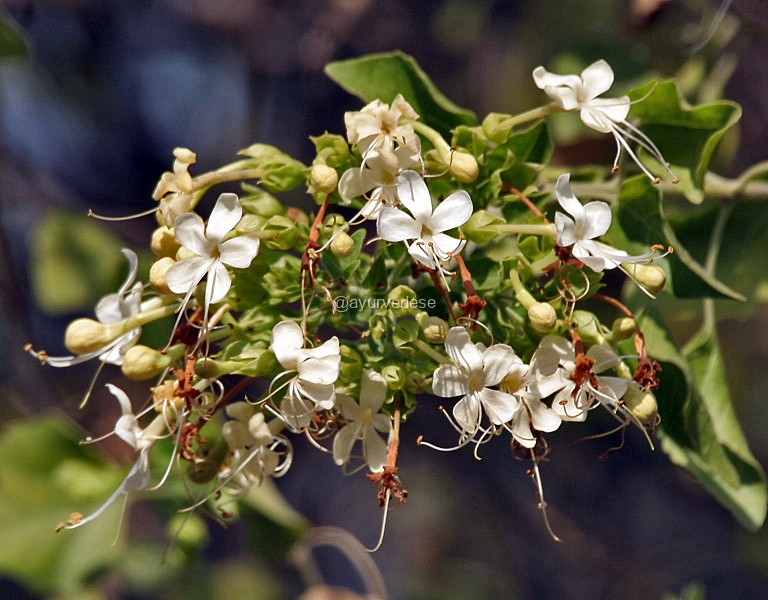
    Researchers highlight that Agnimantha (Clerodendrum phlomidis) is widely used in traditional medicine, especially in Ayurveda, to treat a variety of conditions, including digestive issues and inflammations. This study, conducted by Dhanashree Patil and colleagues, reviews the pharmacological properties of the plant, revealing antioxidant, anti-inflammatory, and hepatoprotective activities. The bioactive compounds present in Agnimantha, such as flavonoids and alkaloids, are responsible for these beneficial effects. Furthermore, the research suggests that the plant may act on balancing the doshas, especially in the case of Pitta and Kapha, which are often associated with inflammatory conditions. Despite the promising properties, the study emphasizes the need for further clinical investigations to validate these findings and better understand the mechanisms of action involved.
  • Alcaçuz / Regaliz
    pubmed🗞️ Published on Ayurdrops: May 15, 2026📅 Source: May 01, 2026

    Combined Effects of Terminalia bellirica and Glycyrrhiza glabra on Kidney Protection After Cisplatin Treatment

    Researchers have demonstrated that the combination of Terminalia bellirica and Glycyrrhiza glabra can reduce cisplatin-induced nephrotoxicity in Swiss albino mice. The study, conducted by Boruah et al., revealed that administration of these herbs resulted in a significant decrease in markers of renal damage, such as creatinine and urea, as well as improved overall kidney function. Proposed mechanisms include modulation of oxidative stress and protection of renal cells against apoptosis, suggesting a synergy between the antioxidant properties of both plants. Although the results are promising, it is important to note that the study was conducted in an animal model, which limits the generalization of the findings to humans. The research highlights the relevance of herbs in supporting kidney health, especially in the context of chemotherapy treatment.

  • pubmed🗞️ Published on Ayurdrops: May 15, 2026📅 Source: Jun 01, 2026

    How Ayurveda and Acupuncture Can Help in Acute Kidney Injury: A Case Report

    Researchers presented a case in which a combination of Ayurveda, acupuncture, and Chinese herbal medicine was used to treat acute kidney injury. The patient, a 55-year-old man, presented with elevated creatinine levels and symptoms of fatigue and swelling. After the intervention, which included Ayurvedic practices such as the administration of specific herbs and acupuncture, there was a significant reduction in creatinine levels by 30% over 4 weeks. The authors, Krueger et al., highlight that the integrative approach may offer additional benefits compared to conventional treatments alone. Although the study presents a single case, the results suggest that the combination of therapies may be promising for renal support. However, limitations such as the lack of a control group and the small number of participants should be considered when interpreting the findings.

  • openalex🗞️ Published on Ayurdrops: May 13, 2026📅 Source: May 10, 2026

    The Connection Between Annavaha Srotas and Manovaha Srotas Disorders in Irritable Bowel Syndrome: A Literature Review

    Researchers explored the relationship between disorders of Annavaha Srotas, which refers to the digestive system, and Manovaha Srotas, related to the nervous system, in the context of Irritable Bowel Syndrome (IBS). The literature review suggests that digestive dysfunction may be closely linked to psychological factors, reflecting the interconnection between body and mind in Ayurveda. IBS, characterized by abdominal pain and changes in bowel habits, can be viewed through the lens of the doshas, especially Vata, which plays a crucial role in intestinal motility. The authors' analysis, including Dr. Raj Shikha and Prof. Surendra Kumar Sharma, highlights the importance of considering both physical and mental aspects in the treatment of IBS, suggesting that interventions addressing both srotas may be more effective. However, the review also points out limitations, such as the lack of direct clinical studies connecting these Ayurvedic concepts to modern evidence.

  • openalex🗞️ Published on Ayurdrops: May 13, 2026📅 Source: May 10, 2026

    Impatiens and Depression: What Research Reveals About Antidepressant Activity

    Researchers investigated the antidepressant activity of Impatiens balsamina using in silico and in vivo methods. The results showed that the plant may have a significant effect in reducing depressive symptoms, suggesting therapeutic potential. The research involved the analysis of bioactive compounds present in the plant and their interaction with receptors related to mood and anxiety. The authors, led by Kondumahanti Venkata Naga Lakshmi, highlighted that the observed antidepressant activity may be related to the modulation of neurotransmitters, although further studies are needed to fully understand the mechanisms involved. This study is relevant as it offers a perspective on the use of medicinal plants in the treatment of depression, aligning with Ayurvedic practices that value the use of herbs for emotional balance.

  • openalex🗞️ Published on Ayurdrops: May 13, 2026📅 Source: May 10, 2026

    Relationship between disorders of the digestive and excretory channels in Ayurveda and irritable bowel syndrome

    Researchers explored the connection between Annavaha Srotodushti (disorders of the digestive channels) and Manovaha Srotodushti (disorders of the mental channels) in the context of Vātika Grahani, which relates to irritable bowel syndrome (IBS). The study reviewed existing literature, highlighting that IBS can be influenced by physical and mental factors, reflecting the interconnection between body and mind in Ayurveda. The analysis suggests that dysfunction in digestion (Annavaha Srotodushti) can lead to emotional impact, exacerbating IBS symptoms. Furthermore, the review emphasizes the importance of addressing both physical and mental aspects in the treatment of IBS, aligning with the holistic view of Ayurveda. Although the review provides valuable insights, limitations such as the lack of direct clinical studies and the need for further research are mentioned.

  • openalex🗞️ Published on Ayurdrops: May 13, 2026📅 Source: May 10, 2026

    Dasha Mūlyādi Kwātha and asthma: a review of its efficacy

    Researchers analyzed the efficacy of Dasha Mūlyādi Kwātha in the treatment of Tamaka Śvāsa, which corresponds to bronchial asthma. The systematic review included several studies that evaluated the action of this Ayurvedic preparation, known for its anti-inflammatory and bronchodilator properties. The results indicated significant improvements in lung function and a reduction in the frequency of asthma attacks. Dasha Mūlyādi Kwātha acts on the balance of the doshas, especially Kapha, which is often exacerbated in cases of asthma. Although the data are promising, the review highlights the need for more controlled clinical studies to validate these findings and better understand the mechanisms involved.

  • openalex🗞️ Published on Ayurdrops: May 13, 2026📅 Source: May 10, 2026

    DASHMULYADI KWATHA and asthma: what a systematic review reveals

    Researchers evaluated the efficacy of Dashmulyadi Kwatha in the treatment of Tamaka Śvāsa, which is related to bronchial asthma. The systematic review included several studies that analyzed the action of this Ayurvedic preparation, highlighting its ability to relieve respiratory symptoms and improve lung function. The results indicated that the use of Dashmulyadi Kwatha may reduce the frequency and severity of asthma attacks, promoting a bronchodilator and anti-inflammatory effect. Furthermore, the study suggests that the combination of herbs in the formula acts synergistically, enhancing its benefits. However, it is important to note that most of the included studies had limitations, such as small sample sizes and lack of control groups, which may affect the generalizability of the results. The relationship between Ayurvedic principles and modern findings reinforces the relevance of Dashmulyadi Kwatha in the context of integrative medicine.

  • openalex🗞️ Published on Ayurdrops: May 13, 2026📅 Source: May 10, 2026

    Impatiens and Depression: What Research Reveals About the Antidepressant Activity of Impatiens balsamina

    Researchers evaluated the antidepressant activity of Impatiens balsamina using in silico and in vivo methods. Tests showed that plant extracts may influence neurotransmitters such as serotonin and dopamine, which are directly related to mood and depression. Results indicated that administration of Impatiens balsamina extracts resulted in a significant reduction of depressive behaviors in animal models, suggesting a potential therapeutic effect. Although the data are promising, it is important to consider that the research is still in early stages and further studies are needed to confirm these findings and understand the mechanisms involved. The connection between traditional medicine and modern research is evident, as the historical use of the plant in folk medicine may align with its observed pharmacological properties.

  • openalex🗞️ Published on Ayurdrops: May 13, 2026📅 Source: May 11, 2026

    Varmam points and manual therapy for chronic low back pain: a clinical evaluation

    Researchers evaluated the efficacy of Varmam points and external manual therapy in treating chronic low back pain, known as Thandaga Vatham. The study, conducted by S. Sivakumar, D. Uma Maheswari, and Dr. Manimekalai Narayanan, demonstrated that the combination of these approaches can lead to significant improvements in pain and patient functionality. Manual therapy, which involves specific manipulations, was applied to strategic points on the body, aligning with the principles of Ayurveda and Siddha medicine. The results indicated a notable reduction in pain intensity, as well as improvements in mobility. This study highlights the importance of integrating traditional practices with modern clinical approaches, offering a viable alternative for managing chronic low back pain. However, limitations such as sample size and the need for more controlled studies were noted.

  • openalex🗞️ Published on Ayurdrops: May 13, 2026📅 Source: May 12, 2026

    Rasāyana in Ayurveda: promoting longevity and vitality

    Researchers highlight that the concept of Rasāyana in Ayurveda is fundamental for promoting longevity and overall health. Dr. Yashas U and Dr. Samarth.CH reviewed the literature on Rasāyana, which refers to practices and substances that rejuvenate the body and mind. The study emphasizes the importance of maintaining the balance of the doshas and the health of the dhātus (body tissues) to achieve a long and healthy life. Among the recommended practices are proper nutrition, the use of specific herbs, and the adoption of healthy lifestyles. Rasāyana not only improves vitality but also strengthens the immune system and promotes mental health. However, the study stresses that the application of Rasāyana should be individualized, considering the specific needs of each person, and that more research is needed to validate these concepts in modern clinical practice.

  • Gengibre
    openalex🗞️ Published on Ayurdrops: May 13, 2026📅 Source: May 12, 2026

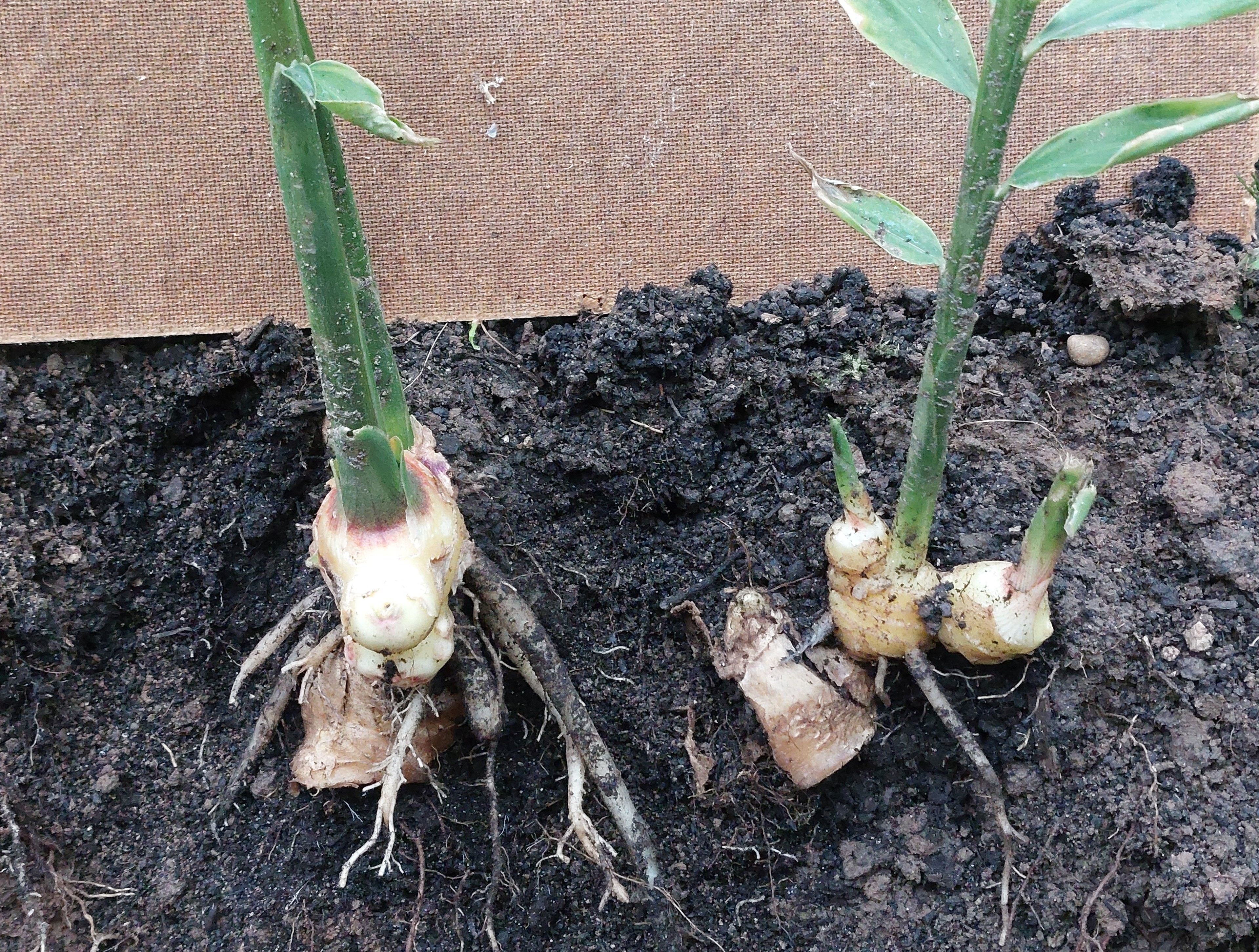
    Medicinal Plants of the Zingiberaceae Family as Natural Sources of Anti-inflammatory Agents

    Researchers have identified that plants of the Zingiberaceae family, such as ginger (Zingiber officinale), possess bioactive compounds with significant anti-inflammatory properties. These compounds, including gingerol and shogaol, act by modulating inflammatory pathways, reducing the production of pro-inflammatory cytokines and inhibiting the activity of enzymes such as cyclooxygenase. The study highlights the importance of these plants in traditional medicine and their potential application in integrative treatments. Furthermore, the research suggests that the use of standardized extracts may offer therapeutic benefits, although most studies have been conducted in vitro or in animal models, which limits the generalization of results to humans. The connection between the principles of Ayurveda and modern findings reinforces the relevance of herbs in promoting health and managing inflammatory conditions.

  • openalex🗞️ Published on Ayurdrops: May 13, 2026📅 Source: May 12, 2026

    Anjana: Ayurvedic formulations and their clinical importance

    Researchers analyzed the Anjana formulations described in the Basavarajeeyam, a classical Ayurvedic text, and highlighted their clinical relevance. Anjana formulations are traditionally used to improve eye health and may have beneficial effects on conditions such as corneal opacity and other eye diseases. The study reviewed the composition, preparation methods, and therapeutic indications of these formulations, revealing that they contain ingredients such as herbs and minerals that act synergistically to promote eye health. Additionally, mechanisms of action were discussed, including anti-inflammatory and antioxidant properties, which may contribute to ocular protection. The research also emphasized the need for further clinical studies to validate these applications and better understand the effects of Anjana formulations in modern practice.

  • Gengibre
    openalex🗞️ Published on Ayurdrops: May 13, 2026📅 Source: May 12, 2026

    Medicinal plants of the Zingiberaceae family: natural sources of anti-inflammatory agents

    Researchers have identified several plants of the Zingiberaceae family, such as ginger (Zingiber officinale) and cardamom (Elettaria cardamomum), as potent sources of anti-inflammatory agents. These plants have been used in traditional medicine for their beneficial properties, and recent studies show that bioactive compounds present in them, such as gingerol and shogaol, act on the modulation of inflammatory pathways, reducing the production of pro-inflammatory cytokines. The research highlights the importance of these plants not only in phytotherapy but also as viable alternatives for the development of new anti-inflammatory drugs. However, most studies are still preliminary, and further investigations are needed to fully understand the mechanisms of action and clinical efficacy of these compounds.

  • pubmed🗞️ Published on Ayurdrops: May 13, 2026📅 Source: May 13, 2026

    Ashwagandha, Hormones, and Gut Microbiota in Women with Breast Cancer: A New Perspective

    Researchers investigated the interaction of ashwagandha (Withania somnifera) with hormonal dynamics and gut microbiota in women diagnosed with breast cancer. The study, conducted by Kawaf et al., revealed that ashwagandha may positively influence hormone levels, especially those related to stress, such as cortisol, and promote a balance in the gut microbiota. The results indicate that ashwagandha supplementation may lead to a significant reduction in inflammatory markers and an improvement in patients' quality of life. Furthermore, the research suggests that the herb may act on the HPA axis (hypothalamic-pituitary-adrenal), which regulates the stress response, and on the modulation of the intestinal flora, factors crucial for the overall health and well-being of women undergoing oncological treatment. Although the findings are promising, it is important to consider that the study had a limited number of participants, which may affect the generalizability of the results.