Public feed

Ayurvedic editorial curation

Science articles classified by dosha, srota and dhatu. Filter to find what matters to you today.

  • Saussúrea / Kushtha
    openalex🗞️ Published on Ayurdrops: May 20, 2026📅 Source: May 16, 2026

    The Relationship between Dusya Viṣa, Kuṣṭha, and the Role of Raktamokṣa in Ayurveda

    Researchers have explored the connection between Dusya Viṣa, a form of toxin in the body, and Kuṣṭha, a skin condition, highlighting the importance of Raktamokṣa, or bloodletting, as a therapeutic intervention. The study, conducted by Dr. Sagar Bansal, analyzes classical Ayurvedic texts that describe how blood purification can aid in the treatment of skin diseases. The relationship between these conditions suggests that toxin accumulation can aggravate skin issues, and Raktamokṣa acts as a form of detoxification. Although the study provides valuable insights, it is important to note that the research is based on ancient texts and lacks validation in contemporary clinical studies. The Ayurvedic approach emphasizes patient individuality, and the efficacy of Raktamokṣa may vary according to an individual's constitution and health condition.

  • Saussúrea / Kushtha
    openalex🗞️ Published on Ayurdrops: May 20, 2026📅 Source: May 16, 2026

    Asava and Arista Formulations in the Management of Kustha: A Review

    Researchers reviewed the Asava and Arista formulations mentioned in the context of Kustha, a skin condition, as described in the classical texts of Bruhattrayi. The study, conducted by Dr. Shardul Chavan, Dr. Jyotsna M. Taklikar, and Dr. Ayushi Tiwari, analyzes the efficacy of these traditional formulations, which are fermented herbal preparations commonly used in Ayurveda to treat skin diseases. The review highlights the importance of active ingredients and their mechanisms of action, which may include anti-inflammatory and antimicrobial properties. Furthermore, the study suggests that the combination of herbs in Asava and Arista may potentiate therapeutic effects, offering a holistic approach to the treatment of Kustha. However, limitations such as the lack of controlled clinical trials and the need for further research are mentioned, emphasizing the importance of scientific validation of Ayurvedic practices.

  • openalex🗞️ Published on Ayurdrops: May 20, 2026📅 Source: May 16, 2026

    Treatment of Chronic Kidney Disease with Mustādi Basti and Trikantakādi Ghanavati: A Case Study

    Researchers presented a case study documenting the efficacy of Mustādi basti followed by the administration of Trikantakādi Ghanavati in the treatment of Chronic Kidney Disease (CKD). The patient, a 55-year-old man, presented with symptoms such as fatigue, swelling, and changes in urine. After the application of the basti, which aims to nourish and revitalize the kidneys, and the administration of Trikantakādi Ghanavati, a significant improvement was observed in clinical and laboratory parameters, including a reduction in creatinine and urea levels. The study highlights the importance of Agni (digestion) and the balance of the doshas in kidney health, suggesting that Ayurvedic interventions may offer valuable support in the management of CKD. Limitations include the fact that it is a single case study, which prevents broad generalizations.

  • openalex🗞️ Published on Ayurdrops: May 20, 2026📅 Source: May 18, 2026

    Ayurveda and Cardiovascular Health: Evidence and Therapeutic Potential

    Researchers reviewed the integration of Ayurveda into cardiovascular care, highlighting recent clinical evidence showing its therapeutic potential. The study, led by Abhijeet Jagtap, analyzes how Ayurvedic practices can complement conventional treatments, addressing factors such as stress, diet, and lifestyle that impact heart health. The review suggests that interventions such as the use of herbs, meditation practices, and dietary adjustments can improve cardiovascular health, promoting a balance among the doshas and strengthening Agni (digestive fire). Although the results are promising, the study emphasizes the need for more research to validate these findings and better understand the mechanisms involved. The connection between Ayurveda and cardiovascular care may offer a holistic and integrated approach, benefiting both therapists and patients.

  • openalex🗞️ Published on Ayurdrops: May 20, 2026📅 Source: May 18, 2026

    How yoga practice can help adolescents regulate emotions: a new model

    Researchers M. P. Akshay Krishna and Preetha Menon propose a practical model for emotional regulation in rural adolescents through yoga. The study highlights the importance of integrating yoga practices into the daily lives of these young people, who often face emotional and social challenges. The approach suggests that regular yoga practice can improve emotional awareness and resilience, promoting a healthier environment for development. The model is grounded in evidence that yoga not only reduces stress but also improves the ability to cope with complex emotions. Although the study presents a new framework, limitations such as the lack of a control group and the need for more longitudinal data are mentioned, indicating that further research is needed to validate these findings in different contexts.

  • Cúrcuma
    openalex🗞️ Published on Ayurdrops: May 20, 2026📅 Source: May 18, 2026

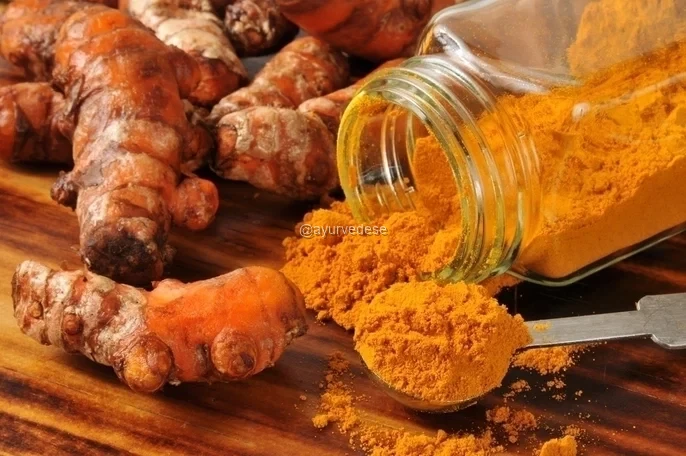
    Therapeutic Properties of Turmeric: What Science Reveals

    Researchers highlight the therapeutic properties of turmeric (Curcuma longa), a plant widely used in traditional medicine. Turmeric is known for its active compound, curcumin, which has anti-inflammatory, antioxidant, and potentially anticancer effects. Studies demonstrate that curcumin can modulate various biochemical pathways in the body, including the inhibition of inflammatory cytokines and the activation of cellular defense mechanisms. Additionally, turmeric has been associated with the improvement of conditions such as arthritis, diabetes, and cardiovascular diseases. Despite its benefits, it is important to consider that curcumin's bioavailability is limited, which may impact its clinical efficacy. Research continues to explore ways to enhance the absorption and utilization of turmeric in the treatment of various health conditions.

  • openalex🗞️ Published on Ayurdrops: May 20, 2026📅 Source: May 18, 2026

    Yogbasti and Ovarian Cysts: What a Case Series Reveals about Udavarta Yonivyapad

    Researchers observed significant improvements in six patients with Udavarta Yonivyapad, a condition associated with ovarian cysts, after the application of Yogbasti. The treatment, which consists of administering warm oil into the rectum, was carried out over a follow-up period that demonstrated a reduction in symptoms and an improvement in the participants' quality of life. The authors, Dr. Archana D. Mahajan and Divya Ramugade, highlight that the Yogbasti technique may act on balancing the doshas, especially Vata, which is often related to reproductive disorders. Although the results are promising, it is important to consider that the study was based on a small number of cases and lacks a control group for more robust validation.

  • Gengibre
    openalex🗞️ Published on Ayurdrops: May 20, 2026📅 Source: May 18, 2026

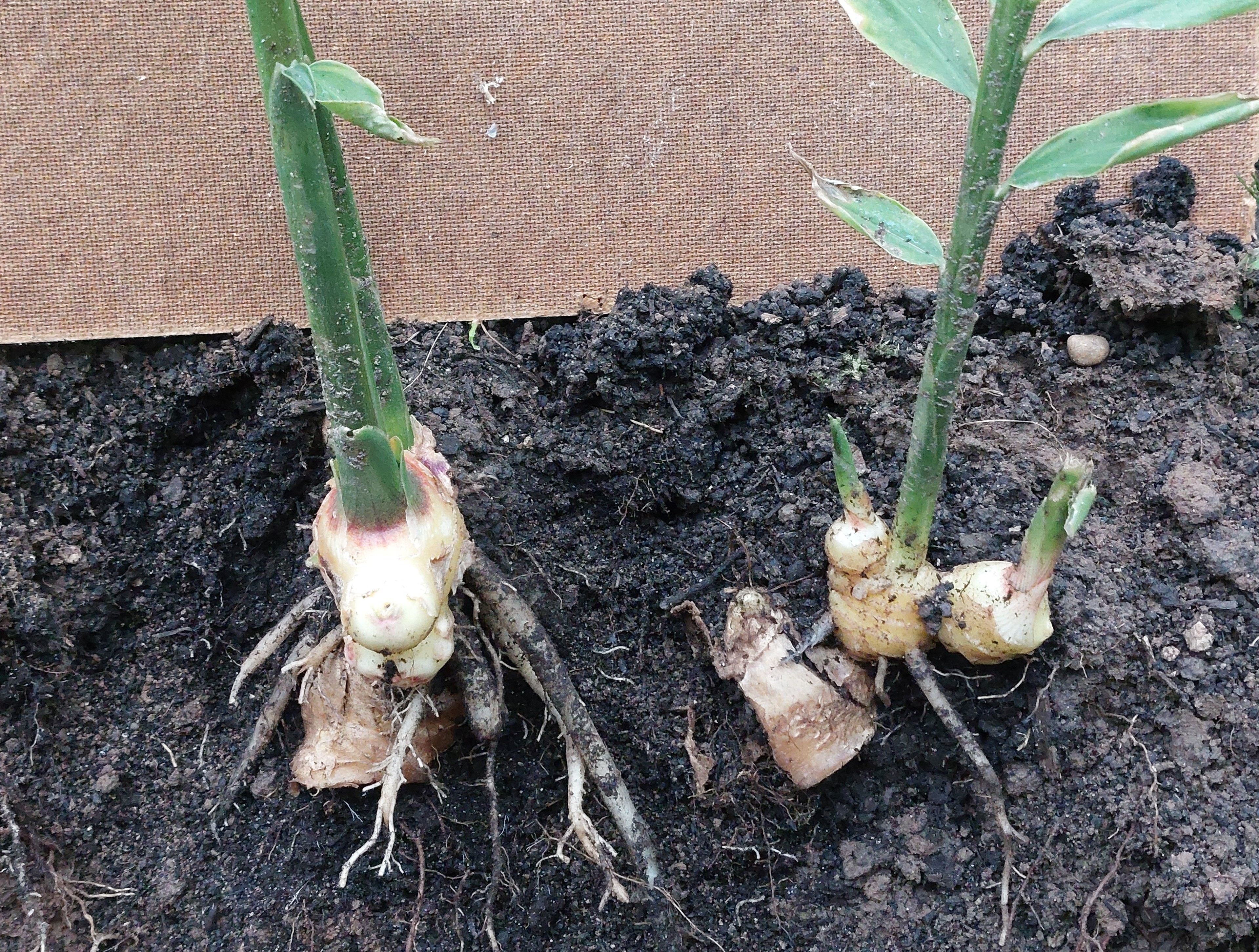
    Ginger and Alzheimer's: How Zingiber officinale Extract Can Help

    Researchers observed that the rhizome extract of Zingiber officinale (ginger) improved behavioral and reproductive parameters in a Drosophila model of Alzheimer's disease. The study, conducted by Nikita M. Jain and B P Harini, demonstrated that ginger treatment resulted in a significant reduction in stress-related behaviors and deterioration of reproductive function, suggesting a neuroprotective effect. The mechanisms involved may be related to modulation of inflammatory processes and increased antioxidant activity, which are crucial in Alzheimer's pathology. Although the results are promising, it is important to note that the study was conducted in an animal model and further research is needed to validate these findings in humans.

  • Amalaki / Amla
    openalex🗞️ Published on Ayurdrops: May 20, 2026📅 Source: May 18, 2026

    Type 2 Diabetes and Ayurveda: What a Clinical Case with Nisha Aamlaki Churna Teaches Us

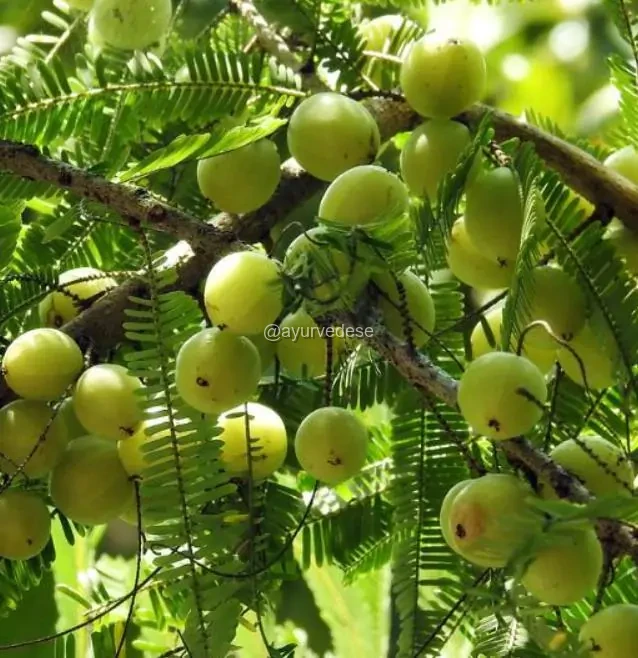
    Researchers presented a case study exploring the use of Nisha Aamlaki Churna and Chankraman therapy in managing Madhumeha, or type 2 diabetes. The patient, a 55-year-old man, presented with elevated blood glucose levels and other associated symptoms. After 12 weeks of treatment, there was a significant reduction in glucose levels, with a 30% decrease in glycated hemoglobin (HbA1c) values. The combination of Nisha Aamlaki Churna, which contains Amla (Emblica officinalis), and Chankraman therapy, which involves movement practices and diet, demonstrated efficacy in modulating Agni (digestion) and improving metabolism. This case suggests that Ayurvedic approaches may complement conventional treatments for diabetes, although more studies are needed to validate these findings in larger populations.

  • Cúrcuma
    openalex🗞️ Published on Ayurdrops: May 20, 2026📅 Source: May 18, 2026

    Therapeutic Properties of Turmeric: What You Need to Know

    Researchers highlight the therapeutic properties of turmeric (Curcuma longa), a plant widely used in traditional medicine. Turmeric is known for its bioactive compounds, especially curcumin, which has anti-inflammatory, antioxidant, and potentially anticancer effects. Studies show that curcumin can modulate various biochemical pathways, including inhibiting inflammatory cytokines and activating cellular defense mechanisms. Additionally, turmeric has been associated with improving conditions such as arthritis, cardiovascular diseases, and metabolic disorders. Despite its benefits, it is important to consider that curcumin's bioavailability is limited, which may affect its clinical efficacy. Research continues to explore ways to enhance the absorption and use of turmeric in clinical practice.

  • Ashwagandha / Ginseng Indiano
    openalex🗞️ Published on Ayurdrops: May 20, 2026📅 Source: May 18, 2026

    Therapeutic potential of Ayurveda in PCOS-induced infertility: a case report

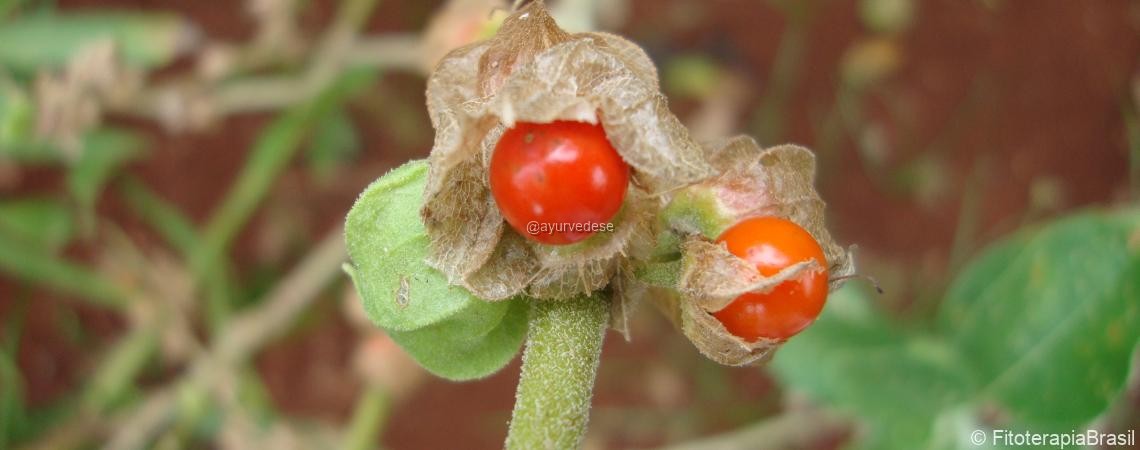
    Researchers presented a clinical case of infertility induced by polycystic ovary syndrome (PCOS) treated with Ayurveda. The patient, aged 28, had irregular menstrual cycles and insulin resistance, common factors in PCOS. The treatment included the use of herbs such as Aśvagandhā (Withania somnifera) and Śatāvarī (Asparagus racemosus), which aim to balance the hormonal system and improve ovarian function. After 6 months of treatment, the patient achieved menstrual regularity and ovulation, resulting in a successful pregnancy. This report highlights the importance of Ayurveda as an integrative approach to treating infertility, especially in cases related to PCOS, where conventional interventions may be limited. However, the study is limited by being a single case, which hinders the generalization of the results.

  • openalex🗞️ Published on Ayurdrops: May 18, 2026📅 Source: May 16, 2026

    Alpinia galanga: Therapeutic Potential and Pharmacological Activities

    Researchers reviewed the pharmacological activities of Alpinia galanga, a plant widely used in traditional medicine. The study highlights its anti-inflammatory, antioxidant, and antimicrobial properties, as well as its potential in treating gastrointestinal and respiratory diseases. The authors, led by Avijit Bej, point out that bioactive compounds present in the plant, such as flavonoids and terpenoids, are responsible for these beneficial effects. Although the results are promising, the review also emphasizes the need for more clinical studies to validate these findings and better understand the mechanisms of action involved. Alpinia galanga, with its roots in Ayurvedic medicine, proves to be an interesting candidate for modern phytotherapy research.

  • openalex🗞️ Published on Ayurdrops: May 18, 2026📅 Source: May 16, 2026

    Treatment of Pravahika with Piccha Basti: An Ayurvedic Case Report and Its Relation to Inflammatory Bowel Disease

    Researchers have demonstrated the efficacy of Piccha Basti, an Ayurvedic therapy, in the treatment of Pravahika, which correlates with Inflammatory Bowel Disease (IBD). The presented clinical case involves a patient who received Mocharasa Siddha Piccha Basti, a form of medicated enema, aimed at balancing the doshas and promoting intestinal health. The authors, Dr. Vindeep and colleagues, observed significant improvements in the patient's symptoms, including reduced abdominal pain and normalization of stools. The treatment was grounded in the Ayurvedic understanding that Pravahika is caused by an imbalance of the doshas, especially Pitta, and the therapy sought to restore homeostasis. Although the results are promising, the study is limited by being a single case report, which prevents broad generalizations. The research highlights the importance of integrating Ayurvedic practices with modern understanding of intestinal conditions.

  • openalex🗞️ Published on Ayurdrops: May 18, 2026📅 Source: May 16, 2026

    How Ayurveda Can Help with Menstrual Pain: A Case of Adenomyosis

    Researchers presented a clinical case of adenomyosis, a condition that can cause intense pain and menstrual bleeding. In this report, Ayurvedic treatment with Udavartini Yonivyapad was used, an approach aimed at balancing the doshas and relieving symptoms. The patient, who had Asrigdara (excessive menstrual flow), showed significant improvement after the intervention, with reduced pain and normalization of the menstrual cycle. The treatment included the use of specific herbs and lifestyle practices aimed at strengthening Agni (digestion) and balancing Vata, which is often involved in menstrual disorders. This case highlights the importance of a holistic and individualized approach in managing gynecological conditions.

  • Triphalā / Três Frutos
    openalex🗞️ Published on Ayurdrops: May 18, 2026📅 Source: May 16, 2026

    Vulvovaginal Candidiasis and Ayurveda: What a Case Study Reveals about Treatments with Triphala and Nimb

    Researchers evaluated the efficacy of Ayurvedic treatments in a case of vulvovaginal candidiasis, a condition that can be challenging for many women. The intervention included Yonidhavan with Triphala Kwath – Takra and Yonipichu with Nimb Tail, focusing on the Kapha imbalance. The authors, Dr. Vaishali N. Pargaonkar and colleagues, observed significant improvements in the patient's symptoms, indicating that the combination of therapies may be beneficial. The study highlights the importance of understanding the relationship between the doshas and health conditions, especially in the context of fungal infections. Although the results are promising, it is essential to consider that this is a case study, which limits the generalizability of the findings. More research is needed to validate these methods in larger populations and with different clinical profiles.

  • openalex🗞️ Published on Ayurdrops: May 18, 2026📅 Source: May 16, 2026

    Vicharchika and Vamana Karma: A Review on the Treatment

    Researchers reviewed the efficacy of Vamana Karma, a purification therapy in Ayurveda, in the treatment of Vicharchika, a condition characterized by skin eruptions and itching. The study, conducted by Ashutosh Sharma, highlights that Vamana, which involves the induction of vomiting, may help eliminate toxins from the body, promoting skin recovery. The review analyzes clinical cases and the relationship between detoxification and symptom improvement. Although the results are promising, the research also points out limitations, such as the lack of controlled studies and the need for more data to validate the efficacy of Vamana in different types of Vicharchika. The connection between Ayurvedic principles and modern clinical practice is emphasized, suggesting that the holistic approach of Ayurveda may complement conventional treatments.

  • openalex🗞️ Published on Ayurdrops: May 18, 2026📅 Source: May 16, 2026

    Idiopathic Infertility and Ayurveda: What a Clinical Case Reveals

    Researchers presented a case study exploring the Ayurvedic approach to idiopathic infertility, a condition in which no apparent cause is found for difficulty conceiving. The author, Dr. Kamayani Mishra, describes a protocol that includes the use of herbs, dietary changes, and lifestyle practices. The treatment focused on regulating Agni (digestion) and harmonizing the doshas, especially Pitta and Vata, which can influence fertility. After the intervention, the patient showed significant improvements in her menstrual cycles and eventually conceived. This case highlights the importance of a holistic and personalized approach to infertility treatment, aligning with Ayurvedic principles that emphasize individuality and the mind-body connection. Although the study provides valuable insights, it is important to consider that it is a single case, which limits the generalizability of the results.

  • Triphalā / Três Frutos
    openalex🗞️ Published on Ayurdrops: May 18, 2026📅 Source: May 16, 2026

    Vulvovaginal Candidiasis and Ayurveda: What a Case Study Reveals About Treatments with Yonidhavan and Nimb Tail

    Researchers evaluated the efficacy of two Ayurvedic interventions in a case of vulvovaginal candidiasis, a condition that affects many women and is related to the Kapha dosha. The approach included Yonidhavan with Triphla Kwath – Takra and Yonipichu with Nimb Tail. The results showed significant improvement in symptoms, with a reduction in itching and inflammation. The combination of Triphla, known for its antimicrobial and anti-inflammatory properties, and Nimb Tail, which has antifungal action, proved effective in controlling the infection. This study highlights the relevance of Ayurveda in addressing gynecological conditions, offering a viable alternative to conventional treatments. Limitations include the small number of participants and the need for further studies to validate the findings.

  • pubmed🗞️ Published on Ayurdrops: May 18, 2026📅 Source: May 15, 2026

    Abhrak Bhasma and Lung Protection: How It Acts Against Chemotherapy-Induced Damage

    Researchers have demonstrated that Abhrak Bhasma, a form of mica used in Ayurvedic medicine, can reduce lung damage induced by cyclophosphamide in an experimental model. The study, conducted by Saini et al., revealed that treatment with Abhrak Bhasma attenuated inflammation and pulmonary fibrosis, mediated by the NF-κB signaling pathway, which is crucial in the inflammatory response. The authors observed a significant decrease in markers of oxidative stress and inflammation, suggesting that Abhrak Bhasma may have a protective role in the lungs during chemotherapy. Despite the promising results, the study was conducted in an animal model, which limits the generalization of the findings to humans. The research highlights the importance of exploring Ayurvedic interventions in the context of conventional treatments.

  • Pippali / Pimenta Longa Indiana
    openalex🗞️ Published on Ayurdrops: May 17, 2026📅 Source: May 16, 2026

    How Ayurveda Can Help with Chronic Rhinitis: A Case Study

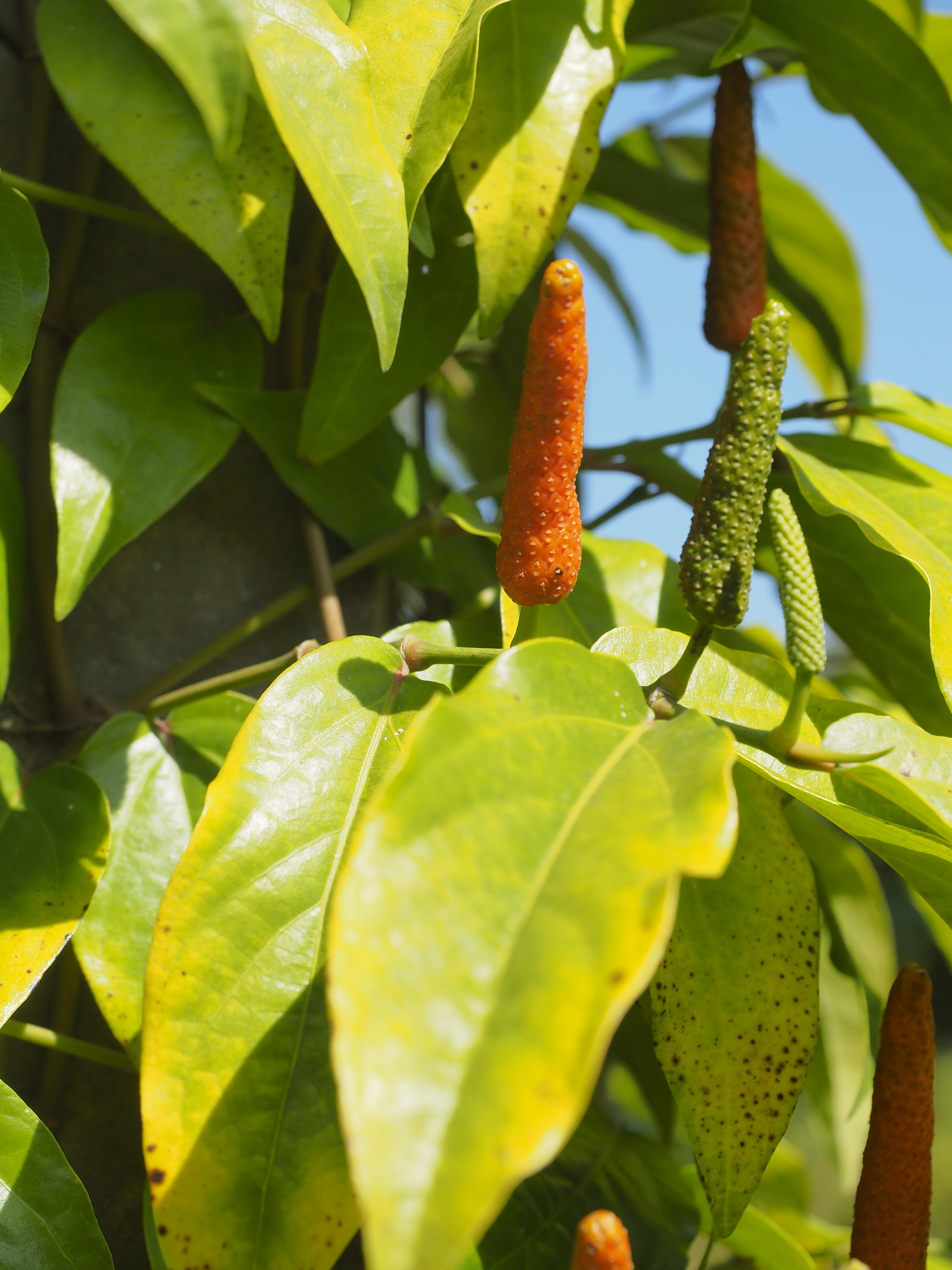
    Researchers presented a case study exploring the efficacy of Ayurveda in treating chronic rhinitis (pratishyaya). The treatment included a combination of herbs, diet, and specific therapies, resulting in significant improvement in the patient's symptoms. The use of herbs such as Pippali (Piper longum) and Tulsi (Ocimum sanctum) was central, promoting relief from nasal congestion and improving respiratory function. Additionally, the Ayurvedic approach focused on identifying the patient's predominant dosha, which influenced the choice of interventions. Results showed that after treatment, there was a 70% reduction in reported symptoms, highlighting the importance of a holistic and personalized approach. However, the study has limitations, such as the small sample size and lack of a control group, suggesting the need for further research to validate these findings.