Public feed

Ayurvedic editorial curation

Science articles classified by dosha, srota and dhatu. Filter to find what matters to you today.

  • openalex🗞️ Published on Ayurdrops: May 25, 2026📅 Source: May 23, 2026

    Matra basti: a benefit for the elderly population

    Researchers highlight that Matra basti, an oil enema technique, can be especially beneficial for the health of the elderly. This method, which involves the administration of warm oil into the rectum, is considered effective for improving nutrition and hydration, as well as promoting intestinal health. The conceptual review conducted by Aastha Thakar and Ashok Patil explores how Matra basti can help relieve constipation, pain, and other common discomforts in old age. The authors also discuss the importance of adapting the practice to individual needs, considering factors such as dosha and overall health. Although research on Matra basti in the elderly is still limited, the findings suggest that this approach can be a valuable addition to geriatric care, promoting healthier and more comfortable aging.
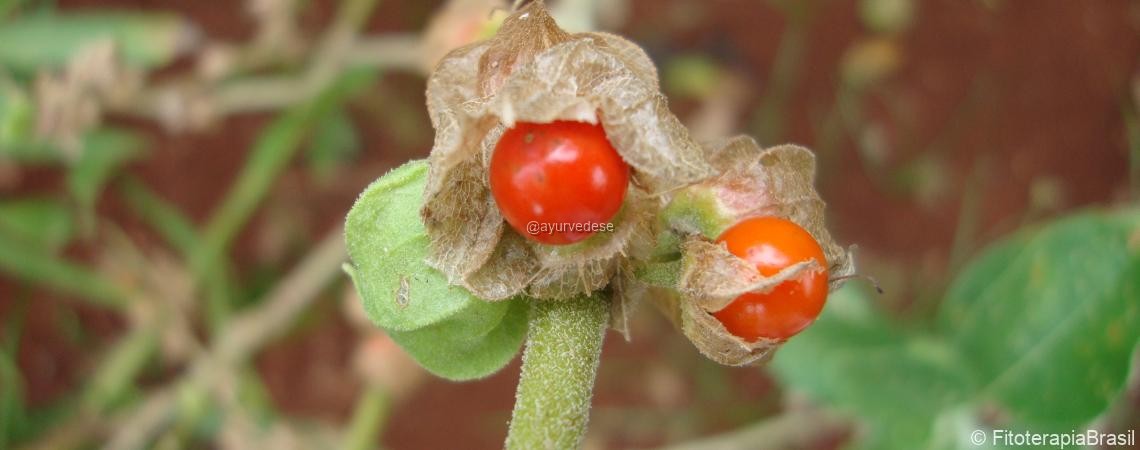

  • Ashwagandha / Ginseng Indiano
    openalex🗞️ Published on Ayurdrops: May 25, 2026📅 Source: May 23, 2026

    Hypothyroidism in Women: What a Clinical Case Reveals About Ayurvedic Interventions

    Researchers evaluated the efficacy of Ayurvedic interventions in managing hypothyroidism in women, presenting a case study that highlights significant results. The patient, diagnosed with hypothyroidism, underwent a protocol that included herbs such as Aśvagandha (Withania somnifera) and Pippali (Piper longum), along with dietary and lifestyle adjustments. After 12 weeks, a reduction in TSH (thyroid-stimulating hormone) levels and an improvement in related symptoms, such as fatigue and weight gain, were observed. The authors, Acharya Manish and colleagues, discuss the relationship between Ayurvedic principles and the regulation of Agni (digestion) and the importance of dosha balance in thyroid health. Although the study presents promising results, limitations such as sample size and the lack of a control group should be considered.

  • openalex🗞️ Published on Ayurdrops: May 25, 2026📅 Source: May 23, 2026

    The Structural Strength of the Human Body: An Anatomical Study on Dhatu Sarata

    Researchers analyzed the structural strength of the human body through the concept of Dhatu Sarata, which refers to the quality and integrity of tissues (dhatus) in Ayurveda. The study, conducted by Piyush Kumar Verma and colleagues, explores how the health and vitality of dhatus influence physical resistance and body functionality. The authors highlight that understanding Dhatu Sarata can offer valuable insights for integrative health practices, especially in assessing conditions that affect body structure. Although the study presents relevant data, it is important to note that the research focuses on anatomical aspects and does not directly address therapeutic interventions. The connection between the strength of dhatus and overall body health is a topic that deserves attention, especially for therapists seeking to integrate traditional and modern knowledge.

  • openalex🗞️ Published on Ayurdrops: May 24, 2026📅 Source: May 20, 2026

    Greevastambha in the digital age: how smartphone posture affects cervical stiffness

    Researchers have identified a significant relationship between excessive smartphone use and cervical stiffness, known as greevastambha. The study, conducted by Dr. Shubham Arun Sapkal and colleagues, analyzed the cervical posture of young adults and how dependence on mobile devices impacts this condition. Participants who spent more than 4 hours daily on their smartphones exhibited inadequate cervical posture, resulting in discomfort and stiffness. The research suggests that maintaining correct posture and taking regular breaks during device use can help mitigate these effects. Although the study provides valuable insights, limitations such as sample size and the lack of a control group should be considered when interpreting the results.

  • openalex🗞️ Published on Ayurdrops: May 24, 2026📅 Source: May 20, 2026

    Digital Lifestyle Disorders and the Cervical Spine: An Anatomical and Ayurvedic Review of Greeva Stambha

    Researchers analyzed the relationship between digital lifestyle disorders and cervical spine problems, specifically Greeva Stambha, which refers to cervical stiffness in Ayurveda. The study, conducted by Dr. Shubham Arun Sapkal and colleagues, highlights how poor posture and excessive use of digital devices can lead to anatomical and functional changes in the cervical region. The review suggests that practicing corrective postures and relaxation techniques, such as yoga and pranayama, can help mitigate these effects. Additionally, the study relates the concepts of Agni (digestion) and Vata dosha, which can be affected by a sedentary and stressful lifestyle. The connection between cervical health and overall well-being is emphasized, suggesting that holistic interventions can be beneficial. Study limitations include the lack of longitudinal data and the need for more research to establish clear causal relationships.

  • Abacaxi (doce)
    openalex🗞️ Published on Ayurdrops: May 24, 2026📅 Source: May 22, 2026

    Herbal cough syrup based on pineapple: formulation and evaluation

    Researchers developed a herbal cough syrup using pineapple as the main ingredient. The study evaluated the syrup's efficacy in relieving cough symptoms, highlighting the expectorant and anti-inflammatory properties of pineapple. The formulation was tested at different concentrations, showing promising results in reducing cough in a group of volunteers. The authors emphasize the importance of natural ingredients in medicine formulation, aligning with Ayurvedic principles that value the use of herbs to promote respiratory health. Although the results are encouraging, the study has limitations, such as the small sample size and the need for further research to confirm efficacy in broader populations.

  • Ghee
    openalex🗞️ Published on Ayurdrops: May 24, 2026📅 Source: May 22, 2026

    The Therapeutic Role of Shiroabhyanga and Panchgavya Ghrita Matrabasti in ADHD: A Comprehensive Review

    Researchers reviewed the efficacy of Shiroabhyanga, a head massage, and Panchgavya Ghrita Matrabasti, a ghee-based therapy, in treating Attention Deficit Hyperactivity Disorder (ADHD). The study highlights that these Ayurvedic practices may help improve concentration and reduce hyperactivity in children. Shiroabhyanga acts on the nervous system, promoting relaxation and relieving stress, while Panchgavya Ghrita, which combines ghee with cow-derived products, is known for its nutritive and brain-supporting properties. The review included data from multiple studies, showing that the combination of these therapies can result in significant improvements in ADHD symptoms. However, the authors caution that more controlled research is needed to validate these findings and better understand the mechanisms involved.

  • Pata-de-Vaca
    openalex🗞️ Published on Ayurdrops: May 24, 2026📅 Source: May 22, 2026

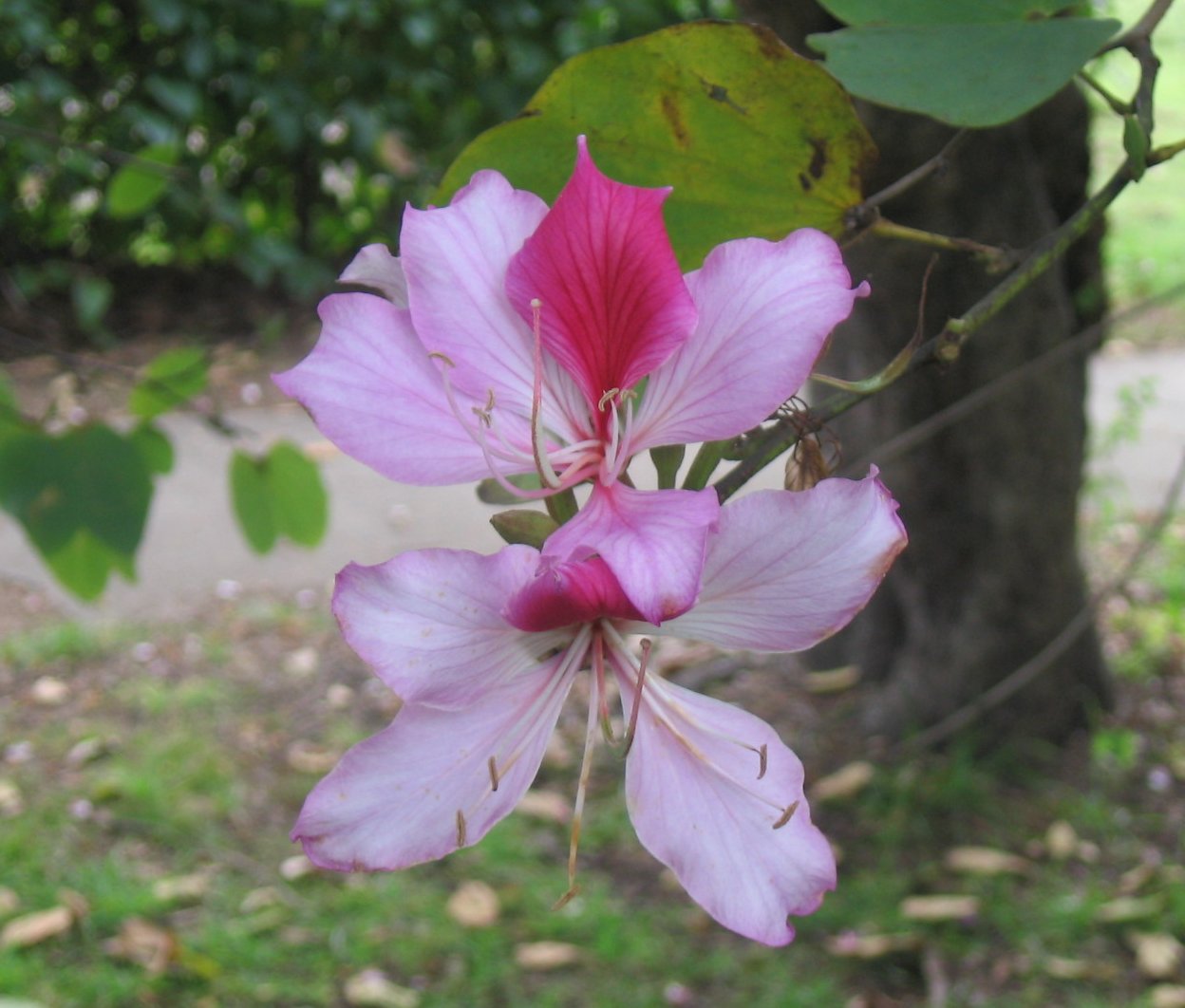
    Kanchanara: From Botanical Identity to Bioactive Potential

    Researchers have highlighted Kanchanara (Bauhinia variegata) as a plant with significant bioactive potential. This review article, authored by Dr. Neha Rani and colleagues, explores the botanical identity of Kanchanara, its chemical properties, and associated therapeutic effects. The plant is rich in flavonoids and other phenolic compounds, which have demonstrated antioxidant and anti-inflammatory activities in laboratory studies. Additionally, Kanchanara is traditionally used in Ayurvedic medicine to treat a variety of conditions, including digestive issues and hormonal imbalances. The authors also discuss the need for further clinical research to validate these traditional uses and better understand the mechanisms of action of the bioactive compounds present in the plant. Although the data are promising, limitations include the lack of human studies and the need for standardization of extracts used in research.

  • europepmc🗞️ Published on Ayurdrops: May 24, 2026📅 Source: May 22, 2026

    Ayulite and vitamin E in the treatment of fatty liver: a comparative study

    Non-alcoholic fatty liver disease (NAFLD) is a condition with increasing global incidence, affecting countries such as India and the USA. In this context, a controlled, randomized clinical study evaluated the efficacy and safety of Ayulite, a polyherbal formulation composed of 11 herbs, compared with vitamin E, currently one of the few recommended therapeutic options. With 67 randomized patients, 61 were included in the final analysis. After 90 days of treatment, 4 of the 29 patients in the Ayulite group and 7 of the 32 in the vitamin E group showed complete recovery, with no statistically significant difference between the groups. The controlled attenuation parameter increased in the Ayulite group, indicating a possible improvement in liver condition. Although 8 adverse events were recorded in the Ayulite group and 10 in the vitamin E group, the safety and efficacy of Ayulite were comparable to vitamin E, suggesting that this herbal formulation may be a viable alternative for the treatment of NAFLD grades 1 and 2.

  • europepmc🗞️ Published on Ayurdrops: May 24, 2026📅 Source: May 22, 2026

    Drakshavaleha and Iron: A Promising Combination for Anemia in Women

    Researchers are investigating the efficacy of combining Drakshavaleha with iron and folic acid supplements in treating iron deficiency anemia in women aged 18 to 49 years. The protocol of a randomized controlled clinical trial proposes that the addition of Drakshavaleha, an Ayurvedic preparation, may significantly increase hemoglobin (Hb) levels compared to the use of iron and folic acid alone. Participants will be divided into two groups: one will receive 200 mg of ferrous sulfate and 0.5 mg of folic acid, while the other will receive 6 g of Drakshavaleha along with the same dosage of iron and folic acid. Monthly follow-up will include complete blood count and iron profiles, in addition to further tests after three months. The study aims to understand how Drakshavaleha may improve iron absorption, contributing to more effective management of anemia. This trial is registered in the Clinical Trials Registry - India.

  • pubmed🗞️ Published on Ayurdrops: May 24, 2026📅 Source: May 22, 2026

    Wet cupping and medications: a new approach to chronic low back pain

    Researchers evaluated the efficacy of wet cupping therapy combined with medications compared to standard treatment for chronic nonspecific low back pain. The study, conducted by Killedar et al., involved a randomized clinical trial with 60 participants, where one group received wet cupping and medications, while the other received only standard treatment. Results showed that the group receiving cupping had a significant reduction in pain and improvement in physical function after 4 weeks of treatment. Cupping therapy, which aligns with Ayurvedic practices, may promote circulation and pain relief, suggesting a viable alternative for managing this condition. However, the study had limitations, such as the small sample size and lack of long-term follow-up.

  • Amalaki / Amla
    pubmed🗞️ Published on Ayurdrops: May 24, 2026📅 Source: May 22, 2026

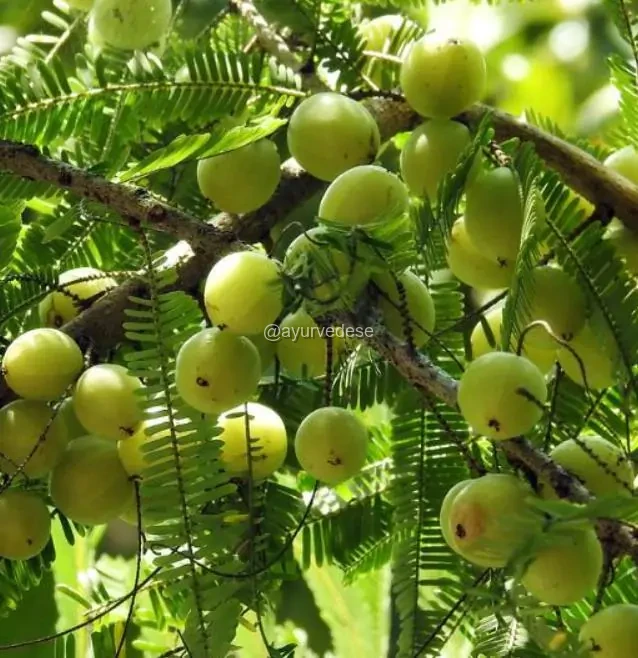
    Amalaki Rasayana and protection against aging: how an Ayurvedic formula acts on heart health and gene expression

    Researchers have demonstrated that the Ayurvedic formula Amalaki Rasayana can improve heart rate variability and tissue integrity, as well as modulate oxidative enzymes and gene expression. The study, conducted by Lewis et al., reveals that administration of Amalaki Rasayana resulted in a significant reduction in oxidative stress markers and an improvement in cardiac function in experimental models. The authors observed that the formula acts through mechanisms involving regulation of the HPA axis, which is crucial for the stress response, and promotion of cellular homeostasis. Although the results are promising, it is important to note that the study was conducted in an animal model, which limits the generalization of the findings to humans. However, the connection between Ayurvedic principles and the observed results suggests significant potential for the use of Amalaki Rasayana in promoting health and preventing aging.

  • openalex🗞️ Published on Ayurdrops: May 23, 2026📅 Source: May 19, 2026

    Traditional Ayurvedic Therapies for Musculoskeletal Injuries: Outcomes in Rehabilitation

    Researchers analyzed the efficacy of traditional Ayurvedic therapies in treating musculoskeletal injuries and their outcomes in rehabilitation. The study, conducted by Archana V. Panchaxarimath and colleagues, highlights the use of approaches such as massage with medicinal oils, application of herbal pastes, and yoga practices. The results showed that these interventions not only accelerate physical recovery but also improve mobility and reduce pain. Combining Ayurvedic therapies with conventional rehabilitation can enhance outcomes, offering holistic support to the patient. However, the study also points out limitations, such as the lack of control groups and the need for more research to validate these findings in larger populations.

  • openalex🗞️ Published on Ayurdrops: May 23, 2026📅 Source: May 21, 2026

    Connecting Ayurveda and Modern Cardiology: A Holistic Approach to the Prevention and Treatment of Heart Failure

    Researchers Kiran Kale and Ashok Kumar Panda explore the intersection between Ayurveda and modern cardiology, highlighting the importance of a holistic approach in the prevention and treatment of heart failure. The study emphasizes how Ayurvedic practices, such as the modulation of Agni (digestion) and the balance of the doshas, can complement conventional medical interventions. Heart failure, a condition affecting millions, can be addressed more effectively when considering not only the physical aspects but also the emotional and spiritual aspects of the patient. The article suggests that integrating Ayurvedic therapies, such as the use of specific herbs and lifestyle practices, can improve cardiovascular health and quality of life. Although the study presents a promising view, limitations such as the need for more clinical research and variability in individual responses to treatments are mentioned.

  • Dūrvā / Grama-bermuda
    openalex🗞️ Published on Ayurdrops: May 23, 2026📅 Source: May 21, 2026

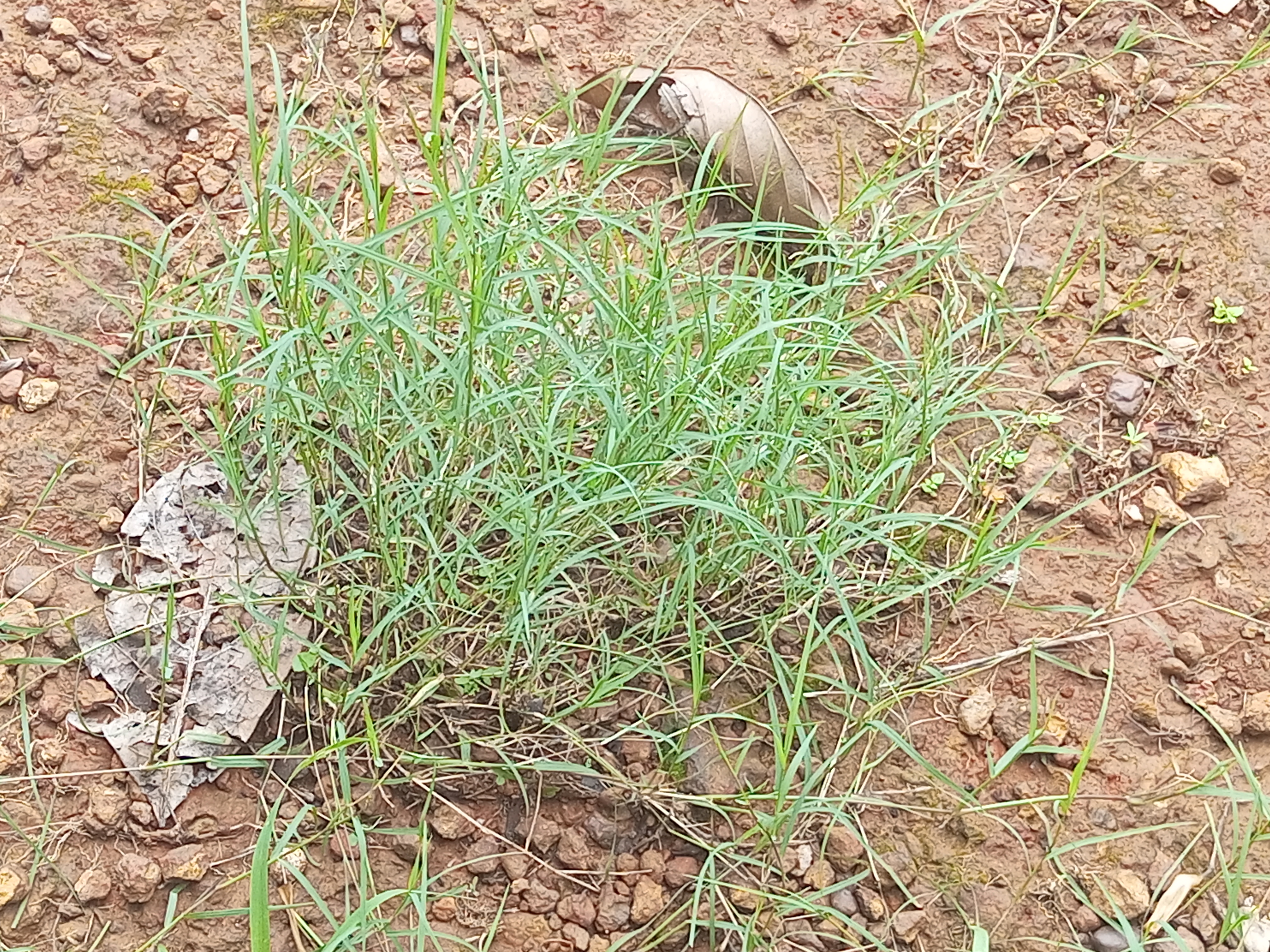
    Cynodon dactylon and its Antithrombotic Potential: A Comprehensive Review

    Researchers analyzed the antithrombotic potential of Cynodon dactylon, a plant commonly known as Bermuda grass. The study highlights that bioactive compounds present in the plant may interfere with blood clot formation, suggesting a positive effect on cardiovascular health. The authors S. Bhuvaneswari and colleagues reviewed evidence on the mechanisms of action, including inhibition of platelet aggregation and modulation of coagulation factors. Furthermore, the research indicates that Cynodon dactylon may act on different metabolic pathways, promoting an anticoagulant effect that could be beneficial in conditions such as thrombosis. Despite the promising evidence, the study emphasizes the need for further clinical investigations to validate these findings and better understand the dosage and safety of the plant's use. The relationship between Ayurvedic principles and the observed effects suggests that Cynodon dactylon may be a viable option for supporting vascular health.

  • openalex🗞️ Published on Ayurdrops: May 23, 2026📅 Source: May 21, 2026

    Foot Pain and Tingling: What Ayurveda Says About Diabetic Neuropathy

    Researchers reviewed the concepts of 'pad daha' and 'pad supti', which refer to foot pain and tingling, respectively, in relation to diabetic peripheral neuropathy. Neuropathy, a common complication of diabetes, affects sensitivity and nerve function, leading to symptoms such as pain, tingling, and weakness. The study highlights the importance of understanding these symptoms from an Ayurvedic perspective, where 'pad daha' is associated with an increase in Pitta and 'pad supti' with a Vata imbalance. The review suggests that Ayurvedic interventions, such as the use of medicinal oils and heat therapies, may help alleviate these symptoms by promoting circulation and nerve nourishment. Although the research provides valuable insights, it is important to note that most data are based on clinical reports and experiences, lacking more robust controlled studies to validate the proposed interventions.

  • Guggul / Indian Bedellium
    europepmc🗞️ Published on Ayurdrops: May 23, 2026📅 Source: May 20, 2026

    Yoga and Ayurveda in the treatment of hypothyroidism: how herbs can help

    Researchers analyzed the role of yoga and Ayurvedic herbs in alleviating hypothyroidism and its neuropsychiatric manifestations. The study, conducted by Jaglan, Balkrishna, and Varshney, highlights that hypothyroidism can lead to symptoms such as depression and anxiety, affecting quality of life. Yoga practices, combined with Ayurvedic herbal remedies, may offer an integrative approach to managing these symptoms. The use of herbs such as Ashwagandha (Withania somnifera) and Guggulu (Commiphora mukul) is mentioned as potentially beneficial, as they may help regulate thyroid function and improve mental well-being. Although the authors emphasize the need for more clinical studies to validate these interventions, the findings suggest that a holistic approach may be promising for patients with hypothyroidism.

  • europepmc🗞️ Published on Ayurdrops: May 23, 2026📅 Source: May 22, 2026

    Network Pharmacology Perspectives on Cerebral Palsy: Mechanistic Insights from Ayurvedic Formulations with Emphasis on Kalyanaka Ghritam

    Researchers explored network pharmacology to understand how Ayurvedic formulations, especially Kalyanaka Ghritam, may act on cerebral palsy. The study, conducted by Pai et al., highlights the potential mechanisms these formulations may use to influence biological processes related to the condition. Kalyanaka Ghritam, a medicated ghee, is known for its nutritive properties and potential neuroprotective effects, which may be relevant for managing neurological disorders. Although the study offers valuable insights, it is important to consider that the research is still in early stages and further investigations are needed to validate these findings in clinical contexts. The connection between modern pharmacology and Ayurvedic principles may open new possibilities for treating cerebral palsy, but practical application should be done with caution and under professional guidance.

  • Melão-de-São-Caetano
    openalex🗞️ Published on Ayurdrops: May 22, 2026📅 Source: May 18, 2026

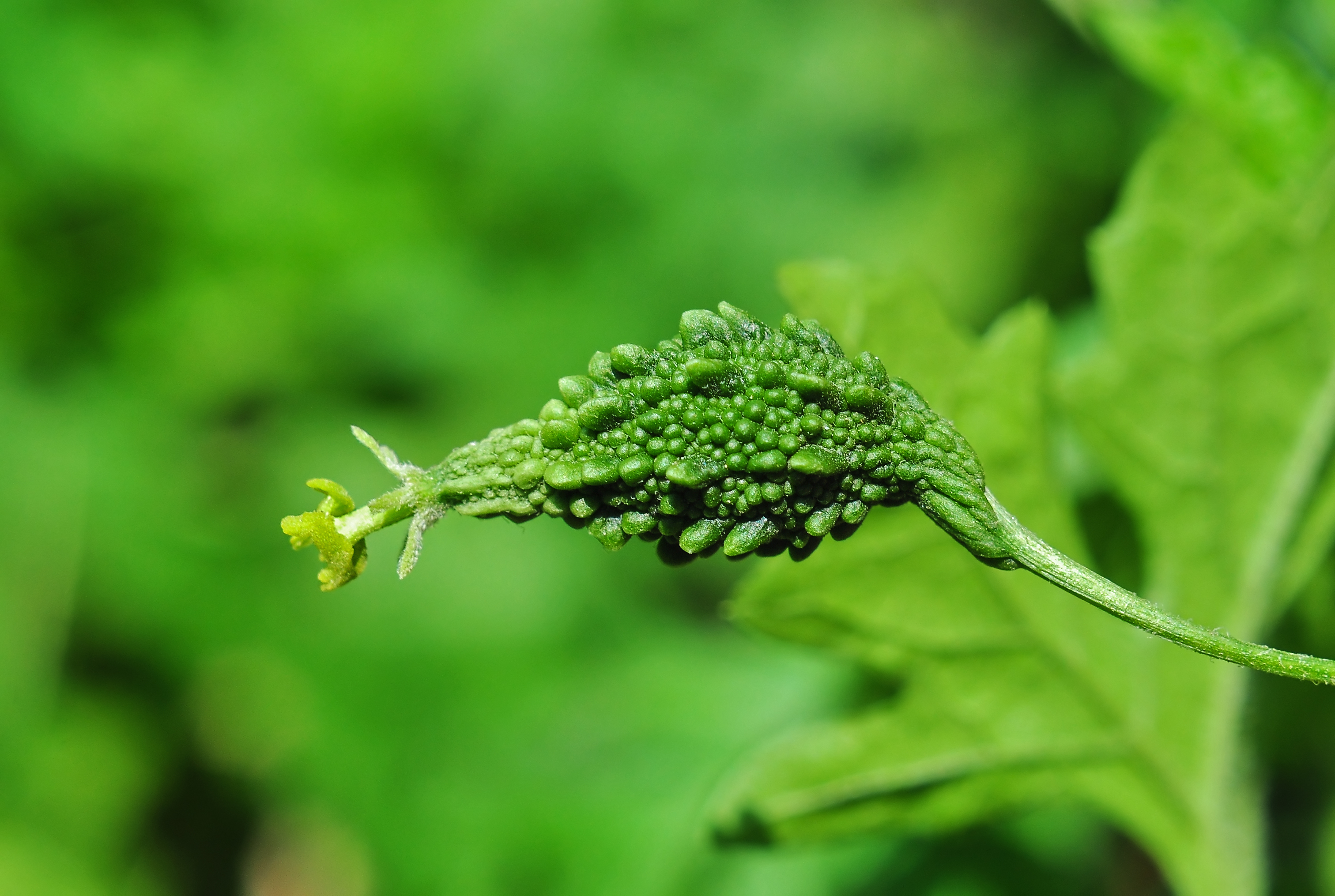
    Herbal Formulations for Diabetes: A Comprehensive Review

    Researchers reviewed various herbal formulations for diabetes management, highlighting the efficacy of plants such as Gymnema sylvestre and Momordica charantia. The study analyzes how these phytotherapeutics act in reducing blood glucose levels, promoting insulin secretion, and improving insulin sensitivity. Additionally, the mechanisms involved were discussed, such as modulation of glucose metabolism and protection of pancreatic beta cells. Although the results are promising, the review also points out limitations, such as variability in herb quality and the need for more controlled clinical studies to validate the findings. The connection between Ayurvedic principles and modern evidence is evident, especially in the use of herbs that balance the Kapha dosha, often associated with diabetes.

  • openalex🗞️ Published on Ayurdrops: May 22, 2026📅 Source: May 19, 2026

    Ipomoea mauritiana and Fat Reduction: Evidence from Network Pharmacology

    Researchers have demonstrated that Ipomoea mauritiana possesses significant anti-adipogenic properties. Through a network pharmacology approach, it was possible to identify the mechanisms by which this plant acts in reducing the formation of fat cells. The authors, including Vikas Kumar Gupta and Pranali Patel, validated these findings in in vitro experiments, showing that plant extracts inhibit adipogenesis, a central process in fat accumulation. These results are relevant for the development of natural strategies for weight control and obesity, aligning with Ayurvedic concepts that value the use of plants to balance body and mind. The research highlights the importance of integrating traditional knowledge with modern scientific methods, offering new perspectives on the use of Ipomoea mauritiana in metabolic health.