Public feed

Ayurvedic editorial curation

Science articles classified by dosha, srota and dhatu. Filter to find what matters to you today.

  • pubmed🗞️ Published on Ayurdrops: May 28, 2026📅 Source: May 15, 2026

    Vascular function and heart health: what a study with Ayurvedic herbs and vitamins reveals

    Researchers conducted a randomized, double-blind clinical trial to evaluate the effects of an Ayurvedic herbal formulation combined with vitamins C and E on vascular function in patients with cardiovascular diseases. The study, led by Salerno et al., included 100 participants who received the formulation or a placebo for 12 weeks. Results showed a significant improvement in endothelial function, measured by vascular reactivity, compared to the control group. The combination of Ayurvedic herbs with vitamins appears to have a synergistic effect, promoting cardiovascular health. However, the study had limitations, such as sample size and relatively short duration, suggesting that more research is needed to confirm these findings and understand the mechanisms involved, such as modulation of inflammation and oxidative stress.

  • Funcho
    pubmed🗞️ Published on Ayurdrops: May 28, 2026📅 Source: May 27, 2026

    Shatapushpa Churna and PCOS Symptoms: What a Rat Study Reveals

    Researchers investigated the efficacy of Shatapushpa Churna in reducing symptoms of polycystic ovary syndrome (PCOS) in an experimental rat model. The study, conducted by Gaikwad et al., demonstrated that administration of Shatapushpa powder resulted in significant improvements in hormonal parameters and ovarian function in the animals. Results indicated a reduction in androgen levels and an improvement in the regularity of the estrous cycle, suggesting that Shatapushpa may act on hormonal modulation, possibly through regulation of the HPA axis (hypothalamic-pituitary-adrenal). Although the findings are promising, it is important to consider that the study was conducted in an animal model, which limits the generalization of results to humans. Further research is needed to confirm the efficacy and safety of Shatapushpa Churna in human populations with PCOS.

  • Ghee
    pubmed🗞️ Published on Ayurdrops: May 28, 2026📅 Source: May 27, 2026

    Ghrita Manda Ashchyotana and Ocular Health: Effects in a Dry Eye Model

    Researchers demonstrated that Ghrita Manda Ashchyotana improves tear film stability and corneal integrity in a murine model of dry eye induced by benzalkonium chloride. The study, conducted by Janardhanan RS and colleagues, focused on the expression of interleukin-6 (IL-6), an inflammatory cytokine. Results showed that treatment with Ghrita Manda Ashchyotana significantly reduced IL-6 levels, indicating an anti-inflammatory effect. Additionally, application of Ghrita Manda Ashchyotana resulted in improved tear film quality, essential for ocular health. This study highlights the relevance of Ayurveda in addressing ocular conditions, suggesting that traditional interventions may offer significant benefits compared to conventional treatments.

  • openalex🗞️ Published on Ayurdrops: May 27, 2026📅 Source: May 23, 2026

    Yoga Vasistha and Emotional Balance: An Approach for Modern Students

    Researchers explored how the teachings of the Yoga Vasistha, especially the Sthiti Prakarana, can be applied to promote emotional balance and stress management among students. The study highlights that regular practice of meditation and reflection techniques, as suggested in the classical text, can lead to significant improvement in academic performance and mental health. The authors, P. Sudhan, Tamil Amuthu V, Mohana Krishnan R, and Selvamatharasi, argue that applying these principles can help students better cope with the pressure and anxiety common in modern academic life. Furthermore, the study suggests that integrating Yoga and meditation practices can be an effective strategy to cultivate emotional resilience and improve concentration, essential factors for academic success. Although the results are promising, the study also acknowledges the need for further research to validate these findings in different educational contexts.

  • Babosa / Aloe Vera
    openalex🗞️ Published on Ayurdrops: May 27, 2026📅 Source: May 23, 2026

    Treatment of hemorrhoids: comparison between ligation with Apamarg Kshara Sutra and Snuhi Kshara Sutra

    Researchers compared the efficacy of two ligation techniques for the treatment of hemorrhoids: Apamarg Kshara Sutra and Snuhi Kshara Sutra. The study, conducted by Anjana Kumari, Sumit Kumar, and Deepali Sundari Verma, revealed that both approaches showed positive results, but with significant differences in terms of pain and recovery time. Ligation with Apamarg Kshara Sutra demonstrated less postoperative pain and faster healing time, suggesting that this technique may be preferable for patients seeking a less invasive treatment with quicker recovery. The study highlights the importance of considering individual patient characteristics when choosing the ligation technique, aligning with Ayurvedic principles that emphasize treatment personalization. Study limitations include the small sample size and the lack of a control group, which may affect the generalizability of the results.

  • openalex🗞️ Published on Ayurdrops: May 27, 2026📅 Source: May 24, 2026

    Murvadi Agada and liver protection: what a study in rats reveals to us

    Researchers have demonstrated that the polyherbal formulation Murvadi Agada exhibits significant hepatoprotective activity in a model of methotrexate-induced hepatotoxicity in Wistar rats. The study, conducted by Sachin Mangattu and colleagues, evaluated the efficacy of Murvadi Agada compared with control groups, observing improvements in liver markers. The results indicate that administration of the formulation reduced liver enzyme levels, suggesting a protective effect against liver damage. This finding is relevant in the context of Ayurveda, where liver health is often associated with the balance of the doshas and digestive function. The research highlights the importance of exploring herbal combinations to enhance liver protection, aligning with Ayurvedic principles of holistic care.

  • openalex🗞️ Published on Ayurdrops: May 27, 2026📅 Source: May 24, 2026

    Natural and herbal strategies for Covid-19 and mental health

    Researchers highlight the importance of natural products and herbal strategies in managing Covid-19 and mental health. The study, led by Perwez Alam and colleagues, explores how certain herbs can help mitigate the effects of stress and anxiety exacerbated by the pandemic. Among the strategies discussed are the use of adaptogens, which can regulate the stress response, and herbal remedies that act on immune system modulation. The authors emphasize the need to integrate these approaches with conventional practices for more holistic care. Although the results are promising, it is important to consider that the research is still in early stages and that more studies are needed to validate these interventions on a large scale.

  • Cominho-preto / Krishna-jiraka
    openalex🗞️ Published on Ayurdrops: May 27, 2026📅 Source: May 24, 2026

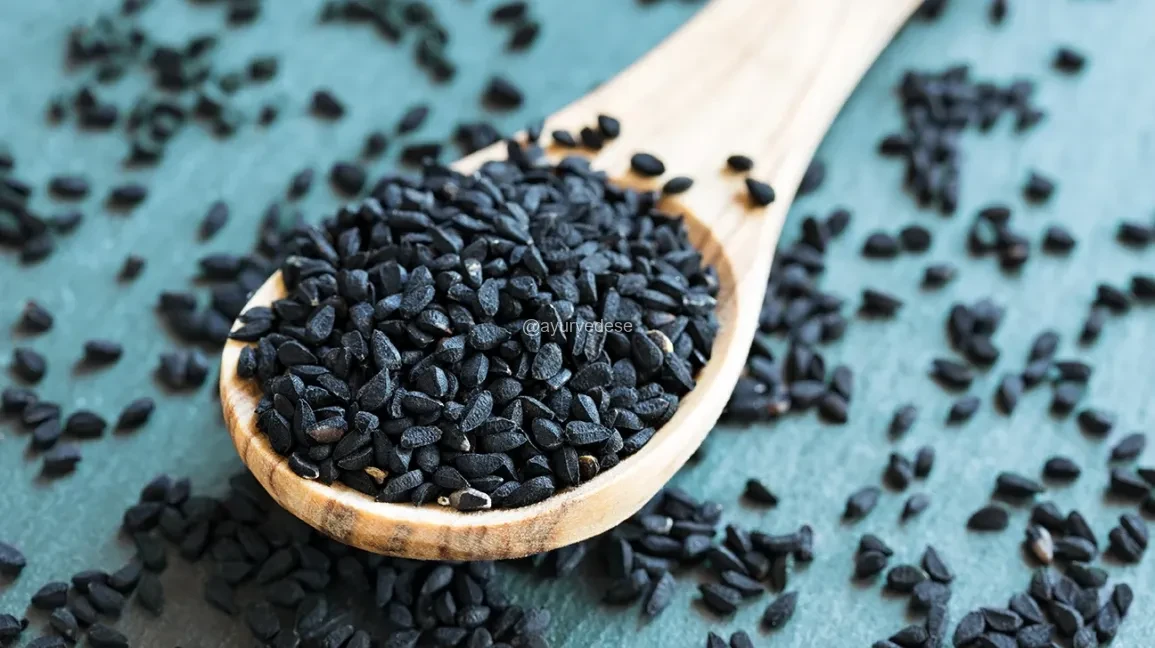
    Nigella sativa and Ear Inflammation: What a Study in Rats Reveals

    Researchers have demonstrated that Nigella sativa (black cumin) has significant anti-inflammatory effects in a model of otitis externa induced by Aspergillus niger in rats. The study, conducted by Mohammad Nurrizki Haitamy and colleagues, evaluated the inflammatory response and pain markers in rats treated with Nigella sativa extract. The results showed a notable reduction in inflammation and pain, suggesting that the plant may be a promising alternative for treating inflammatory ear conditions. Although the animal model provides valuable insights, it is important to consider that the results may not translate directly to humans, and further research is needed to validate these findings in clinical settings. The relationship between the anti-inflammatory effects of Nigella sativa and Ayurvedic principles of dosha balance also deserves attention, especially regarding the treatment of inflammations.

  • openalex🗞️ Published on Ayurdrops: May 27, 2026📅 Source: May 25, 2026

    Evidence-based evaluation of herbs and dietary recipes in the Vajikarana of the Caraka Saṃhitā

    Researchers analyzed herbs and dietary recipes mentioned in the Vajikarana Chikitsa Adhyaya of the Caraka Saṃhitā, revealing valuable insights into their efficacy. The study, led by Aishwarya Joglekar and colleagues, reviewed existing literature and highlighted the importance of an evidence-based approach to the application of these traditional practices. Among the herbs discussed, some showed potential to improve sexual and reproductive health, aligning with the principles of Ayurveda. The research emphasizes the need for more clinical studies to validate these traditions and better understand the mechanisms involved. The review also suggests that combining herbs with specific diets may enhance therapeutic effects, reflecting the ancient wisdom of Ayurveda in integrating diet and herbal medicine. However, limitations such as the scarcity of robust clinical trials were noted, indicating that scientific validation remains a challenge to be overcome.

  • openalex🗞️ Published on Ayurdrops: May 27, 2026📅 Source: May 25, 2026

    Dugdhika and asthma: comparing inhalation with salbutamol

    Researchers are investigating the efficacy of inhalation of Dugdhika (Euphorbia prostrata) compared to salbutamol in the treatment of Tamaka Shwasa, or bronchial asthma. The research protocol, led by Bhavesh Dangore and Sadhana Misar Wajpeyi, aims to evaluate how the plant may act in reducing asthmatic symptoms. Inhalation of Dugdhika is a traditional approach that may offer additional benefits, considering its anti-inflammatory and bronchodilatory properties. The study aims to provide concrete data on comparative efficacy, which may enrich clinical practice by integrating Ayurvedic knowledge with modern evidence. The focus on inhalation of a traditional herb may open new possibilities for asthma management, especially in contexts where conventional treatments are insufficient or present unwanted side effects.

  • openalex🗞️ Published on Ayurdrops: May 27, 2026📅 Source: May 25, 2026

    Tamak Shwasa and COPD: An Ayurvedic Perspective

    Researchers discuss the relationship between Tamak Shwasa, a respiratory condition in Ayurveda, and Chronic Obstructive Pulmonary Disease (COPD). The article by Dr. Lakshmi Sameer Mahajan explores how Ayurvedic principles can offer insights into the pathology and management of COPD. The analysis suggests that COPD can be understood through the lens of the doshas, especially the predominance of Kapha, which is associated with excessive mucus production and airway obstruction. The study also mentions the importance of dietary and herbal interventions, such as the use of herbs that help clear respiratory channels and balance Kapha. Although the article provides a solid theoretical foundation, it is important to note that more clinical research is needed to validate these approaches in the modern context.

  • openalex🗞️ Published on Ayurdrops: May 27, 2026📅 Source: May 25, 2026

    Tamak Shwasa and COPD: An Ayurvedic Perspective

    Researchers reviewed the relationship between Tamak Shwasa, a respiratory condition in Ayurveda, and Chronic Obstructive Pulmonary Disease (COPD). The study, conducted by Dr. Lakshmi Sameer Mahajan, highlights how Ayurvedic principles can offer a deeper understanding of the causes and treatments for COPD. COPD is often associated with factors such as pollution and smoking, while Tamak Shwasa is seen as a manifestation of imbalance in the doshas, especially Kapha. The review suggests that Ayurvedic interventions, such as the use of specific herbs and purification practices, may help alleviate symptoms and improve lung function. Although the study provides valuable insights, it is important to note that the research is a review and not a clinical trial, which limits the generalizability of the findings. The connection between Ayurvedic concepts and modern medicine may open new possibilities for managing COPD.

  • Cúrcuma
    openalex🗞️ Published on Ayurdrops: May 27, 2026📅 Source: May 25, 2026

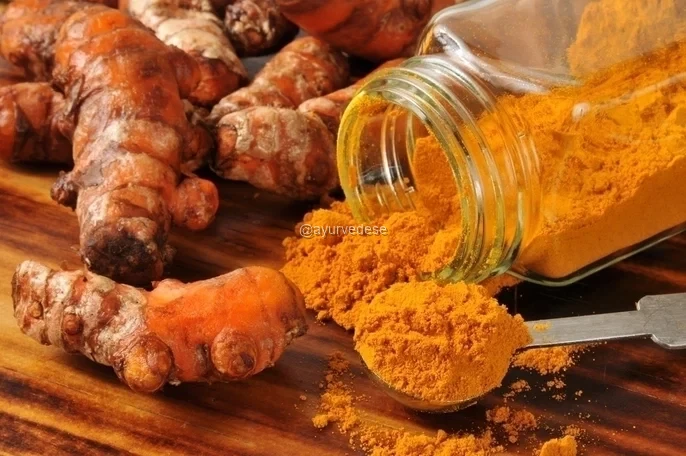
    Turmeric and Ornidazole Gel in the Treatment of Chronic Periodontitis: A Case Report

    Researchers have demonstrated that the local application of turmeric (Curcuma longa) and ornidazole gel can be effective in treating chronic periodontitis. The case study involved patients presenting with gingival inflammation and bone loss. After gel application, a significant reduction in gingival bleeding indices and periodontal probing depth was observed. Turmeric, known for its anti-inflammatory and antimicrobial properties, acts by modulating the inflammatory response, while ornidazole is an antibiotic that combats bacterial infections. This report suggests that the combination of these substances may offer a complementary approach in managing periodontitis, although further studies are needed to validate these findings in a larger population.

  • Frutose
    openalex🗞️ Published on Ayurdrops: May 26, 2026📅 Source: May 21, 2026

    Enicostemma littorale and its effects on diabetes and renal protection: a study in an animal model

    Researchers have demonstrated that the extract of the plant Enicostemma littorale shows promising effects in controlling diabetes and protecting the kidneys in a rat model of fructose-induced insulin resistance. The study, conducted by Vipul Raj and colleagues, revealed that treatment with the extract resulted in a significant reduction in blood glucose levels and improved renal function, evidenced by decreased markers of kidney damage. Suggested mechanisms include modulation of insulin resistance and protection against oxidative stress. Although the results are encouraging, it is important to note that the study was conducted in an animal model, which limits the generalization of the findings to humans. Further investigations are needed to fully understand the effects and safety of using Enicostemma littorale in clinical settings.

  • openalex🗞️ Published on Ayurdrops: May 26, 2026📅 Source: May 24, 2026

    Gaming Disorder and Ayurveda: Connecting Modern Addictions to Classical Concepts

    Researchers explored the relationship between gaming disorder and classical Ayurvedic concepts, highlighting the importance of understanding addictive behaviors from a holistic perspective. The study, conducted by Manpreeth Mali Patil and Durga Prasad Dash, suggests that gaming disorder can be seen as a manifestation of imbalances in the doshas, especially in relation to Rajas and Tamas, which represent activity and inertia, respectively. The analysis reveals that gaming addiction may be related to compromised Agni (digestion), leading to increased dissatisfaction and the pursuit of instant gratification. Furthermore, the study discusses the need for interventions that consider both behavioral aspects and Ayurvedic principles, promoting a more integrated and effective treatment. Limitations include the lack of direct empirical data and the need for further research to validate these connections.

  • openalex🗞️ Published on Ayurdrops: May 26, 2026📅 Source: May 24, 2026

    Psoriasis on the palms and soles: the importance of Shodhana therapy in Ayurveda

    Researchers presented a case of palmoplantar psoriasis (Vipadika) that was treated with Shodhana therapy, an Ayurvedic detoxification approach. The patient, who had significant skin lesions on the palms of the hands and soles of the feet, underwent a protocol that included internal and external purification. After treatment, a notable improvement in the skin condition was observed, with reduced inflammation and relief of symptoms. Shodhana therapy is based on the idea that eliminating toxins (ama) from the body is essential to restore the balance of the doshas. This case highlights the relevance of Ayurvedic practices in managing dermatological conditions, offering a viable alternative to conventional treatments. However, it is important to note that this is a case report, which limits the generalizability of the results. More clinical studies are needed to validate the efficacy of Shodhana therapy on a larger scale.

  • openalex🗞️ Published on Ayurdrops: May 26, 2026📅 Source: May 24, 2026

    Eosinophilic esophagitis and Ayurveda: what a clinical case teaches us

    Researchers presented a clinical case of eosinophilic esophagitis, also known as Amashayagatavata, treated with Ayurveda. The patient, who presented symptoms such as pain on swallowing and reflux, underwent a therapeutic approach that included the use of herbs and Ayurvedic practices. The treatment resulted in significant improvement of symptoms, evidenced by the reduction of inflammation and eosinophil levels in the esophagus. The authors, Rohan Mohandas and colleagues, highlight the importance of considering patient individuality and dosha balance in treatment formulation. This case suggests that Ayurveda may offer a viable alternative for managing eosinophilic esophagitis, although further studies are needed to validate these findings in a larger population.

  • pubmed🗞️ Published on Ayurdrops: May 26, 2026📅 Source: May 25, 2026

    Recurrent Liver Cancer and Ayurveda: A Case of Significant Regression and Quality of Life

    Researchers reported a case of recurrent hepatocellular carcinoma that did not respond adequately to conventional treatments but showed substantial regression and improved quality of life after Ayurvedic treatment. The authors Nimbalkar RG and colleagues documented the patient's progress, which, after the introduction of Ayurvedic therapies such as the use of herbs and dietary adjustments, showed a positive response. The treatment focused on restoring Agni (digestion) and detoxifying the body, reflecting fundamental principles of Ayurveda. Although the case presents promising results, it is important to consider that this is a single case report, limiting the generalization of the findings. The integrative approach may offer a valuable alternative for patients who have not succeeded with conventional medicine.

  • openalex🗞️ Published on Ayurdrops: May 25, 2026📅 Source: May 23, 2026

    Vitex negundo and its anti-inflammatory action: how an emulgel can potentiate the effects

    Researchers developed an emulgel loaded with Vitex negundo leaf extract, demonstrating enhanced anti-inflammatory activity. The study, conducted by Abhigyan and colleagues, focused on the formulation and optimization of this emulgel, which proved effective in topical delivery of the extract. Results indicate that application of the emulgel can increase the bioavailability of active compounds present in Vitex negundo, potentiating its anti-inflammatory effect. The research highlights the importance of the delivery form in the efficacy of herbal medicines, especially in inflammatory conditions. Although the results are promising, it is important to consider that the study was conducted under controlled conditions, and further investigations are needed to validate these findings in broader clinical contexts.

  • Cúrcuma
    openalex🗞️ Published on Ayurdrops: May 25, 2026📅 Source: May 23, 2026

    Turmeric Facial Cream: Formulation and Evaluation

    Researchers developed a turmeric-based facial cream, evaluating its efficacy and beneficial properties for the skin. Turmeric, known for its anti-inflammatory and antioxidant properties, was chosen as the main ingredient due to its potential to improve skin health. The study included the analysis of parameters such as texture, stability, and user acceptance of the product. The results showed that the cream not only exhibited good stability but was also well accepted in usage tests, indicating that turmeric can be a valuable addition to cosmetics. This research highlights the relevance of turmeric in cosmetics, aligning with traditional practices that recognize its healing properties. However, the study did not detail the exact amount of turmeric used, which may be a limitation for future replication.