Public feed

Ayurvedic editorial curation

Science articles classified by dosha, srota and dhatu. Filter to find what matters to you today.

  • openalex🗞️ Published on Ayurdrops: May 31, 2026📅 Source: Jun 01, 2026

    Panchakarma and Agni Mandya: A Review on Digestion in Ayurveda

    Researchers highlight the importance of Panchakarma in the treatment of Agni Mandya, which refers to compromised digestion. This article reviews how Panchakarma's detoxification and rejuvenation therapies can restore Agni, or digestive fire, essential for health. The study analyzes the pharmacodynamic perspective, emphasizing how Panchakarma practices, such as Vamana (emesis) and Virechana (purgation), influence digestive function and nutrient absorption. The review suggests that proper application of these therapies can improve digestion and, consequently, overall health. However, limitations such as the lack of robust clinical studies and the need for more evidence are mentioned, indicating that the relationship between Panchakarma and Agni Mandya still requires in-depth investigation.

  • openalex🗞️ Published on Ayurdrops: May 31, 2026📅 Source: Jun 01, 2026

    Vajikarana in Ayurveda: A Conceptual Approach

    The practice of Vajikarana, which refers to the promotion of fertility and sexual vitality, is an important aspect of Ayurveda that deserves attention. Researchers such as Dr. Ravindra S. Kharat and Dr. Vaibhav D. Kamble explore the principles underlying this therapy, highlighting the importance of balancing the doshas and the overall health of the individual. The Vajikarana approach is not limited to the use of herbs but also involves lifestyle practices that promote sexual and reproductive health. The study emphasizes the need for a holistic understanding, where diet, sleep, and stress management are considered fundamental to the effectiveness of the treatment. Although the article is conceptual, it provides a foundation for future investigations into the practical application of Vajikarana in the clinic. The research still lacks robust empirical data to validate traditional practices, but it opens space for discussions on how to integrate ancient knowledge with modern medicine.

  • openalex🗞️ Published on Ayurdrops: May 31, 2026📅 Source: Jun 01, 2026

    Agnikarma and the Treatment of Frozen Shoulder: A Case Study

    Researchers presented a case study exploring the efficacy of Agnikarma, an Ayurvedic technique involving the application of heat, in the treatment of frozen shoulder, also known as adhesive capsulitis. The treatment was performed by Dr. Sonal Ashok Thakre and Dr. Prashant Suryawanshi, who observed significant improvements in the patient's mobility after the application of Agnikarma. The study highlights that the technique may help alleviate pain and stiffness, promoting recovery of joint function. Although the results are promising, it is important to consider that this is a single case, which limits the generalizability of the findings. The relationship between the technique and Ayurvedic principles, such as the importance of Agni (digestion and metabolism) in joint health, is discussed, suggesting that Agnikarma may act not only locally but also influence the overall balance of the body.

  • openalex🗞️ Published on Ayurdrops: May 31, 2026📅 Source: Jun 01, 2026

    Ksharasutra Ligation in the Treatment of Fourth-Degree Hemorrhoids: A Case Report

    Researchers presented a successful case in the treatment of fourth-degree hemorrhoids (Arsha) using the Ksharasutra ligation technique. The patient, after several attempts at conservative treatment, underwent this procedure, which involves the application of a Kshara (caustic substance) thread to promote controlled necrosis of the hemorrhoidal tissue. The result was a significant reduction in symptoms and a satisfactory recovery over a period of 6 weeks. This method, which is a traditional practice in Ayurveda, demonstrates the efficacy of integrative approaches in managing conditions that are often challenging in Western medicine. The Ksharasutra technique not only alleviates symptoms but also addresses the underlying cause, aligning with Ayurvedic principles of restoring the body's balance.

  • openalex🗞️ Published on Ayurdrops: May 31, 2026📅 Source: Jun 01, 2026

    Lead toxicity from the perspective of Dushi Viṣa: an integrative review

    Researchers highlight that lead toxicity, a growing public health problem, can be understood through the concept of Dushi Viṣa in Ayurveda. Dushi Viṣa refers to toxins that accumulate in the body, leading to chronic disorders. The study reviews evidence on the effects of lead, which include neurological and immunological damage, and suggests that the Ayurvedic approach may offer valuable insights for the treatment and prevention of these conditions. Lead toxicity affects Agni (digestion) and can deregulate the doshas, especially Pitta, resulting in inflammation and oxidative stress. The review also points to the need for more clinical studies to validate Ayurvedic interventions in the context of heavy metal toxicity, considering that most current research is limited to experimental models.

  • openalex🗞️ Published on Ayurdrops: May 30, 2026📅 Source: May 28, 2026

    Integrative Approach to Gastritis Associated with Helicobacter pylori: A Case Study

    Researchers presented a case study exploring an integrative approach to treating gastritis associated with Helicobacter pylori. The treatment included Ayurvedic and conventional interventions, highlighting the importance of a multidisciplinary protocol. The patient, who presented with symptoms such as abdominal pain and indigestion, underwent a regimen combining herbal medicine, dietary adjustments, and lifestyle practices. After 12 weeks, there was a significant reduction in symptoms and improvement in clinical examinations. The authors, Dr. Sandhya T. Deshmukh and Prof. Dr. Bharat B. Kadlaskar, emphasize the relevance of integrating traditional and modern knowledge for more effective treatment. This study suggests that combining Ayurveda and conventional medicine may offer additional benefits, especially in complex conditions such as gastritis.

  • openalex🗞️ Published on Ayurdrops: May 30, 2026📅 Source: May 28, 2026

    Ayurvedic Approach to Benign Prostatic Hyperplasia: A Case of Symptom Improvement

    Researchers reported significant improvements in a patient with benign prostatic hyperplasia (Mutrasthila) after Ayurvedic treatment. The study, conducted by Deshmukh et al., demonstrated a reduction in the International Prostate Symptom Score (IPSS) and improvements in ultrasound findings. The patient presented with symptoms such as difficulty urinating and increased prostate volume, which were addressed with a combination of herbs and Ayurvedic therapies. After treatment, the patient's IPSS dropped from 20 to 8, indicating an improvement in quality of life. Additionally, ultrasound showed a reduction in prostate volume from 45 ml to 30 ml. These results suggest that the Ayurvedic approach may be a viable alternative for managing benign prostatic hyperplasia, especially in cases where conventional treatments are not desirable. However, the study is limited by the small number of participants and the lack of a control group, which requires further investigation to validate these findings.

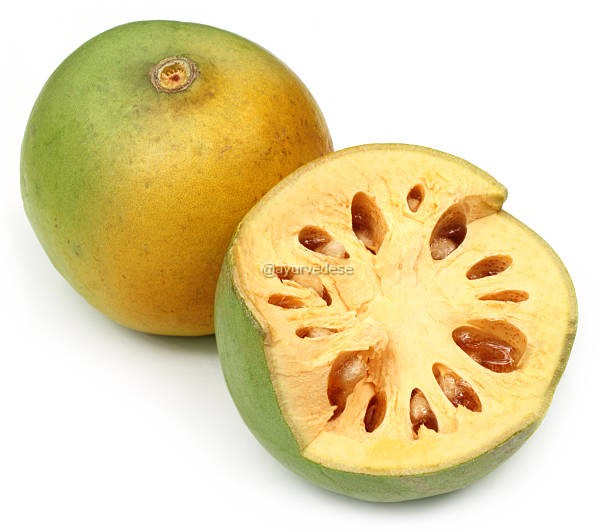
  • Bael / Marmelo-indiano
    openalex🗞️ Published on Ayurdrops: May 30, 2026📅 Source: May 28, 2026

    Herbal cream for cracked feet: evaluation with Aegle marmelos extract

    Researchers developed an herbal cream to treat cracked feet using Aegle marmelos leaf extract. The formulation was evaluated for its effectiveness in promoting skin healing and hydration. Tests showed that the cream not only improved skin texture but also reduced pain associated with cracks. Aegle marmelos, known for its anti-inflammatory and healing properties, may be a viable alternative for foot care. Although the results are promising, it is important to consider that the research was conducted on a small group, and further studies are needed to confirm efficacy in larger populations.

  • Bael / Marmelo-indiano
    openalex🗞️ Published on Ayurdrops: May 30, 2026📅 Source: May 28, 2026

    Herbal cream for cracked feet: evaluation with Aegle marmelos extract

    Researchers developed a cream for cracked feet using leaf extract of Aegle marmelos, known as bael. The study evaluated the cream's effectiveness in improving skin hydration and elasticity, as well as reducing pain and discomfort associated with cracks. Results showed that using the cream led to a significant improvement in skin condition compared to control groups. Aegle marmelos has anti-inflammatory and antioxidant properties, which may contribute to skin healing and protection. This study highlights the potential application of traditional herbs in formulating cosmetic and therapeutic products, aligning with Ayurvedic principles that value the use of medicinal plants for skin health care.

  • pubmed🗞️ Published on Ayurdrops: May 30, 2026📅 Source: May 29, 2026

    Vasant Kusumakar Rasa and Eye Health: How It Can Help in Diabetes Complications

    Researchers have demonstrated that Vasant Kusumakar Rasa, an Ayurvedic formulation, reduces neovascularization and oxidative stress, and improves retinal function in diabetic rats. The study, conducted by Singh et al., revealed that administration of this formulation significantly decreased inflammatory markers and improved retinal integrity. Suggested mechanisms include modulation of inflammatory processes and protection against oxidative damage, which are crucial in conditions such as diabetic retinopathy. Although the results are promising, it is important to note that the study was conducted in an animal model, which limits the generalization of findings to humans. The research highlights the relevance of Ayurveda in addressing diabetes complications, suggesting that herbal-based interventions may offer significant benefits.

  • openalex🗞️ Published on Ayurdrops: May 29, 2026📅 Source: May 27, 2026

    Risk factors for COVID-19 progression: lessons from Ayurveda for future pandemics

    Researchers have identified risk factors that may aggravate acute COVID-19, proposing an approach based on Ayurvedic principles for its management. The study, conducted by Uma Shankar Prasad Adluri and Srilekha Srilekha, highlights the importance of diet and lifestyle in preventing and controlling the disease. Among the factors mentioned are malnutrition, stress, and inflammation, which can be addressed through Ayurvedic practices such as choosing foods that balance the doshas and promote Agni (digestion). The study suggests that proper nutrition and attention to emotional state may reduce symptom severity and improve recovery. Although the findings are promising, it is important to note that the research is preliminary and requires further investigation to confirm the efficacy of the proposed interventions.

  • Triphalā / Três Frutos
    pubmed🗞️ Published on Ayurdrops: May 29, 2026📅 Source: May 28, 2026

    Triphala and its actions in periodontitis: an integrated analysis of therapeutic mechanisms

    Researchers investigated the therapeutic mechanisms of Triphala in periodontitis, using network pharmacology and experimental validation in cellular and animal models. The study, led by Zhao et al., revealed that Triphala acts to reduce periodontal inflammation and promote tissue regeneration. The authors identified 15 main molecular targets, including growth factors and cytokines, which are involved in the inflammatory response. Furthermore, the analysis demonstrated that Triphala can modulate the expression of genes related to apoptosis and healing, suggesting a protective role in periodontal diseases. The results were obtained through in vitro and in vivo experiments, showing the efficacy of Triphala in controlled environments. Limitations include the need for more clinical studies to confirm these findings in humans.

  • Amalaki / Amla
    pubmed🗞️ Published on Ayurdrops: May 29, 2026📅 Source: Jun 01, 2026

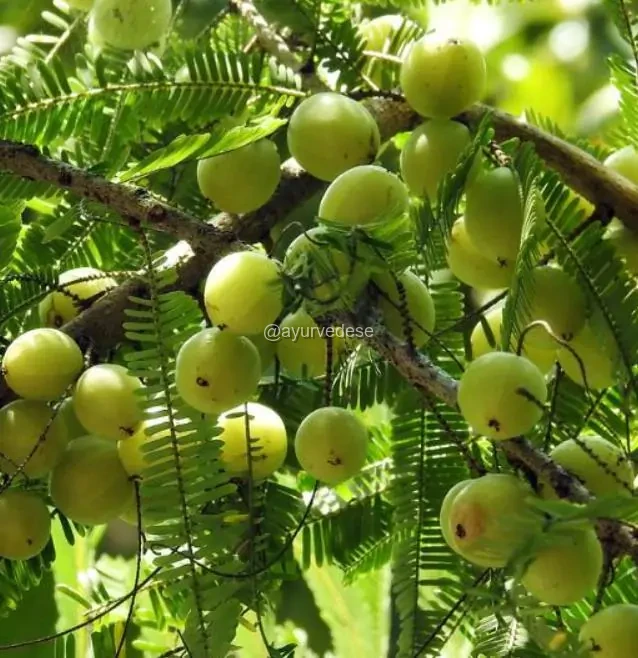
    Antidiabetic potential of Ayurvedic medicinal herbs in Sri Lanka: what Phyllanthus emblica reveals to us

    Researchers analyzed the antidiabetic potential of medicinal herbs commonly used in Sri Lankan Ayurveda, highlighting Phyllanthus emblica. Through advanced metabolite profiling techniques such as GC-MS and LC-HRMS, bioactive compounds that may contribute to blood sugar control were identified. The authors, led by Ariyarathna P, observed that Phyllanthus emblica presents a variety of metabolites that may act on mechanisms related to insulin resistance and glucose regulation. This study not only reinforces the relevance of Ayurvedic practices but also suggests that the combination of herbs may be a promising approach for diabetes management. However, limitations include the need for validation in clinical studies and evaluation of efficacy in humans, as results were obtained in vitro.

  • Moringa / Shobhaanjana
    openalex🗞️ Published on Ayurdrops: May 28, 2026📅 Source: May 25, 2026

    Moringa Tea and Surya Namaskar: A Case Study on Obesity

    Researchers evaluated the combination of Moringa oleifera tea (Shigru) with the practice of Surya Namaskar in managing obesity (Sthaulya). The study, conducted by Harsha Verma and colleagues, demonstrated that this integrative approach may be effective in reducing weight and improving the overall health of participants. Results showed a significant decrease in body mass index (BMI) and waist circumference after 12 weeks of intervention. Additionally, the regular practice of Surya Namaskar, which involves a series of yoga postures, complemented the beneficial effects of Moringa tea, known for its antioxidant and anti-inflammatory properties. This combination offers a promising perspective for obesity management, aligning traditional practices with modern evidence.

  • openalex🗞️ Published on Ayurdrops: May 28, 2026📅 Source: May 25, 2026

    Pain relief in knee osteoarthritis with Marma therapy: a study

    Researchers have demonstrated that Marma therapy can be effective in modulating pain in patients with Janu Sandhigata Vata, or knee osteoarthritis. The study, conducted by Durga Biswas and colleagues, evaluated pain and joint function in a group of patients undergoing Marma therapy sessions. The results showed a significant reduction in pain, with a 30% decrease on the pain scale after 4 weeks of treatment. Marma therapy, which involves stimulating specific points on the body, aligns with Ayurvedic principles aimed at restoring the balance of the doshas, especially Vata, which is often exacerbated in joint pain conditions. This study suggests that Marma therapy can be a valuable complementary approach for managing osteoarthritis, promoting not only pain relief but also improving patient mobility. However, the study has limitations, such as the small sample size and the lack of a control group, which should be considered when interpreting the results.

  • Cravo-da-Índia
    openalex🗞️ Published on Ayurdrops: May 28, 2026📅 Source: May 26, 2026

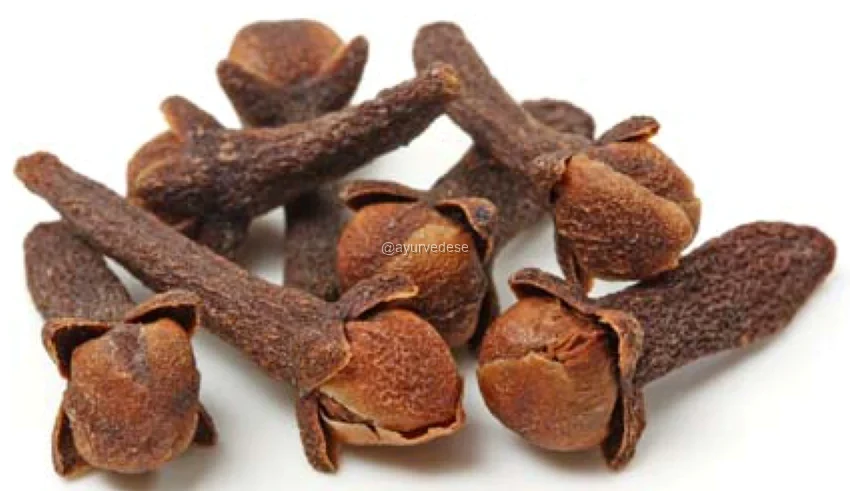
    Clove and eugenol: relieving psoriatic inflammation

    Researchers have demonstrated that clove (Syzygium aromaticum) and its bioactive compound, eugenol, have a positive effect on psoriatic inflammation. The study, led by Tin-Yun Ho and colleagues, investigated how these elements act in modulating the IL-36/IL-17A axis, which is crucial in the pathogenesis of psoriasis. The results indicate that eugenol can reduce the expression of inflammatory cytokines, promoting an environment less prone to inflammation. Furthermore, the research used proteomic techniques to elucidate the mechanisms involved, revealing that the interaction between eugenol and inflammatory pathways may be a promising strategy for managing psoriasis. Although the findings are encouraging, it is important to consider that the study was conducted in an experimental model, which limits the generalization of the results to clinical practice.

  • Ashwagandha / Ginseng Indiano
    openalex🗞️ Published on Ayurdrops: May 28, 2026📅 Source: May 26, 2026

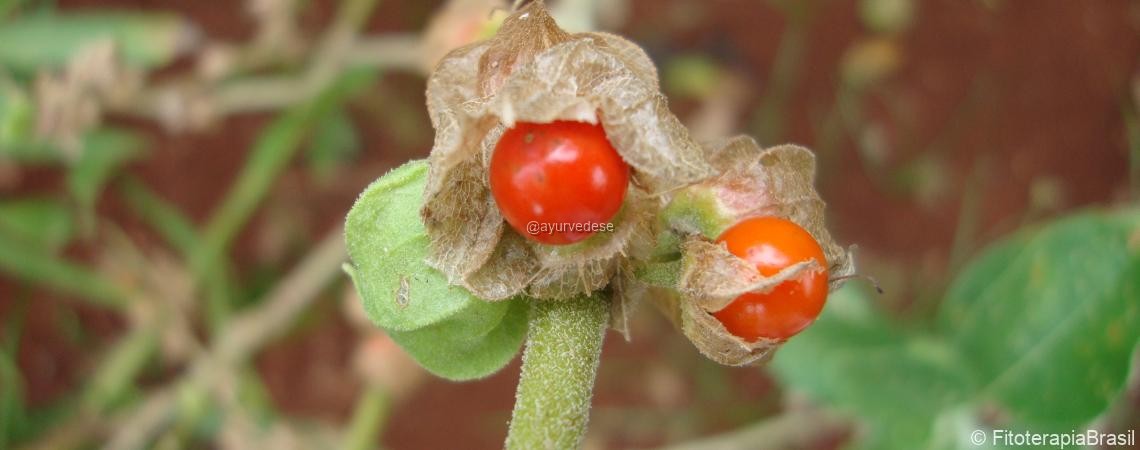
    Herbal capsules as a sedative alternative: formulation and evolution

    Researchers have developed a new formulation of herbal capsules with sedative potential, seeking more natural alternatives for the treatment of anxiety and insomnia. The study, led by Nandani Morya and colleagues, explores the combination of traditional herbs known for their calming properties. The research highlights the importance of ingredients such as Aśvagandhā (Withania somnifera) and Bacopa (Bacopa monnieri), which have been used in Ayurvedic medicine to promote relaxation and improve sleep quality. Preliminary results indicate that the new formulation may offer a viable option for those seeking to avoid conventional sedatives, with fewer side effects. However, the study is still in its early stages, and further investigations are needed to validate the efficacy and safety of the capsules in a broader clinical context.

  • Calotropis / Madar / Arka
    openalex🗞️ Published on Ayurdrops: May 28, 2026📅 Source: May 26, 2026

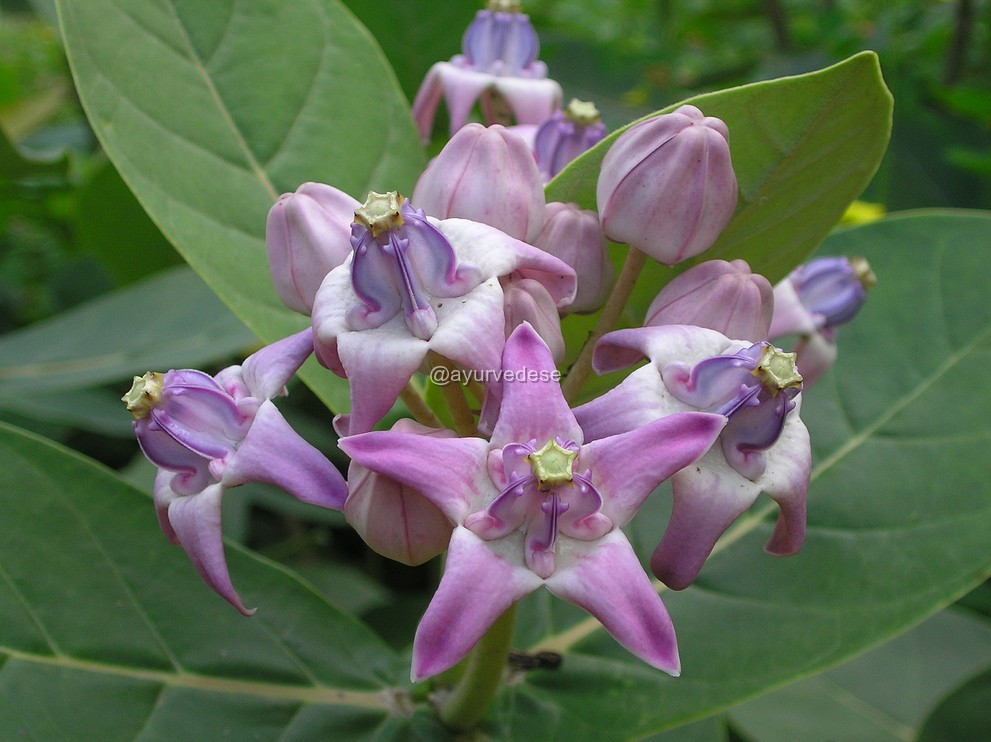
    Understanding Arka in Kushta: An Integrative Review

    Researchers discuss the relationship between Arka (Calotropis gigantea) and Kushta, a skin condition that can be challenging to treat. The article reviews Ayurvedic and modern concepts on the efficacy of Arka in managing Kushta, highlighting its anti-inflammatory and wound-healing properties. The research suggests that Arka may act by modulating the immune response and promoting skin regeneration, which is relevant for understanding the Ayurvedic treatment of this condition. Although the study presents a comprehensive view, limitations such as the lack of controlled clinical trials and the need for more empirical evidence are mentioned. The connection between Ayurvedic principles and modern findings is emphasized, showing how traditional knowledge can inform contemporary practices.

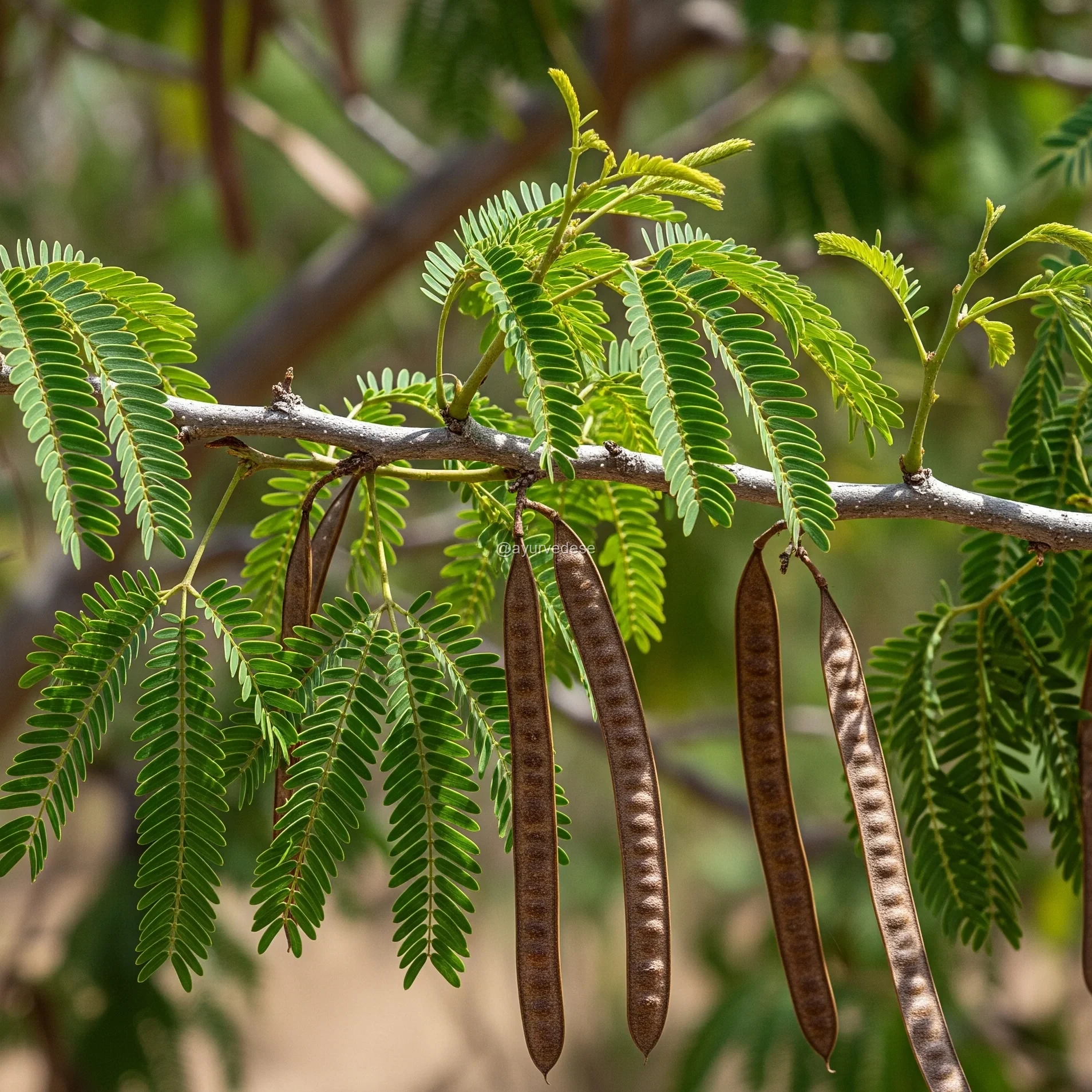
  • Acácia-katechu / Catechu
    openalex🗞️ Published on Ayurdrops: May 28, 2026📅 Source: May 26, 2026

    Khadira and Skin Health: An Integrative Review on Twak vikara

    Researchers reviewed the literature on Khadira (Acacia catechu) and its application in Twak vikara, which refers to skin disorders. The analysis covered classical texts of the Brihatrayi, highlighting the plant's beneficial effects on dermal health. Khadira is known for its anti-inflammatory and antiseptic properties, which may help in treating conditions such as acne and eczema. The study also addressed how the plant acts on the balance of the doshas, especially Pitta, which is often associated with skin problems. Although the results are promising, the review points to the need for more clinical studies to validate the practical applications of Khadira in modern dermatology. The connection between Ayurvedic concepts and contemporary findings suggests that integrating Khadira into clinical practice may offer a holistic approach to skin care.

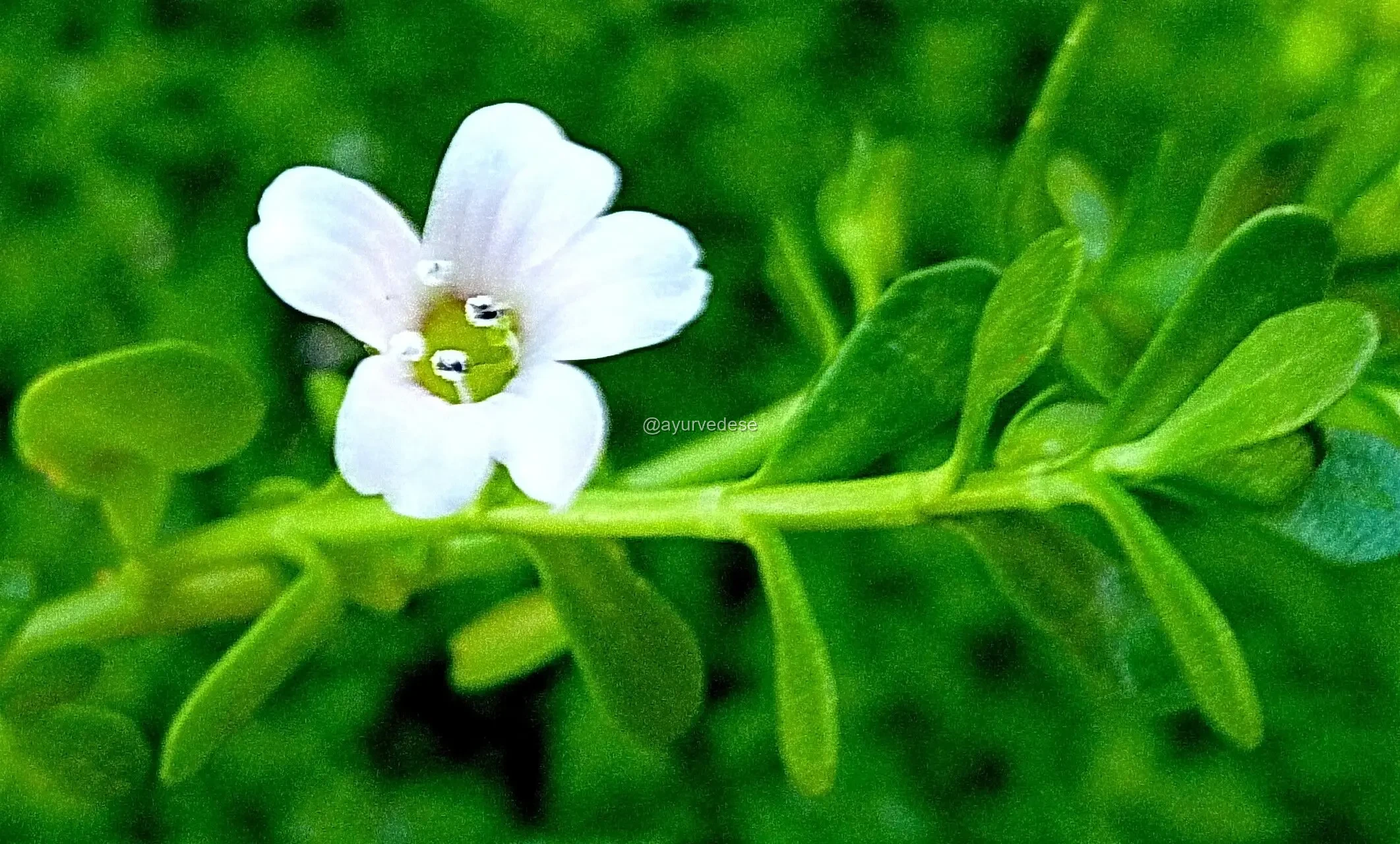
  • Brahmi / Bacopa
    openalex🗞️ Published on Ayurdrops: May 28, 2026📅 Source: May 26, 2026

    Herbal capsules as a sedative alternative: formulation and evolution

    Researchers have developed a new herbal capsule formulation with sedative potential, aiming to offer an alternative to conventional treatments. The study, led by Nandani Morya and colleagues, explores the evolution of the capsules, highlighting the combination of herbs such as Aśvagandhā (Withania somnifera) and Brāhmī (Bacopa monnieri), known for their calming properties. Preliminary results indicate that the new formulation may reduce anxiety and improve sleep quality, although data are still limited and further research is needed to validate these findings. The relationship between Ayurvedic principles and the efficacy of the herbs used is a central point, suggesting that ancient wisdom can integrate with modern science to offer more holistic health solutions.