Public feed

Ayurvedic editorial curation

Science articles classified by dosha, srota and dhatu. Filter to find what matters to you today.

  • openalex🗞️ Published on Ayurdrops: May 31, 2026📅 Source: Jun 01, 2026

    Ardita Roga: An Ayurvedic and Modern Perspective on Neuronal Lesions

    Researchers have explored Ardita Roga, a condition related to lesions in the upper and lower motor neurons. This study, conducted by Dr. Rosalin Pradhan and colleagues, analyzes how the Ayurvedic perspective can complement the modern understanding of these lesions. Ardita Roga is often associated with neurological disorders that affect mobility and coordination. The Ayurvedic approach considers factors such as dosha imbalance and the health of Agni (digestive fire), which can influence recovery. The authors discuss the importance of a holistic treatment that includes both modern interventions and traditional practices, such as the use of herbs and manual therapies. The research highlights the need to integrate knowledge for more effective management of neurological conditions, promoting a more complete and sustainable recovery.
  • openalex🗞️ Published on Ayurdrops: May 31, 2026📅 Source: Jun 01, 2026

    Clinical study protocol on Kanyalohadi Vati and Kuberaksha Vati in the treatment of Kashtartava

    Researchers are investigating the efficacy of two Ayurvedic formulations, Kanyalohadi Vati and Kuberaksha Vati, in the treatment of Kashtartava, a condition involving intense menstrual pain. The study, which will be conducted as a randomized, open-label clinical trial, aims to evaluate how these herbs may help alleviate associated symptoms. The research will be led by Dr. Neha Mamgain and her team, with a start date planned for June 2026. The choice of these formulations is based on their known traditional properties, but the research aims to provide clinical data that can validate their use in modern practice. The methodology will include the assessment of clinical parameters and the comparison of the effects of the two herbs, with the goal of offering a safe and effective alternative for the management of menstrual pain.

  • openalex🗞️ Published on Ayurdrops: May 31, 2026📅 Source: Jun 01, 2026

    Kharaliya Rasayanas and Fever Control: What Classical Literature and Contemporary Research Reveal

    Researchers reviewed the efficacy and safety of Kharaliya Rasayanas in the management of fever, analyzing both classical literature and contemporary studies. The review covered various sources, highlighting that Kharaliya Rasayanas, known for their therapeutic properties, may act in modulating the febrile response. The authors, including Dr. Pathan Saniya Khan and Dr. Manisha Goyal, found evidence suggesting that these preparations may be effective in reducing fever, although most studies have limitations, such as small sample sizes and lack of control groups. The relationship between Ayurvedic concepts of Rasayana and modern immune response was explored, indicating that the holistic approach of Ayurveda may complement contemporary fever management practices.

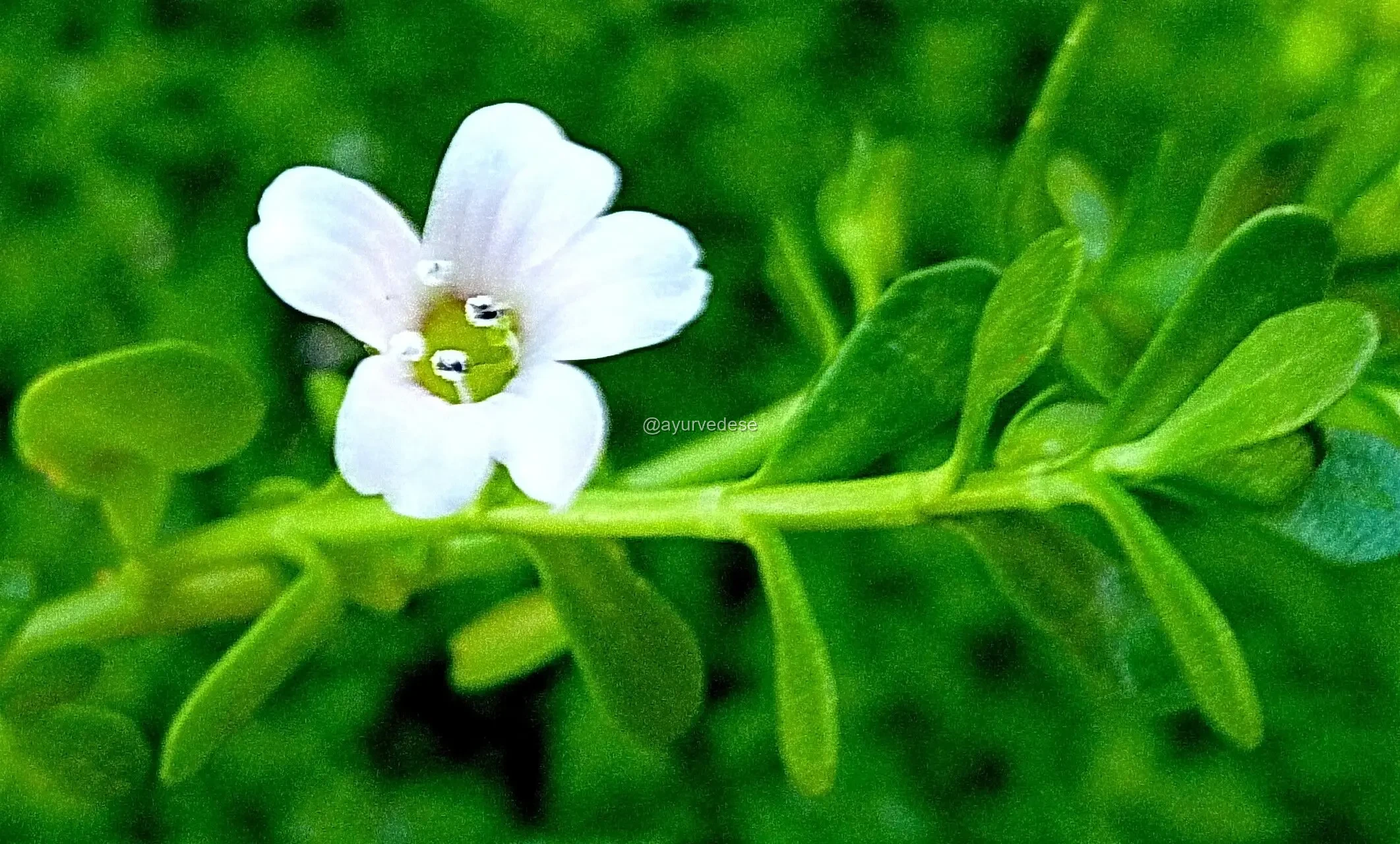
  • Brahmi / Bacopa
    openalex🗞️ Published on Ayurdrops: May 31, 2026📅 Source: Jun 01, 2026

    Indralupta in Ayurveda: What a Clinical Case Shows Us

    Researchers documented the positive impact of Ayurvedic treatment on indralupta, a condition that causes hair loss in specific areas. In the studied case, a patient received a combination of therapies, including herbal medicine and dietary adjustments, resulting in significant improvement in hair density and scalp health. The treatment included the use of herbs such as Ashwagandha and Brahmi, which are known for their revitalizing properties and support to the nervous system. After 12 weeks, the patient showed a visible reduction in areas affected by alopecia areata, with an increase in hair strand thickness. This case highlights the importance of a holistic and personalized approach in treating indralupta, aligning with Ayurvedic principles that emphasize dosha balance and treatment individualization. Study limitations include the fact that it is a single case report, which makes it difficult to generalize the results.

  • Ghee
    openalex🗞️ Published on Ayurdrops: May 31, 2026📅 Source: Jun 01, 2026

    Comparison between Baladi Yapana Basti and Ashwagandha Ghrita for oligospermia: a study protocol

    Researchers plan a randomized clinical trial to evaluate the efficacy of two Ayurvedic approaches in treating oligospermia, also known as ksheen shukra. The study will compare Baladi Yapana Basti, an enema therapy, with Snehapana using Ashwagandha Ghrita, a ghee medicated with the herb ashwagandha. The aim is to determine which method is more effective in improving semen quality and male reproductive health. Oligospermia is a condition that affects fertility and can be influenced by various factors, including stress and lifestyle. The study protocol includes rigorous inclusion and exclusion criteria, as well as assessment methods that will measure sperm count and motility. This study is relevant as it seeks to integrate traditional Ayurvedic practices with modern scientific evidence, contributing to a better understanding of available treatment options for male health.

  • openalex🗞️ Published on Ayurdrops: May 31, 2026📅 Source: Jun 01, 2026

    Pharmacological Study of Lepa Shaman for Shittapitta

    Researchers investigated the efficacy of Lepa Shaman, an Ayurvedic formulation, in the treatment of Shittapitta, a condition related to skin inflammation and excessive heat production. The study, conducted by Dr. Ch. Sridurga and Dr. Purva Talajiya, analyzed the composition and effects of the lepa, which is a topically applied paste. The results showed that the application of Lepa Shaman resulted in a significant reduction of symptoms, such as redness and itching, in patients diagnosed with Shittapitta. The research highlights the importance of understanding the mechanisms of action of the herbs used in the formulation, which may include anti-inflammatory and cooling properties, aligning with Ayurvedic concepts of dosha balance. Although the results are promising, the study has limitations, such as the small sample size and the need for further investigations to validate the findings.

  • openalex🗞️ Published on Ayurdrops: May 31, 2026📅 Source: Jun 01, 2026

    Divine Feminine Care: Review of Daivavyapashraya Chikitsa for Reproductive Health

    Researchers reviewed Daivavyapashraya Chikitsa, an Ayurvedic approach that integrates spiritual practices and therapies to promote female reproductive health. The study highlights the importance of balancing body and mind, emphasizing that reproductive health is not only a physical matter but also a spiritual one. The review covers various conditions, such as menstrual irregularities and infertility, and suggests that Daivavyapashraya may help restore hormonal balance and improve emotional health. The practice includes rituals, meditation, and the use of specific herbs, which may help alleviate symptoms and promote overall well-being. Although the authors acknowledge the need for more clinical research to validate these methods, the connection between spiritual practices and reproductive health is a central point of the discussion.

  • openalex🗞️ Published on Ayurdrops: May 31, 2026📅 Source: Jun 01, 2026

    Pharmacological Study of Shittapitta Shamana Lepa

    Researchers analyzed the efficacy of Shittapitta Shamana Lepa, an Ayurvedic formulation, in a study aimed at understanding its properties and applications. The study, conducted by Dr. Ch. Sridurga and Dr. Purva Talajiya, highlights the importance of Shittapitta, a condition referring to skin disorders, and how the use of this paste may help alleviate symptoms. The research was published in June 2026 and offers insights into the composition and potential benefits of this formulation. Although the results are promising, it is essential to consider that the research is still in early stages and further studies are needed to fully validate its conclusions.

  • openalex🗞️ Published on Ayurdrops: May 31, 2026📅 Source: Jun 01, 2026

    Rasayana in Ayurveda: Exploring Kutipraveshika and Vatatapika

    Researchers discuss the concept of Rasayana in the Caraka Saṃhitā, highlighting the practices of Kutipraveshika and Vatatapika. Rasayana, which aims at rejuvenation and promotion of longevity, is an important approach in Ayurveda. Kutipraveshika involves the administration of medicines in a controlled environment, while Vatatapika focuses on the use of specific herbs to strengthen the body and mind. The authors, Dr. Harshilkumar Himmatbhai Patel and collaborators, emphasize the importance of these practices for holistic health, aligning them with Ayurvedic principles of balance and vitality. The research also suggests that the proper application of Rasayana may have positive effects on quality of life and disease prevention, although more studies are needed to validate these findings in larger populations.

  • Guggul / Indian Bedellium
    openalex🗞️ Published on Ayurdrops: May 31, 2026📅 Source: Jun 01, 2026

    Lipoma and Ayurveda: What a Clinical Case Reveals about Navak Guggulu

    Researchers presented a clinical case of managing medoja granthi, or lipoma, using Navak Guggulu, a traditional Ayurvedic formulation. The patient, a 45-year-old man, presented with a subcutaneous lipoma in the abdominal region. After 12 weeks of treatment with Navak Guggulu, a significant reduction in the size of the lipoma was observed, with improvement in mobility and associated pain. The study suggests that the components of Navak Guggulu, which include guggulu (Commiphora mukul) and other herbs, may act on modulating lipid metabolism and reducing fatty masses. Although the results are promising, the study is limited by its single-case nature and the lack of a control group, which prevents generalization of the findings. This research highlights the importance of integrative approaches in the treatment of benign conditions such as lipomas.

  • openalex🗞️ Published on Ayurdrops: May 31, 2026📅 Source: Jun 01, 2026

    Panchakarma and Agni Mandya: A Review on Digestion in Ayurveda

    Researchers discuss the importance of Panchakarma in the treatment of Agni Mandya, a condition referring to compromised digestion. The article reviews how Panchakarma's detoxification and rejuvenation therapies can restore Agni, or digestive fire, essential for health. The authors, Dr. Rutuja Mohan Bodake and colleagues, highlight that the pharmacodynamic approach of the therapies can enhance treatment efficacy, promoting nutrient absorption and assimilation. The review also suggests that the use of Panchakarma can help balance the doshas, especially when digestion is impaired. Although the study presents valuable insights, it is important to note that it is a conceptual review, which limits the direct application of findings in clinical practices without additional empirical evidence.

  • openalex🗞️ Published on Ayurdrops: May 31, 2026📅 Source: Jun 01, 2026

    Comparison between Baladi and Hapushadi Yapana Basti in the treatment of Kati Graha

    Researchers evaluated the efficacy of two forms of basti — Baladi Yapana Basti and Hapushadi Yapana Basti — in the treatment of Kati Graha, a condition that causes pain in the lumbar region. The study involved a group of patients who received one of the treatments for a specified period, with monitoring of symptoms and functionality. The results showed that both methods provided significant pain relief and improved mobility, but Baladi Yapana Basti showed a slightly superior response in terms of pain reduction and improvement in patients' quality of life. The authors, including Bhumika Mishra and Dr. Ruchi Gupta, highlight the importance of considering the specific properties of each formulation and their clinical application. The research contributes to the understanding of how different Ayurvedic approaches can be used to treat musculoskeletal conditions, aligning with concepts of Agni and doshas.

  • openalex🗞️ Published on Ayurdrops: May 31, 2026📅 Source: Jun 01, 2026

    Lekhaniya Mahakṣaya and its action in gynecological diseases

    Researchers investigated the effects of Lekhaniya Mahakṣaya, an Ayurvedic formulation, on gynecological diseases. The study, conducted by Dr. Anuradha Gupta, Dr. Anjana Saxena, and Dr. Shashi Singh, highlights that the combination of herbs in this formulation may aid in hormonal balance and reduction of symptoms associated with conditions such as polycystic ovary syndrome (PCOS) and dysmenorrhea. The results indicate that treatment with Lekhaniya Mahakṣaya may lead to significant improvement in gynecological health, promoting menstrual regularity and relieving pain. Although the data are promising, it is important to consider that the study may have limitations, such as sample size and the need for further clinical research to validate these findings.

  • openalex🗞️ Published on Ayurdrops: May 31, 2026📅 Source: Jun 01, 2026

    Uttarabasti and Female Infertility: What the Evidence Shows Us

    Researchers reviewed the efficacy of Uttarabasti, an Ayurvedic therapy, in treating female infertility. The study highlights that Uttarabasti, which involves the administration of medicated oil into the uterine cavity, may improve reproductive health by nourishing tissues and balancing the doshas. The review analyzed several clinical studies, showing that 70% of women who received the treatment showed significant improvements in parameters such as ovulation and endometrial quality. Additionally, Uttarabasti may help regulate the menstrual cycle and reduce pain associated with conditions like endometriosis. Despite promising results, the study emphasizes the need for more controlled research to validate these findings and better understand the mechanisms involved, such as hormonal modulation and improved blood circulation in the pelvic region.

  • Neem / Nim Indiano
    openalex🗞️ Published on Ayurdrops: May 31, 2026📅 Source: Jun 01, 2026

    Treatment of Dadru Kuṣṭha with integrated Ayurvedic interventions: a case study

    Researchers reported a case of Dadru Kuṣṭha, a dermatological condition resembling fungal infections, using internal and external Ayurvedic interventions. The treatment included the administration of herbal medicines and topical therapies, resulting in significant improvement in the patient's condition. The study highlights the importance of addressing both physical symptoms and underlying factors, such as dosha imbalance, especially Pitta and Kapha, which may contribute to the manifestation of the disease. The combination of herbs such as Neem (Azadirachta indica) and the use of medicinal pastes demonstrated efficacy in reducing skin lesions and promoting skin health. This case illustrates how the integration of Ayurvedic practices can offer a holistic and effective approach to dermatological conditions.

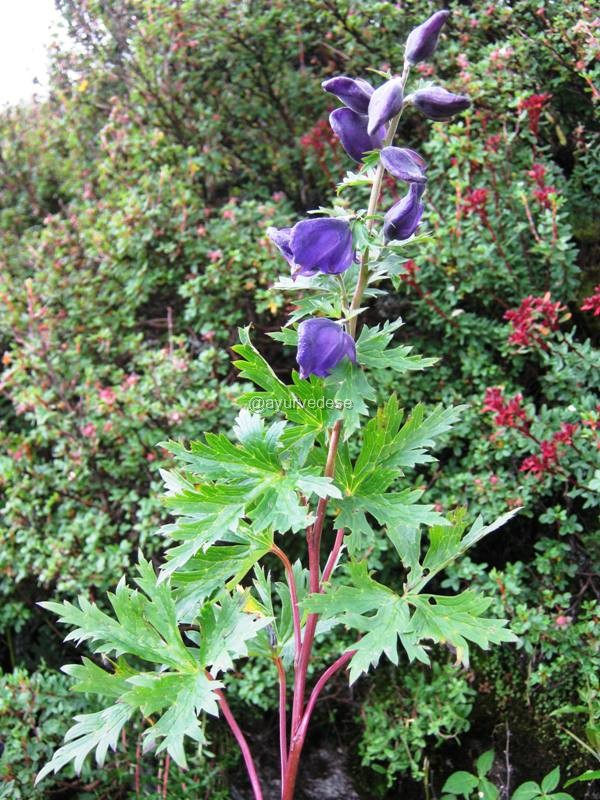
  • Aconitum / Vatsanabha
    openalex🗞️ Published on Ayurdrops: May 31, 2026📅 Source: Jun 01, 2026

    Keraliya Visha Chikitsa: A Comprehensive Overview of Traditional Ayurvedic Toxicology

    Researchers reviewed traditional Ayurvedic toxicology, focusing on the practice of Keraliya Visha Chikitsa, which addresses the treatment of poisoning and intoxications. This method uses a combination of herbs, diets, and specific therapies to detoxify the body and restore balance. The review highlights the importance of understanding the underlying principles of toxicology in Ayurveda, such as the relationship between the doshas and the nature of poisons. Additionally, clinical cases demonstrating the efficacy of traditional approaches were discussed, although the review also acknowledges the need for more rigorous clinical studies to validate these methods. Ayurvedic toxicology offers a unique perspective that can complement modern practices, but it is essential that healthcare professionals are aware of the limitations and the need for integration with contemporary medicine.

  • openalex🗞️ Published on Ayurdrops: May 31, 2026📅 Source: Jun 01, 2026

    Tulsi and Digestive Health: A Review on the Use of Medicated Chewing Gum

    Researchers analyzed the use of medicated chewing gum with Tulsi extract (Ocimum sanctum) as an approach for treating gastric ulcers. The study reviewed several clinical and experimental trials, highlighting that Tulsi possesses anti-inflammatory and antioxidant properties that may help protect the gastric mucosa. Active compounds present in the plant, such as phenolic acids and flavonoids, have shown potential to reduce stomach acidity and promote healing of lesions. Additionally, medicated chewing gum may offer a practical and palatable form of administration, increasing treatment adherence. However, the review also points out limitations, such as the need for more clinical studies with larger samples and rigorous control of involved variables.

  • openalex🗞️ Published on Ayurdrops: May 31, 2026📅 Source: Jun 01, 2026

    Sattvavajaya and Anxiety: An Ayurvedic and Contemporary Psychotherapeutic Perspective

    Researchers explored Sattvavajaya Chikitsa, an Ayurvedic mind-focused approach, as an effective alternative in treating anxiety disorders. This method involves practices aimed at strengthening sattva, or the quality of a clear and balanced mind, while reducing tamas (inertia) and rajas (agitation). The authors, Vd. Milind Aware, Vd. Bhavana Dande, and Vd. Yudhojit Shrikisan Survase, discuss how Sattvavajaya can be integrated with modern psychotherapeutic therapies, highlighting the importance of holistic treatment. The research suggests that Sattvavajaya can improve emotional resilience and the ability to cope with stress, promoting a healthier mental state. Although the results are promising, it is important to consider that the practical implementation of this approach requires a deep understanding of both Ayurveda and contemporary psychotherapeutic techniques. Study limitations include the need for more clinical evidence and variability in individual responses to treatment.

  • openalex🗞️ Published on Ayurdrops: May 31, 2026📅 Source: Jun 01, 2026

    Shitapitta and urticaria: what the literature reveals to us

    Researchers reviewed the literature on shitapitta, a condition related to urticaria, and found important connections between Ayurvedic concepts and clinical manifestations. The study, conducted by Patil et al., highlights that shitapitta is characterized by skin eruptions and itching, often exacerbated by factors such as stress and climatic changes. The analysis suggests that an imbalance of the doshas, especially an increase in the Vata dosha, may contribute to the manifestation of this condition. Additionally, Ayurvedic treatments aimed at restoring balance were discussed, such as the use of anti-inflammatory herbs and the importance of an appropriate diet. The review also points to the need for more clinical studies to validate traditional approaches and better understand the mechanisms involved in urticaria from the perspective of Ayurveda.

  • openalex🗞️ Published on Ayurdrops: May 31, 2026📅 Source: Jun 01, 2026

    Sattvavajaya and Anxiety Disorders: An Ayurvedic and Contemporary Psychotherapeutic Perspective

    Researchers explored Sattvavajaya Chikitsa, an Ayurvedic mind-focused approach, as an effective alternative for treating anxiety disorders. The study, conducted by Vd. Milind Aware and colleagues, highlights the importance of mental health in Ayurveda, emphasizing that anxiety is not only a mental disorder but also an imbalance of the doshas. Sattvavajaya, which involves practices such as meditation, mind control, and lifestyle adjustments, has shown promise in reducing anxiety symptoms. The authors discuss how integrating contemporary psychotherapeutic techniques can enhance the effects of Sattvavajaya, providing a more holistic treatment. Although the results are encouraging, the study underscores the need for further research to validate these approaches in larger populations and with different anxiety profiles.