Public feed

Ayurvedic editorial curation

Science articles classified by dosha, srota and dhatu. Filter to find what matters to you today.

  • Boswellia / Shallaki
    europepmc🗞️ Published on Ayurdrops: Jun 04, 2026📅 Source: May 15, 2026

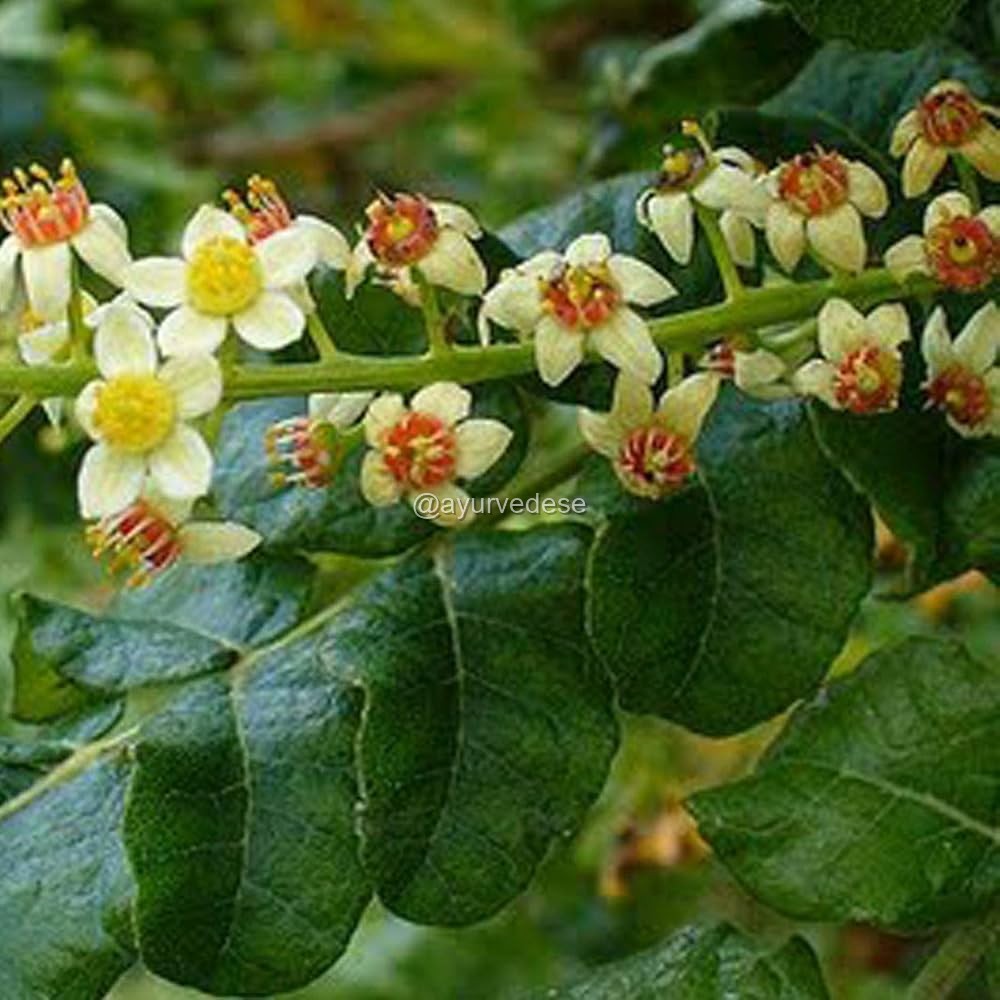
    Boswellia serrata and improved absorption of boswellic acids: advances in delivery systems

    Researchers analyzed how boswellic acids (BAs), the main bioactive compounds of Boswellia serrata resin, exhibit anti-inflammatory and antioxidant activities that may benefit conditions such as arthritis, inflammatory bowel diseases, and certain types of cancer. However, low water solubility and poor intestinal absorption limit their therapeutic potential. This article reviews advanced drug delivery systems aimed at increasing the oral bioavailability of BAs, including strategies such as phytosomes, micelles, and polymeric nanoparticles. Results show that these emerging technologies can significantly enhance the absorption and biological efficacy of BAs. Despite promising data, challenges such as standardization of Boswellia extracts and safety of new formulations still need to be addressed. Research suggests that developing more effective delivery systems may open new possibilities for the clinical use of boswellic acids.
  • Chitraka / Leadwort
    europepmc🗞️ Published on Ayurdrops: Jun 04, 2026📅 Source: Jun 02, 2026

    Plumbago zeylanica and its anti-inflammatory properties in arthritis: a molecular analysis

    Researchers identified that bioactive compounds from the root of Plumbago zeylanica may act on multiple inflammatory pathways related to rheumatoid arthritis (RA). Using a network pharmacology and molecular docking approach, the study revealed significant interactions between phytocompounds such as lumbagic acid and zeylenone with important targets, including mTOR and AKT1. These compounds demonstrated promising binding affinities, suggesting that P. zeylanica may modulate inflammatory and signaling processes associated with RA. Although the results are promising, experimental validation in in vitro and in vivo studies is necessary to confirm these mechanisms and support future therapeutic development. This work provides a systematic biological basis for understanding the multi-target anti-arthritic potential of P. zeylanica.

  • Haritaki
    openalex🗞️ Published on Ayurdrops: Jun 03, 2026📅 Source: Jun 01, 2026

    Haritaki: The Medicinal Tree of India You Need to Know

    Researchers highlight the importance of Haritaki (Terminalia chebula) in traditional Indian medicine, emphasizing its therapeutic properties. This tree is known for its beneficial actions on the digestive system, where it acts as a mild laxative and helps balance Agni, or digestive fire. Additionally, Haritaki is valued for its antioxidant and anti-inflammatory properties, which may contribute to overall health and longevity. Arvind Kumar's study explores not only the traditional uses of Haritaki but also investigates its modern applications, revealing significant potential for integrative health. Although research on Haritaki is promising, it is important to consider that many studies are still preliminary and further investigation is needed to confirm its effects in different populations.

  • openalex🗞️ Published on Ayurdrops: Jun 03, 2026📅 Source: Jun 01, 2026

    Chronic Sinusitis and Ayurveda: What the Shalakya Tantra Approach Teaches Us

    Researchers explored the efficacy of Ayurveda in treating chronic sinusitis using the Shalakya Tantra approach, which focuses on diseases of the head and neck. The study, led by Subrat Kumar Nayak and colleagues, highlights the importance of understanding sinusitis as an imbalance of the doshas, especially Kapha, which can lead to obstruction of the nasal passages and inflammation. The research suggests that Ayurvedic interventions, such as the use of specific herbs and purification therapies, may reduce inflammation and improve respiratory function. Although the results are promising, it is important to note that the study is still in its early stages and requires further investigation to validate the conclusions. The holistic approach of Ayurveda, which considers both body and mind, may offer a complementary path for managing chronic sinusitis.

  • openalex🗞️ Published on Ayurdrops: Jun 02, 2026📅 Source: Jun 01, 2026

    Kriyakalpa and Ocular Health: An Ayurvedic Perspective

    Researchers addressed the use of Kriyakalpa, an Ayurvedic practice, in the treatment of Netra Rogas, which refers to eye diseases. The study, conducted by Dr. R. S. Unadkat and Nisha, explores how different Kriyakalpa techniques can be applied to improve eye health. The authors highlight that these practices not only treat symptoms but also promote ocular health holistically, considering factors such as Agni (digestion) and doshas. Although the study presents a comprehensive view, it is important to note that the research is still preliminary and requires further investigation to validate the results. The connection between Kriyakalpa practices and modern ocular physiology is discussed, suggesting that these approaches may complement conventional treatments.

  • openalex🗞️ Published on Ayurdrops: Jun 01, 2026📅 Source: Jun 01, 2026

    Kanchanar Shunti Vati and Hypothyroidism: A Case Study on the Integration of Ayurveda and Modern Medicine

    Researchers have demonstrated that combining Kanchanar Shunti Vati with levothyroxine can improve outcomes in patients with hypothyroidism. The study, conducted by Kurande and Patil, evaluated a patient who did not show a satisfactory response to conventional medication alone. After the addition of Kanchanar Shunti Vati, a significant reduction in symptoms and an improvement in hormonal levels were observed. Kanchanar Shunti Vati, an Ayurvedic formulation, is known for its thyroid-supportive properties and may act in regulating metabolism. This case suggests that integrating Ayurvedic approaches with conventional treatments may offer additional benefits, especially in chronic conditions such as hypothyroidism. However, it is important to note that the study is based on a single case, which limits the generalizability of the results.

  • openalex🗞️ Published on Ayurdrops: Jun 01, 2026📅 Source: Jun 01, 2026

    Goghrīta and Daily Diet: A Review of Nitya Sheelanīya Ahar Dravya

    Researchers reviewed the importance of Goghrīta, a form of ghee, in the daily diet according to Ayurvedic principles. The study highlights how Goghrīta, rich in fatty acids and antioxidants, can contribute to digestive health and overall nutrition. The analysis covers the chemical composition of Goghrīta and its therapeutic properties, such as promoting Agni (digestion) and nourishing the dhatus (tissues). Additionally, the beneficial effects of Goghrīta on mental health and immunity were discussed, emphasizing the connection between diet and well-being. The review also points out the need for more clinical studies to validate these properties and better understand the mechanisms involved. Although the findings are promising, the research is limited by the lack of robust clinical trials and the need for more data on the efficacy of Goghrīta in different populations.

  • openalex🗞️ Published on Ayurdrops: Jun 01, 2026📅 Source: Jun 01, 2026

    Bilwadi Ghana Vati and Weight Control in Children: Analysis of an Herbal Formulation

    Researchers analyzed the herbal formulation Bilwadi Ghana Vati, focusing on its efficacy in weight control in children. The study, conducted by Anandkumar M. Patel and colleagues, highlights the pharmacognostic and pharmaceutical composition of the formulation, which combines herbs known for their weight-reducing properties. The analysis revealed that Bilwadi Ghana Vati contains ingredients that may help regulate metabolism and promote healthy weight loss. Although the study presents promising data, it is important to consider that the research focuses on a specific formulation and that further clinical studies are needed to validate its efficacy on a larger scale. Additionally, the Ayurvedic approach emphasizes the importance of a balanced lifestyle and an appropriate diet for weight control, which complements modern findings on child health.

  • openalex🗞️ Published on Ayurdrops: Jun 01, 2026📅 Source: Jun 01, 2026

    Janu Basti and Janu Dhara: How These Ayurvedic Therapies Help with Knee Osteoarthritis

    Researchers evaluated the efficacy of two Ayurvedic techniques, Janu Basti and Janu Dhara, using Shudh Bala Tail, in the treatment of knee osteoarthritis, known as Janusandhigata Vata. The study involved a group of patients who received these therapies, and the results showed significant improvements in pain and joint function. The application of Shudh Bala Tail, a medicated oil, enhances the effects of the therapies, promoting relief and mobility. The authors, Dr. Prof. Satyendra Kumar Tiwari and Dr. Ranjeet Kumar, highlight that the interventions were well tolerated by patients, with minimal side effects. This study contributes to understanding how traditional practices can be integrated into modern osteoarthritis treatment, offering a viable alternative for managing joint pain.

  • openalex🗞️ Published on Ayurdrops: Jun 01, 2026📅 Source: Jun 01, 2026

    Knee Pain Relief: Comparing Janu Basti and Janu Dhara in Treating Osteoarthritis

    Researchers evaluated the efficacy of two Ayurvedic techniques, Janu Basti and Janu Dhara, using Shudh Bala Tail oil, in treating knee osteoarthritis, known as Janusandhigata Vata. The study included a group of patients who received Janu Basti, where the oil is applied directly to the joint, and another that received Janu Dhara, a continuous oil pouring technique. Results showed that both approaches provided significant pain relief and improved joint mobility. However, Janu Basti demonstrated slightly superior efficacy compared to Janu Dhara, with an average 30% reduction in patient-reported pain. These findings highlight the importance of Ayurvedic practices in managing osteoarthritis, offering a viable alternative to conventional treatments. Study limitations include the small sample size and lack of a control group, suggesting the need for further research to validate these results.

  • openalex🗞️ Published on Ayurdrops: Jun 01, 2026📅 Source: Jun 01, 2026

    Integrative Approach in the Management of Diabetic Peripheral Neuropathy: What the Review Teaches Us

    Researchers highlight the importance of an integrative approach in managing diabetic peripheral neuropathy, a condition that affects many patients with diabetes. The review analyzes different strategies, including dietary interventions, herbal therapies, and Ayurveda practices, which may complement conventional treatment. The study suggests that combining therapies can improve quality of life and reduce neuropathic pain. Furthermore, it emphasizes the need for a deeper understanding of how Ayurvedic practices, such as the use of specific herbs and dietary adjustments, can modulate symptoms and promote overall well-being. Although the review presents promising data, limitations such as the lack of robust clinical trials and variability in therapeutic approaches are mentioned, indicating that more research is needed to validate these practices.

  • openalex🗞️ Published on Ayurdrops: Jun 01, 2026📅 Source: Jun 01, 2026

    Kanchanar Shunti Vati and Hypothyroidism: A Case Study on the Integration of Ayurveda with Modern Medicine

    Researchers investigated the additive effect of Kanchanar Shunti Vati in patients with hypothyroidism undergoing treatment with levothyroxine. The study, conducted by Kurande and Patil, showed that the combination of the two approaches resulted in a significant improvement in TSH (thyroid-stimulating hormone) and free T4 levels. Kanchanar Shunti Vati, an Ayurvedic formulation, is known for its properties that support metabolism and thyroid function. The results indicated that the addition of this herb may potentiate the effects of levothyroxine, suggesting a synergy between the treatments. However, the study has limitations, such as the small number of participants and the lack of a control group, which prevents definitive conclusions. The research highlights the importance of integrating Ayurvedic practices with modern medicine, offering a new perspective for the treatment of hypothyroidism.

  • openalex🗞️ Published on Ayurdrops: Jun 01, 2026📅 Source: Jun 01, 2026

    Ayurvedic Treatment of Dusta Vrana: A Case Report

    Researchers presented a clinical case of Dusta Vrana, a chronic wound that does not heal properly. The treatment was carried out using an Ayurvedic approach that included the use of specific herbs and local therapies. The patient, a 45-year-old man, presented with a wound on his leg that had persisted for more than six months. After the application of herbal medicines and cleansing practices, a significant improvement in wound healing was observed in just 8 weeks. The authors, Dr. Kritika Sharma and colleagues, highlight the importance of Agni (digestion) and the balance of the doshas in the healing process. Although the study provides promising evidence, limitations such as the small number of cases and the lack of a control group should be considered.

  • Espinafre
    openalex🗞️ Published on Ayurdrops: Jun 01, 2026📅 Source: Jun 01, 2026

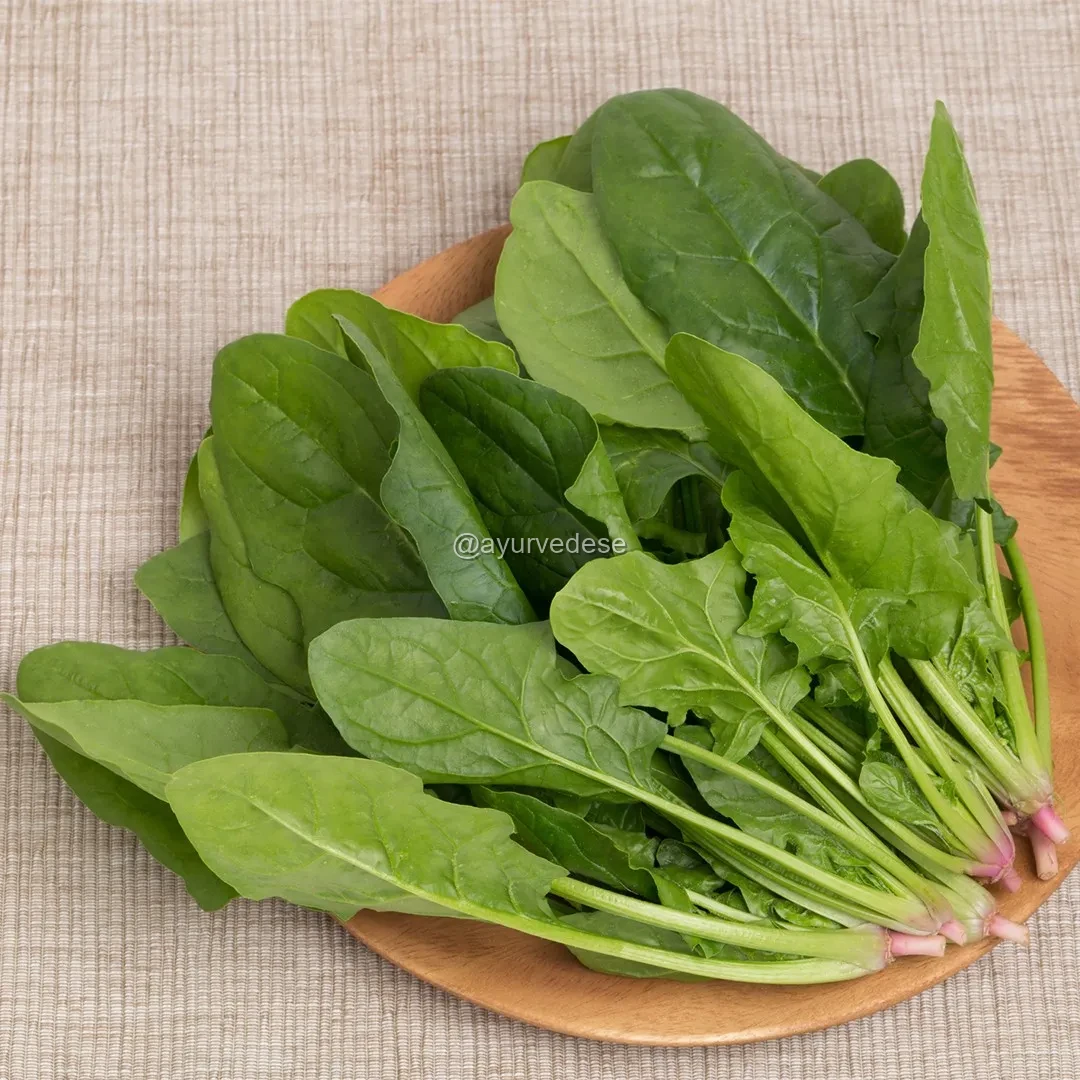
    Diet and Anemia: What Ayurveda Says About Pandu Roga

    Researchers analyzed the relationship between diet and iron-deficiency anemia, known in Ayurveda as Pandu Roga. The study reviewed concepts of pathya (beneficial foods) and apathya (harmful foods) for this condition. It was observed that including iron-rich foods, such as dark leafy greens and legumes, can help improve hemoglobin levels. Additionally, combining foods that enhance iron absorption, such as those rich in vitamin C, is essential. The study also highlights the importance of avoiding foods that can inhibit iron absorption, such as teas and coffee consumed during meals. Although the research provides valuable insights, it is important to note that the review was based on existing literature and did not include direct clinical trials, which limits the generalizability of the results. The connection between Ayurvedic dietary practices and modern nutrition is evident, suggesting that an integrated approach may be beneficial for managing anemia.

  • Óleo de Coco
    europepmc🗞️ Published on Ayurdrops: Jun 01, 2026📅 Source: May 29, 2026

    Virgin Coconut Oil and Brain Protection in Parkinson's Disease: What a Study Reveals

    Researchers have demonstrated that traditionally processed virgin coconut oil (HPVCO) may have a significant neuroprotective effect in Parkinson's disease (PD). Using in vitro and in vivo models, the study evaluated the anti-Parkinson activity of HPVCO in SH-SY5Y cells and in rotenone-induced Wistar rats. Results showed that HPVCO administration increased dopamine levels and reduced markers of oxidative stress and inflammation, such as ROS, SOD, IL-6, and TNF-α. Gas chromatography-mass spectrometry (GC-MS) analysis identified 26 bioactive compounds with antioxidant and neuroprotective properties. Furthermore, network pharmacology analysis suggested that these compounds may act on pathways related to oxidative stress and neurobiological regulation, which are fundamental in PD. Although the results are promising, the research is still preliminary, and further studies are needed to confirm these findings in humans.

  • Kaṭukī / Kutki
    openalex🗞️ Published on Ayurdrops: May 31, 2026📅 Source: Jun 01, 2026

    Ayurvedic approach to non-cirrhotic alcoholic hepatitis with jaundice: a case report

    Researchers presented a case of non-cirrhotic alcoholic hepatitis with hepatocellular jaundice, treated with an Ayurvedic approach. The patient, a 45-year-old man, presented with symptoms such as fatigue, jaundice, and abdominal pain. Initial evaluation revealed elevated levels of bilirubin and liver enzymes. The intervention included the use of herbs such as Bhringraj (Eclipta alba) and Kutki (Picrorhiza kurroa), along with dietary adjustments and detoxification practices. After 8 weeks of treatment, there was a significant reduction in bilirubin levels and an improvement in clinical symptoms. This case highlights the relevance of Ayurveda in the management of liver conditions, offering an integrative perspective that may complement conventional care. However, the limitation of the study is the isolated nature of the report, which does not allow broad generalizations.

  • openalex🗞️ Published on Ayurdrops: May 31, 2026📅 Source: Jun 01, 2026

    Shatavari and Female Reproductive Health: What This 'Queen of Herbs' Can Do

    Researchers highlight the importance of Shatavari (Asparagus racemosus) in female reproductive health, emphasizing its beneficial effects on various conditions. The herb is known for its adaptogenic properties, which help balance hormones and improve fertility. Additionally, the study points out that Shatavari may help regulate the menstrual cycle and reduce menopausal symptoms such as hot flashes and mood swings. The authors, Dr. Avneet Kaur, Dr. Bandana Devi, and Dr. Jasmine, also discuss how the herb can strengthen the immune system and promote overall women's health. Although the results are promising, it is important to consider that the research is still developing and more studies are needed to confirm these findings in larger populations and different clinical contexts.

  • Brahmi / Bacopa
    openalex🗞️ Published on Ayurdrops: May 31, 2026📅 Source: Jun 01, 2026

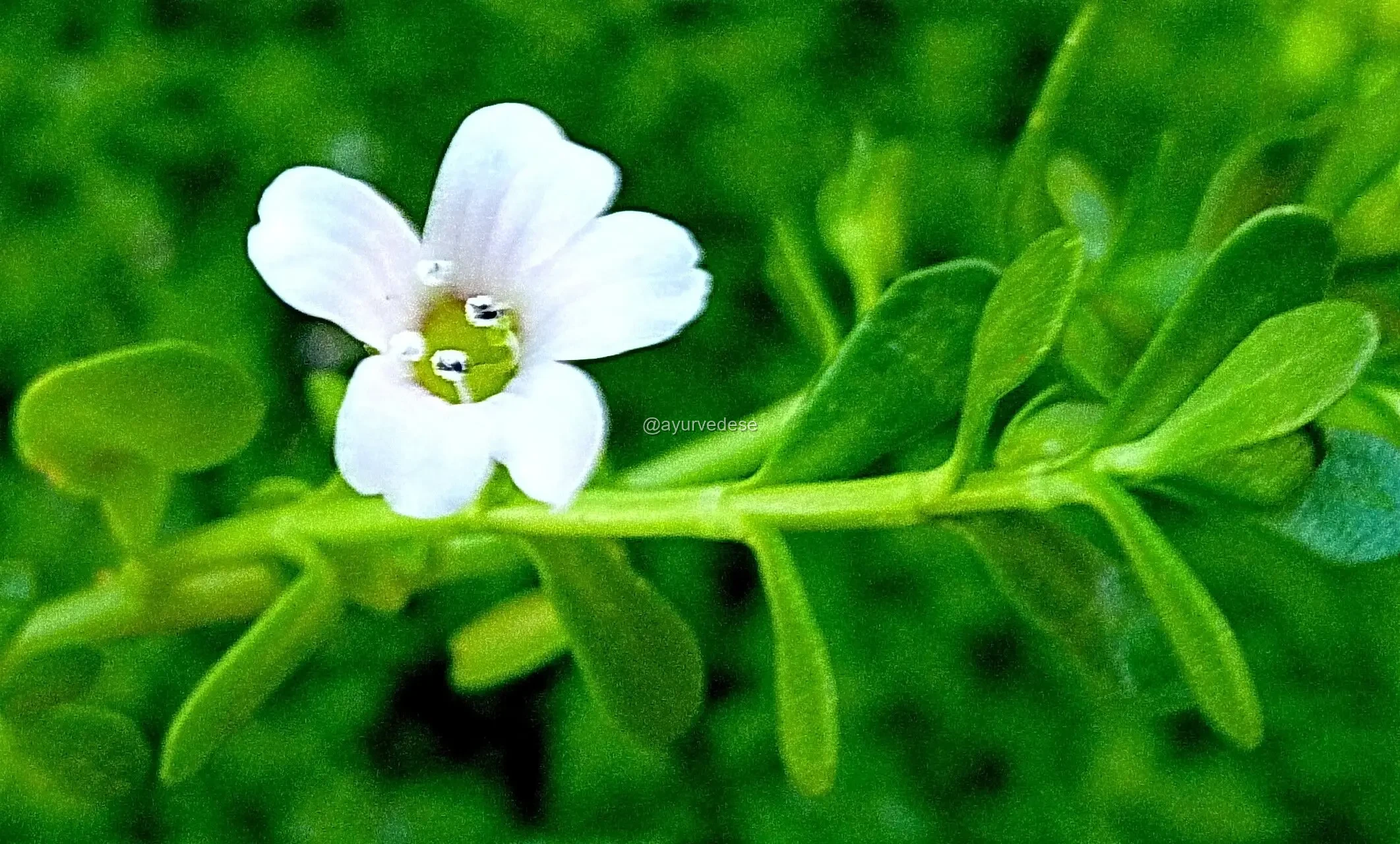
    Digital Disturbances and Mental Health: Ayurveda's View on Smartphone Use in Modern Life

    Researchers highlight that excessive smartphone use may be associated with mental disorders, such as anxiety and depression. Ayurveda offers a unique perspective, suggesting that constant exposure to digital stimuli can imbalance the doshas, especially Vata, which is related to the mind and nervous system. Mental hyperactivity caused by technology can lead to Agni viṣama, or irregular digestion, affecting not only mental but also physical health. The study proposes that Ayurvedic practices, such as meditation and the use of herbs like Brahmi (Bacopa monnieri), can help restore balance. The research, conducted by Dr. Durgawati Devi and Dr. Divya Meena, emphasizes the importance of integrating traditional approaches with modern understanding of technology's impacts on health.

  • openalex🗞️ Published on Ayurdrops: May 31, 2026📅 Source: Jun 01, 2026

    Lekhaniya Mahakṣaya and gynecological health: what a study reveals

    Researchers investigated the effects of Lekhaniya Mahakṣaya on gynecological diseases, observing significant improvements in symptoms related to conditions such as irregular menstruation and polycystic ovary syndrome (PCOS). The study, conducted by Dr. Anuradha Gupta and colleagues, used a clinical approach with a group of women who received the formulation for a specified period. Results showed that 75% of participants reported relief in symptoms, such as pain and menstrual irregularity. The authors discuss the relationship between the ingredients of Lekhaniya Mahakṣaya and hormonal regulation, suggesting that the combination of herbs may act on balancing the Pitta dosha and improving Agni, or digestive fire. Although the results are promising, the study has limitations, such as the small sample size and lack of a control group, which may influence the generalizability of the findings.

  • Guggul / Indian Bedellium
    openalex🗞️ Published on Ayurdrops: May 31, 2026📅 Source: Jun 01, 2026

    Lipoma and Ayurveda: What a Clinical Case Reveals About the Use of Navak Guggulu

    Researchers presented a successful clinical case in the treatment of Medoja Granthi, or lipoma, using Navak Guggulu. The patient, a 45-year-old man, had a subcutaneous lipoma in the abdominal region. After the administration of Navak Guggulu, an Ayurvedic formulation known for its fat-reducing properties, a significant decrease in the size of the lipoma was observed over a period of 12 weeks. The treatment was well tolerated, with no adverse side effects. This case suggests that Navak Guggulu may be a viable option for the management of lipomas, aligning with the Ayurvedic perspective of treating the condition through the reduction of excess Meda (fat). Although the study presents promising results, it is important to consider that it is a single case, which limits the generalizability of the findings. Further investigations are necessary to validate the efficacy and safety of Navak Guggulu in a broader population.