Public feed

Ayurvedic editorial curation

Science articles classified by dosha, srota and dhatu. Filter to find what matters to you today.

  • openalex🗞️ Published on Ayurdrops: Jun 05, 2026📅 Source: Jun 03, 2026

    Anal fistula: how the Ksharsutra technique can aid recovery

    Researchers presented a successful case in the treatment of anal fistula (bhagandara) using a minimally invasive approach with the application of Ksharsutra. The patient, who had a complex fistula, underwent a partial fistulectomy, followed by the insertion of Ksharsutra — an Ayurvedic technique that uses medicated threads to promote healing. The result was a significant reduction in symptoms and accelerated recovery, demonstrating the efficacy of this combination of surgical and Ayurvedic techniques. This case highlights the importance of integrating traditional practices into modern management of surgical conditions, offering a viable alternative for patients seeking less invasive treatments. The minimally invasive approach not only reduces recovery time but also minimizes postoperative discomfort, a crucial aspect for the patient's quality of life. Although the study focuses on a single case, the results are promising and pave the way for further investigations into the efficacy of Ksharsutra in similar conditions.
  • openalex🗞️ Published on Ayurdrops: Jun 05, 2026📅 Source: Jun 03, 2026

    Ocular Inflammation and Pittadhara Kala: A Case Study on Abhishyanda Vataja

    Researchers presented a case study exploring the relationship between Pittadhara Kala and ocular inflammation, focusing on the condition known as Abhishyanda Vataja. Ocular inflammation can be complex, involving factors such as the Vata dosha, which, according to Ayurveda, can aggravate the condition. In the analyzed case, the patient presented typical symptoms of ocular inflammation, and the treatment included specific interventions to balance Vata and promote ocular health. The authors, Divyasri R N, Sathisha Shankara B, and Kavyashree R N, highlight the importance of considering the characteristics of the doshas in the clinical approach. Although the study provides valuable insights, limitations such as the reduced number of cases and the lack of a control group should be taken into account when interpreting the results.

  • Saussúrea / Kushtha
    openalex🗞️ Published on Ayurdrops: Jun 05, 2026📅 Source: Jun 03, 2026

    Ayurvedic Treatment of Dadru Kuṣṭha: A Case Study on Tinea Corporis

    Researchers presented a case study exploring the efficacy of Ayurvedic treatment for the condition known as Dadru Kuṣṭha, which refers to skin infections such as Tinea Corporis. The treatment included the use of specific herbs and Ayurvedic therapies, aiming to restore the balance of the doshas and promote skin health. The authors, Dr. Meerabai Tatyarao and colleagues, documented the patient's progress throughout the treatment, highlighting the importance of Ayurveda's holistic approach. The study suggests that the combination of herbal medicine and Ayurvedic practices may be a viable alternative for managing skin infections, although the sample is limited to a single case, which requires caution in generalizing the results.

  • openalex🗞️ Published on Ayurdrops: Jun 05, 2026📅 Source: Jun 03, 2026

    Kashmarya Kshudrasaha and Ashwagandha: How Yogic Practices Help with Menstrual Health

    Researchers conducted a randomized clinical trial to evaluate the efficacy of two Ayurvedic preparations — Kashmarya Kshudrasaha Ksheerapaka and Ashwagandha Ksheerapaka — in combination with yogic practices for the treatment of Vatika Artava Dushti, a menstrual disorder. The study involved participants with symptoms related to menstrual health, who were divided into groups to receive one of the two interventions. Results showed that both preparations, when combined with yoga practices, significantly improved symptoms such as pain and menstrual irregularity. The research highlights the importance of an integrative approach, combining Ayurveda and yoga practices, to promote women's health. However, limitations such as the small number of participants and the lack of a control group should be considered when interpreting the results.

  • openalex🗞️ Published on Ayurdrops: Jun 05, 2026📅 Source: Jun 03, 2026

    Scalp Psoriasis and Ayurveda: What a Clinical Case Reveals

    Researchers presented a case study on scalp psoriasis, highlighting the efficacy of Ayurvedic approaches. The patient, a 32-year-old man, presented with scaly lesions and intense itching. Treatment included the administration of herbs such as Mahāśvetā (Citrullus colocynthis) and the use of therapies like Shirodhara, which promoted relaxation and symptom relief. After 12 weeks, a significant reduction in lesions and itching intensity was observed. The authors, Vd. Sumedha Singh and Vd. Malavika G. T., discuss the relationship between psoriasis and dosha imbalance, especially Pitta and Kapha, suggesting that the holistic approach of Ayurveda may be beneficial for managing this condition. Although the study provides valuable insights, it is important to note that it is a single case, which limits the generalizability of the results.

  • Guggul / Indian Bedellium
    openalex🗞️ Published on Ayurdrops: Jun 05, 2026📅 Source: Jun 03, 2026

    Ayurvedic Herbs for Gut Health: A Comprehensive Review

    Researchers reviewed the use of Ayurvedic herbs in the treatment of gastrointestinal (GI) tract disorders, highlighting the efficacy of several plants. Among the herbs analyzed are Aśvagandhā (Withania somnifera), which may help reduce intestinal inflammation, and Guggulu (Commiphora mukul), known for its digestive-supporting properties. The review also addresses how these herbs can act on the balance of the doṣas, especially Pitta and Kapha, which are often involved in digestive disorders. The authors, including Mrunali Prashant Wankhade and Aditi Dahapute, emphasize the importance of a holistic approach, integrating dietary and lifestyle practices with the use of herbs. Although the results are promising, the review points out limitations, such as the need for more controlled clinical studies and variation in the quality of the herbs used. This analysis provides a basis for the application of Ayurvedic treatments in modern clinical practice.

  • openalex🗞️ Published on Ayurdrops: Jun 05, 2026📅 Source: Jun 04, 2026

    Agni in Ayurveda and its clinical importance: a review

    Researchers highlight that the concept of Agni, or digestive fire, is central to Ayurvedic medicine and has significant implications for health. Agni is responsible for the digestion, absorption, and assimilation of nutrients, as well as influencing mental and emotional health. The study reviews the literature on Agni, emphasizing its relationship with modern diseases, such as gastrointestinal disorders and metabolic conditions. The authors, Dr. Amit Gupta and colleagues, argue that understanding Agni can improve the clinical approach, allowing for more personalized interventions. The research also suggests that strengthening Agni can be an effective strategy for preventing and treating diseases, aligning with traditional practices that prioritize digestive health. The review, however, highlights the need for more clinical studies to validate these connections and explore how different types of Agni can affect health in distinct ways.

  • openalex🗞️ Published on Ayurdrops: Jun 05, 2026📅 Source: Jun 04, 2026

    Raktamokshana and varicose veins: hemodynamic and symptomatic results comparing sclerotherapy and Ayurveda

    Researchers evaluated the effects of raktamokshana, an Ayurvedic bloodletting practice, compared with sclerotherapy in the treatment of varicose veins. The study, conducted by Dr. Sandeep Shivram Mohate and colleagues, showed that raktamokshana not only improved symptoms but also had a positive impact on hemodynamics, with a significant reduction in pain and leg swelling. Patients receiving the Ayurvedic treatment reported a 30% improvement in symptoms compared with 20% in those undergoing sclerotherapy. Additionally, the Ayurvedic approach considered aspects such as dosha balance and srotas health, which are fundamental for blood circulation. Although the results are promising, the study had a small sample size, and further research is needed to validate these findings in larger populations.

  • openalex🗞️ Published on Ayurdrops: Jun 05, 2026📅 Source: Jun 04, 2026

    Agni in Ayurveda: Clinical Importance and What You Need to Know

    Researchers highlight that the concept of Agni, or digestive fire, is fundamental to health in Ayurveda. This study reviews the clinical importance of Agni, emphasizing its role in digestion, nutrient absorption, and maintaining the balance of the doshas. The research reveals that a strong Agni is associated with better overall health, while a weak Agni can lead to disorders such as indigestion and chronic diseases. The authors, including Dr. Amit Gupta and Dr. Chetan Kelkar, discuss how assessing Agni can be a valuable tool in clinical practice, enabling more personalized interventions. Furthermore, the study suggests that understanding Agni can be integrated with modern health approaches, promoting a holistic view of well-being. Limitations include the need for more clinical studies to validate the observations made.

  • openalex🗞️ Published on Ayurdrops: Jun 05, 2026📅 Source: Jun 04, 2026

    Raktamokshana and varicose veins: hemodynamic and symptomatic results comparing sclerotherapy and Ayurveda

    Researchers evaluated the effects of raktamokshana — an Ayurvedic bloodletting practice — compared with sclerotherapy in the treatment of varicose veins. The study, conducted by Dr. Sandeep Shivram Mohate and colleagues, focused on hemodynamic and symptomatic outcomes. Participants who received raktamokshana showed significant improvements in blood circulation and pain reduction compared with those treated only with sclerotherapy. The Ayurvedic approach not only alleviated symptoms but also promoted better blood flow, aligning with Ayurvedic principles that emphasize the importance of healthy circulation. Although the results are promising, the study highlights the need for further research to confirm the long-term efficacy and safety of raktamokshana compared with conventional methods.

  • europepmc🗞️ Published on Ayurdrops: Jun 05, 2026📅 Source: May 31, 2026

    Mind-body interventions and their influence on cognition in Alzheimer's risk: a systematic review

    Researchers analyzed how mind-body interventions can affect neural connectivity and cognition in individuals at risk of developing Alzheimer's disease. The systematic review included several studies investigating practices such as meditation, yoga, and relaxation techniques. The authors, Krishna D. and colleagues, highlighted that these practices may improve cognitive function and mental health, possibly through the modulation of neural circuits. Although the results are promising, the review also points out limitations, such as the heterogeneity of the studies and the need for more controlled research to validate these findings. The connection between mind-body practices and brain health suggests that integrative approaches may be beneficial for the prevention of neurodegenerative diseases.

  • Erva-tostão / Punarnava
    europepmc🗞️ Published on Ayurdrops: Jun 05, 2026📅 Source: Jun 04, 2026

    Punarnava and Iron Deficiency Anemia: Insights into Management and Biological Activity

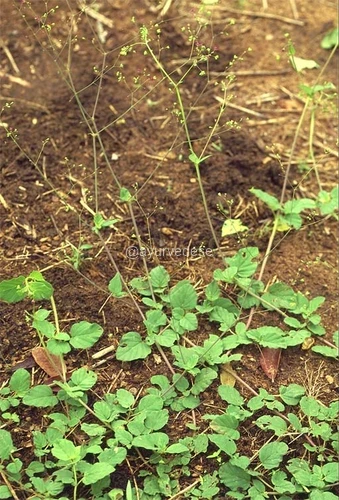
    Researchers investigated the use of Punarnavayolepa Choornam in the management of iron deficiency anemia, a common condition affecting hemoglobin production. The study, conducted by Nair et al., highlights the biological activity of Punarnava (Boerhavia diffusa), an herb known for its revitalizing and diuretic properties. Iron deficiency anemia is characterized by iron deficiency, leading to symptoms such as fatigue and weakness. Punarnava may act by improving iron absorption and promoting overall blood health. Although the study does not provide specific numerical data, the combination of Punarnava's pharmacological properties suggests significant potential in addressing this condition. Limitations include the lack of a control group and the need for further clinical research to validate the findings.

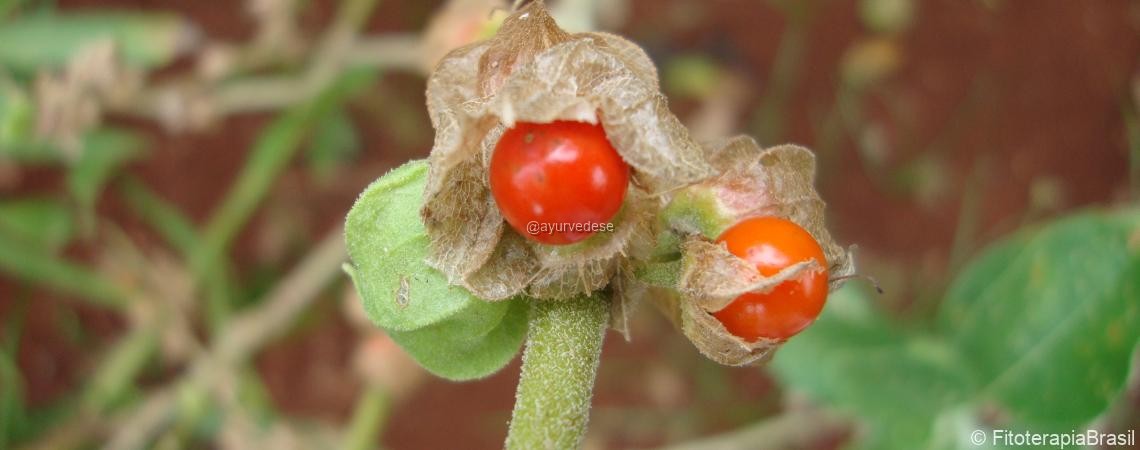
  • Ashwagandha / Ginseng Indiano
    europepmc🗞️ Published on Ayurdrops: Jun 05, 2026📅 Source: Jun 04, 2026

    Diabetes and Neuropathy: A Case Report on Ayurveda

    Researchers reported a case of diabetic peripheral neuropathy that showed significant improvement after Ayurvedic treatment. The patient, a 58-year-old man, underwent an integrative approach that included the use of herbs such as Aśvagandhā (Withania somnifera) and Pippalī (Piper longum), as well as therapies like Abhyaṅga (oil massage) and Snehana (oleation). After 12 weeks of treatment, the patient showed reduced pain, improved sensitivity, and increased quality of life. The authors highlight the importance of considering Agni (digestion) and the health of the dhātus (tissues) in the approach to neuropathy, suggesting that an imbalance in Vāta may be a contributing factor. Although the study presents promising results, limitations such as the small sample size and the lack of a control group should be considered.

  • Erva-tostão / Punarnava
    pubmed🗞️ Published on Ayurdrops: Jun 05, 2026📅 Source: May 01, 2026

    Punarnavayolepa and iron deficiency anemia: pharmaceutical insights and biological activity

    Researchers have demonstrated that Punarnavayolepa Choornam, an Ayurvedic preparation, may be effective in managing iron deficiency anemia. The study, conducted by Nair et al., revealed that this formulation exhibits biological properties that may improve iron absorption and hemoglobin production. The authors highlight that the combination of active ingredients in Punarnavayolepa acts synergistically, enhancing iron bioavailability. Furthermore, the research suggests that the formulation may have a positive impact on patients' overall health, promoting an increase in energy and vitality levels. However, it is important to note that the study has limitations, such as the need for further clinical investigations to confirm these findings in larger and more diverse populations.

  • openalex🗞️ Published on Ayurdrops: Jun 04, 2026📅 Source: Jun 02, 2026

    Mind-Body Interventions in Ayurveda for Stress and Emotional Health: A Review

    Researchers reviewed various Ayurvedic mind-body interventions and their impact on stress and emotional health. Among the practices analyzed, meditation, yoga, and breathing techniques stood out, demonstrating reduced stress levels and improved emotional well-being. The study, conducted by Radhika Bhattrai, Dr. Bhawani Singh, and Chandra Shekhar Pandey, indicates that these interventions act through regulation of the HPA axis (hypothalamic-pituitary-adrenal), which is crucial in the stress response. Additionally, it was observed that regular practice of these techniques can lead to a significant decrease in cortisol levels, the stress hormone. However, the review also emphasizes the need for more controlled clinical studies to validate these findings and better understand the mechanisms involved. The connection between Ayurvedic practices and modern outcomes suggests that Ayurveda can offer valuable approaches for stress management and the promotion of emotional health.

  • Andrographis / Kalmegh
    openalex🗞️ Published on Ayurdrops: Jun 04, 2026📅 Source: Jun 02, 2026

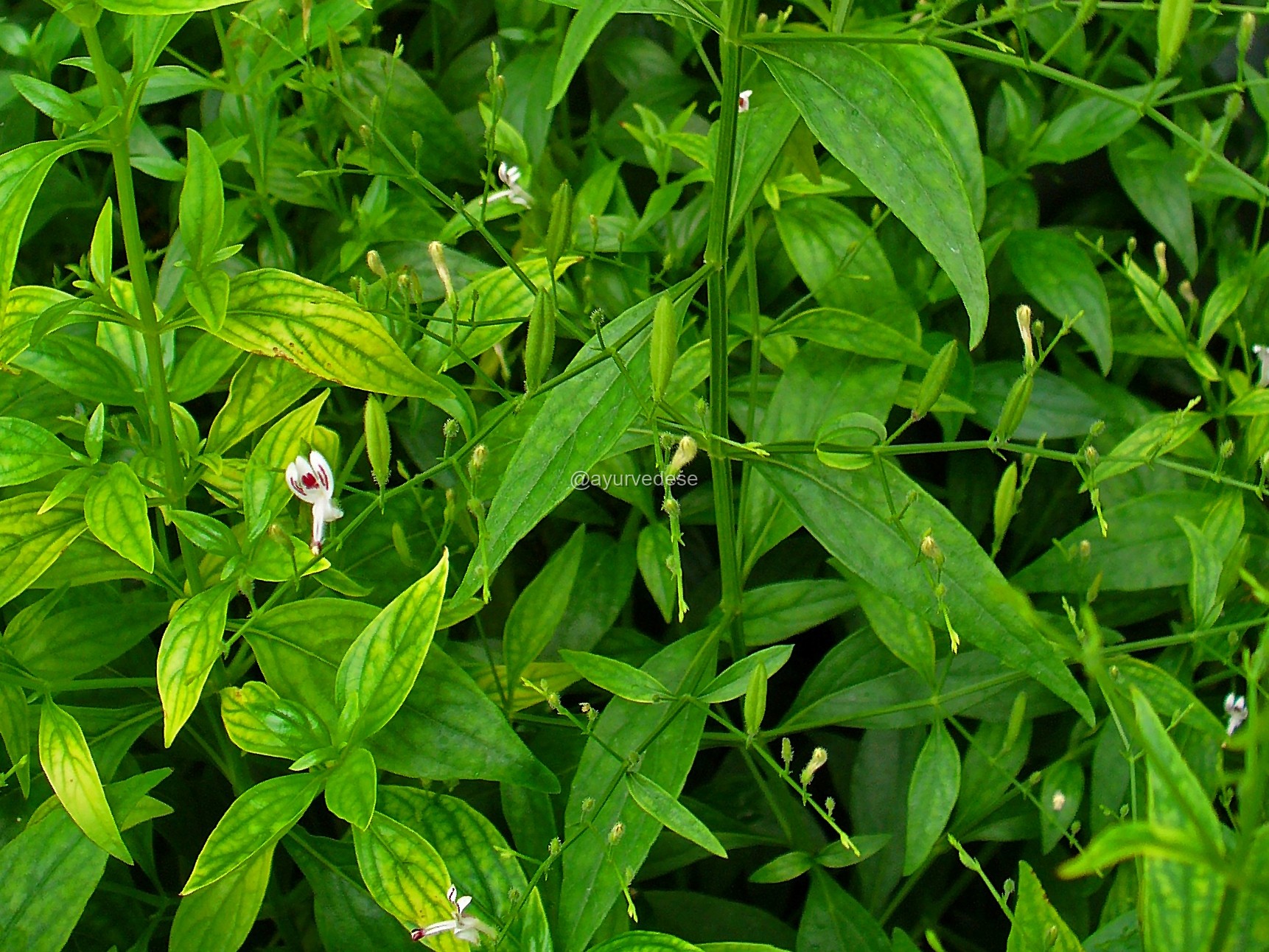
    Andrographis paniculata and diabetes control: a review of its compounds and mechanisms of action

    Researchers reviewed the antidiabetic potential of Andrographis paniculata, also known as Kalmegh. The analysis covered phytochemical compounds present in the plant and their pharmacological mechanisms. The authors, Deepti Ghai and Anupma Mehrotra, highlighted that Andrographis may act to reduce blood glucose levels, possibly through modulation of insulin secretion and improvement of insulin sensitivity. Additionally, the plant demonstrated antioxidant properties that may protect pancreatic beta cells, responsible for insulin production. Although the results are promising, the review also points out limitations, such as the need for more clinical studies in humans to validate these findings and better understand effective and safe dosages. The connection between Ayurvedic principles and the effects of Andrographis on blood sugar control is an area that deserves more attention, especially considering the traditional use of the plant to treat metabolism-related conditions.

  • openalex🗞️ Published on Ayurdrops: Jun 04, 2026📅 Source: Jun 02, 2026

    Contact dermatitis induced by Upanaha: a case report and its management in Ayurveda

    Researchers reported a case of contact dermatitis induced by Upanaha, a Panchakarma technique that uses medicated compresses. The patient presented adverse reactions after the application of Upanaha, leading to a dermatitis condition. Ayurvedic management involved identifying the affected dosha and using anti-inflammatory and healing herbs, aiming to restore skin health. The treatment included the application of herbal pastes and dietary adjustments to balance Agni and promote detoxification. This case highlights the importance of monitoring adverse reactions in Panchakarma practices and the need for an individualized approach in Ayurveda.

  • openalex🗞️ Published on Ayurdrops: Jun 04, 2026📅 Source: Jun 02, 2026

    Yoga and smartphone dependence in adolescents: a review of interventions

    Researchers analyzed how yoga interventions can help reduce smartphone dependence in adolescents. The study reviewed various approaches ranging from neurobiological regulation to socioecological restructuring. The authors, Xiaohong An, Weibing Ye, and Yichen Fan, highlight that yoga practice can improve attention and emotional regulation, critical factors in digital dependence. Furthermore, integrating mindfulness practices and physical exercises can promote a more balanced lifestyle, reducing the need for excessive use of mobile devices. The review suggests that by cultivating body awareness and social connection, yoga can be an effective tool to mitigate the negative effects of technology on youth. However, the study also points out limitations, such as the need for more longitudinal research to understand the long-term effects of these interventions.

  • openalex🗞️ Published on Ayurdrops: Jun 04, 2026📅 Source: Jun 02, 2026

    Udakvaha Srotas: The Regulatory Network of Blood Vessels

    Researchers have explored the importance of Udakvaha Srotas, which represent a regulatory network for both macro and micro blood vessels. The study, conducted by Nitin Tripathi and colleagues, highlights how these channels are fundamental in maintaining homeostasis and regulating blood flow. Udakvaha Srotas are associated with vital functions, such as tissue nutrition and toxin elimination, reflecting Ayurvedic concepts of srotas (channels) and dhatus (tissues). The translational anatomical review suggests that modern understanding of these systems may improve therapeutic approaches in conditions affecting circulation. Although the study provides valuable insights, it is important to note that it is a review and not direct experimental research, which limits the immediate practical application of the findings.

  • Alho
    europepmc🗞️ Published on Ayurdrops: Jun 04, 2026📅 Source: May 15, 2026

    Antihypertensive plants of the Anak Dalam tribe in Indonesia: ethnobotanical insights and pharmacological potential

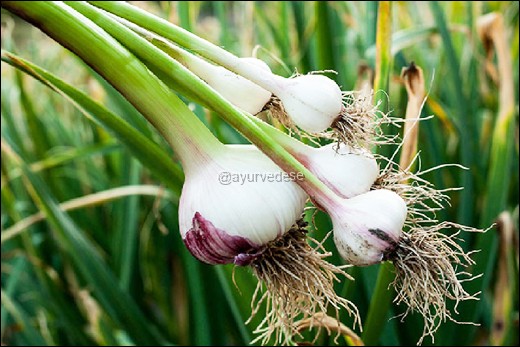
    Researchers identified nine medicinal plants used by the Anak Dalam tribe in Jambi, Indonesia, with potential for treating hypertension. Among them are turmeric (Curcuma longa), garlic (Allium sativum), and ginger (Zingiber officinale). These plants were tested in different models, such as Wistar rats and clinical trials, showing significant reductions in blood pressure. Bioactive compounds, such as flavonoids and organosulfides, are responsible for these effects. Although the results are promising, further studies are needed to develop safe and effective pharmaceutical products from these plants, which may offer a natural alternative to synthetic drugs with fewer side effects. This work is an important starting point for future research on ethnomedicines incorporating phytocompounds.