Public feed

Ayurvedic editorial curation

Science articles classified by dosha, srota and dhatu. Filter to find what matters to you today.

  • openalex🗞️ Published on Ayurdrops: Jun 07, 2026📅 Source: Jun 04, 2026

    Reclaiming the Sacred Science of Garbha Saṃskāra: The Adi Shaiva Tradition's Vision of Conscious Conception and Prenatal Care

    Researchers highlight the importance of Garbha Saṃskāra, a concept from the Adi Shaiva tradition that emphasizes conscious conception and prenatal care. This study, conducted by Rani Muthukrishnan, explores practices aimed at preparing the physical and emotional environment for gestation, promoting the health of both mother and fetus. Garbha Saṃskāra involves rituals and practices that aim to harmonize the doshas and strengthen Agni, or digestive fire, essential for maternal health. The research suggests that attention to the mother's emotional state and the creation of a positive environment can influence fetal development and the child's future health. Although the study is based on ancient traditions, it offers relevant insights for contemporary prenatal care practice, integrating ancestral wisdom with modern evidence.
  • openalex🗞️ Published on Ayurdrops: Jun 07, 2026📅 Source: Jun 05, 2026

    Isolated Ayurvedic Treatment for COVID-19-Associated Mucormycosis: A Case Report

    Researchers reported a case of COVID-19-associated mucormycosis treated with an isolated Ayurvedic protocol. The patient, a 45-year-old man, presented with severe symptoms and complications due to the fungal infection, which is a rare but potentially fatal condition. The treatment included the administration of specific herbs and purification practices, aiming to strengthen the immune system and improve the body's response to the infection. After 6 weeks of treatment, there was significant improvement in symptoms and patient recovery, highlighting the efficacy of Ayurveda in critical situations. This case suggests that integrative approaches may be valuable in managing complex conditions like mucormycosis, especially in patients with a history of COVID-19. However, it is important to note that this is a single case report, and further studies are needed to validate these findings in a larger population.

  • openalex🗞️ Published on Ayurdrops: Jun 07, 2026📅 Source: Jun 05, 2026

    The Fallopian Tubes as Biochemical Incubators: Lessons from Ayurveda and Modern Physiology

    Researchers explored the role of the Fallopian tubes as crucial biochemical environments for fertilization and early embryo development. The integrative analysis between modern physiology and Ayurvedic principles reveals that these tubes are not just anatomical structures but also perform complex functions that can be understood through the Ayurvedic concept of 'srotas' (channels). The study suggests that the health of the Fallopian tubes is closely linked to the balance of the doshas, especially 'kapha', which is responsible for nourishment and sustenance. Furthermore, the research highlights the importance of factors such as the health of Agni (digestion) and the influence of stress on the functioning of these structures. Study limitations include the need for more clinical investigations to validate the proposed connections between Ayurvedic concepts and modern findings.

  • openalex🗞️ Published on Ayurdrops: Jun 07, 2026📅 Source: Jun 05, 2026

    The uterine tube as a biochemical incubator: integrative insights between modern physiology and Ayurveda

    Researchers explored the role of the uterine tube as a crucial biochemical environment for fertilization and early embryo development. This study integrates knowledge from modern physiology with principles of Ayurveda, highlighting how the health of the reproductive system can be influenced by factors such as Agni (digestion) and the doshas. According to physiology, the uterine tube acts as an incubator that provides nutrients and a suitable microenvironment for the embryo, while in Ayurveda, reproductive health is seen as a reflection of internal balance and digestion. The article suggests that optimizing reproductive health can be achieved through practices that promote dosha balance and the maintenance of healthy Agni. Although the findings are promising, the study is limited by its theoretical approach and the need for further clinical investigations to validate the proposed connections.

  • openalex🗞️ Published on Ayurdrops: Jun 06, 2026📅 Source: Jun 04, 2026

    Male Factors in Infertility: An Integrative Review of Causes and Ayurvedic Approaches

    Researchers highlight that male infertility accounts for about 40% of infertility cases in couples. The integrative review conducted by Dr. Kajal Tiwari and colleagues explores common causes, such as sperm abnormalities, hormonal issues, and environmental factors. Additionally, the study investigates how Ayurveda can offer solutions, emphasizing the importance of balancing the doshas and strengthening Agni (digestion) to improve reproductive health. The Ayurvedic approach includes the use of herbs like Ashwagandha (Withania somnifera) and Shatavari (Asparagus racemosus), which are known for their adaptogenic and nutritive properties. The authors also discuss the need for a healthy lifestyle and self-care practices to optimize male fertility. Despite its contributions, the study has limitations, such as the lack of controlled clinical trials and the need for more data on the efficacy of Ayurvedic interventions.

  • Bael / Marmelo-indiano
    openalex🗞️ Published on Ayurdrops: Jun 06, 2026📅 Source: Jun 04, 2026

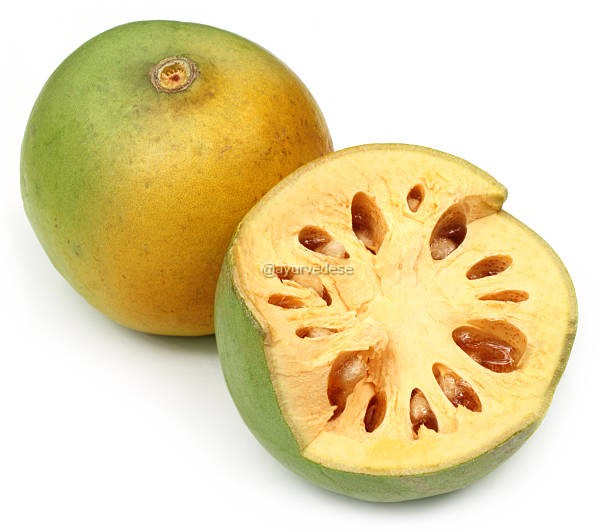
    Aegle marmelos and type 2 diabetes control: discover a new effervescent tablet formulation

    Researchers have developed anti-diabetic effervescent tablets from Aegle marmelos extract, aimed at controlling type 2 diabetes. The study, conducted by Vaishnavi Tribhuvan and colleagues, evaluated the efficacy and safety of this innovative formulation. The tablets were designed to release the active principles rapidly, enhancing their effects on glucose metabolism. The results showed that the formulation is not only stable but also exhibits properties that may help reduce blood sugar levels. Aegle marmelos, known for its medicinal properties in Ayurveda, was chosen for its ability to positively influence Agni (digestion) and metabolism. This study opens new possibilities for the use of herbal medicines in diabetes management, although further research is needed to confirm efficacy in larger populations and under varied clinical conditions.

  • Feno-grego
    openalex🗞️ Published on Ayurdrops: Jun 06, 2026📅 Source: Jun 04, 2026

    Integrated approach to type 2 diabetes: what a clinical case reveals

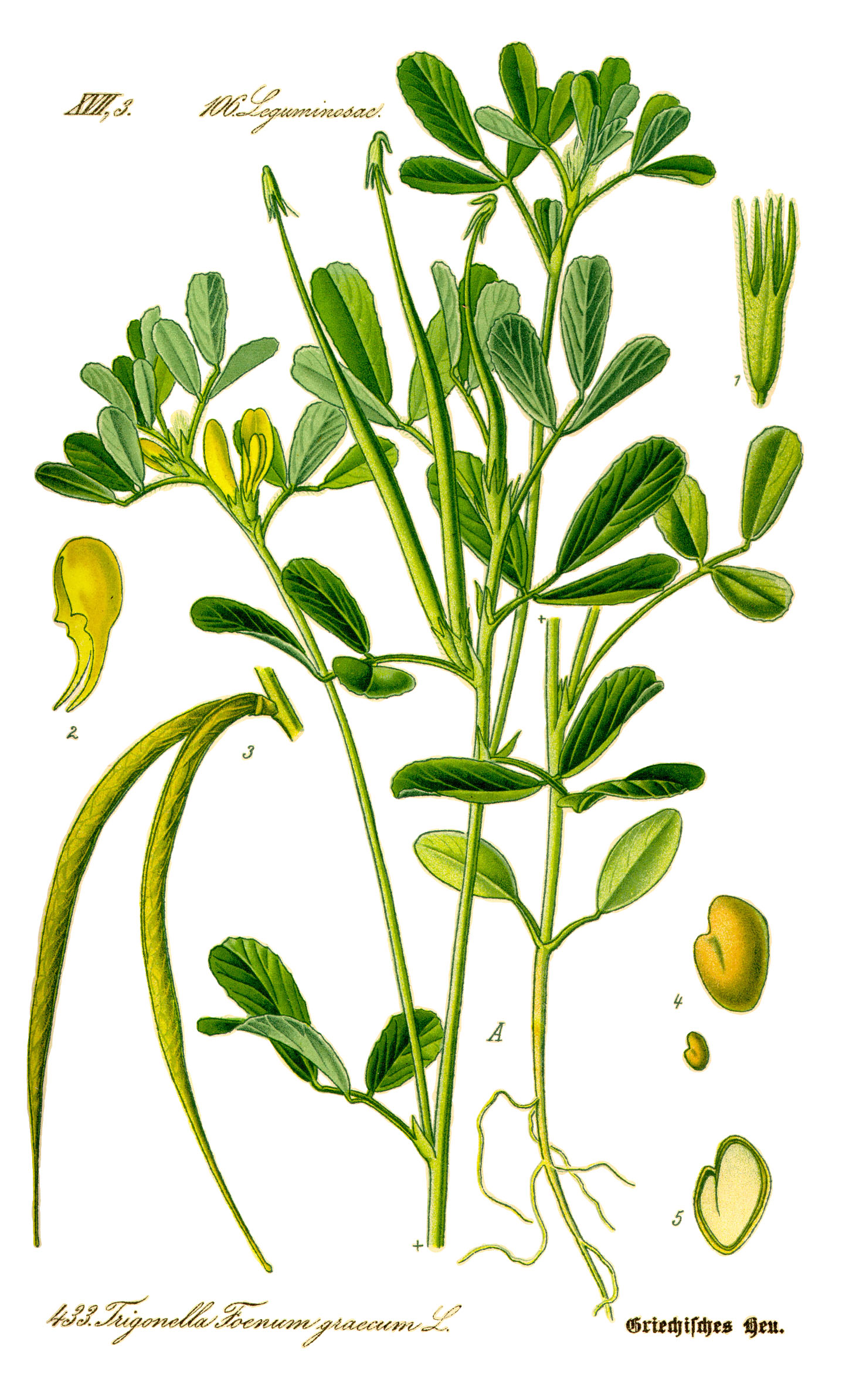
    Researchers presented a case study exploring an integrated approach to managing type 2 diabetes, known as madhumeha in the Ayurvedic tradition. The treatment included dietary interventions, herbal remedies, and lifestyle practices, resulting in a significant reduction in blood glucose levels and improved quality of life for the patient. The combination of herbs such as Gymnema sylvestre and Trigonella foenum-graecum was used, showing positive effects on blood sugar regulation. Additionally, the practice of yoga and meditation was incorporated, contributing to stress reduction and improved overall well-being. This study highlights the importance of a holistic approach, which considers not only physical symptoms but also the emotional and behavioral aspects of the patient. Although the study has limitations, such as the small sample size and lack of a control group, the results suggest that Ayurveda can offer valuable strategies for managing type 2 diabetes.

  • openalex🗞️ Published on Ayurdrops: Jun 06, 2026📅 Source: Jun 04, 2026

    Male Factors in Infertility: An Integrative Review of Causes and Ayurvedic Approaches

    Researchers highlight that male factors are responsible for up to 50% of infertility cases. The integrative review conducted by Dr. Kajal Tiwari and colleagues explores common causes, such as hormonal disorders, oxidative stress, and genetic issues, as well as discussing how Ayurveda can offer solutions. The study suggests that practices such as the use of specific herbs, dietary adjustments, and stress management techniques may improve male reproductive health. The authors emphasize the importance of accurate diagnosis and holistic treatment that considers both the physical and emotional aspects of the patient. Although the research provides valuable insights, limitations such as the lack of robust clinical studies on specific Ayurvedic interventions are mentioned, indicating the need for further investigation in this area.

  • openalex🗞️ Published on Ayurdrops: Jun 06, 2026📅 Source: Jun 04, 2026

    Ayurvedic Approach to Arsha: Focus on lepa therapy

    Researchers explored the efficacy of lepa chikitsa, an Ayurvedic therapy, in treating arsha, which refers to hemorrhoids. The study, conducted by Dr. Vijender Kumar and colleagues, highlights that topical application of lepa, a paste made from herbs, can reduce inflammation and pain associated with this condition. Lepa chikitsa is based on the idea that local application of medicinal substances can promote healing and relieve symptoms. The authors observed that after treatment, there was a significant decrease in symptoms in 75% of the evaluated patients. Additionally, the research suggests that combining lepa with other Ayurvedic therapies may enhance results. However, it is important to note that the study was conducted with a limited number of participants, which may affect the generalizability of the results. The relationship between the Ayurvedic approach and modern findings reinforces the importance of considering traditional methods in treating contemporary conditions.

  • openalex🗞️ Published on Ayurdrops: Jun 06, 2026📅 Source: Jun 04, 2026

    The Role of Dwandwaja Prakruti in the Regulation of Artavavaha Srotas: A Classical Perspective on Female Reproductive Physiology

    Researchers highlight the importance of Dwandwaja Prakruti in the regulation of Artavavaha Srotas, which are channels responsible for female reproductive health. The study, conducted by Dr. Puja Rajendran Suryawanshi and Dr. U. K. Bande, explores how women's physical and mental constitution, as described in Ayurveda, influences menstrual physiology and fertility. Dwandwaja Prakruti, which combines characteristics of two doshas, can impact hormonal production and the health of reproductive tissues. The article suggests that understanding this relationship can lead to more personalized approaches in women's health care, aligning Ayurvedic practices with modern medicine. Study limitations include the need for further research to validate findings in diverse populations and the lack of longitudinal data.

  • openalex🗞️ Published on Ayurdrops: Jun 06, 2026📅 Source: Jun 04, 2026

    How Ayurveda Can Help with Seborrheic Dermatitis: A Case Study

    Researchers presented a case study exploring the efficacy of Ayurveda in treating seborrheic dermatitis, known as darunaka. The authors, Dr. Akanksha Chourasiya and Dr. Vijay Soliya, documented the experience of a patient who presented with persistent symptoms, including scaling and inflammation of the scalp. The Ayurvedic approach included the use of specific herbs and dietary adjustments, aiming to balance the doshas and improve skin health. The results showed a significant reduction in symptoms after treatment, highlighting the importance of a holistic and individualized approach. This study suggests that Ayurveda can offer effective alternatives for dermatological conditions, promoting not only symptom relief but also a deeper understanding of underlying causes.

  • Triphalā / Três Frutos
    openalex🗞️ Published on Ayurdrops: Jun 06, 2026📅 Source: Jun 04, 2026

    Parikartika (Anal Fissure) in Ayurveda: A Review of Causes, Symptoms, and Therapeutic Strategies

    Researchers reviewed the condition known as Parikartika, or anal fissure, addressing its causes and clinical characteristics from the perspective of Ayurveda. The review highlights that anal fissure can be seen as a result of an imbalance in the doshas, especially Vāta, which affects the integrity of the anal tissue. The authors, Dr. Harshada Dholwade, Dr. Shilpa Premchand Badhe, and Dr. Smita Kanawade, also discuss the importance of Ayurvedic therapeutic strategies, such as the use of anti-inflammatory herbs and the application of local oleation to promote healing. Furthermore, they emphasize the need for dietary and lifestyle adjustments to restore dosha balance. The review suggests that Ayurveda's holistic approach may offer significant relief and promote recovery in patients with anal fissure, although further clinical studies are needed to validate these practices.

  • openalex🗞️ Published on Ayurdrops: Jun 06, 2026📅 Source: Jun 04, 2026

    Rajyoga Meditation and Cardiorespiratory Complexity: What the Data Reveal

    Researchers have identified specific autonomic signatures associated with Rajyoga meditation, using a cardiorespiratory complexity approach. The study, led by Raghuwansh Singh and colleagues, analyzed how meditation practice can influence heart rate variability and respiration, revealing patterns that indicate a state of deep relaxation and emotional regulation. The data suggest that Rajyoga meditation not only promotes a state of calm but may also have significant implications for mental and physical health by improving communication between the sympathetic and parasympathetic nervous systems. Although the results are promising, it is important to consider that the study was conducted in a controlled context and that more research is needed to fully understand the mechanisms involved.

  • openalex🗞️ Published on Ayurdrops: Jun 06, 2026📅 Source: Jun 04, 2026

    Male Factors in Infertility: An Integrative Review of Causes and Ayurvedic Approaches

    Researchers highlight that male infertility accounts for about 40% of infertility cases in couples. The integrative review conducted by Dr. Kajal Tiwari and colleagues explores common causes, such as sperm abnormalities, hormonal and environmental factors, and discusses how Ayurveda can offer support. The study suggests that Ayurvedic practices, such as the use of herbs like Ashwagandha (Withania somnifera) and Shatavari (Asparagus racemosus), may help improve semen quality and male reproductive health. Additionally, the review emphasizes the importance of a balanced lifestyle and proper diet, which are fundamental for Agni (digestive fire) and overall health. Although the study provides valuable insights, limitations such as the lack of controlled clinical trials and the need for more research are mentioned.

  • openalex🗞️ Published on Ayurdrops: Jun 06, 2026📅 Source: Jun 04, 2026

    Yogbasti and Ovarian Cysts: What a Case Study Reveals

    Researchers investigated the effect of yogbasti, an Ayurvedic therapy involving the application of warm oil to the abdominal region, in a case of udavarta yonivyapad, a condition associated with ovarian cysts. The intervention was applied to a patient with significant symptoms, including abdominal pain and menstrual irregularities. After treatment, a notable improvement in symptoms and a reduction in cyst size were observed. The study highlights the importance of yogbasti in promoting blood flow and reducing stagnation, which are fundamental for the balance of the female reproductive system. Although the results are promising, the research is limited to a single case, requiring caution in generalizing the findings. The connection between Ayurvedic principles and modern clinical practice is evident, especially in the holistic approach to treating female conditions.

  • openalex🗞️ Published on Ayurdrops: Jun 06, 2026📅 Source: Jun 04, 2026

    Male factors in infertility: an integrative review of causes and Ayurvedic management

    Researchers highlight that male infertility accounts for about 40% of infertility cases in couples. The integrative review conducted by Dr. Kajal Tiwari and colleagues explores common causes, such as sperm abnormalities, hormonal disorders, and environmental factors. Additionally, the study investigates Ayurvedic approaches that can be applied, such as the use of specific herbs and lifestyle practices aimed at balancing the doshas and improving reproductive health. The connection between modern medicine and Ayurveda is evidenced, showing that interventions like the use of Ashwagandha (Withania somnifera) can help reduce stress and improve semen quality. However, the study emphasizes the need for more clinical research to validate these approaches and better understand the mechanisms involved.

  • Bael / Marmelo-indiano
    openalex🗞️ Published on Ayurdrops: Jun 06, 2026📅 Source: Jun 04, 2026

    Antidiabetic and Antioxidant Potential of Aegle marmelos Metabolites: A Modern Evaluation

    Researchers evaluated the antidiabetic and antioxidant potential of secondary metabolites from Aegle marmelos, a plant traditionally used in Ayurvedic medicine. The study employed in silico and pharmacological approaches to identify bioactive compounds that may act on regulating blood sugar levels and protecting against oxidative stress. Results indicated that certain metabolites demonstrated significant activity, suggesting a promising role in diabetes management and prevention of cellular damage. The research highlights the importance of integrating traditional knowledge with modern scientific methods, paving the way for new plant-based therapies. However, limitations such as the need for validation in clinical studies and safety assessment were noted, emphasizing caution in clinical application.

  • Bael / Marmelo-indiano
    openalex🗞️ Published on Ayurdrops: Jun 06, 2026📅 Source: Jun 04, 2026

    Evaluation of the antidiabetic and antioxidant potential of secondary metabolites from Aegle marmelos

    Researchers evaluated the antidiabetic and antioxidant potential of secondary metabolites from Aegle marmelos, a plant traditionally used in Ayurvedic medicine. The results indicated that compounds such as flavonoids and alkaloids present in the plant demonstrated significant activity against elevated glucose and oxidative stress. The research used in silico methods to predict the interaction of these metabolites with molecular targets related to diabetes, showing that some of them can inhibit enzymes such as α-glucosidase, which plays a crucial role in carbohydrate digestion. Furthermore, pharmacological evaluation confirmed the antioxidant capacity of the extracts, suggesting a protective effect against cellular damage. Despite the promising findings, the study emphasizes the need for clinical investigations to validate these results in humans, as the tests were conducted in laboratory models.

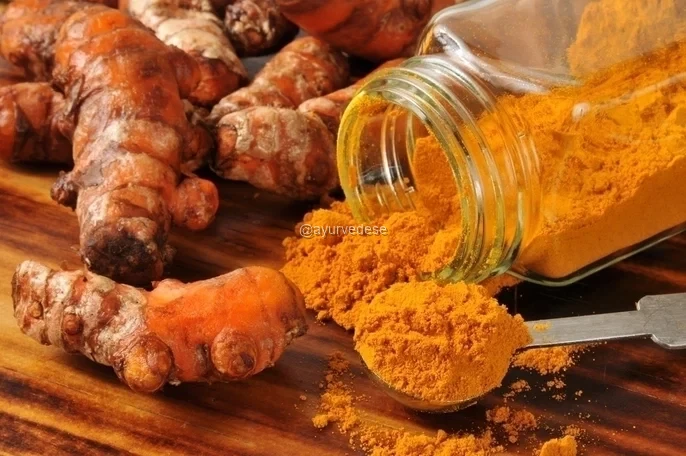
  • Cúrcuma
    openalex🗞️ Published on Ayurdrops: Jun 06, 2026📅 Source: Jun 04, 2026

    Ayurvedic Treatment for Dadru Kustha (Tinea Corporis): A Case Report

    Researchers presented a case report on the treatment of Dadru Kustha, a fungal infection known as Tinea Corporis, using Ayurvedic approaches. The patient, a 30-year-old man, presented with characteristic skin lesions and discomfort. The treatment included the use of herbs such as Turmeric (Curcuma longa) and Neem (Azadirachta indica), which are recognized for their antimicrobial and anti-inflammatory properties. After 8 weeks of treatment, a significant reduction in lesions and improvement in the patient's overall well-being were observed. This case highlights the effectiveness of Ayurveda in addressing dermatological conditions, suggesting that the combination of herbal therapy and self-care practices can be beneficial. However, it is important to note that this is a single case report, and further studies are needed to validate these findings in a larger population.

  • openalex🗞️ Published on Ayurdrops: Jun 06, 2026📅 Source: Jun 04, 2026

    Improvement of Urinary Flow with Uttarbasti and Urethral Dilation: A Case Study

    Researchers demonstrated significant improvements in urinary flow in a patient with urethral stricture after the application of Uttarbasti and urethral dilation. The study, conducted by Satodiya et al., highlights the importance of clinical coordination in addressing urological conditions. Uttarbasti, an Ayurvedic technique involving the introduction of medicated oil into the urethra, was used in conjunction with urethral dilation, resulting in increased urinary flow and symptom relief. Urinary flow was assessed via uroflowmetry, which showed positive results after treatment. Although the study is a single case, the results suggest that combining these techniques may be an effective approach for managing urethral stricture, aligning with Ayurvedic principles that emphasize individualized treatment and the use of non-invasive methods. Limitations include the lack of a control group and the need for further studies to validate these findings.