Public feed

Ayurvedic editorial curation

Science articles classified by dosha, srota and dhatu. Filter to find what matters to you today.

  • europepmc🗞️ Published on Ayurdrops: Jun 10, 2026📅 Source: Jun 05, 2026

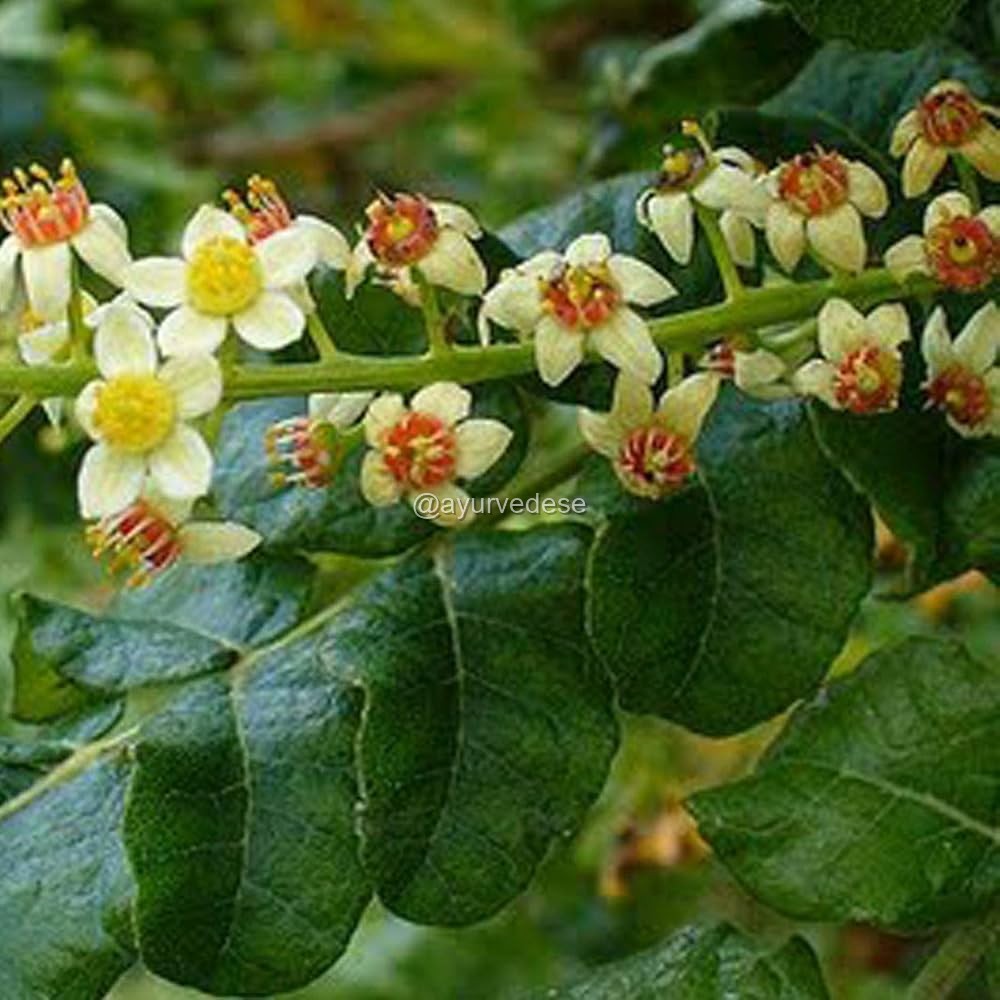
    Ficus benghalensis: anti-inflammatory, antioxidant, and anticancer potential

    Researchers have identified that Ficus benghalensis, known as the Indian banyan tree, possesses significant therapeutic properties. This study reviews evidence on its antioxidant, antimicrobial, antidiabetic, anti-inflammatory, and anticancer activities. Bioactive compounds, such as flavonoids (quercetin, kaempferol) and terpenoids (ursolic acid), demonstrated strong antioxidant activity, with low IC50 values in assays like DPPH and ABTS. Antimicrobial activity was observed in bark and leaf extracts, showing inhibition against various bacteria and fungi. Antidiabetic effects were attributed to inhibition of enzymes such as α-amylase and α-glucosidase, as well as activation of the PI3K/Akt signaling pathway. Anti-inflammatory activity was confirmed by inhibition of COX-1 and COX-2, while anticancer potential was evidenced by induction of apoptosis in cancer cell lines. Despite promising preclinical evidence, gaps remain in pharmacokinetics and clinical validation, suggesting that Ficus benghalensis may be a valuable candidate for the development of new drugs.
  • openalex🗞️ Published on Ayurdrops: Jun 09, 2026📅 Source: Jun 07, 2026

    Immunomodulation and Ayurveda: How Rasayana Therapy Can Help

    Researchers explored the relationship between immunomodulation and Ayurvedic practices, highlighting Rasayana therapy as an integrative approach. Rasayana therapy, which aims at rejuvenation and strengthening the immune system, is grounded in principles that promote health and longevity. The study analyzes how Ayurvedic treatments can positively influence the immune response, enhancing the efficacy of modern interventions. The authors, Kartikey Vashishtha, Dheeraj Sharma, and Rajesh Kumar Mishra, emphasize the importance of integrating traditional knowledge with contemporary practices to optimize immune health. Although the study presents a promising outlook, it is important to consider that the research is still developing and more data are needed to fully validate these approaches. The connection between Ayurveda and modern science may open new possibilities for treating conditions related to the immune system.

  • openalex🗞️ Published on Ayurdrops: Jun 09, 2026📅 Source: Jun 07, 2026

    Ama in Ayurveda: Formation and Detoxification Strategies

    Researchers reviewed the formation and detoxification strategies of ama, a central concept in Ayurveda referring to toxins resulting from improper digestion. The study, conducted by Dr. Umakrant N. Rabb and Dr. Amol D. Desai, explores how ama forms in the body and its health implications. Ama can manifest at different levels, affecting the doshas and causing imbalances. The review discusses detoxification methods, including dietary practices, herbal medicine, and purification techniques, aimed at restoring agni — the digestive fire. The importance of a holistic approach is emphasized, considering factors such as lifestyle and stress. The authors highlight that understanding ama and its implications is crucial for clinical practice and overall well-being. Study limitations include the need for more clinical research to validate the proposed strategies.

  • openalex🗞️ Published on Ayurdrops: Jun 09, 2026📅 Source: Jun 07, 2026

    Ama in Ayurveda: Formation and Detoxification Strategies

    Researchers discuss the formation of ama, a fundamental toxin in Ayurveda, and its implications for health. Ama results from inadequate digestion and can lead to various diseases. The article reviews detoxification strategies, emphasizing the importance of practices such as Panchakarma and the use of specific herbs. Detoxification not only eliminates ama but also restores the balance of the doshas. The authors, Dr. Umakrant N. Rabb and Dr. Amol D. Desai, highlight that the Ayurvedic approach to ama is holistic, considering physical, mental, and emotional factors. Although the study presents a comprehensive view, limitations such as the lack of direct clinical data and the need for further research are mentioned.

  • openalex🗞️ Published on Ayurdrops: Jun 09, 2026📅 Source: Jun 07, 2026

    Immunomodulation and Ayurveda: How Rasayana Therapy Can Help

    Researchers highlight the importance of immunomodulation for holistic health, emphasizing the role of Ayurveda and Rasayana therapy. This study, led by Kartikey Vashishtha and Dheeraj Sharma, explores how Ayurvedic practices can modulate the immune system, promoting an essential balance for disease prevention. Rasayana therapy, which involves the use of herbs and healthy lifestyle practices, is presented as an effective approach to strengthen immunity. The authors discuss mechanisms such as modulation of the inflammatory response and promotion of homeostasis, which are fundamental for long-term health. Furthermore, the study suggests that integrating traditional and modern methods may offer a promising path for treating immunity-related conditions. Limitations include the need for more clinical studies to validate the findings and the diversity in individual responses to therapies.

  • openalex🗞️ Published on Ayurdrops: Jun 08, 2026📅 Source: Jun 05, 2026

    Menstrual disorders: how naturopathy and yoga can help

    Researchers highlight that the combination of naturopathy and yoga can offer significant relief for menstrual disorders. The study by Nithilakrittih Marirajan and Marirajan Murugan explores how integrative practices can mitigate symptoms such as pain, irregularity, and emotional changes. Through interventions like herbal medicine, breathing techniques, and yoga postures, it was observed that many women reported a reduction in symptoms and an improvement in quality of life. The use of specific herbs and self-care practices proved effective, suggesting that the holistic approach of Ayurveda and naturopathy can be a viable alternative for treating these conditions. However, it is important to note that the study relies on subjective reports and lacks a control group, which limits the generalizability of the results.

  • openalex🗞️ Published on Ayurdrops: Jun 08, 2026📅 Source: Jun 05, 2026

    The prevalence of polycystic ovary syndrome in young women and the role of Ayurvedic therapies in reducing disease severity

    Researchers have identified a significant prevalence of polycystic ovary syndrome (PCOS) among women aged 18 to 30 in the Pune district, with important implications for reproductive health. PCOS is a complex condition that can lead to hormonal dysregulation and metabolic issues. The study reviews how Panchakarma therapies, an Ayurvedic approach that includes detoxification and rejuvenation, can help alleviate the symptoms and severity of PCOS. Panchakarma interventions, such as Abhyanga (oil massage) and Virechana (purgation), have shown potential to balance the doshas and improve ovarian function. Although the results are promising, it is important to note that the research is still nascent and further studies are needed to validate these findings in larger populations and with rigorous methodologies.

  • openalex🗞️ Published on Ayurdrops: Jun 08, 2026📅 Source: Jun 05, 2026

    Functional and biochemical improvements in Duchenne muscular dystrophy after Ayurvedic intervention: a case report

    Researchers observed significant improvements in a patient with Duchenne muscular dystrophy (DMD) after Ayurvedic intervention. The case, documented by Aasha Kaushik and colleagues, highlights the reduction of creatine kinase (CPK) levels, an enzyme often elevated in DMD, which indicates muscle damage. After treatment, the patient showed increased muscle strength and functionality, suggesting that Ayurvedic approaches may offer support in managing this condition. The study emphasizes the importance of careful monitoring and the integration of Ayurvedic practices with conventional medicine. Although the results are promising, it is important to consider that this is a case report, which limits the generalizability of the findings. Further research is needed to understand the underlying mechanisms and the long-term efficacy of Ayurvedic interventions in DMD.

  • openalex🗞️ Published on Ayurdrops: Jun 08, 2026📅 Source: Jun 05, 2026

    Polyherbal Churna and Cholesterol Control: How the Combination of Herbs Can Help

    Researchers developed a polyherbal churna with antilipidemic activity, combining several herbs to enhance effects on controlling blood fat levels. The study, conducted by Salunke et al., focused on the formulation, standardization, and evaluation of the churna's efficacy. The authors observed that the combination of herbs not only improved the bioavailability of active compounds but also demonstrated a significant reduction in lipid levels in experimental models. The research highlights the importance of standardization in churna formulation, ensuring that each batch maintains the desired efficacy. Although the results are promising, it is important to consider that the study was conducted in an experimental model, which limits the generalization of the findings to clinical practice. The combination of herbs may offer a viable alternative for cholesterol control, aligning with Ayurvedic principles that value synergy among different plants.

  • openalex🗞️ Published on Ayurdrops: Jun 08, 2026📅 Source: Jun 06, 2026

    Effects of Nasya with Ushiradi Siddha Taila on Senile Cataract: A Conceptual Study

    Researchers explored the effect of Nasya with Ushiradi Siddha Taila in cases of immature senile cataract (Kaphaj Timir). Cataract, an opacity of the lens, is common in the elderly and can significantly impact vision. The study suggests that the application of Nasya, an Ayurvedic therapy involving the administration of oil through the nostrils, may offer additional benefits to conventional treatment. The authors, including Prajkta Mal and Sarita Mulik, discuss how Ushiradi Siddha Taila, a herbal formulation, may help balance the Kapha dosha, which is associated with cataract formation. Although the results are promising, the study is conceptual and lacks robust clinical data to validate the treatment's efficacy. The relationship between the Ayurvedic approach and the ocular condition is an area that warrants further investigation.

  • Lodhra
    openalex🗞️ Published on Ayurdrops: Jun 08, 2026📅 Source: Jun 06, 2026

    Lodhra and Vata: A Detailed Review of Herbs in the Classical Tradition

    Researchers reviewed the properties and uses of Lodhra (Symplocos racemosa) and Vata (Ficus benghalensis) in classical Ayurvedic literature. Lodhra is recognized for its astringent properties and is often used in the treatment of menstrual disorders and skin problems. On the other hand, Vata is valued for its qualities that support digestive health and emotional balance. The study highlights how these herbs connect to Ayurvedic concepts of doshas and dhatus, emphasizing the importance of their application in clinical practice. The authors, Vineeta Yadav and Dr. Anjana Saxena, also discuss the relevance of these herbs in modern medicine, suggesting that integrating traditional knowledge can enrich contemporary health approaches.

  • openalex🗞️ Published on Ayurdrops: Jun 08, 2026📅 Source: Jun 06, 2026

    The Impact of Vyayama on Mamsa Dhatu in Athletes: A Critical Ayurvedic Review

    Researchers analyzed how Vyayama, or physical exercise, influences Mamsa Dhatu, the muscle tissue, in athletes. The study reviews the relationship between Mamsa Sara Purusha, which refers to the quality of muscle tissue, and the practice of exercise. The review suggests that regular practice of Vyayama can improve the quality of Mamsa Dhatu, promoting strength and endurance. Furthermore, the authors highlight that adequate physical activity can optimize nutrition and overall health in athletes, contributing to superior athletic performance. However, the review also points out limitations, such as the lack of direct clinical studies connecting Vyayama and the assessment of Mamsa Dhatu in different types of athletes. This connection between exercise practice and muscle health is an important aspect to consider in the Ayurvedic approach to athletic performance.

  • Akarkara / Pelitre
    openalex🗞️ Published on Ayurdrops: Jun 08, 2026📅 Source: Jun 06, 2026

    Akarkara: Medicinal Applications and Global Research

    Researchers highlight that Akarkara (Anacyclus pyrethrum) is a plant with a rich history of medicinal use across various cultures. This study reviews the traditional and contemporary applications of this herb, which is valued for its analgesic and anti-inflammatory properties. The research indicates that Akarkara may modulate pain, possibly through interaction with pain receptors in the nervous system. Additionally, the plant has been studied in different contexts, including its efficacy in conditions such as headache and digestive issues. Despite its potential, the review also emphasizes the need for more clinical studies to validate its applications and better understand its mechanisms of action. The traditional use of Akarkara in Ayurveda, where it is often associated with enhancing Agni (digestion), suggests a connection between traditional medicine and modern scientific findings.

  • Lodhra
    openalex🗞️ Published on Ayurdrops: Jun 08, 2026📅 Source: Jun 06, 2026

    Lodhra and Vata: What Classical Texts Teach Us

    Researchers reviewed the properties and uses of Lodhra (Symplocos racemosa) and Vata (Ficus benghalensis) based on classical Ayurvedic texts. Lodhra is often associated with women's health, especially in matters related to the menstrual cycle and fertility, due to its astringent and anti-inflammatory properties. Vata, a sacred tree, is recognized for its qualities that support digestive health and strengthen the immune system. The study highlights how these plants are mentioned in texts such as the Caraka Saṁhitā and the Suśruta Saṁhitā, emphasizing their practical applications in Ayurvedic medicine. The review also points to the need for further scientific investigation to validate traditional uses and understand the biochemical mechanisms behind their therapeutic properties.

  • Boswellia / Shallaki
    openalex🗞️ Published on Ayurdrops: Jun 08, 2026📅 Source: Jun 06, 2026

    Boswellia serrata and the anti-inflammatory emulgel: a new formulation

    Researchers developed an emulgel based on Boswellia serrata, a plant known for its anti-inflammatory properties. The formulation was evaluated for efficacy and stability, showing promising results for the treatment of inflammatory conditions. The emulgel exhibited controlled release of active compounds, which may enhance its therapeutic effects. Additionally, the research highlights the importance of Boswellia in traditional medicine and its relevance in modern pharmacology. The authors, Sayli Jadhav and colleagues, emphasize that the use of appropriate emulsifiers is crucial for the efficacy of the final product. Although the results are encouraging, the study is still preliminary and requires further clinical investigations to validate efficacy in humans.

  • openalex🗞️ Published on Ayurdrops: Jun 08, 2026📅 Source: Jun 06, 2026

    Digestive Function in Ayurveda and Common Childhood Diseases: A Study Protocol

    Researchers are investigating digestive function, or Agnimandya, in children with common diseases compared to healthy children. The study, led by Faiz Ahmad Mohammad Firoz Shah and Dr. Renu Bharat Rathi, seeks to understand how digestion affects child health. Digestion is a central concept in Ayurveda, and alterations in digestive function may be linked to various health conditions. The study protocol focuses on school-age children, allowing a detailed analysis of differences in digestive function between groups. The research may provide insights into how Ayurveda can contribute to the treatment of common childhood diseases, considering the importance of Agni (digestion) in maintaining health. Although the study is still in the protocol phase, its implications may be significant for clinical practice and for understanding child health from an Ayurvedic perspective.

  • openalex🗞️ Published on Ayurdrops: Jun 08, 2026📅 Source: Jun 06, 2026

    Shatyadi Yoga and Dicyclomine: comparing efficacy in relieving abdominal pain in children

    Researchers are investigating the comparative efficacy of Shatyadi Yoga and Dicyclomine syrup in treating abdominal pain (Udarshula) in children. The research protocol, designed by Prachi Vijay Warukar and Sonam Kanzode, aims to evaluate how these two approaches compare in terms of pain relief and safety. Shatyadi Yoga, an Ayurvedic formulation, is known for its digestive and anti-inflammatory properties, while Dicyclomine is an antispasmodic widely used in conventional medicine. The research seeks to better understand the efficacy of traditional interventions in a pediatric context, where abdominal pain is a common complaint. The results may offer valuable insights for clinical practice, especially regarding the use of integrative therapies in child health.

  • Manjishta / Ruiva-da-Índia
    openalex🗞️ Published on Ayurdrops: Jun 08, 2026📅 Source: Jun 06, 2026

    Rubia cordifolia and its anti-inflammatory action: a narrative review

    Researchers reviewed the anti-inflammatory activity of Rubia cordifolia, a plant known in traditional medicine. The review covered several studies that demonstrated how bioactive compounds present in the plant, such as alizarin and rubiadin, act in modulating inflammatory mediators. The authors, including Kirti Naharwal and Dr. Puja Maldhure, highlighted that Rubia cordifolia can inhibit the production of inflammatory cytokines and the activation of immune cells, suggesting a therapeutic potential in inflammatory conditions. Although the results are promising, most studies were conducted in vitro or in animal models, which limits the generalization of the findings to humans. The review also discusses the importance of further clinical research to validate these effects and explore the application of the plant in clinical practice.

  • Boswellia / Shallaki
    openalex🗞️ Published on Ayurdrops: Jun 08, 2026📅 Source: Jun 06, 2026

    Boswellia serrata and the anti-inflammatory emulgel: a new formulation

    Researchers developed an emulgel based on Boswellia serrata, a plant known for its anti-inflammatory properties. The study evaluated the efficacy of the emulgel compared to traditional formulations, demonstrating that the new formulation not only improved the absorption of active compounds but also showed promising results in reducing inflammation in experimental models. The authors, Sayli Jadhav and colleagues, highlight that Boswellia serrata acts by inhibiting inflammatory mediators, which may be relevant for conditions such as arthritis and other inflammatory diseases. Although the results are encouraging, the study still has limitations, such as the need for more clinical trials to confirm efficacy in humans.

  • Ghee
    openalex🗞️ Published on Ayurdrops: Jun 07, 2026📅 Source: Jun 04, 2026

    Saraswata Churna and Kalyanaka Ghrita in the Treatment of Gaming Disorder in Children: A Comparative Study

    Researchers evaluated the efficacy of Saraswata Churna and Kalyanaka Ghrita, combined with Satvavajaya Chikitsa, in the treatment of gaming disorder in children. The study, conducted by Manpreeth Mali Patil and Durga Prasad Dash, included a sample of children diagnosed with this disorder and used a randomized design. The results showed that both treatments presented significant benefits, but Saraswata Churna stood out for promoting a more pronounced improvement in symptoms related to behavior and concentration. The use of Satvavajaya Chikitsa, which involves psychological and behavioral interventions, complemented the effects of the herbs, suggesting a holistic approach to treatment. This study contributes to the understanding of how Ayurveda can be integrated into child mental health, especially in cases of digital addiction.