Public feed

Ayurvedic editorial curation

Science articles classified by dosha, srota and dhatu. Filter to find what matters to you today.

  • openalex🗞️ Published on Ayurdrops: Jun 12, 2026📅 Source: Jun 10, 2026

    Standard Procedures for Suryakshara Shodhana: An Initial Guide

    Researchers have developed an initial standard procedure for Suryakshara Shodhana, a purification method in Ayurveda. This study, conducted by Dr. Prajwal Sanakyanavar and colleagues, aims to establish clear guidelines for the practice, promoting the safety and efficacy of the treatment. Suryakshara Shodhana is a technique that involves the purification of medicinal substances, essential to ensure the quality and efficacy of products used in Ayurvedic therapy. The proposal is that, with a well-defined protocol, therapists can apply this technique more consistently and safely, benefiting patients with more effective treatments. The research highlights the importance of standardizing practices in Ayurveda, a field that often lacks clear guidelines. Although the study presents an important step, it is essential that further investigations be conducted to validate and refine these procedures.
  • Lótus
    openalex🗞️ Published on Ayurdrops: Jun 12, 2026📅 Source: Jun 10, 2026

    Ayurveda and Liver Health: The Case of Shakhashrita Kamala in Alcoholic Liver Disease

    Researchers presented a case study exploring the efficacy of Ayurvedic therapy in treating alcoholic liver disease (ALD). The patient, diagnosed with ALD, received a treatment that included Shakhashrita Kamala, a combination of herbs that, according to Ayurvedic tradition, helps detoxify the liver and improve liver function. After treatment, a significant reduction in liver enzyme levels and an overall improvement in the patient's health were observed. The authors, Dr. Rupa Shekhawat, Dr. Monika Kashyap, and Dr. Pooja Chikhlondhe, highlight the importance of integrating Ayurvedic practices with modern approaches for managing ALD. Although the study presents promising results, it is important to note that it is a single case, which limits the generalizability of the findings. The research suggests that the combination of Ayurvedic herbs may offer valuable support in the recovery of patients with alcohol-related liver diseases.

  • openalex🗞️ Published on Ayurdrops: Jun 12, 2026📅 Source: Jun 10, 2026

    Suryakshara Shodhana: An Initial Step Toward Standardized Procedures

    Researchers have developed a preliminary standard operating procedure for Suryakshara Shodhana, an Ayurvedic technique aimed at the purification and preparation of medicinal substances. This study, led by Dr. Prajwal Sanakyanavar and collaborators, seeks to establish clear guidelines for the application of this practice, promoting consistency and safety in its use. Suryakshara Shodhana is fundamental to ensuring the efficacy of Ayurvedic treatments, and standardization can facilitate its acceptance and application in modern clinical contexts. The research highlights the importance of well-defined protocols, which can help therapists and health professionals implement this technique more effectively and safely. Although the study presents a significant advance, it is important to consider that this is a preliminary procedure, and further investigations will be necessary to validate and refine these guidelines.

  • Cúrcuma
    openalex🗞️ Published on Ayurdrops: Jun 12, 2026📅 Source: Jun 10, 2026

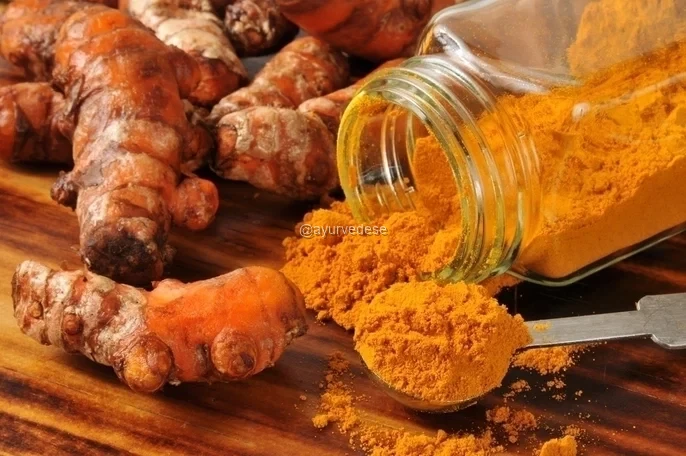
    Turmeric and Acne Treatment: How Chitosan Gels Can Help

    Researchers analyzed the efficacy of curcumin-loaded chitosan gels in treating acne, highlighting formulation parameters that impact antimicrobial release. Curcumin, an active compound from Curcuma longa, is known for its anti-inflammatory and antimicrobial properties. The study suggests that combining curcumin with chitosan may improve the delivery of the active ingredient to the skin, enhancing its therapeutic effects. Controlled release of the antimicrobial is crucial to maximize treatment efficacy, especially in conditions like acne, where inflammation and bacterial colonization are key factors. Furthermore, the research indicates that proper gel formulation can directly influence curcumin bioavailability, a common challenge due to its limited solubility. Although results are promising, limitations such as the need for more clinical studies and evaluation of different concentrations of curcumin and chitosan were highlighted.

  • openalex🗞️ Published on Ayurdrops: Jun 11, 2026📅 Source: Jun 08, 2026

    Clinical evaluation of a standardized botanical formulation in type 2 diabetes: what a new therapeutic index reveals

    Researchers evaluated a standardized botanical formulation in patients with type 2 diabetes, using a unified incretin therapeutic index. The study, which involved the participation of Apurba K. Ganguly and collaborators, demonstrated that the formulation had positive effects on regulating blood glucose levels. The results indicated a significant improvement in glycemic response, suggesting that the combination of herbs may act synergistically to optimize incretin function, hormones that help control glucose. Although the data are promising, it is important to consider the study's limitations, such as sample size and the need for further investigations to confirm these findings in broader populations. The relationship between the botanical formulation and Ayurvedic principles of blood sugar control may open new perspectives for diabetes treatment.

  • Ashwagandha / Ginseng Indiano
    openalex🗞️ Published on Ayurdrops: Jun 11, 2026📅 Source: Jun 08, 2026

    Withaferin A and renal protection in lupus nephritis: the role of oxidative stress

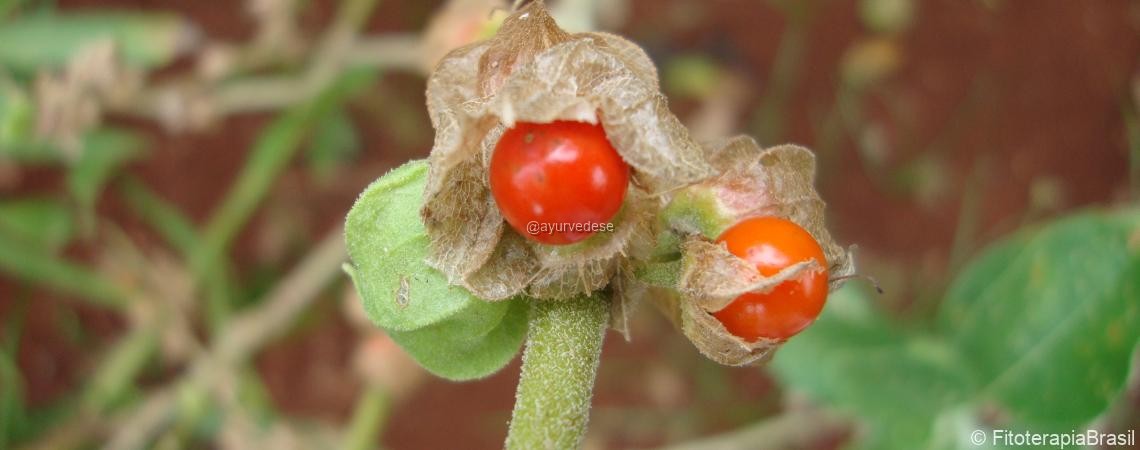
    Researchers have demonstrated that Withaferin A, a compound found in the plant Aśvagandhā (Withania somnifera), may offer renal protection in cases of lupus nephritis. The study, conducted by Miao Xue and colleagues, revealed that Withaferin A acts by attenuating oxidative stress through the mediation of the enzyme Pon1. Oxidative stress is a critical factor in the progression of lupus nephritis, and the activation of Pon1 may help protect the kidneys against damage. The results suggest that Withaferin A not only reduces markers of oxidative stress but may also improve renal function in experimental models. However, it is important to note that this study was conducted in an animal model, which limits the generalization of the results to humans. Further research is needed to fully understand the therapeutic potential of Withaferin A in clinical practice.

  • openalex🗞️ Published on Ayurdrops: Jun 11, 2026📅 Source: Jun 08, 2026

    Relief of Low Back Pain with Ayurvedic Enemas: A Case Study

    Researchers demonstrated that the use of Erandmuladi Niruha Basti, an Ayurvedic therapeutic enema, combined with Kati Basti, resulted in significant reduction of low back pain in a patient with Katishool. The study, conducted by Abhishek Shipte and colleagues, focused on a clinical case where the patient experienced pain relief and improved mobility after treatment. Erandmuladi Niruha Basti works through the application of medicinal herbs that promote detoxification and pain relief, while Kati Basti, which involves the application of warm oil to the lumbar region, helps nourish tissues and relieve muscle tension. The results showed a notable reduction in pain intensity and functional disability of the patient, highlighting the efficacy of these Ayurvedic approaches. However, the study has limitations, such as the small sample size and lack of a control group, suggesting that further research is needed to validate these findings.

  • openalex🗞️ Published on Ayurdrops: Jun 11, 2026📅 Source: Jun 08, 2026

    Caesalpinia bonducella and liver protection: what a study on hepatotoxicity reveals to us

    Researchers evaluated the effects of Caesalpinia bonducella leaf extract in a model of hepatotoxicity induced by carbon tetrachloride (CCl4). The study focused on parameters such as lipid and protein peroxidation, DNA damage, and liver histopathology. The results showed that Caesalpinia bonducella extract significantly reduced lipid and protein peroxidation levels, in addition to protecting liver cells against DNA damage. Histopathological analysis revealed an improvement in liver structure compared to the control group. These findings suggest that Caesalpinia bonducella may play an important protective role in liver health, possibly due to its antioxidant properties. However, the study has limitations, such as the absence of an adequate control group and the need for further clinical investigations to confirm these effects in humans.

  • Cravo-da-Índia
    europepmc🗞️ Published on Ayurdrops: Jun 11, 2026📅 Source: Jun 10, 2026

    Clove and eugenol: relieving psoriatic inflammation

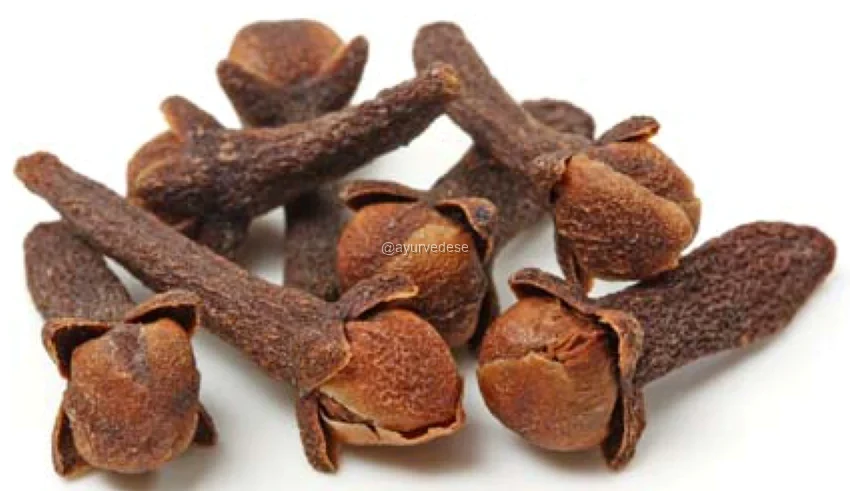
    Researchers have demonstrated that clove (Syzygium aromaticum) and its bioactive constituent, eugenol, have a positive effect on psoriatic inflammation. The study, conducted by Ho and colleagues, investigated how these compounds modulate the IL-36/IL-17A axis, which is involved in the pathogenesis of psoriasis. Psoriatic inflammation is characterized by excessive activation of cytokines, and modulation of this axis may offer a new approach to treating the condition. The results suggest that eugenol may act as an anti-inflammatory agent, reducing the expression of inflammatory cytokines and thereby alleviating the symptoms of psoriasis. Although the findings are promising, it is important to consider that the study may have limitations, such as the need for validation in clinical models and the assessment of long-term effects.

  • Leite de Vaca
    openalex🗞️ Published on Ayurdrops: Jun 10, 2026📅 Source: Jun 07, 2026

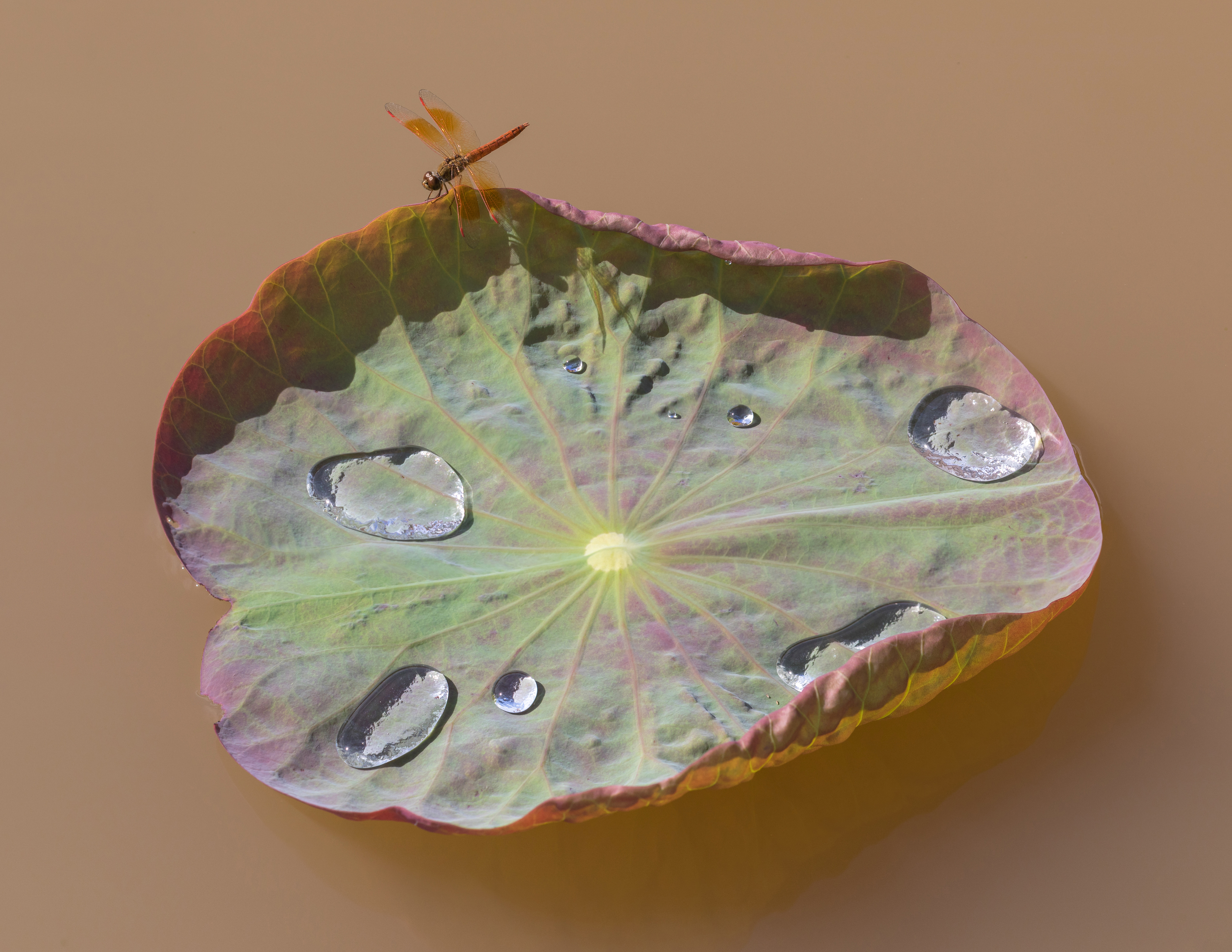
    Shalukam and increased milk production: comparison with domperidone

    Researchers investigated the galactagogue activity of shalukam (Nelumbium speciosum), a rhizome known in traditional medicine, compared with domperidone, a drug widely used to increase milk production. The study was conducted in Wistar albino rats, where the effects of shalukam on lactation were observed. The results showed that shalukam exhibited significant galactagogue activity, suggesting it may be a natural alternative to domperidone. Although the study was promising, it is important to consider that the tests were performed in an animal model, which limits the generalization of the results to humans. Further research is needed to understand the mechanisms involved and its efficacy in human populations.

  • Neem / Nim Indiano
    openalex🗞️ Published on Ayurdrops: Jun 10, 2026📅 Source: Jun 08, 2026

    Chronic Acne and Ayurveda: What a Case Study Reveals about Yuvana Pidika

    Researchers presented a case study on the management of chronic acne, known as Yuvana Pidika, using Ayurvedic interventions. The treatment included the administration of herbs such as Neem (Azadirachta indica) and Turmeric (Curcuma longa), which are recognized for their anti-inflammatory and antimicrobial properties. After 12 weeks of treatment, a significant reduction in acne severity was observed, with improvement in skin appearance and a decrease in lesions. The authors, Pranjali Chandraprakash Khedikar and V. G. Hiremath, highlight the importance of considering constitutional factors and the balance of doshas in acne treatment. Although the study presents promising results, it is important to note that it is a single case, which limits the generalization of the findings. The connection between Ayurvedic practices and modern dermatology suggests that integrative approaches may be beneficial for skin conditions such as acne.

  • openalex🗞️ Published on Ayurdrops: Jun 10, 2026📅 Source: Jun 08, 2026

    Relief of vata headache with Nasya: a case study

    Researchers presented a case study exploring the use of Nasya Karma to treat Shirashool, a headache condition associated with the vata dosha. The treatment was applied to a patient presenting symptoms such as intense headache, sensitivity to touch, and general discomfort. After the administration of Nasya, which involves the application of medicated oil into the nostrils, a significant reduction in pain intensity and an improvement in the patient's overall well-being were observed. The study highlights the importance of considering individual constitution and the predominant dosha in treating conditions like Shirashool. Although the results are promising, the research is limited to a single case, requiring further investigations to validate the efficacy of Nasya in a larger group of patients.

  • Tejapatra / Folha de Louro-Indiano
    openalex🗞️ Published on Ayurdrops: Jun 10, 2026📅 Source: Jun 08, 2026

    Ayurvedic Management of Galagraha with Nimba Patra Kwath Kawal in Cases of Pharyngitis

    Researchers explored the efficacy of Nimba Patra Kwath Kawal (neem leaf infusion) in treating galagraha, a condition related to pharyngitis. The study, conducted by Jayavarman R and colleagues, highlights how this Ayurvedic approach can alleviate inflammatory throat symptoms. Pharyngitis, often caused by viral or bacterial infections, can be challenging to treat, and the use of Nimba Patra, known for its antimicrobial and anti-inflammatory properties, offers an interesting alternative. The authors report that administration of the kwath resulted in a significant reduction of symptoms, promoting relief and comfort for patients. Furthermore, the research suggests that combining Ayurvedic practices with modern knowledge can enrich the treatment of common conditions like pharyngitis. However, it is important to consider that the study may have limitations, such as the small number of participants and the need for further investigation to validate the results.

  • openalex🗞️ Published on Ayurdrops: Jun 10, 2026📅 Source: Jun 08, 2026

    Gridhrasinashak Kashay and Sciatica Pain: What a Clinical Case Reveals

    Researchers have demonstrated the efficacy of Gridhrasinashak Kashay in treating sciatica pain, known as Gridhrasi in Ayurveda. The case study, conducted by Mahantesh Katti and colleagues, presented a patient who experienced significant symptom relief after using the formulation. Gridhrasinashak Kashay, composed of specific herbs, works to reduce pain and improve mobility, aligning with Ayurvedic principles of balancing the doshas. The authors noted that after treatment, there was a notable decrease in pain intensity and an improvement in the patient's quality of life. Although the study provides valuable insights, it is important to consider that it is a single case, which limits the generalizability of the results. The research highlights the relevance of Ayurveda in addressing conditions like sciatica, offering a viable alternative to conventional treatments.

  • Agno-casto / Vitex
    openalex🗞️ Published on Ayurdrops: Jun 10, 2026📅 Source: Jun 08, 2026

    Nirgundi and Thyroid Health: How Prati Marsha Nasya Can Help

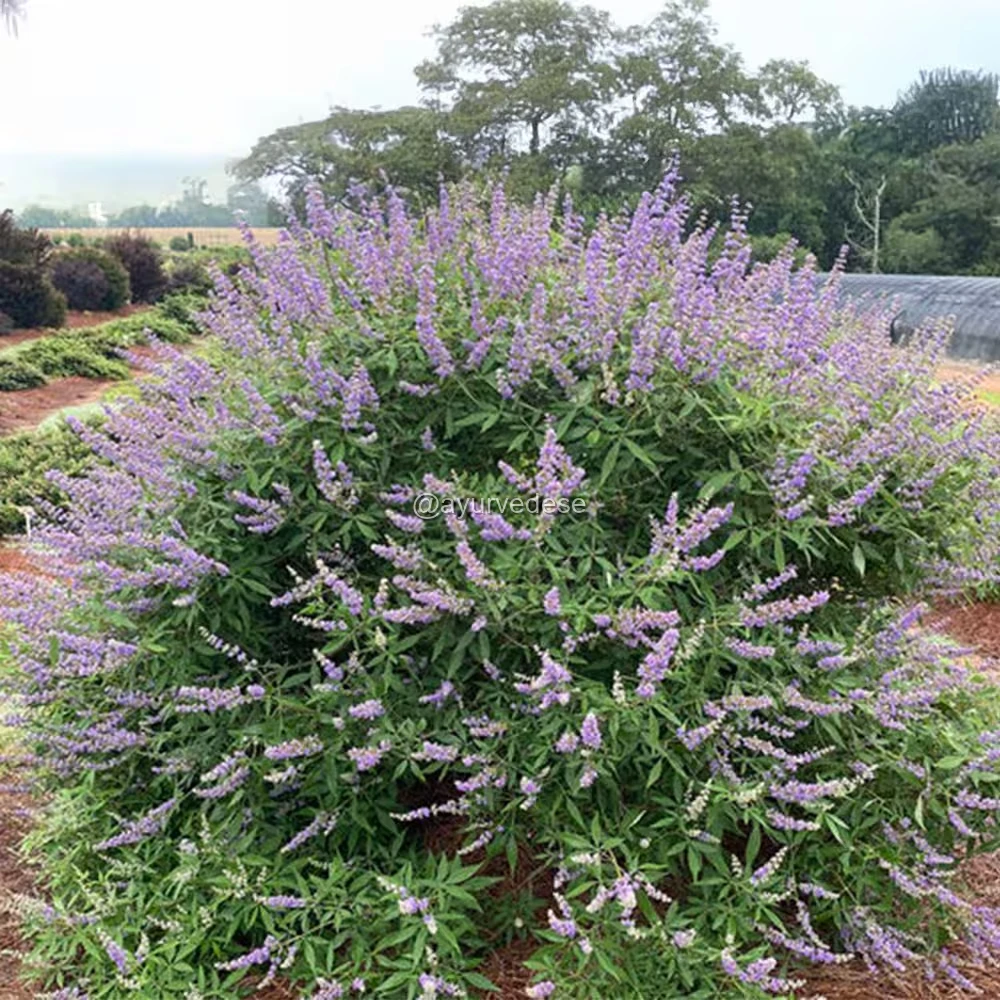
    Researchers investigated the effect of Nirgundi Taila as Prati Marsha Nasya in the treatment of thyroid disorders. The study, conducted by Manali Ramesh Bansode, highlights the importance of this Ayurvedic practice in modulating thyroid function. Nirgundi (Vitex negundo) is known for its anti-inflammatory and antioxidant properties, which may be beneficial for thyroid health. The results suggest that nasal application of the oil may help balance thyroid hormones, promoting improvement in symptoms associated with disorders such as hypothyroidism and hyperthyroidism. Although the findings are promising, it is important to note that the study is still in its early stages, and further research is needed to confirm these effects in larger populations and with different clinical profiles.

  • Rhodiola
    openalex🗞️ Published on Ayurdrops: Jun 10, 2026📅 Source: Jun 08, 2026

    Adaptogens to relieve anxiety and improve cognition: what science reveals

    Researchers analyzed how adaptogens can help relieve anxiety and improve cognitive function. The study, conducted by Sonali Bhandirge and Manisha Kawadkar, reviewed mechanisms of action and clinical evidence, highlighting that compounds such as ashwagandha (Withania somnifera) and rhodiola (Rhodiola rosea) act on the HPA axis — the brain-gland-stress communication — and can reduce cortisol levels, the hormone related to stress. Furthermore, the research suggests that these adaptogens can improve memory and concentration, with positive results observed in clinical trials. However, the authors emphasize that many studies have limitations, such as small sample sizes and the need for further investigations to confirm long-term effects. The connection between Ayurvedic principles and modern findings is clear, as the use of adaptogens in Ayurveda aims to balance the body and mind, promoting overall well-being.

  • openalex🗞️ Published on Ayurdrops: Jun 10, 2026📅 Source: Jun 08, 2026

    Irritable Bowel Syndrome (Grahani) and Ayurveda: What a Clinical Case Reveals

    Researchers reported a case of irritable bowel syndrome (Grahani) treated with Ayurveda, showing significant improvements in the patient's symptoms. The treatment included the use of specific herbs and dietary adjustments, aiming to balance the doshas and strengthen Agni, or digestive fire. The patient showed a reduction in abdominal pain, bloating, and bowel irregularities after 8 weeks of follow-up. The authors, Madhavi Mahajan and colleagues, highlight the importance of a holistic approach, which considers not only physical symptoms but also emotional and behavioral factors. The research suggests that Ayurveda may offer effective alternatives for managing irritable bowel syndrome, although the study has limitations, such as the small number of participants and the lack of a control group. These findings open space for further investigations into the efficacy of Ayurvedic interventions in gastrointestinal conditions.

  • Alho
    openalex🗞️ Published on Ayurdrops: Jun 10, 2026📅 Source: Jun 08, 2026

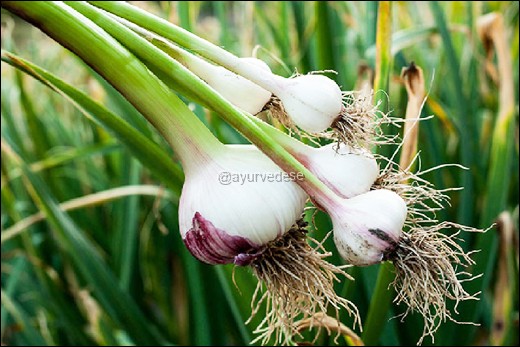
    Primary infertility and immature follicles: what a case with garlic oil teaches us

    Researchers presented a clinical case in which the use of nasya with garlic oil (Allium sativum) was applied to treat primary infertility associated with immature follicles. The patient, aged 30, had irregular menstrual cycles and difficulty conceiving. After 12 weeks of treatment, an increase in the count of mature follicles and an improvement in menstrual regularity were observed. Garlic oil, known for its anti-inflammatory and antioxidant properties, may have contributed to improved blood flow and ovarian health, aligning with Ayurvedic concepts that emphasize the importance of Agni (digestion) and the health of the dhatus (tissues). Although the results are promising, the study is limited by being a single case, which requires caution in generalizing the findings.

  • openalex🗞️ Published on Ayurdrops: Jun 10, 2026📅 Source: Jun 08, 2026

    Detoxification through Panchakarma: an Ayurvedic path to healing

    Researchers highlight that Panchakarma, a traditional practice of Ayurveda, is an effective approach for detoxification and health promotion. The study by Manali Ramesh Bansode explores how the five procedures of Panchakarma — Vamana (therapeutic emesis), Virechana (purgation), Basti (enemas), Nasya (nasal treatment), and Raktamokshana (bloodletting) — act in eliminating toxins (ama) and restoring the balance of the doshas. The research suggests that, by removing impurities from the body, Panchakarma not only improves physical health but also promotes a clearer and more balanced mental state. Although the study presents promising results, it is important to consider that the efficacy of Panchakarma may vary according to each patient's individuality and the need for adequate professional supervision.

  • Guduchi
    openalex🗞️ Published on Ayurdrops: Jun 10, 2026📅 Source: Jun 08, 2026

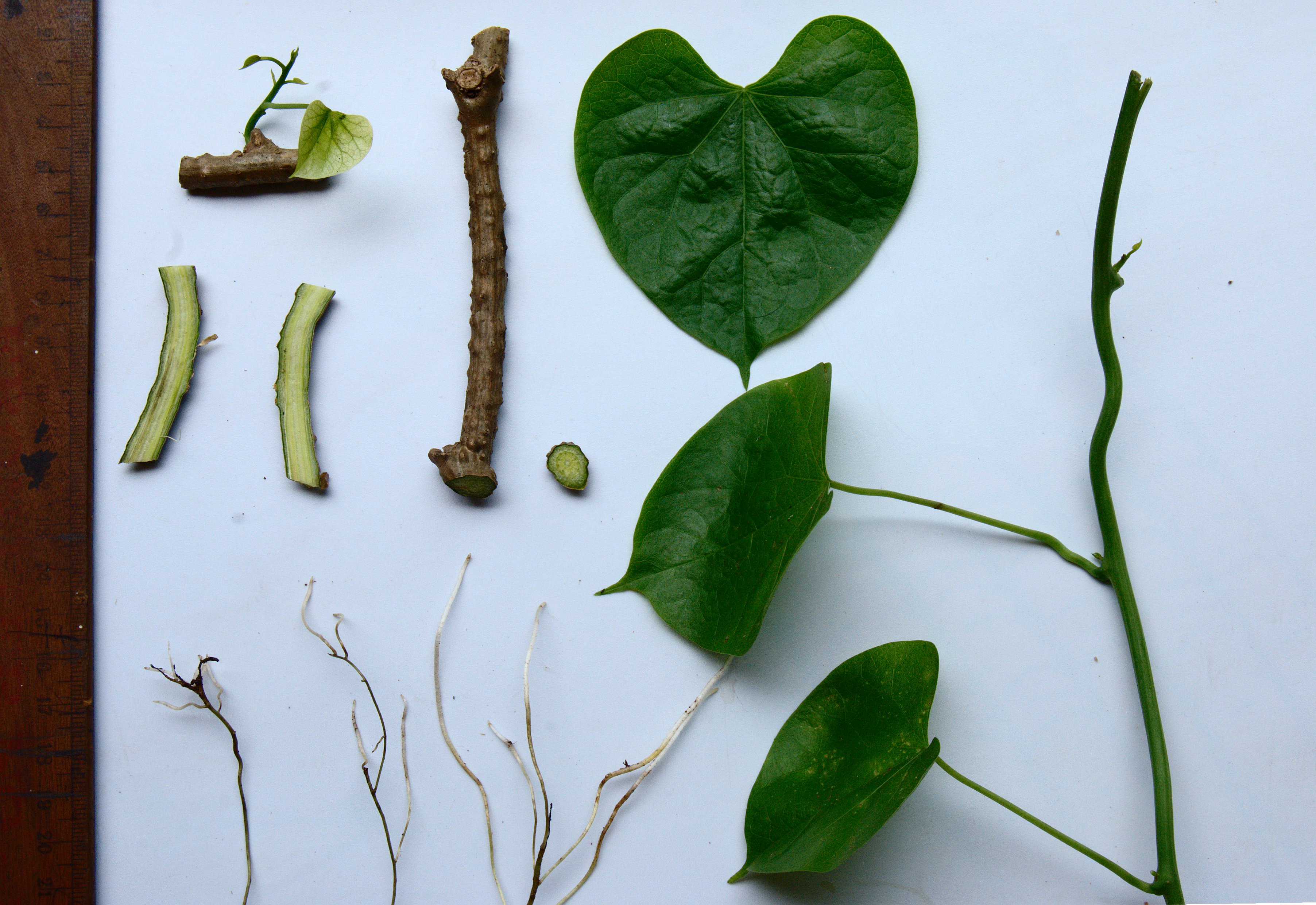
    Efficacy of Guduchi Taila Pichu in Acute Anal Fissure: A Clinical Study

    Researchers evaluated the efficacy of Guduchi Taila Pichu in the treatment of Parikartika, or acute anal fissure, in a randomized clinical trial. The study, conducted by Kasturi Hiremath and K M Siddalingamurthy, demonstrated that the use of this medicated oil brought significant relief from symptoms, such as pain and bleeding, compared to the control group. Treatment with Guduchi (Tinospora cordifolia) is known for its anti-inflammatory and healing properties, which may act on the regeneration of anal tissue. The results showed a 75% reduction in pain and a 60% reduction in the frequency of bleeding after 4 weeks of treatment. Despite the promising evidence, the study had limitations, such as the small sample size and the lack of long-term follow-up, suggesting the need for further research to confirm these findings.