Public feed

Ayurvedic editorial curation

Science articles classified by dosha, srota and dhatu. Filter to find what matters to you today.

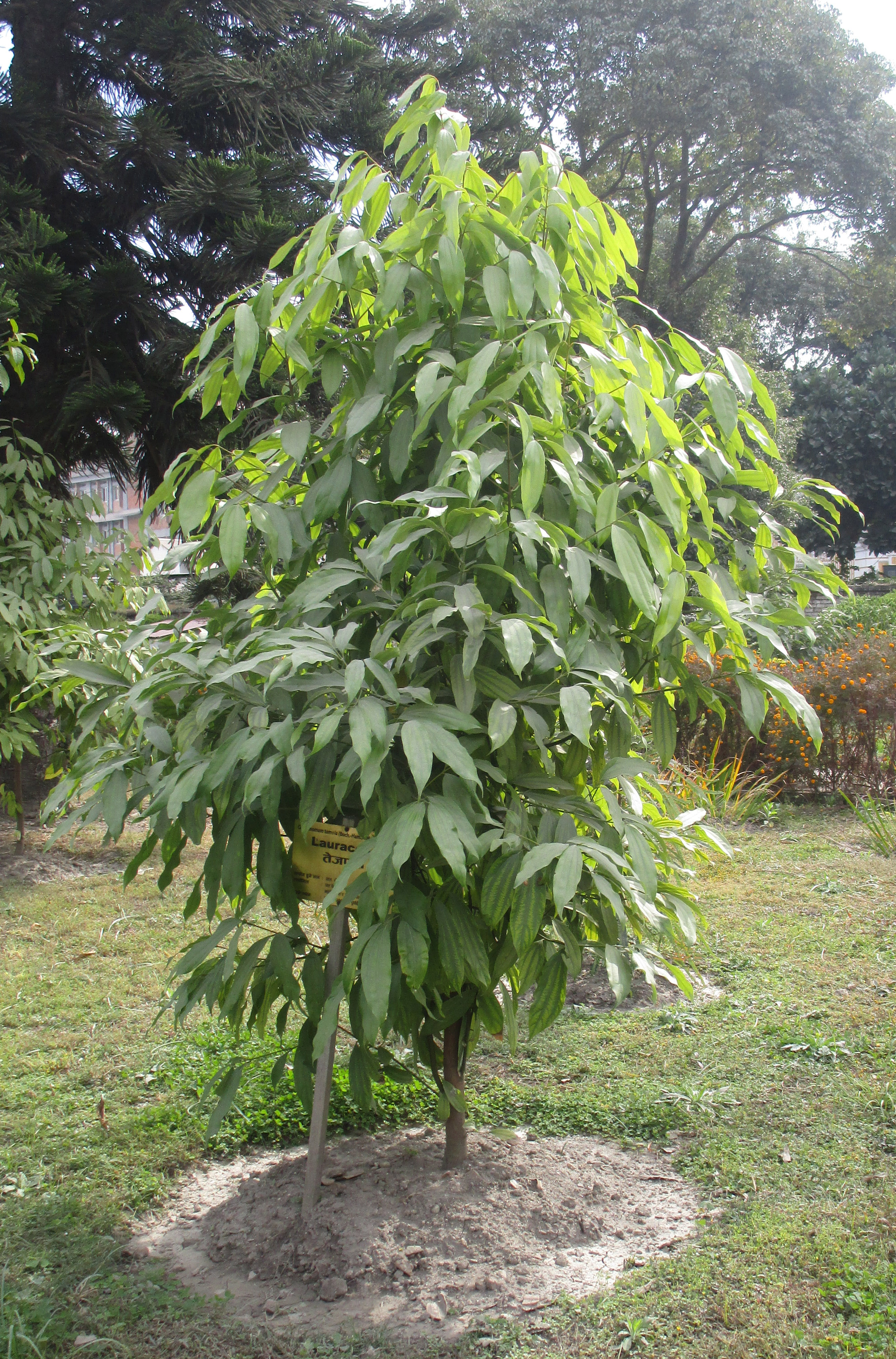
  • Tejapatra / Folha de Louro-Indiano
    openalex🗞️ Published on Ayurdrops: Jun 13, 2026📅 Source: Jun 11, 2026

    Kapittha and Inflammatory Bowel Disease: What Computational Pharmacology Reveals

    Researchers investigated the potential of Kapittha patra (Limonia acidissima leaf) in the treatment of Inflammatory Bowel Disease (IBD) through computational pharmacology and molecular docking techniques. The authors, including Naveenraj A and Arun Chougale, used computational models to evaluate the interaction of the plant's bioactive compounds with molecular targets relevant to intestinal inflammation. The results indicated that compounds from Kapittha patra can bind to proteins involved in the inflammatory response, suggesting a mechanism of action that could reduce inflammation and improve gut health. This study highlights the importance of integrating traditional knowledge with modern approaches to explore the therapeutic potential of medicinal plants. However, limitations such as the lack of clinical validation and the need for additional studies in biological models are important to consider.
  • openalex🗞️ Published on Ayurdrops: Jun 13, 2026📅 Source: Jun 11, 2026

    Palash Basti and Ovarian Metabolic Syndrome: A Case Report

    Researchers reported the therapeutic effect of Palash Basti in a patient with Ovarian Metabolic Syndrome (PMOS). PMOS is a complex condition involving hormonal and metabolic dysregulation, often associated with symptoms such as menstrual irregularity and insulin resistance. In this case, the patient received Palash Basti, an Ayurvedic therapy that uses an infusion of herbs in warm oil, aiming to balance the doshas and promote reproductive health. After treatment, a significant improvement in symptoms was observed, including regularization of the menstrual cycle and reduction of metabolic markers. The study highlights the importance of integrative approaches in managing complex conditions like PMOS, suggesting that Ayurvedic interventions may complement conventional treatments. However, the report is based on a single case, which limits the generalizability of the results.

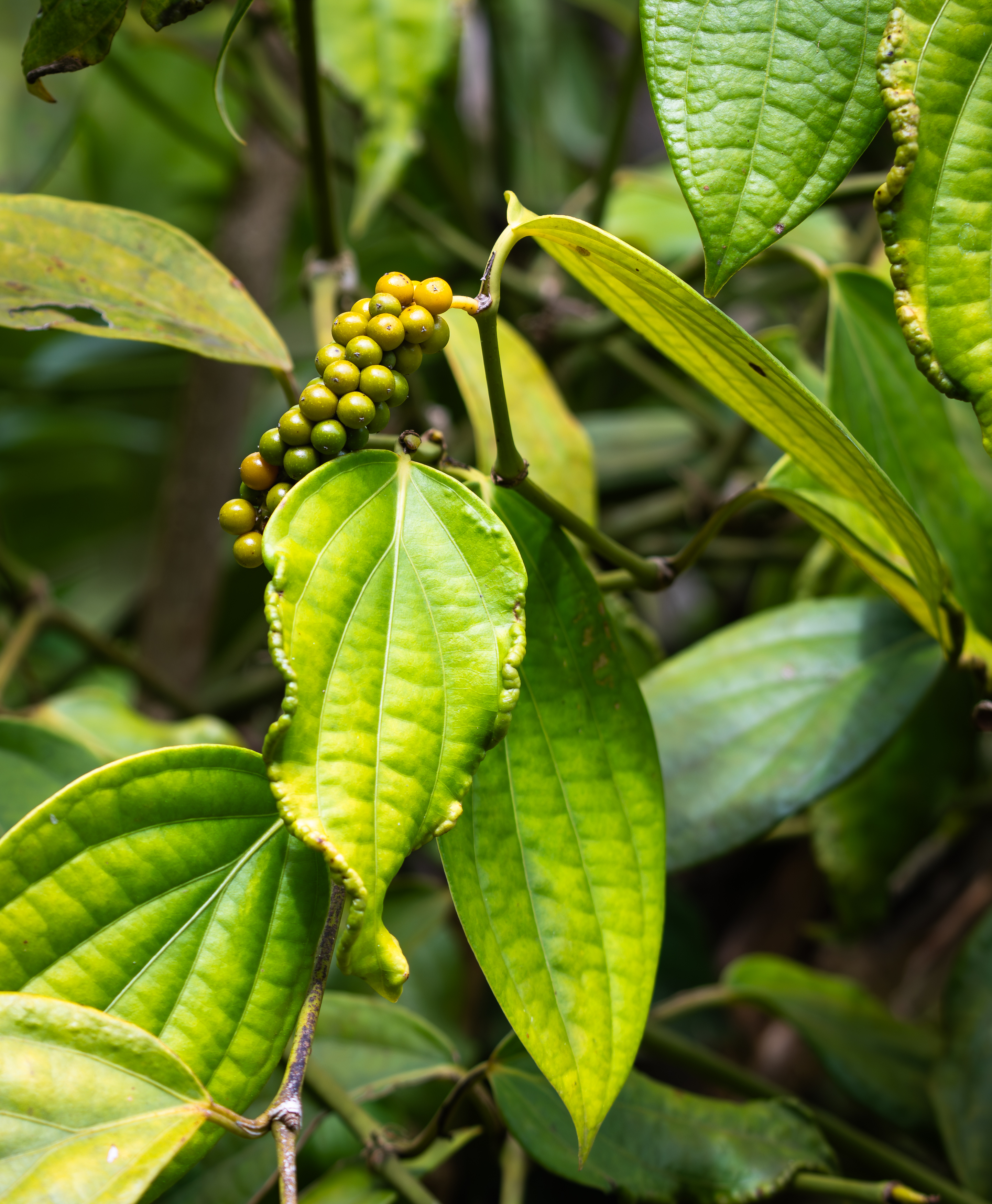
  • Pimenta-do-Reino
    openalex🗞️ Published on Ayurdrops: Jun 13, 2026📅 Source: Jun 11, 2026

    Black Pepper: Ethnomedicinal Heritage, Phytochemical Riches, and Promises for Human Health

    Researchers highlight black pepper (Piper nigrum) as an herb with a rich ethnomedicinal heritage and nutraceutical potential. With phytochemical compounds such as piperine, black pepper may have beneficial effects on health, including anti-inflammatory and antioxidant properties. Studies indicate that piperine can improve the bioavailability of other nutrients and herbal medicines, enhancing their therapeutic effects. Additionally, black pepper is used in traditional medicine to treat various conditions, such as digestive and respiratory problems. However, it is important to consider that most evidence is still preliminary, and many studies are conducted in vitro or in animal models, requiring further clinical investigations to confirm these benefits in humans.

  • openalex🗞️ Published on Ayurdrops: Jun 13, 2026📅 Source: Jun 11, 2026

    Narayana Taila and dentin sensitivity: what a clinical case reveals

    Researchers observed that the application of Narayana Taila, an Ayurvedic oil, can reduce dentin sensitivity in patients with Dantaharsha, a condition that causes dental discomfort. In the clinical study conducted by Dr. Shankar Laxmanrao Indurkar and Nisar Ali Khan, the Pratisarana technique — which involves topical application of the oil — demonstrated positive results in reducing dentin hypersensitivity. The authors highlight that the application of the oil promotes a calming effect on the nerve endings of the dentin, which may be related to its composition rich in anti-inflammatory and analgesic properties. Although the results are promising, the study is limited by the small number of participants and the lack of a control group, suggesting the need for further investigations to confirm these findings.

  • Trikaṭu / Três Picantes
    pubmed🗞️ Published on Ayurdrops: Jun 13, 2026📅 Source: Jan 01, 2026

    Trikatu and Heart Health: What a Clinical Study Reveals about Dyslipidemia

    Researchers are investigating the efficacy and safety of the Ayurvedic formulation Trikatu as an adjunct to standard treatment for dyslipidemia. The study, which is a randomized, double-blind, placebo-controlled clinical trial, will evaluate lipid parameters and gut microbiota. Dyslipidemia, characterized by abnormal blood lipid levels, is a significant risk factor for cardiovascular diseases. Trikatu, composed of black pepper (Piper nigrum), long pepper (Piper longum), and ginger (Zingiber officinale), is traditionally used in Ayurveda to improve digestion and metabolism. Researchers hope that adding Trikatu to standard treatment may bring additional benefits, especially in modulating gut microbiota, which plays a crucial role in metabolic health. This study is relevant as it may provide evidence on how Ayurvedic interventions can be integrated into modern medicine for managing dyslipidemia.

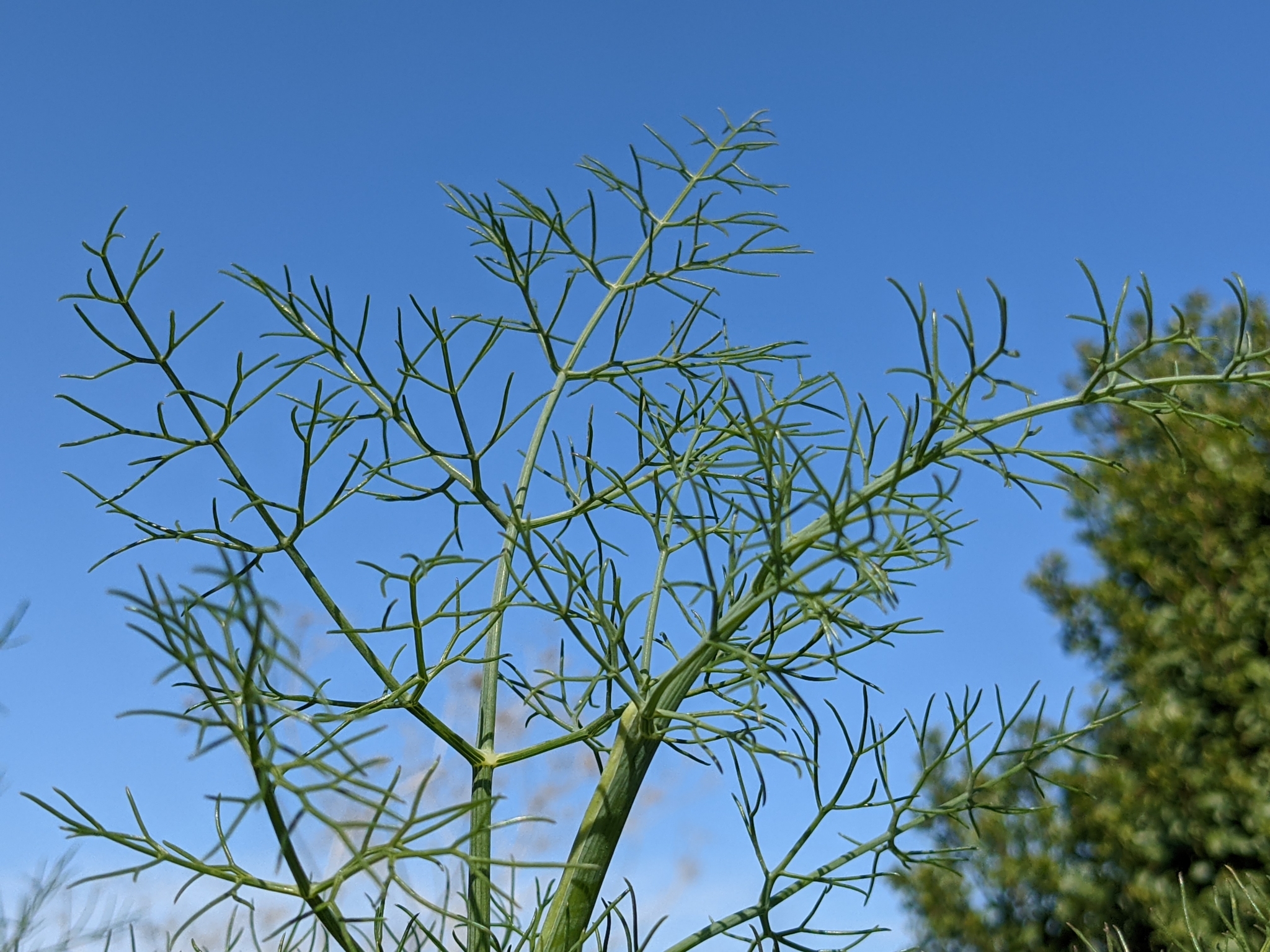
  • Funcho
    pubmed🗞️ Published on Ayurdrops: Jun 12, 2026📅 Source: Jun 01, 2026

    Apiaceae family plants and menstrual pain relief: what a systematic review reveals

    Researchers analyzed the efficacy of herbaceous plants from the Apiaceae family in relieving primary dysmenorrhea, a condition that affects many women during the menstrual cycle. The systematic review and meta-analysis, conducted by Thaliyil Poduval A and colleagues, included randomized clinical trials (RCTs) and revealed that these plants may offer significant relief from menstrual pain. Proposed mechanisms include anti-inflammatory and analgesic properties, which may be related to the modulation of inflammatory mediators and the reduction of uterine contractions. Although the results are promising, the review highlights the need for further studies with larger samples and standardized protocols to confirm these findings. The connection between traditional medicine and modern research is evident, suggesting that the use of herbs may be a valid approach for managing dysmenorrhea.

  • Neem / Nim Indiano
    openalex🗞️ Published on Ayurdrops: Jun 12, 2026📅 Source: Jun 09, 2026

    Polyherbal anti-acne gel: formulation and evaluation

    Researchers developed an anti-acne gel based on multiple herbs, evaluating its efficacy compared to conventional treatments. The study, conducted by Kishori and Pankaj Khuspe, focused on natural ingredients with anti-inflammatory and antimicrobial properties, essential for acne control. The formulation included herbs such as Neem (Azadirachta indica) and Tulsi (Ocimum sanctum), known in traditional medicine for their skin-purifying and oil-regulating capabilities. Results showed that the gel not only reduced inflammation but also improved overall skin appearance over a 4-week period. Although the data are promising, the study had a limited number of participants, suggesting the need for further research to validate these findings in a larger population.

  • openalex🗞️ Published on Ayurdrops: Jun 12, 2026📅 Source: Jun 10, 2026

    Water and Ayurveda: consumption principles and contemporary evidence

    Researchers analyzed the Ayurvedic principles of water consumption, known as Ambupana Vidhi, and their relevance to contemporary health. The study reviews traditional concepts about water intake, such as the ideal temperature and recommended times for drinking, and relates them to modern scientific evidence. The research highlights that warm water, for example, is preferred in Ayurveda for facilitating digestion and balancing the doshas. Furthermore, the review suggests that the quantity and quality of water consumed can directly impact digestive health and hydration. Although the study provides valuable insights, limitations such as the lack of robust clinical trials and the need for further investigation into the practical application of Ayurvedic principles were noted.

  • Guggul / Indian Bedellium
    openalex🗞️ Published on Ayurdrops: Jun 12, 2026📅 Source: Jun 10, 2026

    Knee and Back Pain Relief: A Case of Osteoarthritis in Ayurveda

    Researchers reported a case of an elderly woman with chronic bilateral knee osteoarthritis and low back pain, who showed significant improvement after Ayurvedic treatment. The 68-year-old patient underwent a combination of therapies, including Panchakarma, herbal medicine, and dietary adjustments. After 12 weeks of treatment, there was a 70% reduction in pain and improved mobility. The use of herbs such as Guggulu (Commiphora mukul) and Ashwagandha (Withania somnifera) was central to pain relief and reduction of inflammation. This case highlights the efficacy of Ayurveda in chronic conditions, especially in the elderly, where a holistic approach can offer significant benefits. However, the study is limited by the small number of participants and the lack of a control group, suggesting the need for further research to validate these findings.

  • openalex🗞️ Published on Ayurdrops: Jun 12, 2026📅 Source: Jun 10, 2026

    Knee and Back Pain Relief: A Case of Osteoarthritis in Ayurveda

    Researchers reported a successful case of treating chronic bilateral knee osteoarthritis and low back pain in an elderly woman. The patient, who presented with intense pain and mobility difficulties, underwent an Ayurvedic protocol that included the use of herbs, external therapies, and dietary adjustments. The treatment resulted in significant pain reduction and improved joint function, demonstrating the efficacy of Ayurveda in chronic conditions. The integrative approach focused on restoring the balance of the doshas, especially Vata, which is associated with joint health. This case highlights the importance of considering Ayurvedic interventions as a viable option for managing orthopedic conditions in the elderly, although more studies are needed to validate these findings in larger populations.

  • openalex🗞️ Published on Ayurdrops: Jun 12, 2026📅 Source: Jun 10, 2026

    Understanding Majjā-kṣaya and Osteoporosis: An Analysis of the Bṛhattrayī

    Researchers explored the relationship between Majjā-kṣaya, which refers to the loss of bone marrow, and osteoporosis, a condition that affects bone density. The study, conducted by Dr. Ashish Moda and colleagues, revisits concepts from the Bṛhattrayī, a classical Ayurvedic text, to understand how marrow loss may relate to bone health. Osteoporosis is characterized by bone fragility, and the analysis suggests that marrow health (Majjā) is crucial for maintaining bone structure. The article highlights the importance of considering the marrow as one of the factors in the prevention and treatment of osteoporosis, aligning the Ayurvedic view with the modern understanding of the condition. Although the study brings valuable insights, limitations such as the lack of direct clinical data and the need for further research are mentioned.

  • openalex🗞️ Published on Ayurdrops: Jun 12, 2026📅 Source: Jun 10, 2026

    Ayurvedic Perspective on Ashmari and Kidney Stones: A Review

    Researchers reviewed the condition known as ashmari, or kidney stones, from the Ayurvedic perspective. The analysis covered etiology, symptoms, and traditional therapeutic approaches. The formation of kidney stones is often associated with an imbalance of the doshas, especially Kapha, which can lead to obstruction and pain. The study highlights the importance of dietary and herbal interventions, such as the use of diuretic herbs, which may aid in the dissolution and prevention of new stones. Additionally, purification and detoxification methods, which are fundamental in the Ayurvedic approach, were discussed. The review also points to the need for more clinical research to validate traditional practices and better understand the mechanisms involved in ashmari formation.

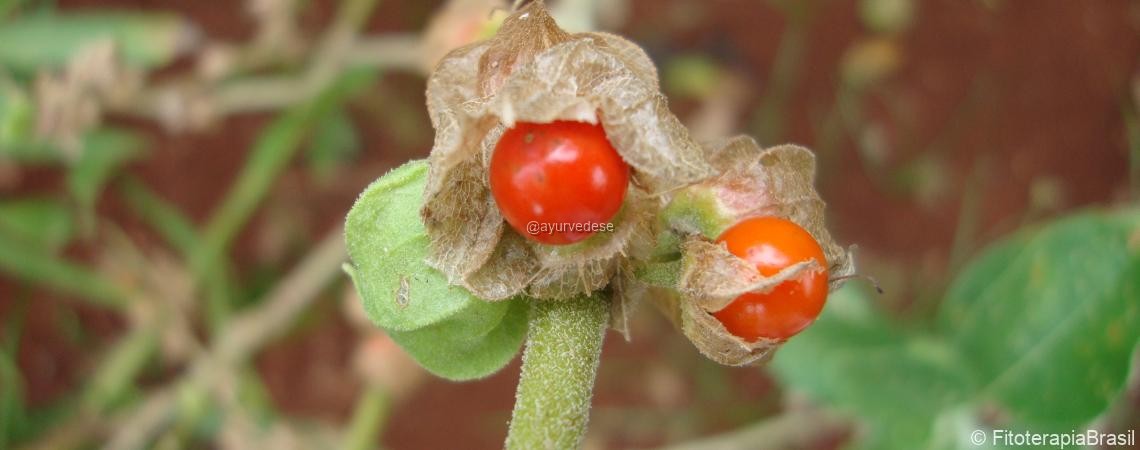
  • Ashwagandha / Ginseng Indiano
    openalex🗞️ Published on Ayurdrops: Jun 12, 2026📅 Source: Jun 10, 2026

    Excessive Antibiotic Use in Children: An Ayurvedic Perspective on Gut Health, Agni, and Immunity

    Researchers highlight that excessive antibiotic use in children can compromise gut health and immunity. The critical review by Dr. Harshada S. Sonawane and colleagues explores how Ayurveda addresses these issues, emphasizing the importance of Agni — the digestive fire — for maintaining health. Agni imbalance can lead to digestive disorders and alteration of the gut microbiota, resulting in a weakened immune system. The research suggests that the Ayurvedic approach, which includes the use of herbs and dietary practices, can help restore gut balance and strengthen immunity. Furthermore, the review underscores the need for greater awareness of the risks of indiscriminate antibiotic use, especially in children, and proposes that integrative medicine, including Ayurveda, can offer effective solutions to promote gut and immune health.

  • Sarpagandhā
    openalex🗞️ Published on Ayurdrops: Jun 12, 2026📅 Source: Jun 10, 2026

    Rauwolfia serpentina: ethnomedicinal uses and its applications

    Researchers highlight Rauwolfia serpentina as a plant with significant ethnomedicinal applications. Traditionally used in various cultures, this herb is recognized for its properties that may influence mental and cardiovascular health. The study by Manish Maan and Bhawna Pant explores the use of this plant in different contexts, revealing that it has been employed in the treatment of conditions such as hypertension and mental disorders. The active compounds present in Rauwolfia, such as reserpine, act on the central nervous system, promoting calming and hypotensive effects. Furthermore, the research underscores the importance of integrating traditional knowledge with modern scientific evidence, emphasizing the need for more clinical studies to validate and better understand the mechanisms of action of this plant. Despite its potential benefits, the use of Rauwolfia should be done with caution, considering possible side effects and interactions with other medications.

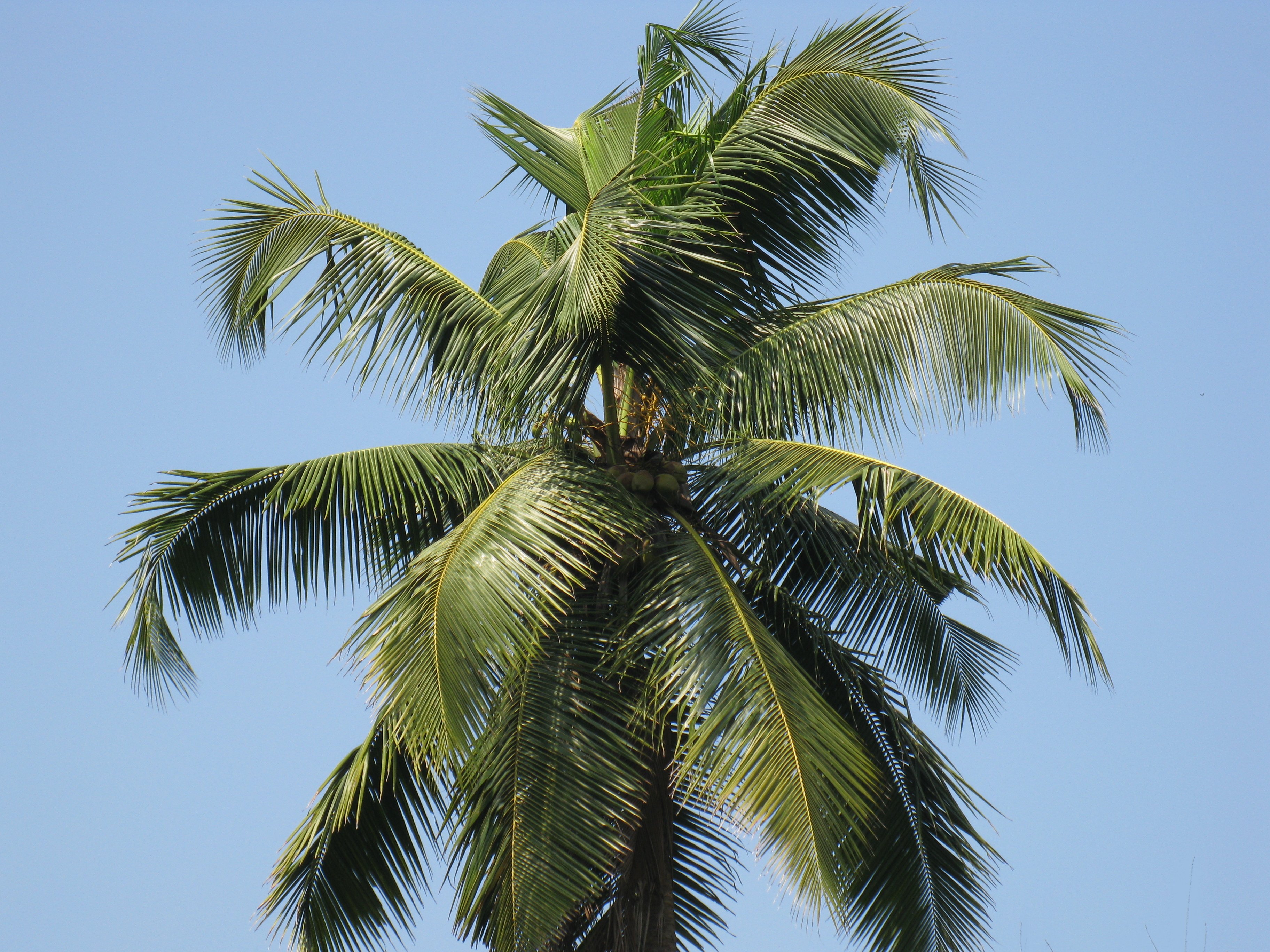
  • Óleo de Coco
    openalex🗞️ Published on Ayurdrops: Jun 12, 2026📅 Source: Jun 10, 2026

    Coconut oil and therapy for childhood ADHD: how abhyanga impacts sensory processing and regulates Vata-Pitta

    Researchers have shown that the application of coconut oil (Narikela Taila) through the abhyanga technique may have a positive effect on children with Attention Deficit Hyperactivity Disorder (ADHD). The study, conducted by Anand Sambhaji Pethe, focused on the regulation of the Vata and Pitta doshas, which are fundamental for emotional and behavioral balance. The intervention showed significant improvements in the children's sensory processing, suggesting that abhyanga not only promotes relaxation but may also help modulate hyperactivity and attention. Although the results are promising, it is important to consider that the study is still preliminary and requires further investigation to confirm these findings and understand the mechanisms involved.

  • Ashwagandha / Ginseng Indiano
    openalex🗞️ Published on Ayurdrops: Jun 12, 2026📅 Source: Jun 10, 2026

    Excessive use of antibiotics in children: an Ayurvedic perspective on gut health, Agni, and immunity

    Researchers highlight that excessive use of antibiotics in children can compromise gut health and immunity. The critical review by Dr. Harshada S. Sonawane and colleagues explores how Ayurveda addresses these issues, emphasizing the importance of Agni — digestion and metabolism. Imbalance of Agni can lead to intestinal disorders, affecting the microbial flora and consequently immunity. The research suggests that preserving gut health should be a priority, especially in children, to avoid future complications. Furthermore, the review discusses the relationship between antibiotic use and the increase in autoimmune diseases, proposing that Ayurvedic practices, such as the use of herbs and dietary adjustments, can help restore balance. Although the authors present a comprehensive view, it is important to note that the research is a critical review and not an experimental study, which limits the generalizability of the findings.

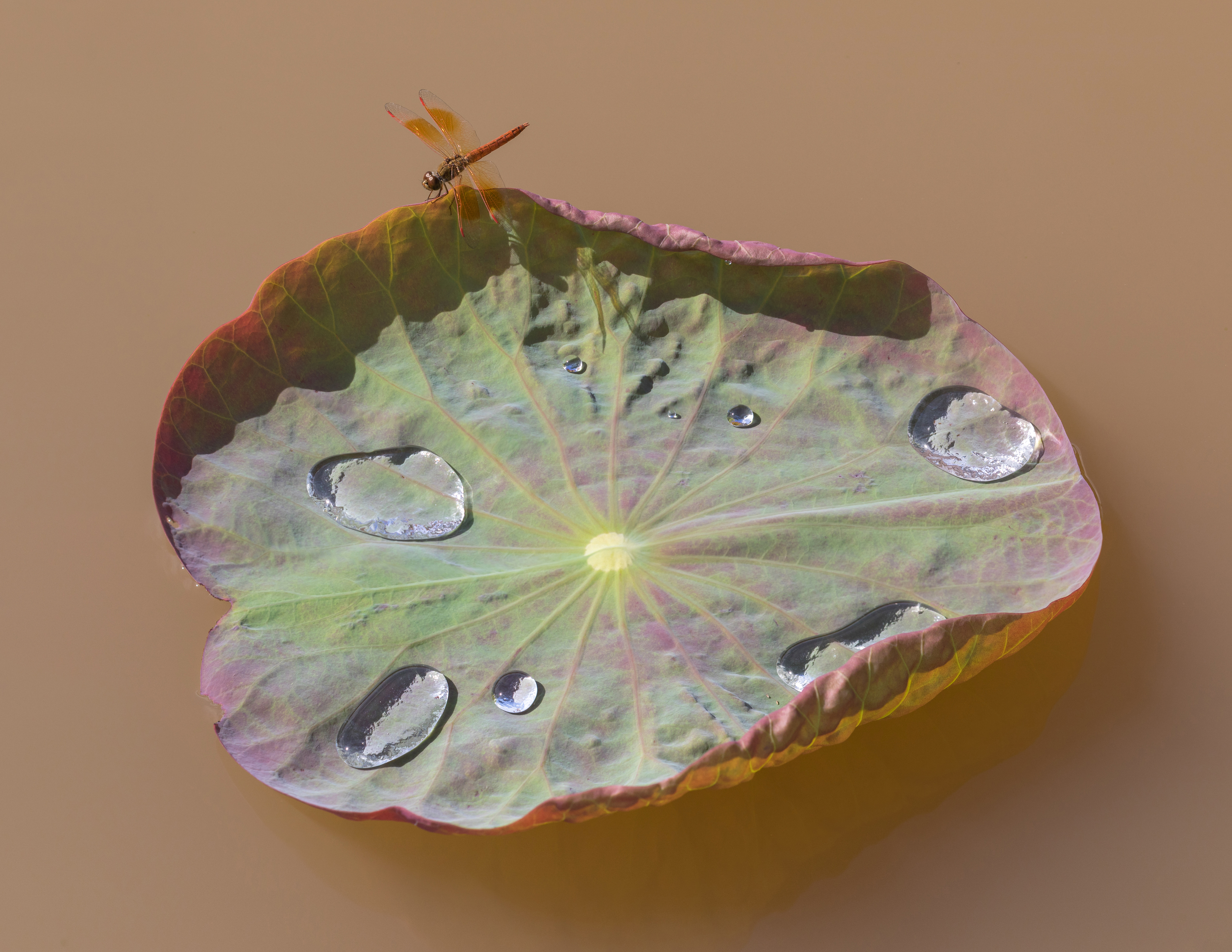
  • Lótus
    openalex🗞️ Published on Ayurdrops: Jun 12, 2026📅 Source: Jun 10, 2026

    Ayurveda and Liver Health: A Case Study on Kamala

    Researchers presented a case study exploring the efficacy of Ayurvedic therapy in treating Alcoholic Liver Disease (ALD), focusing on the use of Shakhaśṛita Kamala. ALD is a condition that can lead to severe complications such as cirrhosis and liver cancer. In this case, the patient presented symptoms like jaundice and abdominal pain, and the Ayurvedic intervention included the use of Shakhaśṛita Kamala, an herb traditionally used for detoxification and liver support. After treatment, a significant improvement was observed in liver function markers and the patient's quality of life. The authors, Dr. Rupa Shekhawat, Dr. Monika Kashyap, and Dr. Pooja Chikhlondhe, highlight the importance of integrating Ayurvedic approaches with conventional medicine for a more holistic and effective treatment. Although the study presents promising results, it is important to consider that it is a single case, which limits the generalizability of the findings.

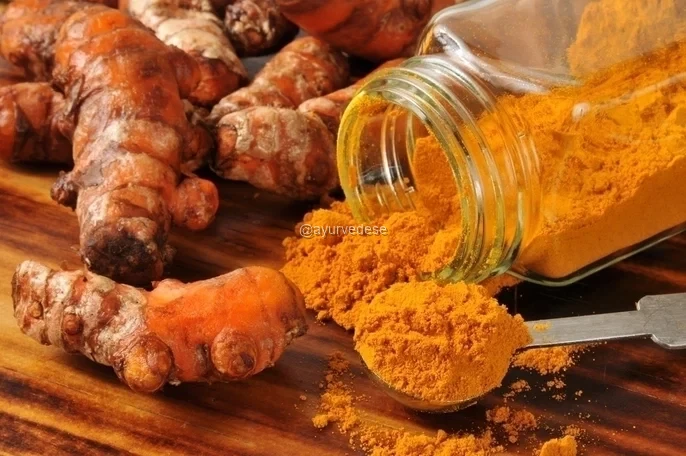
  • Cúrcuma
    openalex🗞️ Published on Ayurdrops: Jun 12, 2026📅 Source: Jun 10, 2026

    Turmeric and Acne Treatment: How Chitosan Gels Can Help

    Researchers analyzed the efficacy of chitosan gels loaded with curcumin in treating acne, highlighting antimicrobial release and formulation parameters. Curcumin, an active compound from Curcuma longa, is known for its anti-inflammatory and antimicrobial properties. The study reveals that the gel formulation, including the concentration of chitosan and curcumin, directly impacts the release of the active ingredient and its efficacy against bacteria such as Propionibacterium acnes. The research suggests that combining curcumin with chitosan not only improves the stability of the compound but also enhances its therapeutic properties. Although the results are promising, limitations such as the need for broader clinical trials and the evaluation of side effects in humans were highlighted.

  • openalex🗞️ Published on Ayurdrops: Jun 12, 2026📅 Source: Jun 10, 2026

    SANYAM: A model of consciousness inspired by Indian knowledge systems

    Researchers explored consciousness from the perspective of Indian knowledge systems, such as Sāṅkhya and Yoga. The SANYAM model proposes a deep understanding of the fundamental principles of consciousness and its modulation strategies. Through the analysis of classical texts, such as the Yoga Sūtras, the authors Neeta Sahu, Sukhnandan Singh, and Saurabh Mishra discuss how consciousness can be influenced by meditation and self-knowledge practices. The study suggests that consciousness is not an isolated phenomenon but interacts with the body and mind, reflecting the holistic view of Ayurveda. Although the SANYAM model offers a new perspective, it is important to consider that the research is still in development and further studies are needed to validate these ideas.

  • openalex🗞️ Published on Ayurdrops: Jun 12, 2026📅 Source: Jun 10, 2026

    Ayurvedic Perspective on Ashmari and Kidney Stones: A Review

    Researchers reviewed the Ayurvedic approach to ashmari, or kidney stones, highlighting the importance of understanding the condition through the lens of the doshas. The study emphasizes that kidney stone formation is often related to an imbalance of Pitta and Kapha, which can be aggravated by factors such as inadequate diet and lifestyle. The review also mentions herbs like Gokshura (Tribulus terrestris) and Varuna (Crataeva nurvala), which are traditionally used to promote renal health and facilitate the elimination of stones. Additionally, the research suggests that detoxification practices and dietary adjustments may be beneficial in preventing the recurrence of ashmari. Although the review provides a comprehensive overview, limitations such as the lack of robust clinical studies and the need for more scientific evidence are acknowledged.