Public feed

Ayurvedic editorial curation

Science articles classified by dosha, srota and dhatu. Filter to find what matters to you today.

  • openalex🗞️ Published on Ayurdrops: Jun 17, 2026📅 Source: Jun 16, 2026

    Effects of Shodhana Chikitsa on Palmoplantar Psoriasis: A Study on Virechan and Raktamokshana

    Researchers have demonstrated that Shodhana Chikitsa, which includes Virechan (purgation) and Raktamokshana (bloodletting), can be effective in treating palmoplantar psoriasis, known as Vipadika. The study, conducted by Dr. Savita A Kulkarni and Dr. Shubhada Santosh Kulkarni, observed significant improvements in patients' symptoms after the application of these therapies. Virechan acts on detoxifying the body, while Raktamokshana helps eliminate toxins from the blood, both aligned with Ayurvedic principles of balancing the doshas. The results suggest that these interventions can reduce inflammation and improve patients' quality of life. However, the study has limitations, such as sample size and the need for further research to confirm these findings in larger populations.
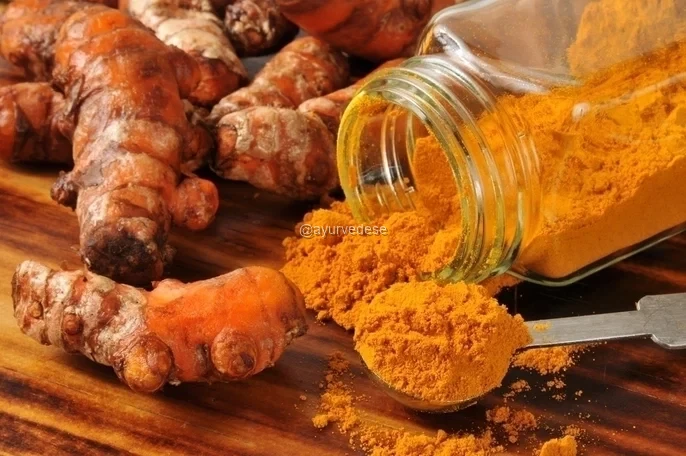

  • Cúrcuma
    openalex🗞️ Published on Ayurdrops: Jun 17, 2026📅 Source: Jun 16, 2026

    Haridra: The Golden Medicine of Ayurveda

    Researchers highlight that Haridra (Curcuma longa), known as turmeric, possesses anti-inflammatory, antioxidant, and antimicrobial properties. The review conducted by Dr. Binita Debnath explores the bioactive compounds of Haridra, such as curcumin, which acts in modulating various inflammatory pathways and in cellular protection. Studies demonstrate that curcumin can reduce inflammatory markers, such as interleukin-6 (IL-6), and improve immune function. Furthermore, Haridra is traditionally used in Ayurveda to treat conditions such as arthritis, skin diseases, and digestive disorders, reflecting its relevance in both clinical practice and modern research. Despite the benefits, the review also points out limitations, such as the need for more large-scale clinical studies to validate the therapeutic effects of Haridra in different health conditions.

  • openalex🗞️ Published on Ayurdrops: Jun 17, 2026📅 Source: Jun 16, 2026

    Detoxification in Ayurveda: How Virechan and Raktamokshana Help in Palmoplantar Psoriasis

    Researchers investigated the effects of Shodhan Chikitsa, which includes Virechan (purgation) and Raktamokshana (bloodletting), in the treatment of Vipadika, focusing on palmoplantar psoriasis. The study, conducted by Dr. Savita A Kulkarni and Dr. Shubhada Santosh Kulkarni, demonstrated that these Ayurvedic practices can significantly reduce psoriasis symptoms, promoting body detoxification. The authors observed improvements in patients' skin, with decreased inflammation and scaling, suggesting that the combination of purification techniques may be effective in managing this condition. Although the results are promising, it is important to consider that the study was conducted on a limited number of participants, which may affect the generalizability of the findings.

  • openalex🗞️ Published on Ayurdrops: Jun 17, 2026📅 Source: Jun 16, 2026

    Hemorrhoids: An Integrated View Between Ayurveda and Contemporary Medicine

    Researchers reviewed the condition of arsha (hemorrhoids) from the perspective of Ayurveda and modern medicine, highlighting the importance of an integrative approach. The study, conducted by Dr. Satinder Gupta and colleagues, explores how Ayurvedic principles, such as the balance of doshas and digestion (Agni), relate to contemporary treatment practices. The authors emphasize that the Ayurvedic approach not only treats symptoms but also seeks to understand underlying causes, such as inadequate diet and stress. Furthermore, the review suggests that combining therapies, including herbal medicine and lifestyle changes, may offer better outcomes for patients. The research also points to the need for more clinical studies to validate these integrative practices, considering the efficacy and safety of the proposed treatments.

  • openalex🗞️ Published on Ayurdrops: Jun 17, 2026📅 Source: Jun 16, 2026

    Ayurvedic Approach to Managing Mutrākṛcchra: A Case Study

    Researchers presented a case study exploring an Ayurvedic approach to managing mutrākṛcchra, a condition characterized by difficulty in urination. The treatment included the use of specific herbs and lifestyle practices, resulting in significant improvements in the patient's symptoms. The study, conducted by Dr. Girish V. Solanki and colleagues, highlights the importance of accurate diagnosis and an individualized treatment plan, aligning Ayurvedic concepts with modern practices. The combination of therapies, including the use of herbs such as Gokshura (Tribulus terrestris), demonstrated efficacy in reducing pain and improving urinary frequency. Although the results are promising, it is important to note that this is a single case study, which limits the generalizability of the findings. Further research is needed to validate these results in larger populations.

  • openalex🗞️ Published on Ayurdrops: Jun 17, 2026📅 Source: Jun 16, 2026

    Diabetes and Ayurveda: What a Clinical Case Reveals About Prameha Management

    Researchers presented a case study exploring the Ayurvedic approach to prameha, known as diabetes mellitus. The treatment included a combination of herbs, diet, and lifestyle practices, resulting in a significant reduction in blood glucose levels. Dr. Manisha Tiwari and Dr. Hemant Kumar documented the patient's progress over several weeks, highlighting the importance of Agni (digestion) and dosha balance in diabetes management. The study suggests that personalized treatment, considering individual constitution and specific symptoms, can be effective. Although the results are promising, the study is limited by being a single case, which prevents broad generalizations. However, it paves the way for further research on the efficacy of Ayurvedic interventions in diabetes control.

  • openalex🗞️ Published on Ayurdrops: Jun 17, 2026📅 Source: Jun 16, 2026

    Secondary infertility and weight gain: an integrated view between Ayurveda and modern medicine

    Researchers highlight that weight gain can be a significant factor in secondary infertility, affecting both men and women. The integrative review conducted by Dr. Jasmita Priyadarsini explores how excess weight impacts fertility, considering both modern perspectives and Ayurvedic approaches. The study reveals that obesity can alter hormonal balance, affecting ovulation in women and semen quality in men. In Ayurveda, the concept of Agni (digestion) is central, and obesity is seen as a disturbance of Agni, which can lead to an accumulation of toxins (ama) and consequently to infertility. The research suggests that interventions that promote weight loss and Agni balance may be beneficial for fertility. However, limitations such as the lack of longitudinal data and the need for more clinical studies are mentioned.

  • Guggul / Indian Bedellium
    pubmed🗞️ Published on Ayurdrops: Jun 17, 2026📅 Source: Jun 16, 2026

    Yograj Guggulu and Osteoarthritis: What a Multi-Omic Investigation Reveals

    Researchers investigated the effects of Yograj Guggulu, an Ayurvedic formulation composed of several herbs, in a rat model of osteoarthritis induced by MIA (mono-iodoacetic acid). The study, conducted by Redkar et al., used multi-omic approaches to understand the mechanisms of action of the formulation. Results showed that Yograj Guggulu significantly reduced inflammation and joint pain, and improved animal mobility. The authors identified changes in several metabolic pathways, including modulation of inflammatory mediators and cartilage protection. Although the results are promising, it is important to note that the study was conducted in an animal model, which limits the generalization of findings to humans. The research highlights the relevance of Ayurvedic formulations in addressing joint conditions, aligning with concepts of balance and harmony present in Ayurveda.

  • pubmed🗞️ Published on Ayurdrops: Jun 16, 2026📅 Source: Jul 01, 2026

    Drug-Induced Liver Injury: A Case Related to Traditional Herbs

    Researchers reported a case of drug-induced liver injury in a patient who used a combination of traditional herbs. The study, conducted by Devadkar and Kanitkar, highlights the importance of considering interactions between herbal remedies and conventional medications. Histopathological analysis revealed significant changes in the liver, suggesting that certain herbs may have unexpected adverse effects. Although the use of traditional herbs is common, it is crucial that both therapists and patients are aware of the potential risks associated with their use, especially in combination with other treatments. This case serves as a warning for the need for a more cautious and informed approach when integrating herbal therapy into clinical practice.

  • Funcho
    openalex🗞️ Published on Ayurdrops: Jun 15, 2026📅 Source: Jun 12, 2026

    Fennel: A Comprehensive Overview of Botany, Phytotherapy, and Agricultural Practices

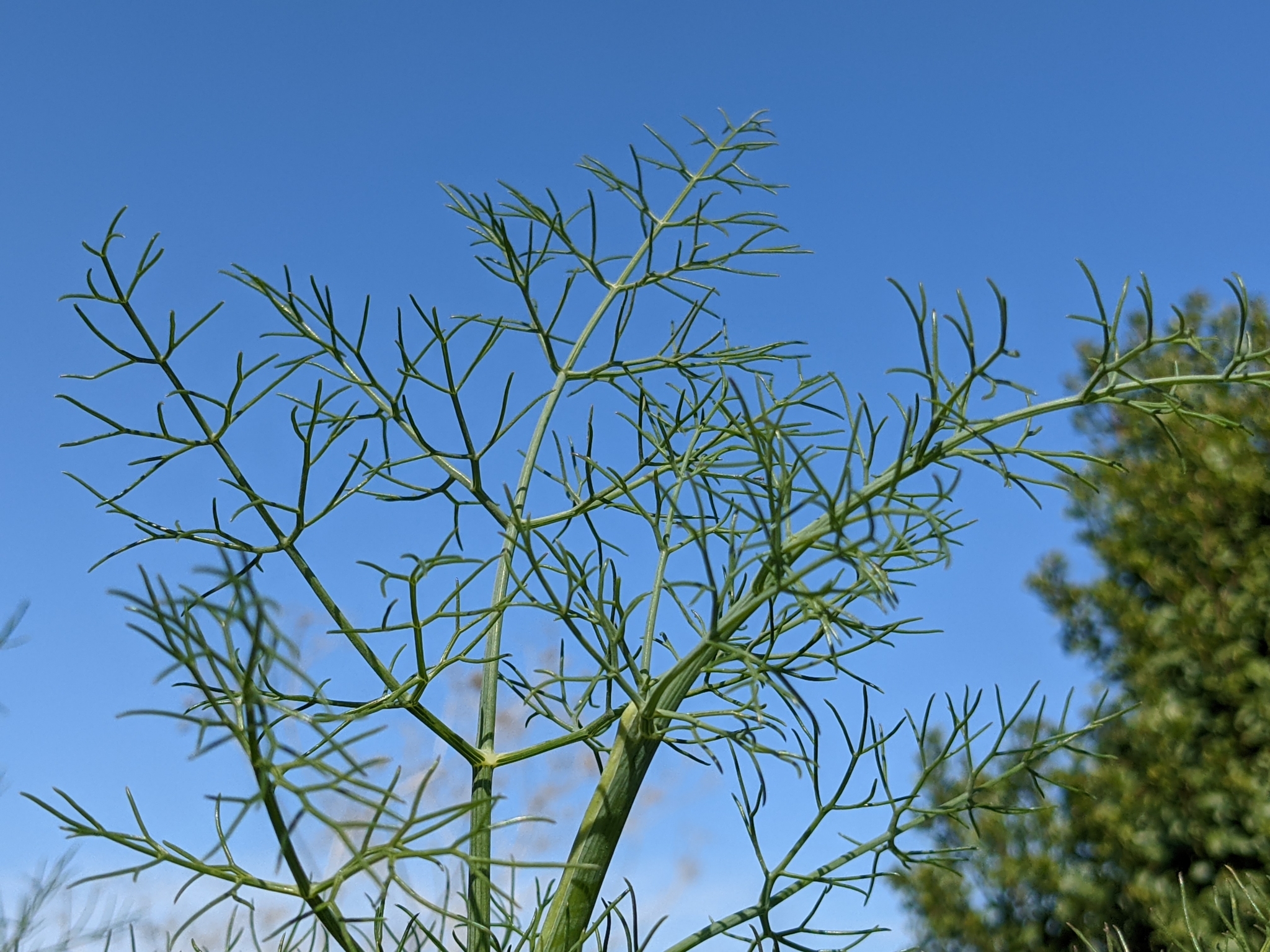
    Researchers reviewed the botany, phytocompounds, and agricultural practices of fennel (Foeniculum vulgare), an herb widely used in traditional medicine. The study highlights bioactive compounds such as anethole and fenchone, which possess antioxidant and anti-inflammatory properties. Additionally, agronomic practices that influence fennel quality, including soil management and harvesting, were discussed. Fennel is known for its potential to aid digestion and relieve colic, which aligns with the Ayurvedic perspective of promoting healthy Agni (digestion). Despite its applications, the study emphasizes the need for more clinical research to validate fennel's therapeutic effects in different health conditions.

  • openalex🗞️ Published on Ayurdrops: Jun 15, 2026📅 Source: Jun 13, 2026

    Local Treatments in Ayurveda: Connections between Prasuti Tantra and Women's Health

    Researchers highlight the importance of Sthanika Chikitsa, or local treatments, in the context of Prasuti Tantra and Stree Roga, which address women's health and obstetrics in Ayurveda. The study, conducted by Dr. Malika Choudhary and Dr. Mahendra Singh, explores how these classical concepts remain relevant in contemporary practice. Sthanika Chikitsa involves specific interventions for local conditions, such as inflammations and pains, which can be particularly useful during pregnancy and postpartum. The authors argue that applying techniques like massages and compresses can improve women's recovery and well-being, aligning with Ayurveda's holistic vision. Furthermore, the article suggests that integrating these traditional methods with modern practices can offer more complete and effective care. The research also underscores the need for more clinical studies to validate these approaches and better understand their applications in women's health.

  • openalex🗞️ Published on Ayurdrops: Jun 15, 2026📅 Source: Jun 13, 2026

    Local Treatments in Prasuti Tantra and Stree Roga: Classical Connections and Current Relevance

    Researchers highlight the importance of Sthanika Chikitsa, or local treatments, in the context of Prasuti Tantra and Stree Roga, which address women's health and obstetrics in Ayurveda. This study, conducted by Dr. Malika Choudhary and Dr. Mahendra Singh, explores how classical concepts can be applied in contemporary practice, emphasizing the need to integrate traditional knowledge with modern approaches. Sthanika Chikitsa is seen as a valuable tool for treating specific conditions, such as local pain and discomfort, which often affect women during pregnancy and the postpartum period. The research suggests that the application of Ayurvedic techniques can improve women's health and well-being, offering a safe and effective alternative to conventional methods. The authors also discuss limitations, such as the need for more clinical studies to validate these practices on a large scale.

  • Brahmi / Bacopa
    openalex🗞️ Published on Ayurdrops: Jun 15, 2026📅 Source: Jun 16, 2026

    Rasayana in Ayurveda: A Review of Herbal Medicine and Clinical Validation

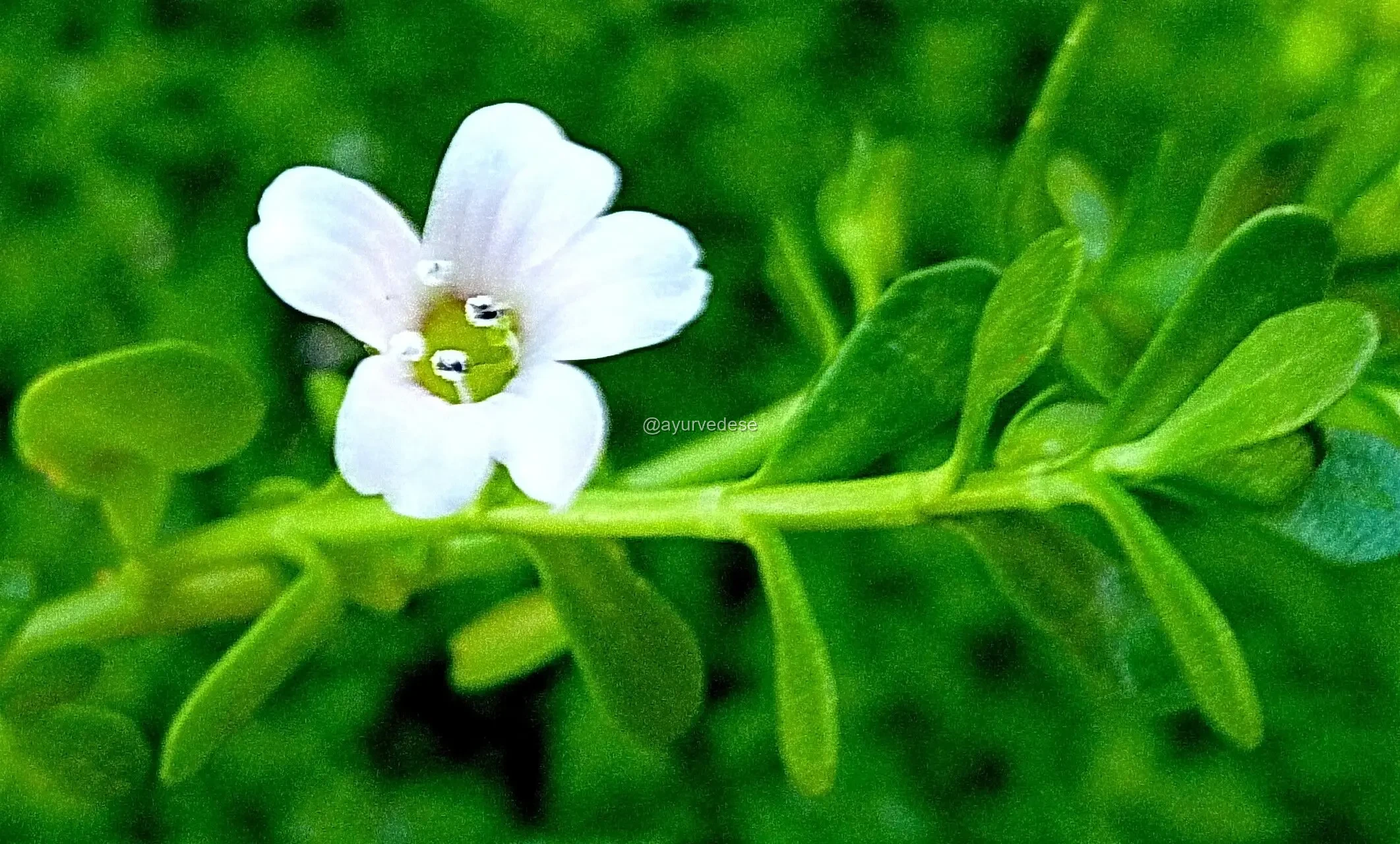
    Researchers reviewed the pharmacodynamics and phytochemical validation of rasayana herbs, revealing that these plants play a crucial role in promoting health and longevity. Dr. Sanjivani Shekokar highlights that rasayana herbs, such as Aśvagandha (Withania somnifera) and Brahmi (Bacopa monnieri), have adaptogenic and antioxidant properties that can help modulate oxidative stress and improve cognitive function. The review also points out that combining different herbs can potentiate their effects, offering a holistic approach to treating various health conditions. Although the research provides a solid foundation for the use of these herbs, limitations such as variability in study quality and the need for more controlled clinical trials are mentioned. The connection between Ayurvedic principles and modern pharmacology is evident, suggesting that ancient wisdom can be validated through contemporary scientific methods.

  • Neem / Nim Indiano
    openalex🗞️ Published on Ayurdrops: Jun 15, 2026📅 Source: Jun 16, 2026

    Psoriasis and Ayurveda: What a Case Study Reveals

    Researchers presented a case study exploring the efficacy of Ayurveda in treating psoriasis. The treatment included a combination of herbs, diet, and lifestyle practices, resulting in significant improvements in the patient's skin condition. The use of herbs such as Turmeric (Curcuma longa) and Neem (Azadirachta indica) was central, due to their anti-inflammatory and antimicrobial properties. After treatment, a visible reduction in psoriatic lesions and an improvement in the patient's quality of life were observed. The authors, Dr. Jinesh Jain and colleagues, highlight the importance of a holistic approach, which considers not only physical symptoms but also the patient's emotional state and lifestyle. Although the study presents promising results, limitations such as the small sample size and the lack of a control group should be considered when interpreting the data.

  • Ashwagandha / Ginseng Indiano
    openalex🗞️ Published on Ayurdrops: Jun 15, 2026📅 Source: Jun 16, 2026

    Diabetic Neuropathy and Kayachikitsa: A Comprehensive Review

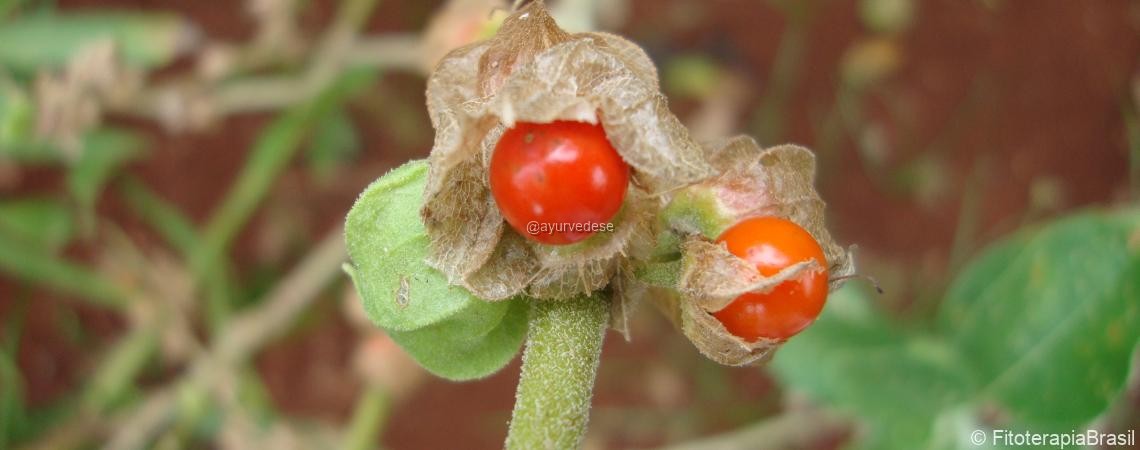
    Researchers highlight diabetic neuropathy as a common complication of diabetes, affecting about 50% of patients over time. Kayachikitsa, one of the Ayurveda specialties focused on internal medicine, offers integrative approaches for managing this condition. The study reviews various Ayurvedic interventions, including the use of herbs such as Aśvagandhā (Withania somnifera) and sesame oil, which may help alleviate symptoms and improve patients' quality of life. Additionally, the review addresses the importance of adjusting Agni (digestion) and balancing the doshas, especially Vata, which is often dysregulated in neuropathy cases. Although the results are promising, limitations such as the lack of rigorous clinical trials and the need for more large-scale studies are mentioned.

  • openalex🗞️ Published on Ayurdrops: Jun 15, 2026📅 Source: Jun 16, 2026

    Psoriasis and Ayurveda: A Comprehensive Case Study

    Researchers presented a case study exploring the efficacy of Ayurveda in treating psoriasis. The treatment included a combination of therapies, such as herbal medicine, diet, and lifestyle practices, aimed at balancing the doshas and improving skin health. The authors, Dr. Jinesh Jain and colleagues, observed a significant reduction in psoriatic lesions and an improvement in the patient's quality of life after 12 weeks of intervention. The use of specific herbs and dietary modification were fundamental in restoring Agni (digestion) and promoting detoxification of the body. This study highlights the importance of a holistic and individualized approach in treating psoriasis, aligning with Ayurvedic principles that emphasize the connection between mind, body, and environment.

  • Ashwagandha / Ginseng Indiano
    openalex🗞️ Published on Ayurdrops: Jun 15, 2026📅 Source: Jun 16, 2026

    Rasayana in Ayurveda: A Review of Herbal Medicine and Clinical Validation

    Researchers reviewed the pharmacodynamics and phytochemical validation of rasayana herbs, highlighting their role in promoting health and longevity. Dr. Sanjivani Shekokar and her team analyzed various herbs, such as Aśvagandha (Withania somnifera) and Brahmi (Bacopa monnieri), which are known for their adaptogenic and neuroprotective properties. The review also addresses the mechanisms of action of these herbs, such as modulation of the HPA axis—the communication between the brain and the glands that regulate stress. The authors emphasize that, although many studies demonstrate the benefits of rasayana herbs, most evidence is still preliminary and requires further clinical investigation. Additionally, phytochemical validation is essential to ensure the quality and efficacy of plant-based products. This review is an invitation for therapists and practitioners to consider integrating these herbs into their therapeutic approaches, always with attention to available evidence.

  • openalex🗞️ Published on Ayurdrops: Jun 15, 2026📅 Source: Jun 16, 2026

    Adenomyosis: A Little-Recognized Disorder in Ayurveda

    Researchers highlight adenomyosis as a frequently underdiagnosed condition that can be correlated with Ayurvedic concepts. The literature review conducted by Dr. Vimmi explores the relationship between adenomyosis and dosha imbalances, especially Pitta, which may be involved in the inflammation and pain associated with this condition. Adenomyosis is characterized by the presence of endometrial tissue within the uterine muscle, leading to symptoms such as pelvic pain and heavy menstruation. The study suggests that the Ayurvedic approach can offer valuable insights for managing this condition, emphasizing the importance of understanding the interaction between physical and emotional factors. Although the research is promising, it is important to note that the literature on the topic is still limited, and more studies are needed to validate these correlations.

  • Ashwagandha / Ginseng Indiano
    openalex🗞️ Published on Ayurdrops: Jun 15, 2026📅 Source: Jun 16, 2026

    Diabetic Neuropathy and Kayachikitsa: A Comprehensive Review

    Researchers highlight diabetic neuropathy as a common complication of diabetes, affecting up to 50% of patients. The Kayachikitsa approach, which integrates Ayurvedic practices for treating chronic diseases, is discussed as a promising alternative. Dr. Tushar B. Khairnar reviews methods that include the use of herbs such as Aśvagandha and Guggulu, which may help improve circulation and reduce neuropathic pain. Additionally, the review addresses the importance of a balanced lifestyle and maintaining Agni (digestion) to prevent the progression of neuropathy. Although the research provides valuable insights, limitations such as the lack of controlled clinical trials and the need for more longitudinal studies are mentioned.

  • openalex🗞️ Published on Ayurdrops: Jun 15, 2026📅 Source: Jun 16, 2026

    Adenomyosis: A Little-Recognized Disorder in Ayurveda

    Researchers highlight adenomyosis as a frequently underdiagnosed condition that can be correlated with Ayurvedic concepts. The literature review conducted by Dr. Vimmi explores the clinical manifestations of adenomyosis and its possible relationships with the doshas, especially Pitta and Kapha. The condition is characterized by the presence of endometrial tissue within the muscular wall of the uterus, leading to symptoms such as pain and heavy menstrual bleeding. In Ayurveda, adenomyosis can be seen as an imbalance affecting Agni (digestion) and the flow of Rasa (nutrition). The review suggests that the Ayurvedic approach may offer valuable insights for managing this condition, emphasizing the importance of a holistic and individualized assessment. However, research is limited, and more studies are needed to validate these correlations and develop effective treatment protocols.