Public feed

Ayurvedic editorial curation

Science articles classified by dosha, srota and dhatu. Filter to find what matters to you today.

  • openalex🗞️ Published on Ayurdrops: Jun 19, 2026📅 Source: Jun 17, 2026

    Viddha Agnikarma and the Treatment of Elbow Pain: What a Clinical Study Reveals

    Researchers evaluated the efficacy of Viddha Agnikarma, an Ayurvedic technique, in the treatment of Snayugatha Vata, a condition resembling lateral epicondylitis, commonly known as 'tennis elbow'. The study, conducted by Dr. Aiyanna P P and colleagues, used a randomized, open-label clinical design, involving patients diagnosed with this condition. The results showed that the application of Viddha Agnikarma provided significant pain relief and improved elbow functionality compared to the control group. The technique appears to act by reducing inflammation and promoting local circulation, aligning with Ayurvedic principles of balancing the doshas. Although the results are promising, the study has limitations, such as the small sample size and the lack of a rigorous control group, suggesting the need for further research to validate these findings.
  • Ashok
    openalex🗞️ Published on Ayurdrops: Jun 19, 2026📅 Source: Jun 17, 2026

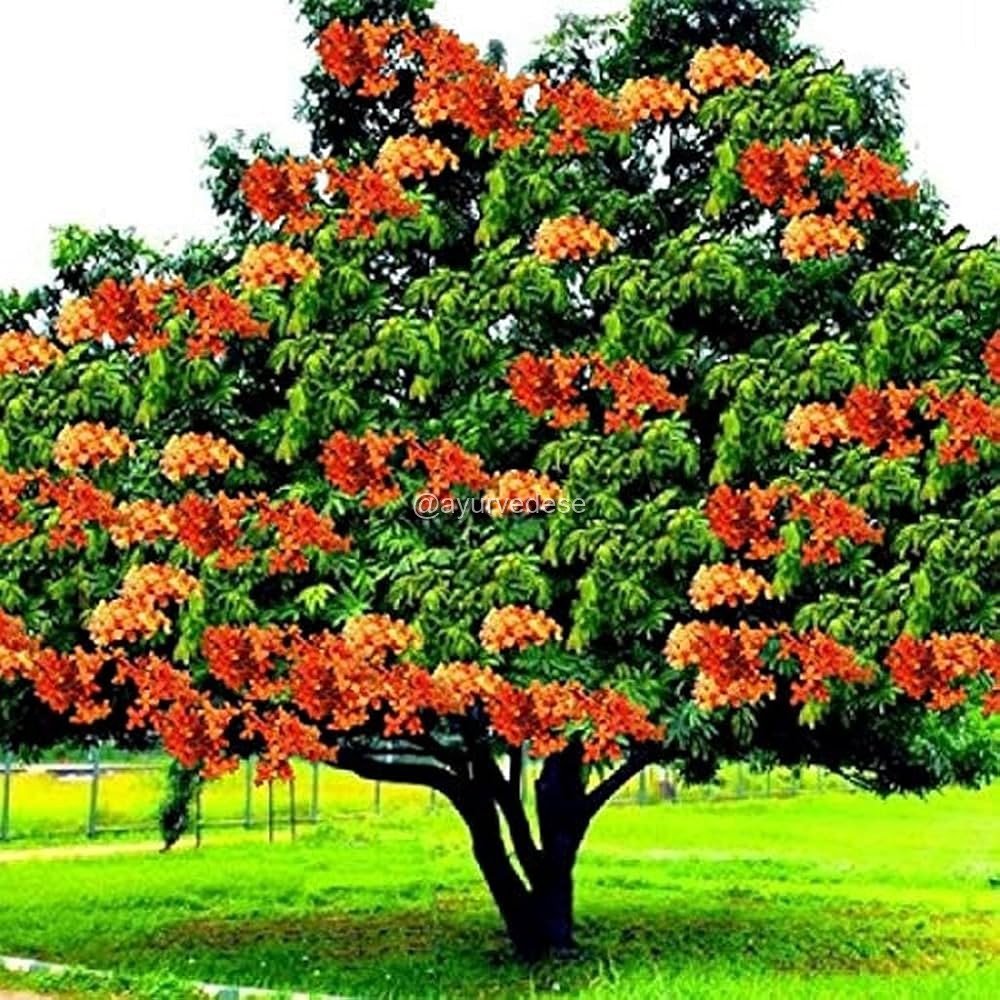
    Saraca asoca: medicinal properties and therapeutic potential

    Researchers reviewed the medicinal properties of Saraca asoca, a plant widely used in traditional medicine. The study highlights its anti-inflammatory, antioxidant, and antidiabetic effects, as well as its application in menstrual disorders and reproductive issues. The bioactive compounds present in the plant, such as flavonoids and tannins, are responsible for these beneficial effects. The research also points to the need for more clinical studies to validate these properties in humans, as much of the data comes from experimental models. The connection between Ayurvedic principles and modern findings suggests that Saraca asoca may be a valuable option in women's health and in managing conditions related to the menstrual cycle.

  • openalex🗞️ Published on Ayurdrops: Jun 19, 2026📅 Source: Jun 17, 2026

    Unraveling Psychosomatic Disorders in the Light of Ayurveda

    Researchers analyzed the relationship between psychosomatic disorders and classical Ayurvedic texts, highlighting how mind and body interact in health. The study, conducted by T.D.H.R. Madushani and Dr. P. Vitharana, explores the connection between emotions and physical diseases, emphasizing the importance of mental balance for the prevention and treatment of conditions such as anxiety and depression. The authors discuss the relevance of Ayurvedic concepts, such as the role of Agni (digestion) and the doshas, in understanding psychosomatic symptoms. The research suggests that Ayurveda's holistic approach can offer valuable insights for managing these disorders, promoting an integrated view of health. However, limitations such as the lack of quantitative data and the need for more clinical studies are mentioned.

  • Gengibre
    openalex🗞️ Published on Ayurdrops: Jun 19, 2026📅 Source: Jun 17, 2026

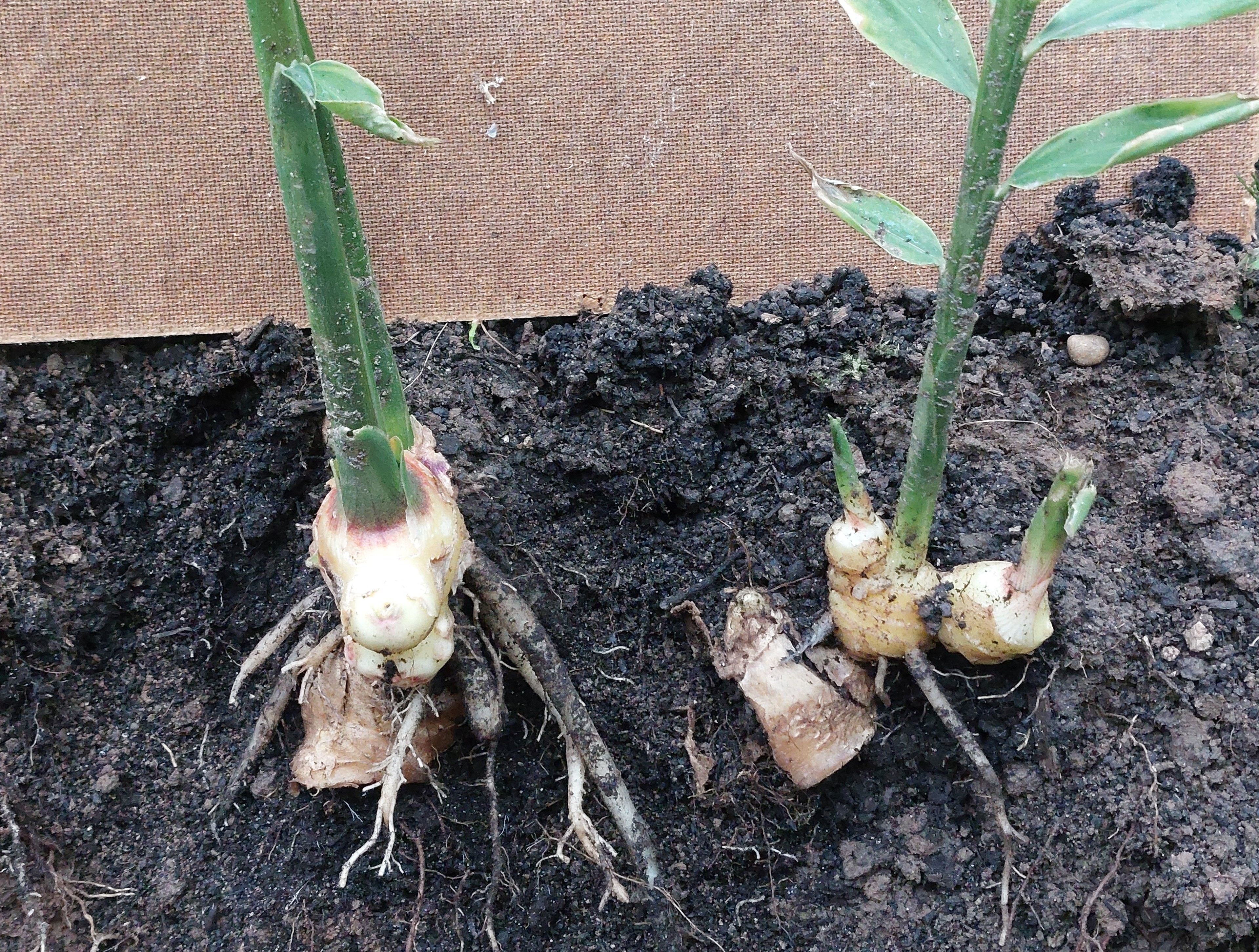
    Ginger and Black Cumin: Anti-Inflammatory Potential in Focus

    Researchers analyzed the anti-inflammatory potential of Zingiber officinale (ginger) and Nigella sativa (black cumin) in a comprehensive review. The bioactive compounds present in these plants, such as gingerol and thymoquinone, demonstrated significant effects in reducing inflammation by acting on various molecular pathways. Ginger, for example, inhibits the production of inflammatory cytokines and modulates the activity of enzymes such as cyclooxygenase, while black cumin exhibits antioxidant properties that complement its anti-inflammatory action. The review highlights the importance of integrating these herbs into clinical practice, considering their interactions with the immune system and overall health. However, limitations such as variability in the chemical composition of the herbs and the need for more controlled clinical studies were noted, suggesting caution in applying their therapeutic properties.

  • openalex🗞️ Published on Ayurdrops: Jun 19, 2026📅 Source: Jun 17, 2026

    Rasa Dhātu in Ayurveda: correlations with plasma and lymph

    Researchers explored the relationship between Rasa Dhātu and body fluids, such as plasma and lymph, highlighting the importance of Rasa in nutrition and overall health. Rasa Dhātu, which represents the first of the seven fundamental tissues in Ayurveda, is essential for the formation of plasma and lymph, influencing vitality and immunity. The study reviews relevant literature, pointing out that the health of Rasa Dhātu is directly linked to the quality of plasma, which transports nutrients and oxygen, and lymph, which plays a crucial role in the immune system. The connection between these elements suggests that imbalances in Rasa can lead to health issues, such as immune weakness and nutritional disorders. Although the study provides valuable insights, limitations such as the lack of direct clinical data and the need for further investigation are mentioned.

  • openalex🗞️ Published on Ayurdrops: Jun 18, 2026📅 Source: Jun 16, 2026

    Therapeutic evaluation of processed ashwagandha root powder: effects on stress, anxiety, and sleep

    Researchers evaluated the effects of processed ashwagandha root powder (Ashwagandha AF-43) in adults, focusing on stress, anxiety, sleep quality, C-reactive protein (CRP), serum cortisol, and thyroid-stimulating hormone. The study included a group of adults who received the supplementation for a specified period. The results showed a significant reduction in stress and anxiety levels, as well as improvements in sleep quality. Cortisol, a hormone associated with stress, also decreased, while CRP levels, an inflammatory marker, were reduced. These findings suggest that ashwagandha may play an important role in regulating the HPA axis—the communication between the brain and the glands that respond to stress. However, the study has limitations, such as sample size and the lack of a control group, which should be considered when interpreting the results.

  • openalex🗞️ Published on Ayurdrops: Jun 18, 2026📅 Source: Jun 16, 2026

    Therapeutic evaluation of ashwagandha root in adults: stress, anxiety, and sleep quality

    Researchers evaluated the effects of processed ashwagandha root powder (Ashwagandha AF-43) in adults, focusing on stress, anxiety, sleep quality, C-reactive protein (CRP), serum cortisol, and thyroid-stimulating hormone. The study, which involved a group of adults, demonstrated that ashwagandha supplementation led to a significant reduction in stress and anxiety levels, as well as improved sleep quality. Results showed a decrease in cortisol levels, a hormone related to stress, and a positive modulation in CRP levels, which is an inflammatory marker. The relationship between modern findings and Ayurvedic concepts is clear, as ashwagandha is traditionally used to balance the nervous system and promote well-being. However, the study has limitations, such as sample size and the need for further research to confirm these effects in different populations.

  • openalex🗞️ Published on Ayurdrops: Jun 17, 2026📅 Source: Jun 16, 2026

    Ayurvedic Approach to Lumbar Spondylosis with Disc Herniation and Other Conditions: A Clinical Case

    Researchers presented a clinical case of lumbar spondylosis with multilevel disc herniation, associated with knee osteoarthritis, benign prostatic hyperplasia, and grade I fatty liver. The Ayurvedic treatment included a combination of therapies, such as Panchakarma and herbal medicine, aimed at reducing pain and improving mobility. After 30 days of treatment, the patient reported a significant decrease in low back pain and joint stiffness, as well as improvements in symptoms related to prostatic hyperplasia. This case highlights the efficacy of Ayurveda in complex conditions where multiple pathologies are present, and suggests that an integrative approach may be beneficial. However, limitations such as the lack of a control group and the small number of participants should be considered when interpreting the results.

  • openalex🗞️ Published on Ayurdrops: Jun 17, 2026📅 Source: Jun 16, 2026

    Ikshumeha in Ayurveda and Modern Medicine: A Revealing Comparison

    Researchers analyzed the similarities and differences between the concept of Ikshumeha, which refers to diabetes, in Ayurveda and modern medicine. The study, conducted by Dr. Prerna S. Bhandarkar and colleagues, highlights how Ayurveda addresses the condition through the balance of the doshas and the importance of Agni (digestion) in the prevention and control of diabetes. While modern medicine focuses on pharmacological interventions and glycemic control, Ayurveda emphasizes lifestyle modification and proper diet. The authors suggest that integrating approaches may offer a more holistic and effective treatment for patients. The research also points out limitations, such as the need for more clinical studies to validate Ayurvedic practices compared to conventional methods.

  • openalex🗞️ Published on Ayurdrops: Jun 17, 2026📅 Source: Jun 16, 2026

    Hemorrhoids: An Integrated View Between Ayurveda and Contemporary Medicine

    Researchers presented a comprehensive review on arsha, or hemorrhoids, exploring the intersection between Ayurveda and modern medical practices. The study, conducted by Dr. Satinder Gupta and colleagues, highlights how the Ayurvedic approach, which considers factors such as doshas and Agni, can complement conventional treatments. The review discusses the importance of understanding hemorrhoid pathology from an Ayurvedic perspective, where the imbalance of doshas, especially Pitta and Kapha, is central. Additionally, interventions such as diet, herbal medicine, and lifestyle practices that can be integrated into treatment are addressed. The authors emphasize that combining therapies may offer a more holistic and effective management for patients. However, the review also acknowledges the need for further clinical studies to validate these integrative approaches.

  • openalex🗞️ Published on Ayurdrops: Jun 17, 2026📅 Source: Jun 16, 2026

    Physical Strength and Reproductive Excellence: An Ayurvedic Perspective on Deha Bala and Shukra Sarata

    Researchers explored the relationship between Deha Bala, which refers to physical strength, and Shukra Sarata, which concerns semen quality and fertility. The study highlights that robust physical health is closely linked to reproductive vitality, suggesting that Ayurvedic practices that promote body strength, such as regular exercise and a balanced diet, may improve semen quality. Furthermore, the research emphasizes the importance of balancing the doshas in maintaining reproductive health. The authors, Deepa Kale and Shreyash Deepak Tipre, argue that Ayurveda's holistic approach, which considers both physical and emotional aspects, is fundamental to achieving reproductive excellence. Although the study provides valuable insights, limitations such as the lack of a control group and the need for further clinical investigations are mentioned.

  • openalex🗞️ Published on Ayurdrops: Jun 17, 2026📅 Source: Jun 16, 2026

    Shitameha in Ayurveda and Modern Medicine: A Comparative View

    Researchers analyzed the similarities and differences between the concept of shitameha in Ayurveda and modern medicine approaches. The study, conducted by Dr. Roshani R. Tambe and colleagues, highlights that shitameha, which refers to disorders related to blood sugar, can be compared to conditions such as diabetes mellitus in Western medicine. The research reveals that while Ayurveda emphasizes the importance of balancing the doshas and digestion (Agni), modern medicine focuses on pharmacological interventions and glycemic control. The study suggests that an integrative approach, considering both Ayurvedic principles and modern practices, may be beneficial for managing blood sugar-related conditions. Limitations include the need for more clinical studies to validate these comparisons and the diversity of definitions between the two traditions.

  • openalex🗞️ Published on Ayurdrops: Jun 17, 2026📅 Source: Jun 16, 2026

    Basti: An Essential Approach in Ayurveda for Health

    The basti technique, which involves the administration of liquid medicines into the rectum, is considered one of the most important practices in Ayurveda, being classified as 'ardha chikitsa', or 'half treatment'. Researchers such as Dr. Sachin Gandhi and Sheetal Makta Gavit highlight that basti is effective for detoxification and balancing the doshas, especially in conditions like vata imbalance. The study reviews the literature on the efficacy of basti in various pathologies, emphasizing its role in promoting intestinal health and improving digestion. Additionally, the authors discuss the importance of personalizing the treatment, taking into account the patient's constitution and the nature of the disease. Although basti has shown positive results, the study also underscores the need for more clinical research to validate its applications in different health contexts.

  • Cúrcuma
    openalex🗞️ Published on Ayurdrops: Jun 17, 2026📅 Source: Jun 16, 2026

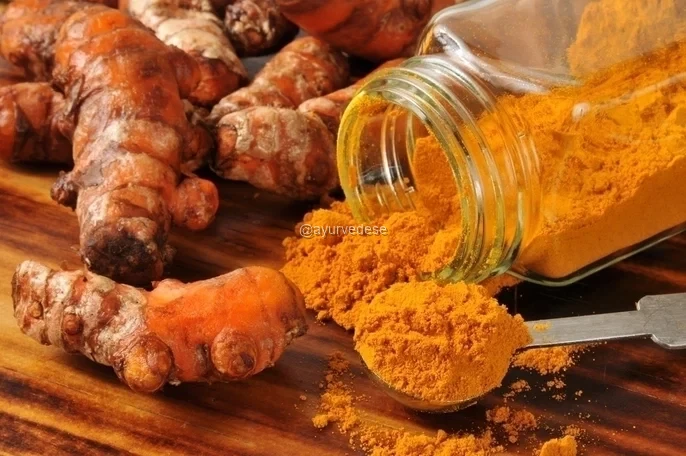
    Haridra: The Golden Medicine of Ayurveda

    Researchers highlight the benefits of Haridra (Curcuma longa), known for its anti-inflammatory and antioxidant properties. This study reviews the literature on Haridra, emphasizing its role in treating various conditions such as inflammatory diseases, digestive disorders, and skin problems. Curcumin, the main active compound in Haridra, acts by modulating the inflammatory response and oxidative stress, which may be relevant for clinical practice. Furthermore, research suggests that Haridra can help balance the doshas, especially Pitta, due to its cooling and purifying properties. However, it is important to consider that most of the reviewed studies were conducted in vitro or in animal models, which limits the generalization of results to humans. Haridra is an herb widely used in Ayurveda, and its inclusion in formulations may be beneficial, but more clinical studies are needed to confirm its therapeutic applications.

  • openalex🗞️ Published on Ayurdrops: Jun 17, 2026📅 Source: Jun 16, 2026

    Ayurvedic Approach to Lumbar Spondylosis and Associated Conditions: A Case Study

    Researchers presented a clinical case of lumbar spondylosis with multiple disc protrusion, associated with knee osteoarthritis, benign prostatic hyperplasia, and grade I fatty liver. The Ayurvedic treatment included therapies such as Panchakarma, use of specific herbs, and dietary adjustments. The authors, Sahil Khan and colleagues, observed significant improvements in the patient's low back pain and mobility after treatment. The study highlights the importance of a holistic approach, considering the interconnection between different health conditions. Although the case shows positive results, limitations such as the small sample size and the isolated nature of the study should be considered for future research.

  • openalex🗞️ Published on Ayurdrops: Jun 17, 2026📅 Source: Jun 16, 2026

    Integrative approach to massive rotator cuff tears in rheumatoid arthritis: lessons from a clinical case

    Researchers analyzed a case of massive rotator cuff tear in a patient with rheumatoid arthritis, using concepts of Ansa Marma and Snayu Dushti. The integrative approach included Ayurvedic and Western interventions, highlighting the importance of considering tissue health (snayu) and energy points (marmas) in treatment. The patient showed significant improvement in pain and shoulder function after the application of therapies such as massage, herbal medicine, and specific exercises. This study underscores the relevance of integrating traditional and modern practices to optimize clinical outcomes in complex conditions like rheumatoid arthritis. The analysis also suggests that attention to marmas may enhance functional recovery, although more studies are needed to validate these findings in larger populations.

  • openalex🗞️ Published on Ayurdrops: Jun 17, 2026📅 Source: Jun 16, 2026

    Shitameha in Ayurveda and Modern Medicine: A Revealing Comparison

    Researchers analyzed the similarities and differences between the concept of shitameha in Ayurveda and modern medicine approaches. The study, conducted by Dr. Roshani R. Tambe and colleagues, highlights that shitameha, which refers to blood sugar-related disorders, can be compared to conditions such as diabetes mellitus in Western medicine. The research reveals that while Ayurveda emphasizes the importance of balancing the doshas and diet, modern medicine focuses on pharmacological interventions and glycemic control. The authors suggest that an integrative approach, combining Ayurvedic and modern practices, may offer additional benefits to patients. However, the study also acknowledges limitations, such as the lack of robust clinical trials directly comparing the two approaches. This analysis may pave the way for a deeper dialogue between healing traditions and contemporary medicine.

  • openalex🗞️ Published on Ayurdrops: Jun 17, 2026📅 Source: Jun 16, 2026

    Basti: An Essential Approach in Ayurveda for Health

    Researchers highlight the importance of Basti, an Ayurvedic therapy, as an effective form of treatment. Basti is considered one of the main detoxification and rejuvenation therapies, acting directly on the digestive system and the elimination of toxins. The review conducted by Dr. Sachin Gandhi and Sheetal Makta Gavit explores how this practice, which involves the administration of medicinal oils or decoctions into the rectal region, can be a crucial approach for balancing the doshas and promoting overall health. The authors discuss the relationship between Basti and Ardha Chikitsa, which emphasizes the importance of cleansing and nourishing the body. The research also suggests that Basti may be beneficial for conditions such as digestive disorders and Vata-related problems. Although the review presents promising data, it is important to consider that most studies on Basti still lack robust clinical evidence and a larger number of participants.

  • openalex🗞️ Published on Ayurdrops: Jun 17, 2026📅 Source: Jun 16, 2026

    Physical Strength and Reproductive Excellence in Ayurveda: A Perspective on Deha Bala and Shukra Sarata

    Researchers highlight the importance of Deha Bala, which refers to physical strength, and Shukra Sarata, which pertains to semen quality and fertility, in overall health and well-being. The study explores how these Ayurvedic concepts interrelate, suggesting that physical strength is not only a physical attribute but also a reflection of reproductive health. The analysis covers different factors influencing Deha Bala and Shukra Sarata, including diet, lifestyle, and health practices. The authors, Deepa Kale and Shreyash Deepak Tipre, emphasize that maintaining a balance between these aspects is crucial for holistic health. Although the study offers valuable insights, it is important to note that the research is preliminary and further investigations are needed to validate these relationships in larger populations.

  • openalex🗞️ Published on Ayurdrops: Jun 17, 2026📅 Source: Jun 16, 2026

    Integrative Approach to Severe Rotator Cuff Tears in Rheumatoid Arthritis: Insights from a Clinical Case

    Researchers analyzed a case of massive rotator cuff tear in a patient with rheumatoid arthritis, using an integrative approach that combines Ayurvedic practices and Western medicine. The study highlights the importance of the concepts of Ansa Marma and Snayu Dushti, which refer to vital points and deterioration of connective tissues, respectively. The intervention included manual therapies, herbal medicine, and dietary adjustments, resulting in significant improvement in shoulder function and pain reduction. The authors, Dr. Kartik Goel and Dr. Pooja Makhnotra, emphasize that the combination of strategies can offer relief and promote recovery in complex conditions such as rheumatoid arthritis. Although the study presents promising results, it is important to consider that it is a single case, limiting the generalization of the findings.