Public feed

Ayurvedic editorial curation

Science articles classified by dosha, srota and dhatu. Filter to find what matters to you today.

  • openalex🗞️ Published on Ayurdrops: Jun 20, 2026📅 Source: Jun 18, 2026

    Ayurvedic Treatment for Adenomyosis: What You Need to Know

    Researchers have explored Ayurvedic approaches to treating adenomyosis, a condition that affects many women and can cause intense pain and discomfort. Dr. Abrol, an Ayurveda specialist, emphasizes the importance of understanding the condition through the lens of the doshas and Agni, or digestive fire. Adenomyosis is often associated with an imbalance in the Pitta dosha, which can be exacerbated by factors such as stress and inadequate diet. Ayurvedic treatment may include the use of specific herbs, dietary adjustments, and self-care practices aimed at restoring balance. Although data on the effectiveness of Ayurvedic treatment are limited, the holistic approach of Ayurveda may offer relief and improve patients' quality of life. It is essential that women suffering from adenomyosis consider these options and consult qualified professionals for personalized treatment.
  • openalex🗞️ Published on Ayurdrops: Jun 20, 2026📅 Source: Jun 18, 2026

    Scientific validation of leech therapy (Jalaukavacharana): a case study

    Researchers have demonstrated the efficacy of leech therapy, known as Jalaukavacharana, in a series of clinical cases. This traditional treatment, which involves the application of leeches to promote healing and relieve pain, was evaluated in patients with various conditions, including circulatory problems and inflammations. The authors, Avinash Kande and Swatika Sharma, observed that the therapy resulted in significant improvements in patients' symptoms, with reduced pain and increased mobility. The study highlights the importance of scientific validation of traditional practices, showing that leech therapy can be a viable option within integrative medicine. Despite the promising results, the study has limitations, such as the small number of participants and the lack of a control group, which suggests the need for further research to confirm these findings.

  • openalex🗞️ Published on Ayurdrops: Jun 20, 2026📅 Source: Jun 18, 2026

    Arthritis and Phytomedicine: Understanding Mechanisms and Clinical Evidence

    Researchers investigated the role of phytomedicine in treating arthritis, revealing mechanisms that may reduce inflammation and pain. The study, led by Ashish Manwani and colleagues, highlights how natural compounds can modulate inflammatory processes, offering a viable alternative to conventional treatments. Clinical data analysis suggests that certain herbs are effective in improving mobility and reducing arthritis symptoms, although the authors emphasize the need for further studies to confirm these findings. The connection between Ayurvedic principles and modern phytomedicine is evident, especially in the holistic approach to arthritis treatment, which considers both physical and emotional aspects of the condition.

  • Neem / Nim Indiano
    openalex🗞️ Published on Ayurdrops: Jun 20, 2026📅 Source: Jun 18, 2026

    Neem and Tulsi: New Tablet Options for Cardiovascular Health

    Researchers have developed Neem (Azadirachta indica) and Tulsi (Ocimum sanctum) tablets focused on cardiovascular health. The combination of these traditional herbs is known for its beneficial properties, including reducing blood pressure and improving blood circulation. The study, conducted by Roshan Kumar and colleagues, highlights how the bioactive compounds present in these plants can act in protecting the cardiovascular system, promoting heart health. Additionally, the research explores the tablet formulation, aiming to ensure the efficacy and bioavailability of the active principles. Although the results are promising, it is important to consider that the research is still in its early stages and more clinical studies are needed to validate these findings in human populations.

  • openalex🗞️ Published on Ayurdrops: Jun 20, 2026📅 Source: Jun 18, 2026

    Hirudotherapy in Ayurveda: An Integrative Perspective on Jalaukavacharana and the Therapeutic Role of Hirudin

    Researchers explored hirudotherapy, or Jalaukavacharana, as an Ayurvedic practice that uses leeches to promote health. The study highlights the role of hirudin, an anticoagulant present in leech saliva, which may help reduce inflammation and improve blood circulation. Hirudotherapy is applied in various conditions, such as cardiovascular diseases and circulatory disorders, showing promising results. The authors, Lowkesh Chandravanshi and colleagues, discuss the integration of this practice with modern approaches, emphasizing the importance of a holistic understanding of health. Although the results are encouraging, the study also points out limitations, such as the need for more clinical research to validate the efficacy and safety of hirudotherapy in different clinical contexts.

  • openalex🗞️ Published on Ayurdrops: Jun 20, 2026📅 Source: Jun 18, 2026

    Yoga in pregnancy and its effects on sodium and potassium levels in women with preeclampsia

    Researchers observed that the practice of yoga during pregnancy can influence sodium and potassium levels in mature women with preeclampsia. The study, conducted by Eny Susanti and colleagues, involved a group of pregnant women who practiced prenatal yoga, showing significant results in the regulation of these electrolytes. Preeclampsia, a condition characterized by hypertension and proteinuria, can be aggravated by electrolyte imbalances. The practice of yoga, which promotes relaxation and improved circulation, may help stabilize these levels, contributing to maternal and fetal health. The authors highlight the importance of non-pharmacological interventions, such as yoga, in managing gestational conditions, although the study has limitations, such as sample size and the need for further investigation to confirm these findings.

  • Moringa / Shobhaanjana
    openalex🗞️ Published on Ayurdrops: Jun 20, 2026📅 Source: Jun 19, 2026

    Moringa and Anemia: Nutrients and Therapeutic Meanings in Ayurveda

    Researchers analyzed the nutritional content of different parts of Moringa oleifera and its relevance in the treatment of Pandu Roga, or iron-deficiency anemia. Moringa is rich in iron, vitamins, and antioxidants, which can help improve hemoglobin levels and overall health. The study highlights that the leaves and seeds are particularly beneficial, showing significant concentrations of essential nutrients. Additionally, the research connects Moringa's benefits with Ayurvedic concepts, such as the importance of Agni (digestion) and the relationship between nutrition and blood health. Although the findings are promising, it is important to consider that most data come from laboratory analyses, and more clinical studies are needed to confirm these effects in humans.

  • openalex🗞️ Published on Ayurdrops: Jun 20, 2026📅 Source: Jun 19, 2026

    Team Training: Simulation of the Vaman Procedure in Ayurvedic Panchakarma

    Researchers have developed a team training focused on simulating the Vaman procedure, one of the practices of Panchakarma in Ayurveda. The study, led by Madhuri P. Bhide and colleagues, highlights the importance of simulation to enhance the practical and theoretical skills of healthcare professionals working in this area. Vaman, which involves the induction of therapeutic vomiting, is crucial for detoxification and balancing the doshas. Simulation allows therapists to practice in a controlled environment, increasing confidence and competence in applying the procedure. The authors emphasize that practical training is essential to ensure the safety and efficacy of the treatment, especially in a context where precision is vital. The study suggests that implementing simulations can be an important step in the training of Ayurvedic therapists, contributing to the quality of patient care.

  • openalex🗞️ Published on Ayurdrops: Jun 20, 2026📅 Source: Jun 19, 2026

    Kotha (urticaria) and the Ayurvedic Raktamokshana protocol: a case study

    Researchers presented a case study on the treatment of kotha, known as urticaria, using the Raktamokshana (siravedha) protocol, which involves therapeutic bloodletting. The patient, a 30-year-old man, presented with skin lesions and intense itching. After the application of Raktamokshana, a significant reduction in symptoms was observed, with an improvement in the patient's quality of life. The treatment was carried out over a period of 15 days, with regular follow-up. The Ayurvedic approach is based on the idea that urticaria may be related to an imbalance of the doshas, especially Pitta, and that blood purification can help restore homeostasis. Although the results are promising, the study is limited by being a single case, which makes it difficult to generalize the findings. Further investigations are needed to validate the efficacy of Raktamokshana in similar conditions.

  • Trikaṭu / Três Picantes
    openalex🗞️ Published on Ayurdrops: Jun 20, 2026📅 Source: Jun 19, 2026

    Trikatu and Brahmi: How They Improved Cognition in People with Mild Impairment

    Researchers observed significant improvements in MoCA (Montreal Cognitive Assessment) scores after the sequential administration of Trikatu Cūrṇa and Brahmi Ghṛta in individuals with mild cognitive impairment. The study, conducted by Shalaka Sharma and colleagues, involved the application of these two Ayurvedic formulations, which are known for their cognitive support properties. Trikatu, composed of black pepper (Piper nigrum), long pepper (Piper longum), and ginger (Zingiber officinale), is traditionally used to stimulate Agni (digestion) and improve nutrient absorption. Brahmi Ghṛta, which contains Bacopa monnieri, is recognized for its neuroprotective and memory-enhancing properties. The results showed an average increase of 15% in MoCA scores after treatment, suggesting that these interventions may be promising for cognitive health. However, the study has limitations, such as the small number of participants and the absence of a control group, which requires caution in interpreting the results.

  • pubmed🗞️ Published on Ayurdrops: Jun 20, 2026📅 Source: Jun 10, 2026

    Quality of life in breast cancer survivors: what can a virtual Ayurvedic intervention offer

    Researchers conducted an exploratory randomized clinical trial to evaluate a virtual Ayurvedic lifestyle intervention in breast cancer survivors. The study, carried out by Ravani et al., focused on the quality of life of these women, using an integrated system that encompasses Ayurvedic practices. The results showed significant improvements in aspects such as emotional and physical well-being, suggesting that Ayurveda-based interventions may be beneficial for this population. The holistic approach of Ayurveda, which considers body, mind, and spirit, can offer essential support in recovery and quality of life after cancer treatment. Although the results are promising, it is important to consider that the study had a limited sample size and more research is needed to validate these findings.

  • openalex🗞️ Published on Ayurdrops: Jun 19, 2026📅 Source: Jun 16, 2026

    Karnavedha and Asthma: How an Ayurvedic Ritual Can Help in Prevention and Control

    Researchers highlight the importance of Karnavedha, an Ayurvedic ritual, in the prevention and management of Tamaka Śvāsa, known as bronchial asthma. The study reviews the connection between Ayurvedic practices and neuro-immunological perspectives, suggesting that Karnavedha may positively influence the immune system and the inflammatory response. The technique involves ear piercing, which, according to Ayurveda, can help balance the doshas and improve respiratory function. The authors, including Dr. Arvinder and Dr. Paravreet Kaur, emphasize that the holistic approach of Ayurveda can offer valuable alternatives for asthma treatment, especially in contexts where conventional treatments are insufficient. However, it is important to note that the research is still preliminary and more clinical studies are needed to validate these findings.

  • openalex🗞️ Published on Ayurdrops: Jun 19, 2026📅 Source: Jun 16, 2026

    How Yoga Basti Can Help in Multiple Conditions: A Clinical Case Study

    Researchers presented a case study exploring the efficacy of Panchakarma therapy, specifically Yoga Basti, in treating multiple health conditions. The case involved a patient with various complaints, including digestive issues and emotional disturbances. After the application of Yoga Basti, which consists of administering medicated oil into the rectum, a significant improvement in the patient's symptoms was observed. The treatment not only alleviated physical complaints but also contributed to a more balanced emotional state. This study highlights the importance of Yoga Basti as an integrative therapeutic approach, aligning with Ayurvedic principles that emphasize the connection between body and mind. Although the results are promising, it is important to consider that this is a single case study, which limits the generalizability of the findings. Further research is needed to validate these results in larger populations and with different conditions.

  • openalex🗞️ Published on Ayurdrops: Jun 19, 2026📅 Source: Jun 17, 2026

    How Ayurveda Can Help with Chronic Urticaria (Sheetapitta)

    Researchers explored the Ayurvedic approach to chronic urticaria, known as Sheetapitta. This study highlights the importance of understanding the condition from the perspective of the doshas, especially the increase of Pitta, which can lead to allergic reactions and skin inflammations. The proposed treatment includes the use of specific herbs and dietary adjustments, aiming to restore the balance of the doshas and promote skin health. The research suggests that Ayurvedic interventions may be effective in reducing symptoms, although more studies are needed to validate these findings in larger populations. The connection between Ayurvedic principles and modern medicine is evident, especially in how stress and diet can influence skin health.

  • openalex🗞️ Published on Ayurdrops: Jun 19, 2026📅 Source: Jun 17, 2026

    Ayurvedic Exercises in the Prevention and Control of Metabolic Syndrome and Type 2 Diabetes

    Researchers analyzed the efficacy of Ayurvedic exercises in the prevention and control of metabolic syndrome and type 2 diabetes. The study, which reviewed various approaches, suggests that practices such as yoga and breathing exercises may improve insulin sensitivity and regulate blood glucose levels. The authors, Subhash Waghe and colleagues, highlight that combining physical exercises with Ayurvedic principles, such as attention to Agni (digestion) and treatment individualization, can be beneficial. Although the results are promising, the review also points out limitations, such as the lack of controlled studies and the need for more research to validate these findings in larger populations. The connection between exercise practice and metabolic health is reinforced by evidence showing how regular physical activity can positively impact metabolism and overall health.

  • openalex🗞️ Published on Ayurdrops: Jun 19, 2026📅 Source: Jun 17, 2026

    Critical evaluation of Ayurvedic meat products: impact on obesity and diabetes

    Researchers analyzed the obesogenic and diabetic potential of meat products classified in Ayurveda, considering caloric load, carbohydrate content, and glycemic index. The study, led by Subhash Waghe and colleagues, highlights that some of these products may contribute to weight gain and diabetes risk, especially when consumed in excess. The analysis suggests that the combination of calories and carbohydrates in certain foods can raise blood glucose levels, which is relevant for understanding the impact of these foods on metabolic health. The review also points to the need for a balanced dietary approach, considering Ayurvedic tradition and modern evidence on nutrition. Study limitations include the lack of longitudinal data and the need for further research to confirm findings in diverse populations.

  • Cúrcuma
    openalex🗞️ Published on Ayurdrops: Jun 19, 2026📅 Source: Jun 17, 2026

    Turmeric: An Ancient Herb with Modern Therapeutic Potential

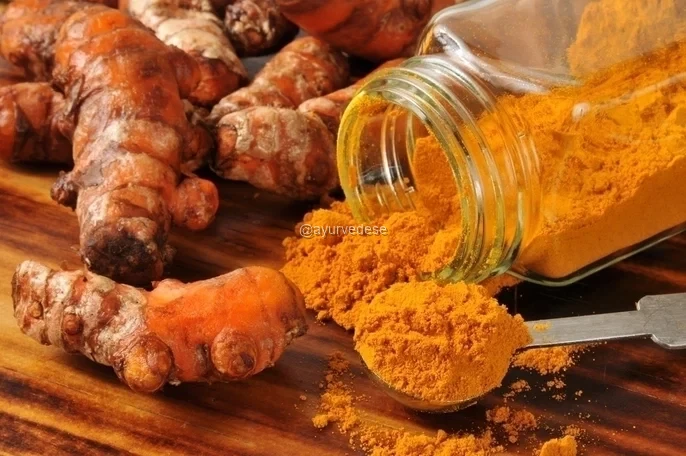
    Researchers highlight the therapeutic potential of turmeric (Curcuma longa) in various health conditions. This herb, widely used in traditional medicine, contains bioactive compounds such as curcumin, which demonstrate anti-inflammatory, antioxidant, and anticancer properties. Recent studies suggest that curcumin may modulate molecular pathways associated with chronic diseases such as diabetes and cardiovascular diseases. Additionally, turmeric has shown positive effects on mental health, with potential to aid in the treatment of disorders like depression. Despite its benefits, it is important to consider study limitations, such as variability in curcumin bioavailability and the need for more clinical research to confirm these findings. The connection between Ayurvedic principles and modern evidence reinforces the relevance of turmeric in promoting health and preventing disease.

  • Ashwagandha / Ginseng Indiano
    openalex🗞️ Published on Ayurdrops: Jun 19, 2026📅 Source: Jun 17, 2026

    Understanding the Nutritional Applications of Withania somnifera: Scientific Knowledge for the Rational Use of the 'Ayurvedic Adaptogen'

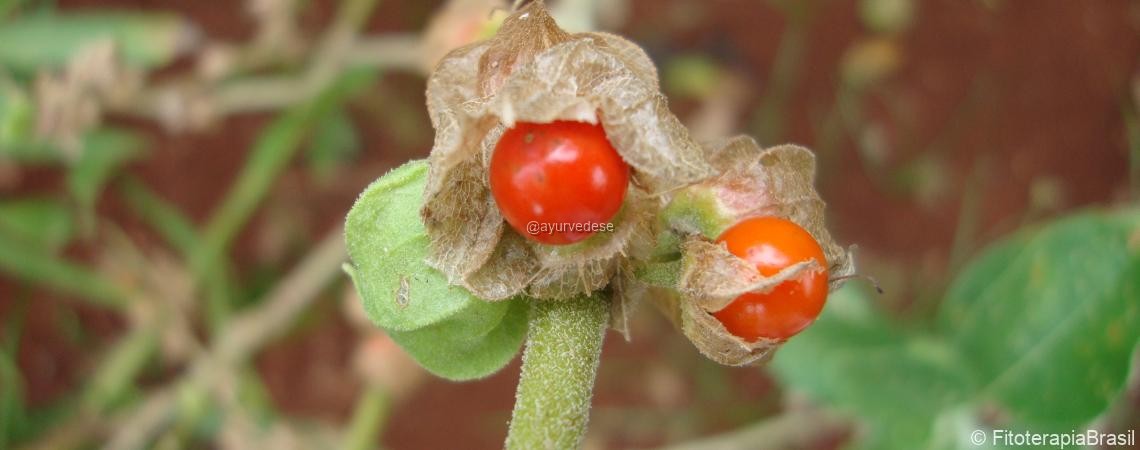
    Researchers analyzed the nutritional applications of Withania somnifera, popularly known as ashwagandha, and its potential as an adaptogen in modern medicine. The study highlights that ashwagandha may help reduce stress and anxiety, as well as improve cognitive function and physical endurance. The authors, including Sudip Pandey and Poonam Pant, reviewed scientific evidence supporting the use of the plant in different contexts, such as supporting the immune system and regulating metabolism. The research also discusses mechanisms of action, such as modulation of the HPA axis (hypothalamic-pituitary-adrenal), which is crucial in the stress response. Despite the promises, the authors warn of the need for more robust clinical studies to validate these effects and better understand dosages and forms of use. The article is an invitation to reflect on how to integrate traditional Ayurvedic knowledge with modern science, promoting a more conscious and evidence-based use of ashwagandha in clinical practice.

  • openalex🗞️ Published on Ayurdrops: Jun 19, 2026📅 Source: Jun 17, 2026

    Unraveling Psychosomatic Disorders in the Light of Ayurveda

    Researchers analyzed the relationship between psychosomatic disorders and classical Ayurvedic texts, revealing that emotional and mental factors play a crucial role in the manifestation of physical diseases. The study, conducted by T.D.H.R. Madushani and Dr. P. Vitharana, highlights how understanding the doshas and Ayurvedic principles can offer valuable insights for treating conditions such as anxiety, depression, and stress. The research suggests that Ayurveda's holistic approach, which considers the interconnection between mind and body, may be effective in managing these disorders. Although the study presents a rich analysis, it is important to note that the practical application of classical concepts requires further investigation to validate their efficacy in modern clinical contexts.

  • openalex🗞️ Published on Ayurdrops: Jun 19, 2026📅 Source: Jun 17, 2026

    Rasa Dhātu in Ayurveda: correlations with plasma and lymph

    Researchers explored the relationship between Rasa Dhātu and body fluids, such as plasma and lymph, highlighting the importance of Rasa in nutrition and overall health. According to Ayurveda, Rasa Dhātu is responsible for the formation of essential body fluids, directly influencing vitality and immunity. The study reviews existing literature, showing that modern understanding of body fluids can align with Ayurvedic concepts. The analysis suggests that plasma, which transports nutrients and hormones, and lymph, which plays a crucial role in the immune response, have significant parallels with Rasa Dhātu. This connection may offer new perspectives on health and disease, emphasizing the need for an integrative approach in medicine. However, limitations such as the lack of direct clinical studies and the need for further research are mentioned.