Public feed

Ayurvedic editorial curation

Science articles classified by dosha, srota and dhatu. Filter to find what matters to you today.

  • Holarrhena / Kutaj
    openalex🗞️ Published on Ayurdrops: Jun 23, 2026📅 Source: Jun 19, 2026

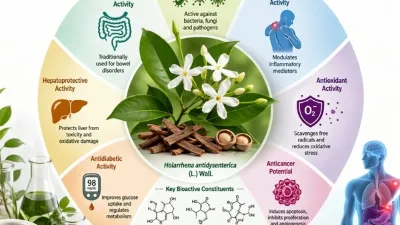
    Holarrhena antidysenterica: exploring its therapeutic potential for human health

    Researchers investigated the effects of Holarrhena antidysenterica, a plant traditionally used in Ayurveda, and found evidence of its bioactive potential for human health. The study highlights how bioactive compounds present in the plant can act on different mechanisms, including antimicrobial and anti-inflammatory properties. The research suggests that Holarrhena may be beneficial in treating gastrointestinal disorders, especially in cases of diarrhea and dysentery. The authors, S. Ajeet and colleagues, emphasize the importance of understanding the mechanisms of action to effectively integrate this herb into clinical practice. Despite promising findings, the study also points out limitations, such as the need for further clinical investigations to validate the observed results.

  • openalex🗞️ Published on Ayurdrops: Jun 23, 2026📅 Source: Jun 21, 2026

    Raktavaha Srotas and Red Blood Cell Production: A Conceptual Review

    Researchers explored the relationship between Raktavaha Srotas and erythropoiesis, highlighting the importance of the channels that transport blood in the body. The study, conducted by Dr. Utkarsh Sharma and Manu Sharma, reviews how the health of these channels can influence red blood cell production, a crucial aspect for tissue oxygenation. Erythropoiesis, the process of red blood cell formation, is closely linked to the balance of the doshas and the health of Agni, or digestive fire. The article suggests that obstruction or dysfunction in the Raktavaha Srotas can lead to conditions such as anemia, reflecting the need to maintain the fluidity and health of these channels. Although the study is conceptual, it opens space for the integration of Ayurvedic practices that promote blood health and overall vitality. The review was published on June 21, 2026.

  • openalex🗞️ Published on Ayurdrops: Jun 23, 2026📅 Source: Jun 21, 2026

    Raktavaha Srotas and Red Blood Cell Production: A Conceptual Review

    Researchers explored the relationship between Raktavaha Srotas, which is the channel responsible for blood transport in Ayurveda, and erythropoiesis, the process of red blood cell formation. Dr. Utkarsh Sharma and Manu Sharma highlight that the health of Raktavaha Srotas is fundamental for the adequate production of erythrocytes, which are essential for oxygen transport in the body. The study reviews classical and modern concepts, suggesting that imbalances in the blood channels can lead to conditions such as anemia. Furthermore, the research discusses the importance of Agni (digestion) and the doshas in maintaining the health of Raktavaha Srotas, emphasizing that proper nutrition and balance of the doshas are crucial for erythropoiesis. Although the study provides valuable insights, limitations such as the lack of direct clinical data and the need for further research are acknowledged.

  • openalex🗞️ Published on Ayurdrops: Jun 23, 2026📅 Source: Jun 22, 2026

    How Ayurveda Can Help with Tobacco-Induced Stomatitis: A Case Report

    Researchers presented a case of tobacco-induced stomatitis, known as Pittaja Mukhapaka, and how Ayurveda can offer relief. The patient, a 45-year-old man, presented with painful oral lesions after years of tobacco use. Ayurvedic treatment included the administration of anti-inflammatory and healing herbs, as well as dietary adjustments and oral hygiene practices. After 6 weeks of treatment, there was a significant reduction in lesions and improvement in the patient's quality of life. This case highlights the importance of integrative approaches in treating tobacco-related conditions, aligning with Ayurvedic concepts of balance and recovery. Although the study is a case report, the results suggest that Ayurveda may be a viable alternative for managing tobacco-induced stomatitis.

  • Ghee
    pubmed🗞️ Published on Ayurdrops: Jun 23, 2026📅 Source: Jun 22, 2026

    Kalyanaka Ghrita and Cognitive Health: A Case Study on Mild Cognitive Impairment

    Researchers conducted a study with a patient to evaluate the effects of Kalyanaka Ghrita, an Ayurvedic formulation, on mild cognitive impairment. The trial, which followed an N-of-1 model, revealed that the use of Kalyanaka Ghrita resulted in significant improvements in the patient's cognitive functions, as measured by specific tests. The authors, Sharma et al., highlight that the formulation may act on mechanisms related to neuroprotection and modulation of Agni, the digestive fire, which is fundamental for mental health in Ayurveda. Although the results are promising, the limitation of the study lies in the single sample, which prevents broad generalizations. This finding suggests that Kalyanaka Ghrita may be a viable option for cognitive health interventions, but more research is needed to confirm these results in larger populations.

  • pubmed🗞️ Published on Ayurdrops: Jun 22, 2026📅 Source: Jun 09, 2026

    Complete clinical and endoscopic remission in severe ulcerative pancolitis after personalized Ayurveda management: a case report

    Researchers reported a case of complete clinical and endoscopic remission in a patient with severe ulcerative pancolitis after personalized Ayurveda-based treatment. The patient, who presented with severe symptoms and significant intestinal inflammation, underwent an integrative approach that included dietary modifications, herbal medicine, and lifestyle practices. After treatment, a significant reduction in inflammatory markers and an improvement in the patient's quality of life were observed. The authors, Joshi SS, Saini D, Ghildiyal S, and Deogade MS, highlight the importance of a holistic and individualized approach in managing inflammatory bowel conditions, aligning Ayurveda principles with modern clinical evidence. This case suggests that personalized interventions can be effective in situations where conventional treatments fail, although further studies are needed to validate these findings in larger populations.

  • openalex🗞️ Published on Ayurdrops: Jun 22, 2026📅 Source: Jun 20, 2026

    When hair falls out in patches — indralupta in Ayurveda: what a clinical case shows us

    Researchers presented a clinical case of indralupta, also known as alopecia areata, which was treated with an Ayurvedic approach. The treatment included the use of specific herbs and lifestyle practices aimed at restoring the balance of the doshas and promoting hair health. The patient, a 30-year-old man, presented with hair loss in localized areas and, after 12 weeks of treatment, there was significant recovery of hair growth. The authors, Varsha V. and Sisir Kumar Mandal, highlight the importance of considering factors such as stress and dosha imbalance in the pathology of indralupta. Although the study provides promising evidence on the efficacy of Ayurveda, limitations such as the small sample size and the lack of a control group should be considered when interpreting the results.

  • Cúrcuma
    openalex🗞️ Published on Ayurdrops: Jun 22, 2026📅 Source: Jun 20, 2026

    Pityriasis rosea and Ayurveda: a clinical case with Agadatantra principles

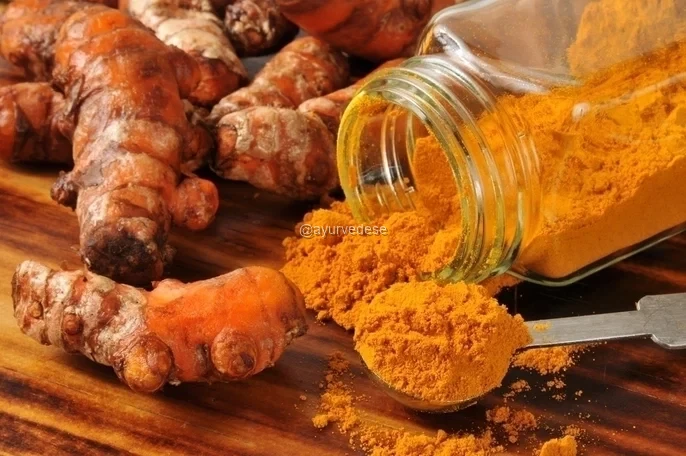
    Researchers presented a clinical case of managing pityriasis rosea using Agadatantra principles, an Ayurvedic approach focused on skin diseases. The patient, a 30-year-old man, presented with characteristic skin lesions of the condition, which were treated with a combination of herbs and Ayurvedic therapies. After 4 weeks of treatment, a significant reduction in lesions and improvement in the patient's overall well-being were observed. The use of herbs such as Turmeric (Curcuma longa) and Neem (Azadirachta indica) was central to the formulation, aiming to balance the doshas and promote skin health. This study highlights the importance of integrative and personalized approaches in treating dermatological conditions, aligning with the Ayurvedic philosophy of treating the individual as a whole. Limitations include the nature of the case study, which does not allow broad generalizations, and the need for further research to validate the results.

  • Ashwagandha / Ginseng Indiano
    openalex🗞️ Published on Ayurdrops: Jun 22, 2026📅 Source: Jun 20, 2026

    Ayurvedic intervention in ovarian factor infertility: a case study

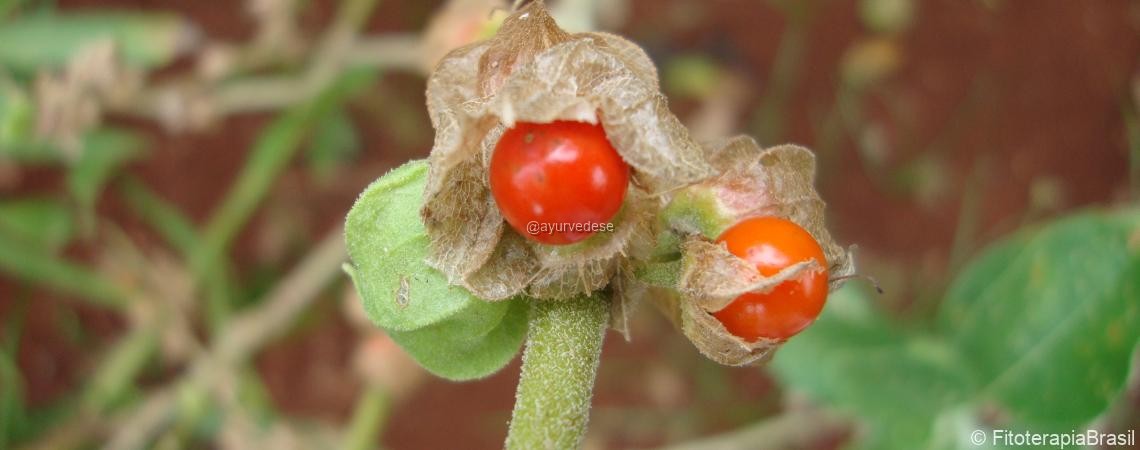
    Researchers presented a case study exploring the efficacy of Ayurvedic interventions in a woman with infertility due to ovarian factors. The patient, with a history of irregular menstrual cycles and altered hormone levels, underwent a treatment that included herbs such as Ashvagandha (Withania somnifera) and Shatavari (Asparagus racemosus), along with Ayurvedic lifestyle practices. After 6 months of treatment, regularization of the menstrual cycle and improvement in hormone levels were observed, culminating in conception. This case highlights the importance of Agni (digestion) and the balance of the doshas in female fertility, suggesting that integrative approaches may be beneficial for women facing difficulties in conceiving. Study limitations include the small number of participants and the lack of a control group.

  • Alecrim
    openalex🗞️ Published on Ayurdrops: Jun 21, 2026📅 Source: Jun 18, 2026

    Aromatic Plants and Scented Baths: An Invitation to Well-Being

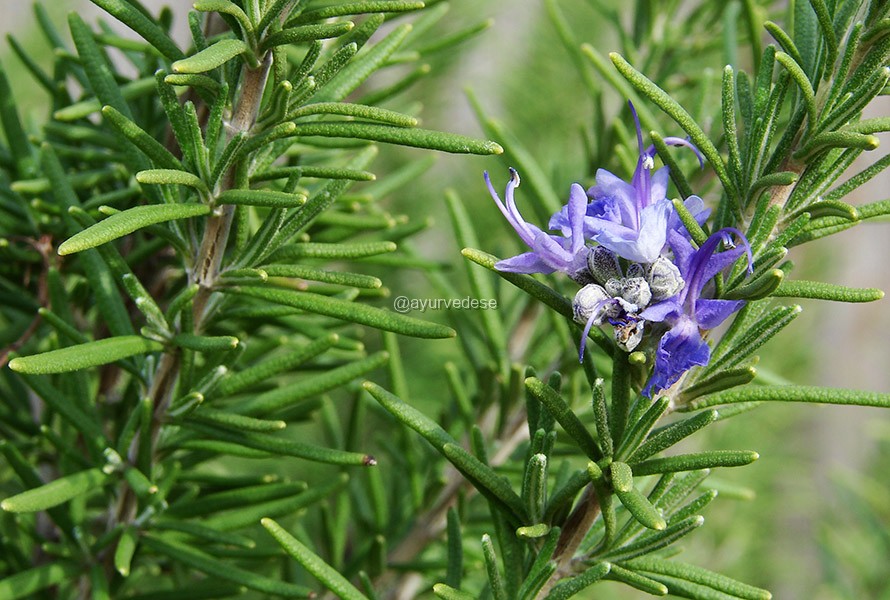
    Baths with aromatic plants have been used as a well-being practice, promoting relaxation and stress relief. Francisco Alves do Nascimento explores how aromatherapy, which uses essential oils extracted from herbs and flowers, can positively influence mental and emotional health. The use of herbs such as lavender and rosemary in baths not only provides a pleasant aroma but can also help balance the doshas, especially Pitta, which is associated with heat and irritability. Although research on the therapeutic effects of aromatic baths is still developing, many anecdotal reports and traditional practices suggest significant health benefits. It is important to consider that effectiveness may vary from person to person, and the choice of plants should be made with attention to individual needs.

  • openalex🗞️ Published on Ayurdrops: Jun 21, 2026📅 Source: Jun 19, 2026

    Shatavari and Mental Well-being: How This Herb Can Help Young Women

    Researchers have demonstrated that Shatavari (Asparagus racemosus) can act as an adaptogen, promoting significant benefits for stress and cognition in young women. In the study conducted by Veda Priya and Rohit Chaudhary, it was observed that supplementation with Shatavari improved the ability to cope with stress and favored mental well-being. Participants reported a reduction in anxiety levels and an improvement in mental clarity after 8 weeks of use. These results suggest that Shatavari may be a valuable option to support mental health, especially during periods of high emotional pressure. The relationship between the herb's effects and Ayurvedic concepts of emotional balance and strengthening of the nervous system is evident, highlighting the relevance of using adaptogens in contemporary practice.

  • Ashwagandha / Ginseng Indiano
    openalex🗞️ Published on Ayurdrops: Jun 21, 2026📅 Source: Jun 19, 2026

    Stress-Induced Itching and Ayurveda: What a Clinical Case Reveals

    Researchers reported a case of intense stress-induced itching, addressed with Ayurvedic practices. The patient, a 35-year-old man, presented with severe pruritus that did not respond to conventional treatments. The Ayurvedic assessment identified an imbalance in the Vāta dosha, associated with increased Agni viṣama — irregular digestion. The treatment included the administration of herbs such as Aśvagandhā (Withania somnifera) and the use of massage oil with calming properties. After 6 weeks, there was a significant reduction in symptoms, with the patient reporting an improvement in quality of life. This case highlights the importance of considering emotional factors and stress in the treatment of dermatological conditions, aligning with the Ayurvedic concept that skin health reflects internal balance.

  • openalex🗞️ Published on Ayurdrops: Jun 21, 2026📅 Source: Jun 19, 2026

    From Emotional Control to Expansion of Consciousness: A Heart-Based Yogic Model for Mental Health

    Researchers explored the connection between emotional regulation and mental health through a yogic model that emphasizes the role of the heart. The study by Rathod Mridula Raghunath proposes that heart-based practices, such as meditation and yoga, can not only aid in emotional regulation but also promote an expansion of consciousness. This approach suggests that the heart is a center of emotional intelligence, directly influencing mental well-being. The presented model integrates mental health concepts with traditional practices, highlighting the importance of awareness and emotional connection. Although the study presents a new perspective, it is important to consider that the research is still preliminary and requires further investigation to validate these findings in diverse populations.

  • openalex🗞️ Published on Ayurdrops: Jun 21, 2026📅 Source: Jun 20, 2026

    Yashtimadhu and Yoga Nidra for Chronic Insomnia: A Research Protocol

    Researchers plan a clinical trial to evaluate the efficacy of Shirodhara with Yashtimadhu (Glycyrrhiza glabra) and Yoga Nidra in treating chronic insomnia. The study, to be conducted by Samruddhi Kisanrao Vaidkar and collaborators, will use a randomized crossover design, allowing participants to experience both interventions at different times. Shirodhara, an Ayurvedic therapy involving the application of warm oil to the forehead, is known for its relaxing properties and may help balance the nervous system. Yoga Nidra, a deep meditation practice, is also recognized for promoting relaxation and improving sleep quality. The protocol aims to gather data on the efficacy of these integrative approaches, considering the increasing prevalence of sleep disorders in the population. The research is scheduled to be published in June 2026, and the results may offer new perspectives on managing insomnia through Ayurvedic and yoga practices.

  • Bael / Marmelo-indiano
    openalex🗞️ Published on Ayurdrops: Jun 20, 2026📅 Source: Jun 18, 2026

    Bilva Phal Majja Churna and Postpartum Anemia: A Clinical Study Protocol

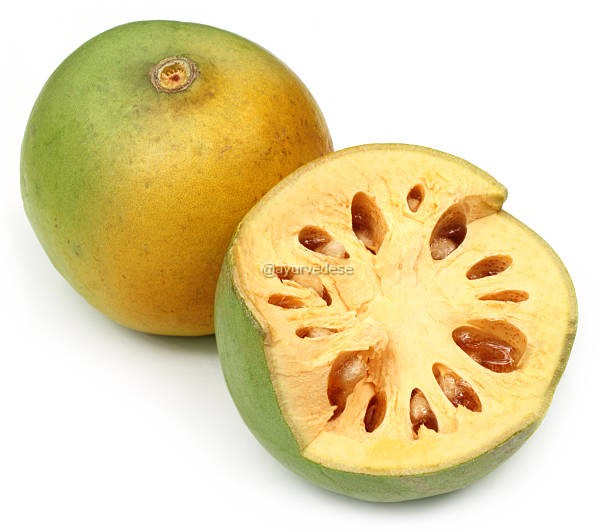
    Researchers are investigating the efficacy of Bilva Phal Majja Churna in treating Sutika Pandu, a condition related to iron deficiency anemia that can affect women after childbirth. The study protocol, led by Jyoti Bandewar and colleagues, proposes a randomized controlled clinical trial to evaluate how this Ayurvedic formulation may help restore iron levels and improve the overall health of postpartum women. Postpartum anemia is a significant concern as it can impact the mother's recovery and well-being. Bilva Phal Majja Churna, which contains ingredients such as the bilva fruit (Aegle marmelos), is traditionally used in Ayurveda to strengthen the body and promote health. This study aims to provide clinical evidence on the efficacy of this approach, contributing to the integration of Ayurveda into modern healthcare practice.

  • openalex🗞️ Published on Ayurdrops: Jun 20, 2026📅 Source: Jun 18, 2026

    Polyherbal Lepa for Amavata: Clinical and Pharmacological Aspects of Shatpushpadi Lepa

    Researchers investigated the efficacy of Shatpushpadi Lepa, a polyherbal therapy, in the treatment of Amavata, a condition resembling rheumatoid arthritis. The study, involving clinical and pharmacological analysis, highlights how the combination of herbs can act to reduce inflammation and improve joint mobility. The authors, including Dr. Varsha Paikra and Aruna Ojha, emphasize that topical application of the Lepa may help alleviate symptoms, promoting a significant anti-inflammatory effect. Additionally, positive results were observed in patients, with an improvement in quality of life and joint function. The research suggests that the use of Shatpushpadi Lepa may be an effective complementary approach in managing Amavata, aligning with Ayurvedic principles that value the use of multiple herbs to enhance therapeutic effects. However, limitations such as sample size and the need for more controlled studies are mentioned.

  • openalex🗞️ Published on Ayurdrops: Jun 20, 2026📅 Source: Jun 18, 2026

    Arthritis and Phytomedicine: Understanding Mechanisms and Clinical Evidence

    Researchers have identified that phytomedicine may offer promising approaches for the treatment of arthritis, with clinical evidence supporting its use. The study, led by Ashish Manwani and collaborators, explores how natural compounds can modulate inflammatory processes and relieve joint pain. Mechanisms include the inhibition of inflammatory mediators and the promotion of cellular regeneration, which are fundamental for joint health. Furthermore, the research highlights the importance of integrating traditional knowledge, such as the principles of Ayurveda, which emphasize the mind-body connection in managing arthritis. Although the results are encouraging, it is important to note that most studies are still preliminary and require further investigation to confirm the efficacy and safety of phytotherapeutic interventions.

  • openalex🗞️ Published on Ayurdrops: Jun 20, 2026📅 Source: Jun 18, 2026

    Ayurvedic Treatment for Adenomyosis: What You Need to Know

    Researchers have been exploring Ayurvedic approaches for treating adenomyosis, a condition that affects many women and is related to menstrual pain and discomfort. A recent study led by Dr. Abrol investigates how Ayurvedic practices and herbs may offer relief. Although the study is still in its early stages, the research suggests that Ayurvedic interventions may help balance the doshas and improve uterine health. Adenomyosis, characterized by the presence of endometrial tissue within the uterine muscle, can be challenging to treat with conventional methods. Ayurveda, with its holistic approach, proposes a combination of diet, herbal medicine, and lifestyle practices to address the condition comprehensively. It is important to note that more research is needed to validate these findings and better understand the mechanisms involved.

  • openalex🗞️ Published on Ayurdrops: Jun 20, 2026📅 Source: Jun 18, 2026

    Semen Analysis from the Perspective of Ayurveda: An Integrative Understanding

    Researchers explored semen analysis through an Ayurvedic perspective, highlighting the importance of understanding male reproductive health. The study, led by Goutham Urs and colleagues, suggests that semen quality can be influenced by factors such as diet, lifestyle, and dosha balance. Traditional semen analysis, which includes parameters like sperm count and motility, is complemented by Ayurvedic concepts that consider vitality (ojas) and the health of the reproductive system. The research emphasizes the need for a holistic approach, integrating Ayurvedic practices with modern analytical methods. Although the authors present a promising view, it is important to note that the study is preliminary and lacks large-scale validation to confirm its conclusions.

  • openalex🗞️ Published on Ayurdrops: Jun 20, 2026📅 Source: Jun 18, 2026

    Agnidusti: An Inevitable Factor in the Origin of Sandhigata Vata

    Researchers have identified agnidusti, or the deterioration of Agni (digestive fire), as a central factor in the formation of Sandhigata Vata, a condition related to joint stiffness and pain. The study, conducted by Kaveri Kanashetti and colleagues, explores how Agni dysregulation can lead to an accumulation of toxins (ama) and consequently to disturbances in tissues (dhatus) and channels (srotas). The research highlights that maintaining a healthy Agni is crucial to prevent the progression of Sandhigata Vata, suggesting that dietary and lifestyle interventions that promote proper digestion may be beneficial. Although the study provides valuable insights, it is important to note that it is based on a literature review and not on direct clinical data, which limits the generalizability of the findings.