Public feed

Ayurvedic editorial curation

Science articles classified by dosha, srota and dhatu. Filter to find what matters to you today.

  • openalex🗞️ Published on Ayurdrops: Jun 25, 2026📅 Source: Jun 22, 2026

    How Ayurveda Can Help Combat Dandruff: A Clinical Study on Oxidative Stress

    Researchers have demonstrated that an Ayurvedic regimen for dandruff can reduce oxidative stress in affected scalp. The study, conducted by Susmita Gudulkar and colleagues, evaluated the efficacy of an Ayurvedic approach in 30 participants with dandruff. After 8 weeks of treatment, a significant improvement in scalp health was observed, with a reduction in oxidative stress markers. The authors highlight that the combination of herbs and Ayurvedic practices can help restore balance and health to the scalp, aligning with the concepts of Agni (digestion) and doshas. Although the results are promising, the study had a small sample size, which limits the generalizability of the findings. The research suggests that Ayurveda may offer a viable alternative for treating dandruff, going beyond conventional solutions.

  • openalex🗞️ Published on Ayurdrops: Jun 25, 2026📅 Source: Jun 22, 2026

    Yoga and Spinal Mobility in Axial Spondyloarthritis: What a Study Reveals

    Researchers observed that yoga practice can improve spinal mobility and psychological outcomes in patients with axial spondyloarthritis. The study, conducted by Vanessa Bundle and colleagues, involved a group of patients who participated in regular yoga sessions. Results showed a significant increase in spinal flexibility and a reduction in stress and anxiety levels. This practical approach aligns with Ayurvedic concepts that value the mind-body connection and the importance of movement for health. Although the results are promising, it is important to note that the study was not randomized, which limits the generalizability of the findings. Yoga practice can be a valuable tool to complement conventional treatment, promoting not only physical health but also mental well-being.

  • openalex🗞️ Published on Ayurdrops: Jun 25, 2026📅 Source: Jun 22, 2026

    Multimodal Ayurvedic Approach to Obstructive Sleep Apnea: A Case of Pickwick Syndrome

    Researchers presented a clinical case of obstructive sleep apnea (OSA) associated with Pickwick Syndrome, also known as Obesity Hypoventilation Syndrome. The patient, diagnosed with Sthaulya (obesity) and Shwaskruchrata (respiratory difficulty), received a multimodal Ayurvedic treatment that included dietary changes, herbal medicine, and lifestyle practices. The treatment resulted in significant improvements in sleep quality and reduction of respiratory symptoms. The integrative approach highlights the importance of considering factors such as Agni (digestion) and the balance of doshas in managing complex conditions like OSA. This case suggests that Ayurvedic interventions may be effective in improving respiratory health in patients with obesity and sleep apnea, although further studies are needed to validate these findings.

  • openalex🗞️ Published on Ayurdrops: Jun 25, 2026📅 Source: Jun 22, 2026

    Integrative Ayurvedic Management of Female Infertility: A Successful Case Report

    Researchers reported a successful case of conception after integrative Ayurvedic treatment for female infertility. The treatment included the use of herbs, dietary adjustments, and lifestyle practices, aiming to balance the doshas and improve reproductive health. The patient, who faced difficulties in conceiving, underwent a protocol involving the administration of herbal medicines and complementary therapies. After the intervention, a significant improvement in reproductive function was observed, culminating in a successful pregnancy. This case highlights the importance of a holistic and personalized approach in the treatment of infertility, aligning with Ayurvedic principles that emphasize the connection between body, mind, and spirit. Although the report is encouraging, it is important to consider that this is a single case, and further studies are needed to validate these findings in larger populations.

  • openalex🗞️ Published on Ayurdrops: Jun 25, 2026📅 Source: Jun 23, 2026

    What Cancer Patients Expect from Ayurvedic Rasayana Therapy: A Case Study in India

    Indian researchers investigated the expectations and unmet needs of cancer patients seeking Ayurvedic Rasayana therapy. The study revealed that many patients expect not only symptom relief but also an improvement in quality of life and emotional support. Among the key findings, 65% of participants reported that Ayurvedic therapy helped reduce fatigue, while 70% expressed the need for more information on how to integrate Ayurveda with conventional treatment. The authors, including Yogesh Narayan Bendale and Poonam Birari-Gawande, highlight the importance of understanding these expectations to improve patient adherence and satisfaction. The research suggests that treatment personalization and clear communication between therapists and patients are fundamental to meeting these needs. However, the study has limitations, such as sample size and the lack of a control group, which may affect the generalizability of the results.

  • europepmc🗞️ Published on Ayurdrops: Jun 25, 2026📅 Source: Jun 03, 2026

    Yoga and depression in pregnancy: co-developing an intervention for rural women in India

    Researchers developed a Yoga-based intervention to combat antenatal depression in rural women from Maharashtra, India. The research used a Human-Centered Design model, involving qualitative interviews with pregnant women and co-development workshops. The challenges faced by participants included physical discomfort, fatigue, and emotional stress. The workshops helped create context-specific solutions, refining the Yoga sequence and support materials. The acceptance and feasibility of the Yoga practice were confirmed in an intervention group, with positive feedback on the clarity and cultural appropriateness of the materials. This formative research process resulted in a Yoga-Sanskar intervention adapted to the real needs of pregnant women in rural settings, highlighting the importance of evidence-based and user-centered models for implementing effective interventions.

  • openalex🗞️ Published on Ayurdrops: Jun 24, 2026📅 Source: Jun 20, 2026

    Improvement of Symptoms and Biochemical Markers in Hypothyroidism with Ayurveda: A Case Study

    Researchers observed significant improvements in patients with hypothyroidism after Ayurvedic treatment. In a case series, advances were documented both in symptoms reported by patients and in biochemical markers, such as TSH (thyroid-stimulating hormone) levels. The authors, Dr. Kajal Raskotra and team, used interventions that included herbs and dietary adjustments, promoting a balance in Agni (digestion) and the endocrine system. The results suggest that Ayurveda may offer an effective complementary approach for managing hypothyroidism, although the study has limitations, such as the small number of participants and the lack of a control group. These findings open space for further investigation into the integration of Ayurveda into modern endocrinology.

  • openalex🗞️ Published on Ayurdrops: Jun 24, 2026📅 Source: Jun 20, 2026

    Yogic Breathing and Mental Stress Relief: What Research Reveals

    Researchers have highlighted that the practice of yogic breathing can significantly reduce mental stress levels. In a comprehensive review, Dr. Kuntal Thakur and Rangeet Sengupta analyzed various studies on breathing techniques, such as Pranayama, and their effects on the nervous system. The results indicate that these practices not only decrease anxiety but also improve cognitive function and sleep quality. The proposed mechanism involves the regulation of the HPA axis—the communication between the brain and the glands that control the stress response. Additionally, conscious breathing can increase heart rate variability, an indicator of stress resilience. Despite promising evidence, the review emphasizes the need for more controlled studies to validate these findings and better understand the long-term effects of yogic breathing practices.

  • openalex🗞️ Published on Ayurdrops: Jun 24, 2026📅 Source: Jun 22, 2026

    Timira and myopia: a conceptual review of Ayurveda

    Researchers explored the relationship between Timira, an eye condition in Ayurveda, and myopia, revealing insights into how vision can be affected by dosha imbalances. Dr. Dattatraya R. Yalagi and Dr. Mugdha A. Belwalkar discuss that Timira is often associated with an increase in Pitta and Vata, which can impact eye health. The review suggests that Ayurvedic practices, such as the use of specific herbs and dietary adjustments, may help mitigate myopia symptoms. Although the study is conceptual, it highlights the importance of considering Ayurveda's holistic approach to eye health, emphasizing the connection between emotional state and eye health. The lack of direct clinical evidence is a limitation, but the authors encourage the integration of Ayurvedic practices in the prevention and treatment of myopia.

  • openalex🗞️ Published on Ayurdrops: Jun 24, 2026📅 Source: Jun 22, 2026

    Vulvovaginitis and Herbal Intimate Gel: Lessons from a Case Series

    Researchers reported significant improvements in vulvovaginitis symptoms after the use of a herbal intimate gel in a case series. The study, published in 2026, involved several patients presenting with complaints such as itching, burning, and abnormal discharge. The gel, formulated with natural ingredients, demonstrated efficacy in relieving these symptoms, promoting a healthy vaginal environment. The authors highlight that the combination of herbs used in the gel may have anti-inflammatory and antimicrobial properties, contributing to the recovery of the vaginal flora. Although the results are promising, the research has limitations, such as the small number of participants and the lack of a control group, suggesting the need for additional studies to validate these findings.

  • openalex🗞️ Published on Ayurdrops: Jun 24, 2026📅 Source: Jun 22, 2026

    Chronic Venous Ulcers in Diabetics: How Ayurveda Can Help

    Researchers reported a successful case in treating chronic venous ulcers in a diabetic patient using Ayurvedic approaches. The patient, who had non-healing wounds on the legs, was treated with a combination of therapies, including the use of specific herbs and detoxification practices. After 12 weeks of treatment, a significant reduction in the ulcer area and an improvement in skin quality were observed. The authors, S. Nair, S G Sharath, and P N Rajeshwari, highlight the importance of considering Agni (digestion) and the balance of the doshas in treating chronic conditions. This case suggests that Ayurveda may offer effective alternatives for managing complications associated with diabetes, especially in situations where conventional treatments fail. However, it is important to note that this is a case report, and more studies are needed to validate these findings in larger populations.

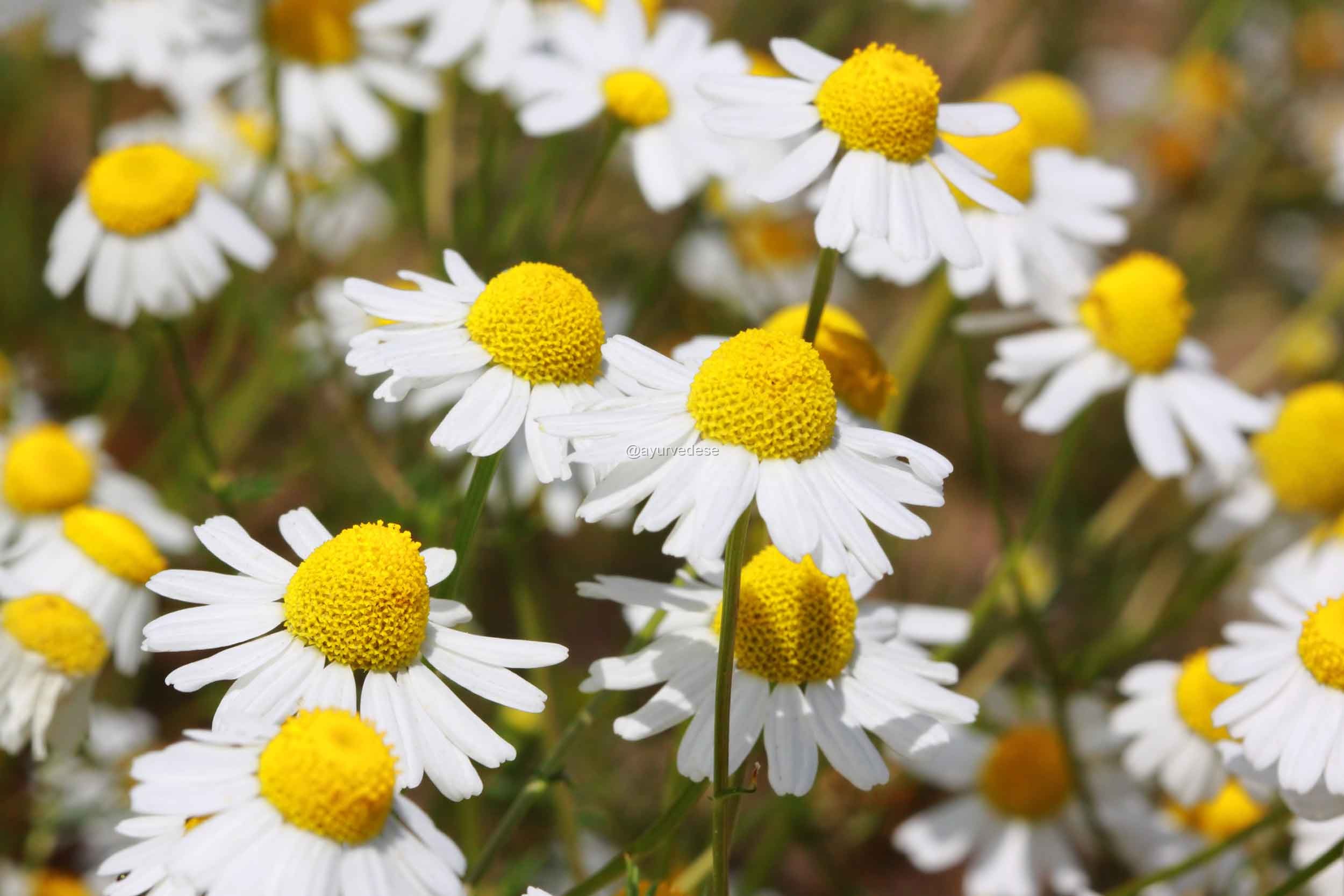
  • Camomila
    openalex🗞️ Published on Ayurdrops: Jun 24, 2026📅 Source: Jun 22, 2026

    Mukhapaka and stomatitis: what a clinical case reveals about Ayurveda

    Researchers presented a case study on the management of mukhapaka, an inflammatory oral condition, based on Ayurvedic principles. The treatment included the use of specific herbs and Ayurvedic practices aimed at balancing the involved doshas. The patient, who presented symptoms of stomatitis, was treated with a combination of herbal medicines and dietary adjustments, resulting in significant improvement of symptoms within a period of 15 days. The study highlights the importance of a holistic and individualized approach, considering not only the symptoms but also the patient's overall health status. Although the results are promising, it is important to note that this is a single case, which limits the generalization of the findings. Further investigations are needed to validate these methods in a larger population.

  • openalex🗞️ Published on Ayurdrops: Jun 24, 2026📅 Source: Jun 22, 2026

    Multimodal Ayurvedic Approach to Chronic Venous Ulcer: A Case Study

    Researchers presented a case of chronic venous ulcer, known as Sirajanya Dushtavrana, which was treated with a multimodal Ayurvedic approach. The treatment included the use of herbs, external therapies, and dietary adjustments, resulting in significant healing of the ulcer. The team, composed of S R Sreechand and collaborators, observed that the combination of Ayurvedic practices not only improved the skin condition but also promoted the patient's overall well-being. Ayurveda's holistic approach, which considers both body and mind, was fundamental to the treatment's success. This case highlights the importance of integrating traditional methods with modern practices for managing chronic conditions, such as venous ulcers, which are often challenging in conventional medicine.

  • openalex🗞️ Published on Ayurdrops: Jun 24, 2026📅 Source: Jun 22, 2026

    Viddhakarma and stress relief in menopausal women: an Ayurvedic perspective

    Researchers explored the role of Viddhakarma, an Ayurvedic technique, in relieving stress in menopausal women. The study suggests that this approach may help balance the doshas, especially Pitta, which tends to aggravate during this life stage. Viddhakarma involves practices aimed at releasing accumulated tensions, promoting a state of relaxation and well-being. Additionally, the study highlights the importance of considering the emotional and physical symptoms that women face during menopause, such as hot flashes and mood swings. The application of Viddhakarma may be an effective strategy to improve the quality of life of these women, providing additional support to conventional treatment. However, it is important to note that the study has limitations, such as the lack of a control group and the need for further research to validate the results.

  • openalex🗞️ Published on Ayurdrops: Jun 24, 2026📅 Source: Jun 22, 2026

    Migraine with aura: a case report on a holistic approach

    Researchers presented a case of Ardhavabhedaka, or migraine with aura, which was treated with a holistic approach. The treatment included dietary interventions, herbal medicine, and lifestyle practices, resulting in a significant reduction in the frequency and intensity of attacks. The authors, Ashwini G Daga, Savita Angadi, and DC Roshani, highlight the importance of considering factors such as Agni (digestion) and the balance of the doshas in migraine management. The patient reported an improvement in quality of life after implementing the proposed strategies, which were adapted to their individual needs. This case report suggests that an integrative approach may be effective in managing complex conditions like migraine, although further studies are needed to validate these findings in larger populations.

  • openalex🗞️ Published on Ayurdrops: Jun 24, 2026📅 Source: Jun 22, 2026

    Peenasa (Chronic Rhinitis) and Yoga Ikshvaku Vamana: A Case Report

    Researchers reported the efficacy of Yoga Ikshvaku Vamana in treating Peenasa, or chronic rhinitis, in a clinical case. The patient, who presented with persistent symptoms such as nasal congestion and discharge, underwent a protocol that included the practice of Vamana, an Ayurvedic purification technique involving the induction of vomiting. After treatment, there was a significant improvement in symptoms, with reduced nasal congestion and improved quality of life. The study highlights the importance of integrative and personalized approaches in managing chronic respiratory conditions, aligning with Ayurvedic principles that emphasize treatment individualization and body purification. Despite the positive results, the study is limited by being a single case report, which hinders the generalization of findings.

  • openalex🗞️ Published on Ayurdrops: Jun 24, 2026📅 Source: Jun 22, 2026

    Integrated Ayurvedic Approach for Generalized Anxiety Disorder: A Case Report

    Researchers presented a clinical case illustrating the efficacy of an integrated Ayurvedic approach in treating Generalized Anxiety Disorder (GAD). Using the techniques of Yukti Vyapashraya and Sattvavajaya Chikitsa, a significant reduction in the patient's anxiety symptoms was observed. Yukti Vyapashraya, which involves the use of medications based on careful patient analysis, was combined with Sattvavajaya, which focuses on modulating the mind and emotions. The treatment resulted in notable improvements in the patient's quality of life, demonstrating the relevance of Ayurveda in mental health. This study highlights the importance of holistic and personalized approaches, aligning with Ayurvedic principles of balance and harmony. However, limitations such as the small sample size and the need for further investigation are acknowledged.

  • openalex🗞️ Published on Ayurdrops: Jun 24, 2026📅 Source: Jun 22, 2026

    Understanding the Physiology of Folliculogenesis Through the Lens of Ayurveda

    Researchers analyzed folliculogenesis, the process of hair follicle formation, from the perspective of Ayurveda. The study, conducted by Chesta Chesta and Girija Sanikop, highlights the importance of dosha balance and the influence of Agni (digestion) on hair health. The research suggests that disharmony in the doshas can lead to disturbances in folliculogenesis, resulting in conditions such as alopecia. Additionally, the study explores how Ayurvedic practices, such as proper diet and the use of specific herbs, can promote hair health. Although the authors emphasize the need for more research, the findings offer an integrative view that connects the ancient wisdom of Ayurveda with modern physiology.

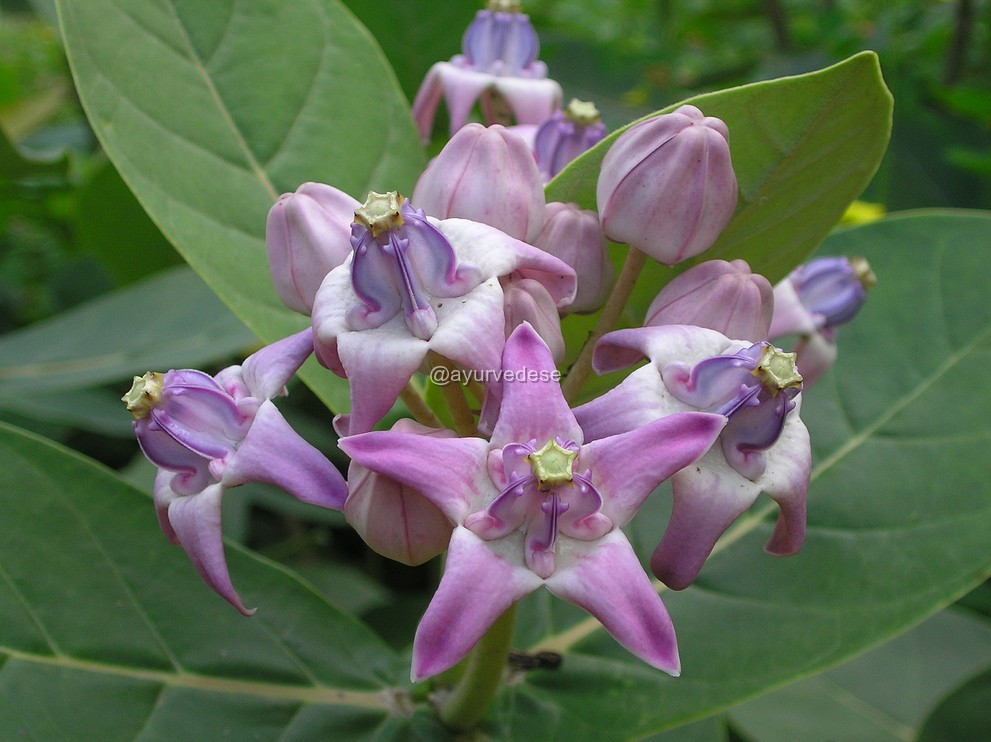
  • Calotropis / Madar / Arka
    openalex🗞️ Published on Ayurdrops: Jun 24, 2026📅 Source: Jun 22, 2026

    Calotropis gigantea and Anti-Arthritic Activity: What an Extract Reveals

    Researchers evaluated the anti-arthritic activity of the hydroalcoholic extract of Calotropis gigantea flowers in an in vitro study. The extract demonstrated potential to inhibit the activity of inflammatory mediators, suggesting a beneficial effect in reducing inflammation associated with arthritis. Results indicated that the extract concentration influenced efficacy, with higher doses showing greater anti-inflammatory activity. Although the data are promising, it is important to note that tests were conducted in a controlled environment, which limits direct extrapolation to clinical practice. The connection between modern findings and Ayurvedic knowledge can be observed in the traditional use of Calotropis gigantea for inflammatory conditions, reinforcing the relevance of contemporary research in relation to ancestral practices.

  • Moringa / Shobhaanjana
    europepmc🗞️ Published on Ayurdrops: Jun 24, 2026📅 Source: Jun 23, 2026

    Moringa and Hygrophila: A Promising Combination Against Urinary Tract Infections

    Researchers analyzed the interaction between leaf extracts of Moringa oleifera and Hygrophila auriculata, revealing that the combination of these plants exhibits significant antibacterial and antibiofilm potential against Proteus mirabilis. The extracts were prepared by different methods, including Ayurvedic decoction and steam extraction. Results showed that the combined treatment reduced the minimum inhibitory concentrations (MIC) and minimum bactericidal concentrations (MBC) to 0.1220–0.4883 mg/mL and 0.2441–0.9766 mg/mL, respectively, compared to individual treatments. Furthermore, embryonic toxicity in zebrafish was lower with the combination, presenting an LC50 value of 1812.74 µg/mL. FTIR analysis indicated the presence of important functional groups, suggesting that these extracts have potential for developing alternative therapies, especially in urinary tract infections, where P. mirabilis is a causative agent, in a scenario of increasing antibiotic resistance.