Public feed

Ayurvedic editorial curation

Science articles classified by dosha, srota and dhatu. Filter to find what matters to you today.

  • openalex🗞️ Published on Ayurdrops: Jun 28, 2026📅 Source: Jun 26, 2026

    The Ayurvedic View on Autoimmune Diseases: A Conceptual Review

    Researchers explored the relationship between Ayurveda and autoimmune diseases, highlighting the importance of understanding the underlying mechanisms of these conditions. Ayurveda considers autoimmune diseases to result from an imbalance in the doshas, especially in relation to Agni (digestion) and the health of the immune system. The review suggests that the Ayurvedic approach can offer valuable insights for managing these conditions, emphasizing the need for personalization in treatment. Additionally, the connection between stress and the exacerbation of autoimmune diseases is discussed, indicating that practices such as meditation and yoga may be beneficial. Although the review provides a solid theoretical foundation, limitations such as the lack of direct clinical studies and the need for more empirical evidence are acknowledged.
  • Ashwagandha / Ginseng Indiano
    openalex🗞️ Published on Ayurdrops: Jun 28, 2026📅 Source: Jun 26, 2026

    Indralupta (Alopecia Barbae) in Ayurveda: A Successful Treatment Case

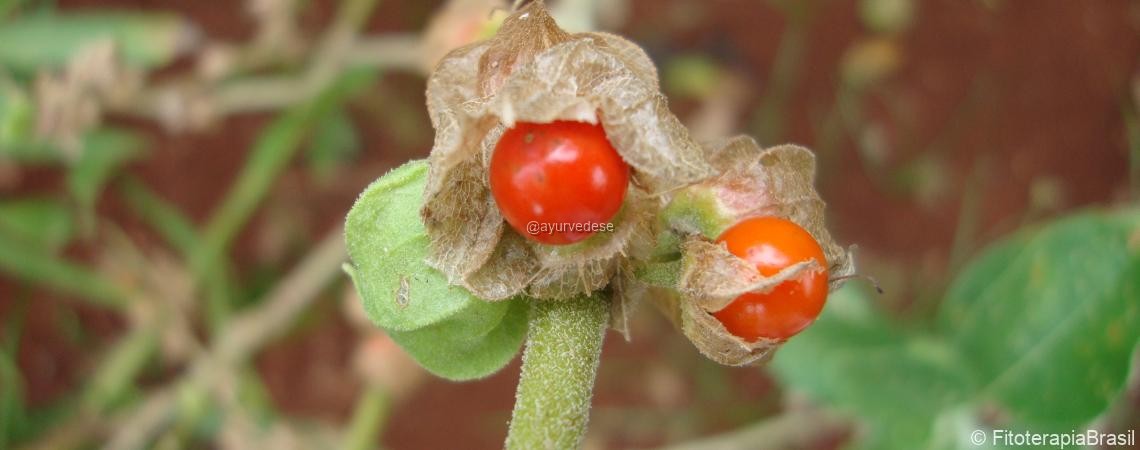
    Researchers reported a case of indralupta, or alopecia barbae, successfully treated through Ayurvedic interventions. The patient, a 30-year-old man, presented with hair loss in specific areas of the beard, which affected his self-esteem. The treatment included the use of herbs such as Aśvagandhā (Withania somnifera) and medicinal oils, along with purification practices and dietary adjustments. After 12 weeks of treatment, significant hair growth was observed in the affected area, with improvement in the patient's overall health. This case highlights the efficacy of Ayurveda in addressing hair loss conditions, emphasizing the importance of a holistic treatment that considers both the physical and emotional aspects of the patient.

  • Brahmi / Bacopa
    pubmed🗞️ Published on Ayurdrops: Jun 28, 2026📅 Source: Jun 26, 2026

    Ayurvedic Herbal Products for Cognition, Stress, Sleep, and Psychiatric Symptoms: A Review and Meta-Analysis

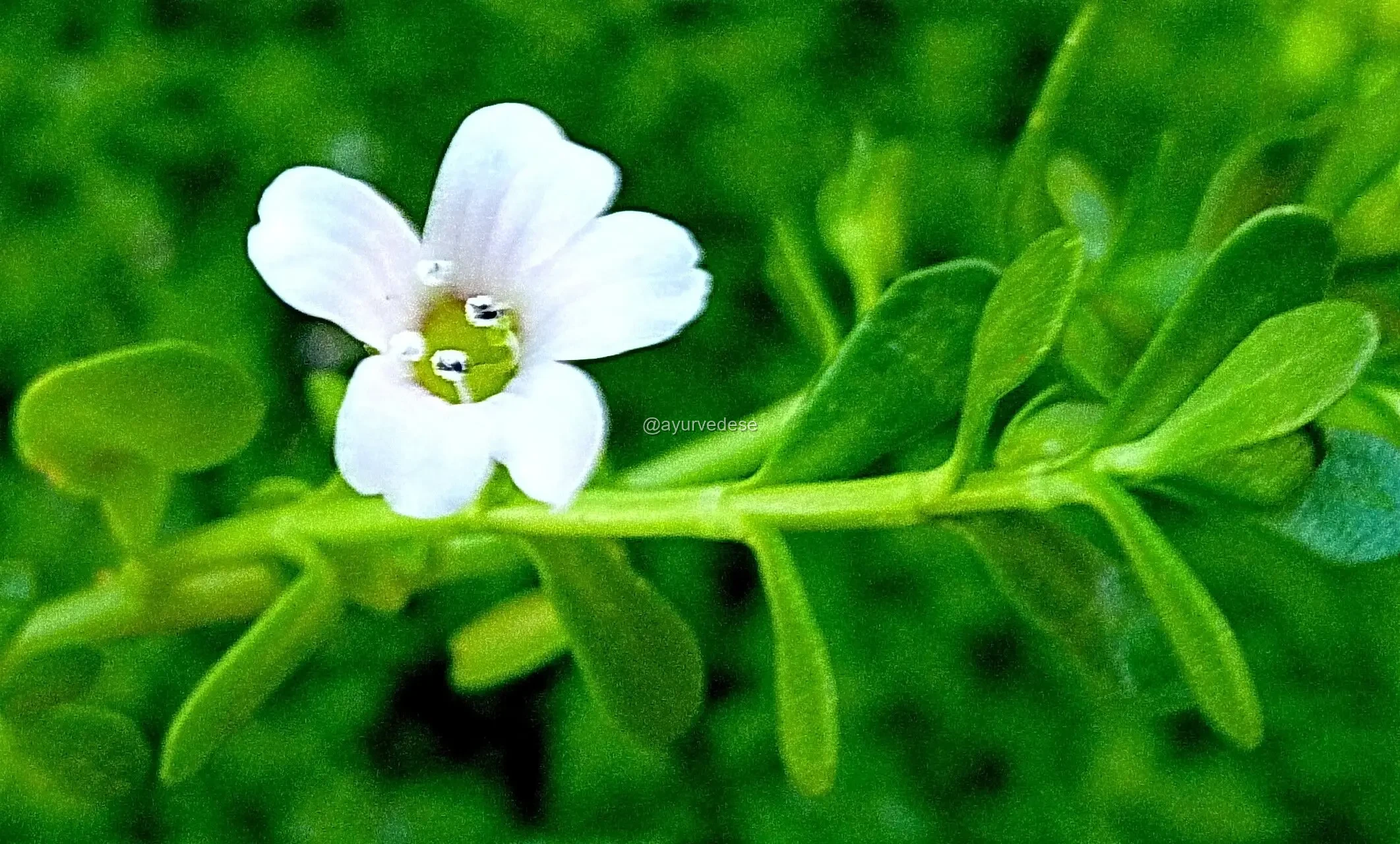
    Researchers analyzed the efficacy of herbal products based on Ayurvedic dravyas to improve cognition, reduce stress, improve sleep, and treat psychiatric symptoms. The systematic review and meta-analysis, conducted by Baune et al., included several studies that demonstrated these interventions can have significant positive effects. The herbal products, which include ingredients such as Brahmi (Bacopa monnieri) and Ashwagandha (Withania somnifera), proved effective in reducing symptoms of anxiety and depression, as well as promoting improvements in sleep quality. The results indicate that the use of Ayurvedic dravyas can be a valuable approach in mental health and well-being, although the heterogeneity of the studies and variation in dosages are limitations to be considered. The connection between Ayurvedic principles and modern findings suggests that ancient wisdom can complement contemporary health practices.

  • openalex🗞️ Published on Ayurdrops: Jun 27, 2026📅 Source: Jun 24, 2026

    Divaswap and daytime sleep: what Ayurveda teaches us

    Researchers led by Dr. Kailas Sonmankar explored the concept of Divaswap, which refers to daytime sleep in the context of Ayurveda. The study highlights the importance of daytime sleep for overall health and the balance of the doshas. The research suggests that daytime sleep can be beneficial for individuals with Vata predominance, who often face difficulties sleeping at night. The authors discuss how daytime sleep, when done properly, can help restore energy and improve cognitive function. However, it is important to note that the study does not present specific quantitative data, and the sample may be limited, which requires caution in generalizing the results. The connection between modern findings and Ayurvedic principles is clear, as Ayurveda has always emphasized the importance of adequate sleep for maintaining health.

  • openalex🗞️ Published on Ayurdrops: Jun 27, 2026📅 Source: Jun 25, 2026

    Jamun seed and its anti-diabetic potential: what research reveals

    Researchers have identified that jamun seed (Syzygium cumini) may have a positive effect on blood sugar control. In studies, seed extracts demonstrated a reduction in glucose levels by up to 30% in experimental models. The suggested mechanism involves inhibition of the enzyme alpha-glucosidase, which is responsible for carbohydrate digestion, resulting in slower glucose absorption. Additionally, the seed contains antioxidant compounds that may help protect pancreatic beta cells, which are responsible for insulin production. Although the results are promising, it is important to note that most studies were conducted in animal models, and more human research is needed to validate these findings.

  • openalex🗞️ Published on Ayurdrops: Jun 27, 2026📅 Source: Jun 25, 2026

    Treatment for Irritated Scalp in Amritsar: Dr. Abrol's Experience

    Researchers reported a case of irritated scalp treatment conducted by Dr. Abrol in Amritsar. The treatment included an integrative approach, combining Ayurvedic practices with modern care. The focus was on identifying the underlying causes of itching, which may include imbalances in the doshas, especially Vata and Pitta, and the application of specific herbal remedies. Dr. Abrol's clinical experience suggests that personalizing the treatment, taking into account the individual constitution and presented symptoms, is crucial for effective management. Although the results are promising, the research is still preliminary and further studies are needed to validate these findings in a larger population.

  • Canela-da-China
    openalex🗞️ Published on Ayurdrops: Jun 27, 2026📅 Source: Jun 25, 2026

    Cinnamon and Diabetes Control: What a Rat Study Reveals to Us

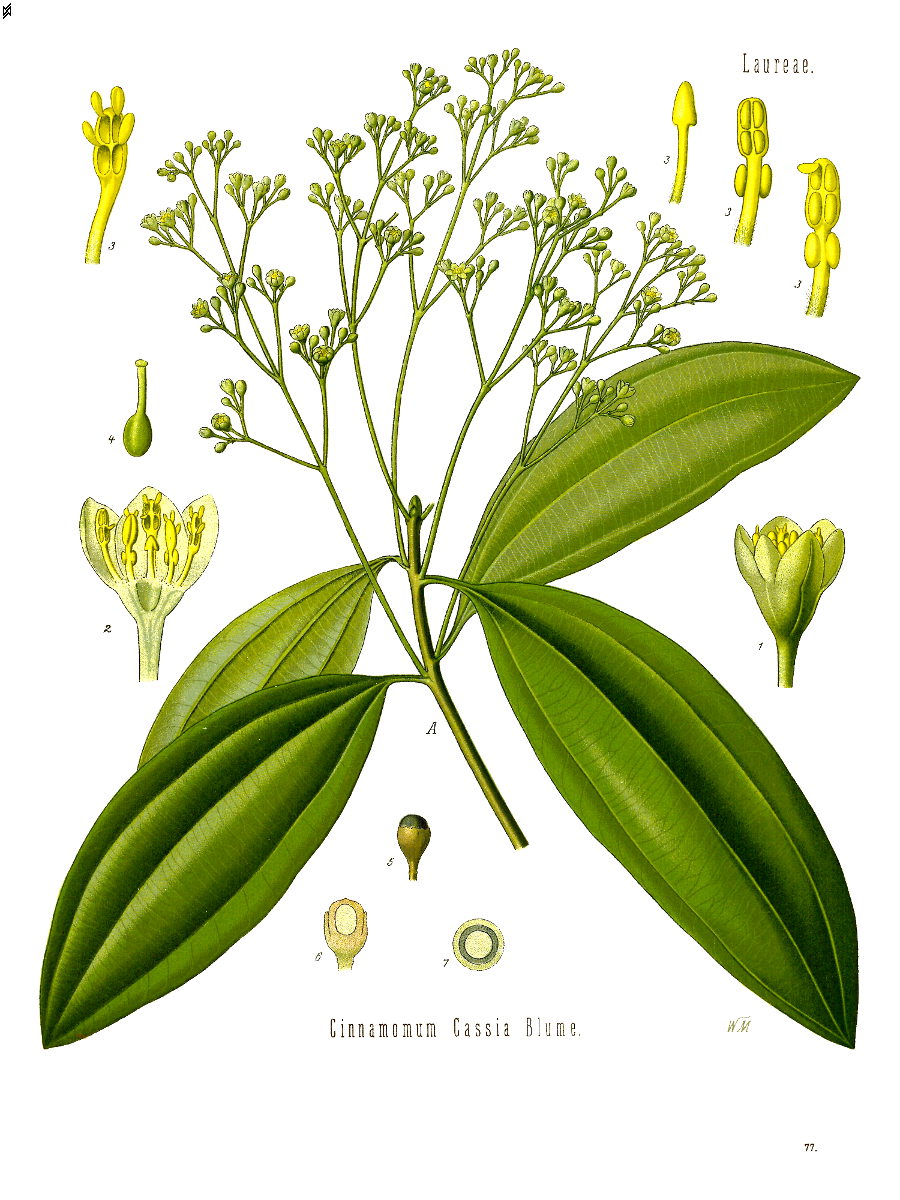
    Researchers demonstrated that ethyl acetate fractions of Cinnamomum tamala and Cinnamomum verum showed significant antidiabetic effects in rats induced with diabetes by streptozotocin. The study, conducted by Dhiraj Baishya and Ananta Choudhury, observed a reduction in blood glucose levels, suggesting potential for the use of these herbs in diabetes management. The mechanisms involved may be related to modulation of glucose metabolism and improvement of pancreatic beta cell function. Although the results are promising, it is important to consider that the study was conducted in an animal model, which limits the generalization of findings to humans. Further research is needed to fully understand the efficacy and safety of these herbs in clinical contexts.

  • Dāḍima / Romã
    openalex🗞️ Published on Ayurdrops: Jun 27, 2026📅 Source: Jun 25, 2026

    The therapeutic potential of pomegranate peel: an ethnobotanical study in Tunisia

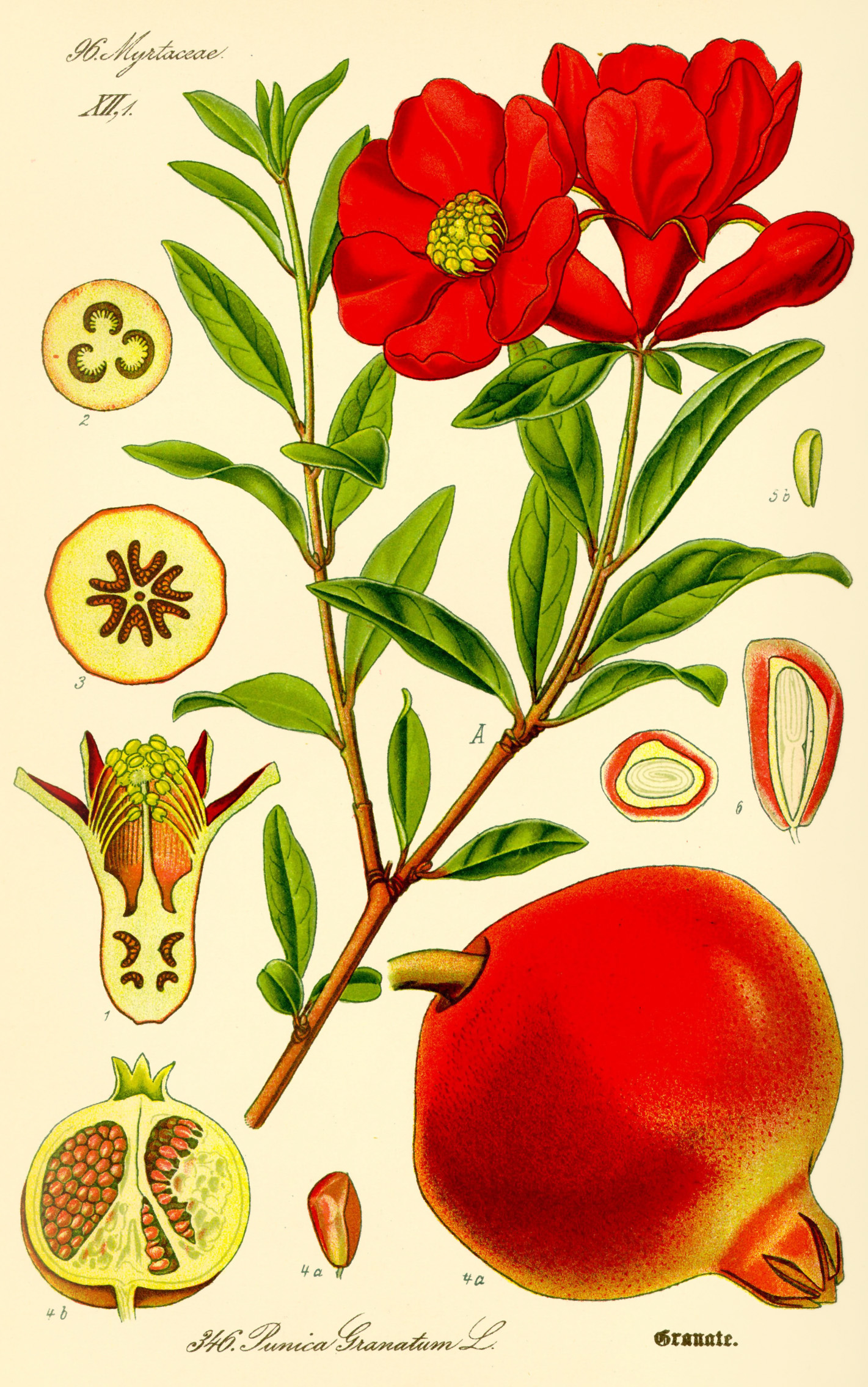
    Tunisian researchers investigated the ethnomedicinal applications of pomegranate peel (Punica granatum) and found evidence of its therapeutic potential. The study, led by Naima Bennour and colleagues, revealed that the peel is traditionally used to treat various conditions, including digestive and inflammatory problems. Quantitative analysis of the peel's bioactive properties indicated the presence of phenolic compounds and flavonoids, which are known for their antioxidant and anti-inflammatory properties. These findings suggest that pomegranate peel could be a valuable addition to integrative health practices, aligning with Ayurvedic concepts of balance and health. However, it is important to consider that the research was conducted in a specific context, and further studies are needed to validate these results in diverse populations.

  • openalex🗞️ Published on Ayurdrops: Jun 27, 2026📅 Source: Jun 25, 2026

    Tridax procumbens and its anti-inflammatory potential: what science reveals

    Researchers have identified bioactive compounds with anti-inflammatory potential in the leaves of Tridax procumbens. The study, led by P.D. Bangre and colleagues, used extraction and isolation techniques, as well as a molecular docking study to evaluate the interaction of the compounds with inflammatory targets. The results indicated that certain flavonoids present in the plant may inhibit the production of inflammatory mediators, suggesting a promising mechanism of action for controlling inflammation. Although the data are promising, it is important to note that the study was based on laboratory analyses, and further research is needed to confirm these effects in humans. The connection between modern findings and the traditional use of Tridax procumbens in Ayurveda for inflammatory conditions is notable, reinforcing the plant's relevance in integrative medicine.

  • openalex🗞️ Published on Ayurdrops: Jun 27, 2026📅 Source: Jun 26, 2026

    Vamana and the recovery of ovulation in polycystic ovary syndrome: a review

    Researchers discuss how Vamana Karma, an Ayurvedic purification therapy, may help in follicle maturation and ovulation in women with polycystic ovary syndrome (PCOS). PCOS is characterized by hormonal imbalances that affect ovulation and reproductive health. Vamana, which involves the induction of controlled vomiting, is proposed as an intervention to eliminate toxins and balance the doshas. The review analyzes evidence suggesting that this practice may improve ovarian function, promoting follicular maturation and menstrual regularity. The authors, Anjali Pradip Karande and colleagues, highlight that the Ayurvedic approach may be a viable alternative for the treatment of PCOS, especially when combined with other interventions. However, it is important to consider that the research is still preliminary and that more clinical studies are needed to validate these findings.

  • Boswellia / Shallaki
    pubmed🗞️ Published on Ayurdrops: Jun 27, 2026📅 Source: Jun 06, 2026

    Boswellia serrata and Pain: What a Pilot Study Reveals about Intensity and Modulation

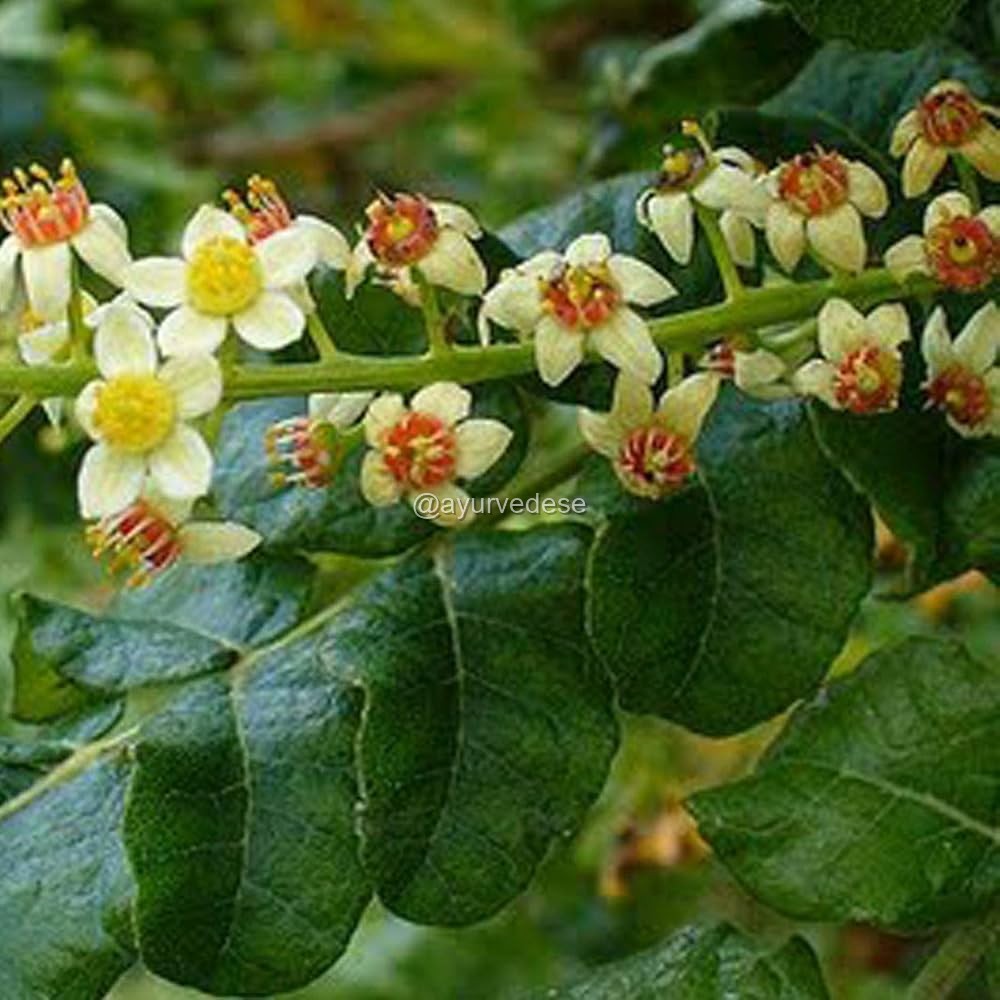
    Researchers have shown that Boswellia serrata can reduce pain intensity in healthy volunteers. In a randomized, double-blind study, 30 participants underwent a crossover test with placebo. The results showed that Boswellia not only decreased pain perception but also influenced central and peripheral sensitization, mechanisms that amplify pain in the body. The authors, led by Hammer et al., observed that pain modulation was more effective compared to placebo, suggesting significant therapeutic potential for Boswellia. However, the study had a small sample size, and more research is needed to confirm these findings in larger populations and with specific clinical conditions.

  • europepmc🗞️ Published on Ayurdrops: Jun 26, 2026📅 Source: Jun 25, 2026

    Ashwagandha and Chronic Knee Pain: A Study on Its Efficacy in Elderly Patients with Osteoarthritis

    Researchers are investigating the efficacy of Ashwagandha (Withania somnifera) in relieving chronic knee pain in elderly patients with osteoarthritis. Chronic pain, common in this population, compromises quality of life and can lead to issues such as depression and anxiety. The study includes 72 participants with knee pain for more than three months, assessing pain and functionality after six weeks of treatment with Ashwagandha or Boswellia extract, in addition to massage with Til Taila. Pain will be measured every 15 days, and other outcomes such as quality of life and sleep will also be analyzed. Ashwagandha is recognized for its Balya (strengthening) and Rasayana (rejuvenating) properties, potentially serving as a viable alternative for managing chronic pain, especially considering the adverse effects of conventional treatments. This study may generate important evidence for the inclusion of Ashwagandha in the standard treatment of musculoskeletal pain in the elderly.

  • openalex🗞️ Published on Ayurdrops: Jun 26, 2026📅 Source: Jun 24, 2026

    Treatment of Oral Lichen Planus: An Experience in Amritsar

    Researchers in Amritsar, led by Dr. Abrol, explored approaches to treating oral lichen planus, an inflammatory condition affecting the oral mucosa. The study highlights the importance of integrative interventions, combining Ayurvedic practices and modern care. Although oral lichen planus can be challenging, the research suggests that personalized treatments can improve patients' quality of life. The study was published in 2026 and provides insights into how traditional medicine can integrate with contemporary clinical practice, offering a promising perspective on managing this condition.

  • Ashwagandha / Ginseng Indiano
    openalex🗞️ Published on Ayurdrops: Jun 26, 2026📅 Source: Jun 24, 2026

    Dysmenorrhea (Kashtartava): An Ayurvedic Perspective

    Researchers highlight that dysmenorrhea, known as kashtartava in Ayurveda, can be effectively addressed through traditional practices and herbs. The study, conducted by Dr. Pooja Bind, Shashi Singh, and Dr. Anjana Saxena, explores how Ayurveda offers a holistic understanding of menstrual pain, considering factors such as dosha balance and the health of Agni (digestion). Dysmenorrhea is often associated with an increase in Vata and Pitta, which can be treated with herbs like Aśvagandhā (Withania somnifera) and Ashoka (Saraca asoca), which have anti-inflammatory and analgesic properties. Additionally, practices such as yoga and meditation are suggested to help alleviate symptoms. The study emphasizes the importance of an individualized approach, taking into account each woman's unique constitution, and suggests that a combination of herbal medicine and lifestyle changes can result in significant improvement. Limitations include the need for more clinical studies to validate these approaches.

  • openalex🗞️ Published on Ayurdrops: Jun 26, 2026📅 Source: Jun 24, 2026

    How Fear Affects Our Inner Sovereignty: Reflections from Somatic Therapy and Non-Dual Kashmir Tantra

    Researchers explore how fear can hijack our inner sovereignty, impacting mental and emotional health. Author Sandra Regina (Sandra Anaki - Deva Yasha) analyzes the intersection between somatic therapy and non-dual Kashmir tantra, proposing that body awareness and meditation practice can help restore this sovereignty. The study highlights the importance of recognizing and working with fear, which often manifests as an emotional armor, hindering connection with the true self. Somatic therapy offers practical tools to deal with these emotions, while non-dual tantra provides a philosophical perspective that values the unity between body and mind. This integrated approach can be especially useful for those seeking a path of self-knowledge and healing.

  • openalex🗞️ Published on Ayurdrops: Jun 26, 2026📅 Source: Jun 24, 2026

    Dysmenorrhea (Kashtartava): An Ayurvedic Perspective

    Researchers addressed dysmenorrhea, known as kashtartava in the Ayurvedic tradition, highlighting the importance of understanding its causes and treatments from this perspective. The study, led by Dr. Pooja Bind and colleagues, explores how Ayurveda considers factors such as dosha imbalance, especially Vata, and the health of Agni (digestion) in the manifestation of menstrual pain. The research suggests that Ayurvedic interventions, including the use of specific herbs and lifestyle practices, may offer significant relief. Furthermore, the connection between emotional health and dysmenorrhea is emphasized, indicating that stress and anxiety can exacerbate symptoms. Although the study provides valuable insights, it is important to note that the sample was limited, and further investigations are needed to validate these findings in larger populations.

  • openalex🗞️ Published on Ayurdrops: Jun 26, 2026📅 Source: Jun 24, 2026

    The Courage to Break Free from Fear: Insights from Non-Dual Tantra and Somatic Therapy

    Researchers explore how fear can hijack our internal sovereignty, affecting mental and emotional health. Author Sandra Regina (Sandra Anaki - Deva Yasha) proposes that somatic therapy, combined with the principles of Kashmir Non-Dual Tantra, offers a path to reclaim this sovereignty. Somatic practice allows individuals to reconnect with their bodies and emotions, promoting a state of presence and awareness. Non-Dual Tantra, in turn, teaches the transcendence of fear, helping to cultivate a broader perception of reality. This combination can be especially useful for those facing emotional challenges, providing tools to deal with fear more effectively. The study highlights the importance of integrating bodily and spiritual practices for holistic well-being, although the research still needs more empirical evidence to validate these approaches.

  • openalex🗞️ Published on Ayurdrops: Jun 25, 2026📅 Source: Jun 22, 2026

    Integrative Ayurvedic Management of Female Infertility: A Successful Conception Case

    Researchers reported a successful conception case of a woman with infertility, using an integrative approach based on Ayurveda. The patient, who presented imbalances in the doshas and Agni (digestion), underwent a protocol that included dietary changes, herbal medicine, and lifestyle practices. The intervention focused on balancing the Vata dosha and strengthening Agni, resulting in significant improvement in reproductive health. After treatment, the patient was able to conceive, demonstrating the efficacy of Ayurveda in managing infertility. This case highlights the importance of a holistic approach, considering both physical and emotional aspects of women's health. Although the results are promising, it is important to note that this is a single case, and further studies are needed to validate these findings in larger populations.

  • Babosa / Aloe Vera
    openalex🗞️ Published on Ayurdrops: Jun 25, 2026📅 Source: Jun 22, 2026

    Integrative Ayurvedic Management of Female Infertility: A Successful Case Report

    Researchers reported a successful case of conception in a woman with infertility, using an integrative Ayurvedic approach. The treatment included dosha assessment and personalized interventions such as diet, herbal medicine, and lifestyle practices. The authors, Dr. Shakshi, Dr. S R Sundaravalli G Kokila Selva Kumari, and Dr. Monika Khatri, highlighted the importance of accurate diagnosis and treatment individualization, which led to successful conception after a period of difficulties. This case illustrates how the combination of Ayurvedic practices can offer effective solutions for fertility issues, aligning with Ayurveda's principles of balance and harmony. Although the study focuses on a single case, the results suggest that holistic approaches may be beneficial for women facing fertility challenges.

  • openalex🗞️ Published on Ayurdrops: Jun 25, 2026📅 Source: Jun 22, 2026

    Yoga Intervention and Its Effects on Anxiety and Sleep in Children: An Experimental Study

    Researchers observed that an integrated yoga intervention improved sleep quality in children, in addition to reducing anxiety and increasing academic motivation. The study, conducted by Revathi Dama and Larry Seidlitz, involved a group of children who participated in yoga practices focused on breathing techniques and meditation. After the intervention, participants reported a significant reduction in anxiety levels and an improvement in emotional regulation. Sleep quality also showed notable improvements, reflecting a positive impact on overall health and school performance. These findings suggest that yoga practices can be an effective tool to support the emotional and physical well-being of school-aged children, aligning with Ayurvedic concepts of mental and emotional balance.