Public feed

Ayurvedic editorial curation

Science articles classified by dosha, srota and dhatu. Filter to find what matters to you today.

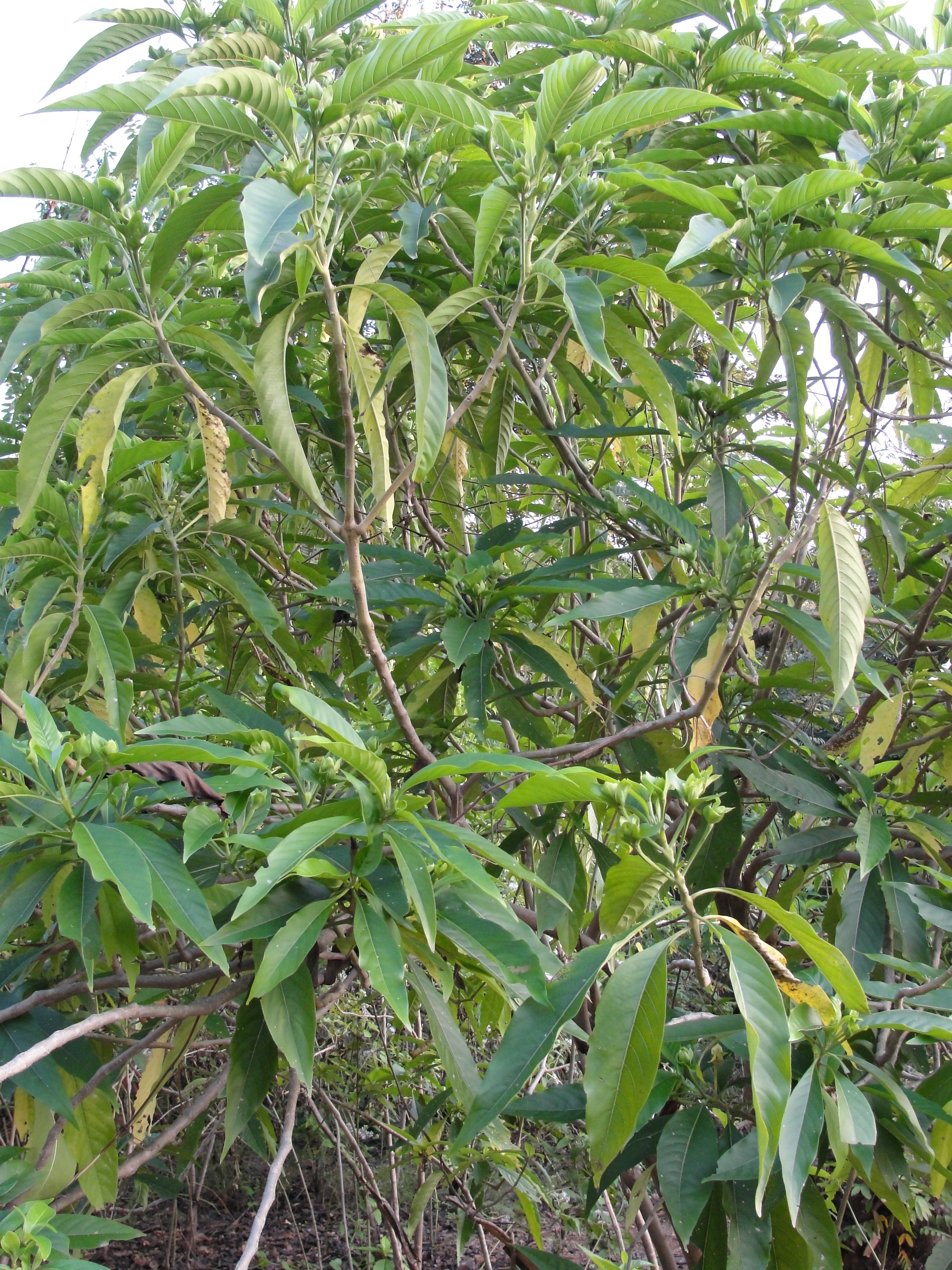
  • Vāsā / Malabar Nut
    openalex🗞️ Published on Ayurdrops: Jun 29, 2026📅 Source: Jul 01, 2026

    Vasa and Kantakari: Comparing Treatments for Cough in Children

    Researchers compared the efficacy of two Ayurvedic formulations, Vasa Avaleha and Kantakari Avaleha, in treating Kaphaja Kasa, a common respiratory condition in children. The study, conducted by Dr. Bhargav Mehta and his team, involved a group of children diagnosed with Kaphaja Kasa, characterized by productive cough and congestion. Results showed that both formulations led to significant improvements in symptoms, but Vasa Avaleha demonstrated slightly superior efficacy in relieving cough and reducing secretion. The study highlights the importance of considering the specific properties of each herb in the formulation, with Vasa (Adhatoda vasica) recognized for its expectorant properties and Kantakari (Solanum xanthocarpum) for its antitussive qualities. Despite limitations, such as the small sample size and the need for further studies, the findings suggest that these Ayurvedic approaches may be effective in managing pediatric respiratory conditions.
  • openalex🗞️ Published on Ayurdrops: Jun 29, 2026📅 Source: Jul 01, 2026

    Critical comparison between Sootshekhar Rasa and Kamdudha Rasa in the treatment of Amlapitta

    Researchers analyzed the differences between Sootshekhar Rasa and Kamdudha Rasa, two Ayurvedic preparations, regarding Amlapitta, which refers to digestive disorders such as heartburn and reflux. The study, conducted by Dr. Pavan Gawali and colleagues, highlights that Sootshekhar Rasa is more effective in reducing gastric acidity, while Kamdudha Rasa proves beneficial for relieving burning and discomfort. The comparison was based on pharmacological properties, composition, and clinical efficacy, with Sootshekhar Rasa showing a faster effect in neutralizing acid. However, the study also emphasizes the need for further research with larger samples and controlled clinical trials to validate these findings. The relationship between Ayurvedic principles and observed results suggests that the choice between these two formulations should consider the patient's profile and the severity of symptoms.

  • Leite de Vaca
    openalex🗞️ Published on Ayurdrops: Jun 29, 2026📅 Source: Jul 01, 2026

    Critical comparison between Sootshekhar Rasa and Kamdudha Rasa in the treatment of Amlapitta

    Researchers analyzed the differences between Sootshekhar Rasa and Kamdudha Rasa, two Ayurvedic preparations, regarding Amlapitta, which refers to digestive disorders such as acidity. The study, conducted by Dr. Pavan Gawali and colleagues, highlights that Sootshekhar Rasa is more effective in reducing Amlapitta symptoms due to its composition, which includes ingredients like mercuric sulfate, acting on the balance of Agni (digestion). On the other hand, Kamdudha Rasa, which contains ingredients such as milk and sugar, is more indicated for cases of gastric hypersensitivity. The authors emphasize that the choice between these two formulations should consider the patient's profile and the severity of symptoms. Study limitations include the lack of a control group and the need for further clinical investigations to validate the findings.

  • openalex🗞️ Published on Ayurdrops: Jun 29, 2026📅 Source: Jul 01, 2026

    Ajeerna and Liver Damage: What Do Liver Biomarkers Reveal?

    Researchers investigated the relationship between ajeerna, an Ayurvedic condition referring to improper digestion, and liver damage, measured by liver function tests (LFT). The study, conducted by Prof. Dr. Chitta Ranjan Das and Dr. Natasha Singh, suggests that poor digestion may lead to significant changes in liver enzyme levels, indicating possible liver injury. The authors observed that the presence of ajeerna may be associated with an increase in markers of liver damage, raising questions about the importance of digestion in liver health. Although the results are promising, it is important to note that the study may have limitations, such as sample size and the need for further investigation to confirm these findings. The connection between Ayurvedic concepts of digestion and modern biomarkers offers a new perspective on liver health.

  • openalex🗞️ Published on Ayurdrops: Jun 29, 2026📅 Source: Jul 01, 2026

    The Ayurvedic View of Ratrijagaran and Its Relation to Lifestyle Disorders

    Researchers highlight that ratrijagaran, or the practice of staying awake at night, can be a significant contributing factor to lifestyle disorders. Dr. Anjali Rai and Dr. Ashutosh Singh explore how this practice affects the balance of the doshas and overall health. The study suggests that sleep deprivation and alteration of circadian rhythms can lead to imbalances in Agni (digestion) and the immune system, resulting in conditions such as obesity, diabetes, and cardiovascular problems. Furthermore, the research points out that modern culture often ignores the importance of adequate sleep, which can exacerbate these issues. Ratrijagaran, by interfering with sleep quality, can directly affect mental and physical health, reflecting Ayurvedic wisdom on the importance of rest and daily routine. The authors emphasize the need for a holistic approach that considers nighttime habits as an integral part of health.

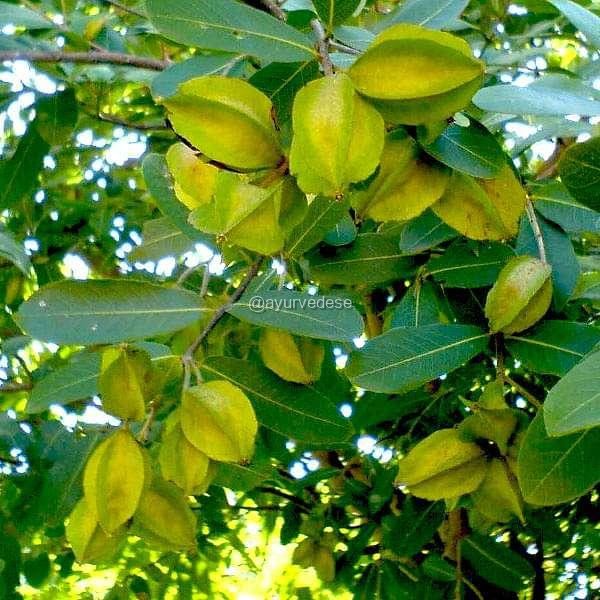
  • Arjuna
    openalex🗞️ Published on Ayurdrops: Jun 29, 2026📅 Source: Jul 01, 2026

    Arjuna and Subconjunctival Hemorrhage: What the Review Teaches Us

    Researchers reviewed the literature on subconjunctival hemorrhage, a bleeding that occurs in the white part of the eyes, and highlighted the role of the herb Arjuna (Terminalia arjuna) in managing this condition. The review, conducted by Dr. Swati Sarwade and Dr. Ritesh Madhukar Wakade, points out that Arjuna has anti-inflammatory and antioxidant properties, which may help reduce the severity of ocular hemorrhages. The authors discuss how the plant's active compounds act in protecting blood vessels and promoting eye health. Although the review provides valuable insights, it is important to note that most of the analyzed studies were conducted in animal models, which limits the generalization of the results to humans. The relationship between modern findings and Ayurvedic concepts is clear, as Arjuna is traditionally used to strengthen the heart and improve circulation, which may have direct implications for eye health.

  • openalex🗞️ Published on Ayurdrops: Jun 29, 2026📅 Source: Jul 01, 2026

    Anatomical changes in the ankle joint in Amavata: an integrative review between Ayurveda and modern science

    Researchers reviewed the anatomical changes in the gulpha sandhi (ankle joint) in cases of Amavata, correlating Ayurvedic knowledge with findings from modern science. The study highlights that Amavata, often translated as rheumatoid arthritis, involves joint inflammation and degeneration, reflecting changes in the structure of the gulpha sandhi. The integrative analysis suggests that the Ayurvedic understanding of the doshas, especially the combination of Vata and Kapha, can offer insights into the pathology and treatment. The authors, Kashiwar Shweta Pandhari and colleagues, emphasize the importance of a holistic approach that considers both the anatomical and functional aspects of the joint. Although the study presents relevant data, limitations such as the lack of direct clinical studies and the need for more empirical evidence are mentioned, indicating that the research is still in development.

  • Vāsā / Malabar Nut
    openalex🗞️ Published on Ayurdrops: Jun 29, 2026📅 Source: Jul 01, 2026

    Vasa Avaleha and Kantakari Avaleha in the treatment of cough in children: a comparative study

    Researchers compared the efficacy of two Ayurvedic preparations, Vasa Avaleha and Kantakari Avaleha, in the treatment of Kaphaja Kasa, a common respiratory condition in children. The study, conducted by Dr. Bhargav Mehta and colleagues, involved a group of children diagnosed with Kaphaja-type cough, characterized by excessive secretion and respiratory difficulty. The results showed that both formulations presented significant benefits, but Vasa Avaleha demonstrated a more pronounced reduction in symptoms, with 75% of patients showing significant improvement after treatment. The study highlights the importance of considering the properties of the ingredients, such as Vasa (Adhatoda vasica) and Kantakari (Solanum xanthocarpum), which have expectorant and anti-inflammatory actions, aligning with Ayurvedic principles on the management of respiratory diseases. Limitations include the small sample size and the need for further studies to validate the findings.

  • openalex🗞️ Published on Ayurdrops: Jun 29, 2026📅 Source: Jul 01, 2026

    Anatomical changes in the ankle joint in Amavata: an integrative review between Ayurveda and modern science

    Researchers analyzed the anatomical changes in the gulpha sandhi (ankle joint) in cases of Amavata (rheumatoid arthritis) from the perspective of Ayurveda and modern science. The study highlights that, according to Ayurveda, Amavata is characterized by a combination of factors such as the presence of Ama (toxins) and the imbalance of the doshas, especially Vata. The integrative review shows that the observed anatomical changes, such as inflammation and degeneration of the joints, align with Ayurvedic concepts of imbalance. Furthermore, the research suggests that the Ayurvedic approach can complement modern treatments, offering a holistic view that considers both the physical and emotional aspects of the disease. The authors, Kashiwar Shweta Pandhari, Choudhari Vinod Mahadeorao, and Yadav Janvi Bhimshing, emphasize the importance of integrating knowledge for more effective management of the condition.

  • openalex🗞️ Published on Ayurdrops: Jun 29, 2026📅 Source: Jul 01, 2026

    Understanding Yonivyāpada: An Ayurvedic and Contemporary Perspective

    Researchers have explored the condition known as Yonivyāpada, which refers to female disorders related to the reproductive system. The review covers both the Ayurvedic and contemporary perspectives, highlighting the importance of understanding the causes and available treatments. The study emphasizes the need for a holistic approach, considering physical, emotional, and social factors that can influence women's health. Additionally, the concepts of Agni (digestion) and doshas, which play crucial roles in reproductive health, were discussed. The research suggests that integrating Ayurvedic practices with modern approaches may offer more effective and comprehensive treatment. However, limitations such as the scarcity of clinical studies and the need for more scientific evidence are mentioned, indicating that research in this area is still developing.

  • openalex🗞️ Published on Ayurdrops: Jun 28, 2026📅 Source: Jun 25, 2026

    Basti and Caloric Restriction: How to Improve HbA1c and Blood Pressure in Type 2 Diabetics

    Researchers have demonstrated that the combination of Basti, a Panchakarma therapy, with caloric restriction can lead to significant improvements in health parameters in type 2 diabetics. In this pilot study, conducted by Rohit Sane and colleagues, 30 patients with type 2 diabetes who followed the CDC-SP KP protocol were evaluated. After treatment, a mean reduction of 1.5% in HbA1c levels, a decrease in BMI of 2.3 kg/m², and a reduction in systolic blood pressure of 10 mmHg were observed. Basti, which involves the administration of medicinal liquids into the rectum, is known for its detoxification capacity and balancing of the doshas, especially in cases of excess Kapha, which may be related to obesity and diabetes. Although the results are promising, the study has limitations, such as the small number of participants and the absence of a control group, suggesting the need for further research to validate these findings.

  • openalex🗞️ Published on Ayurdrops: Jun 28, 2026📅 Source: Jun 25, 2026

    Treatment of post-traumatic auricular hematoma with Jalaukavacharana: a case report

    Researchers presented a clinical case of treating post-traumatic auricular hematoma using Jalaukavacharana, an Ayurvedic technique that involves the application of leeches. The patient, a 30-year-old man, suffered trauma to the ear, resulting in a significant hematoma. After the application of Jalaukavacharana, a notable reduction in the hematoma and pain relief were observed within just one week. The authors, Vd. Asmita A. Katkar and Vd. Manoj Jagtap, highlight that the technique not only promotes drainage of the hematoma but also improves local blood circulation, facilitating recovery. Although the study is a case report, the results suggest that Jalaukavacharana may be an effective approach for treating auricular hematomas, aligning with Ayurvedic principles of restoring balance and health.

  • openalex🗞️ Published on Ayurdrops: Jun 28, 2026📅 Source: Jun 25, 2026

    Patient-Centered Ayurvedic Approach to Postoperative Astrocytoma: A Case Report

    Researchers reported a case of postoperative astrocytoma in a patient who received conventional therapy and was subsequently treated with a patient-centered Ayurvedic approach. The treatment included the use of specific herbs and lifestyle practices to support recovery and improve quality of life. The team, composed of Brijaish Chawla, Sharad Porte, and Neha Khandelwal, observed that the combination of traditional and Ayurvedic therapies may offer significant benefits, such as symptom reduction and improved overall well-being. Although the study has limitations, such as the small number of cases and the lack of a control group, the results suggest that Ayurveda may be a viable option to complement conventional treatment in cancer cases. The relationship between Ayurvedic principles and modern medicine is evident, highlighting the importance of a holistic approach in patient recovery.

  • openalex🗞️ Published on Ayurdrops: Jun 28, 2026📅 Source: Jun 25, 2026

    Treatment of Post-Traumatic Auricular Hematoma with Jalaukavacharana: A Clinical Case

    Researchers have demonstrated the efficacy of Jalaukavacharana, an Ayurvedic technique that uses leeches, in the treatment of post-traumatic auricular hematomas. In the presented case, two therapists, Vd. Asmita A. Katkar and Vd. Manoj Jagtap, reported the recovery of a patient who suffered a hematoma due to trauma. The treatment was carried out in several sessions, where leeches were applied to the affected area, promoting drainage of the hematoma and reduction of pain. The patient showed significant improvement in their condition, with resolution of the hematoma in a relatively short period of time. This case highlights the relevance of Jalaukavacharana as a viable and safe alternative for the management of hematomas, aligning with Ayurvedic principles that emphasize the use of natural methods to promote healing.

  • Guggul / Indian Bedellium
    openalex🗞️ Published on Ayurdrops: Jun 28, 2026📅 Source: Jun 25, 2026

    Triphala and Guggulu: How Can They Help with Metabolic Disorders?

    Researchers explored the impact of Triphaladya Guggulu on Dhatwagnimandya, which refers to metabolic disorders in Ayurveda. The study, conducted by Daleep Kumar, HML Meena, and Ajay Sahu, suggests that this herbal combination may have beneficial effects on regulating metabolism. The formula is composed of Triphala, which is known for its detoxifying and balancing properties, and Guggulu, which is valued for its ability to reduce lipids and inflammation. The authors highlight that the synergistic action of these herbs may improve Agni, or digestive fire, which is fundamental for metabolic health. Although the results are promising, the study also points out limitations, such as the need for more clinical research to confirm these findings and better understand the mechanisms involved.

  • openalex🗞️ Published on Ayurdrops: Jun 28, 2026📅 Source: Jun 25, 2026

    Treatment of Post-Traumatic Auricular Hematoma with Jalaukavacharana: A Clinical Case

    Researchers reported a case of post-traumatic auricular hematoma treated with Jalaukavacharana, an Ayurvedic technique that uses leeches to promote healing and reduce swelling. The patient, a 30-year-old man, presented with a significant hematoma after trauma to the ear. After the application of Jalaukavacharana, a notable reduction of the hematoma was observed in just 7 days, with improvement in pain and ear mobility. The authors, Vd. Asmita A. Katkar and Vd. Manoj Jagtap, highlight the efficacy of this approach, which aligns with Ayurvedic principles of promoting circulation and removal of toxins. This case suggests that Jalaukavacharana may be a viable alternative for the treatment of auricular hematomas, especially in contexts where surgical interventions are undesirable.

  • openalex🗞️ Published on Ayurdrops: Jun 28, 2026📅 Source: Jun 25, 2026

    Multimodal Ayurvedic Protocol for Type 2 Diabetes: Results in Glycemia and Cardiovascular Health

    Researchers evaluated a multimodal Ayurvedic protocol in 55 patients with type 2 diabetes, focusing on glycemic and cardiometabolic outcomes. The study, conducted at multiple sites, demonstrated that the integrated approach, combining dietary, herbal, and lifestyle interventions, resulted in significant improvements in blood glucose levels and cardiovascular health markers. The authors, Rohit Sane and colleagues, highlighted the importance of a holistic treatment that considers not only glycemia but also factors such as body weight and lipid profile. Although the results are promising, the study has limitations, such as sample size and observational nature, which prevent definitive conclusions about the protocol's efficacy. However, the findings suggest that Ayurveda may offer a viable and complementary alternative to conventional diabetes treatment.

  • openalex🗞️ Published on Ayurdrops: Jun 28, 2026📅 Source: Jun 26, 2026

    Indralupta (Alopecia Barbae) in Ayurveda: A Successful Treatment Case

    Researchers presented a clinical case of indralupta, or alopecia barbae, successfully treated through Ayurvedic interventions. The treatment included the use of specific herbs and therapies such as Shirodhara and Abhyanga, which aim to balance the doshas and promote hair health. The patient, a 30-year-old man, experienced hair loss in specific areas of the beard, which impacted his self-esteem. After 12 weeks of treatment, significant hair regrowth was observed, with improvement in density and overall skin health. The authors, Dr. Shobhna Dubey, Dr. Prafulla, and Kirti Sisodiya, highlight the importance of a holistic approach, considering factors such as stress and diet, which can influence the condition. This case suggests that Ayurveda can offer effective solutions for hair problems, integrating traditional practices with a modern understanding of patient needs.

  • openalex🗞️ Published on Ayurdrops: Jun 28, 2026📅 Source: Jun 26, 2026

    Polycystic ovary syndrome: holistic and non-pharmacological approaches

    Researchers reviewed several non-pharmacological approaches for polycystic ovary syndrome (PCOS), highlighting the importance of integrative interventions. PCOS is a complex condition that affects women's hormonal and metabolic health, and strategies include dietary changes, physical exercise, and stress management practices. The review suggests that combining interventions such as adopting a balanced diet and regular physical activity can lead to significant improvements in symptoms, such as regulation of the menstrual cycle and weight reduction. Additionally, including relaxation and mindfulness techniques can help cope with stress, which is an aggravating factor in PCOS. Although the authors, Sharmistha Patel and Kapil Patel, acknowledge the need for more robust clinical studies, current data indicate that holistic approaches can be effective and safe for managing PCOS, offering a viable alternative to conventional treatments.

  • openalex🗞️ Published on Ayurdrops: Jun 28, 2026📅 Source: Jun 26, 2026

    Combination of Antioxidant Herbs and Dexamethasone-Induced Sarcopenia: What Research Reveals

    Researchers have demonstrated that a combination of antioxidant herbs can reduce the effects of dexamethasone-induced sarcopenia, a corticosteroid that causes muscle loss. The study, conducted by Mohd. Zubair Arshad and colleagues, identified that the combination acts through pathways such as Murf-1 and Atrogin-1, which are involved in the degradation of muscle proteins, in addition to influencing autophagy, a cellular process that aids in muscle renewal and maintenance. The results suggest that this herbal approach may offer an alternative to mitigate the side effects of dexamethasone, especially in patients who require this medication. However, it is important to note that the study was conducted in an animal model, which limits the generalization of the results to humans. Further research is needed to confirm these findings in clinical trials.