Public feed

Ayurvedic editorial curation

Science articles classified by dosha, srota and dhatu. Filter to find what matters to you today.

  • Melado
    pubmed🗞️ Published on Ayurdrops: Jul 02, 2026📅 Source: Jun 01, 2026

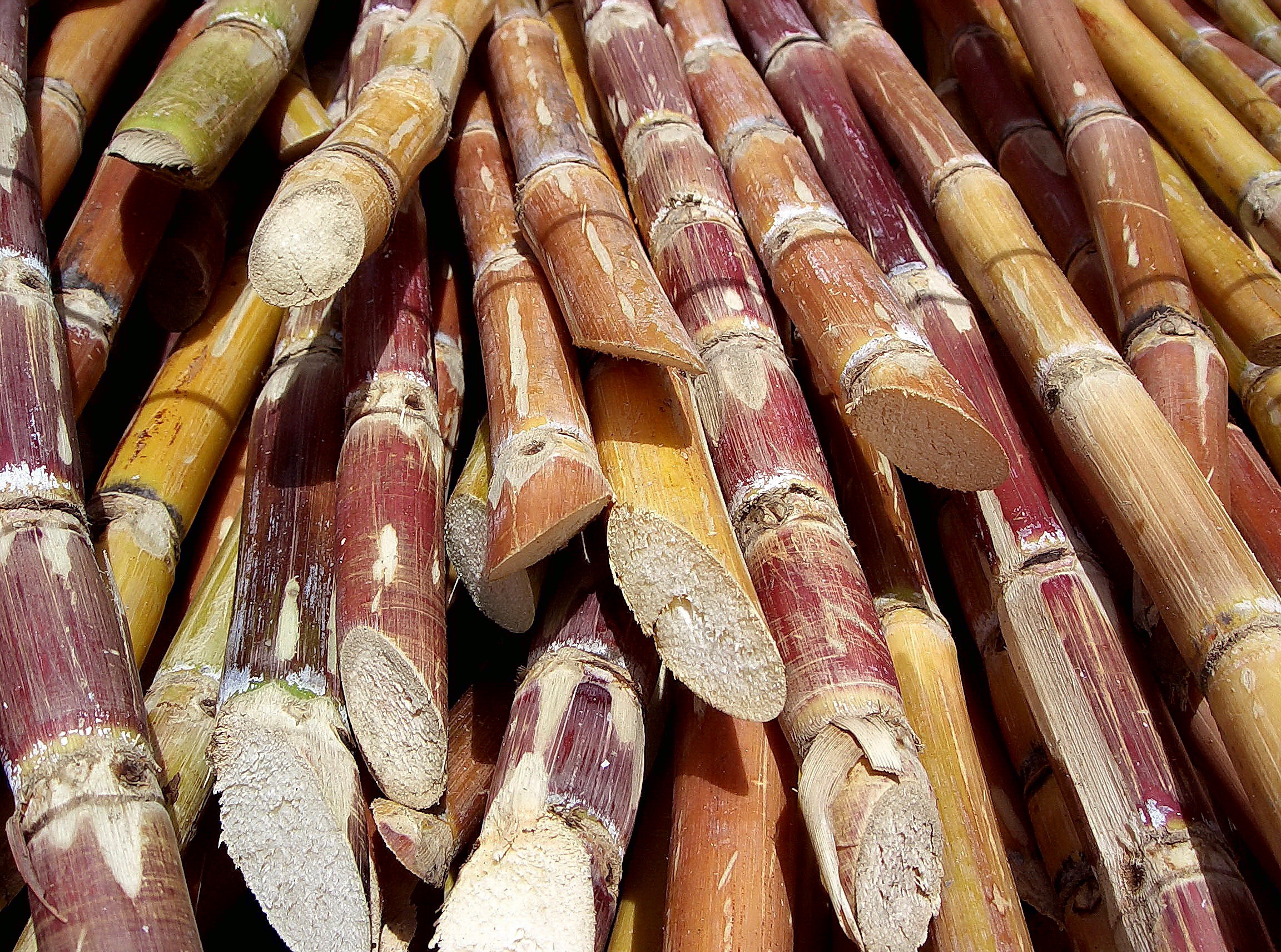
    The anti-inflammatory and anti-arthritic potential of sugarcane node extract: what an experimental study reveals

    Researchers evaluated the extract of Saccharum officinarum (sugarcane) nodes in experimental models of adjuvant-induced arthritis. The study, conducted by Khamkar et al., demonstrated that the extract possesses significant anti-inflammatory properties, reducing inflammatory markers and improving joint mobility in rats. The results showed a reduction of up to 40% in joint inflammation, suggesting that bioactive compounds present in sugarcane may modulate the inflammatory response. These findings align with Ayurvedic concepts that recognize the importance of herbs in promoting joint health and reducing inflammation. However, the study has limitations, such as the use of a specific animal model and the need for further investigations to confirm efficacy in humans.
  • openalex🗞️ Published on Ayurdrops: Jun 30, 2026📅 Source: Jun 27, 2026

    Tridosha and Endocrine Regulation: An Integrative Perspective

    Researchers explored the relationship between the concepts of Tridosha and endocrine regulation, highlighting how these Ayurvedic principles can integrate with modern biology. The study, conducted by Kavyashree R N, Jayaprakash A N, and Divyasri R N, reviews evidence suggesting that the doshas — Vata, Pitta, and Kapha — not only reflect physiological states but also influence hormonal function and body homeostasis. The review points out that understanding the doshas can offer valuable insights into hormonal balance, suggesting that imbalances in the doshas may be associated with endocrine dysfunctions. Although the study presents a new perspective on the interconnection between Ayurveda and endocrinology, limitations such as the scarcity of direct clinical studies and the need for further investigation are mentioned.

  • openalex🗞️ Published on Ayurdrops: Jun 30, 2026📅 Source: Jun 27, 2026

    Health in Focus: Integrative Practices for ICU Professionals

    Researchers have identified that the implementation of integrative and complementary practices (ICPs) can improve the health and well-being of professionals working in Intensive Care Units (ICUs). The study, conducted by Virgínia Maria Holanda de Moura and collaborators, highlights the importance of strategies such as yoga, meditation, and breathing techniques to reduce stress and anxiety, which are common in this high-pressure environment. The data suggest that these practices not only promote mental health but can also positively impact the quality of patient care. Although the results are promising, it is important to consider that the study was conducted in a specific context and may not be generalizable to all ICUs. The research reinforces the need to integrate holistic approaches into the care of health professionals, promoting a healthier and more sustainable work environment.

  • openalex🗞️ Published on Ayurdrops: Jun 30, 2026📅 Source: Jun 28, 2026

    Timir and Myopia: A Modern Correlation and Prevention in Ayurvedic Ophthalmology

    Researchers explored the relationship between timir, an Ayurvedic condition associated with blurred vision, and myopia, a common visual condition. The study, conducted by Arvind Gautam and Aarti Chaurasiya, suggests that preventive practices in Ayurveda may be effective in mitigating myopia. The Ayurvedic approach emphasizes the importance of Agni (digestion) and the balance of doshas, which can influence eye health. The article also discusses the relevance of interventions such as eye exercises and proper diet, which may help prevent the worsening of myopia. Although the study presents valuable insights, it is important to note that the research is still preliminary and requires further investigation to establish definitive clinical protocols.

  • openalex🗞️ Published on Ayurdrops: Jun 29, 2026📅 Source: Jun 27, 2026

    Butea monosperma: Phytochemical and Pharmacological Potential in a Comparative Review

    Researchers analyzed the phytochemical and pharmacological potential of Butea monosperma, a plant traditionally used in Ayurvedic medicine. The review highlights bioactive compounds present in the plant, such as flavonoids and saponins, which demonstrate antioxidant, anti-inflammatory, and antimicrobial properties. The authors, Puyed Shivkanta and collaborators, emphasize the importance of Butea monosperma in treating various health conditions, including respiratory disorders and inflammatory diseases. Furthermore, the research points to the need for more clinical studies to validate these effects and better understand the mechanisms of action involved. Despite the promising therapeutic properties, the review also mentions limitations, such as the scarcity of robust clinical trials and variability in the plant's phytochemical composition, which may affect its efficacy.

  • Ghee
    openalex🗞️ Published on Ayurdrops: Jun 29, 2026📅 Source: Jun 27, 2026

    Siddha Ghrita and Intestinal Health: What the Relationship with Grahani Roga and Irritable Bowel Syndrome Reveals

    Researchers highlight the importance of Siddha Ghrita in intestinal health, especially in cases of Grahani Roga and Irritable Bowel Syndrome (IBS). This study, conducted by Aakanksha Vinod Dubey and colleagues, explores how Siddha Ghrita, a ghee-based preparation, can help balance Agni (digestion) and promote the health of the digestive system. The authors report that the use of Siddha Ghrita may reduce symptoms such as abdominal pain, bloating, and stool irregularities, common in IBS patients. The research suggests that the anti-inflammatory action and lubricating capacity of Siddha Ghrita may be beneficial in restoring intestinal function. However, it is important to note that the study has limitations, such as the lack of a control group and a reduced number of participants, which may affect the generalizability of the results.

  • openalex🗞️ Published on Ayurdrops: Jun 29, 2026📅 Source: Jun 27, 2026

    The Mind-Gene Connection According to the Trigunas: A Systematic Analysis

    Researchers analyzed interactions between the mind and genes, exploring the relationship with the Trigunas — Sattva, Rajas, and Tamas. The in-silico analysis revealed how these three aspects of the mind influence gene expression and, consequently, mental and physical health. The study, led by Sanvi Badge, highlights that Sattva, associated with clarity and balance, may promote the expression of beneficial genes, while Rajas and Tamas are linked to patterns of stress and genetic dysregulation. This connection between Ayurveda and genetics opens new perspectives for understanding how mental factors can impact physical health. Despite being promising, the results should be interpreted with caution, considering the complexity of mind-body interactions and the need for further clinical studies to validate these findings.

  • openalex🗞️ Published on Ayurdrops: Jun 29, 2026📅 Source: Jun 27, 2026

    Palash and Skin Aging: The Ayurvedic Perspective with Contemporary Scientific Validation

    Researchers have demonstrated that the use of Palash Pushpa Churna Lepa (Butea monosperma) may have significant effects in reducing the signs of skin aging. This study, led by Dr. Madhavi Jagat and collaborators, explores how this traditional herb is applied in Ayurveda to promote skin health, in addition to presenting scientific evidence supporting its antioxidant and anti-inflammatory properties. The authors highlight that topical application of Palash flower powder can improve skin elasticity and reduce the appearance of wrinkles, possibly due to its ability to neutralize free radicals and modulate the inflammatory response. Although the results are promising, the study also emphasizes the need for further research to confirm these findings in larger populations and with different skin types.

  • Saussúrea / Kushtha
    openalex🗞️ Published on Ayurdrops: Jun 29, 2026📅 Source: Jul 01, 2026

    Kustha and Melasma: A Critical Review on the Skin

    Researchers reviewed the condition of Kustha, with a special focus on melasma, a common pigmentary disorder. The study, conducted by Vd. Kavita Khond and colleagues, highlights the importance of understanding the factors contributing to the development of melasma, which can be influenced by imbalances of the doshas, especially Pitta. The review also explores Ayurvedic approaches to treating melasma, emphasizing the need to personalize therapies based on individual constitution and the state of Agni (digestion). The authors discuss the relationship between skin health and digestion, suggesting that Agni viṣama (irregular digestion) may exacerbate skin conditions such as melasma. Furthermore, the review points to the scarcity of clinical studies validating Ayurvedic practices, which limits the application of evidence-based treatments. The research concludes that further investigations are necessary to integrate traditional practices with modern medicine.

  • openalex🗞️ Published on Ayurdrops: Jun 29, 2026📅 Source: Jul 01, 2026

    The Ayurvedic View of Ratrijagaran and Its Relation to Lifestyle Disorders

    Researchers highlight that ratrijagaran, or the practice of staying awake at night, can be a significant factor in the development of lifestyle disorders. Dr. Anjali Rai and Dr. Ashutosh Singh explore how this practice affects the balance of the doshas and overall health. The study suggests that lack of adequate sleep can lead to increased stress and dysregulation of Agni, the digestive fire, resulting in issues such as obesity, diabetes, and cardiovascular diseases. Furthermore, the research links sleep deprivation with activation of the HPA axis, which can elevate cortisol levels, negatively impacting mental and physical health. The authors emphasize the importance of respecting the body's natural rhythms, such as the circadian cycle, to promote a healthy lifestyle and prevent diseases. Although the study provides valuable insights, it is important to consider that the research may have limitations, such as the lack of a control group and the need for more clinical data to validate the conclusions.

  • openalex🗞️ Published on Ayurdrops: Jun 29, 2026📅 Source: Jul 01, 2026

    Leptin resistance in obesity: an Ayurvedic perspective on Sthoulya Nidāna

    Researchers highlight leptin resistance as a central factor in obesity, especially in relation to Sthoulya Nidāna, which refers to the causes and conditions that lead to weight gain. Leptin, a hormone produced by fat cells, plays a crucial role in regulating appetite and metabolism. When the body becomes resistant to leptin, this signaling is impaired, resulting in increased appetite and difficulty losing weight. The study suggests that the Ayurvedic approach may offer valuable insights for managing obesity, emphasizing the importance of balancing the doshas and restoring Agni (digestive fire). The connection between leptin resistance and Ayurvedic principles may open new possibilities for more effective interventions. However, limitations such as the lack of direct clinical studies and the need for more research on the practical application of Ayurveda in this context are mentioned.

  • Mel
    openalex🗞️ Published on Ayurdrops: Jun 29, 2026📅 Source: Jul 01, 2026

    Leptin resistance in obesity: an Ayurvedic perspective on Sthoulya Nidāna

    Researchers have identified that leptin resistance, a hormone crucial for appetite and metabolism regulation, is strongly associated with obesity. In the context of Ayurveda, this condition is analyzed through the concept of Sthoulya Nidāna, which refers to the causes and factors leading to weight gain. The study highlights that leptin resistance can be influenced by imbalances in the doshas, especially Kapha, which is related to fat accumulation and slow metabolism. Furthermore, the research suggests that Ayurvedic interventions, such as dietary changes and lifestyle practices, may help restore leptin sensitivity, promoting better weight control. The authors, Dr. Madhu S., Dr. Adarsh Kallimath, and Dr. Venu S., emphasize the importance of a holistic approach that considers both physical and mental aspects in obesity management.

  • openalex🗞️ Published on Ayurdrops: Jun 29, 2026📅 Source: Jul 01, 2026

    Ajeerna and its impact on the liver: what do biomarkers reveal?

    Researchers observed that the condition of ajeerna, characterized by inadequate digestion, can lead to significant liver damage, reflected in liver function biomarkers (LFT). The study conducted by Prof. Dr. Chitta Ranjan Das and Dr. Natasha Singh investigates the relationship between poor digestion and liver health, suggesting that poor digestion may result in alterations in liver enzyme levels, indicating hepatic stress. The authors highlight that understanding the mechanisms behind ajeerna is crucial to prevent hepatic complications. Although the study presents relevant data, it is important to consider its limitations, such as the need for further clinical investigations to validate the findings and better understand the relationship between digestion and liver health. The connection between Ayurvedic concepts of ajeerna and modern findings on liver function may offer new perspectives for the treatment and prevention of liver diseases.

  • openalex🗞️ Published on Ayurdrops: Jun 29, 2026📅 Source: Jul 01, 2026

    Panchakarma and Śamana in the treatment of Ekakuṣṭha: a case report

    Researchers presented a clinical case in which Panchakarma and Śamana Chikitsa techniques were applied for the treatment of Ekakuṣṭha, a dermatological condition that manifests as skin lesions. The treatment included detoxification procedures and balancing of the doshas, aiming at restoring skin health. The patient, after the intervention, showed significant improvement in the lesions, evidencing the efficacy of these Ayurvedic approaches. The combination of manual and phytotherapeutic therapies, such as the use of medicinal oils, was fundamental to the success of the treatment. This report highlights the importance of an integrated and personalized approach in the management of dermatological conditions, aligning traditional practices with observable results.

  • openalex🗞️ Published on Ayurdrops: Jun 29, 2026📅 Source: Jul 01, 2026

    Panchakarma and Improvement of Renal Function in Chronic Disease: A Case Report

    Researchers reported a significant improvement in renal function in a patient with chronic kidney disease after Panchakarma intervention. The treatment included a series of Ayurvedic therapies aimed at detoxifying and restoring the body's balance. The patient showed a reduction in creatinine levels and improvement in renal function parameters after the Panchakarma protocol. This case highlights the potential efficacy of Ayurvedic interventions in chronic conditions, offering a viable alternative for renal health management. Although the results are promising, it is important to consider that this is a case report, which limits the generalizability of the findings. Further studies with larger samples and rigorous control are needed to validate these results.

  • Saussúrea / Kushtha
    openalex🗞️ Published on Ayurdrops: Jun 29, 2026📅 Source: Jul 01, 2026

    Kustha and Melasma: A Critical Review on the Skin

    Researchers analyzed the characteristics of Kustha, a skin condition that includes melasma, highlighting its causes and treatments in the context of Ayurveda. The study, led by Vd. Kavita Khond and collaborators, reviews existing literature and discusses the relationship between factors such as dosha imbalances and the manifestation of melasma. Melasma, often associated with hormonal changes and sun exposure, is approached from an Ayurvedic perspective, where identifying the predominant dosha is crucial for effective treatment. The review suggests that treatment should include both topical interventions and adjustments in diet and lifestyle, aiming to restore dosha balance. The authors also emphasize the importance of considering emotional and environmental factors that may aggravate the condition. Although the research provides valuable insights, limitations such as the lack of controlled clinical studies are mentioned, indicating the need for further investigation to validate the proposed approaches.

  • Śuddha Gandhaka / Enxofre Purificado
    openalex🗞️ Published on Ayurdrops: Jun 29, 2026📅 Source: Jul 01, 2026

    Transformation of Naga Bhasma: The Role of Gandhaka and Lemon Juice

    Researchers investigated the pharmaceutical transformation of Naga Bhasma, an important mineral preparation in Ayurvedic medicine, using Shoditha Gandhaka (purified sulfur) and Nimbu Swarasa (lemon juice). The study highlights that the combination of these two ingredients not only improves the bioavailability of Naga Bhasma but also enhances its therapeutic properties. The research indicates that Nimbu Swarasa acts as a reducing agent, facilitating the conversion of Naga Bhasma into a more effective form for clinical use. The authors, Vaishnavi Srivatsa A. N., Sorubini Loganathan, and Vikram S., emphasize the importance of proper purification and transformation processes to ensure the safety and efficacy of mineral preparations. However, the study has limitations, such as the need for further clinical investigations to validate the results obtained in vitro.

  • Arjuna
    openalex🗞️ Published on Ayurdrops: Jun 29, 2026📅 Source: Jul 01, 2026

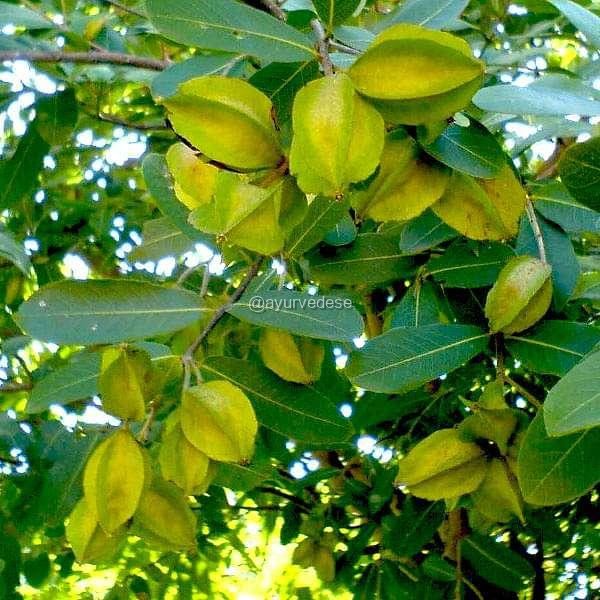
    Arjuna and Subconjunctival Hemorrhage: What the Review Teaches Us

    Researchers reviewed the literature on subconjunctival hemorrhage, a bleeding that occurs in the white part of the eyes, and highlighted the potential of the plant Arjuna (Terminalia arjuna) in managing this condition. The review, conducted by Dr. Swati Sarwade and Dr. Ritesh Madhukar Wakade, explores how the bioactive compounds present in Arjuna may help strengthen blood vessels and reduce ocular inflammation. Although subconjunctival hemorrhage is usually not serious, it can be a sign of underlying issues such as hypertension or coagulation disorders. Arjuna, traditionally used in Ayurveda, is known for its cardioprotective and anti-inflammatory properties, suggesting it may also be beneficial for eye health. However, the review emphasizes the need for more clinical studies to validate these effects and better understand the mechanisms involved.

  • openalex🗞️ Published on Ayurdrops: Jun 29, 2026📅 Source: Jul 01, 2026

    Panchakarma and Improvement of Renal Function in Chronic Disease: A Case Report

    Researchers reported a case of significant improvement in renal function in a patient with chronic kidney disease after Panchakarma intervention. The treatment included a series of Ayurvedic therapies aimed at detoxifying the body and restoring the balance of the doshas. The patient showed a reduction in creatinine levels and an improvement in the glomerular filtration rate (GFR), indicating functional recovery of the kidneys. The intervention was performed under the supervision of qualified professionals, highlighting the importance of proper follow-up during treatment. Although the results are promising, it is important to consider that this is a case report, which limits the generalizability of the findings. Further studies are needed to understand the mechanisms involved and the efficacy of Panchakarma in a broader population.

  • openalex🗞️ Published on Ayurdrops: Jun 29, 2026📅 Source: Jul 01, 2026

    Panchakarma and Śamana Chikitsa in the treatment of Ekakuṣṭha: a case report

    Researchers presented a clinical case in which the combination of Panchakarma and Śamana Chikitsa was used to treat Ekakuṣṭha, a dermatological condition that manifests as skin patches. The treatment included detoxification procedures and supportive therapies, aiming to restore the balance of the doshas. After treatment, the patient showed significant improvement in skin condition, with a reduction in patches and improved quality of life. This report highlights the importance of integrative approaches in Ayurveda, where the combination of therapies can enhance outcomes. Although the study is limited to a single case, the results suggest that the application of Panchakarma and Śamana may be beneficial for dermatological conditions such as Ekakuṣṭha.