Public feed

Ayurvedic editorial curation

Science articles classified by dosha, srota and dhatu. Filter to find what matters to you today.

  • openalex🗞️ Published on Ayurdrops: Jul 03, 2026📅 Source: Jul 01, 2026

    Bhagandara (Anal Fistula) in Ayurveda: What the Literature Teaches Us

    Researchers reviewed the literature on Bhagandara, known as anal fistula, and highlighted the importance of Ayurveda in its treatment. Anal fistula is a challenging condition that can cause significant pain and discomfort. In the Ayurvedic context, the condition is often associated with an imbalance in the doshas, especially regarding Agni (digestion) and the flow of dhatus (body tissues). The study emphasizes the need for a holistic approach, which includes not only surgical interventions but also the use of herbs and complementary therapies to promote healing. The reviewed literature suggests that treatments such as the use of medicated ghee and anti-inflammatory herbs may be beneficial. However, the review also points out limitations, such as the scarcity of rigorous clinical studies and the need for more research to validate Ayurvedic practices in managing Bhagandara.
  • openalex🗞️ Published on Ayurdrops: Jul 03, 2026📅 Source: Jul 01, 2026

    Shukra and its relationship with reproductive health: what Ayurveda teaches us about Klaibya

    Researchers explored the connection between Shukra Dhatu, which represents the reproductive tissue, and Shukra Dushti, which refers to disorders in this tissue, focusing on the condition known as Klaibya, which involves infertility. Dr. Anoop M. highlights that the health of Shukra Dhatu is fundamental for fertility and that imbalances can lead to reproductive problems. The study suggests that factors such as stress, inadequate diet, and dosha imbalance can affect the quality of Shukra. Furthermore, the research points out that Ayurvedic interventions, such as the use of specific herbs and lifestyle practices, can help restore balance and improve reproductive health. The relationship between Ayurvedic concepts and modern understanding of fertility is discussed, showing that Ayurveda offers a holistic approach to the treatment of Klaibya.

  • openalex🗞️ Published on Ayurdrops: Jul 03, 2026📅 Source: Jul 01, 2026

    Hypertension and Prakruti Dwandhaj: an observational study

    Researchers observed the relationship between hypertension and Dwandhaj prakruti in a study involving 100 participants. Dwandhaj prakruti is characterized by the combination of Pitta and Kapha doshas, and the study revealed that 65% of individuals with this constitution had hypertension. The authors, Dr. Hitixa Patel, Dr. Narendra Yadnik, and Dr. Hardik Patel, highlight that factors such as lifestyle and diet can influence blood pressure in these individuals. The research suggests that understanding prakruti may be fundamental for managing hypertension, aligning with the Ayurvedic perspective of personalized treatment. Study limitations include the sample size and the lack of a control group, which may affect the generalizability of the results.

  • openalex🗞️ Published on Ayurdrops: Jul 03, 2026📅 Source: Jul 01, 2026

    Hypertension and Prakruti Dwandhaj: What an Observational Study Reveals

    Researchers observed that individuals with prakruti Dwandhaj, characterized by a combination of doshas, showed a significant prevalence of hypertension. The study, conducted by Dr. Hitixa Patel and colleagues, analyzed patient data and identified that factors such as lifestyle and genetic predisposition influence blood pressure. Hypertension, a chronic condition that can lead to serious complications, was associated with imbalances in the doshas, especially among those with a predominance of Pitta and Kapha. The authors suggest that Ayurvedic interventions, such as dietary adjustments and meditation practices, may be beneficial for controlling blood pressure. However, the study has limitations, such as the small sample size and the lack of a control group, which may affect the generalizability of the results.

  • openalex🗞️ Published on Ayurdrops: Jul 03, 2026📅 Source: Jul 01, 2026

    Uttarabasti as a Promising Therapy in Female Infertility: An Ayurvedic Perspective

    Researchers highlight Uttarabasti as an innovative approach to treating female infertility, emphasizing its relevance in the Ayurvedic context. This therapy involves the administration of medicinal oils into the uterine cavity, aiming to balance the doshas and promote reproductive health. The study, conducted by Dr. Manisha Sagore and colleagues, suggests that Uttarabasti may improve blood circulation and nutrition of reproductive tissues, essential factors for fertility. Additionally, the practice may help regulate the menstrual cycle and ovulation, aspects often compromised in women with difficulty conceiving. Although the results are promising, it is important to consider that the research is still in early stages and more clinical studies are needed to validate these findings and better understand the mechanisms involved.

  • openalex🗞️ Published on Ayurdrops: Jul 03, 2026📅 Source: Jul 01, 2026

    The Role of the Fenton Reaction in the Pathogenesis of Vata Vyadhi: A Conceptual Study

    Researchers explored the relationship between the Fenton reaction and the pathogenesis of Vata Vyadhi, a condition affecting the Vata dosha. The Fenton reaction, which involves the production of free radicals from iron, may contribute to oxidative stress, a factor that aggravates conditions associated with Vata. The study suggests that increased oxidative stress can lead to imbalances in Vata, resulting in symptoms such as pain, stiffness, and neurological problems. The connection between modern pathophysiology and Ayurvedic concepts is evident, as Ayurveda recognizes the importance of dosha balance for health. Although the study provides valuable insights, limitations such as the lack of direct clinical data and the need for further research are mentioned.

  • openalex🗞️ Published on Ayurdrops: Jul 03, 2026📅 Source: Jul 01, 2026

    Ayurvedic approach to obesity: a case study

    Researchers presented a case study exploring the Ayurvedic approach to treating obesity, known as sthoulya. The treatment included a combination of therapies, such as personalized diet, use of herbal medicines, and lifestyle practices. The patient, who had a high body mass index (BMI), underwent a regimen aimed at balancing the doshas and improving Agni, or digestive fire. After the intervention, a significant reduction in body weight and abdominal circumference was observed, along with improvements in energy levels and overall well-being. This study highlights the importance of a holistic and individualized approach to obesity treatment, aligning traditional practices with contemporary evidence.

  • openalex🗞️ Published on Ayurdrops: Jul 03, 2026📅 Source: Jul 01, 2026

    Gavakshi Churna and the Treatment of Mutrashmari: A Case Study

    Researchers presented a case study exploring the efficacy of Gavakshi Churna in the treatment of Mutrashmari, a condition referring to the formation of urinary calculi. The treatment was performed on a patient presenting classic symptoms of the disease, such as pain and difficulty urinating. After administration of Gavakshi Churna, a significant reduction in symptoms was observed, with the patient reporting pain relief and improved urinary frequency. The study highlights the importance of Ayurvedic interventions in urological conditions, suggesting that Gavakshi Churna may act in dissolving calculi and promoting the health of the urinary system. However, the research is limited to a single case, which requires caution in generalizing the results. Further studies with larger samples are necessary to validate these observations.

  • openalex🗞️ Published on Ayurdrops: Jul 03, 2026📅 Source: Jul 01, 2026

    Katphaladi Kwatha and Bronchial Asthma: A Conceptual Study

    Researchers explored the role of Katphaladi Kwatha in the treatment of bronchial asthma, known as Tamaka Śvāsa. This conceptual study analyzes how the combination of herbs in the formula may help alleviate respiratory symptoms. Katphaladi Kwatha is traditionally used to strengthen the respiratory system and improve lung function. The authors, including Dr. Pooja Bhatt and Dr. O. P. Singh, discuss the components of the formula and their properties, such as the ability to reduce inflammation and facilitate breathing. Although the study does not present direct clinical data, it suggests that the use of Katphaladi Kwatha may be beneficial for patients with Tamaka Śvāsa, aligning with Ayurvedic concepts of balancing the doshas and strengthening Agni (digestion). The research highlights the importance of further clinical investigations to validate these observations and better understand the mechanisms involved.

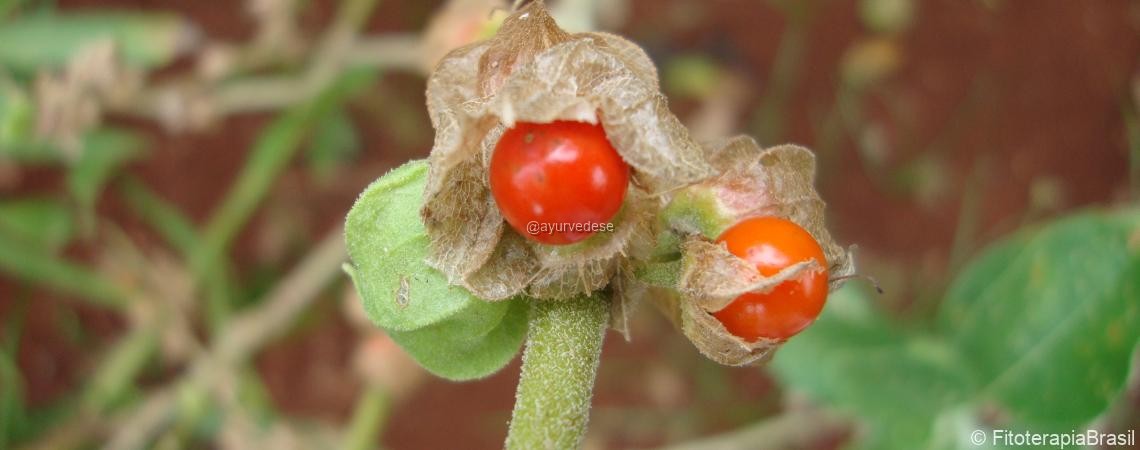
  • Ashwagandha / Ginseng Indiano
    openalex🗞️ Published on Ayurdrops: Jul 03, 2026📅 Source: Jul 01, 2026

    Methods of labor induction in Ayurveda: a literature review

    Researchers reviewed various Ayurvedic approaches to labor induction, highlighting practices ranging from the use of herbs to massage and manipulation techniques. The study, conducted by Dr. Tinku-Ganesh Prabhu Khalache and Meghana Nikum, explores how Ayurvedic medicine can offer safe and natural alternatives for women in labor. Among the methods discussed are the use of herbs such as Aśvagandhā and Gokṣura, which are known for their properties that may facilitate the birthing process. Additionally, the review emphasizes the importance of considering the individual constitution of the woman (prakṛti) and the state of Agni (digestion) for effective and safe induction. The authors also mention the need for more clinical studies to validate these practices, as most evidence is based on classical texts and anecdotal reports.

  • Ashwagandha / Ginseng Indiano
    openalex🗞️ Published on Ayurdrops: Jul 03, 2026📅 Source: Jul 01, 2026

    Gavakshi Churna and the Treatment of Mutrashmari: A Case Study

    Researchers reported the efficacy of Gavakshi Churna in treating Mutrashmari, a condition related to kidney stone formation. The case study involved a patient presenting with symptoms such as severe pain and difficulty urinating. After administration of Gavakshi Churna, a significant reduction in pain and improvement in urinary frequency were observed. The treatment lasted 30 days, and the patient reported relief from symptoms, with laboratory tests confirming a decrease in stone size. Gavakshi Churna, composed of herbs such as Aśvagandha and others, acts by promoting diuresis and dissolution of calculi, aligning with Ayurvedic principles of balancing the doshas and strengthening Agni. This case highlights the importance of integrative approaches in managing urological conditions.

  • openalex🗞️ Published on Ayurdrops: Jul 03, 2026📅 Source: Jul 01, 2026

    The Importance of Manas Prakriti in the Manifestation of Diseases: A Critical Analysis

    Researchers analyzed the relationship between Manas Prakriti and the manifestation of diseases, highlighting how mental constitution can influence physical health. Manas Prakriti, which refers to an individual's mental nature, is a central concept in Ayurveda that can impact predisposition to various health conditions. The study suggests that understanding Manas Prakriti can help therapists personalize interventions and treatments, considering not only physical aspects but also the mental and emotional aspects of the patient. The critical analysis conducted by Babita Sharma and Harshita Gaur proposes that the assessment of Manas Prakriti should be integrated into clinical practices for more holistic health management. Although the study brings valuable insights, it is important to consider that the research is still emerging and more data are needed to robustly validate these associations.

  • Neem / Nim Indiano
    openalex🗞️ Published on Ayurdrops: Jul 03, 2026📅 Source: Jul 01, 2026

    Nimbadi Arka Kavala and the treatment of tonsillitis: a case report

    Researchers presented a clinical case in which Nimbadi Arka Kavala was used to treat Tundikeri, a condition related to tonsillitis. Treatment with this Ayurvedic formulation demonstrated significant relief of symptoms, including pain and inflammation. The combination of herbs in Nimbadi Arka, which includes ingredients such as Nimba (Azadirachta indica), is known for its anti-inflammatory and antimicrobial properties. The report highlights the importance of integrative approaches in managing acute conditions such as tonsillitis and suggests that Ayurvedic medicine may offer effective alternatives for treatment. Although the case showed positive results, it is important to note that this is a single case report, which limits the generalizability of the findings. Further studies are needed to validate the efficacy and safety of this approach in a broader population.

  • Triphalā / Três Frutos
    openalex🗞️ Published on Ayurdrops: Jul 03, 2026📅 Source: Jul 01, 2026

    Triphala and the Treatment of Obesity: What a Clinical Case Reveals

    Researchers presented a case study exploring the efficacy of Triphaladi Kala Basti in managing Sthaulya, or obesity. The treatment was performed on a patient who was overweight, using the basti technique — a form of therapeutic enema in Ayurveda. The protocol included the administration of Triphaladi, a combination of herbs aimed at balancing the doshas and promoting the elimination of toxins. After the treatment, a significant reduction in the patient's weight was observed, along with improvements in health parameters associated with obesity, such as energy levels and overall well-being. This case highlights the relevance of Ayurvedic practices in addressing obesity, suggesting that personalized interventions can be effective. However, it is important to consider that this is a case study, which limits the generalizability of the results.

  • Brahmi / Bacopa
    openalex🗞️ Published on Ayurdrops: Jul 03, 2026📅 Source: Jul 01, 2026

    Medhya Rasayana and Child Development: How to Help Children with Delayed Milestones

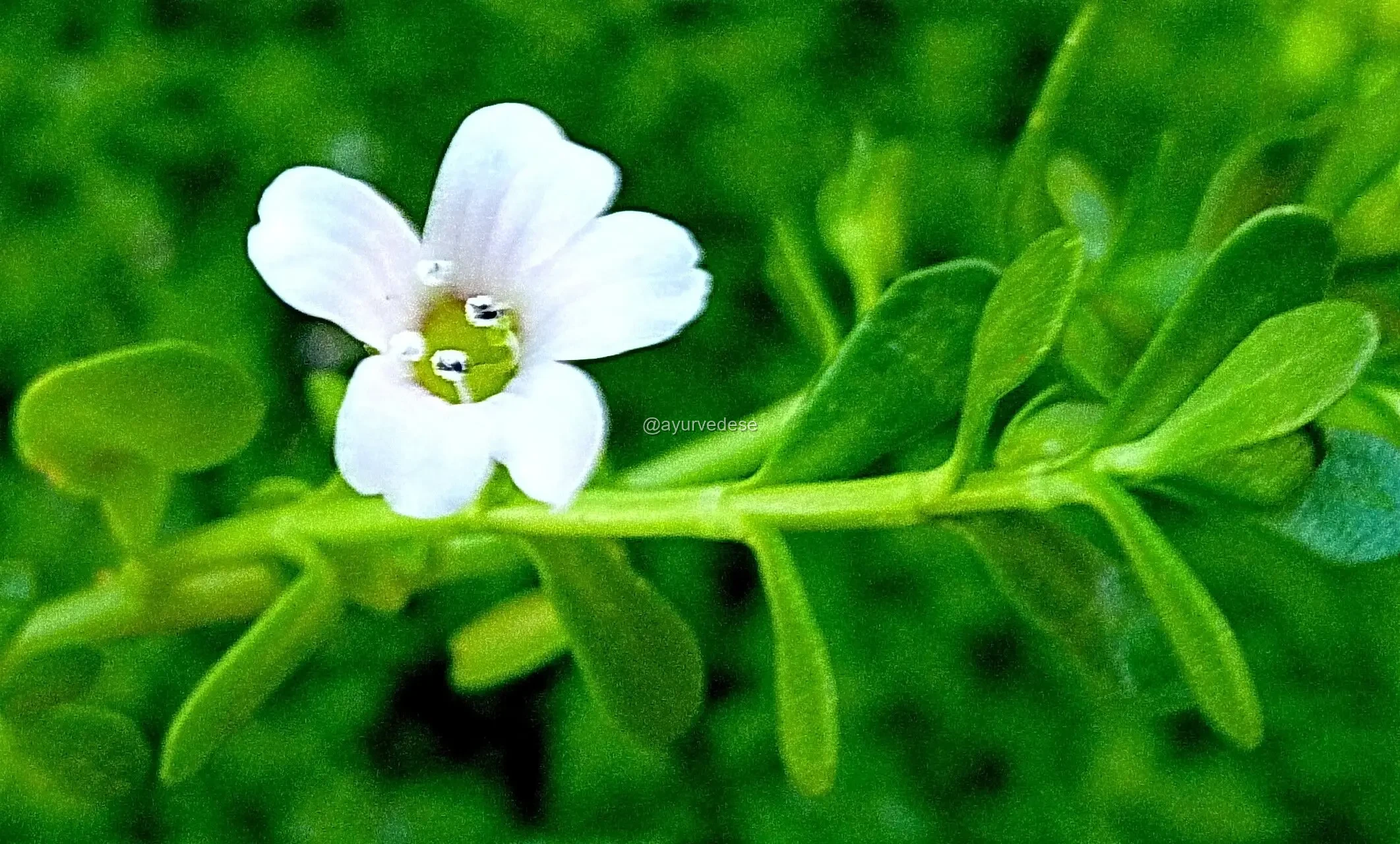
    Researchers reviewed the role of Medhya Rasayana, a category of herbs in Ayurveda, in the development of children with delayed milestones. The study, led by Dr. Prachi S. Awatade and colleagues, highlights that the use of Medhya Rasayana can improve cognitive function and memory, essential aspects for child development. The review analyzes different herbs and their properties, such as Brahmi (Bacopa monnieri) and Vacha (Acorus calamus), which are known for their neuroprotective qualities. The authors also discuss the importance of a balanced Agni, which is fundamental for the absorption and assimilation of nutrients necessary for healthy growth. Although the results are promising, the study emphasizes the need for more clinical research to validate these findings and better understand the mechanisms involved. The connection between Ayurvedic concepts and modern evidence suggests that early interventions can be beneficial for children with developmental difficulties.

  • Guggul / Indian Bedellium
    openalex🗞️ Published on Ayurdrops: Jul 03, 2026📅 Source: Jul 01, 2026

    Sciatica: An Ayurvedic Perspective on Classical Understanding and Therapeutic Approaches

    Researchers reviewed the condition known as Gridhrasi, or sciatica, from the perspective of Ayurveda, highlighting its causes, symptoms, and treatments. Sciatica is often associated with radiating pain along the sciatic nerve, and in Ayurveda, it is related to an imbalance in the doshas, especially Vata. The review explores how a combination of Ayurvedic therapies, such as Panchakarma and herbal medicine, can offer relief. The authors, Abhishek Singh and colleagues, emphasize the importance of a precise and individualized diagnosis, considering factors such as Agni (digestion) and the health of the dhatus (tissues). The research also mentions the efficacy of herbs like Ashwagandha and Guggulu, which may help reduce inflammation and improve mobility. However, limitations such as the lack of robust clinical studies are acknowledged, suggesting that more evidence is needed to fully validate these approaches.

  • Sal-Gema / Saindhava Lavaṇa
    openalex🗞️ Published on Ayurdrops: Jul 03, 2026📅 Source: Jul 01, 2026

    Saindhava Lavana: An Ayurvedic Perspective on Himalayan Salt

    Researchers highlight Saindhava Lavana, known as Himalayan salt, as a substance with significant therapeutic properties in Ayurveda. This salt is valued for its qualities of purification and balancing the doshas, especially with regard to increasing Agni, or digestive fire. The study reviews its applications in various health conditions, including digestive disorders and metabolic imbalances. Furthermore, Saindhava Lavana is considered beneficial for the skin and may aid in detoxifying the body. The research also mentions the importance of its mineral origin and how this contributes to its medicinal properties. However, it is important to note that most available evidence is traditional in nature and lacks validation in rigorous clinical studies, which limits the generalizability of its effects. The relationship between the use of Saindhava Lavana and Ayurvedic principles of balance and harmony is a central point of the discussion.

  • Ashwagandha / Ginseng Indiano
    openalex🗞️ Published on Ayurdrops: Jul 03, 2026📅 Source: Jul 01, 2026

    Psoriasis on Palms and Soles: How Ayurveda Can Help — A Case Report

    Researchers presented a case of palmoplantar psoriasis (Vipadika) treated with an evidence-based Ayurvedic approach. The treatment included the use of specific herbs, such as Aśvagandha (Withania somnifera) and Turmeric (Curcuma longa), along with detoxification practices and dietary adjustments. The patient, who presented with inflammatory lesions and scaling on the palms of the hands and soles of the feet, showed significant improvement after 12 weeks of treatment, with reduced inflammation and symptom relief. The connection between Ayurvedic principles and the pathophysiology of psoriasis is explored, highlighting the importance of balancing the doshas and modulating Agni (digestion). This case report suggests that integrative approaches may be effective in managing chronic dermatological conditions, although further studies are needed to validate these findings.

  • openalex🗞️ Published on Ayurdrops: Jul 03, 2026📅 Source: Jul 30, 2026

    Acute anterior uveitis and Ayurveda: what a clinical case reveals

    Researchers reported a case of acute anterior uveitis, known as Pittaja Adhimantha, treated with Ayurvedic approaches. The patient presented symptoms such as eye pain, photophobia, and blurred vision. Initial assessment indicated an imbalance in the Pitta dosha, and treatment included the administration of anti-inflammatory herbs and the practice of purification therapies. After 30 days of treatment, there was significant improvement in symptoms, with reduced pain and normalization of vision. This case highlights the importance of considering Ayurvedic medicine as a viable option for ocular conditions, especially when conventional treatments are insufficient. However, it is important to note that the study is based on a single case, which limits the generalizability of the results.

  • openalex🗞️ Published on Ayurdrops: Jul 03, 2026📅 Source: Jul 30, 2026

    Acute anterior uveitis and Ayurveda: what a clinical case reveals

    Researchers presented a clinical case of acute anterior uveitis, also known as Pitta ja Adhimantha, which was treated with an Ayurvedic approach. The patient, who presented symptoms such as intense ocular pain, photophobia, and blurred vision, underwent a combination of therapies, including the use of specific herbs and purification practices. The treatment resulted in significant improvement of symptoms in a short period. The study highlights the importance of understanding the Pitta nature of the condition, which relates to increased heat and inflammation in the body. The Ayurvedic approach focused on reducing Pitta and restoring balance of the doshas, using herbs such as medicated ghee and other formulations. Although the case shows positive results, it is important to consider that this is a single case report, which limits the generalization of the findings.