Public feed

Ayurvedic editorial curation

Science articles classified by dosha, srota and dhatu. Filter to find what matters to you today.

  • Pippali / Pimenta Longa Indiana
    openalex🗞️ Published on Ayurdrops: Jul 05, 2026📅 Source: Jul 03, 2026

    Kantakari Pippali Yoga and the Management of Kapha Cough: A Case Study

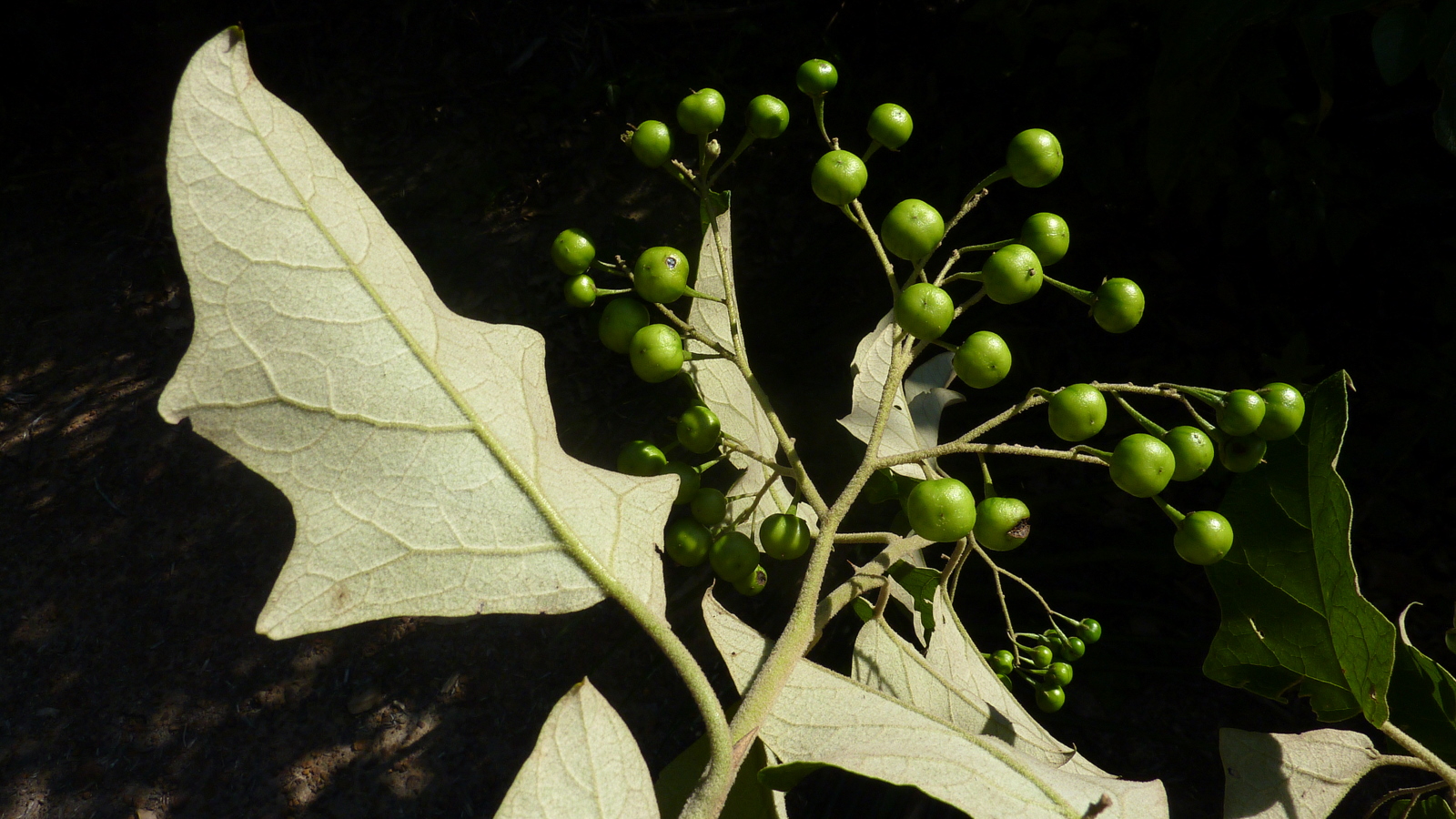
    Researchers demonstrated the efficacy of Kantakari Pippali Yoga in treating kapha cough (Kaphaja Kasa) in a case study. The treatment included a combination of Kantakari (Solanum xanthocarpum) and Pippali (Piper longum), which act synergistically to relieve congestion and improve breathing. The patient showed significant reduction in symptoms, such as cough and respiratory difficulty, after 15 days of treatment. The study highlights the importance of considering the constitution of the doshas, especially kapha, which is associated with excessive mucus production and obstruction of the airways. The Ayurvedic approach, focused on individualization of treatment, proved effective, reinforcing the relevance of Ayurveda in respiratory health.
  • openalex🗞️ Published on Ayurdrops: Jul 05, 2026📅 Source: Jul 03, 2026

    Marichadi Churna and Migraine: What Standardization and Phytoconstituents Reveal

    Researchers analyzed the standardization of Marichadi Churna and its phytoconstituents, correlating them with migraine. The study, conducted by T. Abinaya and colleagues, highlights the importance of standardizing Ayurvedic formulations to ensure efficacy and safety. Phytochemical analysis revealed active compounds that may act in modulating headache, suggesting therapeutic potential for treating migraine. The research emphasizes the need for further clinical studies to validate these findings and better understand the underlying mechanisms. The relationship between the phytoconstituents of Marichadi Churna and migraine symptoms is a promising field, but still requires deeper investigation to establish evidence-based treatment protocols.

  • openalex🗞️ Published on Ayurdrops: Jul 05, 2026📅 Source: Jul 03, 2026

    How Ayurveda Can Help with Primary Infertility: A Case Study

    Researchers presented a case study exploring the effectiveness of Ayurveda in treating primary infertility. Dr. Manish Bartwal and Dr. Shivani Kalouni reported the experience of a patient who faced difficulties conceiving. The treatment included the use of herbs, dietary adjustments, and lifestyle practices, aiming to balance the doshas and improve reproductive health. The patient showed significant improvements in her menstrual cycles and, after treatment, was able to conceive. This case highlights the importance of a holistic and personalized approach in treating infertility, aligning with Ayurvedic principles that emphasize the balance of body and mind. Although the results are promising, it is important to consider that this is a case study, which limits the generalizability of the findings.

  • openalex🗞️ Published on Ayurdrops: Jul 05, 2026📅 Source: Jul 03, 2026

    Hemorrhoids in Ayurveda: An Integrative Review of Concepts and Management

    Researchers reviewed the condition of arsha, or hemorrhoids, from various perspectives, including historical and Ayurvedic concepts. The study, led by Dr. Anita Patel and Dr. Yadav Vijay Ganesh, explores the pathogenesis and classification of hemorrhoids, as well as discussing integrative management approaches. In Ayurveda, arsha is often associated with an imbalance in the doshas, especially Pitta, and is linked to factors such as improper diet and lifestyle. The review highlights the importance of interventions aimed at restoring dosha balance and improving digestion, suggesting that treatment may range from dietary changes to the use of specific herbs. Although the study provides a comprehensive overview, limitations such as the lack of robust clinical data and the need for further research are mentioned.

  • Chyavanaprāśa
    pubmed🗞️ Published on Ayurdrops: Jul 05, 2026📅 Source: Jul 04, 2026

    Chyawanprash and longevity: how an Ayurvedic nutraceutical improves mitochondrial and muscle health

    Researchers have demonstrated that Chyawanprash, a traditional Ayurvedic nutraceutical, can increase longevity and stress resilience in an aging model with C. elegans. The study, conducted by Balkrishna A and colleagues, revealed that Chyawanprash improves mitochondrial and muscle health, crucial factors for longevity. The results showed that administration of Chyawanprash resulted in a significant reduction of oxidative stress and improved muscle function, which may be related to the activation of cellular signaling pathways that promote cell survival. Although the findings are promising, it is important to note that the study was conducted in an animal model, which limits the generalization of results to humans. However, the connection between Ayurvedic principles and modern health mechanisms is evident, suggesting that Chyawanprash may have a valuable role in promoting healthy aging.

  • Jurubeba
    openalex🗞️ Published on Ayurdrops: Jul 04, 2026📅 Source: Jul 01, 2026

    GERD and Ayurveda: What a Clinical Case with Kantakaryadi Kwatha Teaches Us

    Researchers reported a case of Urdhwaga Amlapitta (gastroesophageal reflux) treated with Kantakaryadi Kwatha, an Ayurvedic formulation. The patient, a 45-year-old man, presented with symptoms such as heartburn, regurgitation, and chest pain. After 30 days of treatment, there was a significant reduction in symptoms, with improvement in quality of life. The study highlights the importance of balancing Agni (digestion) and the relationship between the doshas, especially Pitta, in managing reflux. The combination of herbs in Kantakaryadi Kwatha, which includes ingredients such as Kantakari (Solanum xanthocarpum), works to reduce acidity and protect the gastric mucosa. Although the study presents promising results, limitations such as the small number of cases and the lack of a control group should be considered.

  • Pata-de-Vaca
    pubmed🗞️ Published on Ayurdrops: Jul 04, 2026📅 Source: Jul 03, 2026

    Kanchanara Guggulu and the Inhibition of Triple-Negative Breast Cancer: Insights from Metabolomics

    Researchers have identified that Kanchanara Guggulu inhibits the AKT1 protein, an important target in triple-negative breast cancer. The study, conducted by Hemavathi KN and colleagues, used untargeted metabolomics and network pharmacology to reveal how this herb may impact metabolic pathways associated with tumor growth. The inhibition of AKT1, which is related to cell survival and treatment resistance, suggests significant therapeutic potential for Kanchanara Guggulu. Although the results are promising, it is important to note that the study was based on experimental models, which limits the generalization of the findings to clinical practice. The connection between Ayurvedic principles and the observed molecular mechanisms offers a new perspective on the use of herbs in oncology.

  • Kulattha / Feijão-Cavalo
    openalex🗞️ Published on Ayurdrops: Jul 03, 2026📅 Source: Jul 01, 2026

    Kulattha: a functional food according to Ayurveda and ethnobotany

    Researchers reviewed evidence on the use of kulattha (Dolichos biflorus) as a functional food, integrating knowledge from the Brihatrayi and ethnobotany. Kulattha is mentioned in classical Ayurvedic texts as beneficial for health, especially regarding the digestive system and elimination of toxins. The review highlights bioactive compounds present in the plant, which may contribute to metabolic health and disease prevention. Additionally, the anti-inflammatory and antioxidant effects of kulattha were discussed, aligning with Ayurvedic principles of promoting dosha balance. The research also emphasizes the importance of considering traditional wisdom in valuing functional foods, although most studies were conducted in experimental models, which limits the generalization of results to clinical practice. Thus, kulattha presents itself as a promising option for health, but more clinical studies are needed to confirm its properties.

  • openalex🗞️ Published on Ayurdrops: Jul 03, 2026📅 Source: Jul 01, 2026

    Vamana and the treatment of upper Amalpitta: a case study

    Researchers have demonstrated the efficacy of Vamana Karma, an Ayurvedic purification therapy, in treating Urdhvaga Amlapitta, a condition characterized by reflux and indigestion. The case study involved a patient who presented with symptoms such as heartburn and nausea. After the application of Vamana, there was a significant improvement in symptoms, with a reduction in the frequency and intensity of complaints. Vamana works by promoting the elimination of toxins from the body, which can be related to the Ayurvedic concept of Agni, or digestive fire, which is essential for digestive health. The authors, Dr. Samiksha Diliprao Puranik, Prof. Dr. Vandana Anil Avhad, and Prof. Dr. Maya Gokhale, highlight that the traditional Ayurvedic approach, such as Vamana, can offer effective alternatives for contemporary health conditions. However, it is important to note that the study is based on a single case, which limits the generalizability of the results.

  • openalex🗞️ Published on Ayurdrops: Jul 03, 2026📅 Source: Jul 01, 2026

    Kshara Karma in the Treatment of Fibroadenoma: A Case Report

    Researchers presented a successful clinical case in the treatment of Stangranthi, or fibroadenoma, using Kshara Karma, an Ayurvedic technique that involves the application of an alkaline substance. Dr. Neha Verma describes how the patient, after several attempts at conventional treatment, showed significant reduction of the breast nodule after the procedure. Kshara Karma acts by promoting necrosis of the affected tissue, facilitating the elimination of the fibroadenoma. Although the study is promising, it is important to note that it is an isolated case report, which limits the generalization of the results. The technique may offer an interesting alternative for patients seeking less invasive options with fewer side effects compared to conventional treatments.

  • Agno-casto / Vitex
    openalex🗞️ Published on Ayurdrops: Jul 03, 2026📅 Source: Jul 01, 2026

    Nirgundi and relief of acute anal fissure: a case report

    Researchers reported a case of acute anal fissure (parikārthika) treated with Nirgundi Taila Matra Basti. The patient, a 35-year-old man, presented with severe pain and bleeding during defecation. After the application of Nirgundi Taila Matra Basti, a significant reduction in pain and healing of the fissure was observed in just two weeks. The treatment was based on Ayurvedic principles that consider moisture and lubrication as essential for the healing of anal lesions. The use of Nirgundi (Vitex negundo) is relevant, as this herb is known for its anti-inflammatory and analgesic properties, which may have contributed to the patient's rapid recovery. This report highlights the efficacy of Nirgundi Taila Matra Basti in acute conditions, although more studies are needed to validate these findings in larger populations.

  • openalex🗞️ Published on Ayurdrops: Jul 03, 2026📅 Source: Jul 01, 2026

    Peya Kalpana as Complementary Therapy for Dehydration: An Integrative Ayurvedic Perspective

    Researchers explored Peya Kalpana, an Ayurvedic liquid preparation, as an adjuvant therapy for dehydration. Dehydration can lead to serious complications, and Peya, which is rich in nutrients and fluids, may aid in rehydration and restoration of dosha balance. The study highlights that Peya Kalpana not only provides fluids but also promotes digestion and absorption of nutrients, which is essential for recovery. The authors, including Dr. Pooja Badadwal and Dr. Minaxhi Mujalde, emphasize the importance of integrating Ayurvedic practices with modern approaches to optimize dehydration treatment. Although the results are promising, it is important to note that the research is still in early stages, and further studies are needed to validate these findings in larger populations and different clinical contexts.

  • openalex🗞️ Published on Ayurdrops: Jul 03, 2026📅 Source: Jul 01, 2026

    Marma Therapy: An Integrative Ayurvedic Approach to Health and Disease Management

    Researchers highlight Marma therapy as an integrative approach that combines Ayurvedic principles with modern health practices. This therapy focuses on specific points of the body, known as marmas, which are considered centers of energy and vitality. The study, led by Dr. Pramod Raghunath Mali and colleagues, explores how stimulating these points can positively influence physical and mental health, promoting balance among the doshas. The authors discuss the importance of treatment individualization, taking into account each patient's unique constitution and specific needs. Although Marma therapy has ancient roots, its contemporary applications show significant potential for managing various health conditions, from musculoskeletal disorders to emotional issues. However, it is important to note that research is still limited and more studies are needed to validate these findings in larger populations.

  • openalex🗞️ Published on Ayurdrops: Jul 03, 2026📅 Source: Jul 01, 2026

    Practical Utility and Pharmacodynamics of Anya Urdhvanga Kriyakalpa in Otorhinolaryngological Disorders

    Researchers highlight the efficacy of Anya Urdhvanga Kriyakalpa in treating otorhinolaryngological disorders, presenting an approach that combines traditional practices and modern pharmacodynamics. The study, conducted by Prof. Shamsa Fiaz and Dr. Smriti Singh, explores how this Ayurvedic technique can be applied in clinical practice, offering significant benefits for patients with conditions such as rhinitis, sinusitis, and other related disorders. The authors discuss the mechanisms of action involved, including modulation of inflammation and promotion of mucosal health, which are fundamental for recovery and maintenance of well-being. Furthermore, the study emphasizes the importance of integrating traditional knowledge with contemporary scientific evidence, promoting a broader understanding of the efficacy of Ayurveda in otorhinolaryngological conditions.

  • Saussúrea / Kushtha
    openalex🗞️ Published on Ayurdrops: Jul 03, 2026📅 Source: Jul 01, 2026

    Treatment of Kitibha Kushta: What a Clinical Case Reveals about Vamana Karma and Shamana Chikitsa

    Researchers presented a clinical case illustrating the efficacy of Vamana Karma (purification) and Shamana Chikitsa (palliative treatment) in managing Kitibha Kushta, a dermatological condition. The treatment was performed on a patient with characteristic skin lesions, where Vamana Karma was used to eliminate toxins and balance the doshas. After the intervention, a significant improvement in the skin condition was observed, with reduction of lesions and relief of symptoms. The study highlights the importance of integrated Ayurvedic approaches that consider both purification and symptom relief. The authors, Prof. Dr. Priyanka Keram and Dr. Radhika Shriramji Jethliya, emphasize that combining techniques may be more effective than using a single approach alone. Limitations include the reduced number of cases and the need for further studies to validate the results.

  • openalex🗞️ Published on Ayurdrops: Jul 03, 2026📅 Source: Jul 01, 2026

    Panchakarma and the Quality of Future Generations: An Ayurvedic Perspective

    Researchers explored how Panchakarma may impact the quality of future generations. The study, conducted by Dr. Vinaykumar K. N. and Dr. Chandana U., suggests that Panchakarma's detoxification and rejuvenation practices not only benefit individual health but may also influence the health of subsequent generations. The concept of 'samskara', which refers to the impressions and experiences that shape future life, is central to this discussion. Through practices such as body purification and harmonization of the doshas, Panchakarma can potentially improve reproductive health and the quality of semen and ovum, resulting in healthier births. Although the study presents a promising view, it is important to note that the research is still preliminary and lacks robust empirical data to validate these claims.

  • openalex🗞️ Published on Ayurdrops: Jul 03, 2026📅 Source: Jul 01, 2026

    Langhana and the Treatment of Amavata: What a Clinical Case Reveals

    Researchers have demonstrated the efficacy of Langhana therapy in treating Amavata, a condition resembling rheumatoid arthritis. The case study, conducted by Vd. Pournima Kadam and colleagues, presented a patient who, after 30 days of treatment, showed significant reduction in symptoms, including joint pain and stiffness. Langhana therapy, which involves detoxification practices and weight reduction, was applied to balance the Kapha dosha and improve digestion, which is fundamental in Ayurveda for managing inflammatory conditions. The authors highlight that Ayurveda's holistic approach, focusing on diet and lifestyle, can offer positive results in chronic conditions like Amavata. However, the study is limited by being a single case, which requires caution in generalizing the results.

  • openalex🗞️ Published on Ayurdrops: Jul 03, 2026📅 Source: Jul 01, 2026

    Sciatica: An Ayurvedic Perspective on Classical Understanding and Therapeutic Approaches

    Researchers reviewed the condition known as Gridhrasi, or sciatica, from an Ayurvedic perspective, highlighting its causes, symptoms, and treatments. Sciatica is often associated with radiating pain along the sciatic nerve, which can result from factors such as nerve compression and imbalances in the doshas. The study emphasizes the importance of understanding sciatica not only as a physical condition but also as a reflection of emotional and mental imbalances. The authors, Abhishek Singh, Sanjeev Sood, and Ritika Sharma, discuss various therapeutic approaches, including the use of herbs, manual therapies, and yoga practices, which can help alleviate symptoms and restore balance. The review suggests that combining Ayurvedic treatments may be more effective than isolated conventional approaches, promoting holistic recovery. However, limitations such as the lack of robust clinical studies and the need for further research are mentioned, indicating that the understanding of sciatica in the Ayurvedic context is still developing.

  • openalex🗞️ Published on Ayurdrops: Jul 03, 2026📅 Source: Jul 01, 2026

    Basti as a Supportive Intervention in the Management of Prameha: A Case Study

    Researchers presented a case study exploring the efficacy of Basti, an Ayurvedic therapy involving the administration of medicated oils into the rectum, as a supportive intervention in the management of Prameha, a condition related to disorders of sugar metabolism. The intervention was applied to a patient with a history of diabetes and associated symptoms, resulting in significant improvements in blood glucose levels and the patient's quality of life. Basti works by promoting detoxification and balancing the doshas, especially Kapha, which is often associated with Prameha. The authors, Dr. Nilima Anandrao Patekar, Prof. Dr. Priyanka Keram, and Dr. Maya Gokhale, highlight that Ayurveda's integrative approach, combining traditional practices with clinical evidence, may offer new perspectives in the treatment of metabolic conditions. Although the study presents promising results, limitations such as the small sample size and the lack of a control group should be considered when interpreting the data.

  • openalex🗞️ Published on Ayurdrops: Jul 03, 2026📅 Source: Jul 01, 2026

    Diet and skin: how food combinations can influence skin disorders

    Researchers highlight the importance of diet in skin health, especially regarding emerging skin disorders. The concept of Viruddha Ahara, which refers to inappropriate food combinations, is central in Ayurvedic medicine and may contribute to the development of skin problems. The study reviews contemporary and Ayurvedic literature, suggesting that intake of incompatible foods can aggravate conditions such as acne, eczema, and psoriasis. The authors, Dr. Ashish Namdeo and colleagues, emphasize the need to understand how diet affects skin health, considering factors such as Agni (digestion) and the doshas. The research points out that dietary disharmony can lead to increased inflammation and imbalances affecting the skin. Although the study provides valuable insights, limitations such as the lack of controlled clinical trials and the need for more empirical data are mentioned.