Public feed

Ayurvedic editorial curation

Science articles classified by dosha, srota and dhatu. Filter to find what matters to you today.

  • openalex🗞️ Published on Ayurdrops: Jul 05, 2026📅 Source: Jul 03, 2026

    Unraveling the Multifactorial Causes of Acne: An Ayurvedic Perspective

    Researchers have identified that acne, or Kshudra Roga, is influenced by multiple factors, including hormonal imbalances, stress, and inadequate diet. The study, conducted by Arpita Avinash Pandit and Dr. Bishnupriya Mohanty, highlights the importance of understanding these factors for effective treatment. In Ayurveda, acne is often associated with an increase in the Pitta dosha, which can be exacerbated by hot and spicy foods, emotional stress, and changes in Agni (digestion). The research suggests that interventions aimed at balancing Pitta, such as dietary changes and self-care practices, may be beneficial. Additionally, the connection between skin health and emotional state is emphasized, reflecting Ayurveda's holistic view of health. Although the study provides valuable insights, limitations such as the lack of a control group and the need for more clinical data are mentioned.
  • openalex🗞️ Published on Ayurdrops: Jul 05, 2026📅 Source: Jul 03, 2026

    Agnikarma and Women's Health: Efficacy in Treating Cervical Erosion

    Researchers evaluated the efficacy of Agnikarma, an Ayurvedic technique, using Shalaka of Panchadhatu and Chandrodhaya Varti in the treatment of Karnini Yonivyapad, which refers to gynecological conditions such as cervical erosion. The study included a group of patients who received the treatment and another who did not, allowing a direct comparison of results. The findings showed that Agnikarma can significantly reduce symptoms associated with cervical erosion, promoting healing and relieving pain. The technique works through the application of heat, which is considered an effective method to restore the balance of the doshas and promote tissue health. Although the results are promising, the study has limitations, such as the sample size and the need for further research to confirm long-term efficacy.

  • Brahmi / Bacopa
    openalex🗞️ Published on Ayurdrops: Jul 05, 2026📅 Source: Jul 03, 2026

    Shampoo with Brahmi: A Formula to Promote Hair Growth

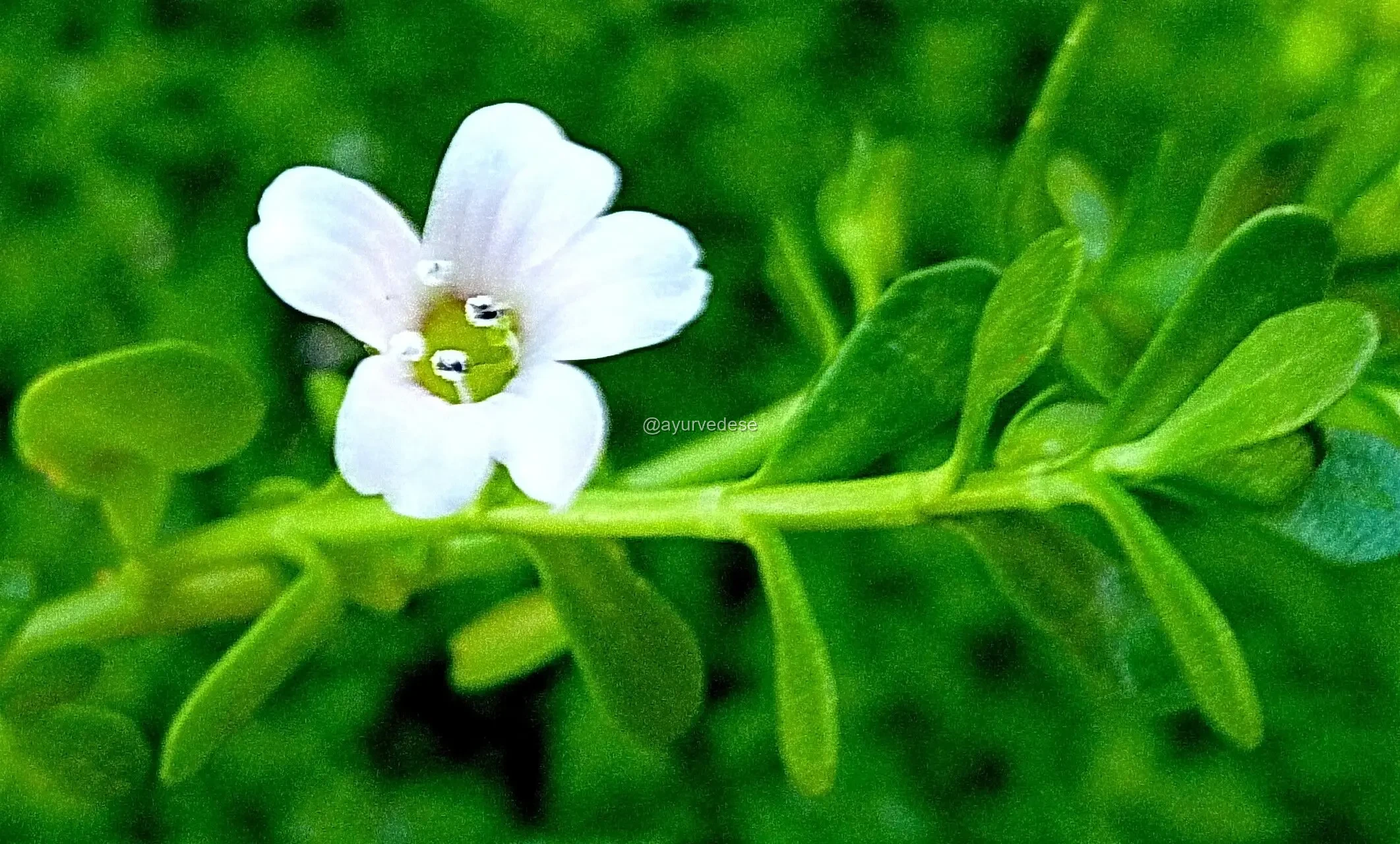
    Researchers developed a shampoo with Brahmi (Bacopa monnieri) and evaluated its efficacy in stimulating hair growth. The study, conducted by Nazeer Ahmed and colleagues, focused on the formulation and performance testing of the product. Brahmi is known for its beneficial properties for hair, including strengthening and stimulating growth. The results showed that the use of the shampoo resulted in significant improvements in hair health, with increased density and strength of the strands. Furthermore, the research highlights the importance of natural ingredients in the formulation of hair care products, aligning with Ayurvedic principles that value the use of herbs to promote health and well-being. Although the results are promising, the study also emphasizes the need for further investigations to confirm efficacy in different populations and hair types.

  • openalex🗞️ Published on Ayurdrops: Jul 05, 2026📅 Source: Jul 03, 2026

    Psoriasis and Ayurveda: What a Pilot Study Reveals about Virechana and Phototherapy

    Researchers conducted a pilot study to evaluate the combined effects of Virechana Karma and phototherapy in the treatment of psoriasis. Virechana, a purification therapy in Ayurveda, aims to eliminate toxins from the body, while phototherapy uses light to treat the skin. The study included a group of patients who received both interventions, resulting in significant improvements in psoriasis severity, measured by clinical scales. The authors, Dr. Preeti Chaturvedi and Dr. Suwarna Suryawanshi, observed that the combination of these approaches not only reduced skin lesions but also improved the quality of life of participants. Although the study has a limited number of participants and is a pilot, the results suggest that integrating Ayurvedic practices with modern therapies may offer a new path for managing psoriasis.

  • openalex🗞️ Published on Ayurdrops: Jul 05, 2026📅 Source: Jul 03, 2026

    Efficacy of Ayurveda in the treatment of migraine: a case series study

    Researchers observed that the combination of Shamana Chikitsa and Sira Vyedhana, classical Ayurvedic practices, showed positive results in the treatment of migraine, known as Ardhavabhedaka. In a series of clinical cases, patients who experienced frequent episodes of headache were evaluated. The methods of Shamana Chikitsa, which involve the pacification of the doshas, and Sira Vyedhana, which consists of therapeutic bloodletting, were applied. The results indicated a significant reduction in the intensity and frequency of attacks, suggesting that these approaches may be effective for the management of migraine. However, the study has limitations, such as the small number of participants and the lack of a control group, which should be considered when interpreting the findings.

  • Neem / Nim Indiano
    openalex🗞️ Published on Ayurdrops: Jul 05, 2026📅 Source: Jul 03, 2026

    Unraveling the Multifactorial Causes of Acne: What Ayurveda Can Teach Us

    Researchers have identified several factors that contribute to the development of acne, a condition known as Kshudra Roga in Ayurvedic medicine. Among the factors are hormonal imbalances, oxidative stress, and alterations in the skin microbiota. The study, conducted by Arpita Avinash Pandit and Dr. Bishnupriya Mohanty, highlights the importance of an integrative approach that considers both the physical and emotional aspects of the patient. In Ayurveda, acne is often related to an increase in the Pitta dosha, which can be exacerbated by factors such as inadequate diet and stress. The research suggests that interventions aimed at balancing Pitta, such as the use of anti-inflammatory herbs and dietary adjustments, may be effective in managing acne. Although the study presents a comprehensive view, it is important to note that interventions should be personalized, considering the individuality of each patient.

  • openalex🗞️ Published on Ayurdrops: Jul 05, 2026📅 Source: Jul 03, 2026

    Dushivishari Agad and stress: what the phytoconstituents reveal to us

    Researchers analyzed the stress-modulating potential of Dushivishari Agad, an Ayurvedic formulation, through its phytoconstituents. The review covers preclinical evidence suggesting that the compounds present in the formula may act on different stress-related mechanisms, such as the regulation of the HPA axis—the communication between the brain and the glands that control the stress response. The authors, Dr. Rashi Negi, Dr. Bhawana Mittal, and Dr. Ramesh Chandra Tiwari, highlight that the combination of herbs in Dushivishari Agad may have synergistic effects, promoting the reduction of cortisol levels and improving the stress response. Although the results are promising, the review also emphasizes limitations, such as the need for more clinical studies to validate these findings and better understand the mechanisms involved. The connection between Ayurvedic principles and modern discoveries suggests that the holistic approach of Dushivishari Agad may offer valuable support for mental and emotional health.

  • openalex🗞️ Published on Ayurdrops: Jul 05, 2026📅 Source: Jul 03, 2026

    Ksharkarma and Internal Medicine in the Treatment of Acute Anal Fissure: A Case Study

    Researchers presented a case study exploring the efficacy of Ksharkarma, an Ayurvedic surgical technique, combined with internal medicine in the treatment of acute anal fissures. The case involved a patient presenting with severe pain and bleeding, common symptoms of this condition. After the application of Ksharkarma, which uses a caustic solution to promote healing, and the administration of internal medications, a significant improvement in pain and fissure healing was observed. The authors, Dr. Shweta B. Pandhare and colleagues, highlight the importance of integrating surgical and medicinal approaches to optimize clinical outcomes. This study suggests that the combination of traditional techniques and modern practices may offer an effective path for managing anal conditions, although further research is needed to validate these findings in a larger population.

  • Pippali / Pimenta Longa Indiana
    openalex🗞️ Published on Ayurdrops: Jul 05, 2026📅 Source: Jul 03, 2026

    Agnimandhya and Chaturjat Churna: A Comprehensive Review

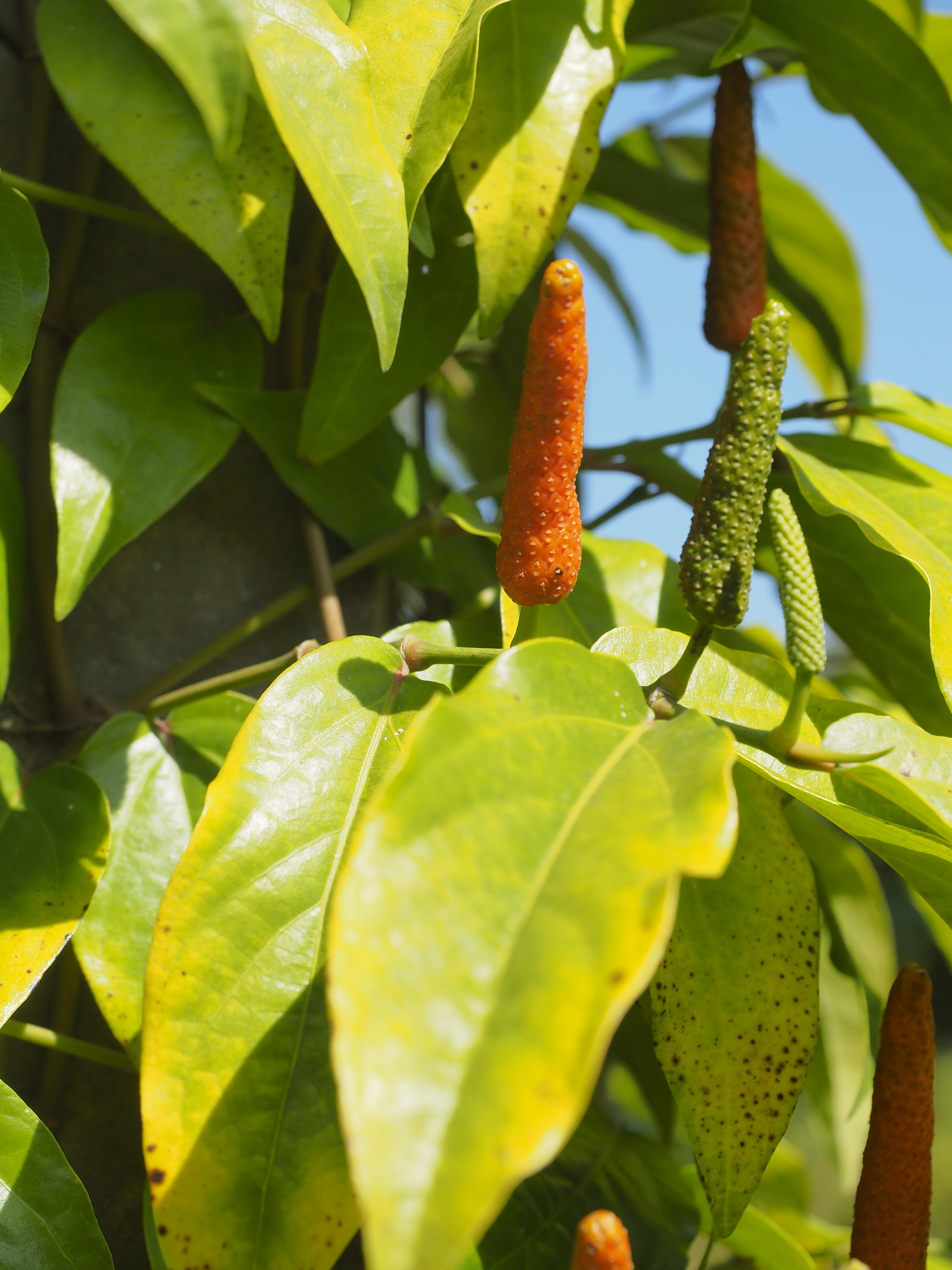
    Researchers analyzed the relationship between Agnimandhya, which refers to weak digestion, and the formulation Chaturjat Churna, a combination of herbs traditionally used in Ayurveda. The study highlights how Chaturjat Churna can help restore Agni, or digestive fire, which is fundamental for overall health. The review covers the components of the formula, which include herbs such as Pippali (Piper longum) and Ginger (Zingiber officinale), and discusses their effects on digestion and nutrient absorption. The authors, Vd. Pratibha Ambadas Mapari and Vd. Ajinkya Tapkir, emphasize that correcting Agnimandhya can lead to significant health improvements, including increased energy and reduced gastrointestinal disturbances. Although the review provides a comprehensive overview, limitations such as the lack of controlled clinical studies are mentioned, suggesting that more research is needed to validate the findings.

  • Jurubeba
    openalex🗞️ Published on Ayurdrops: Jul 05, 2026📅 Source: Jul 03, 2026

    Kantakari and Pippali in Relieving Cough: A Case Study

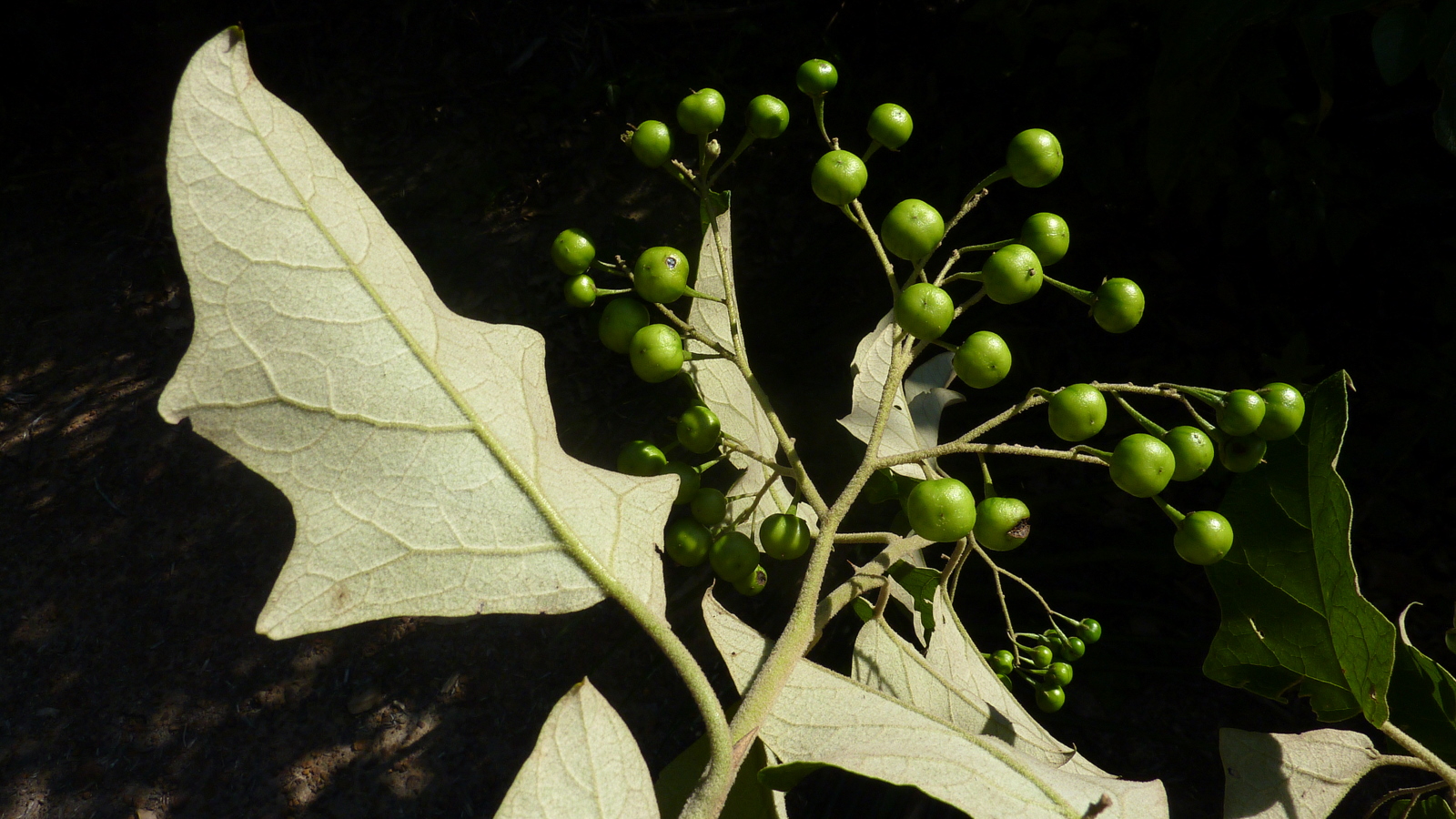
    Researchers demonstrated the efficacy of Kantakari Pippali Yoga in treating Kaphaja Kasa, a condition characterized by cough and excessive secretion. The case study, conducted by Dr. Abhishek Shyamlal Yadav and colleagues, observed a patient who showed significant improvement after administration of this herbal combination. Kantakari (Solanum xanthocarpum) is known for its expectorant properties, while Pippali (Piper longum) acts as an agent that improves digestion and absorption, facilitating the elimination of toxins. After treatment, the patient reported a reduction in cough and mucus production, evidencing the relationship between Ayurvedic principles and clinical outcomes. Despite the positive results, the study is limited by being a single case, which requires further investigation to confirm efficacy in a larger population.

  • openalex🗞️ Published on Ayurdrops: Jul 05, 2026📅 Source: Jul 03, 2026

    Dushivishari Agad and stress: what the phytoconstituents reveal to us

    Researchers reviewed preclinical evidence on the stress-modulating potential of Dushivishari Agad, a traditional Ayurvedic formulation. The study highlights how the phytoconstituents of this mixture may influence the HPA axis—the communication between the brain and the glands that regulate the stress response. The authors, Dr. Rashi Negi, Dr. Bhawana Mittal, and Dr. Ramesh Chandra Tiwari, point out that the combination of herbs in Dushivishari Agad may reduce stress markers in experimental models. Although the results are promising, the review emphasizes the need for further clinical studies to validate these findings and better understand the mechanisms involved. The relationship between phytoconstituents and stress modulation is a field that deserves attention, especially considering the increasing prevalence of stress-related disorders in modern society.

  • openalex🗞️ Published on Ayurdrops: Jul 05, 2026📅 Source: Jul 03, 2026

    Healthy Life — Healthy Mind: The Psychology of Vedic Development as a Path to Swastha and Inner Freedom

    The connection between mental health and physical well-being is a central theme in Vedic psychology. Hannes Martin Wissing explores how the psychology of Vedic development can be a path to achieving swastha, which refers to a state of integral health, and inner freedom. The author argues that the way we think and develop psychologically directly impacts our physical health. The Vedic approach emphasizes the importance of self-knowledge and harmony between mind and body, suggesting that practices such as meditation and reflection can promote a more balanced state of health. This work, published in July 2026, offers valuable insights into how to integrate Vedic principles in the pursuit of a healthier and more conscious life.

  • Ghee
    openalex🗞️ Published on Ayurdrops: Jul 05, 2026📅 Source: Jul 03, 2026

    Prevention and control of ear diseases through Ayurveda

    Researchers highlight the importance of Ayurvedic approaches in the prevention and control of ear diseases. Ayurveda offers a holistic view, considering factors such as doshas, Agni, and Srotas, which are fundamental for auditory health. Dr. Sonal S. Patel's study explores how imbalances in the doshas, especially Pitta, can lead to conditions such as otitis and tinnitus. The use of herbs like Tulsi (Ocimum sanctum) and Ghee (clarified butter) is suggested to promote auditory health and prevent diseases. Additionally, purification and detoxification practices, such as Panchakarma, are recommended to balance the doshas and strengthen the immune system. The article also mentions the need for more research to validate these practices and better understand the mechanisms involved.

  • Babosa / Aloe Vera
    openalex🗞️ Published on Ayurdrops: Jul 05, 2026📅 Source: Jul 03, 2026

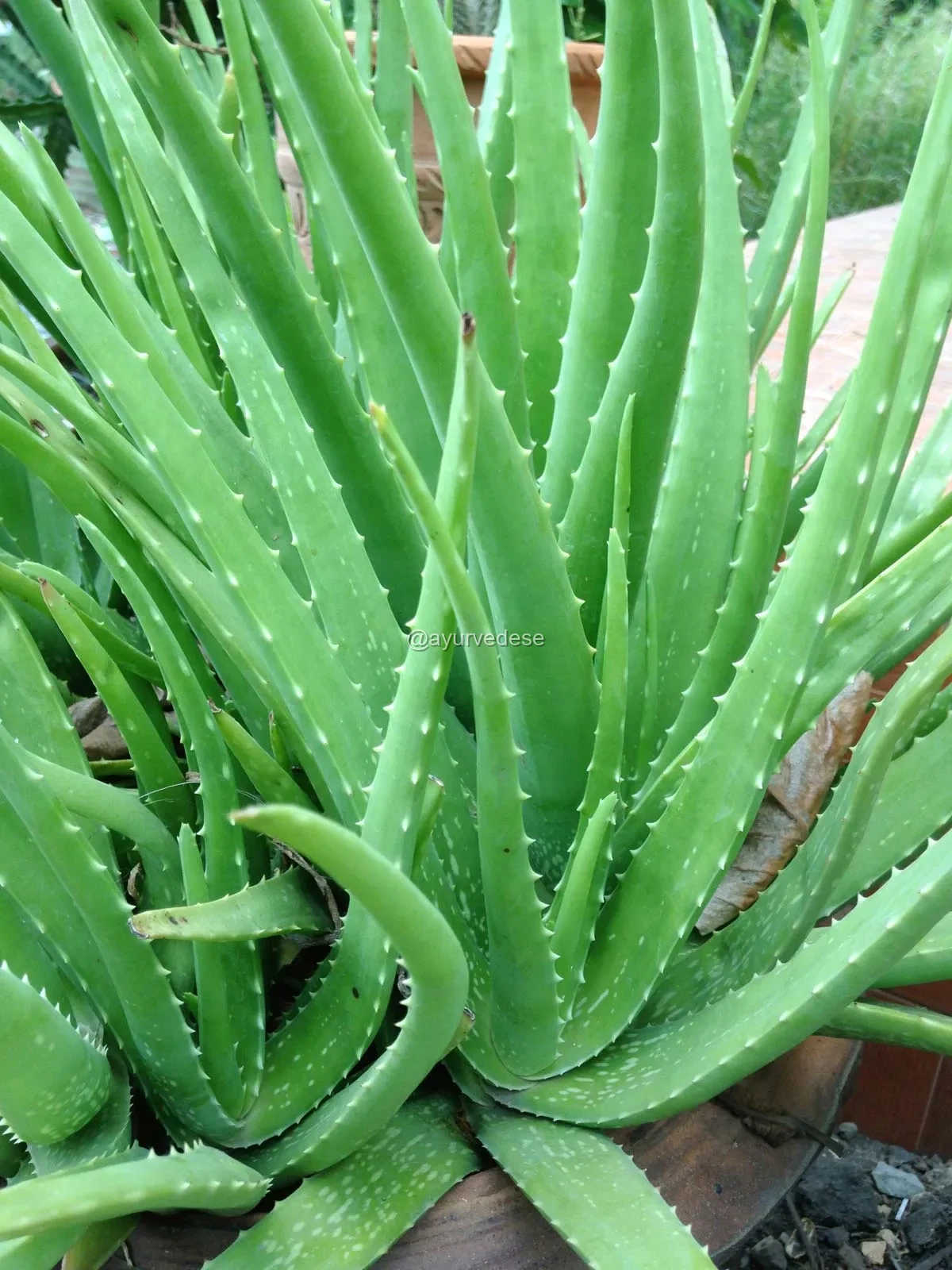
    Agnikarma and cervical erosion: how a clinical study compares two approaches in the treatment of cervical erosion

    Researchers evaluated the efficacy of Agnikarma, an Ayurvedic technique, using Shalaka of Panchadhatu and Chandrodhaya Varti in the treatment of Karnini Yonivyapad, focusing on cervical erosion. The study, conducted by Dr. Sunita Kumari and her team, included a group of patients who received the treatment and another that did not, allowing a direct comparison. The results showed that Agnikarma, when applied with the Shalaka of Panchadhatu, resulted in significant improvements in symptoms and cervical condition of the patients. The technique appears to act by promoting tissue regeneration and relieving pain, which is consistent with Ayurvedic principles that emphasize the importance of heat and energy in the healing process. However, the study has limitations, such as the small sample size and lack of long-term follow-up, suggesting the need for further research to confirm these findings.

  • openalex🗞️ Published on Ayurdrops: Jul 05, 2026📅 Source: Jul 03, 2026

    How Ayurveda Can Help with Primary Infertility: A Case Study

    Researchers presented a case study exploring the efficacy of Ayurveda in treating primary infertility. Dr. Manish Bartwal and Dr. Shivani Kalouni documented the journey of a patient who faced difficulties conceiving. The Ayurvedic approach included the use of herbs, dietary adjustments, and lifestyle practices, aiming to balance the doshas and strengthen Agni (digestive fire). The treatment resulted in significant improvements in the patient's overall health and, eventually, conception. This case highlights the importance of a holistic and personalized approach that considers not only the physical aspects but also the emotional and mental aspects of reproductive health. Although the study provides valuable insights, it is important to note that it is a single case, which limits the generalizability of the results.

  • openalex🗞️ Published on Ayurdrops: Jul 05, 2026📅 Source: Jul 03, 2026

    Prevention and control of ear diseases through Ayurveda

    Researchers highlight the importance of Ayurvedic approaches in the prevention and control of ear diseases. Ayurveda offers a holistic view, considering factors such as doshas, agni, and srotas, which are fundamental for auditory health. Dr. Sonal S. Patel's study explores how imbalances in the doshas, especially Vata, can contribute to hearing problems. Additionally, preventive practices are discussed, such as the use of medicinal oils and purification therapies, which can help maintain ear health. The research emphasizes the need for a deeper understanding of the interactions between environmental factors and auditory health, suggesting that integrating Ayurvedic practices may offer significant benefits. However, limitations such as the lack of robust clinical studies and the need for more scientific evidence are mentioned.

  • openalex🗞️ Published on Ayurdrops: Jul 05, 2026📅 Source: Jul 03, 2026

    Hemorrhoids in Ayurveda: An Integrative Review of Concepts and Management

    Researchers reviewed the condition of arsha (hemorrhoids) from various perspectives, including Ayurvedic concepts and pathogenesis. The study, led by Dr. Anita Patel and Dr. Yadav Vijay Ganesh, highlights that the classification of hemorrhoids in Ayurveda is based on factors such as predominant dosha and presenting symptoms. The Ayurvedic approach emphasizes the importance of balancing Agni (digestion) and tissue health (dhatu) to prevent and treat this condition. Additionally, management options including dietary changes, herbal use, and lifestyle practices were discussed. The review also points to the need for more clinical studies to validate the proposed interventions, considering that much data is based on historical accounts and oral traditions. The connection between ancient concepts and modern practices is fundamental for a more comprehensive understanding of arsha treatment.

  • openalex🗞️ Published on Ayurdrops: Jul 05, 2026📅 Source: Jul 03, 2026

    Ksharkarma and Internal Medicine in the Treatment of Acute Anal Fissure: A Case Study

    Researchers presented a case study exploring the efficacy of Ksharkarma, an Ayurvedic surgical technique, combined with internal medicine in the treatment of acute anal fissures. The case involved a patient presenting with severe pain and bleeding, common symptoms associated with this condition. After the application of Ksharkarma, which uses an alkaline solution to cauterize and promote healing, along with internal medicine interventions, a significant improvement in pain and fissure healing was observed. The authors, Dr. Shweta B. Pandhare and colleagues, highlight the importance of an integrated approach combining surgical techniques and internal treatments to optimize outcomes. Although the study provides valuable insights, it is important to consider that it is a single case, which limits the generalizability of the results. The combination of Ksharkarma and internal medicine may offer a viable alternative for managing anal fissures, but further studies are needed to validate these findings in a larger population.

  • Óleo de Rícino
    openalex🗞️ Published on Ayurdrops: Jul 05, 2026📅 Source: Jul 03, 2026

    Eranda Taila and Vaginal Delivery: A Success Case with Oligohydramnios

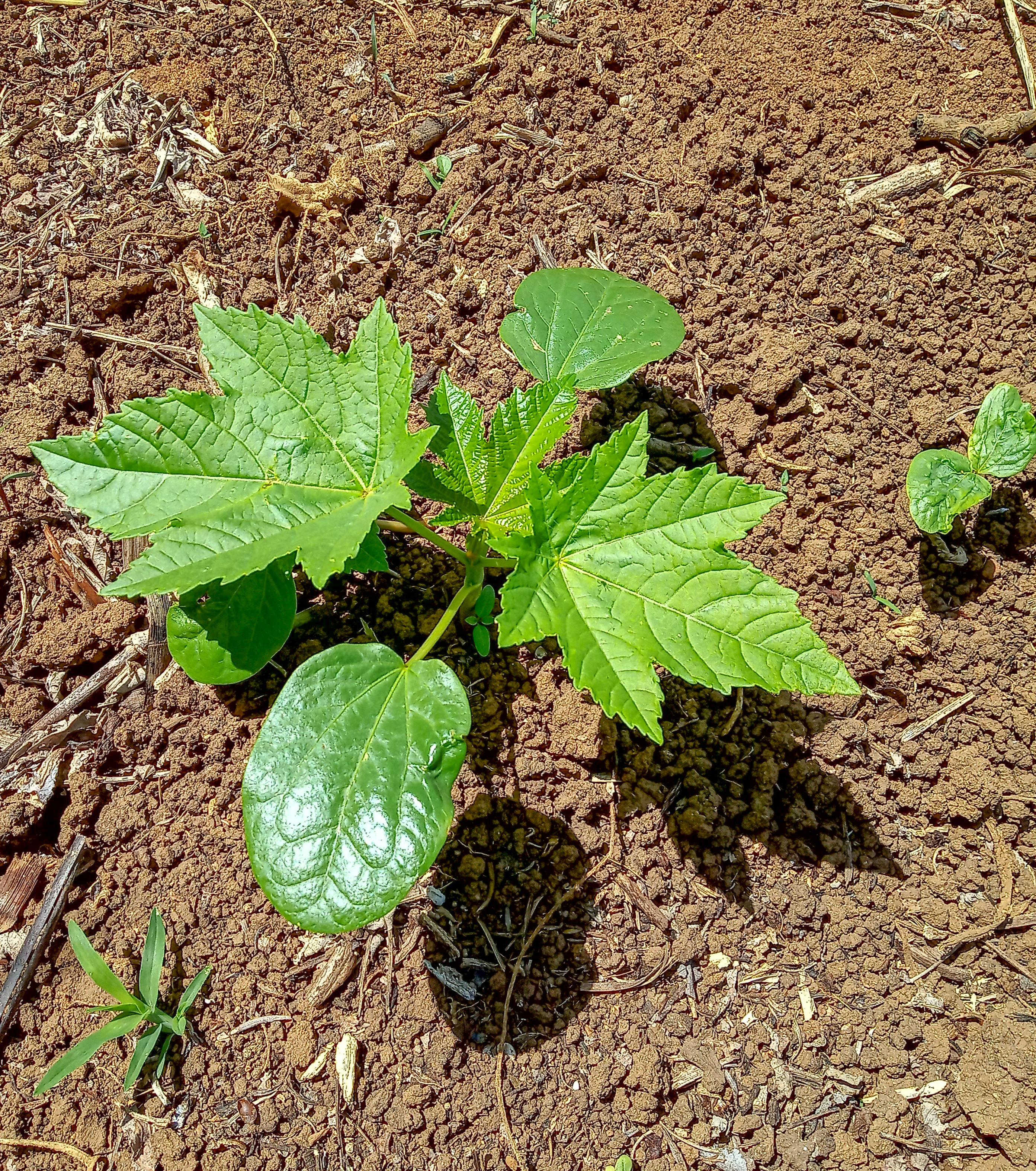
    Researchers reported a successful case of using Eranda Taila (castor oil) in Matra Basti and Yoni Pichu procedures to facilitate vaginal delivery in a primigravida with borderline oligohydramnios. The study, conducted by Dr. Preeti Mandre and colleagues, highlights the importance of moisture and support to the birth canal in situations of reduced amniotic fluid. The application of Eranda Taila, known for its emollient and lubricating properties, may have contributed to cervical dilation and reduced discomfort during labor. Although the case presents positive results, it is important to consider that this is a single case report and further investigations are needed to validate these findings in larger populations. The relationship between Ayurvedic practices and modern obstetric outcomes is a promising field that deserves more attention.

  • openalex🗞️ Published on Ayurdrops: Jul 05, 2026📅 Source: Jul 03, 2026

    Seed Cycling and Menstrual Disorders: An Ayurvedic Perspective on Vata, Pitta, and Kapha

    Researchers explored how seed cycling may influence menstrual disorders in women with different Ayurvedic constitutions (Vata, Pitta, and Kapha). The study, led by Dr. Sakshi Nilisha Tanwar, analyzes the therapeutic utility, the mechanisms involved, and the safety profile of this practice. Seed cycling involves ingesting different seeds at specific phases of the menstrual cycle, aiming to balance the doshas. The research suggests that this approach may help regulate the menstrual cycle, promoting reproductive health. Although the results are promising, it is important to consider that the study is still preliminary and further investigations are needed to validate these findings in larger populations and with different clinical profiles.