Public feed

Ayurvedic editorial curation

Science articles classified by dosha, srota and dhatu. Filter to find what matters to you today.

  • openalex🗞️ Published on Ayurdrops: Jul 08, 2026📅 Source: Jul 06, 2026

    Effects of Shirishadi Taila in Nasya administration for autism

    Researchers investigated the effects of Shirishadi Taila, an Ayurvedic formulation, in the administration of Nasya (nasal administration) in individuals with autism. The study, conducted by Deeplata Bunker and colleagues, highlights how this approach may influence mental and behavioral health. The results suggest that Shirishadi Taila may have a positive impact on reducing symptoms associated with autism, promoting an improvement in patients' quality of life. The formulation is composed of ingredients that act on the nervous system, enhancing communication between cells and promoting a state of balance. Although the findings are promising, it is important to consider that the study is still in its early stages and requires further investigation to validate these results in larger populations and with different clinical profiles.

  • Brahmi / Bacopa
    pubmed🗞️ Published on Ayurdrops: Jul 07, 2026📅 Source: Jul 06, 2026

    Brahmi Ghrita and Kidney Protection: What a Drosophila Study Reveals

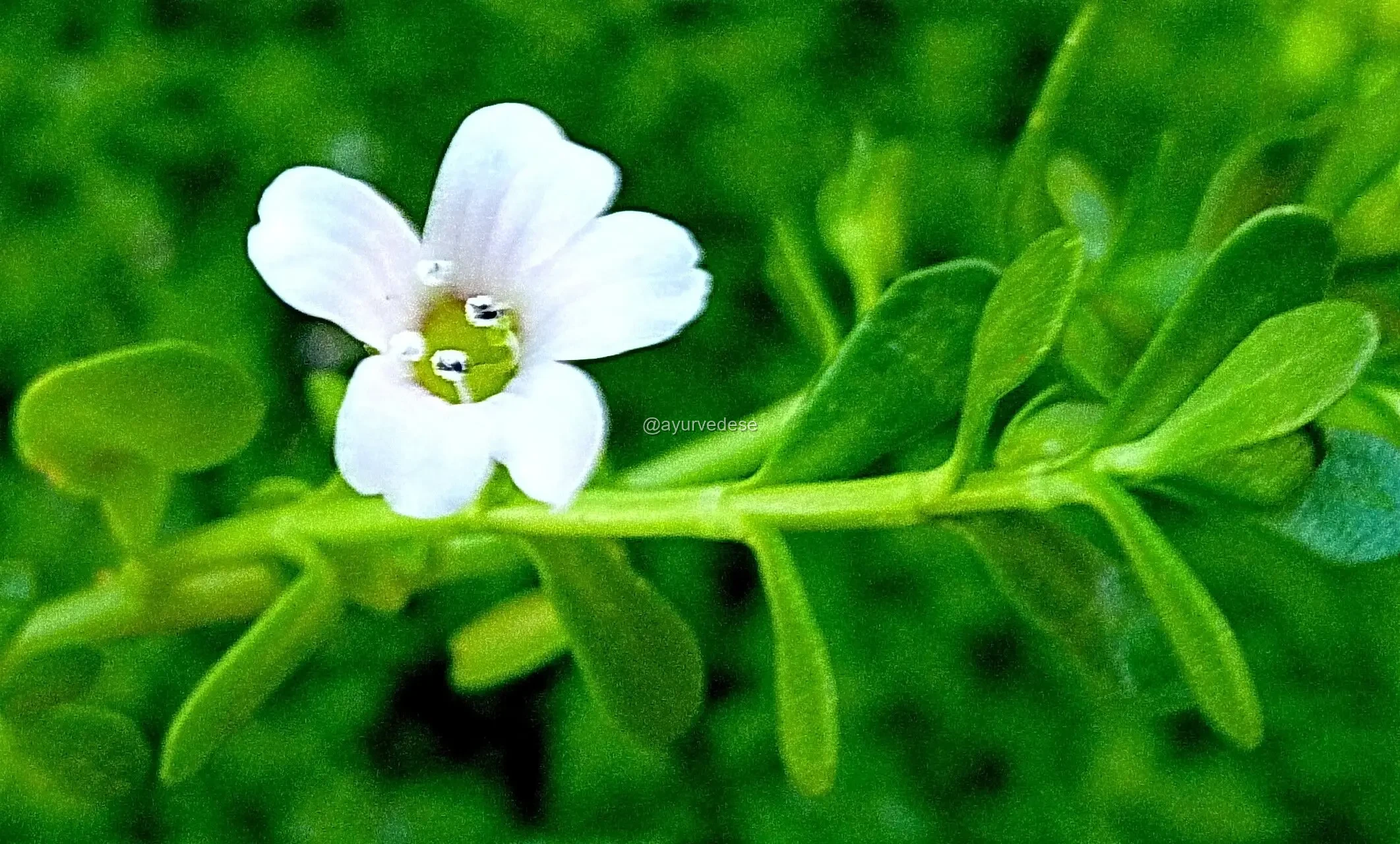
    Researchers demonstrated that Brahmi Ghrita, an Ayurvedic formulation, exerts a protective effect on the kidneys in a Drosophila melanogaster model with mutations in the caspase 3 gene. The study, conducted by Sagar SC and Tapadia MG, revealed that administration of Brahmi Ghrita resulted in reduced cyst formation in the Malpighian tubules, structures equivalent to kidneys in insects. The authors observed that the intervention improved renal function, suggesting that bioactive compounds present in Brahmi Ghrita may act by modulating apoptotic and inflammatory processes, which are critical in the pathology of the polycystic phenotype. Although the results are promising, it is important to note that the study was conducted in an animal model, which limits the generalization of the findings to humans. However, the connection between Ayurvedic principles and the observed mechanisms offers a new perspective on the use of Brahmi Ghrita in kidney health.

  • Śaṅkhapuṣpī
    pubmed🗞️ Published on Ayurdrops: Jul 07, 2026📅 Source: Jul 02, 2026

    Convolvulus pluricaulis and the recovery of nerve injuries: what a study reveals

    Researchers have demonstrated that Convolvulus pluricaulis, a plant traditionally used in Ayurvedic medicine, may play a significant role in the recovery of sciatic nerve injuries. In a surgical model of nerve injury, administration of this herb modulated oxidative, inflammatory, and neurochemical pathways, resulting in reduced inflammation and improved neural regeneration. The authors, Ali Z, Chandra P, Fatma N, Sharma KK, and Sachan N, observed that the plant acts by decreasing oxidative stress and regulating inflammatory mediators, which may be crucial for the recovery of nerve damage. This study highlights the relevance of Convolvulus pluricaulis in neuroprotection and suggests that its properties may be explored in integrative therapies for nerve injuries.

  • Pāṣāṇabheda / Bergenia
    openalex🗞️ Published on Ayurdrops: Jul 06, 2026📅 Source: Jul 03, 2026

    Aerva lanata and Ficus carica: Exploring Phytocompounds and Therapeutic Potential

    Researchers reviewed the phytotherapeutic properties of Aerva lanata and Ficus carica, highlighting their bioactive compounds and potential clinical applications. Aerva lanata, known for its diuretic and anti-inflammatory properties, contains flavonoids and saponins that may contribute to kidney health and reduction of inflammation. On the other hand, Ficus carica is rich in antioxidants and fiber, showing benefits in digestion and blood sugar control. The review suggests that the combination of these plants may offer significant support in integrative treatments, although more clinical studies are needed to validate these applications. The authors, including P. Sivasubramanian and Anna Poorani M, emphasize the importance of exploring phytotherapy as a viable alternative in modern medicine.

  • openalex🗞️ Published on Ayurdrops: Jul 06, 2026📅 Source: Jul 03, 2026

    Experimental Models of Melanogenesis: Validating Varnya Karma in Ayurveda

    Researchers explored contemporary experimental models of melanogenesis to validate the concept of Varnya Karma in Ayurveda. The study, led by Zodage Samruddhi Suresh and collaborators, highlights the importance of melanin in skin protection and aesthetics, aligning with Ayurvedic principles that consider skin color as a reflection of internal health. The authors discuss how the activation of melanocytes, cells responsible for melanin production, can be influenced by factors such as oxidative stress and inflammation, which are addressed in Ayurveda through practices that balance the doshas. The results suggest that modern understanding of melanogenesis may support the efficacy of Ayurvedic treatments aimed at improving skin health and appearance. However, the study has limitations, such as the need for more clinical research to confirm these findings in humans.

  • openalex🗞️ Published on Ayurdrops: Jul 06, 2026📅 Source: Jul 03, 2026

    Ashwagandha and Physical Performance: What a Controlled Study Reveals

    Researchers have demonstrated that sustained-release ashwagandha root extract (Withania somnifera) can increase muscle strength and cardiorespiratory endurance in physically active individuals. The study, conducted by Shefali Thanawala and colleagues, was randomized, double-blind, and placebo-controlled, involving participants who engage in recreational activities. Results showed that those who received the extract exhibited significant improvements in strength and endurance tests compared to the placebo group. These findings suggest that ashwagandha may be a viable option for enhancing physical performance, possibly due to its adaptogenic effects and reduction of oxidative stress. However, it is important to consider that the study was limited to a specific group of active individuals, which may not reflect effects in broader populations.

  • openalex🗞️ Published on Ayurdrops: Jul 06, 2026📅 Source: Jul 03, 2026

    Borassus flabellifer Sprout: Medicinal Applications and Benefits

    Researchers reviewed the medicinal applications of the Borassus flabellifer sprout, a plant traditionally used in various cultures. The study highlights its antioxidant, anti-inflammatory, and antimicrobial properties, which may be attributed to bioactive compounds present in the plant. Additionally, positive effects on digestive health and blood sugar regulation were observed, suggesting potential in managing conditions such as diabetes and gastrointestinal disorders. Although the results are promising, it is important to note that most evidence comes from in vitro studies and animal models, which limits the generalization of findings to humans. The research emphasizes the need for further clinical studies to validate these effects and explore appropriate dosages for therapeutic use.

  • Triphalā / Três Frutos
    openalex🗞️ Published on Ayurdrops: Jul 06, 2026📅 Source: Jul 04, 2026

    The Importance of Anjanam in Eye Health: A Review Based on Classical Texts

    Researchers highlight Anjanam, a traditional Ayurvedic preparation, as a valuable resource for eye health. The study reviews classical and contemporary literature on the use of Anjanam, which is often used to treat conditions such as eye irritation and blurred vision. Authors Bedadyuti Mohanty and Samruddhi Uday Haldankar analyze the components of Anjanam, which include herbs like Triphala and Ghee, and discuss its beneficial effects, such as improved eye lubrication and reduced inflammation. Furthermore, the review points to the need for more clinical studies to validate traditional practices and better understand the mechanisms of action. The connection between Ayurvedic concepts and modern findings is evident, especially regarding the importance of Agni (digestion) and the doshas in eye health.

  • Kaidarya / Folhas de Curry
    openalex🗞️ Published on Ayurdrops: Jul 06, 2026📅 Source: Jul 04, 2026

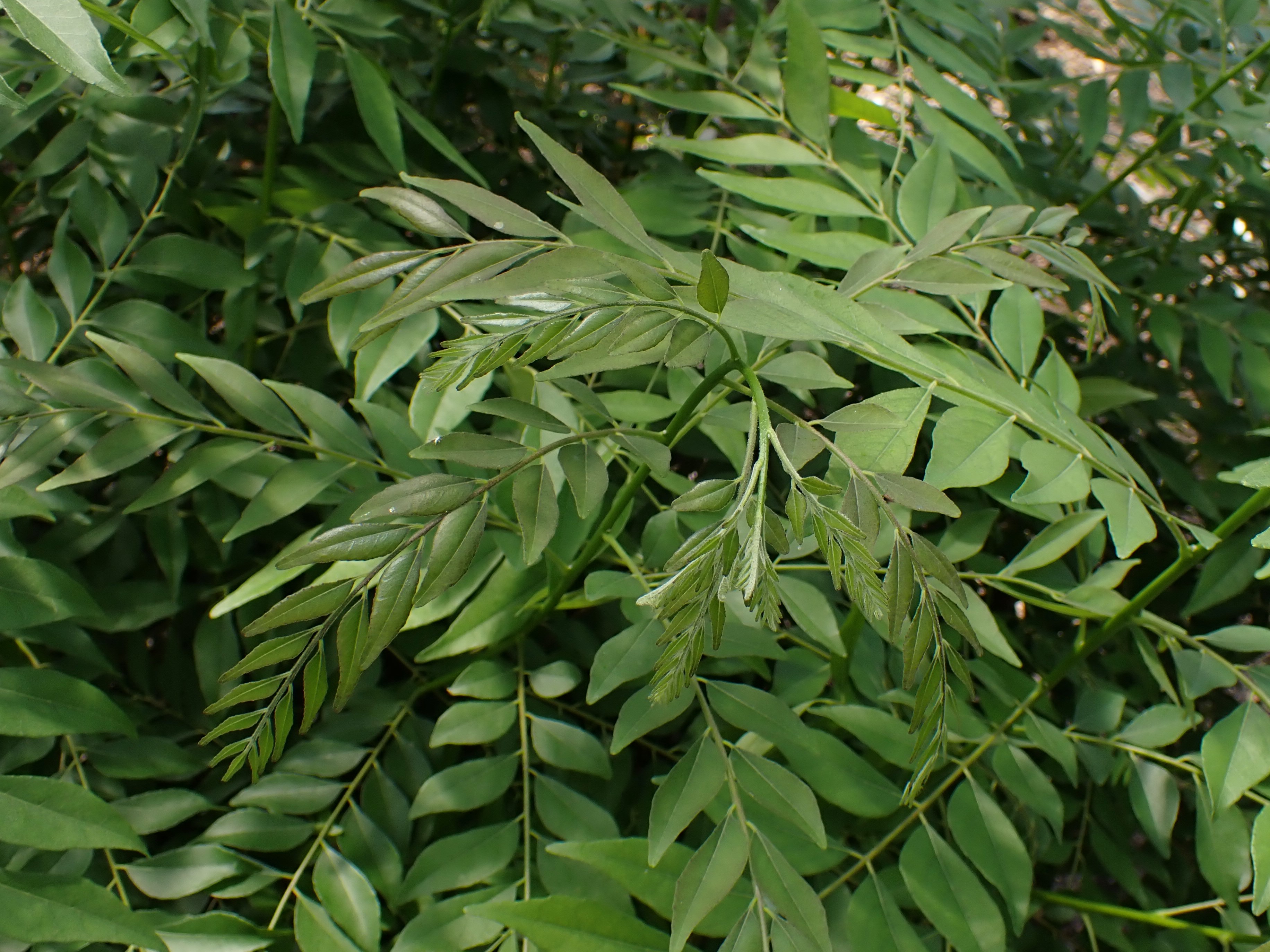
    Murraya koenigii: exploring its botanical and nutritional properties

    Researchers highlight Murraya koenigii, known as curry leaf, for its various beneficial properties. This plant is rich in phytochemical compounds, such as flavonoids and alkaloids, which demonstrate antioxidant and anti-inflammatory potential. Furthermore, Murraya koenigii has been associated with improved digestion and blood sugar control, making it relevant for integrative health practices. The study also reviews its applications in traditional medicine, where it is used to treat conditions such as dyspepsia and diabetes. Despite its promise, it is important to note that most evidence is still preliminary and many studies were conducted in vitro or in animal models, requiring more clinical research to validate these effects in humans.

  • Cúrcuma
    openalex🗞️ Published on Ayurdrops: Jul 05, 2026📅 Source: Jul 02, 2026

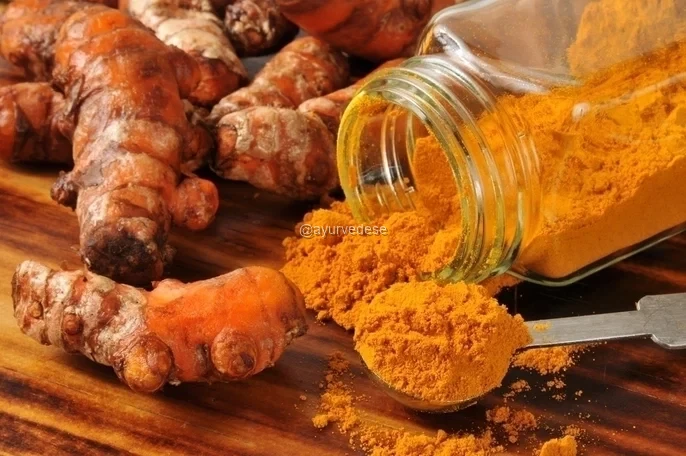
    Comparison between Haridra Hingu Lepam and Sigrupunarnavadi Lepam in the treatment of Vrischika Damsa

    Researchers conducted a comparative clinical trial to evaluate the efficacy of two Ayurvedic formulations — Haridra Hingu Lepam and Sigrupunarnavadi Lepam — in the treatment of Vrischika Damsa, a condition that may be associated with skin problems. The study, conducted by A. Krishnan and Jayasmitha S. J., demonstrated that Haridra Hingu Lepam showed superior results in terms of symptom relief and improvement in patients' skin condition. The research was published in July 2026 and highlights the importance of specific formulations in Ayurveda, which may be more effective depending on the nature of the disease. The mechanisms of action of the herbs used in the formulations, such as turmeric (Haridra) and hing (asafoetida), are discussed in relation to Ayurvedic principles of balancing and purifying the body.

  • Assafétida
    openalex🗞️ Published on Ayurdrops: Jul 05, 2026📅 Source: Jul 02, 2026

    Comparison between Haridra Hingu Lepam and Sigrupunarnavadi Lepam in the treatment of Vrischika Damsa

    Researchers evaluated the efficacy of two Ayurvedic formulations, Haridra Hingu Lepam and Sigrupunarnavadi Lepam, in the treatment of Vrischika Damsa, a condition that can be associated with inflammation and pain. The study, conducted by A. Krishnan and Jayasmitha S. J., involved a comparative clinical trial that analyzed patients' responses to both interventions. Results showed that Haridra Hingu Lepam, which combines turmeric (Haridra) and asafoetida (Hingu), demonstrated significant improvement in symptoms compared to Sigrupunarnavadi Lepam. Efficacy was measured through specific clinical parameters, with a notable reduction in pain and inflammation. This study highlights the importance of traditional formulations in managing inflammatory conditions, aligning with Ayurvedic principles that emphasize the use of herbs to restore the body's balance. However, limitations such as sample size and the need for further investigation were noted.

  • Saussúrea / Kushtha
    openalex🗞️ Published on Ayurdrops: Jul 05, 2026📅 Source: Jul 03, 2026

    Rasayana and the Treatment of Ek-Kushtha: A Comprehensive Review

    Researchers analyzed the role of Rasayana in the treatment of Ek-Kushtha, a chronic dermatological condition. The study, conducted by Ashish C. Zanwar and Sanskruti Muley, reviews various Ayurvedic approaches and highlights how Rasayana therapies can promote cellular regeneration and improve skin health. The authors emphasize that the use of Rasayana not only strengthens the immune system but also aids in detoxifying the body, which is crucial for managing skin diseases like Ek-Kushtha. The review suggests that combining Rasayana herbs may be beneficial but underscores the need for more clinical studies to validate these findings. The research also discusses the importance of personalizing treatment according to the patient's dosha and Agni state, emphasizing Ayurveda's holistic approach.

  • openalex🗞️ Published on Ayurdrops: Jul 05, 2026📅 Source: Jul 03, 2026

    Living Healthy — Thinking Healthy: The Psychology of Vedic Development as a Path to Swastha and Inner Freedom

    Recent research highlights the connection between Vedic developmental psychology and the promotion of integral well-being. Hannes Martin Wissing explores how Vedic principles can be applied to achieve Swastha, which refers to a state of holistic health, and inner freedom. The Vedic approach emphasizes the importance of self-knowledge and harmony between mind and body, suggesting that mental and physical health are interconnected. The author proposes that practices such as meditation and reflection can help cultivate a healthy mindset, promoting not only physical health but also a state of inner peace. Although the study presents valuable insights, it is important to consider that the practical application of these concepts may vary among individuals, and more research is needed to validate these findings in clinical contexts.

  • Pippali / Pimenta Longa Indiana
    openalex🗞️ Published on Ayurdrops: Jul 05, 2026📅 Source: Jul 03, 2026

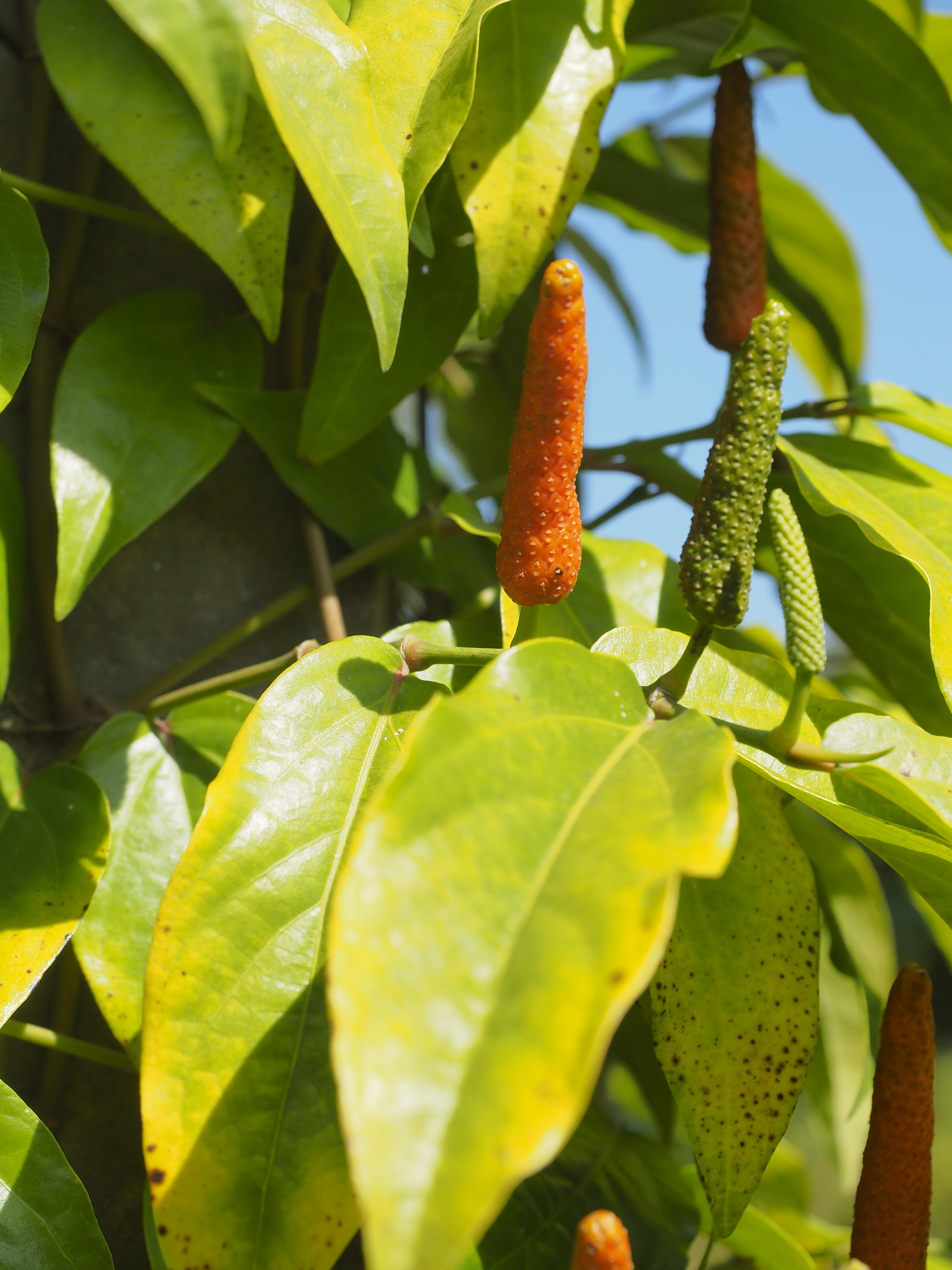
    Agnimandhya and Chaturjat Churna: A Comprehensive Review

    Researchers reviewed the condition of agnimandhya, which refers to weak digestion, and the efficacy of Chaturjat Churna, a combination of Ayurvedic herbs. The review highlights how compromised digestion can lead to a range of health disorders, including gastrointestinal issues and imbalances of the doshas. Chaturjat Churna, composed of herbs such as Pippali (Piper longum) and Ginger (Zingiber officinale), is traditionally used to stimulate agni, or digestive fire. The research suggests that the combination of these herbs may improve digestion and alleviate symptoms associated with agnimandhya. However, the review also points out limitations, such as the lack of robust clinical studies validating these effects in diverse populations. The connection between Ayurvedic concepts and modern findings is evident, as digestive health is fundamental to overall well-being.

  • Óleo de Rícino
    openalex🗞️ Published on Ayurdrops: Jul 05, 2026📅 Source: Jul 03, 2026

    Castor Oil and Vaginal Delivery: A Success Case in a Pregnant Woman with Oligohydramnios

    Researchers reported a case in which the use of Eranda Taila (castor oil) in Matra Basti and Yoni Pichu facilitated a successful vaginal delivery in a primigravida with borderline oligohydramnios. The study, conducted by Dr. Preeti Mandre and colleagues, highlights the importance of the Ayurvedic approach in challenging obstetric situations. Oligohydramnios, characterized by a decrease in amniotic fluid, can complicate labor, but the application of Eranda Taila demonstrated promotion of lubrication and uterine contractions, contributing to a more efficient delivery. Although the case presents positive results, it is important to consider that this is a single case report, and further studies are needed to validate these findings in a larger population. The connection between Ayurvedic practices and obstetric outcomes may open new possibilities for prenatal care and delivery.

  • openalex🗞️ Published on Ayurdrops: Jul 05, 2026📅 Source: Jul 03, 2026

    Seed Cycling and Menstrual Disorders: An Ayurvedic Perspective

    Researchers explored the use of seed cycling as a therapeutic approach for menstrual disorders in women with different constitutions (vata, pitta, and kapha). The study, led by Dr. Sakshi Nilisha Tanwar, analyzes how introducing specific seeds at different phases of the menstrual cycle can help balance the doshas and improve menstrual health. The authors highlight that seed cycling not only aligns with Ayurvedic principles but also presents a favorable safety profile, with few reported side effects. The research suggests that this practice can regulate the menstrual cycle, alleviate symptoms such as cramps and mood swings, and promote better overall well-being. Although the results are promising, it is important to note that the study is preliminary and further investigations are needed to validate these findings in larger populations and with more rigorous methodologies.

  • openalex🗞️ Published on Ayurdrops: Jul 05, 2026📅 Source: Jul 03, 2026

    Nomophobia in the Digital Age: An Ayurvedic Perspective on Mental Health and Holistic Management

    Researchers have identified that nomophobia, the fear of being without access to mobile devices, can significantly impact mental health. This study, conducted by Gajender J, Nikita Sharma, Narind Khajuria, and Mahesh Vyas, explores how Ayurveda can offer holistic strategies to address this condition. Nomophobia is associated with symptoms such as anxiety and stress, which can be approached through Ayurvedic practices like meditation, yoga, and the use of adaptogenic herbs. The study suggests that integrating Ayurvedic techniques can help restore mental and emotional balance, promoting a state of well-being. Furthermore, the research highlights the importance of understanding the mind-body connection, emphasizing that treatment should be personalized, taking into account the individual constitution (prakriti) and the current health status of the individual. Although the authors present a promising approach, it is important to consider that further studies are needed to validate these interventions in clinical practice.

  • openalex🗞️ Published on Ayurdrops: Jul 05, 2026📅 Source: Jul 03, 2026

    Combined Effects of Virechana and Phototherapy in the Treatment of Psoriasis

    Researchers evaluated the efficacy of combining Virechana karma — a purification therapy in Ayurveda — with phototherapy in the treatment of psoriasis. The pilot study, conducted by Dr. Preeti Chaturvedi and Dr. Suwarna Suryawanshi, involved a group of patients who received both treatments. The results showed a significant reduction in the severity of psoriatic lesions, with improvements in the participants' quality of life. The combination of approaches appears to enhance therapeutic effects, suggesting that body purification through Virechana may increase the efficacy of phototherapy. However, the study has limitations, such as the small number of participants and the need for a control group to validate the findings. These results open new possibilities for the treatment of psoriasis, integrating traditional and modern practices.

  • openalex🗞️ Published on Ayurdrops: Jul 05, 2026📅 Source: Jul 03, 2026

    Neeli Bhringraj Polyherbal Hair Oil: An Integrative Approach to Hair Loss and Premature Graying

    Researchers evaluated the efficacy of Neeli Bhringraj polyherbal hair oil in a randomized, double-blind clinical study, focusing on androgenetic alopecia (khalitya) and premature graying of hair (pālitya). The study included participants who used the oil for a specified period, and the results showed significant improvements in hair density and hair color. The authors, including Maheshvari Patel and Nayan Patel, highlight that the use of Ayurvedic ingredients may offer a viable alternative to conventional treatments. The combination of herbs in the oil acts synergistically, promoting hair health and reducing hair loss. Although the results are promising, the study has limitations, such as sample size and follow-up duration, which should be considered when interpreting the data.

  • openalex🗞️ Published on Ayurdrops: Jul 05, 2026📅 Source: Jul 03, 2026

    Unraveling the Multifactorial Causes of Acne: An Ayurvedic Perspective

    Researchers have identified that acne, or Kshudra Roga, is influenced by multiple factors, including hormonal imbalances, stress, and inadequate diet. The study, conducted by Arpita Avinash Pandit and Dr. Bishnupriya Mohanty, highlights the importance of understanding these factors for effective treatment. In Ayurveda, acne is often associated with an increase in the Pitta dosha, which can be exacerbated by hot and spicy foods, emotional stress, and changes in Agni (digestion). The research suggests that interventions aimed at balancing Pitta, such as dietary changes and self-care practices, may be beneficial. Additionally, the connection between skin health and emotional state is emphasized, reflecting Ayurveda's holistic view of health. Although the study provides valuable insights, limitations such as the lack of a control group and the need for more clinical data are mentioned.