Public feed

Ayurvedic editorial curation

Science articles classified by dosha, srota and dhatu. Filter to find what matters to you today.

  • openalex🗞️ Published on Ayurdrops: Jul 08, 2026📅 Source: Jul 05, 2026

    Arogyavardhini Vati and Liver Health: What Ayurveda Can Teach Us About Nonalcoholic Fatty Liver Disease

    Researchers analyzed the therapeutic potential of Arogyavardhini Vati in the treatment of nonalcoholic fatty liver disease (NAFLD). This study reviews both the Ayurvedic perspective and contemporary scientific evidence. NAFLD is a growing condition, associated with factors such as obesity and insulin resistance, which can lead to serious complications. Arogyavardhini Vati, a traditional formulation, is known for its hepatoprotective and detoxifying properties. The authors, including Sakshi Chahar and Amit Upadhyay, highlight that the combination of herbs in Arogyavardhini Vati acts on the regulation of Agni (digestion) and improvement of lipid metabolism, which may be beneficial for patients with NAFLD. Although the results are promising, the study emphasizes the need for further clinical research to validate these findings and better understand the mechanisms of action involved.

  • Guggul / Indian Bedellium
    openalex🗞️ Published on Ayurdrops: Jul 08, 2026📅 Source: Jul 06, 2026

    Medohar Guggulu and cholesterol control: clinical evaluation in dyslipidemia

    Researchers evaluated the efficacy of Medohar Guggulu, an Ayurvedic formulation, in controlling dyslipidemia, a condition characterized by abnormal levels of lipids in the blood. The study, conducted by Masum Sharma and colleagues, included patients diagnosed with Medodushti, which refers to the excessive accumulation of fat in the body. The results showed a significant reduction in total cholesterol and LDL (low-density lipoprotein) levels after treatment with Medohar Guggulu, indicating its potential as a natural intervention to improve the lipid profile. The research highlights the importance of integrating Ayurvedic practices into the management of contemporary health conditions, such as dyslipidemia, which affects a large portion of the population. However, limitations such as sample size and the need for additional studies to confirm these findings were mentioned.

  • openalex🗞️ Published on Ayurdrops: Jul 08, 2026📅 Source: Jul 06, 2026

    Efficacy of Ayurveda and Nasya therapy in the treatment of migraine: a case report

    Researchers reported a case in which Nasya therapy, an Ayurvedic practice involving the administration of medicinal oils through the nostrils, was used to treat migraines. The patient, who experienced frequent episodes of severe headache, experienced a significant reduction in the frequency and intensity of attacks after treatment. The combination of Nasya with other Ayurvedic modalities, such as diet and lifestyle adjustments, contributed to the overall improvement of the patient's well-being. The study highlights the importance of integrative approaches in migraine management, suggesting that traditional practices may offer relief when combined with modern care. Although the case report provides valuable insights, it is important to note that the evidence is limited to a single patient, which requires caution in generalizing the results.

  • Pippali / Pimenta Longa Indiana
    openalex🗞️ Published on Ayurdrops: Jul 08, 2026📅 Source: Jul 06, 2026

    Hematological Health in Children: The Role of Dwigun Pippali Yog in Bal Pandu

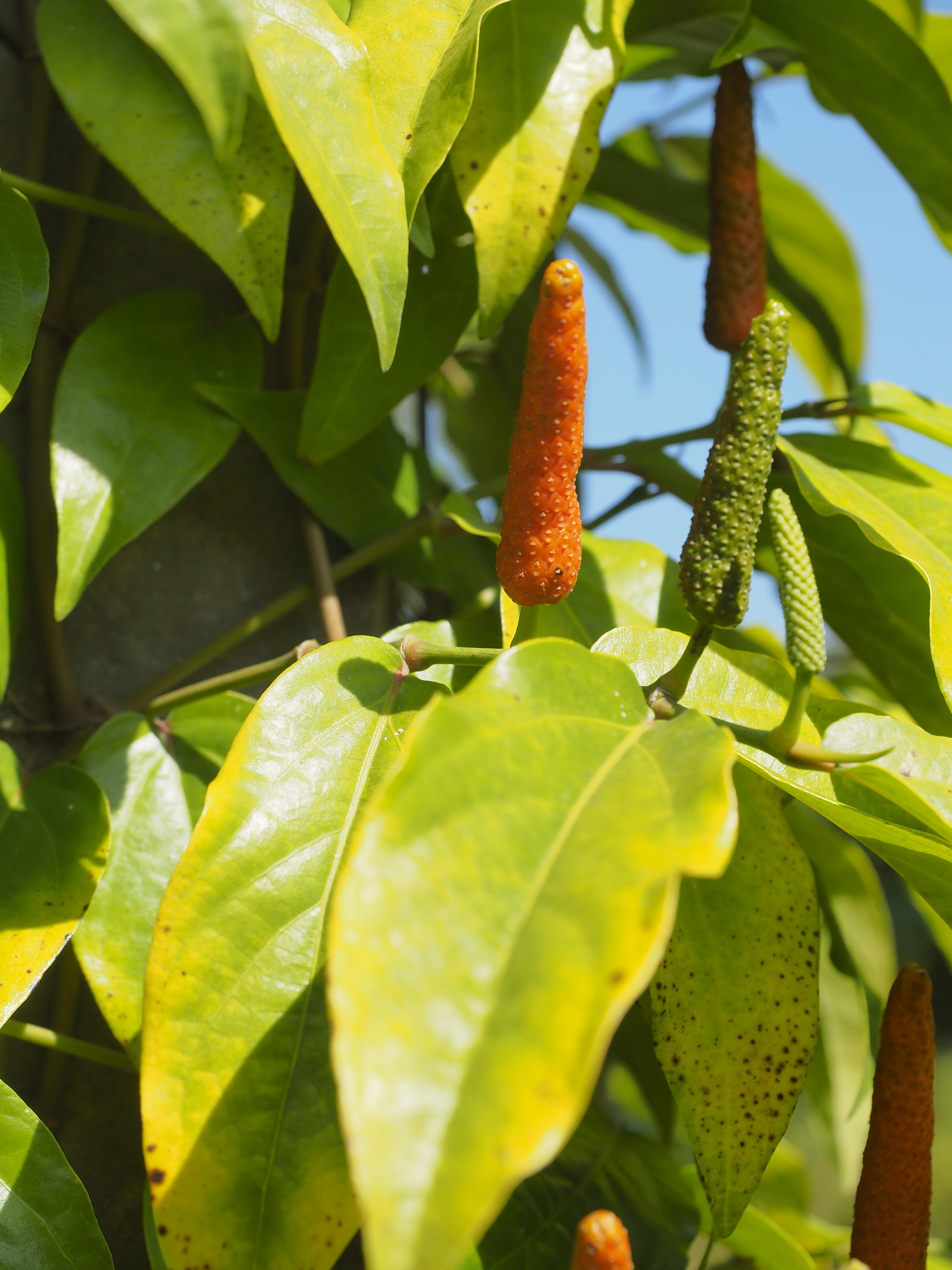
    Researchers have demonstrated that Dwigun Pippali Yog can improve hematological health in children with Bal Pandu, a condition referring to anemia in children. The study, led by Anamika Banjare and colleagues, analyzed the efficacy of this Ayurvedic formulation in a group of diagnosed children. The results showed a significant increase in hemoglobin levels and an improvement in overall hematological parameters. Dwigun Pippali Yog, which combines Pippali (Piper longum) with other herbs, potentially acts by stimulating digestion and nutrient absorption, aligning with Ayurvedic principles that emphasize the importance of Agni (digestion) in health. Although the results are promising, the study had a limited sample size, suggesting the need for further investigations to confirm these findings.

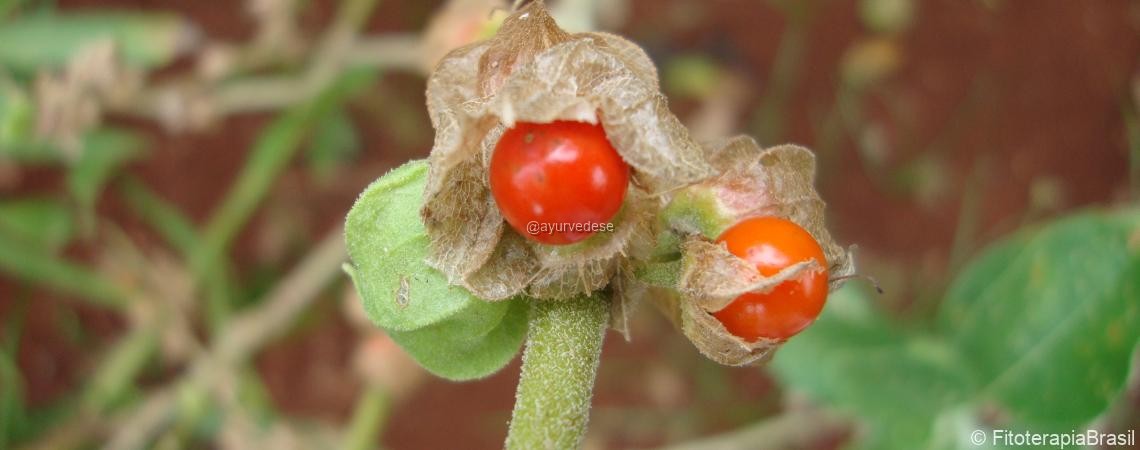
  • Ashwagandha / Ginseng Indiano
    openalex🗞️ Published on Ayurdrops: Jul 08, 2026📅 Source: Jul 06, 2026

    Nutritional and Ayurvedic Approaches to Women's Reproductive Health

    Researchers highlight the importance of an integrated approach to women's reproductive health, combining nutritional practices and Ayurvedic principles. The study by Mrunmayee Paranjape Joglekar explores how proper diet and the use of herbs can positively influence the menstrual cycle, fertility, and overall well-being of women. The research suggests that nutrition plays a crucial role in regulating Agni (digestion) and maintaining the balance of the doshas, especially in conditions such as polycystic ovary syndrome (PCOS). Additionally, the use of herbs such as Aśvagandhā and Śatāvarī is discussed, highlighting their beneficial effects on hormonal health and stress reduction. The study emphasizes the need for more research to validate these approaches, but already points to the relevance of integrating traditional and modern knowledge in promoting women's health.

  • openalex🗞️ Published on Ayurdrops: Jul 08, 2026📅 Source: Jul 06, 2026

    Karanja Kshara Lepa and cervical erosion: what a clinical study reveals

    Researchers evaluated the efficacy of Karanja Kshara Lepa in the treatment of Karnini Yonivyapath, a condition associated with cervical erosion. The study, conducted by Spoorthi Sanjaya Bevur and colleagues, used a randomized controlled clinical design, with participants receiving the treatment for a specific period. Results showed that the use of Karanja Kshara Lepa resulted in significant improvements in symptoms and cervical condition compared to the control group. This finding suggests that topical application of this formulation may be a viable alternative for managing cervical erosion, aligning with Ayurvedic principles that emphasize the use of herbs to promote women's health. However, limitations such as sample size and the need for further studies to confirm these results were noted.

  • openalex🗞️ Published on Ayurdrops: Jul 08, 2026📅 Source: Jul 06, 2026

    Ayurveda and Contemporary Health: A Necessary Review

    Researchers highlight the importance of Ayurveda in modern health, emphasizing its relevance in a world where chronic diseases are becoming increasingly common. The study, conducted by Bedadyuti Mohanty and SadikshaSudan Asnodkar, explores how Ayurvedic principles can be integrated into contemporary health practices. The authors argue that Ayurveda, with its holistic approach and focus on prevention, offers valuable solutions for managing conditions such as stress, anxiety, and metabolic diseases. Furthermore, the research suggests that personalizing treatments based on individual constitution (prakriti) can improve health outcomes. However, the review also points to the need for more rigorous clinical studies to validate these practices and effectively integrate Ayurveda into modern medicine.

  • openalex🗞️ Published on Ayurdrops: Jul 08, 2026📅 Source: Jul 06, 2026

    Unveiling the Power of Shodhana and Shamana in Kampavata: Perspectives from Current Research

    Researchers have identified the efficacy of Shodhana (detoxification) and Shamana (palliative) approaches in treating Kampavata, a condition related to arthritis and Vata disorders. The study, conducted by Pooja Pooja and colleagues, highlights how these Ayurvedic practices can be integrated with modern findings to optimize symptom management. The research suggests that combining traditional therapies with contemporary interventions may result in significant improvements in patients' quality of life. The authors emphasize the importance of an individualized protocol, considering the multifaceted nature of Kampavata, which involves both physical and emotional factors. Data analysis reveals that the application of Shodhana can reduce inflammation and improve joint mobility, while Shamana acts on pain relief and promotes overall well-being. Despite promising findings, the study acknowledges limitations, such as the need for further clinical investigations to validate results in larger populations.

  • openalex🗞️ Published on Ayurdrops: Jul 08, 2026📅 Source: Jul 06, 2026

    Dharaneeya Vegas: An Ayurvedic and Psychological Perspective

    Researchers explored the relationship between Dharaneeya Vegas, which refer to urges and desires, and mental health from an Ayurvedic perspective. The study highlights how these urges can influence behavior and emotional health, suggesting that understanding these aspects may be crucial for well-being. The connection between Dharaneeya Vegas and the doshas is discussed, emphasizing that imbalances in these urges can lead to emotional and physical disturbances. Furthermore, the research suggests that Ayurvedic practices, such as meditation and dietary adjustments, can help regulate these urges, promoting a state of balance. The authors, Pallavi Sanjay Kumar, Kirti Bhati, and Sushmitha Bharadwaj HG, argue that integrating the psychological perspective with the Ayurvedic approach can offer a more holistic path for treating emotional issues.

  • openalex🗞️ Published on Ayurdrops: Jul 08, 2026📅 Source: Jul 06, 2026

    Unlocking the Voice Naturally: The Potential of Mahasarasvati Churna for Speech Disorders

    Researchers explored the neurotherapeutic potential of Mahasarasvati Churna, an Ayurvedic formulation, in treating speech disorders such as Mookatva (loss of voice) and Gadagada (stuttering). The study highlights that Mahasarasvati Churna may act on neurophysiological mechanisms, promoting vocal health and speech fluency. The authors, including Rahul Yadav and Neeraj Agrawal, suggest that the combination of herbs in the formula may positively influence neurological function related to communication. Although the results are promising, it is important to note that the research is still in early stages, and more clinical studies are needed to validate these findings. The relationship between Ayurvedic principles and modern pharmacodynamics is evident, showing how ancient wisdom can integrate with contemporary science.

  • Valeriana-do-himalaia / Tagara
    openalex🗞️ Published on Ayurdrops: Jul 08, 2026📅 Source: Jul 06, 2026

    Valerian and Childhood Epilepsy: Anticonvulsant and Neuroprotective Effects

    Researchers reviewed the effects of Valeriana wallichii (Tagara) on pediatric epilepsy, highlighting its anticonvulsant and neuroprotective properties. The review covered studies showing how Valerian may modulate brain electrical activity, reducing the frequency and severity of epileptic seizures. The authors, including Manisha Sahu and Neeraj Agrawal, point out that Valerian may influence neurotransmitters such as GABA, promoting a calming effect on the central nervous system. Although the results are promising, the review also emphasizes the need for more clinical studies to validate these findings, especially in pediatric populations. The connection between Ayurvedic principles and the observed effects in research suggests that Valerian may be a viable option to complement epilepsy treatment in children, aligning with Ayurveda's holistic approach.

  • openalex🗞️ Published on Ayurdrops: Jul 08, 2026📅 Source: Jul 06, 2026

    Agasti Modak and Productive Cough in Children: Pharmacodynamic Potential in Focus

    Researchers investigated the pharmacodynamic potential of Agasti Modak in treating productive cough in children. Productive cough, common in childhood, can be debilitating and requires effective interventions. The study, involving authors such as Yamuna Yamuna and Neeraj Agrawal, analyzes how the combination of herbs in Agasti Modak may act to reduce cough and promote expectoration. Preliminary results suggest that the formulation may improve respiratory function and reduce cough frequency, although further studies are needed to confirm these findings. The research highlights the importance of integrative and evidence-based approaches in treating pediatric conditions, aligning with Ayurvedic principles that value the use of herbs for body balance and health promotion.

  • Devadāru / Cedro do Himalaia
    openalex🗞️ Published on Ayurdrops: Jul 08, 2026📅 Source: Jul 06, 2026

    Burn Healing with Cedrus deodara Extract: What a Rat Study Reveals

    Researchers evaluated the efficacy of an ointment based on Cedrus deodara leaf extract in healing burn wounds in Wistar rats. The study, conducted by Priya Uniyal and colleagues, demonstrated that treatment with the extract promoted a significant reduction in healing time, as well as improved skin regeneration and collagen formation. The results showed that applying the ointment resulted in faster healing compared to the control group, suggesting that bioactive compounds present in Cedrus deodara may play an important role in modulating the healing process. Although the findings are promising, it is important to consider that the study was conducted in an animal model, which limits the generalization of results to humans. Further investigations are needed to understand the mechanisms involved and clinical applicability in humans.

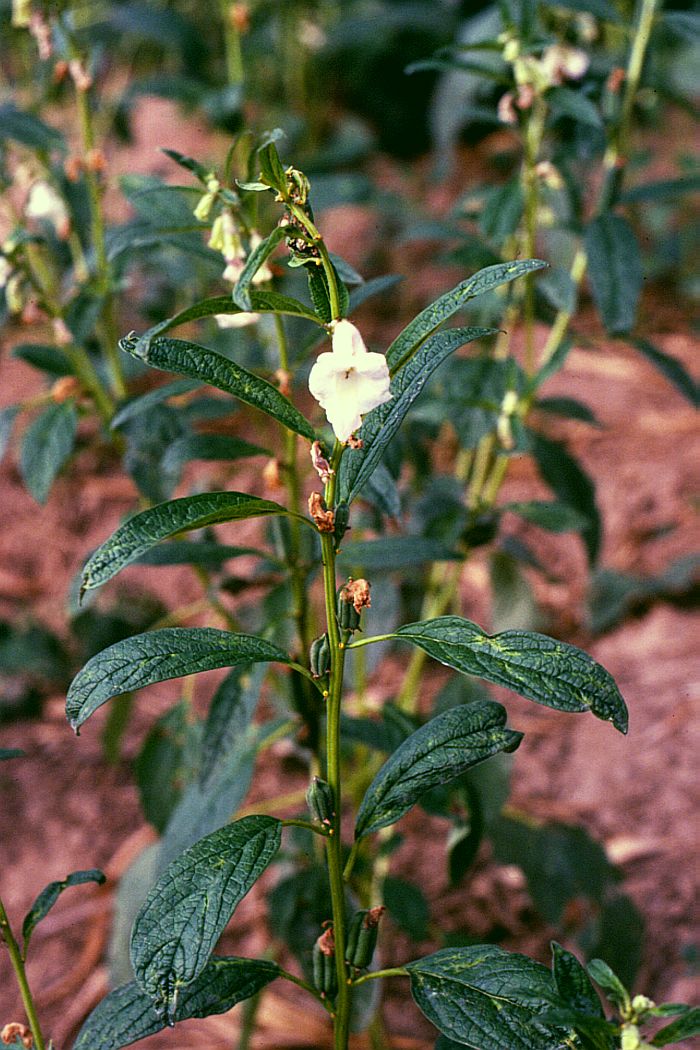
  • Óleo de Gergelim
    openalex🗞️ Published on Ayurdrops: Jul 08, 2026📅 Source: Jul 06, 2026

    Oils and their modified forms in the treatment of skin diseases: a review

    Researchers highlight the efficacy of oils (Taila) and their modified forms in treating various skin diseases. The study reviews the literature on the topical application of Ayurvedic oils, which are known for their anti-inflammatory, moisturizing, and healing properties. Authors such as Gayatri M. Atar and R.S. Hiremath analyze how different oil formulations can be adapted to meet the specific needs of each dermatological condition. Among the observed benefits are improved skin hydration and reduced inflammation, with emphasis on the use of oils such as coconut and sesame. Although the results are promising, the study also points out limitations, such as the need for more controlled clinical trials to validate the claims and better understand the mechanisms of action of the oils. The connection between Ayurvedic principles and modern dermatology is evident, suggesting that personalization of formulations may be the key to more effective treatment.

  • Devadāru / Cedro do Himalaia
    openalex🗞️ Published on Ayurdrops: Jul 08, 2026📅 Source: Jul 06, 2026

    Cedrus deodara and kidney protection: how an extract can help against lead toxicity

    Researchers evaluated the effects of Cedrus deodara leaf extract on Wistar rats exposed to lead acetate-induced toxicity. The study, conducted by Anjali Kumari Singh and colleagues, demonstrated that the extract exhibited significant protective properties against kidney damage, reducing markers of oxidative stress and inflammation. The results indicate that treatment with Cedrus deodara may improve compromised renal function, suggesting a therapeutic potential for nephrotoxicity conditions. Although the data are promising, it is important to consider that the study was conducted in an animal model, which limits the generalization of the results to humans. Further investigations are needed to understand the exact mechanisms involved and the clinical applicability of the extract.

  • openalex🗞️ Published on Ayurdrops: Jul 08, 2026📅 Source: Jul 06, 2026

    Effects of Shirishadi Taila in Nasya administration for autism

    Researchers investigated the effects of Shirishadi Taila, an Ayurvedic formulation, in the administration of Nasya (nasal administration) in individuals with autism. The study, conducted by Deeplata Bunker and colleagues, highlights how this approach may influence mental and behavioral health. The results suggest that Shirishadi Taila may have a positive impact on reducing symptoms associated with autism, promoting an improvement in patients' quality of life. The formulation is composed of ingredients that act on the nervous system, enhancing communication between cells and promoting a state of balance. Although the findings are promising, it is important to consider that the study is still in its early stages and requires further investigation to validate these results in larger populations and with different clinical profiles.

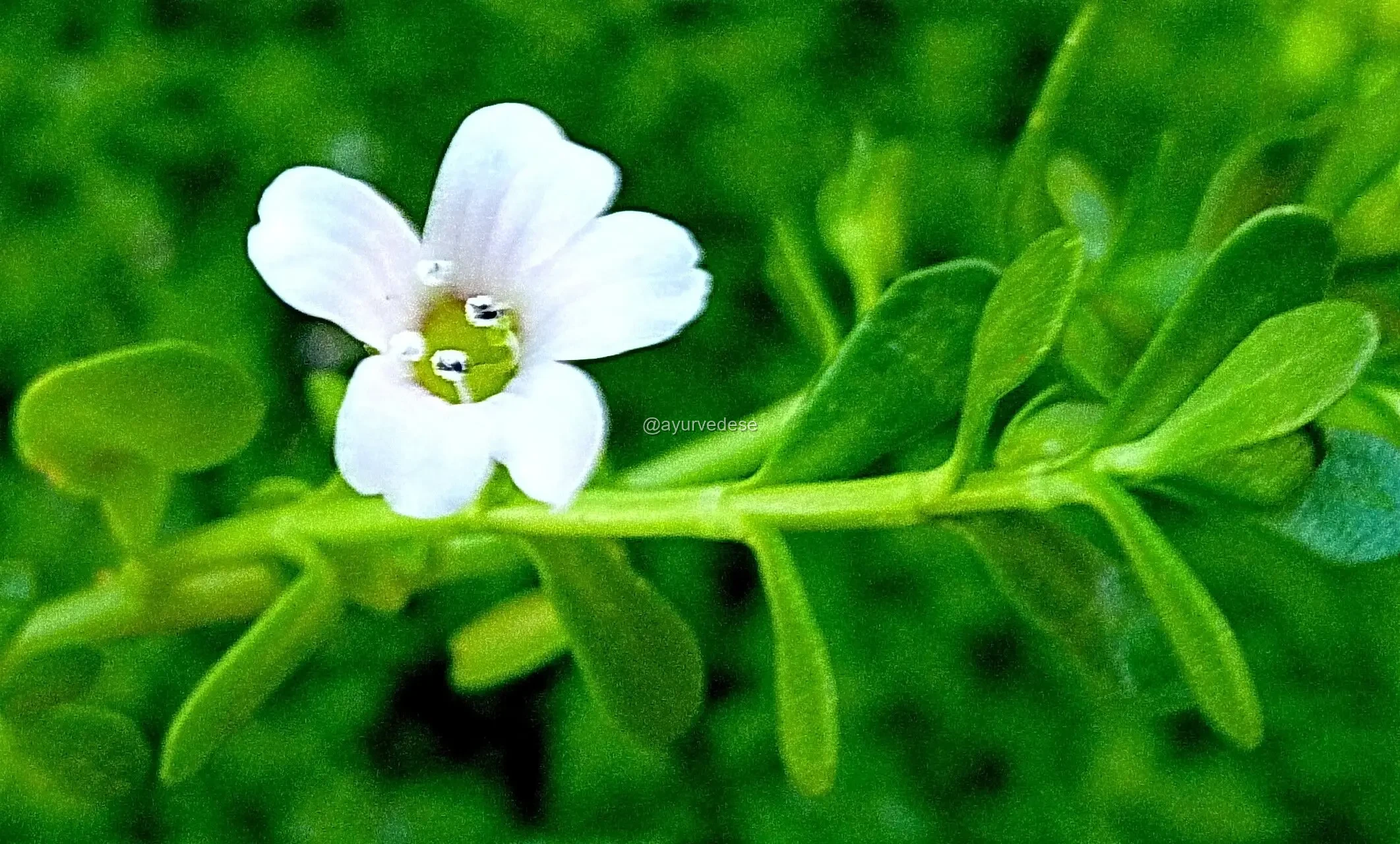
  • Brahmi / Bacopa
    pubmed🗞️ Published on Ayurdrops: Jul 07, 2026📅 Source: Jul 06, 2026

    Brahmi Ghrita and Kidney Protection: What a Drosophila Study Reveals

    Researchers demonstrated that Brahmi Ghrita, an Ayurvedic formulation, exerts a protective effect on the kidneys in a Drosophila melanogaster model with mutations in the caspase 3 gene. The study, conducted by Sagar SC and Tapadia MG, revealed that administration of Brahmi Ghrita resulted in reduced cyst formation in the Malpighian tubules, structures equivalent to kidneys in insects. The authors observed that the intervention improved renal function, suggesting that bioactive compounds present in Brahmi Ghrita may act by modulating apoptotic and inflammatory processes, which are critical in the pathology of the polycystic phenotype. Although the results are promising, it is important to note that the study was conducted in an animal model, which limits the generalization of the findings to humans. However, the connection between Ayurvedic principles and the observed mechanisms offers a new perspective on the use of Brahmi Ghrita in kidney health.

  • Śaṅkhapuṣpī
    pubmed🗞️ Published on Ayurdrops: Jul 07, 2026📅 Source: Jul 02, 2026

    Convolvulus pluricaulis and the recovery of nerve injuries: what a study reveals

    Researchers have demonstrated that Convolvulus pluricaulis, a plant traditionally used in Ayurvedic medicine, may play a significant role in the recovery of sciatic nerve injuries. In a surgical model of nerve injury, administration of this herb modulated oxidative, inflammatory, and neurochemical pathways, resulting in reduced inflammation and improved neural regeneration. The authors, Ali Z, Chandra P, Fatma N, Sharma KK, and Sachan N, observed that the plant acts by decreasing oxidative stress and regulating inflammatory mediators, which may be crucial for the recovery of nerve damage. This study highlights the relevance of Convolvulus pluricaulis in neuroprotection and suggests that its properties may be explored in integrative therapies for nerve injuries.

  • Pāṣāṇabheda / Bergenia
    openalex🗞️ Published on Ayurdrops: Jul 06, 2026📅 Source: Jul 03, 2026

    Aerva lanata and Ficus carica: Exploring Phytocompounds and Therapeutic Potential

    Researchers reviewed the phytotherapeutic properties of Aerva lanata and Ficus carica, highlighting their bioactive compounds and potential clinical applications. Aerva lanata, known for its diuretic and anti-inflammatory properties, contains flavonoids and saponins that may contribute to kidney health and reduction of inflammation. On the other hand, Ficus carica is rich in antioxidants and fiber, showing benefits in digestion and blood sugar control. The review suggests that the combination of these plants may offer significant support in integrative treatments, although more clinical studies are needed to validate these applications. The authors, including P. Sivasubramanian and Anna Poorani M, emphasize the importance of exploring phytotherapy as a viable alternative in modern medicine.

  • openalex🗞️ Published on Ayurdrops: Jul 06, 2026📅 Source: Jul 03, 2026

    Experimental Models of Melanogenesis: Validating Varnya Karma in Ayurveda

    Researchers explored contemporary experimental models of melanogenesis to validate the concept of Varnya Karma in Ayurveda. The study, led by Zodage Samruddhi Suresh and collaborators, highlights the importance of melanin in skin protection and aesthetics, aligning with Ayurvedic principles that consider skin color as a reflection of internal health. The authors discuss how the activation of melanocytes, cells responsible for melanin production, can be influenced by factors such as oxidative stress and inflammation, which are addressed in Ayurveda through practices that balance the doshas. The results suggest that modern understanding of melanogenesis may support the efficacy of Ayurvedic treatments aimed at improving skin health and appearance. However, the study has limitations, such as the need for more clinical research to confirm these findings in humans.