Public feed

Ayurvedic editorial curation

Science articles classified by dosha, srota and dhatu. Filter to find what matters to you today.

  • openalex🗞️ Published on Ayurdrops: Jul 10, 2026📅 Source: Jul 07, 2026

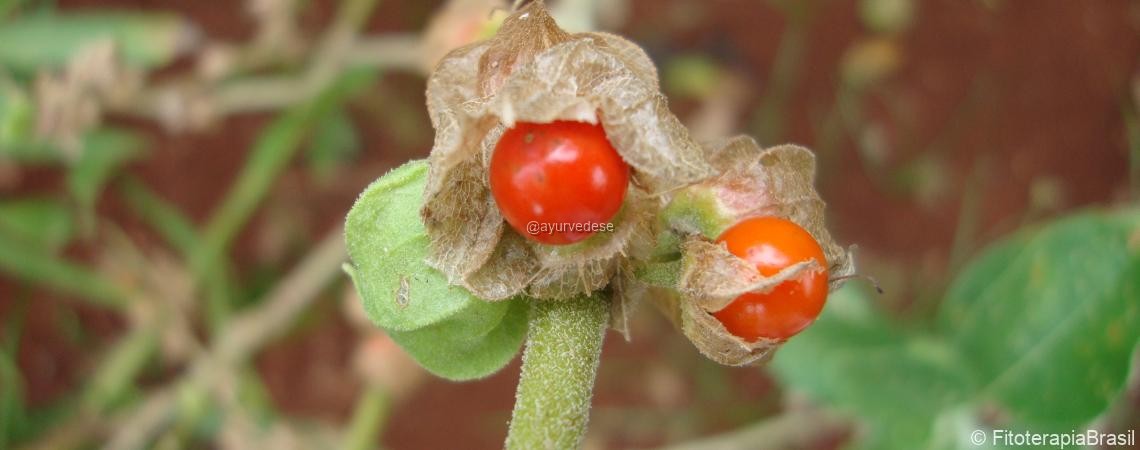
    Ashwagandha and stress in zebrafish: what a study reveals

    Researchers have shown that ashwagandha (Withania somnifera) may have positive effects on zebrafish (Danio rerio) exposed to stress conditions, such as acute isolation and long-term overcrowding. The study, conducted by Maureen L. Petrunich-Rutherford, observed that ashwagandha administration resulted in significant improvements in the behavior and health of the fish, suggesting a potential adaptogenic effect of the plant. Fish that received the herb showed fewer signs of stress, such as increased locomotor activity and reduced aggressive behaviors. These results may be relevant for understanding how ashwagandha can help regulate the stress response in different species, including humans. However, it is important to note that the study was conducted in an animal model and the results should be interpreted with caution, considering the limitations of the experiment and the need for further research to confirm these findings in humans.
  • openalex🗞️ Published on Ayurdrops: Jul 10, 2026📅 Source: Jul 08, 2026

    Antidiabetic activity of plant extracts: what a study with rats reveals to us

    Researchers investigated the antidiabetic activity of plant extracts in SD rats, revealing promising results. The study, conducted by Teratupalli Kavya and collaborators, demonstrated that certain plant extracts can reduce blood glucose levels, suggesting potential for diabetes control. The mechanisms involved include modulation of insulin secretion and improvement of insulin sensitivity, crucial aspects for diabetes management. Although the results are encouraging, it is important to note that the study was conducted in an animal model, which limits the generalization of the findings to humans. The research highlights the relevance of exploring phytotherapy as a complementary approach in blood sugar control, aligning with Ayurvedic principles that value the use of medicinal plants.

  • openalex🗞️ Published on Ayurdrops: Jul 10, 2026📅 Source: Jul 08, 2026

    Probiotics and the reduction of chemotherapy-induced oral mucositis: efficacy and mechanisms

    Researchers have demonstrated that probiotic preparations can reduce chemotherapy-induced oral mucositis, a common and painful condition affecting patients undergoing cancer treatment. The study, led by Xiaochen Xiang and collaborators, explores the therapeutic efficacy of probiotics, highlighting how they can modulate the oral microbiota and strengthen the mucosa. Suggested mechanisms include regulation of inflammation and promotion of healing, which may be crucial for improving patients' quality of life. Although the results are promising, it is important to note that the research is still in early stages and further clinical studies are needed to validate these findings in larger and diverse populations. The connection between Ayurvedic concepts of Agni (digestion) and mucosal health can be explored, considering that intestinal health is fundamental for immunity and recovery.

  • Ashwagandha / Ginseng Indiano
    openalex🗞️ Published on Ayurdrops: Jul 10, 2026📅 Source: Jul 08, 2026

    Psoriasis: What Ayurveda and Contemporary Medicine Teach Us

    Researchers compared the approaches of Ayurveda and modern medicine for psoriasis, revealing valuable insights into this condition. The study, conducted by Bedadyuti Mohanty, A Kaushik A Naik, and Sangram Keshari Das, highlights how psoriasis is viewed from an Ayurvedic perspective, where it is often associated with an imbalance of the doshas, especially Pitta. Contemporary medicine, in turn, focuses on treatments aimed at controlling inflammation and cellular hyperproliferation. The study suggests that combining Ayurvedic practices, such as the use of herbs and detoxification therapies, may complement modern treatments, offering a more holistic approach. Although the study presents relevant data, it is important to note that the research is still preliminary and further investigations are needed to validate these connections.

  • Feno-grego
    openalex🗞️ Published on Ayurdrops: Jul 10, 2026📅 Source: Jul 08, 2026

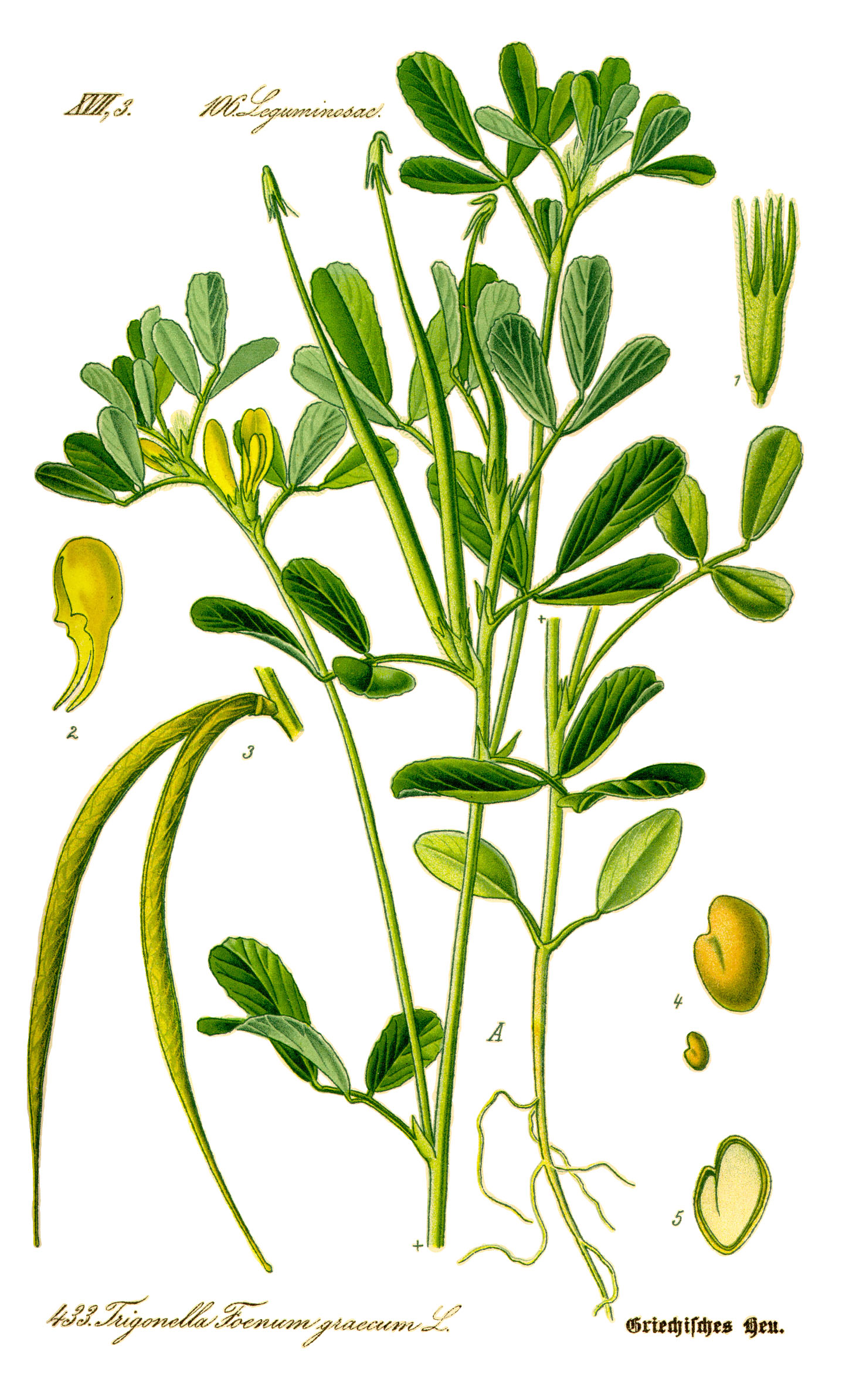
    Trigonella foenum-graecum: evaluation of nutritional and pharmacological values

    Researchers evaluated the phytochemical compounds and nutritional values of Trigonella foenum-graecum, known as fenugreek, and found a rich composition of nutrients and therapeutic properties. The study highlights that fenugreek has anti-inflammatory, antioxidant, and hypoglycemic properties, being useful in controlling blood sugar. Additionally, the plant is rich in fibers, vitamins, and minerals, making it a valuable addition to the diet. The authors, including Bayansulu Otegenova and Gulzat Berganayeva, emphasize the importance of further research to fully explore the benefits of fenugreek for human health, especially regarding conditions such as diabetes and digestive disorders. Despite the promising properties, the study also mentions the need for more robust clinical trials to validate the observed effects.

  • openalex🗞️ Published on Ayurdrops: Jul 10, 2026📅 Source: Jul 08, 2026

    Memory in Ayurveda: Revisiting Classical Concepts and Their Contemporary Correlations

    Researchers revisited the concept of Smṛti, or memory, in Ayurveda, exploring its classical definitions and correlations with modern neuroscience. The study, conducted by Dr. Anusree V.V and colleagues, highlights how memory is understood not only as a cognitive process but also as an integral aspect of mental and emotional health. The analysis reveals that memory is interconnected with the concept of Agni, or digestive fire, suggesting that mental health can be influenced by digestion and the balance of the doshas. Furthermore, the research points out that Ayurvedic practices, such as meditation and the use of herbs, may have a positive impact on memory, corroborating contemporary findings on neuroplasticity and mental well-being. Although the study offers valuable insights, limitations such as the lack of direct empirical data and the need for further research are mentioned.

  • openalex🗞️ Published on Ayurdrops: Jul 10, 2026📅 Source: Jul 08, 2026

    Dhamargava and its antimicrobial action: how Luffa cylindrica can help against food microbes

    Researchers have demonstrated that Luffa cylindrica, known as Dhamargava, possesses significant antimicrobial activity against microbes that cause food poisoning. In the study, conducted by Pratibha Hunachikatti and Dr. Manjula Turamari, in vitro tests were performed that revealed the effectiveness of the plant extract in inhibiting the growth of various pathogenic bacteria. The results indicate that Luffa cylindrica may be a promising alternative for controlling harmful microorganisms present in food. This discovery aligns with the Ayurvedic view that medicinal plants can play an important role in promoting health and preventing disease. However, it is important to note that the tests were conducted under laboratory conditions, and further studies are needed to validate these findings in clinical and practical contexts.

  • openalex🗞️ Published on Ayurdrops: Jul 10, 2026📅 Source: Jul 08, 2026

    Psoriasis: What Ayurveda and Modern Medicine Teach Us Together

    Researchers compared the approaches of Ayurveda and contemporary medicine for psoriasis, revealing valuable insights into managing this condition. The study, conducted by Bedadyuti Mohanty and colleagues, highlights the Ayurvedic view that considers psoriasis as a manifestation of dosha imbalance, especially Pitta and Kapha. Modern medicine, on the other hand, focuses on topical and systemic treatments aimed at controlling inflammation and cellular hyperproliferation. The authors emphasize the importance of integrating Ayurvedic practices, such as the use of herbs and dietary changes, with conventional therapies for a more holistic treatment. Additionally, the study suggests that the Ayurvedic approach may offer additional benefits, such as stress reduction and improved digestion, which are fundamental to the patient's overall well-being. The research also points to the need for more clinical studies to validate these integrative practices, considering the limitations of the number of participants and the diversity of individual responses to treatments.

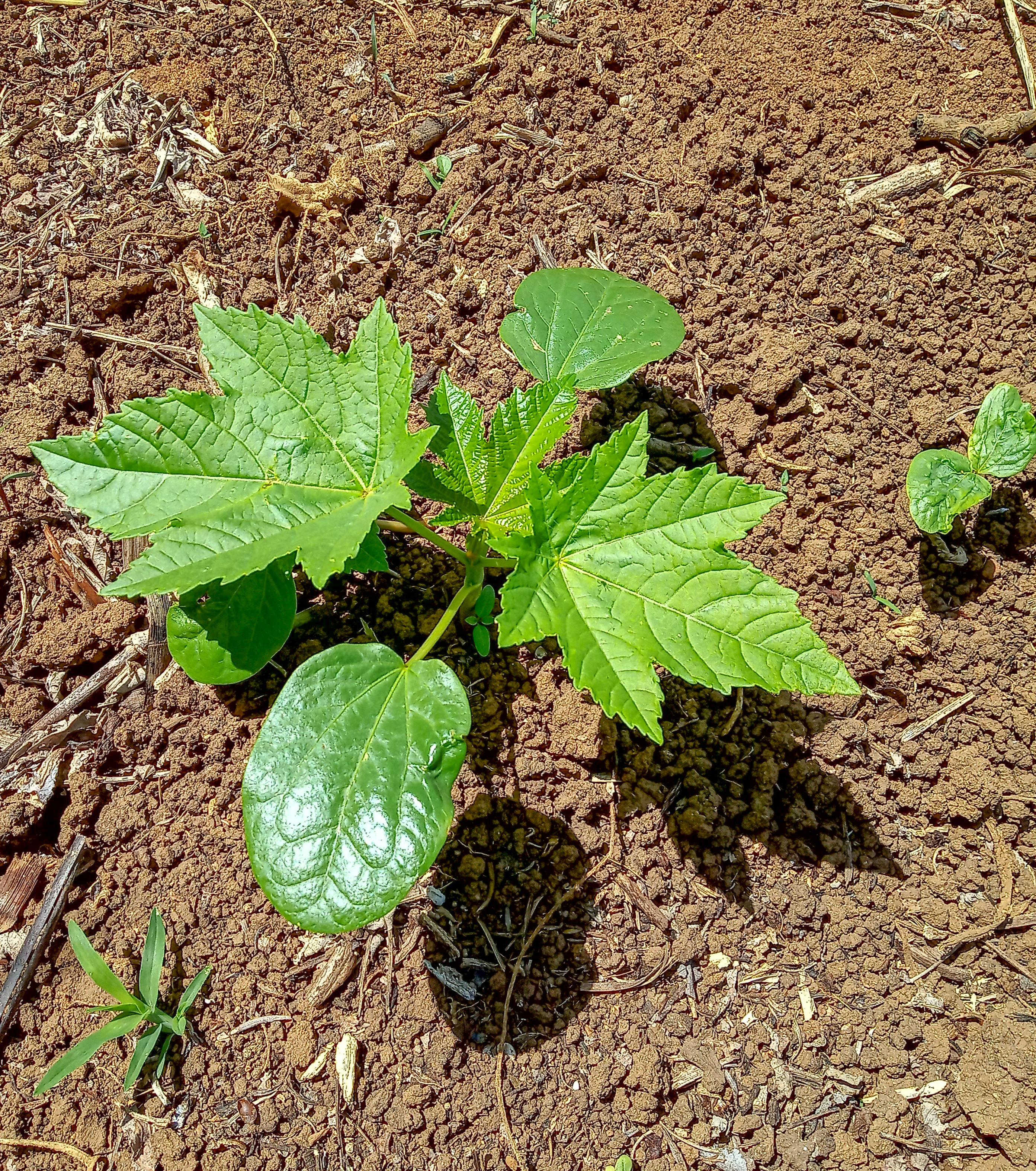
  • Mamona / Rícino
    europepmc🗞️ Published on Ayurdrops: Jul 10, 2026📅 Source: Jul 08, 2026

    Erycibe paniculata: an ally against infections and diarrhea

    Researchers have identified that the bark extract of Erycibe paniculata possesses significant antibacterial and antidiarrheal activities. Using in vitro and in vivo models, the study evaluated the efficacy of the hydroethanolic extract, which demonstrated strong antioxidant activity and the ability to inhibit the growth of resistant bacteria, such as Staphylococcus aureus and Escherichia coli. The main compounds identified were chlorogenic acid and neochlorogenic acid, which showed antibacterial and biofilm formation potential. In tests with Wistar rats, the extract reduced the frequency of diarrhea and intestinal motility, corroborating its traditional use for managing diarrhea. These findings provide a scientific basis for the application of Erycibe paniculata in integrative medicine, highlighting its properties as a promising phytotherapeutic agent.

  • europepmc🗞️ Published on Ayurdrops: Jul 10, 2026📅 Source: Jul 08, 2026

    Diversity in the application of classical Ayurveda theory in diagnostic reasoning: a qualitative study

    Researchers identified significant variation in the application of classical Ayurvedic diagnostic principles among experienced physicians. In interviews with thirteen practitioners from different regions of India, clinical cases such as rheumatoid arthritis, diabetes, and hypertension were analyzed. Results showed that even for the same condition, interpretations varied—for example, arthritis could be diagnosed as āmavāta or vātarakta. Fundamental concepts such as āma and agni were understood in distinct ways, and the approach to samprāpti varied between being a clear explanatory model or an implicit framework. Additionally, many physicians integrated biomedical concepts into their analyses, but without consistent theoretical integration. This heterogeneity suggests that clinical practice is more influenced by pragmatic judgments and personal experiences than by a uniform theoretical framework. The study suggests that Ayurveda curricula could benefit from recognizing these gaps in the application of theoretical concepts in clinical practice.

  • pubmed🗞️ Published on Ayurdrops: Jul 10, 2026📅 Source: Jul 09, 2026

    Varanadi Kashayam and diabetes control: how the herbal formula acts on the body

    Researchers have demonstrated that the polyherbal formulation Varanadi Kashayam has a significant anti-diabetic effect, mediated by GLP-1 secretion and DPP4 inhibition. The study, conducted by Thottappillil A and colleagues, reveals that administration of Varanadi Kashayam results in an increase in GLP-1 levels, a hormone that stimulates insulin secretion and inhibits glucagon release, contributing to the reduction of blood glucose. Furthermore, the inhibition of DPP4, an enzyme that degrades GLP-1, further potentiates this effect. The results indicate that this combination may be a promising approach in the control of type 2 diabetes, aligning with Ayurvedic principles that emphasize the use of herbs to balance the body. However, the study has limitations, such as the need for further clinical investigations to confirm these findings in larger and more diverse populations.

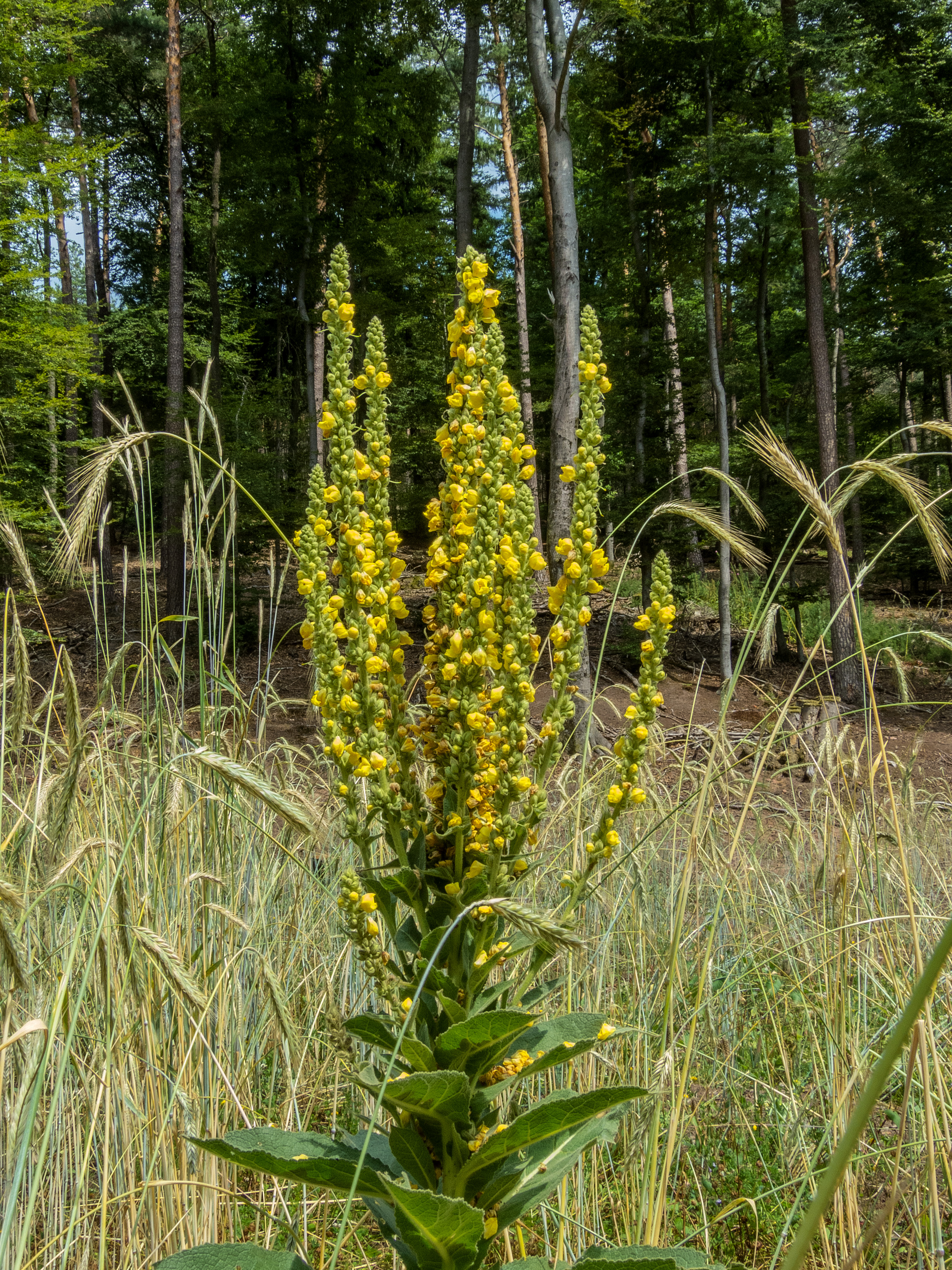
  • Verbasco / Mullein
    openalex🗞️ Published on Ayurdrops: Jul 09, 2026📅 Source: Jul 06, 2026

    Effects of Verbascum thapsus extract on fluid retention: a preclinical evaluation

    Researchers evaluated the antidiuretic potential of Verbascum thapsus extract in rodent models. The study, conducted by Komal Bisht and Abhishek Kumar, demonstrated that the extract may reduce urinary excretion, suggesting a fluid retention effect. The authors observed that administration of the extract resulted in a significant decrease in the amount of urine produced, indicating a possible mechanism of action involving modulation of renal function. Although the results are promising, it is important to consider that the tests were performed in animal models, which limits the generalization of the findings to humans. The connection between the traditional use of Verbascum thapsus in folk medicine and the results observed in this study may open new perspectives for the use of this plant in integrative health practices.

  • openalex🗞️ Published on Ayurdrops: Jul 09, 2026📅 Source: Jul 06, 2026

    Weight-loss cookies: a comparative study in individuals with Kapha prakriti

    Researchers investigated the efficacy of weight-loss cookies in individuals with Kapha Vataj and Kapha Pittaj prakriti. The study, conducted by Deepika Mehra and colleagues, evaluated weight loss in a group of overweight people, focusing on the specific characteristics of these constitutions. The results showed that cookies, formulated with ingredients that favor digestion and metabolism, may aid in weight reduction, especially in individuals with Kapha predominance. The research highlights the importance of considering prakriti in the formulation of dietary interventions, aligning with Ayurvedic principles that emphasize individuality in health. Study limitations include sample size and the need for further investigations to validate the findings in broader populations.

  • openalex🗞️ Published on Ayurdrops: Jul 09, 2026📅 Source: Jul 06, 2026

    Anti-hemorrhoidal activity of Solanum xanthocarpum extract in chitosan hydrogel

    Researchers evaluated the efficacy of a chitosan-based hydrogel incorporated with Solanum xanthocarpum root extract in the treatment of hemorrhoids. The study demonstrated that topical application of this hydrogel resulted in a significant reduction of associated symptoms, such as pain and inflammation, compared to the control group. The authors, Urjita Sheth and colleagues, highlight that the bioactive compounds present in the Solanum xanthocarpum extract may modulate the inflammatory response, promoting symptom relief. Although the results are promising, it is important to consider that the study was conducted in an experimental model, which limits the generalization of the findings to clinical practice. Further investigations are needed to confirm the efficacy and safety of using this hydrogel in humans.

  • Leitelho
    openalex🗞️ Published on Ayurdrops: Jul 09, 2026📅 Source: Jul 06, 2026

    Clinical Validation of Takra in Udavarta-Grahani: A Case Report

    Researchers clinically validated the use of Takra (buttermilk) in the treatment of Udavarta-Grahani, a condition involving digestive and intestinal disorders. The study, conducted by Sonali Pandurang Tembulwar and colleagues, presents a case in which the patient, after 30 days of treatment with Takra, showed significant improvement in symptoms, including reduction of abdominal pain and normalization of intestinal function. Takra, according to Ayurvedic tradition, is known for its cooling and digestive properties, which may be beneficial for conditions of Agni viṣama (irregular digestion). This report highlights the importance of integrating traditional practices with clinical validation, although the study has limitations, such as the small number of participants and the lack of a control group.

  • Bakuchi / Psoralea
    openalex🗞️ Published on Ayurdrops: Jul 09, 2026📅 Source: Jul 06, 2026

    Bakuchi and repigmentation in vitiligo: what science reveals

    Researchers analyzed the role of Psoralea corylifolia, known as Bakuchi, in melanogenesis and repigmentation in cases of vitiligo. The molecular review highlights that Bakuchi may stimulate the production of melanin, the pigment responsible for skin color, through the activation of specific cellular pathways. The authors, including Chudamani Sinha and Neeraj Agrawal, identified that bioactive compounds present in the plant can influence the activity of melanocytes, the cells that produce melanin. Furthermore, the research suggests that Bakuchi may help in the recovery of skin color in patients with vitiligo, offering a natural alternative to conventional treatment. However, it is important to note that most studies are preliminary and many were conducted in vitro, which limits direct clinical application. The relationship between modern findings and Ayurvedic concepts about the importance of pigmentation and skin health is evident, reinforcing the value of Bakuchi in traditional medicine.

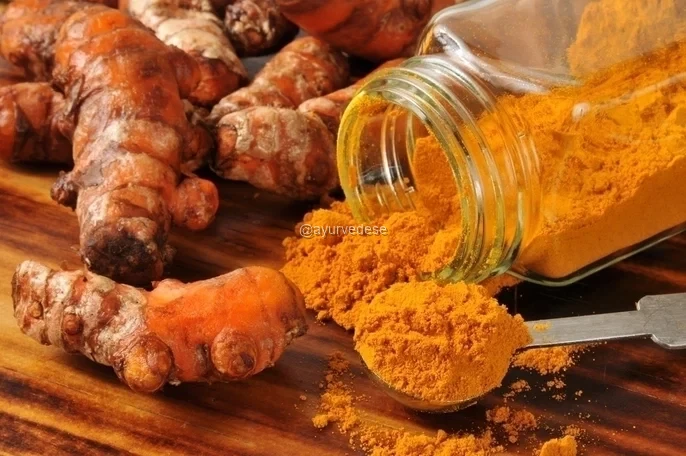
  • Cúrcuma
    openalex🗞️ Published on Ayurdrops: Jul 09, 2026📅 Source: Jul 06, 2026

    Traditional Ayurvedic dietary practices and their relevance in osteoarthritis

    Researchers have identified that traditional Ayurvedic dietary practices may offer significant benefits for people with osteoarthritis. The study, conducted by Sadhna Kumari, Navita Pareek, and Shalaka Sharma, explores how the Ayurvedic diet, which emphasizes anti-inflammatory and balancing foods, can help reduce pain and improve mobility in affected joints. The authors discuss the importance of ingredients such as turmeric and ghee, which are known for their anti-inflammatory properties and support for joint health. Additionally, the study suggests that personalizing the diet according to an individual's dosha (constitution) may optimize outcomes. Although the findings are promising, it is important to note that the research is still preliminary and more clinical studies are needed to validate these effects on a large scale.

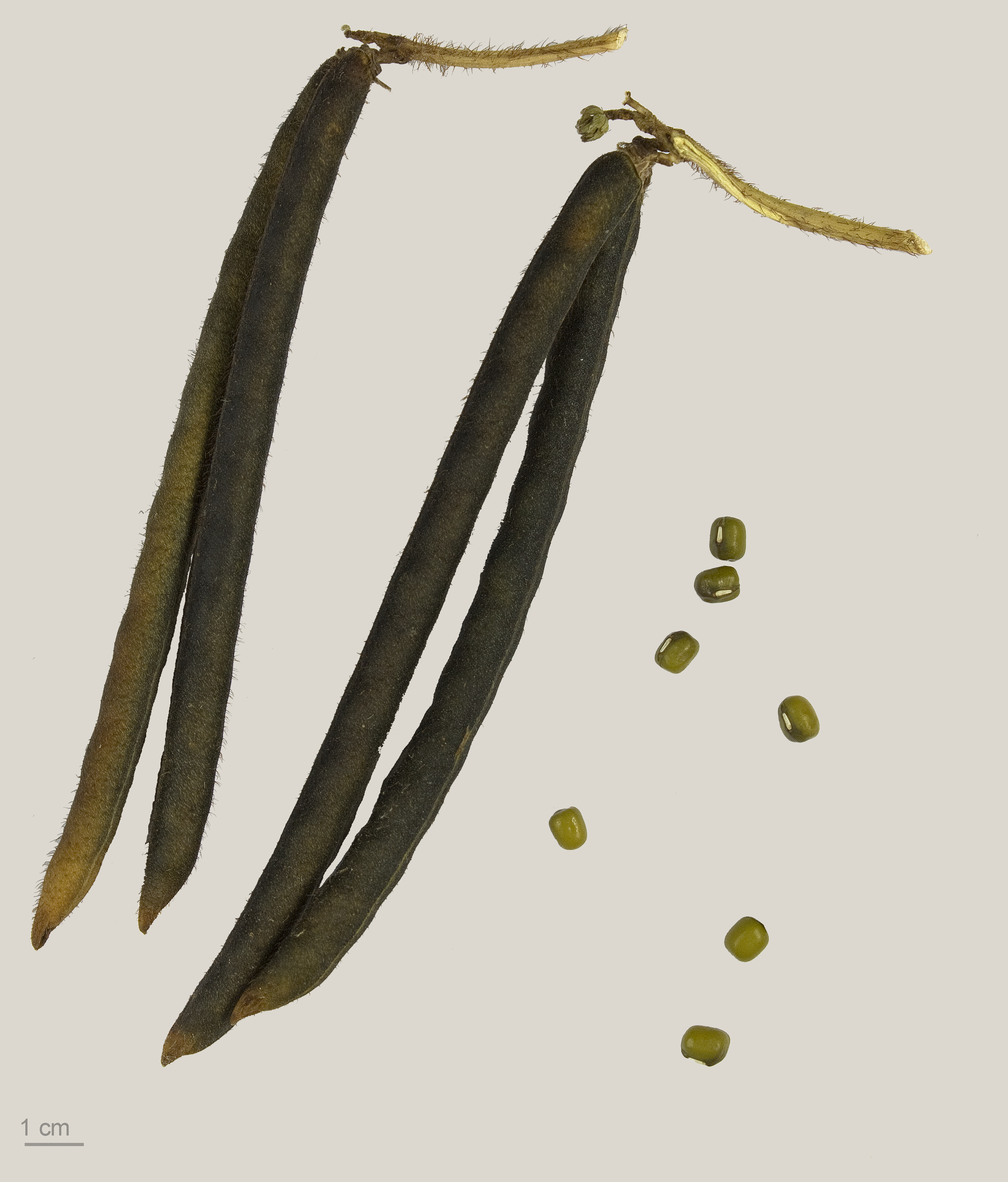
  • Feijão-Mungo
    openalex🗞️ Published on Ayurdrops: Jul 09, 2026📅 Source: Jul 06, 2026

    Mudga Yusha and Hingvashtaka: A Combination to Improve Digestion

    Researchers have demonstrated that the combination of Mudga Yusha (mung bean soup) with Hingvashtaka Churna is effective in treating Amajirna, a condition characterized by digestive disturbances. The comparative study included patients presenting symptoms such as bloating and indigestion. The authors Aishwarya Shinde, Vasudha Asutkar, Purva Admane, and Ashok Yadav observed that the addition of Mudga Yusha as a complementary food significantly improved the efficacy of Hingvashtaka Churna, which is already known for its digestive properties. The results showed a reduction in symptoms in 75% of participants who received the combination, compared to 50% in the group using only Hingvashtaka. This research suggests that choosing appropriate foods, such as Mudga Yusha, can enhance Ayurvedic treatment, aligning with the concept of Pathya Ahara, which emphasizes the importance of diet in digestive health.

  • Ashwagandha / Ginseng Indiano
    openalex🗞️ Published on Ayurdrops: Jul 09, 2026📅 Source: Jul 06, 2026

    Ashwagandha and Memory: How an Extract Can Help in Alzheimer's

    Researchers evaluated the effects of Withania somnifera (ashwagandha) extract on memory and acetylcholinesterase inhibition in a colchicine-induced Alzheimer's model. The study, conducted by Ullagaddi et al., demonstrated that the extract significantly improved memory in the tested animals and reduced the activity of acetylcholinesterase, an enzyme that degrades acetylcholine, a neurotransmitter crucial for cognitive function. The results suggest that ashwagandha may have a protective role against cognitive deterioration associated with Alzheimer's, possibly through modulation of acetylcholine levels. Although the findings are promising, it is important to consider that the study was conducted in an animal model, which limits the generalization of results to humans. Further investigations are needed to fully understand the mechanisms involved and the clinical applicability of the extract.

  • pubmed🗞️ Published on Ayurdrops: Jul 09, 2026📅 Source: Jul 08, 2026

    Ayurvedic Protocol for Anal Fissure: Efficacy in Healing and Safety

    Researchers are investigating an Ayurvedic protocol for the treatment of Parikarthika, or anal fissure, focusing on recurrence rate, healing, and safety. The study, which will be conducted as a randomized clinical trial, aims to evaluate the efficacy of Ayurvedic interventions compared with conventional approaches. Anal fissure is a common condition that causes pain and discomfort, and traditional Indian medicine offers several strategies to promote healing. The protocol includes the use of herbs and practices that aim to balance the doshas and improve digestive health, aspects that are fundamental in Ayurveda. The research is relevant because it may offer safe and effective alternatives for managing this condition, which is often treated only with surgical or medicinal interventions. The expected results may contribute to a better understanding of the role of Ayurveda in intestinal health.