Public feed

Ayurvedic editorial curation

Science articles classified by dosha, srota and dhatu. Filter to find what matters to you today.

  • Erva-tostão / Punarnava
    rss:maharishi🗞️ Published on Ayurdrops: Jul 10, 2026📅 Source: Jun 17, 2026

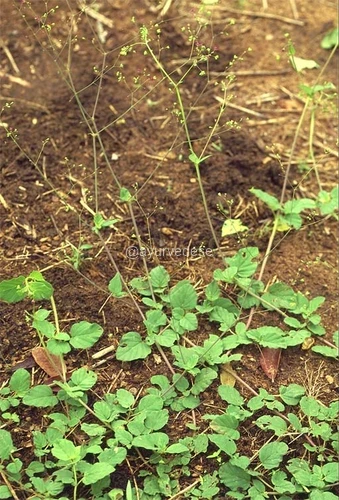
    Ayurvedic Herbs to Support Liver Health: What You Need to Know

    Researchers highlight the importance of the liver, or Yakrit, in digestion and metabolism, being fundamental for bile production and blood purification. When Pitta, the dosha responsible for heat and transformation, is balanced, digestion flows well and energy is optimized. However, factors such as spicy foods, stress, and inadequate eating habits can aggravate Pitta, leading to issues like slow digestion and fatigue. Among the herbs recommended for liver support are Punarnava, Bhumi Amalaki, Kutki, Guduchi, Bhringraj, Amla, Turmeric, Neem, Guggul, and Triphala Guggul. Caution is important when using strong herbs, especially in cases of chronic diseases or during pregnancy. Additionally, adopting a healthy lifestyle, with a balanced diet and stress management, is essential to maintain liver health.
  • Brahmi / Bacopa
    rss:maharishi🗞️ Published on Ayurdrops: Jul 10, 2026📅 Source: Jun 19, 2026

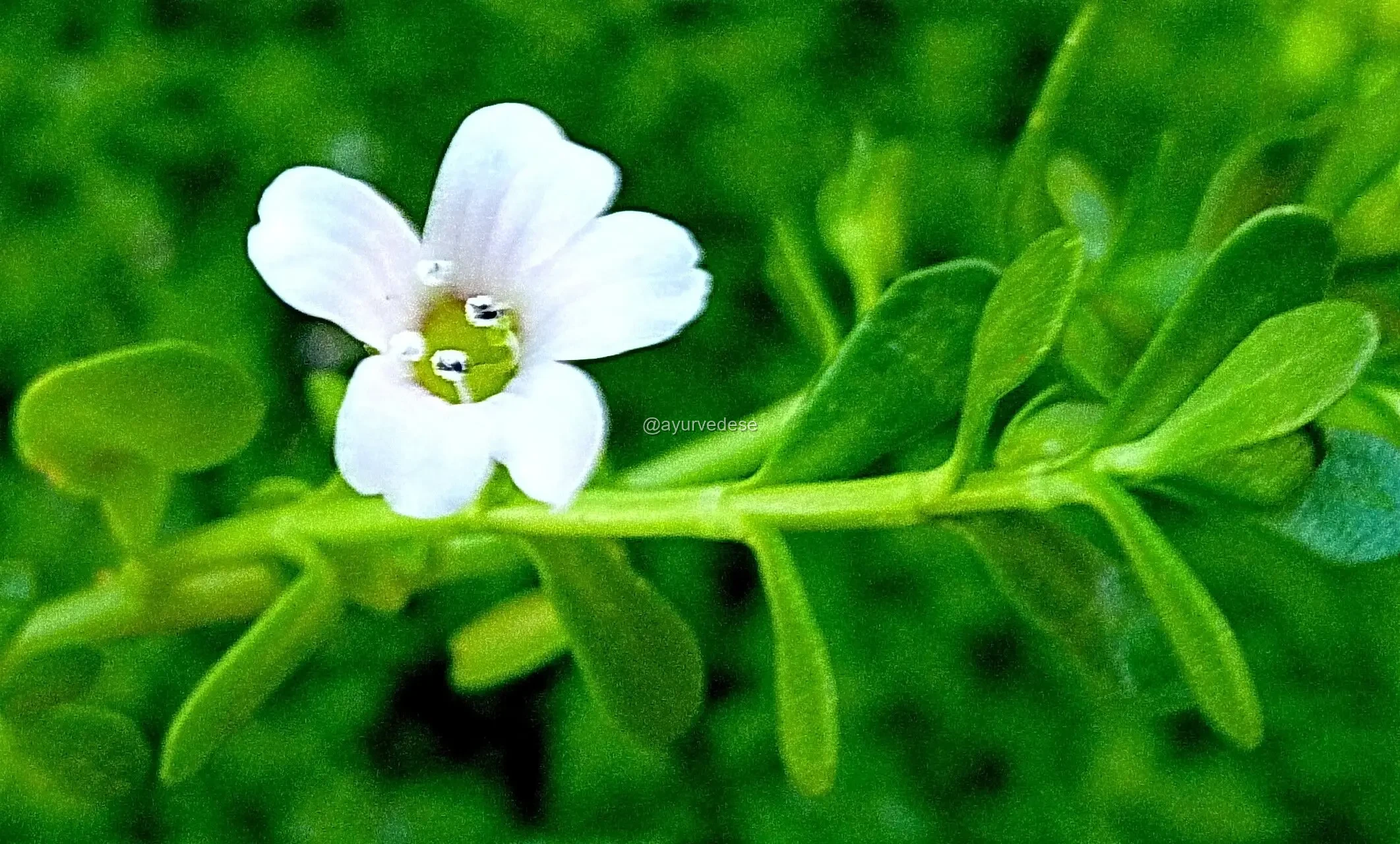
    Ashwagandha or Brahmi: which herb supports concentration more?

    Researchers highlight that Brahmi (Bacopa monnieri) is a medhya rasāyana, that is, an herb that improves memory and mental clarity, while Ashwagandha (Withania somnifera) acts as a rasāyana that promotes relaxation and resistance to stress. The use of Brahmi is recommended for moments that require direct focus, such as studies and work, while Ashwagandha is more effective in situations of stress and fatigue, indirectly helping concentration by improving sleep quality and reducing anxiety. The choice between the two depends on individual needs: students may benefit more from Brahmi, while stressed professionals may find Ashwagandha more useful. It is important to consider professional guidance when combining the herbs, as this can cause drowsiness or digestive discomfort. Additionally, pregnant or breastfeeding women and people taking medications should consult a specialist before starting use.

  • Canela
    rss:maharishi🗞️ Published on Ayurdrops: Jul 10, 2026📅 Source: Jun 22, 2026

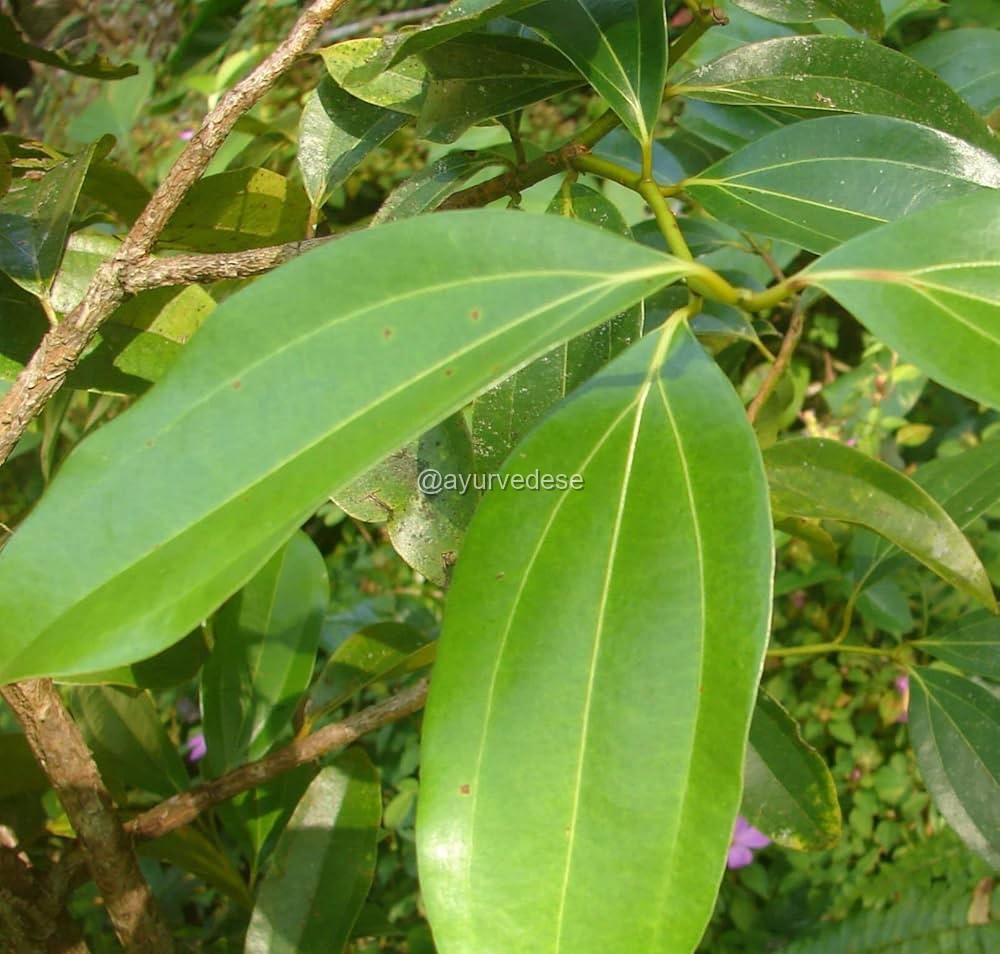
    Dalchini: Benefits and Care with Cinnamon in Ayurveda

    Researchers highlight that dalchini, known as cinnamon, is a warming spice that supports digestion and Kapha balance. Traditionally, cinnamon is used to stimulate Agni, or digestive fire, and may help relieve discomforts such as bloating and nausea. Moderate use of dalchini may also help manage blood sugar levels, although it should not replace diabetes medications. It is important to note that Ceylon cinnamon is preferred for being milder and more aromatic. However, excessive use of dalchini can lead to side effects such as mouth irritation and liver problems, especially with cassia cinnamon. This knowledge aligns with the Ayurvedic view that considers dalchini as an agent that promotes digestion and healthy absorption of nutrients.

  • Neem / Nim Indiano
    rss:maharishi🗞️ Published on Ayurdrops: Jul 10, 2026📅 Source: Jun 26, 2026

    7 Ayurvedic Remedies for Pimples: What You Need to Know

    Researchers have identified that pimples arise when pores become clogged with excess oil, dead skin cells, and bacteria. In Ayurveda, these recurrent eruptions are often associated with excess Pitta, which represents fire in the body, and an imbalance of Kapha, which increases sebum production. Factors such as hormonal changes, use of oily products, sweat, stress, and diet can intensify this condition. Among the suggested Ayurvedic remedies are the use of sandalwood, rose water, aloe vera, neem, tulsi, honey with turmeric, and multani mitti, which can help soothe acne-prone skin. It is important to note that different types of pimples, such as blackheads and cystic pimples, may require varied care, and more severe cases should be treated by health professionals.

  • rss:maharishi🗞️ Published on Ayurdrops: Jul 10, 2026📅 Source: Jul 08, 2026

    Tulsi: The Benefits of Holy Basil for Health

    Researchers highlight that Tulsi (Ocimum tenuiflorum), known as holy basil, is an adaptogenic herb with multiple health benefits. Traditionally, it is valued for its properties that support immunity, respiratory health, and digestion, as well as helping with stress management. Active compounds, such as eugenol and rosmarinic acid, are responsible for its beneficial actions. Studies suggest that Tulsi can improve immune response and relieve symptoms of colds and congestion, especially the Krishna Tulsi variety, rich in eugenol. Additionally, its ability to act as an adaptogen can promote mental clarity and emotional well-being. The versatile use of Tulsi, including tea, powder, and topical application, allows it to be easily incorporated into daily routines. However, it is important to consider individuality and possible side effects, such as allergic reactions in some people. Research on Tulsi continues to expand, revealing more about its properties and applications in modern health.

  • Daśamūla / Dez Raízes
    rss:maharishi🗞️ Published on Ayurdrops: Jul 10, 2026📅 Source: Jul 09, 2026

    Dashmularishta: An Ayurvedic Tonic for Recovery and Vitality

    Researchers highlight that Dashmularishta, a classical Ayurvedic formulation, is composed of ten powerful roots and additional herbs, traditionally used to support postpartum recovery, musculoskeletal health, and digestion. This fermented tonic is known to balance the Vata dosha, which can be aggravated during childbirth. Ingredients include Bilva, Shyonaka, Gambhari, among others, which act synergistically to promote vitality and overall well-being. The recommended dosage is 15 to 20 ml diluted in water, twice daily, under the guidance of a healthcare professional, especially for pregnant women or diabetics. Modern studies indicate that the use of Dashmularishta may have significant positive effects on postpartum recovery, reinforcing its relevance in contemporary integrative health.

  • rss:maharishi🗞️ Published on Ayurdrops: Jul 10, 2026📅 Source: Jul 09, 2026

    Shatavari: Natural Support for Women's Health, Digestion, and Immunity

    Researchers highlight that Shatavari (Asparagus racemosus) is a valued herb in Ayurveda, especially for its benefits to women's health, digestion, and immunity. Traditionally, it is classified as a Rasayana, a category of herbs that promotes rejuvenation and vitality. Shatavari is known to balance hormones, support fertility, and facilitate lactation. Additionally, it improves digestion and nutrient absorption, increasing energy and stamina. Current studies suggest that its properties may also benefit respiratory health and cognitive function, helping to manage conditions such as cough and asthma. Although widely recognized for its applications in women, Shatavari also offers advantages for men's overall health. It is important to consider the guidance of a qualified healthcare professional when incorporating Shatavari into your routine, especially for long-term use.

  • rss:vasantlad🗞️ Published on Ayurdrops: Jul 10, 2026📅 Source: Nov 08, 2024

    The Healing Principles of Ayurvedic Massage: Understanding How They Work

    Researchers highlight that Ayurvedic massage, a fundamental part of the Ayurveda healing system, uses intentional touch to promote physical and mental well-being. This practice is based on principles aimed at both purification (Shodhana) and relief (Shamana) of health conditions. Classical texts such as the Caraka Saṃhitā and the Suśruta Saṃhitā describe techniques historically used to support athletes, promote virility, and aid postpartum recovery. Massage not only relaxes but also activates circulation and balances the doshas, contributing to holistic health. The conscious use of massage can be a powerful tool to restore harmony in the body and mind, reflecting the ancient wisdom of Ayurveda in contemporary practices.

  • rss:vasantlad🗞️ Published on Ayurdrops: Jul 10, 2026📅 Source: Nov 22, 2024

    Ayurvedic Skin Care: The Path to Radiant Skin

    Researchers highlight that skin health is intimately linked to Agni, the digestive fire, which influences all tissues of the body. The skin, or tvak in Sanskrit, is considered a reflection of the body's internal layers, connecting to the dhatus such as Rasa (lymph) and Rakta (blood). When there are imbalances, such as dehydration or inflammation in the gastrointestinal tract, this manifests on the skin, resulting in conditions like acne or dryness. The article explores the importance of an Ayurvedic care routine, emphasizing nutrition and hydration as fundamental to skin health. Practical suggestions include drinking warm water in the morning and the importance of maintaining healthy digestion to prevent the accumulation of toxins (Ama) that can affect the skin. The connection between digestive health and skin appearance is a central principle in Ayurveda, which offers a holistic approach to skin care.

  • rss:vasantlad🗞️ Published on Ayurdrops: Jul 10, 2026📅 Source: Dec 04, 2024

    The Lunar Cycle: Understanding Menstruation from an Ayurvedic Perspective

    Researchers highlight that menstruation, or rajah, is an important byproduct of the dhatu Rasa, which represents the nourishment and hydration of body tissues. Rasa is formed from the juices of digested food and, after five days, transforms into Rakta, the blood. The quality of Rasa is crucial for understanding menstruation and its imbalances. According to Ayurveda, a normal menstrual cycle should last between 25 and 30 days, with a blood quantity of approximately 4 anjalis (about 120 ml) and without pain. Menstruation is influenced by the doshas: Pitta regulates ovulation, Kapha the thickness of the endometrium, and Vata the descent of the menstrual flow. Many women, however, face menstrual difficulties, which can be classified as primary or secondary, and may manifest through pain, swelling, and changes in flow. The Ayurvedic approach suggests that diet, lifestyle, and herbal remedies can help restore balance.

  • Leite de Vaca
    rss:vasantlad🗞️ Published on Ayurdrops: Jul 10, 2026📅 Source: Dec 10, 2024

    Ojas: The Key to Immunity and Longevity

    Researchers highlight that Ojas, a central concept in Ayurveda, is fundamental for immunity and vitality. Ojas is considered the essence of the Kapha dosha, reflecting water and its nutritive properties. This energetic and biological principle enables the body to resist diseases and maintain the health of the seven dhatus (tissues) and the three malas (excretory channels). The strength of Ojas determines whether a person will manifest diseases when exposed to pathogens. When Ojas is strong, health is preserved; when weak, the person tends to fall ill frequently. Ojas also plays a crucial role in stabilizing consciousness and sustaining life. The production of Ojas is a metabolic process involving the transformation of Kapha, similar to the conversion of milk into ghee. Understanding and cultivating Ojas can be essential for promoting health and well-being.

  • Ghee
    rss:vasantlad🗞️ Published on Ayurdrops: Jul 10, 2026📅 Source: Feb 05, 2025

    Nasya in Winter: How to Care for Your Breathing and Mind

    Researchers highlight that the practice of Nasya, the nasal administration of oils and herbs, is especially beneficial during winter, when dryness and congestion can affect respiratory health. Nasya helps keep the nasal passages hydrated, promoting clear breathing and mental clarity. During the Kapha season, characterized by cold and moisture, the use of warming and drying herbs is recommended. There are five types of Nasya, each indicated for different conditions: Virechana Nasya for congestion and a feeling of heaviness in the head; Brumhana Nasya, which nourishes and is useful for anxiety and stiffness; Shamana Nasya, which acts as a sedative; Navana Nasya, for Vata-Pitta or Kapha-Pitta imbalances; and Marshya Nasya, which uses oils and decoctions. Incorporating Nasya into a wellness routine can be an effective way to address winter challenges, promoting a balance between body and mind.

  • rss:vasantlad🗞️ Published on Ayurdrops: Jul 10, 2026📅 Source: May 02, 2025

    Tridosha Theory: How Doshas Shape Your Health

    Researchers highlight that the doshas — Vata, Pitta, and Kapha — are influenced by the five great elements and play a crucial role in regulating biological functions. Each dosha is formed by specific combinations of elements: Vata is composed of ether and air, Pitta of fire and water, and Kapha of water and earth. The balance among these doshas is fundamental for health, reflecting the unique constitution of each individual, called prakruti. Alterations in the doshas, known as vikruti, can occur due to factors such as diet, lifestyle, and natural cycles, leading to imbalances that affect well-being. The article suggests that maintaining dosha balance results in proper bodily processes, efficient digestion, and a clear mind, while imbalances can cause significant health problems.

  • rss:vasantlad🗞️ Published on Ayurdrops: Jul 10, 2026📅 Source: May 08, 2025

    Panchakarma: Ayurveda's Deep Cleansing

    Researchers highlight that Panchakarma goes beyond a simple detoxification, being a holistic approach that seeks to restore the balance of body, mind, and spirit. This purification process is grounded in individuality, recognizing that each person has a unique constitution (prakruti) and that treatments should be personalized. Panchakarma works on removing toxins (ama) accumulated in the tissues, promoting a deep cleansing that supports integral health. Furthermore, it is a method that considers the connection between the environment and health, emphasizing the importance of living in harmony with nature and seasonal cycles. The practice includes detoxification techniques that go beyond the gastrointestinal tract, using specific herbs and oils to facilitate the elimination of impurities. This approach is seen as a way to rebalance agni, or digestive fire, essential for health. Although Panchakarma is widely recognized, it is important to consider that its efficacy may vary according to each patient's individuality and the depth of the treatment performed.

  • rss:easyayurveda🗞️ Published on Ayurdrops: Jul 10, 2026📅 Source: May 30, 2026

    Dhanurasana: The Bow Pose and Its Benefits

    Dhanurasana, or the bow pose, is a yoga practice that combines strength and flexibility. By performing this asana, the body takes the shape of a bow, which can help open the chest, stretch the spine, and strengthen the back. This pose is especially beneficial for those who spend long hours sitting, as it helps combat stiffness and accumulated tension. Additionally, Dhanurasana can stimulate the abdominal organs, promoting better digestion and circulation. Regular practice of this pose can contribute to emotional balance, helping to relieve stress and anxiety. It is important, however, that the execution of the pose be done with care, respecting the body's limits and avoiding injuries.

  • rss:easyayurveda🗞️ Published on Ayurdrops: Jul 10, 2026📅 Source: May 30, 2026

    Siddhasana: The Classic Posture for Meditation and Concentration

    Siddhasana, a traditional yoga posture, is widely used for meditation and pranayama practices. This seated position favors inner concentration and stability, essential for spiritual development. Regular practice of Siddhasana can help calm the mind and promote a state of tranquility, facilitating connection with the inner self. Additionally, the posture is known to improve blood circulation and flexibility, contributing to better performance in other yoga practices. The importance of Siddhasana in the yoga tradition is recognized for its ability to prepare the body and mind for deep meditation, making it a valuable tool for those seeking a deeper spiritual path.

  • rss:easyayurveda🗞️ Published on Ayurdrops: Jul 10, 2026📅 Source: Jun 05, 2026

    Morning Swelling: Understanding Diva Bali Shvayathu in Ayurveda

    Researchers highlight that Diva Bali Shvayathu, or Shotha, refers to swelling that manifests predominantly in the morning. This condition may be related to imbalances in the doshas, especially Kapha, which tends to accumulate during the night and manifest upon waking. Ayurveda suggests that observing swelling patterns can help identify the underlying cause, which may include digestive issues or fluid retention. The Ayurvedic approach to treatment involves modulating Agni (digestive fire) and using diuretic and anti-inflammatory herbs. Understanding the body's natural rhythms and adapting daily practices can be essential for managing this condition.

  • rss:easyayurveda🗞️ Published on Ayurdrops: Jul 10, 2026📅 Source: Jun 16, 2026

    Bhadrasana: The Gracious Posture for Meditation and Well-being

    Bhadrasana, or the gracious posture, is a meditation position that promotes stability and calm. By sitting with crossed legs and feet resting on the thighs, this posture not only facilitates meditation but also activates blood circulation in the legs and improves hip flexibility. Regular practice of Bhadrasana can help reduce anxiety and stress, providing an inner space of tranquility. Additionally, the posture is beneficial for spinal alignment, promoting better overall posture. It is important to remember that, as with any yoga practice, correct execution is essential to avoid injuries and maximize benefits. For those seeking to integrate this posture into their routine, gradual and mindful practice is recommended.

  • rss:easyayurveda🗞️ Published on Ayurdrops: Jul 10, 2026📅 Source: Jun 22, 2026

    Pancha Mrittika: The Five Types of Earth and Their Benefits

    Researchers highlight that Pancha Mrittika, composed of five types of sacred earth, is widely used in Ayurvedic medicine for its therapeutic properties. This compound is known for its applications in skin treatments, such as burns and wounds, and is also used in purification rituals. The five types of earth include Vata, Pitta, Kapha earth, Ganga earth, and Shiva earth, each bringing specific benefits. The combination of these earths enhances anti-inflammatory and healing action, making it a valuable option for therapists and patients seeking natural treatments. However, it is important to consider the quality and origin of the earths used, as this can influence the effectiveness of the treatment.

  • rss:easyayurveda🗞️ Published on Ayurdrops: Jul 10, 2026📅 Source: Jul 03, 2026

    Langhana according to Vagbhata: what he brought that Charaka did not mention

    The approach of Langhana, which refers to treatments that promote lightness in the body, is discussed from the perspective of Acharya Vagbhata, highlighting his contributions that are not present in the works of Charaka. Vagbhata describes different types of Langhana, emphasizing the importance of considering the context and individuality of the patient. For example, he mentions that Langhana can be applied in varied ways, depending on the predominant dosha and the individual's state of health. This personalized approach is crucial for optimizing therapeutic outcomes. Furthermore, the relationship between Langhana and weight reduction, as well as its application in conditions such as obesity and digestive disorders, is explored. The analysis of differences between the texts of Vagbhata and Charaka offers a broader view of Ayurvedic practices and their evolutions over time.