Public feed

Ayurvedic editorial curation

Science articles classified by dosha, srota and dhatu. Filter to find what matters to you today.

  • openalex🗞️ Published on Ayurdrops: Jul 15, 2026📅 Source: Jul 13, 2026

    The Mind in Health and Disease: What Ayurveda and Indian Philosophies Teach Us

    Researchers explored the interconnection between mind and body, highlighting how Ayurveda and Indian philosophies (Darshanas) understand mental and physical health. The author, Uma Shankar Prasad Adluri, reviews fundamental concepts that relate the mind to health status, emphasizing the importance of mental balance for disease prevention. The study suggests that mental health is not merely the absence of disease but a state of well-being involving harmony between physical and psychological aspects. The analysis includes the relationship between mind and brain, addressing how Ayurvedic practices, such as meditation and yoga, can positively influence mental health. Although the article offers valuable insights, limitations such as the lack of empirical data and the need for further research are mentioned, indicating that understanding the mind in the context of health is still a developing field.
  • openalex🗞️ Published on Ayurdrops: Jul 15, 2026📅 Source: Jul 13, 2026

    Resmetirom: An Oral Thyroid Hormone Receptor Agonist for Treating Metabolic Dysfunction-Associated Steatohepatitis

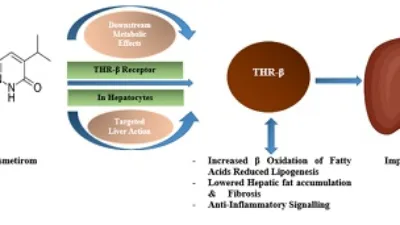
    Researchers analyzed the potential of resmetirom, an oral thyroid hormone receptor β agonist, in the treatment of metabolic dysfunction-associated steatohepatitis (MASH). This compound acts by modulating lipid metabolism and insulin resistance, with promising results in clinical studies. The authors, including Sakshi Mahalpure and Gaurav Sanjay Mahalpure, highlight that resmetirom can reduce liver fat and improve inflammatory markers, suggesting a significant role in managing metabolic conditions. Although the results are encouraging, it is important to consider study limitations, such as sample size and the need for further research to confirm long-term efficacy and safety. The connection between resmetirom and Ayurvedic principles of balancing Agni (digestion) and liver health is an area that deserves attention, especially in the context of integrative interventions.

  • Óleo de Coco
    rss:maharishi🗞️ Published on Ayurdrops: Jul 14, 2026📅 Source: Jul 13, 2026

    Virgin Coconut Oil: benefits and uses in health and wellness

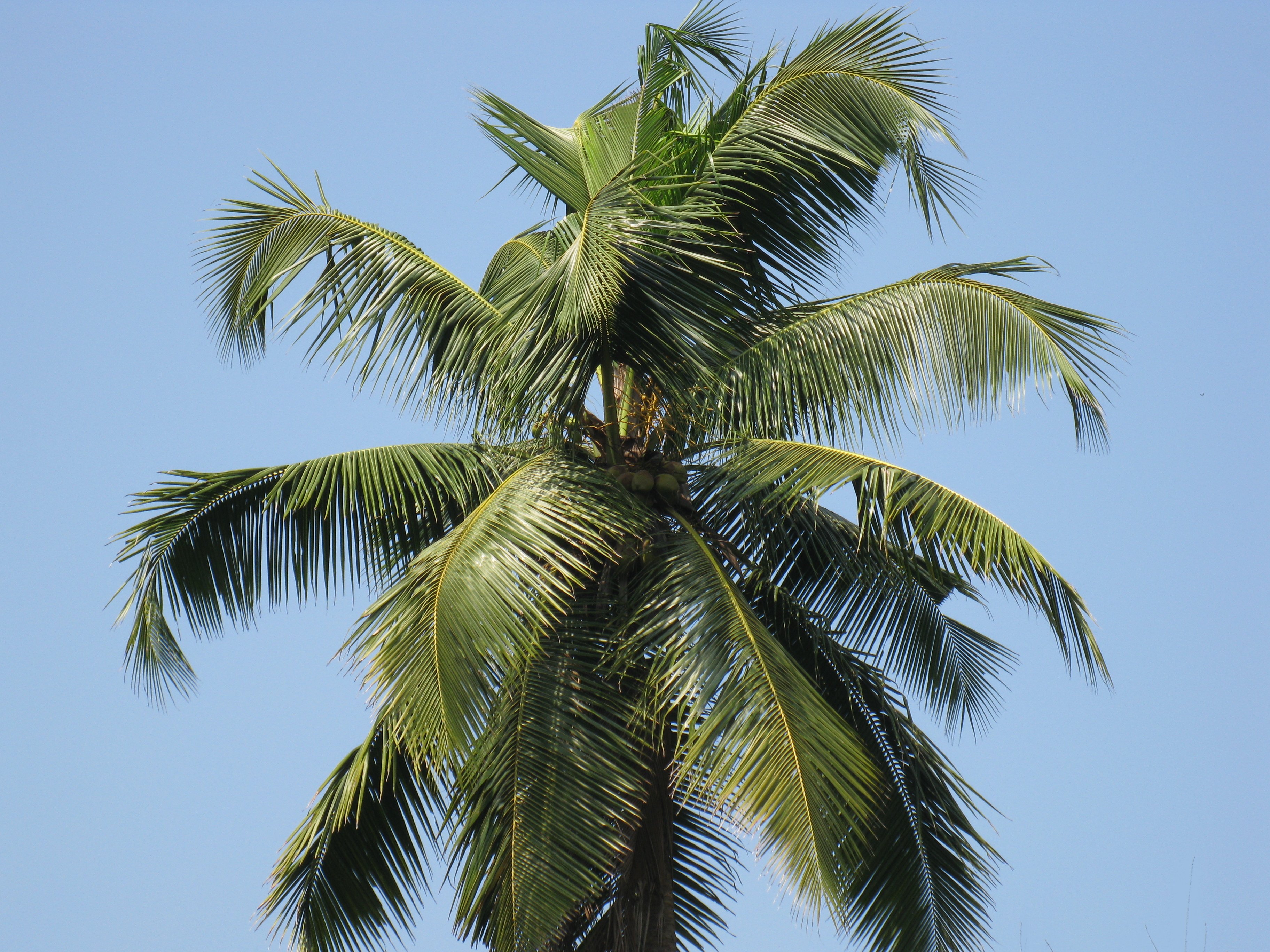
    Researchers highlight that Virgin Coconut Oil (VCO), extracted from the fresh meat of the coconut, is valued in Ayurveda for its cooling and nourishing properties. Traditionally, it is used in various practices, such as cooking, skin and hair care, massages, and even oral hygiene. The main components of VCO include lauric acid and medium-chain triglycerides (MCTs), which are known for their potential health benefits, such as supporting the immune system and antimicrobial properties. Although VCO is widely considered safe, it is important to note that its use should be moderate, especially in people with specific health conditions. Current research suggests that VCO may play a significant role in nutrition and overall health, but more studies are needed to fully understand its effects and applications.

  • Ghee
    rss:maharishi🗞️ Published on Ayurdrops: Jul 14, 2026📅 Source: Jul 13, 2026

    Ghee and Skin Benefits: The Ayurvedic Secret to Radiant Glow

    Researchers highlight that ghee (Ghrita) is one of the most valued nutrients in Ayurveda, widely used to hydrate the skin and promote a healthy appearance. Rich in fat-soluble vitamins and healthy fatty acids, ghee can be applied topically and consumed internally. Its benefits include deep hydration, healing of irritations, and reduction of pigmentation. Ghee is also known for its anti-aging properties, due to the presence of antioxidants and vitamins A and E, which aid in skin elasticity and repair against oxidative damage. For different skin types, such as Vata and Pitta, ghee can be combined with other ingredients, like honey or saffron, to maximize its effects. Although results are promising, it is important to consider that efficacy may vary according to individual needs and the quality of the ghee used.

  • Quebra-Pedra
    rss:maharishi🗞️ Published on Ayurdrops: Jul 14, 2026📅 Source: Jul 13, 2026

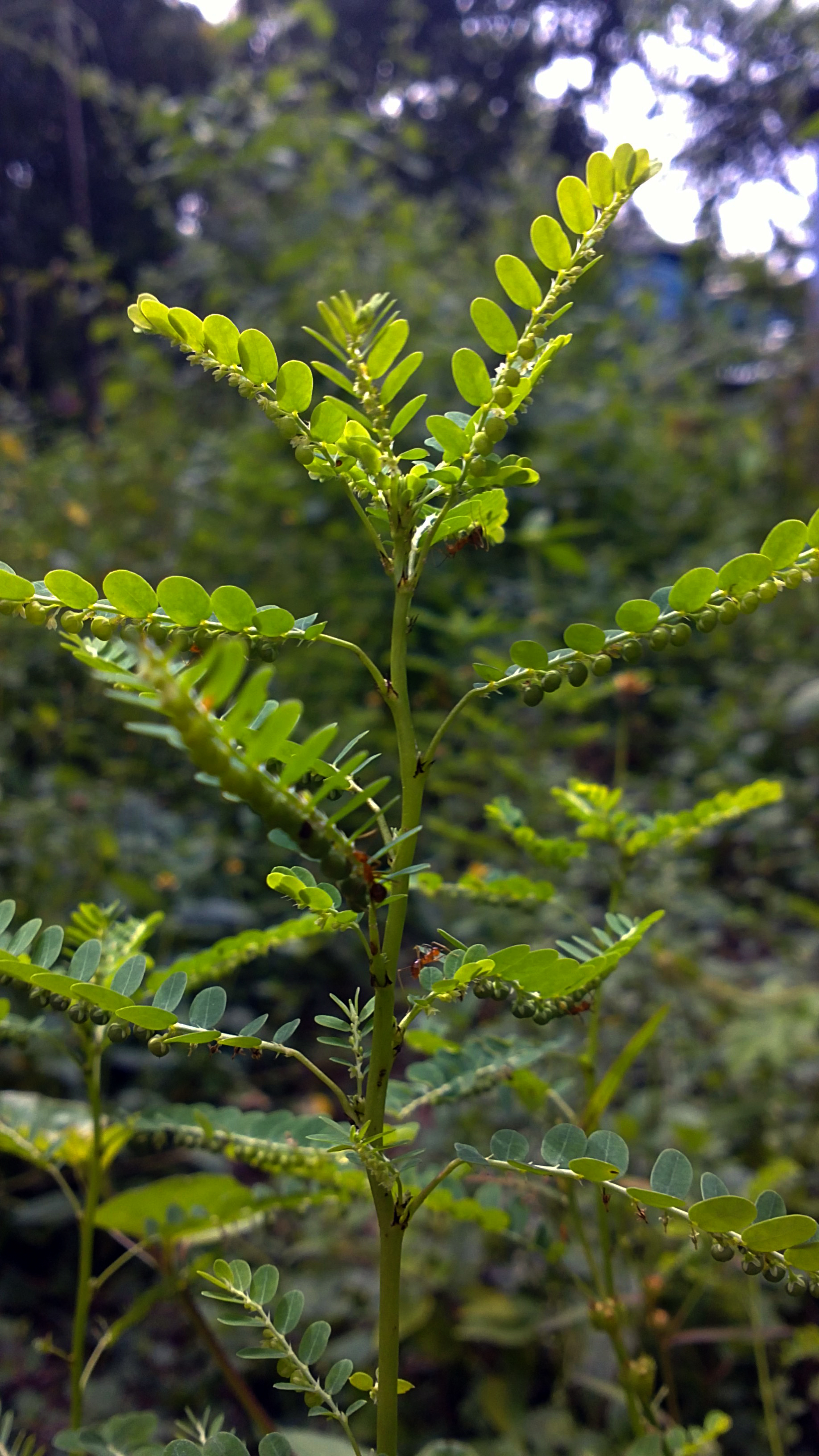
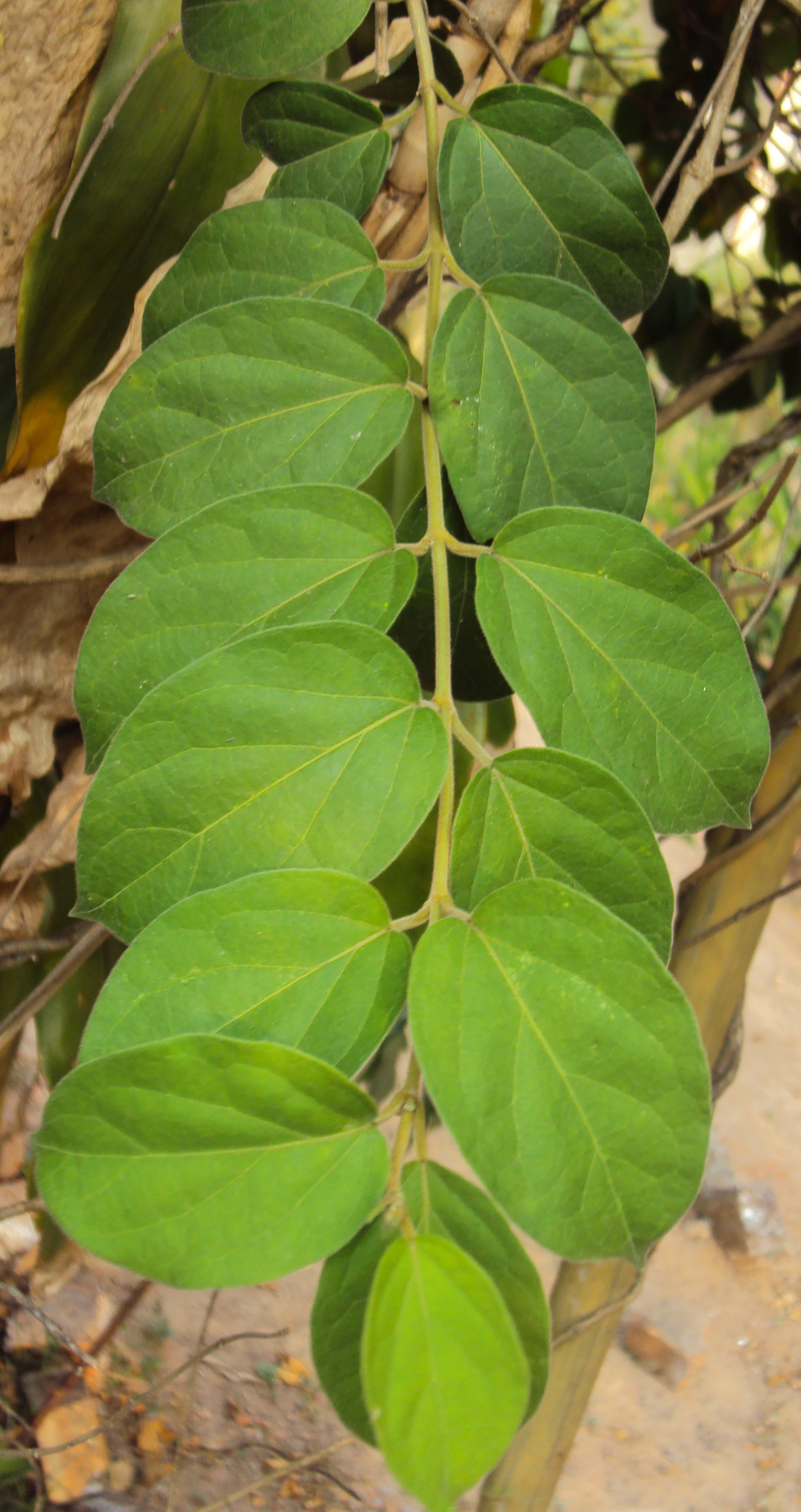
    Bhumi Amla: The Ayurvedic Herb for Liver, Digestion, and Immunity

    Researchers highlight that Bhumi Amla (Phyllanthus niruri), also known as Bhumyamalaki, is a herb traditionally used in Ayurveda to promote liver health, improve digestion, and strengthen immunity. With hepatoprotective properties, Bhumi Amla is especially valued in treating conditions such as hepatitis and fatty liver, due to active compounds like phyllanthin. Additionally, it acts as deepana and pachana, stimulating appetite and regulating digestion. Recent studies suggest that the herb may help combat viral infections, including hepatitis B, and improve skin conditions such as eczema. Although the benefits are promising, it is important to note that most evidence is still preliminary, and more research is needed to confirm these effects in humans. The herb is classified as cooling, being especially useful in Pitta-related conditions.

  • Gengibre
    rss:maharishi🗞️ Published on Ayurdrops: Jul 14, 2026📅 Source: Jul 13, 2026

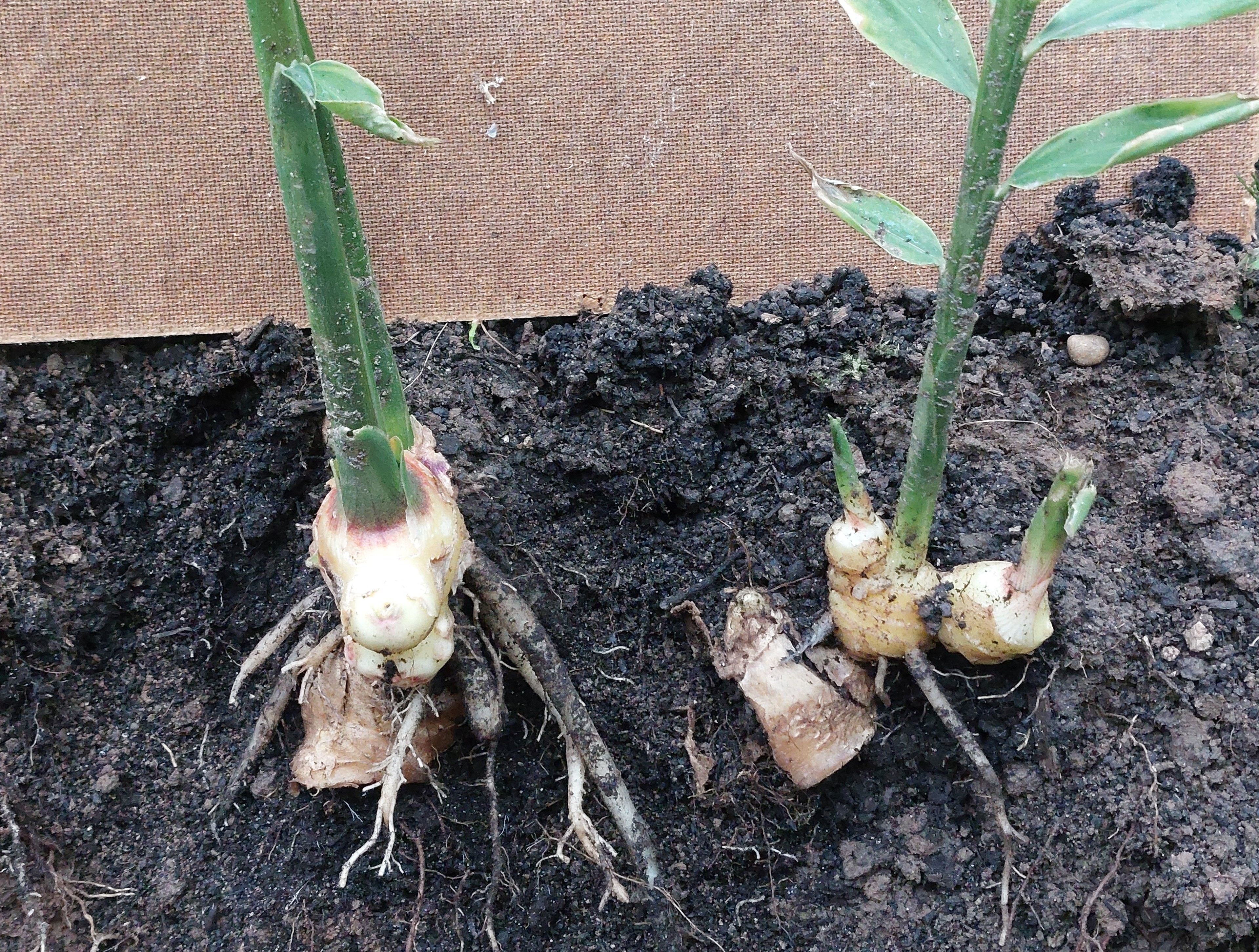
    What to Eat During the Monsoon According to Ayurveda?

    Researchers point out that the monsoon, or Varsha Ritu, brings an increase in humidity and can weaken Agni, the body's digestive force. During this season, it is recommended to consume warm, light, and easily digestible foods, such as khichdi, dal, soups, cooked vegetables, ginger tea, and seasonal fruits. These foods help balance Vata, control accumulated Pitta, and strengthen seasonal immunity. Choosing cooked and simple meals is fundamental, as it avoids overloading the digestive system, which tends to be weaker during the monsoon. Additionally, avoiding heavy, cold, or raw foods is crucial to maintain digestive health and prevent common infections during this time of year.

  • Canela
    rss:easyayurveda🗞️ Published on Ayurdrops: Jul 14, 2026📅 Source: Jul 13, 2026

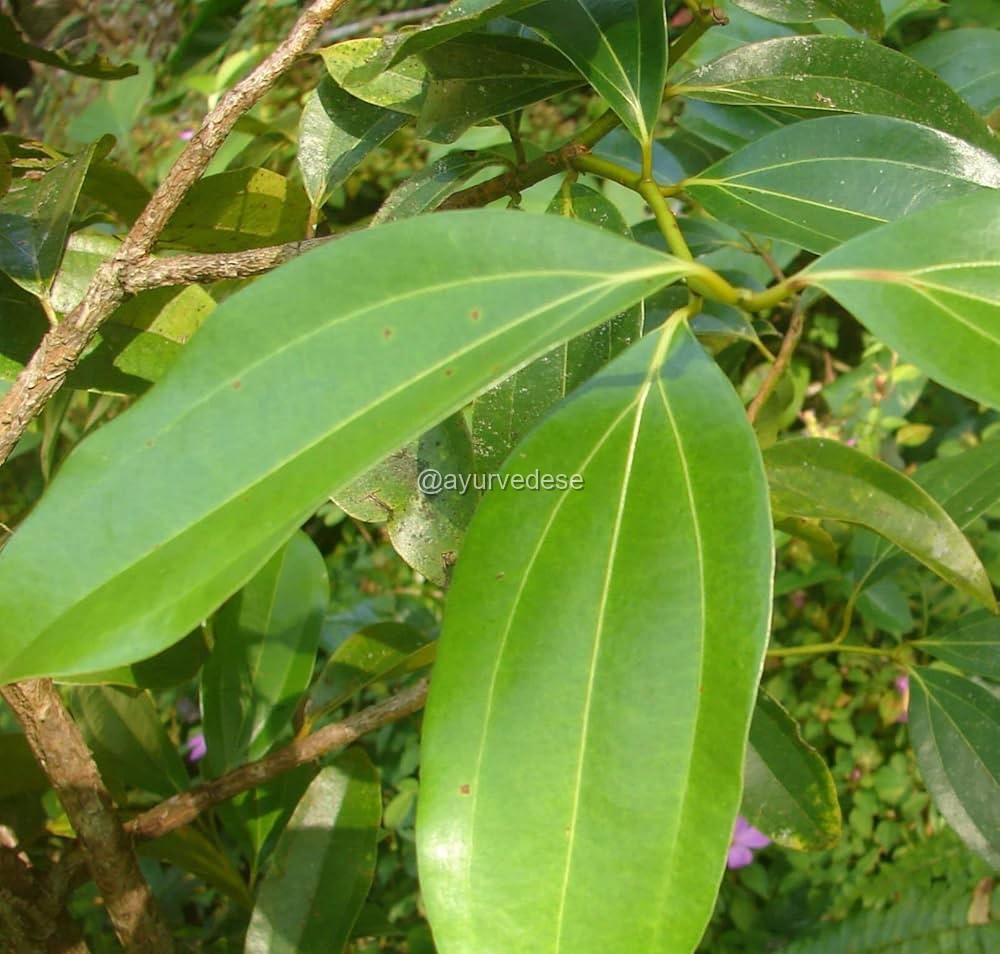
    Trijata: Discover the Benefits of an Aromatic Herbal Combination

    Researchers highlight Trijata, a combination of three aromatic herbs — Tvak (cinnamon), Patra (bay leaf), and another unspecified herb — that are valued in Ayurvedic medicine for their therapeutic properties. This blend is known for its digestive qualities and potential anti-inflammatory effects, and is also used to promote overall well-being. The synergy among these herbs may help balance the doshas, especially Kapha, and improve digestion, a central aspect of the Ayurvedic approach to health. Although the benefits are widely recognized in tradition, more clinical studies are needed to validate these properties quantitatively and qualitatively.

  • rss:cabsin🗞️ Published on Ayurdrops: Jul 13, 2026📅 Source: Jan 27, 2025

    Integrative Community Therapy: A Look at Mental Health

    January is a month that highlights the importance of mental health, and Integrative Community Therapy (ICT) emerges as an innovative practice in this context. Created by psychiatrist Adalberto Barreto, ICT has proven effective in emotional strengthening and promoting solidarity networks, especially in vulnerable communities. The methodology was recognized in 2017 by the National Policy on Integrative and Complementary Practices in Health (PNPIC) and is available in the Unified Health System (SUS). Barreto emphasizes the importance of active listening and human connection to face emotional challenges, stating that often people need a space to be heard, more than medication. ICT has attracted the attention of international experts, as demonstrated by the visit of 42 researchers from Harvard University to the project in Fortaleza, highlighting its potential as an integrative approach to mental health.

  • Vidanga / Embelia
    openalex🗞️ Published on Ayurdrops: Jul 13, 2026📅 Source: Jul 10, 2026

    Nasya with Vidanga: Comparing Two Approaches for Chronic Sinusitis

    Researchers evaluated the efficacy of two forms of Nasya (nasal administration) with Vidanga (Embelia ribes) in treating Shirashula Kaphaja, or chronic sinusitis. The study, conducted by Navya R and Sharanprasad Kolliyavar, included a group that received Vidanga Churna Pradhamana Nasya and another that received Vidanga Taila Nasya. Results showed that both methods provided significant symptom relief, but Vidanga Churna Pradhamana Nasya demonstrated a more pronounced reduction in nasal congestion and facial pain. The study was randomized and open-label, allowing direct comparison between the two approaches, but limitations such as sample size and lack of a control group should be considered. These findings may help integrate Ayurvedic practices into chronic sinusitis management, offering options that can be tailored to patient needs.

  • Meṣaśṛṅgī / Gurmar
    openalex🗞️ Published on Ayurdrops: Jul 13, 2026📅 Source: Jul 11, 2026

    Traditional and Ayurvedic Approaches to Diabetes Mellitus in Sri Lanka: A Look at Medicinal Plants and Practices

    Researchers have identified several medicinal plants used in the management of diabetes mellitus (madhumeha) in Sri Lanka, highlighting the importance of Ayurveda and traditional practices. Among the herbs mentioned are Gymnema sylvestre, which may help regulate blood sugar levels, and Momordica charantia, known for its hypoglycemic properties. The study also reveals that many Ayurvedic practitioners combine these plants with dietary and lifestyle adjustments, emphasizing the need for holistic treatment. The research was conducted with the participation of therapists and patients, allowing a comprehensive view of local practices. However, limitations such as sample size and lack of rigorous control in reported practices should be considered when interpreting the results.

  • openalex🗞️ Published on Ayurdrops: Jul 13, 2026📅 Source: Jul 11, 2026

    Traditional and Ayurvedic Approaches to Diabetes: What Sri Lankan Medicinal Plants Teach Us

    Researchers from Sri Lanka conducted a survey on traditional and Ayurvedic practices in the management of diabetes mellitus (madhumeha). The study highlights the use of various medicinal plants, which are often employed in Ayurvedic medicine to control blood sugar levels. Among the herbs mentioned, some have been associated with hypoglycemic effects, although the exact efficacy and mechanisms of action still require further investigation. The research also reveals that many of these practices are passed down from generation to generation, reflecting deep knowledge about the relationship between diet, lifestyle, and health. However, the study emphasizes the need for scientific validation of these traditional methods, considering that many of them still lack robust evidence. Integrating Ayurvedic practices with modern approaches may offer a promising path for diabetes treatment, but it is essential that this be done with scientific rigor.

  • europepmc🗞️ Published on Ayurdrops: Jul 13, 2026📅 Source: Jul 10, 2026

    Integrative Therapeutic Yoga for Chemical Dependency: Results of a Residential Program

    Researchers observed significant reductions in symptoms of depression and generalized anxiety in a study that integrated therapeutic yoga into a residential program for chemical dependency recovery. With 117 participants, the program included three adapted yoga sessions per week, utilizing principles of yoga and Ayurvedic concepts such as langhana (reduction), brahmana (expansion), and samana (balance). Psychological assessments were conducted at the beginning and end of treatment, revealing improvements in psychological flexibility and self-compassion, as well as a decrease in post-traumatic stress disorder (PTSD) symptoms in affected individuals. These findings suggest that holistic approaches, such as therapeutic yoga, may be beneficial in treating substance use disorders, although more research is needed to validate these results in diverse populations and in randomized controlled trials.

  • pubmed🗞️ Published on Ayurdrops: Jul 12, 2026📅 Source: Jul 10, 2026

    Integrative Therapeutic Yoga for Substance Use and Associated Symptoms: Results from a Residential Program

    Researchers observed that the practice of integrative therapeutic yoga can significantly reduce symptoms associated with substance use. In the context of a residential program, participants reported improvements in aspects such as anxiety, depression, and stress. The study, conducted by Wheeler et al., highlights the importance of yoga as a complementary approach in the treatment of addictions, promoting not only physical recovery but also mental well-being. Suggested mechanisms include regulation of the HPA axis, which is linked to the stress response, and the promotion of a state of deep relaxation. Although the results are promising, it is important to note that the study had a limited number of participants and did not include a control group, which may limit the generalizability of the findings.

  • openalex🗞️ Published on Ayurdrops: Jul 12, 2026📅 Source: Jul 09, 2026

    Oxytocin and soma: how neurobiology connects elevated states of consciousness to Vedic descriptions

    Researchers propose a new hypothesis linking oxytocin, a hormone associated with social bonding, to Vedic descriptions of elevated states of consciousness. Barbora deCourten and Robert Keith Wallace suggest that oxytocin may act as a neurobiological mediator that facilitates experiences of expanded consciousness, often mentioned in Vedic texts. Oxytocin is known for its role in promoting social behaviors and reducing stress, which may be crucial for achieving these states of consciousness. The hypothesis is based on the idea that soma, a Vedic concept related to vitality and well-being, may be influenced by oxytocin activity in the brain. Although the research is still in early stages, the connection between neuroscience and Vedic philosophy opens new perspectives for understanding consciousness and mental health. Limitations include the need for more clinical studies to validate these associations and the complexity of states of consciousness, which can vary widely among individuals.

  • openalex🗞️ Published on Ayurdrops: Jul 12, 2026📅 Source: Jul 10, 2026

    Obesity and Ayurveda: An Integrative Approach

    Researchers highlight the importance of an integrative approach in the treatment of obesity, known as sthoulya in Ayurveda. The article reviews practices and interventions that combine Ayurvedic principles and modern health strategies. Obesity is often associated with imbalances in the doshas, especially Kapha, and the review suggests that modulation of Agni (digestive fire) and the adoption of specific diets may be effective. Additionally, the practice of exercise and stress reduction techniques are emphasized as essential complements. The authors, Dr. Madhushree M., Dr. Prathibha Bhat, and Dr. Basavaraj G. Saraganachari, argue that integrating traditional and contemporary methods may offer a more holistic path to weight management. Although the review presents promising data, limitations such as the lack of robust clinical studies and the need for further research are mentioned.

  • openalex🗞️ Published on Ayurdrops: Jul 12, 2026📅 Source: Jul 10, 2026

    Congenital vascular anomalies and Ayurveda: what we know about single umbilical artery

    Researchers reviewed the Ayurvedic perspective on congenital vascular anomalies, focusing on single umbilical artery (SUA). This condition, which occurs in about 1 in 200 pregnancies, may be associated with other anomalies and complications. In Ayurveda, fetal health is influenced by factors such as maternal state, diet, and dosha balance. The review suggests that Vata imbalance may be related to these anomalies, reflecting the importance of Agni (digestion) and maternal health during pregnancy. The authors, Dr. Anjali Narwariya and team, highlight that Ayurvedic interventions may offer support but emphasize the need for more clinical studies to validate these approaches. The research is relevant as it connects traditional concepts with modern medicine, offering a holistic view of fetal health.

  • openalex🗞️ Published on Ayurdrops: Jul 12, 2026📅 Source: Jul 10, 2026

    Arma in Ayurveda and its relation to pterygium: a conceptual analysis

    Researchers explored the relationship between the Ayurvedic concept of Arma and the condition known as pterygium. The study, conducted by Komal Gujar and colleagues, reviews existing literature to establish connections between Ayurvedic principles and the clinical manifestations of pterygium. Arma, which refers to a condition of obstruction or accumulation, can be correlated with the formation of pterygium, where there is abnormal tissue growth on the ocular surface. The article suggests that understanding the doshas involved, especially Pitta, may offer insights into the prevention and treatment of this condition. Although the study is conceptual and based on review, it highlights the importance of integrating traditional knowledge with modern medicine to address ophthalmological conditions. The research also emphasizes the need for further clinical studies to validate these correlations.

  • openalex🗞️ Published on Ayurdrops: Jul 12, 2026📅 Source: Jul 10, 2026

    Brahma Muhurta and Circadian Rhythms: How the Hour Before Dawn Transforms Your Brain and Life

    Researchers highlight that the practice of waking during Brahma Muhurta, the sacred hour before dawn, can have significant impacts on mental and hormonal health. The connection between Ayurveda's teachings, which have recommended this practice for millennia, and modern discoveries about circadian rhythms, such as those recognized with the 2017 Nobel Prize, reveals that this hour is ideal for activities that promote mental clarity and hormonal balance. During this period, the body experiences a reduction in cortisol levels, the stress hormone, and an increase in melatonin production, which regulates sleep. Additionally, practicing meditation and light exercises at this time can enhance brain and emotional health. The study suggests that adopting this routine can improve quality of life, promoting a state of overall well-being. However, it is important to consider that implementing this practice should be gradual and respect each person's individual rhythm.

  • openalex🗞️ Published on Ayurdrops: Jul 12, 2026📅 Source: Jul 10, 2026

    Chronic cellulitis in the leg: how Ayurveda can help with Jalaukavacharana

    Researchers presented a case of chronic cellulitis in the left leg treated with Jalaukavacharana, an Ayurvedic therapy that uses leeches, and oral interventions. The treatment was performed by Dr. Supriya A. Lende and her team, who observed a significant improvement in the patient's condition after the 30-day protocol. Cellulitis, an infection of the skin and underlying tissues, can be challenging to treat, especially when it becomes chronic. The use of Jalaukavacharana promotes the drainage of toxins and improves blood circulation, which is crucial for recovery. Additionally, complementary oral interventions helped strengthen the immune system and reduce inflammation. This case highlights the effectiveness of Ayurveda's integrative approaches in treating complex conditions, showing that the combination of therapies can lead to positive outcomes.

  • openalex🗞️ Published on Ayurdrops: Jul 12, 2026📅 Source: Jul 10, 2026

    Brahma Muhurta and Circadian Rhythms: How the Hour Before Dawn Transforms Your Brain and Life

    Researchers highlight the importance of Brahma Muhurta, the hour before dawn, which is considered sacred in Ayurveda. This period is associated with significant transformations in the brain and hormones, positively influencing mental and physical health. The study connects 3,000-year-old Ayurvedic practices with modern findings, including the research that earned the Nobel Prize in Medicine in 2017, which explores circadian rhythms and their impact on human biology. The practice of waking during Brahma Muhurta can improve mental clarity, regulate hormones, and promote a state of overall well-being. Furthermore, the relationship between the circadian cycle and health is reinforced by evidence showing how exposure to natural light and morning routines affect mood and productivity. However, it is important to consider that the implementation of these practices should be adapted to individual needs and each person's lifestyle.