Public feed

Ayurvedic editorial curation

Science articles classified by dosha, srota and dhatu. Filter to find what matters to you today.

  • Shilajit
    rss:maharishi🗞️ Published on Ayurdrops: Jul 16, 2026📅 Source: Jul 15, 2026

    Shilajit: Origin, Benefits, and Uses in Ayurveda

    Researchers highlight that Shilajit, a herbo-mineral substance formed in the Himalayan mountains, is a Rasayana, that is, a powerful rejuvenator in Ayurveda. Composed of fulvic acid and over 80 trace minerals, it is valued for its properties that promote vitality, endurance, and healthy aging. Studies indicate that Shilajit may aid in recovery from fatigue, hormonal balance, and improved concentration. Traditionally, it is used in forms such as resin, capsules, or tablets, with a recommended dosage between 250mg to 1g per day. It is important that Shilajit be purified before consumption, ensuring its safety and efficacy. The connection between the benefits of Shilajit and Ayurvedic principles underscores the importance of integrating ancient wisdom with modern scientific understanding.
  • rss:maharishi🗞️ Published on Ayurdrops: Jul 16, 2026📅 Source: Jul 15, 2026

    Natural Relief for Menstrual Cramps: 7 Ayurvedic Home Remedies

    Researchers have identified that menstrual cramps, known as Kashtartava, are often linked to uterine contractions and imbalances of Apana Vata. Ayurveda suggests that menstrual pain results from the aggravation of Vata, which can be exacerbated by improper dietary and lifestyle habits. This guide presents seven traditional home remedies that include the use of herbs such as Shatavari and Ashoka, as well as practices like heat therapy and gentle stretching. The combination of herbal support and lifestyle adjustments can provide significant relief. It is also important to know when to seek medical help, especially in cases of intense pain or excessive bleeding.

  • Amalaki / Amla
    rss:maharishi🗞️ Published on Ayurdrops: Jul 16, 2026📅 Source: Jul 15, 2026

    Chyawanprash: benefits for immunity, energy, and respiratory health

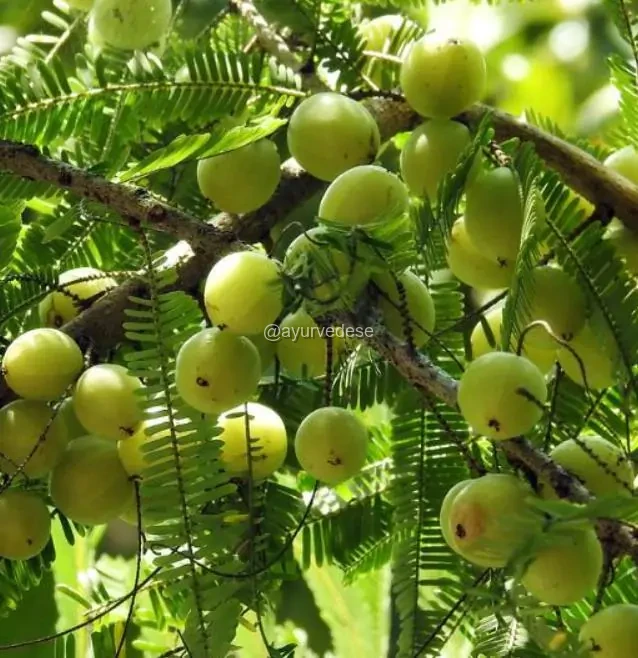
    Researchers highlight that Chyawanprash, a classical Rasayana of Ayurveda, is prepared with Amla (Emblica officinalis) and a combination of 46 herbs, ghee, honey, and spices. This superfood is recognized for its properties that strengthen immunity, increase vitality, and promote respiratory health. Chyawanprash is especially rich in vitamin C, which is preserved during its manufacturing process, giving it remarkable antioxidant strength. Additionally, it is used to improve digestion and metabolism, support hormonal and reproductive health, and is safe for all ages. Although widely beneficial, it is important to consider that efficacy may vary according to individual constitution and dosage should be adjusted as per the guidance of a healthcare professional.

  • Moringa / Shobhaanjana
    rss:maharishi🗞️ Published on Ayurdrops: Jul 16, 2026📅 Source: Jul 15, 2026

    Moringa: What It Is and How It Can Benefit Your Health

    Researchers highlight that moringa powder, made from the dried leaves of the Moringa oleifera plant, is a nutrient-rich superfood. With 17 times more calcium than milk and 25 times more iron than spinach, moringa is valued in Ayurveda for its potential to support digestion, vitality, and overall nutrition. In addition to being a source of antioxidants, such as quercetin and chlorogenic acid, moringa may help with immune health, blood sugar balance, and weight management. However, excessive use may increase Pitta, one of the doshas. It is important to consider the form of consumption, with the addition to smoothies, teas, and soups being recommended, preferably in the morning or during the day. Despite its benefits, moringa should be used with caution, especially in individuals with elevated Pitta.

  • Andrographis / Kalmegh
    openalex🗞️ Published on Ayurdrops: Jul 16, 2026📅 Source: Jul 14, 2026

    Antidiabetic Activity of Andrographis paniculata: What You Need to Know

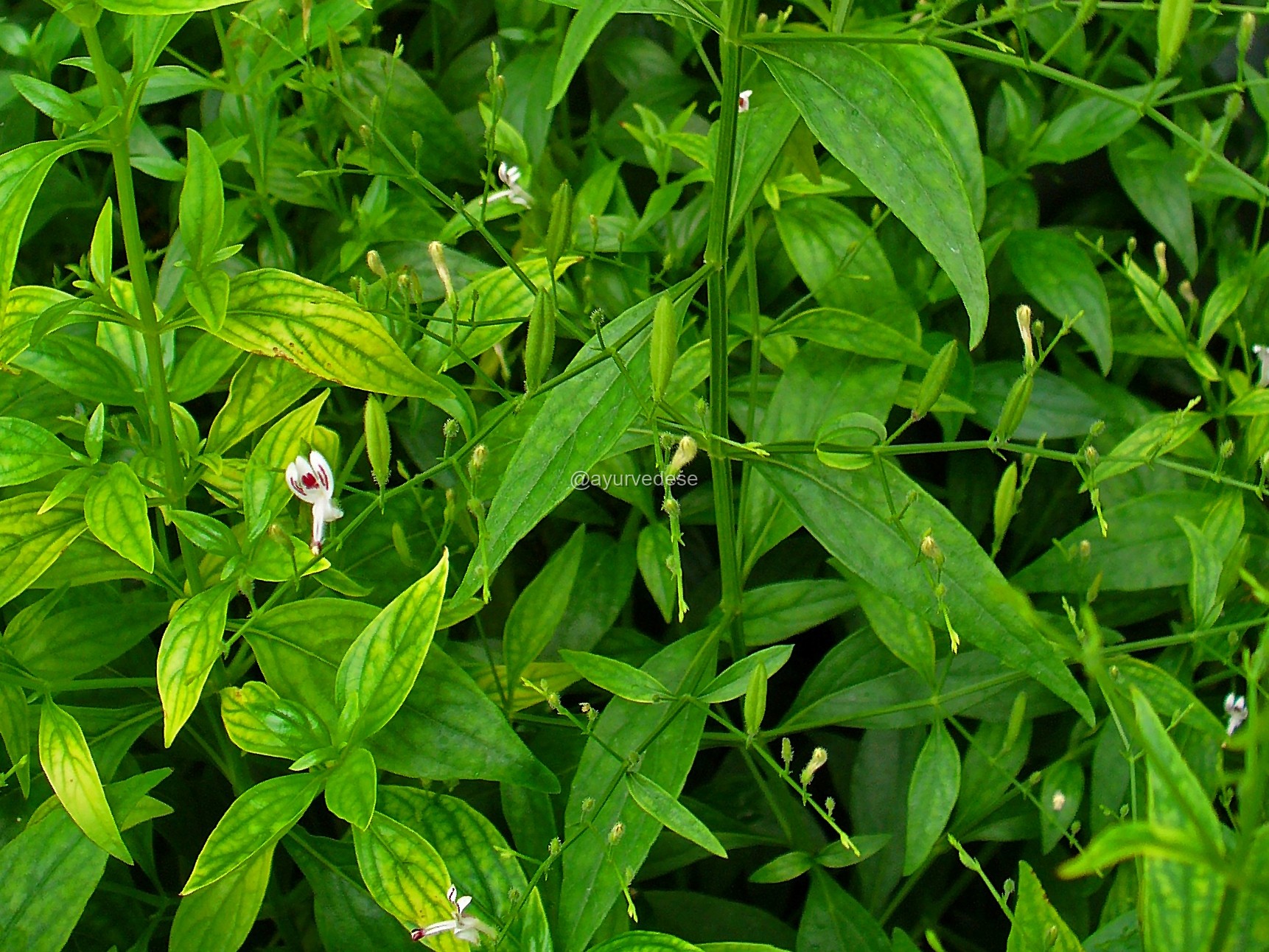
    Researchers have demonstrated that Andrographis paniculata may have a positive effect on blood sugar control. The study conducted by Dr. Ganesh Guguloth explores the antidiabetic activity of this plant, which is traditionally used in Ayurvedic medicine. The results indicate that Andrographis may help regulate glucose levels, possibly through the modulation of metabolic processes. Although the data are promising, it is important to consider that the research is still in early stages and more studies are needed to confirm these findings and understand the mechanisms involved. The connection between Ayurvedic wisdom and modern science becomes evident, as Andrographis is often mentioned in classical texts as a beneficial herb for metabolic health.

  • openalex🗞️ Published on Ayurdrops: Jul 16, 2026📅 Source: Jul 14, 2026

    Grahani and Digestive Physiology: An Analysis of Agni

    Researchers analyzed the relationship between grahani, the condition affecting digestion, and digestive physiology, highlighting the importance of agni, or digestive fire. Dr. Manisha Yadav's study explores how the health of grahani is directly linked to the proper functioning of agni, which is fundamental for digestion and nutrient absorption. The research suggests that imbalances in agni can lead to digestive disorders, reflecting the Ayurvedic view that digestion is central to overall health. The findings reinforce the need to consider agni in diagnoses and treatments, aligning with Ayurvedic practice that emphasizes individualized care. Although the study brings valuable insights, it is important to note that the research may have limitations, such as the need for more clinical data to validate the conclusions.

  • openalex🗞️ Published on Ayurdrops: Jul 16, 2026📅 Source: Jul 14, 2026

    Grahani and Digestive Physiology: Understanding Agni

    Researchers analyzed the relationship between grahani, the condition that affects digestion, and digestive physiology, focusing on the concept of agni, which represents digestion and metabolism in Ayurveda. The study, conducted by Dr. Manisha Yadav, explores how the health of grahani is closely linked to the efficiency of agni. The research highlights that a balanced agni is fundamental for proper digestion and nutrient absorption, while a compromised agni can lead to digestive disorders. The authors discuss the importance of identifying signs of weak agni, such as indigestion and abdominal bloating, and suggest that Ayurvedic interventions may be beneficial to restore balance. This study is relevant for therapists and practitioners seeking to integrate modern knowledge of digestive physiology with the traditional wisdom of Ayurveda.

  • Andrographis / Kalmegh
    openalex🗞️ Published on Ayurdrops: Jul 16, 2026📅 Source: Jul 14, 2026

    Antidiabetic Activity of Andrographis paniculata: What Research Reveals

    Researchers have demonstrated that Andrographis paniculata, a plant widely used in traditional medicine, exhibits significant antidiabetic activity. The study conducted by Dr. Ganesh Guguloth, published in July 2026, investigated the effects of the plant in experimental models of diabetes. The results showed that administration of Andrographis extracts reduced blood glucose levels and improved the function of pancreatic beta cells, which are responsible for insulin production. Additionally, the plant demonstrated anti-inflammatory and antioxidant properties, which may contribute to protection against diabetes complications. These findings are relevant, as Ayurveda already recognizes Andrographis paniculata as an herb that can help balance the Kapha dosha, often associated with metabolic conditions such as diabetes. However, the study has limitations, such as the need for further clinical investigations in humans to validate these results.

  • openalex🗞️ Published on Ayurdrops: Jul 16, 2026📅 Source: Jul 14, 2026

    Water during meals: how it affects digestion according to Ayurveda and gastroenterology

    Researchers analyzed the relationship between water intake during meals and digestion, revealing that the ancient wisdom of Ayurveda may be misinterpreted. Author Narayan Rout discusses how water can influence Agni, or digestive fire, and nutrient absorption. In Ayurveda, fluid intake during meals is often discouraged, as it is believed to dilute digestive juices and impair digestion. However, modern gastroenterology suggests that water can aid digestion by facilitating the passage of food through the gastrointestinal tract. The study proposes that the key lies in the quantity and timing of water intake, highlighting that ancient wisdom and modern findings can coexist, provided they are applied with discernment. This analysis opens space for a new understanding of fluid intake and its relationship with digestive health.

  • openalex🗞️ Published on Ayurdrops: Jul 16, 2026📅 Source: Jul 14, 2026

    Sebaceous Nevus: A Critical Analysis from the Perspective of Shalya Tantra

    Researchers analyzed Jadassohn's sebaceous nevus, a skin condition that can be correlated with concepts from Shalya Tantra, the part of Ayurvedic medicine that deals with surgery and interventions. The study, conducted by Dr. Anand S. and Dr. Lovekrishna Pal Singh Rathore, explores the relationship between this condition and Charmakeela, a classical text that addresses skin diseases. The critical analysis suggests that the understanding of sebaceous nevus can be enriched by the Ayurvedic perspective, considering factors such as doshas and skin health. Although the study offers valuable insights, it is important to note that the research is still preliminary and requires further investigation to establish more robust connections between Western medicine and Ayurveda.

  • Óleo de Gergelim
    openalex🗞️ Published on Ayurdrops: Jul 16, 2026📅 Source: Jul 16, 2026

    Nasya and Migraine Relief: An Ayurvedic Review

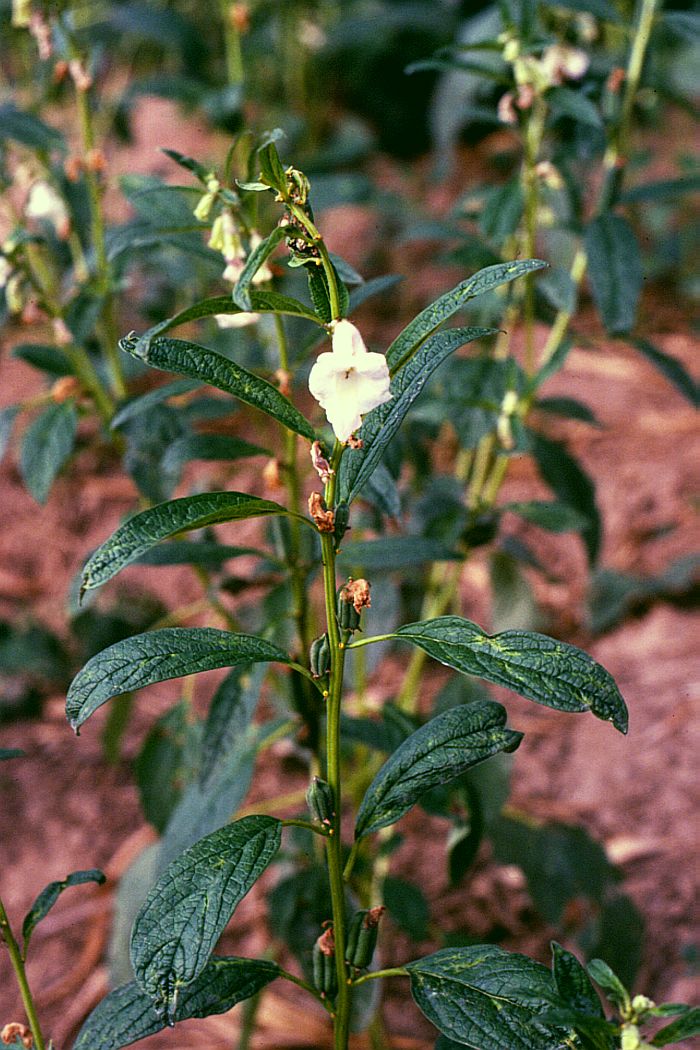
    Researchers reviewed the role of Nasya Karma, an Ayurvedic practice involving the administration of medicated oils through the nostrils, in the treatment of Ardhavabhēdaka, known as migraine. The study highlights that Nasya can help balance the doshas, especially Vāta, which is often associated with headaches. The review suggests that applying oils such as sesame and coconut may reduce inflammation and improve blood circulation in the head region, providing symptom relief. Additionally, the mechanisms of action of Nasya were discussed, including nourishment of tissues (dhatus) and clearing of channels (srotas). Although the results are promising, the study emphasizes the need for more clinical research to validate these findings and better understand optimal dosages and formulations.

  • openalex🗞️ Published on Ayurdrops: Jul 16, 2026📅 Source: Jul 16, 2026

    From Nectar to Toxin: Understanding Madya in Ayurveda

    The relationship between Madya, or alcoholic beverages, and health is complex and multifaceted. Dr. Vandana Sharma explores how Madya can be considered both a nectar and a toxin, depending on the context of use and the amount consumed. The study highlights that, in moderate doses, Madya can have beneficial properties, such as promoting digestion and improving circulation. However, excessive consumption can lead to imbalances, affecting Agni (digestive fire) and resulting in conditions such as intoxication and liver-related diseases. The research also discusses the importance of considering individual factors, such as the constitution of the doshas and the individual's overall health, when assessing the impact of Madya. This understanding is fundamental for integrating Ayurvedic practices with the modern approach to health and wellness.

  • Funcho
    openalex🗞️ Published on Ayurdrops: Jul 16, 2026📅 Source: Jul 16, 2026

    Ayurveda and Polycystic Ovary Syndrome: a study on Stanyashodhka Gana Kwatha and Madhumehari Churna

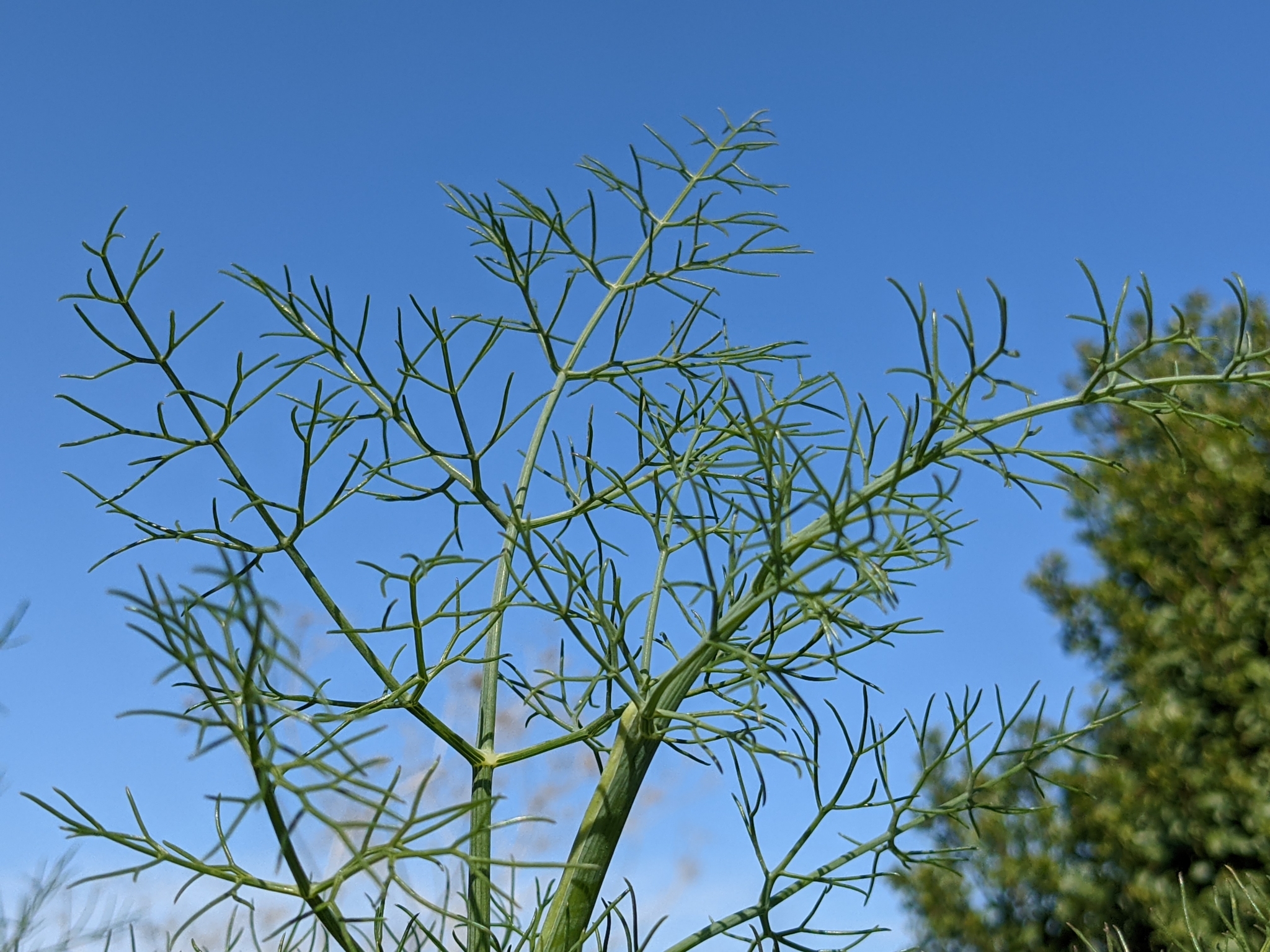
    Researchers investigated the efficacy of Stanyashodhka Gana Kwatha combined with Madhumehari Churna and Shatapushpa Kalpa in the treatment of Polycystic Ovary Syndrome (PCOS). The randomized clinical study included patients diagnosed with PCOS, evaluating the treatment response regarding parameters such as irregular menstruation and hormonal levels. The results showed that the herbal combination not only improved menstrual regularity but also had a positive impact on reducing androgen levels, which are often elevated in women with PCOS. The Ayurvedic approach, which considers the imbalance of dhatvagni (tissue digestion), proved promising, suggesting that traditional medicine may offer effective alternatives for managing this common condition. Study limitations include the sample size and the need for further research to validate the findings.

  • Óleo de Gergelim
    openalex🗞️ Published on Ayurdrops: Jul 16, 2026📅 Source: Jul 16, 2026

    Nasya and Migraine Relief: What Ayurveda Teaches Us

    Researchers explored the role of Nasya Karma, an Ayurvedic practice involving the administration of medicinal oils into the nostrils, in the treatment of Ardhavabhēdaka, or migraine. The study reviewed various classical and modern sources, highlighting how Nasya can help balance the doshas, especially Vāta, which is often associated with headaches. The application of oils such as sesame and other specific preparations can promote lubrication of the nasal passages and improve blood circulation in the head region. Additionally, the review pointed out that Nasya can reduce the frequency and intensity of migraine attacks, offering a holistic approach that complements conventional treatments. However, the authors emphasize the need for more controlled clinical studies to validate these findings and better understand the mechanisms involved.

  • openalex🗞️ Published on Ayurdrops: Jul 16, 2026📅 Source: Jul 16, 2026

    Prajāsthapana Mahākāśaya and Vataśuṅga Nāsyā: Prevention of Early Pregnancy Loss

    Researchers investigated the efficacy of the combination of Prajāsthapana Mahākāśaya and Vataśuṅga Nāsyā in preventing Garbhasrava, or early pregnancy loss. The study, conducted by Dr. Soumya Meshram and colleagues, included both a preclinical and a clinical phase, demonstrating that the intervention can significantly reduce the incidence of spontaneous abortions. The proposed mechanisms involve regulation of blood flow and nourishment of the uterus, aligning with Ayurvedic principles of strengthening the reproductive dhātu (tissue). Although the results are promising, it is important to consider the need for further studies with larger samples and rigorous control to validate these findings.

  • openalex🗞️ Published on Ayurdrops: Jul 16, 2026📅 Source: Jul 16, 2026

    Agni and Ama in the Origin of Mukhadushika: A Conceptual Review

    Researchers discuss the relationship between Agni (digestion) and Ama (toxins) in the pathogenesis of Mukhadushika, a condition that manifests as lesions on the skin of the face. The review highlights that an imbalanced Agni can lead to the formation of Ama, which accumulates and results in cutaneous disorders. Understanding these concepts is essential for Ayurvedic treatment, which seeks to restore digestive balance and eliminate toxins. The study emphasizes the importance of interventions that improve Agni, such as proper diet and detoxification practices, to prevent and treat Mukhadushika. Although the review brings valuable insights, it is important to note that it is a conceptual analysis and not an empirical study with direct clinical data.

  • openalex🗞️ Published on Ayurdrops: Jul 16, 2026📅 Source: Jul 16, 2026

    Prajāsthapana Mahākāśaya and Vataśuṅga Nāsyā: Prevention of Gestational Loss

    Researchers investigated the efficacy of Prajāsthapana Mahākāśaya granules combined with Vataśuṅga Nāsyā in preventing Garbhasrava, which refers to early pregnancy loss. The clinical study, conducted by Dr. Soumya Meshram and colleagues, demonstrated that this combination may offer significant support for women at risk of spontaneous abortions. Results indicated an improvement in gestational health, with careful monitoring of participants. The Ayurvedic approach, which considers individuality and the doshas, was fundamental to the treatment formulation, highlighting the importance of balance in a woman's body during pregnancy. Although the results are promising, it is important to consider the study's limitations, such as sample size and the need for further research to confirm these findings.

  • openalex🗞️ Published on Ayurdrops: Jul 16, 2026📅 Source: Jul 16, 2026

    Skin Aging: An Integrated Perspective Between Ayurveda and Modern Biomedicine

    Researchers explored the applied anatomy of skin aging, combining knowledge from Ayurveda and modern biomedicine. The study, conducted by Dr. Ranjeet Balasaheb Rupnar and Dr. Shraddha Dilip Hankare, highlights how factors such as collagen loss and decreased hydration affect skin health over time. Ayurveda offers a holistic view, emphasizing the importance of dosha balance and proper nutrition to maintain skin vitality. The authors discuss the relevance of practices such as the use of specific oils and herbs, which can help slow the aging process. Furthermore, the study suggests that combining Ayurvedic and biomedical approaches may result in more effective skin care strategies, promoting not only aesthetics but also overall health. This integration is an important step toward a deeper understanding of cutaneous aging and its implications for quality of life.

  • openalex🗞️ Published on Ayurdrops: Jul 16, 2026📅 Source: Jul 16, 2026

    Sukravaha Srotas and its characteristics: a connection with contemporary science

    Researchers have explored the concept of Sukravaha Srotas, which refers to the channels responsible for the production and transport of semen in the body. This article reviews the characteristics (Viddha Lakshana) associated with these channels, relating them to modern science. The analysis includes the importance of dosha balance and how reproductive health can be affected by factors such as stress and nutrition. The connection between Ayurvedic principles and contemporary biology is discussed, highlighting the relevance of Sukravaha Srotas in male health and fertility. Although the study presents a comprehensive view, limitations such as the lack of direct clinical data and the need for further research are acknowledged.

  • openalex🗞️ Published on Ayurdrops: Jul 16, 2026📅 Source: Jul 16, 2026

    Sukravaha Srotas and its characteristics: a connection with contemporary science

    Researchers have explored the characteristics of Sukravaha Srotas, which is the channel responsible for the production and transport of sperm in the body. This article reviews classical and contemporary literature, highlighting how conditions affecting Sukravaha Srotas can be understood in light of modern science. The authors, Dr. T. Nandita, Dr. Krishnamurthy N., and Dr. Shivanand Bilagi, discuss the importance of Viddha Lakshana, which refers to the signs and symptoms associated with disorders in this system. The analysis reveals that the health of Sukravaha Srotas is closely linked to factors such as diet, lifestyle, and stress, reflecting the Ayurvedic view that balance is fundamental for reproductive health. Furthermore, the research suggests that interventions promoting the health of Sukravaha Srotas may have significant implications for fertility and overall well-being.