Public feed

Ayurvedic editorial curation

Science articles classified by dosha, srota and dhatu. Filter to find what matters to you today.

  • Guggul / Indian Bedellium
    openalex🗞️ Published on Ayurdrops: Jul 17, 2026📅 Source: Jul 16, 2026

    Kaishore Guggulu and Agnikarma in the Treatment of Frozen Shoulder: A Case Report

    Researchers reported a case of Avabahuka, or frozen shoulder, treated with a combination of Kaishore Guggulu and Amritottaram Kashaya, along with Agnikarma — a heat therapy technique. The patient, a 45-year-old man, presented with severe pain and limited shoulder movement. After 6 weeks of treatment, there was a significant reduction in pain and an improvement in range of motion. Kaishore Guggulu, known for its anti-inflammatory properties, and Amritottaram Kashaya, which aids circulation and pain relief, were fundamental in the process. Agnikarma, which involves the application of heat to specific points, also contributed to recovery. This report highlights the efficacy of integrative approaches in managing orthopedic conditions, aligning Ayurvedic practices with positive clinical outcomes.
  • openalex🗞️ Published on Ayurdrops: Jul 17, 2026📅 Source: Jul 16, 2026

    How Ayurveda Can Help in the Treatment of Ovarian Cysts: A Case Report

    Researchers presented a clinical case of Ayurvedic management of an ovarian cyst, highlighting the efficacy of evidence-based interventions. The patient, aged 28, presented symptoms such as abdominal pain and menstrual irregularities. The treatment included the use of specific herbs, dietary adjustments, and lifestyle practices. After 3 months of follow-up, there was a significant reduction in the cyst, with improvement in symptoms. The study emphasizes the importance of Agni (digestion) and the balance of the doshas in the Ayurvedic approach, suggesting that disharmony may contribute to the formation of cysts. This case report contributes to understanding the potential of Ayurveda in gynecological conditions, although more research is needed to validate these findings in larger populations.

  • openalex🗞️ Published on Ayurdrops: Jul 17, 2026📅 Source: Jul 16, 2026

    Relationship between Arsha Samprapti and portal circulation: an integrative review

    Researchers explored the correlation between Arsha Samprapti, which refers to the development of hemorrhoids in Ayurveda, and portal circulation, a venous system that transports blood from the gastrointestinal tract to the liver. The integrative review analyzed how pathophysiological factors, such as venous congestion and changes in portal pressure, may be related to the onset of Arsha. The authors, Dr. Rushikesh Late, Dr. Shilpak Sadgune, and Dr. Sanjeev Yadav, highlight that understanding this relationship may offer new perspectives for the treatment and management of hemorrhoids, integrating Ayurvedic and modern knowledge. Although the research brings valuable insights, limitations such as the scarcity of direct clinical studies and the need for further investigation are mentioned.

  • openalex🗞️ Published on Ayurdrops: Jul 17, 2026📅 Source: Jul 16, 2026

    Langhana in the treatment of fever: connections with modern medicine

    Researchers reviewed the practice of Langhana Chikitsa, an Ayurvedic approach to treating fever (jwara), highlighting its correlations with modern concepts. Langhana, which involves weight reduction and promoting digestion, is applied in cases of fever to help restore the body's balance. The study, conducted by Vd. Somdatta Bhaskarrao Kulkarni and Vd. Kamlesh Shivaji Mahajan, explores how this practice can be understood in light of contemporary mechanisms, such as the inflammatory response and immune system regulation. The review suggests that the Ayurvedic approach may complement modern treatments, offering a holistic perspective for fever management. However, limitations such as the lack of robust clinical trials and the need for more empirical data are acknowledged, indicating that further research is necessary to validate these correlations.

  • openalex🗞️ Published on Ayurdrops: Jul 17, 2026📅 Source: Jul 16, 2026

    Treatment of bulbar urethral stricture with Matra Basti: a case report

    Researchers reported a successful case in the treatment of bulbar urethral stricture using Matra Basti, an Ayurvedic therapy that involves the administration of warm oil into the rectal region. The patient, a 45-year-old man, presented with symptoms of difficulty urinating and pain. After the application of Matra Basti, a significant improvement in urinary function and a reduction in pain were observed. The treatment was carried out over a period of 15 days, with daily sessions, and the results were evaluated through clinical examinations and quality of life questionnaires. This case suggests that Matra Basti may be an effective approach for the management of urethral strictures, offering an alternative to surgical interventions. However, the research is limited to a single case, and further studies are needed to validate these findings in a larger population.

  • openalex🗞️ Published on Ayurdrops: Jul 17, 2026📅 Source: Jul 16, 2026

    How Ayurveda Can Help in the Treatment of Ovarian Cysts: A Case Report

    Researchers presented a case report illustrating the efficacy of Ayurveda in treating ovarian cysts. The patient, a 28-year-old woman, presented with symptoms such as abdominal pain and menstrual irregularities. After a detailed assessment, an Ayurvedic approach was proposed, which included the use of specific herbs and dietary adjustments. The treatment focused on balancing the Pitta dosha and improving Agni, or digestive fire, which is fundamental for reproductive health. Over 12 weeks, a significant reduction in symptoms and normalization of the menstrual cycle were observed, demonstrating the potential of Ayurveda as a viable alternative for managing ovarian cysts. This case highlights the importance of a holistic and personalized approach, aligning traditional practices with contemporary evidence.

  • Óleo de Gergelim
    openalex🗞️ Published on Ayurdrops: Jul 17, 2026📅 Source: Jul 16, 2026

    Comparative Evaluation of Sneha Dravyas in Basti Karma: A Review of Classical and Contemporary Literature

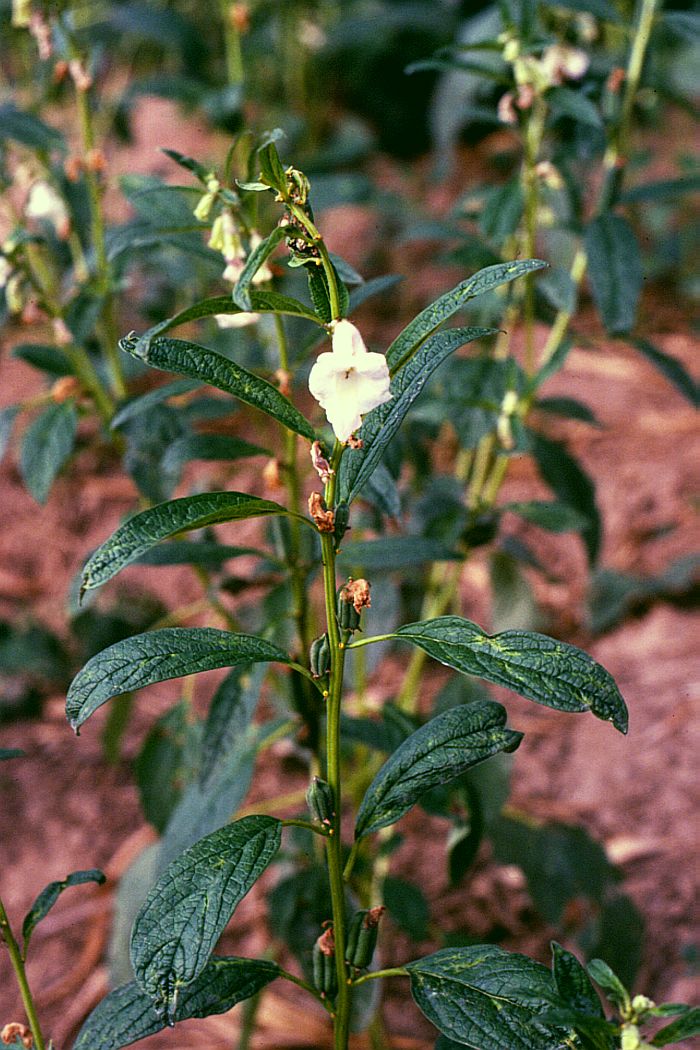
    Researchers reviewed classical and contemporary literature on the different sneha dravyas (medicinal oils) used in basti karma, an Ayurvedic enema technique. The study highlights the importance of sneha dravyas in detoxification therapy and tissue nourishment. Various types of oils, such as ghee and sesame oil, were analyzed, along with their specific properties, such as the ability to penetrate tissues and promote toxin elimination. The review suggests that the choice of sneha dravya should consider the patient's dosha and clinical condition, emphasizing treatment personalization. Although the research provides a comprehensive overview, limitations such as the lack of controlled clinical studies and variability in oil formulation were noted, which may impact the replicability of results.

  • Ghee
    openalex🗞️ Published on Ayurdrops: Jul 17, 2026📅 Source: Jul 16, 2026

    Comparative Evaluation of Sneha Herbs in Basti: What Classical and Modern Literature Reveals

    Researchers reviewed classical and contemporary literature on the different dravyas sneha (oleaginous substances) used in basti karma, an Ayurvedic enema practice. The study highlights the importance of the appropriate selection of dravyas sneha, which can influence the effectiveness of the treatment. Among the dravyas analyzed are ghee (clarified butter), sesame oil, and coconut oil, each with unique properties that affect absorption and therapeutic action. The research also discusses how combining different dravyas can enhance the effects of basti, considering factors such as the patient's dosha and condition. Study limitations include the lack of controlled clinical trials and the need for further investigations to validate the conclusions. This work is an invitation to reflect on how the ancient wisdom of Ayurveda can be integrated with modern practices to optimize treatments.

  • Ashwagandha / Ginseng Indiano
    openalex🗞️ Published on Ayurdrops: Jul 17, 2026📅 Source: Jul 16, 2026

    Vitiligo and Ayurveda: A Case Study on the Management of Shvitra

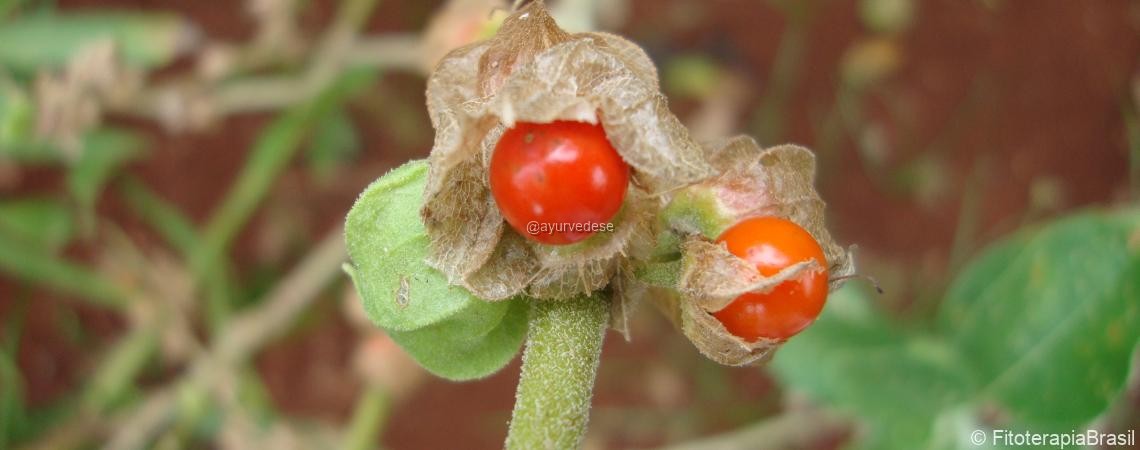
    Researchers presented a case study exploring the management of Shvitra, known as vitiligo, through the Ayurvedic approach. The patient, a 30-year-old woman, presented with white patches on the skin, typical of the condition. The treatment included the use of herbs such as Aśvagandha (Withania somnifera) and Pippali (Piper longum), along with detoxification practices and dietary adjustments. After 12 weeks of treatment, a significant improvement in skin pigmentation and the patient's quality of life was observed. The authors highlight the importance of considering Agni (digestion) and the balance of the doshas in the treatment of vitiligo, suggesting that the holistic approach of Ayurveda may offer benefits beyond conventional treatments. Study limitations include the small sample size and the lack of a control group, suggesting the need for further research to validate these findings.

  • openalex🗞️ Published on Ayurdrops: Jul 17, 2026📅 Source: Jul 16, 2026

    Ojas and immunological homeostasis: an integrative review of Ayurvedic physiology

    Researchers explored the relationship between the concept of ojas in Ayurveda and immunological homeostasis, highlighting how Ayurvedic physiology connects with immunometabolism and systems biology. Ojas, considered the vital essence that sustains immunity and vitality, is discussed in relation to modern mechanisms of immunological regulation. The review covers evidence showing how ojas can influence the immune response and metabolic health, suggesting that maintaining adequate levels of ojas may be crucial for disease prevention. The authors, including Ankita Sharma and colleagues, emphasize the importance of integrating traditional and modern knowledge for a more holistic understanding of health. Study limitations include the need for more clinical research to validate the proposed connections between ojas and immunity.

  • openalex🗞️ Published on Ayurdrops: Jul 17, 2026📅 Source: Jul 16, 2026

    Multimodal Ayurvedic Approach to Ovarian Cysts: A Case Study

    Researchers presented a successful clinical case in the treatment of an ovarian cystic lesion, known as granthi artava, using a multimodal Ayurvedic approach. The treatment included a combination of herbal medicine, diet, and lifestyle practices, resulting in significant reduction of the cyst and improvement of associated symptoms. Dr. Pankaj Tiwari and colleagues highlighted the importance of personalizing treatment based on the patient's individual characteristics, considering factors such as dosha and agni. The study emphasizes the relevance of Ayurveda in managing gynecological conditions, offering a viable alternative to conventional approaches. Although the results are promising, the study is limited by being a single case report, which prevents broad generalizations.

  • openalex🗞️ Published on Ayurdrops: Jul 17, 2026📅 Source: Jul 16, 2026

    Uttarabasti and Acute Bacterial Cystitis: An Integrative Approach

    Researchers explored the use of Uttarabasti, an Ayurvedic therapy that involves the administration of medicated oil into the urethra, as a care option for acute bacterial cystitis. The study, conducted by Dr. Jigna Patel and colleagues, highlights that the therapy may help relieve symptoms such as pain and burning during urination, as well as promote bladder health. The application of Uttarabasti is based on the idea that the therapy can balance the doshas and improve the function of the urinary system. The authors note that, although the results are promising, more research is needed to validate the efficacy and safety of this approach compared to conventional treatments. Acute bacterial cystitis is a common condition that affects many people, and the integration of Ayurvedic practices may offer a valuable alternative for symptom management.

  • openalex🗞️ Published on Ayurdrops: Jul 17, 2026📅 Source: Jul 16, 2026

    Treatment of bulbar urethral stricture with Matra Basti: a case report

    Researchers reported a successful case in the treatment of bulbar urethral stricture using Matra Basti, an Ayurvedic technique that involves the administration of warm oil into the rectal region. The patient, a 45-year-old man, presented significant symptoms, including pain and difficulty urinating. After the application of Matra Basti, a notable improvement in symptoms was observed, with reduced pain and increased urinary flow. The treatment was carried out over a period of 10 days, with daily sessions. The Ayurvedic approach, which aims to restore the balance of the doshas, proved effective, highlighting the importance of integrating traditional practices into modern medicine. This case suggests that Matra Basti may be a viable option for patients with urethral stricture, although more studies are needed to validate these findings in a larger population.

  • openalex🗞️ Published on Ayurdrops: Jul 17, 2026📅 Source: Jul 16, 2026

    Uttarabasti and acute bacterial cystitis: an integrative approach

    Researchers explored the use of Uttarabasti, an Ayurvedic therapy, in the treatment of acute bacterial cystitis. This method involves the administration of medications directly into the bladder, promoting symptom relief and improving recovery. The study, conducted by Dr. Jigna Patel and colleagues, highlights that the application of Uttarabasti can reduce pain and urinary frequency, as well as improve bladder function. The authors observed that combining Ayurvedic practices with conventional medical care may offer a more holistic approach to managing cystitis. Although the results are promising, it is important to consider that the study may have limitations, such as sample size and the need for further research to validate these findings in larger populations.

  • openalex🗞️ Published on Ayurdrops: Jul 17, 2026📅 Source: Jul 16, 2026

    Vitiligo and Ayurveda: A Case Study on the Management of Shwitra

    Researchers presented a case study exploring the Ayurvedic approach to managing vitiligo, known as Shwitra. The patient, a 30-year-old woman, presented with white patches on the skin, typical of this condition. The treatment included a combination of herbs, diet, and detoxification therapies, aiming to balance the doshas and restore skin health. After 12 weeks of treatment, a significant improvement in skin pigmentation and the patient's quality of life was observed. The authors highlight the importance of personalizing treatment, considering factors such as dosha type and the patient's overall condition. This study underscores the relevance of Ayurveda as a viable alternative for managing vitiligo, although more research is needed to validate these findings in a larger population.

  • openalex🗞️ Published on Ayurdrops: Jul 17, 2026📅 Source: Jul 16, 2026

    Ark (Calotropis procera) and its anti-toxic properties in Ayurveda: a review

    Researchers reviewed the anti-toxic properties of Ark, known as Calotropis procera, highlighting its role as a dravya vishghna, or an agent that neutralizes toxins, in Ayurveda and folk medicines. The plant is recognized for its applications in various conditions, including poisonings and inflammatory diseases. The study analyzes bioactive compounds present in the plant, such as flavonoids and alkaloids, which have demonstrated antioxidant and anti-inflammatory activities. Furthermore, mechanisms of action were discussed, such as the modulation of inflammatory pathways and protection against cellular damage. Although the results are promising, the study emphasizes the need for more clinical research to validate these findings and better understand the interactions between the plant's compounds and biological systems. The review also considers the relevance of Ark in contemporary Ayurvedic practice, suggesting that its use can be integrated into treatment protocols for conditions related to toxicity.

  • openalex🗞️ Published on Ayurdrops: Jul 17, 2026📅 Source: Jul 16, 2026

    Menstrual Pain Relief: What a Case Study Reveals About Ing Churna

    Researchers observed that the use of Ing Churna brought significant relief to women with primary dysmenorrhea, a condition characterized by intense menstrual cramps. In the study, conducted by Dr. Arshiya Shaikh and colleagues, a reduction in pain and discomfort symptoms was noted, with emphasis on the relationship with the Ayurvedic concept of kashtartava, which refers to menstrual pain. Ing Churna, a combination of herbs, acts on balancing the doshas and promoting healthy menstrual flow. The results indicated that participants reported a decrease in pain intensity of up to 70% after treatment. Despite the promising findings, the study has limitations, such as the small number of participants and the lack of a control group, suggesting the need for further research to validate these findings.

  • openalex🗞️ Published on Ayurdrops: Jul 17, 2026📅 Source: Jul 16, 2026

    Relationship between Arsha Samprapti and portal circulation: an integrative review

    Researchers explored the correlation between Arsha Samprapti, which refers to the development of hemorrhoids in Ayurveda, and portal circulation, a crucial vascular system that drains blood from the gastrointestinal tract. The integrative review, conducted by Dr. Rushikesh Late and colleagues, highlights how imbalances in portal circulation may contribute to the formation of Arsha, suggesting that stagnation of blood flow and elevated pressure in this region could be determining factors. Furthermore, the analysis points to the importance of considering modern physiology alongside Ayurvedic concepts, such as the relationship between doshas and vascular health. The research also emphasizes the need for more clinical studies to validate these connections, as most evidence is theoretical or based on models. This integrative approach may open new perspectives for the treatment of conditions related to Arsha.

  • pubmed🗞️ Published on Ayurdrops: Jul 17, 2026📅 Source: Jul 16, 2026

    Cardiac rehabilitation: how Ayurveda can help after a heart attack

    Researchers have shown that combining conventional care with Ayurvedic interventions can improve cardiac function after an acute myocardial infarction. In this case report, the authors Rastogi and Mittal followed a patient who received standard treatment and, additionally, Ayurvedic practices. The patient showed significant improvements in parameters such as functional capacity and quality of life. Ayurveda, with its holistic approaches, can offer valuable support in cardiac recovery, especially when integrated with conventional methods. Although the results are promising, the study is limited by being a single case report, which requires caution in generalizing the findings.

  • pubmed🗞️ Published on Ayurdrops: Jul 17, 2026📅 Source: Jul 16, 2026

    Chebulic Acid and Its Action in Atopic Eczema: How It Acts on Cellular Signaling

    Researchers have demonstrated that chebulic acid can reduce the activity of the NF-κB/TSLP signaling axis, which is involved in the inflammation associated with atopic eczema. The study, conducted by Wang et al., revealed that chebulic acid reprograms lipid metabolism mediated by the enzyme ACLY, resulting in a significant decrease in skin inflammation. The results showed that administration of chebulic acid led to a reduction in inflammatory markers and improved skin condition in experimental models of atopic eczema. This finding suggests a connection between modern mechanisms of inflammation regulation and Ayurvedic concepts of dosha balance, especially in relation to Pitta, which is associated with inflammatory conditions. However, the study has limitations, such as the use of animal models, which may not fully reflect the response in humans.