Public feed

Ayurvedic editorial curation

Science articles classified by dosha, srota and dhatu. Filter to find what matters to you today.

  • Cardamomo
    openalex🗞️ Published on Ayurdrops: Jul 19, 2026📅 Source: Jul 16, 2026

    Microorganisms in the Ayurvedic view: evaluation of the antimicrobial potential of Sukshma Ela (cardamom)

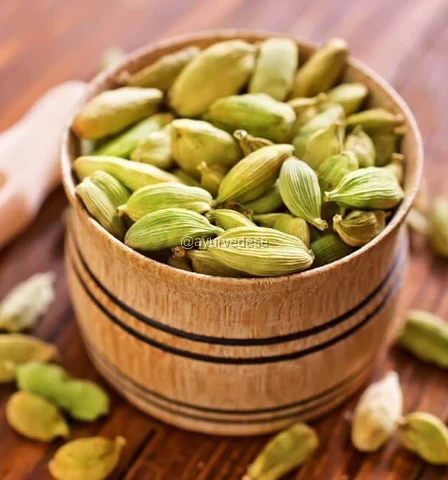
    Researchers evaluated the antimicrobial potential of Sukshma Ela (Elettaria cardamomum), an herb widely used in Ayurvedic medicine. The study, conducted by Prof. Dr. Khagen Basumatary and Dr. Nikhilesh Das, reviewed the literature on microorganisms from an Ayurvedic perspective and performed experiments to test the efficacy of cardamom against various bacterial strains. The results showed that cardamom exhibited significant antimicrobial activity, suggesting that its properties could be explored for the development of new antimicrobial agents. This finding is relevant, especially in a context where antibiotic resistance is a growing concern. However, the study also highlights the need for further research to understand the specific mechanisms of action of cardamom and its clinical applications. The research was published in July 2026.
  • openalex🗞️ Published on Ayurdrops: Jul 19, 2026📅 Source: Jul 16, 2026

    Healing of Varicose Ulcer with Jalaukavacharana: A Case Report

    Researchers have demonstrated the efficacy of Jalaukavacharana, an Ayurvedic therapy that uses leeches, in the treatment of varicose ulcers. In the case presented, a patient with a varicose ulcer was treated with this approach, resulting in significant healing over a period of 8 weeks. The treatment promoted the removal of toxins and improved blood circulation in the affected area. The use of leeches is supported by their ability to release anticoagulants and growth factors, which can accelerate the healing process. Although the results are promising, it is important to consider that the study is based on a single case, which limits the generalizability of the findings. Further investigations are necessary to validate the efficacy of Jalaukavacharana in a broader population.

  • openalex🗞️ Published on Ayurdrops: Jul 19, 2026📅 Source: Jul 16, 2026

    Menorrhagia and Ayurveda: A Case Study on Raktapradara

    Researchers presented a case study on Raktapradara, which refers to menorrhagia, a condition characterized by excessive menstrual bleeding. The study, conducted by Dr. Rohini Nivrutti Shinde and colleagues, explores the Ayurvedic approach to treating this condition. Menorrhagia can be challenging, affecting women's quality of life. In Ayurveda, analysis of the predominant dosha and identification of imbalances are fundamental for treatment. The presented case illustrates how specific interventions, including the use of herbs and dietary adjustments, can help restore balance and reduce symptoms. Although the study provides valuable insights, it is important to note that it is an isolated case, which limits the generalizability of the results. The relationship between traditional medicine and contemporary practices is a growing field, and this study contributes to understanding how Ayurveda can be integrated into women's health care.

  • Canela
    openalex🗞️ Published on Ayurdrops: Jul 19, 2026📅 Source: Jul 16, 2026

    Ceylon Cinnamon: From Traditional Wisdom to Clinical Evidence

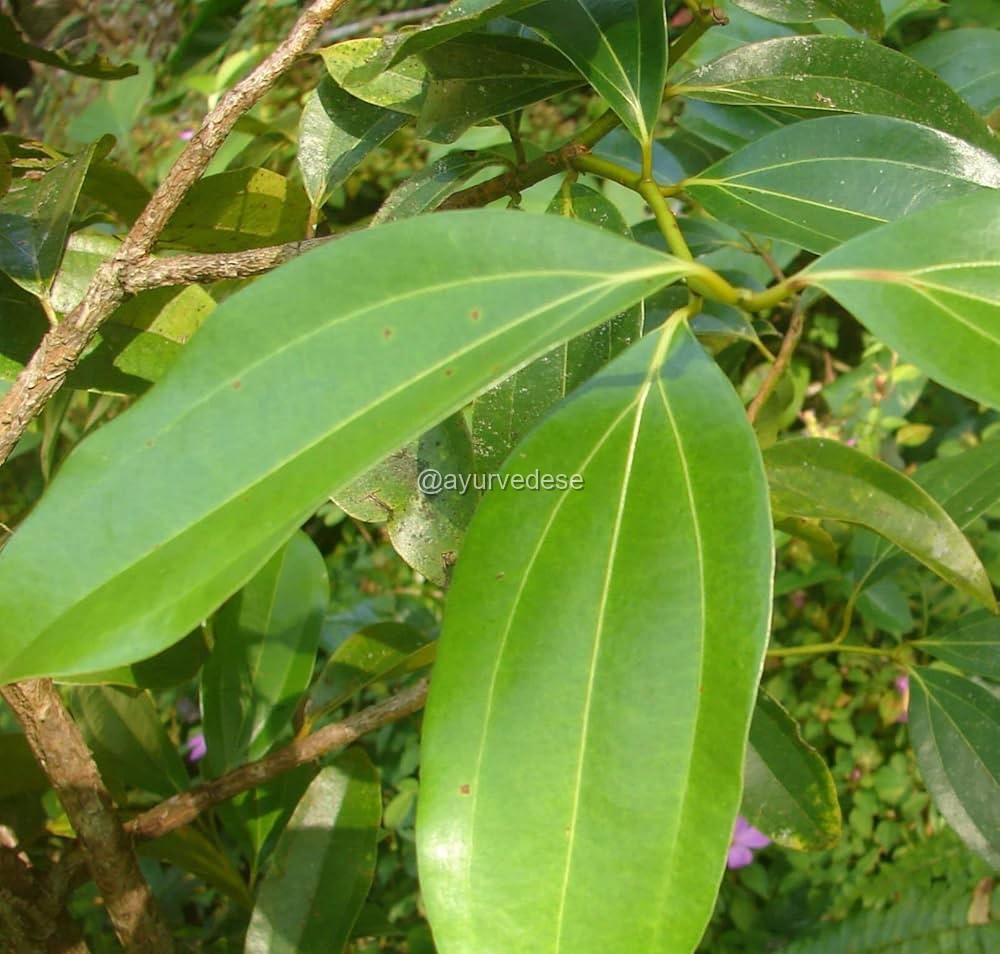
    Researchers highlight Ceylon cinnamon (Cinnamomum verum) as an herb with significant therapeutic potential, translating traditional knowledge into clinical evidence. Ceylon cinnamon is known for its anti-inflammatory and antioxidant properties, which may benefit metabolic and cardiovascular health. The article explores how scientific research has validated the use of this herb in traditional medicine, presenting data on its bioactive compounds and its effects on blood sugar control and cholesterol reduction. Furthermore, Ceylon cinnamon may act in modulating the immune system, offering an integrative approach to health. However, it is important to note that studies are still limited and often conducted in animal models or in vitro, which requires caution in extrapolating results to human clinical practice.

  • openalex🗞️ Published on Ayurdrops: Jul 19, 2026📅 Source: Jul 16, 2026

    Plaque Psoriasis from the Ayurvedic Perspective: A Critical Review

    Researchers reviewed plaque psoriasis, known in Ayurveda as Ekakuṣṭha, and its conceptualization in traditional medicine. Psoriasis is a chronic inflammatory skin condition affecting millions of people, and the Ayurvedic approach offers a unique perspective on its origin and treatment. The study highlights the importance of understanding factors contributing to the condition, such as dosha imbalance, especially the combination of Vāta and Pitta. Additionally, diagnostic methods and available treatment options in Ayurveda were discussed, including the use of herbs and specific therapies. The review concludes that integrating Ayurvedic practices may offer significant benefits for managing psoriasis, although more research is needed to validate these approaches in modern clinical contexts.

  • openalex🗞️ Published on Ayurdrops: Jul 19, 2026📅 Source: Jul 16, 2026

    The Correlation between Varna, Bhrajaka Pitta, and Skin Physiology in Ayurveda

    Researchers explored the relationship between the concept of varna in Ayurveda and skin physiology, focusing on the role of bhrajaka pitta, which is responsible for skin coloration. The study, conducted by Dr. Babita Sharma and Dr. Gangasagar Khandekar, highlights how bhrajaka pitta interacts with melanin, the pigment that gives color to the skin. The research suggests that skin health and color variation are closely linked to the balance of bhrajaka pitta, which in turn is influenced by factors such as diet and lifestyle. Although the study presents interesting findings, it is important to note that the conclusions are preliminary and require further investigation to be confirmed. The connection between Ayurvedic concepts and modern biology offers a new perspective on skin health and the diversity of skin tones.

  • openalex🗞️ Published on Ayurdrops: Jul 19, 2026📅 Source: Jul 17, 2026

    Ama as a Common Pathogenic Factor in Chronic Diseases: A Classical Perspective

    Researchers highlight that the concept of ama, a toxin resulting from inadequate digestion, is central to understanding various chronic diseases. Dr. Vinod Sonune explores how ama accumulates in the body and interferes with the dhatus (tissues) and srotas (channels) of the organism, leading to imbalances that can result in conditions such as diabetes, hypertension, and autoimmune diseases. The study revisits classical Ayurvedic texts, which already recognized the importance of ama in disease pathogenesis, and suggests that the Ayurvedic approach may offer valuable insights for managing these conditions. The relationship between ama and digestive health is emphasized, showing that correcting agni (digestive fire) is fundamental to preventing and treating chronic diseases. However, the study also underscores the need for more clinical research to validate these connections and better understand the practical application of the ama concept in modern medicine.

  • rss:maharishi🗞️ Published on Ayurdrops: Jul 18, 2026📅 Source: Jul 17, 2026

    Ashwagandha Powder: Health Benefits and Ways to Use

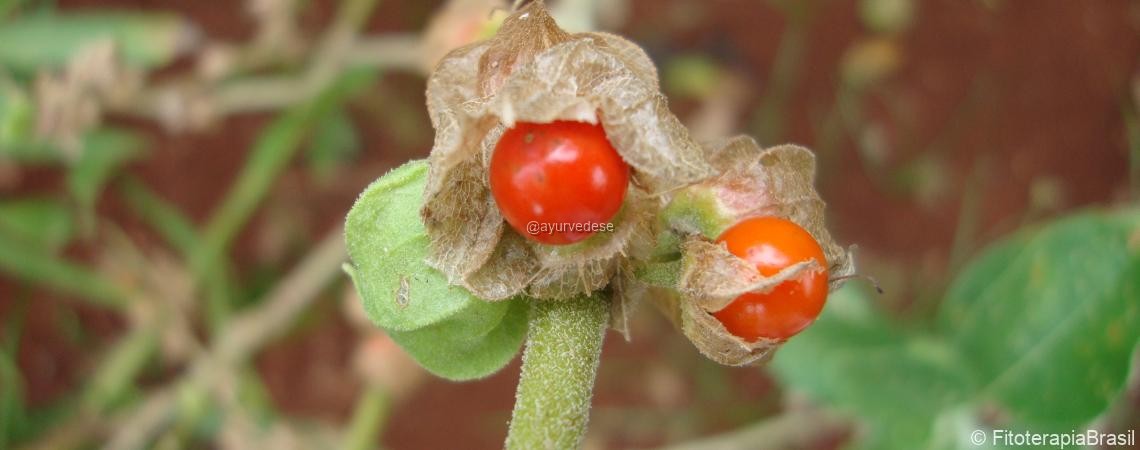
    Researchers highlight that ashwagandha (Withania somnifera) is one of the most valued herbs in Ayurveda, recognized for its properties as a Rasayana, which promote vitality and well-being. Modern studies suggest that ashwagandha may help reduce stress levels, improve sleep quality, and increase physical endurance. Additionally, the herb has been associated with the regulation of the HPA axis—the communication between the brain and the glands that control stress. The common dosage ranges from 300 to 600 mg per day, depending on the form of consumption, which may include powder, capsules, or tablets. It is important to consider that, although the benefits are promising, research is still developing and results may vary among individuals. The safety of long-term use and potential interactions with other medications should also be evaluated.

  • Vidārī / Vidarikand
    openalex🗞️ Published on Ayurdrops: Jul 18, 2026📅 Source: Jul 16, 2026

    Rasayana and the Effects of Vidari: Scientific Validation in the Laboratory

    Researchers analyzed the effects of Vidari (Pueraria tuberosa) from the perspective of the Rasayana concept, which refers to practices and substances that promote rejuvenation and longevity in Ayurveda. The study, conducted by Dr. Amrutha B.L. and Sunil P. Nikhate, reviewed in vitro evidence demonstrating how Vidari can influence cellular processes related to health and aging. The authors highlight that Vidari exhibits antioxidant and anti-inflammatory properties, which may be fundamental to its action as a Rasayana. Furthermore, the research suggests that the activation of specific cellular pathways may be linked to the observed beneficial effects. Although the results are promising, it is important to note that validation in clinical models is still necessary to confirm these findings. The study reinforces the relevance of Vidari in contemporary Ayurvedic practice, especially in integrative health contexts.

  • Vidārī / Vidarikand
    openalex🗞️ Published on Ayurdrops: Jul 18, 2026📅 Source: Jul 16, 2026

    Rasayana and the Effects of Vidari: An Integrative Review

    Researchers explored the effects of Vidari (Pueraria tuberosa) as a rasayana, a term referring to substances that promote rejuvenation and vitality. The integrative review, conducted by Dr. Amrutha B.L. and Sunil P. Nikhate, analyzes in vitro evidence supporting the beneficial properties of this plant. The authors highlight that Vidari exhibits antioxidant and anti-inflammatory activities, which may be linked to its ability to modulate oxidative stress and inflammation in the body. These mechanisms are relevant for promoting health and longevity, aligning with Ayurvedic principles that value cellular rejuvenation. Furthermore, the research suggests that Vidari may play an important role in maintaining mental and physical health, although most data are still preliminary and require validation in more robust clinical studies. The review also emphasizes the need for further investigations to fully understand the effects of Vidari and its practical applications in integrative medicine.

  • openalex🗞️ Published on Ayurdrops: Jul 18, 2026📅 Source: Jul 16, 2026

    The Impact of Sleep Suppression: An Ayurvedic and Modern Clinical Review

    Researchers analyzed the effects of Nidra Vega Dharana, or the suppression of the urge to sleep, and how this practice can influence the body's physiology. The study, conducted by Dr. Smita Zambare and Karan Chugh, highlights that sleep suppression can affect the balance of the doshas and Agni, digestion, leading to both positive and negative consequences. The review includes modern evidence showing how sleep deprivation can impact the immune system and mental health, in addition to discussing the importance of sleep in Ayurvedic medicine. Although the practice of Nidra Vega Dharana may be used in specific contexts, it is essential to consider the risks associated with sleep deprivation, such as increased stress and compromised overall health. The study suggests that understanding the mechanisms behind Nidra Vega Dharana can offer valuable insights for contemporary clinical practice.

  • openalex🗞️ Published on Ayurdrops: Jul 18, 2026📅 Source: Jul 16, 2026

    Raktamokshana and Autoimmune Diseases: What Research Reveals

    Researchers analyzed the role of Raktamokshana, an Ayurvedic bloodletting practice, in the treatment of autoimmune diseases. The study, which reviewed various clinical evidence, suggests that this technique may help reduce inflammation and improve immune function. Raktamokshana is considered effective in conditions such as rheumatoid arthritis and lupus, where hyperactivity of the immune system leads to tissue damage. The authors, including Rakshitha O. and Seethadevi P., highlight that the practice can balance the doshas, especially Pitta, which is often exacerbated in autoimmune diseases. Although the results are promising, the study emphasizes the need for more controlled research to validate these findings and better understand the mechanisms involved.

  • openalex🗞️ Published on Ayurdrops: Jul 18, 2026📅 Source: Jul 16, 2026

    Walking after meals: how it improves digestion and what science says

    Researchers have shown that walking after meals can improve digestion and nutrient absorption. The study by Narayan Rout explores the concept of Shatapavali, which refers to the practice of walking after meals, and how it relates to the activation of GLUT4, a protein that facilitates glucose entry into cells. Movement after a meal not only stimulates intestinal motility but may also help regulate blood sugar levels, promoting better digestive health. The research suggests that this simple practice may have a significant impact on gastrointestinal health, especially in relation to Agni, or digestive fire, which is a central concept in Ayurveda. Although the results are promising, it is important to consider that the study is based on preliminary data and more research is needed to fully understand the mechanisms involved.

  • Ashwagandha / Ginseng Indiano
    openalex🗞️ Published on Ayurdrops: Jul 18, 2026📅 Source: Jul 16, 2026

    Traditional Medicinal Plants for Gastrointestinal Disorders: An Evidence-Based Review

    Researchers reviewed the use of traditional medicinal plants in the treatment of gastrointestinal disorders, addressing aspects such as herbal medicine, pharmacological mechanisms, and clinical evidence. The study, led by Dr. Bhagyesh Janugade Shinde Vedantika, highlights the importance of several herbs, such as Aśvagandha and Curcuma longa, which have shown efficacy in conditions like gastritis and irritable bowel syndrome. The review also discusses the safety of these plants and suggests future directions for research, emphasizing the need for more clinical studies to validate traditional uses. The connection between Ayurvedic principles and modern herbal medicine is evident, especially in how herbs are used to balance Agni and treat imbalanced doshas.

  • Confrei
    europepmc🗞️ Published on Ayurdrops: Jul 18, 2026📅 Source: Jul 16, 2026

    Symphytum officinale and the acceleration of fracture healing: what a study in rats reveals

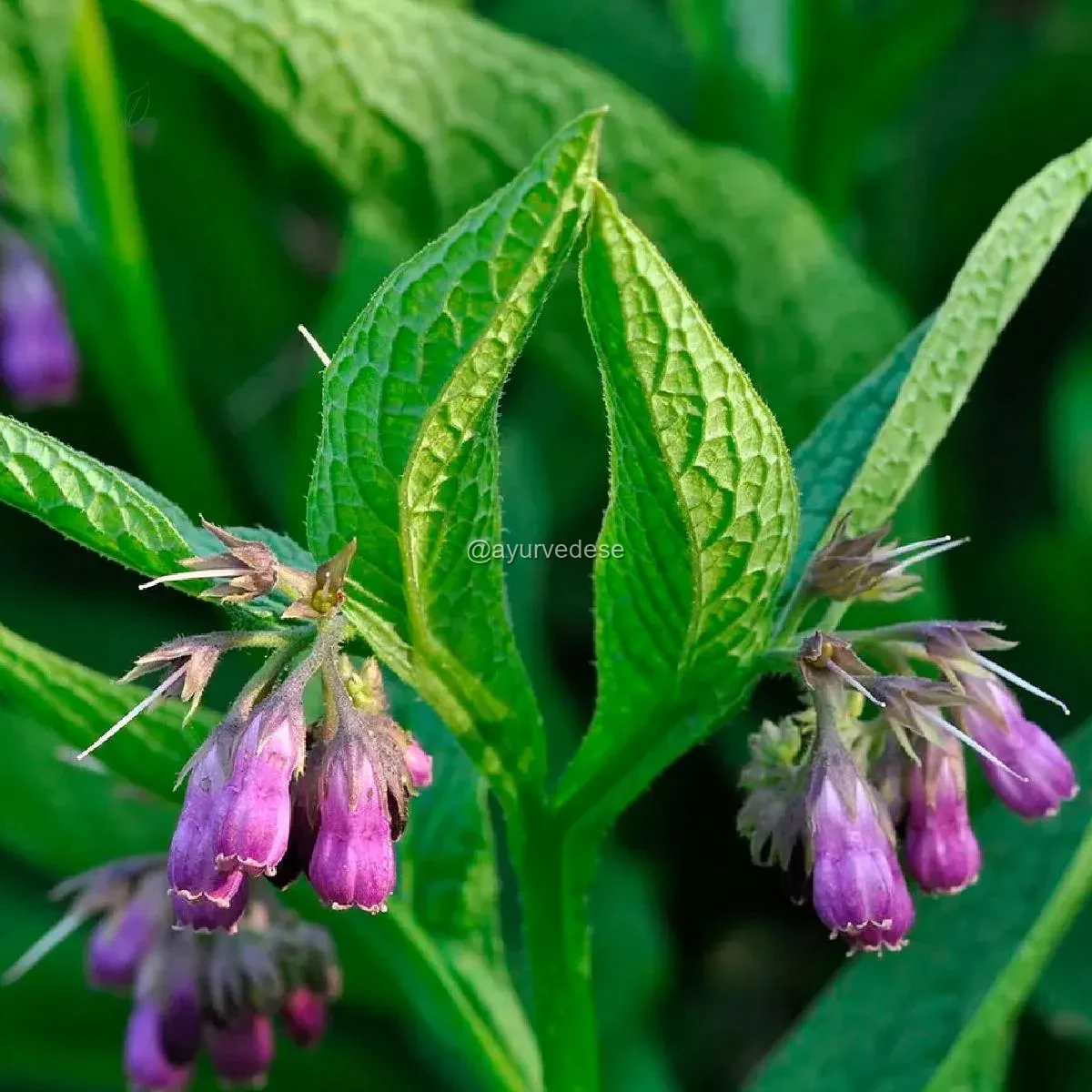
    Researchers demonstrated that the administration of homeopathic doses of Symphytum officinale (SO) can accelerate fracture healing in Wistar rats. After inducing femur fractures, the rats were treated with different doses of SO, including the mother tincture (MT) and 6C. X-ray analyses showed faster bone callus formation, both in the early stage (soft callus) and the late stage (hard callus), in the groups treated with SO. Quantitative bone morphometry indicated an increase in osteogenesis, evidenced by markers such as Col1A1 and Osteocalcin, which were evaluated by immunohistochemistry. Furthermore, serum levels of bone-specific alkaline phosphatase (B-ALP) and the C-terminal telopeptide of type I collagen (CTX) showed significant osteoanabolic activity, especially in the group receiving the MT dose. These findings suggest that Symphytum officinale may play an important role in promoting bone healing, although the study was conducted in an animal model, which limits the generalization of the results to humans.

  • pubmed🗞️ Published on Ayurdrops: Jul 18, 2026📅 Source: Jul 01, 2026

    Varadi Kwatha Ghana Vati and Type 2 Diabetes: An Ongoing Clinical Study

    Researchers are conducting a randomized, double-blind clinical trial to evaluate the efficacy of Varadi Kwatha Ghana Vati as an adjunct to conventional treatment for type 2 diabetes. This multicenter study aims to determine whether the Ayurvedic intervention can improve glycemic control compared to usual care. The protocol involves administering Varadi Kwatha Ghana Vati alongside standard therapy, with the goal of observing changes in blood glucose levels and other metabolic parameters. The research team, led by Chaudhary S and colleagues, is focused on providing concrete data on the efficacy of this integrative approach. Although the study is still in the protocol phase, it represents an important step in exploring how Ayurvedic practices can be integrated into modern medicine for diabetes management.

  • Ghee
    rss:maharishi🗞️ Published on Ayurdrops: Jul 17, 2026📅 Source: Jul 08, 2026

    What to Eat on Guru Purnima According to Ayurveda?

    On Guru Purnima, the Ayurvedic tradition suggests consuming sattvic foods, such as fruits, light khichdi, milk, ghee, and herbal teas. These foods are chosen for their properties that promote mental clarity, meditation, and digestive balance. The date, which celebrates gratitude to teachers and mentors, also invites reflection on the importance of what we consume. Ayurveda emphasizes that food is not only physical but also influences our emotions and mental states. For this day, it is recommended to avoid heavy and stimulating foods, such as fried items and excess caffeine, which can disturb the desired serenity. Instead of severe restrictions, a gentle approach, with seasonal fruits and light soups, is more beneficial, especially for those with health conditions. This practice not only nourishes the body but also the mind, aligning with the spirit of introspection and gratitude that Guru Purnima represents.

  • openalex🗞️ Published on Ayurdrops: Jul 17, 2026📅 Source: Jul 16, 2026

    Healing of post-Ksharasutra ulcers with Hemigraphis colorata: a case study

    Researchers have demonstrated the efficacy of Hemigraphis colorata in healing ulcers resulting from Ksharasutra treatment. This case study, conducted by AryaDas K. K. and colleagues, highlights how the plant can accelerate the recovery process in patients. Hemigraphis colorata, known for its anti-inflammatory and healing properties, was applied locally to the ulcers, resulting in a significant reduction in healing time. The authors observed that the application of the plant not only promoted tissue regeneration but also improved the pain and discomfort associated with the ulcers. Although the results are promising, the study is limited by its single-case nature, which requires further investigations to validate efficacy in a larger population.

  • openalex🗞️ Published on Ayurdrops: Jul 17, 2026📅 Source: Jul 16, 2026

    Langhana in the treatment of fever: connections with modern medicine

    Researchers highlight the importance of Langhana Chikitsa, an Ayurvedic approach to treating fever (jwara). This technique aims to reduce excess doshas and promote recovery. The study reviews classical literature and correlates it with modern practices, emphasizing the relevance of Langhana in regulating metabolism and the immune response. Fever, often seen as an isolated symptom, is approached in Ayurveda as an imbalance that can be treated through dietary and herbal interventions. The authors, Vd. Somdatta Bhaskarrao Kulkarni and Vd. Kamlesh Shivaji Mahajan, suggest that understanding Agni (digestive fire) and modulating the immune system are fundamental to treatment success. Although the review provides valuable insights, limitations such as the lack of robust clinical studies and the need for more scientific evidence are mentioned.

  • Guggul / Indian Bedellium
    openalex🗞️ Published on Ayurdrops: Jul 17, 2026📅 Source: Jul 16, 2026

    Kaishore Guggulu and Agnikarma in the Treatment of Frozen Shoulder: A Case Report

    Researchers presented a clinical case in which the use of Kaishore Guggulu and Amritottaram Kashaya, combined with the Agnikarma technique, resulted in significant improvement in the symptoms of Avabahuka, or frozen shoulder. The patient, who presented with intense pain and limited movement, was treated with these interventions over a specific period. The authors, Dr. Nitya Goswami, Dr. Rita Singh, and Dr. Trupti Jain, observed that the combination of the herbs and Agnikarma therapy, which involves the application of heat, helped relieve pain and restore joint mobility. Although the study is a case report, the results suggest that this Ayurvedic approach may be a viable alternative for managing frozen shoulder, especially in patients who do not respond well to conventional treatments. It is important to consider that further studies are needed to validate these findings in a larger population.